Cockatiels, with their vibrant personalities and striking appearances, have become one of the most beloved pets worldwide. But as every cockatiel owner knows, understanding their preferences is crucial for their well-being. So, do cockatiels actually enjoy getting wet?
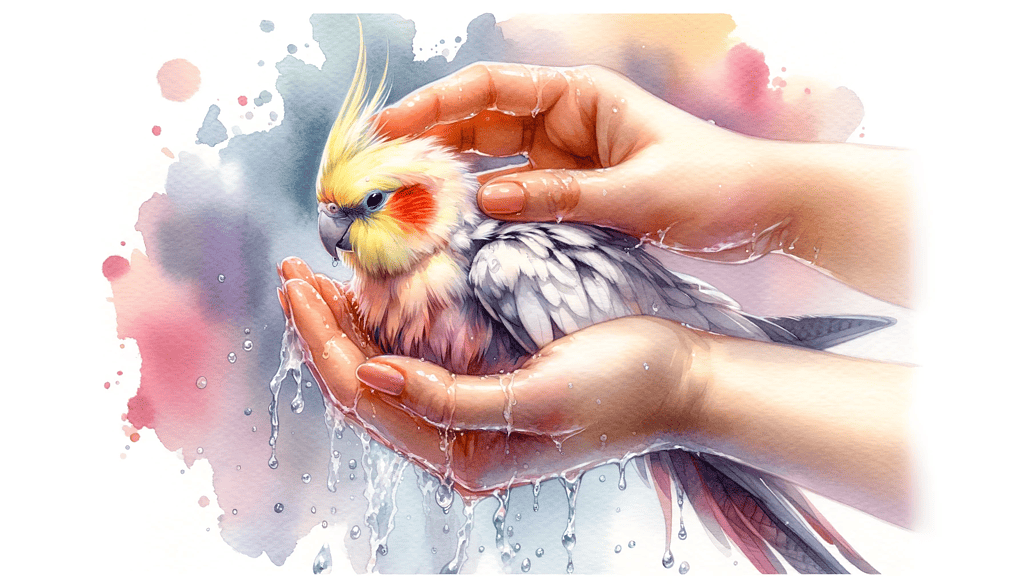
As a general rule, cockatiels do have an affinity for water and often enjoy activities involving it. Whether it’s for hygiene, play, or simply cooling down, these birds often find pleasure in getting wet, mimicking their natural behaviors in the wild.
Dive deeper into this article to uncover the nuances of your cockatiel’s relationship with water, how to introduce them to it, and the signs to watch out for during their watery escapades.
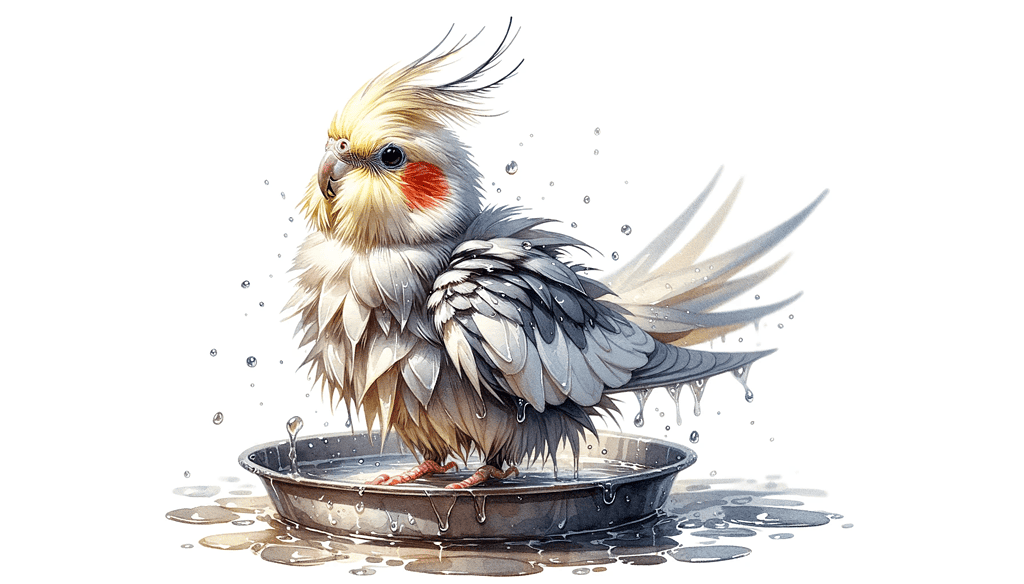
Energetic Splashing: If your cockatiel is energetically splashing water around, it’s a clear sign they’re enjoying themselves. This behavior is similar to what they might do after a rain shower in the wild.
Fluffing Feathers: After a good soak, a cockatiel might fluff up its feathers. This isn’t just adorable; it’s also a way for them to shake off excess water and air out their plumage.
Dancing Movements: Some cockatiels get so into their bath time that they start to dance around, moving their feet in the water and bobbing their heads.
How Do You Know If Your Cockatiel Is Scared Of Water?
Not all water experiences are positive, though. It’s essential to recognize when your feathered friend might be feeling apprehensive or scared. Here’s what to look out for:
Avoidance: If your cockatiel consistently avoids the water dish or moves away when you try to mist them, it’s a sign they might be uncomfortable.
Aggressive Behavior: A scared cockatiel might become aggressive, nipping at you or the water source.
Rapid Breathing: Just like us, birds can show signs of anxiety through their breathing. If your cockatiel’s breathing becomes rapid around water, it’s time to reassess the situation.
Remember, patience is key. Every bird is different, and what works for one might not work for another. Always prioritize your cockatiel’s comfort and well-being.
How To Introduce Your Cockatiel To Water
Introducing your cockatiel to water can be a delightful experience for both you and your feathered friend. However, it’s essential to approach this process with care and understanding. Let’s dive into how you can make this experience enjoyable for your cockatiel.
1. Choosing The Right Time And Setting
Timing is everything. Just like us, birds have their moods, and it’s crucial to introduce them to water when they’re feeling relaxed and curious. Early morning or late afternoon, when the cockatiel is most active, can be ideal times.
Creating the right environment is equally important. Here are some ideal conditions for your cockatiel’s first bath:
Quiet Surroundings: Ensure the room is free from loud noises or sudden distractions.
Familiar Environment: Start in a room where your cockatiel spends most of its time and feels safe.
Warm Temperature: Ensure the room is warm enough so your bird doesn’t feel cold after getting wet.
Natural Light: A well-lit room with natural sunlight can make the experience more pleasant.
Supervision: Always be present to monitor your bird’s reactions and ensure their safety.
2. Methods Of Bathing
There are several ways you can introduce water to your cockatiel:
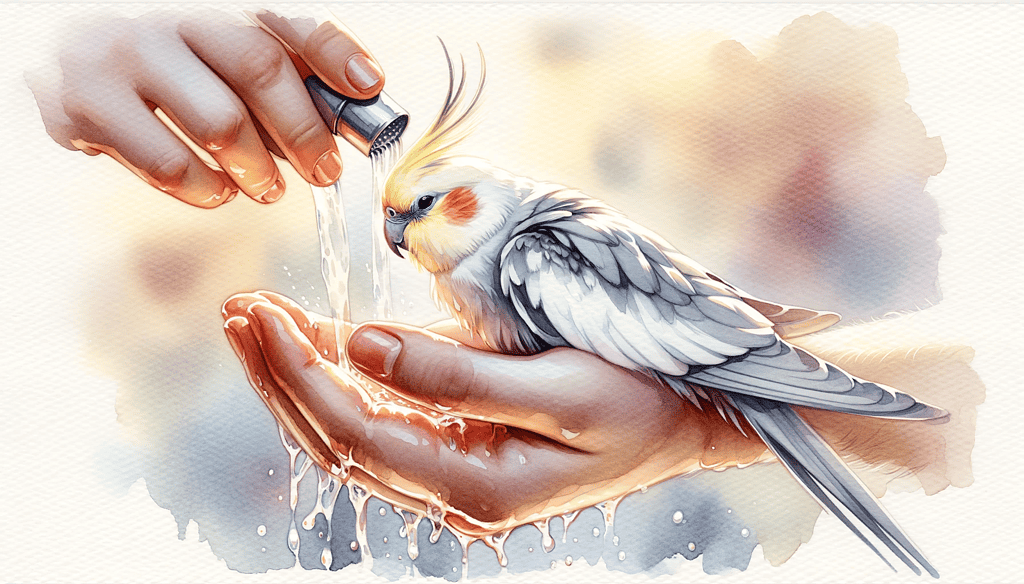
Showering with Your Bird: Some cockatiels enjoy the gentle mist from a shower. If you choose this method, ensure the water isn’t too hot and the pressure isn’t too strong.
Using a Shallow Dish or Bowl: This allows the bird to wade in and splash around at their own pace.
Mist Sprays: A gentle misting can be refreshing for cockatiels, especially during warmer months.
Bathing Method
Pros
Cons
Showering with Bird
Mimics natural rain; can be a bonding experience
Requires close supervision; not all birds may like it
Shallow Dish or Bowl
Allows bird to control depth; natural behavior
Can get messy; ensure water is clean
Mist Sprays
Gentle and refreshing; easy to control
Some birds might be startled at first
3. What To Avoid
While introducing your cockatiel to water can be a fun experience, there are some pitfalls to be aware of:
Forcing the Bird: Never force your cockatiel into the water. It should always be their choice.
Using Cold Water: Always ensure the water is at a comfortable temperature.
Overwhelming the Bird: Start slow and increase the water exposure gradually.
Common misconceptions about bathing cockatiels include:
They Need Daily Baths: While some might enjoy it, daily baths aren’t necessary.
Soap is Needed: Birds have natural oils that protect their feathers. Using soap can strip these away.
All Birds Love Water: Each cockatiel is unique. Some might love water, while others might be indifferent or even scared.
Conclusion
Understanding your cockatiel’s relationship with water is a fascinating journey that can significantly enhance their quality of life. From playful splashes to tranquil baths, these moments of aquatic joy serve as a reminder of their natural instincts and the unique bond you share. I’ve had countless experiences with bird owners who’ve shared heartwarming stories of their cockatiels’ bath-time antics. It’s these little moments that make the journey of pet ownership so rewarding.
Did you find this article helpful? I’d love to hear your thoughts and any experiences you’ve had with your cockatiel and water. And if you think this information could benefit other bird enthusiasts, please feel free to share the article. Let’s spread the joy of understanding and caring for our feathered companions!
Frequently Asked Questions
Do cockatiels need baths?
Absolutely! Regular baths are essential for cockatiels. Bathing not only helps in keeping their feathers clean but also aids in maintaining skin health.
Can cockatiels swim?
While cockatiels enjoy getting wet and splashing around, they aren’t naturally equipped for swimming like ducks or other water birds. Their baths are more about wading and splashing than actual swimming.
Why is my cockatiel shaking after a bath?
Seeing your cockatiel shake after a bath can be a bit alarming, but often, it’s a natural behavior. Birds shake to help get rid of excess water from their feathers. However, if the shaking is accompanied by other signs of distress or if it continues for an extended period, it might be a cause for concern.
Have you ever observed a cockatiel closely and wondered about its peculiar head-bobbing behavior? What does it signify, and why do these charming birds engage in such a unique display?
As a general rule, cockatiels bob their heads for various reasons, ranging from communication and mating rituals to enhancing vision and hearing. This behavior is deeply rooted in their natural instincts and can provide insights into their mood, health, and needs.
Dive deeper with me as we unravel the mysteries behind this fascinating behavior, understanding its significance, and learning how it strengthens the bond between you and your feathered friend.
Before we delve into the specifics, let’s set the stage. Imagine you’re observing your cockatiel from across the room. Suddenly, it starts bobbing its head. You might wonder, “Is it trying to communicate with me? Is it feeling alright?” Well, let’s unravel the mystery behind this peculiar behavior.
Boredom
Cockatiels, like many other animals, can exhibit peculiar behaviors when they’re feeling bored. One such behavior is head bobbing. If you’ve ever noticed your cockatiel intensifying its head bobbing as you approach its cage, it’s likely trying to grab your attention. Just like cats and dogs, birds require a good amount of mental and physical stimulation daily. Without this, they might develop behaviors to signal their discontentment. It’s essential for your bird to have ample interaction with you and a variety of toys in its environment to keep itself entertained. Moreover, it’s beneficial for them to spend several hours outside their cage daily.
Hunger
Head bobbing can also be a sign of hunger, especially in young cockatiels. If you’ve ever seen a young cockatiel bobbing its head, it’s often an indication that it’s hungry and awaiting its feeding session. This behavior is most commonly observed in very young cockatiels that are still being hand-fed. As they grow older, this specific reason for head bobbing tends to diminish. Sometimes, along with head bobbing, baby cockatiels might also twitch their wings, signaling their parents that they’re hungry and ready for a feeding.
Frequency of head bobbing in relation to the age of the cockatiel:
Age of Cockatiel
Frequency of Head Bobbing due to Hunger
1-2 weeks old
Very Frequent
3-4 weeks old
Frequent
5-6 weeks old
Occasional
7-8 weeks old
Rare
Adult
Very Rare
Dancing
One of the most delightful sights for a cockatiel owner is watching their feathered friend dance and bob its head to music. Yes, you read that right! Cockatiels, with their vibrant personalities, often react to music by bobbing their heads, swaying, and even tapping their feet. This isn’t just a random behavior; it’s their way of expressing joy and entertainment. Over the years, I’ve observed that cockatiels have a preference for certain rhythms and beats. It’s a heartwarming experience to see them resonate with music, reminding us of the deep emotional capacities these birds possess.
Popular songs or sounds that cockatiels often react to:
Whistling tunes, especially those that are repetitive.
Classical music with pronounced beats.
Pop songs with catchy rhythms.
Sounds of nature, like rain or chirping of other birds.
Television theme songs or jingles.
Aggression
I’ve noticed that these birds, like many others, have their own ways of expressing aggression. One of the signs of an aggressive cockatiel is head bobbing, especially when it’s accompanied by hissing or lunging. This behavior is often territorial in nature. If you see your cockatiel bobbing its head aggressively, it might be signaling a warning to another bird or even to you. It’s essential to understand this behavior and give your bird the space it needs during such times.
Happiness
On the brighter side, head bobbing can also be a sign of sheer joy and contentment. When your cockatiel is in a good mood, perhaps after a fulfilling meal or a playful session, you might notice it bobbing its head in a relaxed manner. This is their way of expressing happiness and showing that they’re comfortable in their environment. It’s moments like these that remind us of the deep bond we share with our feathered companions.
Looking for a Mate
Nature has its unique ways, doesn’t it? Cockatiels use head bobbing as part of their mating rituals. When a male cockatiel is trying to woo a female, he might bob his head, puff up his feathers, and serenade her with his songs. It’s a sight to behold and a clear indication of the bird’s intent to court its mate.
Regurgitation
Regurgitation in cockatiels is often misunderstood by many bird owners. While it might seem like a cause for concern, it’s usually a sign of affection. When a cockatiel bobs its head and then regurgitates, it’s often trying to feed someone it’s bonded with, be it another bird or even its owner. This behavior is deeply rooted in their natural instincts, where parents regurgitate to feed their young. However, frequent regurgitation without any apparent reason can be a sign of health issues, so it’s essential to monitor and consult a vet if you’re concerned.
Anxiety
Rapid head bobbing can sometimes be an indicator of stress or discomfort in cockatiels. It’s essential to differentiate between the usual, rhythmic head bobbing and the rapid, erratic bobbing that’s often a sign of anxiety. Factors like a change in environment, loud noises, or the presence of potential threats can trigger such behavior. As a responsible bird owner, it’s crucial to ensure that your cockatiel’s environment is calm, consistent, and free from stressors.
Correlation between the speed of head bobbing and levels of anxiety:
Speed of Head Bobbing
Level of Anxiety
Possible Causes
Slow and rhythmic
Low
Contentment, curiosity, or listening
Moderate
Medium
Mild discomfort or seeking attention
Rapid and erratic
High
Stress, fear, or potential threats
Enhanced Vision and Hearing
Nature has equipped cockatiels with a unique mechanism to enhance their vision and hearing. Due to the positioning of their eyes, they might tilt or bob their heads to get a clearer view of something that intrigues them. Similarly, if they hear a sound that piques their interest, they might bob their heads to determine the direction and distance of the sound source.
I’ve personally observed a cockatiel tilting its head and bobbing it slightly to get a clearer view of a toy or a treat. It’s fascinating how these birds use head bobbing as a tool to perceive their environment better.
Seeking Attention
Cockatiels are social birds that thrive on interaction and attention. Head bobbing can often be a sign of a cockatiel trying to show off or seeking attention. Whether it’s to get you to play with them, give them a treat, or just to get a reaction, these birds know how to use their charm. Especially during their younger years, cockatiels might use head bobbing as a playful gesture to engage with their owners.
In the world of cockatiels, head bobbing is more than just a quirky behavior. It’s a language, a mode of expression, and a tool for better perception. As you spend more time with your feathered friend, you’ll begin to understand the nuances of this behavior, strengthening the bond you share with your cockatiel.
Conclusion
It’s evident that these charming birds have a myriad of reasons for their head bobbing behavior. From communication to mating rituals, each bob and nod tells a unique story. As we’ve explored, understanding these behaviors not only deepens our bond with these feathered companions but also ensures their well-being.
Did you find this article enlightening? We’d love to hear your thoughts in the comments below. If you enjoyed it, please consider sharing with fellow bird enthusiasts to spread the knowledge!
Frequently Asked Questions
Why Do Cockatiels Bob Their Heads?
Cockatiels bob their heads for various reasons, including communication, mating, enhanced vision, and listening.
Is Head Bobbing a Sign of Happiness in Cockatiels?
While it can indicate contentment, head bobbing isn’t exclusively a sign of happiness. It can also signal other emotions or needs.
Why Do Cockatiels Bob Their Heads to Music?
Music can be entertaining for cockatiels. When they bob their heads to tunes, it’s a sign of them enjoying the rhythm.
Is Head Bobbing a Sign of Illness in Cockatiels?
While occasional head bobbing is normal, excessive or erratic bobbing, especially when accompanied by other symptoms, can indicate health issues.
Have you ever noticed your cockatiel banging its beak in a peculiar manner and wondered what it means? Is it just a quirky behavior, or is there more to it?
As a general rule, cockatiels bang their beaks as a form of communication, expressing various emotions and needs. This behavior can signify their desire for attention, stress, territorial instincts, or even boredom. It’s essential for bird owners to understand and interpret these signals to ensure the well-being of their feathered friends.
Dive in with me as we explore the intricacies of this unique behavior, its causes, and what your cockatiel might be trying to tell you.
Why Do Cockatiels Bang Their Beaks
As we delve deeper into the world of cockatiels and their beak-banging habits, it’s crucial to understand the myriad reasons behind this behavior. Let’s explore some of these reasons in detail:
1. Passing a Message
One of the primary reasons cockatiels bang their beaks is to communicate. It’s their way of passing a message, especially to their owners. For instance:
Cage Door banging: When your cockatiel wants to be let out, it might bang on the cage door as a signal.
Toy banging: If your feathered friend wants to play, it might bang on its toys to get your attention.
Attention Seeking: Cockatiels, being the social birds they are, might bang their beaks against the cage to call you over.
Dislike Indicator: If there’s something they’re not fond of, they’ll bang their beak as a sign of displeasure. Over time, they learn that this action gets a response, reinforcing the behavior.
2. Boredom
Boredom in cockatiels isn’t just a minor inconvenience; it can have a profound impact on their health and well-being. When a cockatiel is bored, it might resort to beak banging as a way to entertain itself. But how can you tell if your feathered friend is genuinely bored?
Signs of boredom in cockatiels include:
Excessive beak banging or banging.
Over-preening or plucking their own feathers.
Vocalizing loudly or more frequently than usual.
Showing a lack of interest in their toys or surroundings.
To combat boredom, it’s essential to provide your cockatiel with a variety of toys, regular interaction, and opportunities for out-of-cage playtime. This not only keeps them entertained but also promotes their mental and physical health.
3. Stress and Aggression
Stress and aggression can manifest in various ways in cockatiels, and beak banging is one of them. When a cockatiel feels threatened or anxious, it might bang its beak as a warning sign or to express its discomfort. It’s essential to understand the root causes of their stress to address it effectively.
Common Stressors for Cockatiels and Solutions:
Changes in surroundings: Introduce changes gradually.
Presence of predator pets (e.g., cats): Keep them separated.
Loneliness: Spend quality time or consider a companion.
Hormonal changes: Consult with a vet for guidance.
Territorial disputes: Ensure ample space and separate aggressive birds.
4. Lack of Grooming
Grooming is an essential aspect of a cockatiel’s daily routine. It helps them maintain their feathers, skin, and, of course, their beak. A well-groomed beak is crucial for eating, climbing, and playing. Sometimes, cockatiels use beak banging as a grooming mechanism, especially if they feel something is off with their beak. But there’s more to beak care than just banging.
The importance of beak grooming for cockatiels cannot be overstated. A healthy beak ensures they can eat properly and interact with their environment. If you notice excessive beak banging, it might be a sign that your cockatiel’s beak needs attention.
Offer a cuttlebone for added calcium and beak grinding.
Observe for any overgrown or misshapen beaks.
Consult a vet for professional beak trimming if needed.
5. Socializing
Cockatiels are social birds, both in the wild and in domestic settings. Their social behaviors are intricate, and beak banging plays a significant role in their interactions. In the wild, beak banging can be a way to communicate with other birds, especially during mating rituals or when establishing dominance.
For domesticated cockatiels, beak banging can be a way to interact with their human companions or other pets in the household. It’s a form of communication, a way to get your attention, or even a playful gesture.
Social Behaviors of Domesticated vs. Wild Cockatiels
Domesticated Cockatiels
Wild Cockatiels
Bang beak for attention
Use beak bangs to communicate with the flock
Respond to household noises
bang in response to environmental sounds
Might bang when seeing their reflection
Use beak bangs during mating rituals
Socialize with humans
Socialize primarily with other cockatiels
Territorial Behavior
Every pet owner knows that animals can be territorial, and cockatiels are no exception. They might use beak banging to express possession or dominance, especially if they feel their territory is being threatened. This behavior can be directed towards other birds, pets, or even objects they are particularly fond of.
Understanding the territorial nature of cockatiels is crucial for ensuring harmony, especially if you have multiple birds or pets. Giving each bird its own space and ensuring they have their own toys and feeding areas can help reduce territorial disputes.
Signs of Territorial Behavior in Cockatiels:
Aggressive beak banging when someone approaches their cage.
Fluffing up feathers and hissing.
Guarding certain toys or perches.
Nipping or biting when their space is invaded.
Vocalizing loudly when their territory is threatened.
6. For Fun
Cockatiels, like many other pets, love to play! Their playful nature is endearing, and their love for sounds, including the sound produced by beak banging, can be a source of entertainment for them. Sometimes, a cockatiel might bang its beak simply because it enjoys the sound or the reaction it gets from you.
Whether they’re mimicking a rhythm they heard or just entertaining themselves, it’s essential to recognize and appreciate the joyous moments these birds bring into our lives.
Playful Activities Cockatiels Enjoy:
Mimicking sounds or tunes.
Playing with bells or rattling toys.
Exploring new toys with different textures.
Engaging in “hide and seek” with treats.
Dancing along to rhythmic sounds or music.
Cockatiel Beak Banging Towards Owners
As someone who has spent years observing and caring for birds, I’ve noticed that cockatiels have a unique way of expressing themselves towards their owners. One of the most intriguing behaviors is beak banging.
Expressing ownership and jealousy
Cockatiels are quite possessive creatures. If you’ve been spending more time with another pet or even another person, your cockatiel might bang its beak on you as a sign of jealousy. This is their way of reminding you that they’re still there and would like some attention.
Showing affection and trust
If you’ve built a strong bond with your cockatiel, it might bang its beak on you before grooming. This behavior indicates trust and affection. It’s their way of saying they feel safe and comfortable around you.
Expressing annoyance and irritation
Cockatiels are expressive, and if something bothers them, they won’t hesitate to let you know. If your bird bangs its beak on you and then moves away, it might be signaling that it’s annoyed. This could be due to various reasons, such as the way you’re handling them or even the color of your clothing.
Preventing Destructive Beak Banging
While beak banging is a natural behavior, there are times when it can become excessive or even destructive. It’s essential to understand when and why you should intervene.
When and why you should intervene: If your cockatiel’s beak banging appears to be causing pain or discomfort, or if it’s a result of stress, boredom, or aggressive territorial behavior, it’s time to step in.
Tips to prevent harmful beak-banging behaviors:
Introduce your cockatiel to other individuals to prevent it from becoming overly attached to you.
Spend quality time with your bird. Engage in social interactions, play with it, and ensure it has toys and puzzles in its cage to keep it mentally stimulated.
Ensure your cockatiel has access to food and water at all times.
Place the cage in a quiet room, especially during the night, allowing your bird to get adequate rest.
If grooming is the issue, provide chewable toys, natural perches, or cuttlebone to help trim the beak.
Conclusion
Cockatiels are truly fascinating creatures, each with its own unique personality and ways of communicating. Understanding the nuances behind behaviors like beak banging can greatly enhance the bond between you and your feathered friend. It’s a window into their world, their emotions, and their needs.
Did you find this deep dive into the world of cockatiels‘ beak-banging habit enlightening? I’d love to hear your thoughts in the comments below. And if this article resonated with you, please consider sharing it with fellow bird enthusiasts. Your feathered companion might just tap its beak in approval!
Frequently Asked Questions
Is beak banging the same as beak banging?
Beak banging is more of a strong thump, while beak banging is a lighter bang. Cockatiels use beak banging during mating season or when seeking attention.
Why do cockatiels bang their beaks before sleeping?
This behavior can be a way for cockatiels to get comfortable or signal that they’re settling down for rest.
Is beak banging a sign my cockatiel is happy?
Not necessarily. While it can be a form of communication or play, it can also indicate stress or discomfort.
How can I tell if my cockatiel’s beak banging is a cause for concern?
If the behavior becomes excessive or if you notice signs of pain, discomfort, or stress in your bird, it’s time to consult with a professional.
Imagine the vibrant chirping of a healthy, joyful cockatiel filling your home. This delightful scenario begins with understanding the right nutrition for these charming birds. The seeds you choose play a pivotal role in your cockatiel’s health, affecting their lifespan, vitality, and overall well-being.
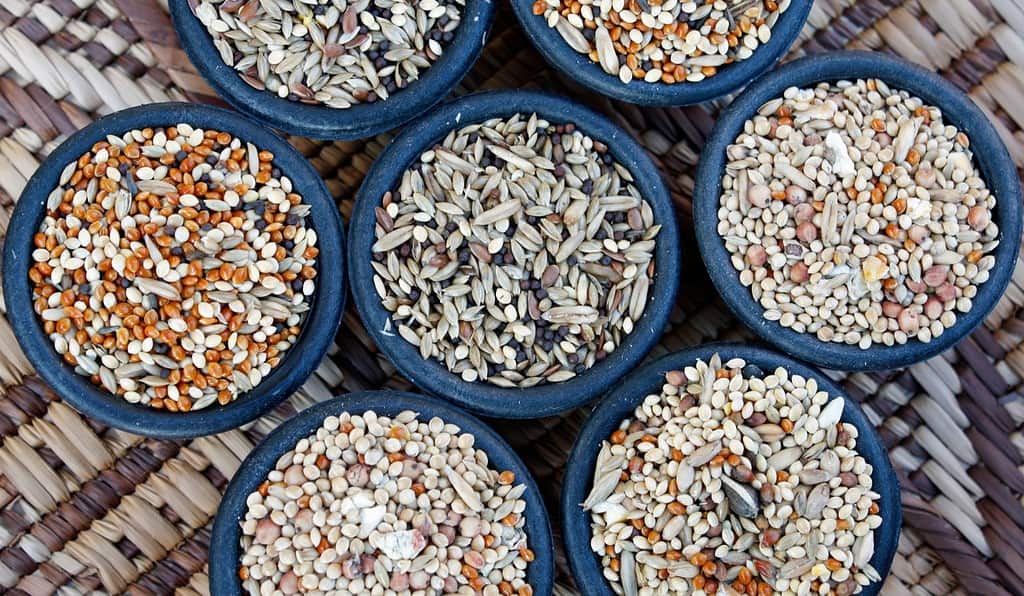
As a whole, the best seeds for cockatiels include a balanced mix of millet, canary seed, limited sunflower seeds, hemp, pumpkin, chia, quinoa, oat, and corn seeds ensuring a rich nutrient intake for optimal health and vitality.
Eager to ensure your feathered friend’s diet sets them up for a life of vibrant health and happiness? Dive into this comprehensive guide, ‘Best Seeds for Cockatiels – A Vets Report,‘ and embark on a journey to unravel the secrets of cockatiel nutrition. Your cockatiel’s flourishing life begins with the right seed choices. Read on and let your bird bask in the glow of perfect health!
Are Seeds Healthy for Cockatiels?
Seeds are indeed a fundamental component of a cockatiel’s diet, offering a range of essential nutrients that contribute to their overall health and well-being. Seeds like sunflower, millet, and canary seed provide vitamins, minerals, and proteins that are crucial for maintaining vibrant feathers, robust immune systems, and high energy levels. However, it’s essential to understand that while seeds are healthy, they should be part of a balanced and diverse diet for your cockatiel.
🌻 Did You Know?Seeds provide essential nutrients but should be balanced with other food types for optimal cockatiel health!
10 Best Seeds for Cockatiels
Click to see our Amazon top pick with over 3000 4+ star reviews.
Navigating the world of cockatiel nutrition can seem like a maze, but fear not! I’m here to guide you through the best seeds for your feathered friend, ensuring they chirp and thrive in vibrant health.
Sunflower Seeds
Sunflower seeds are a beloved treat among cockatiels, offering a rich source of essential nutrients such as vitamin E, magnesium, and healthy fats. These seeds are known for their high energy content, which can keep your cockatiel active and lively. Despite their nutritional benefits, sunflower seeds are high in fat. Overfeeding can lead to obesity and related health complications, such as liver issues and other metabolic disorders.
I have observed the happiness that sunflower seeds bring to cockatiels. They relish the taste, and it’s a joy to see them content. However, I always emphasize the importance of portion control to pet owners. Integrating a small amount of sunflower seeds with other seed varieties can help ensure a balanced and nutritious diet for your cockatiel, promoting optimal health, longevity, and vibrancy.
🌻 Did You Know? Sunflower seeds are not just a treat for birds, they are also consumed by humans for their numerous health benefits!
Millet
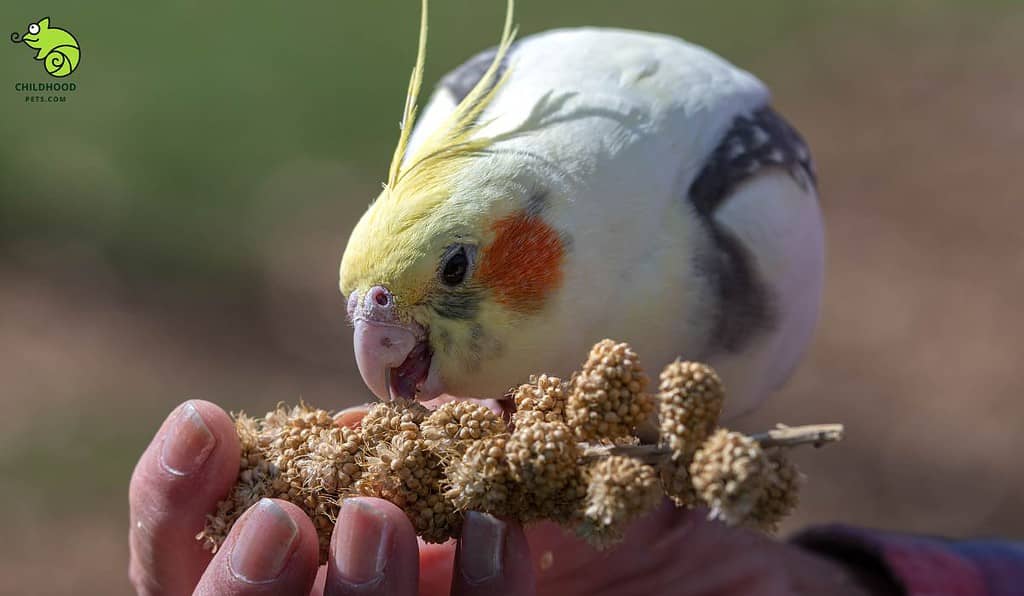
Millet stands out as a highly favored seed among cockatiels. This small, round seed is not only delectable for your feathered friend but also brimming with essential nutrients. It is an excellent source of protein, providing the necessary building blocks for healthy muscles and feathers. Additionally, millet is rich in essential amino acids, which are crucial for various bodily functions, including feather growth and immune system support.
The antioxidants present in millet also contribute to overall health, helping to combat oxidative stress and inflammation in your cockatiel’s body. Including millet in your cockatiel’s diet ensures they receive a well-rounded nutritional intake, promoting feather health, energy levels, and general well-being.
🌾 Tip: Include a handful of millet in your cockatiel’s seed mix for a boost of protein and essential amino acids!
Canary Seed
Canary seed is a fantastic addition to your cockatiel’s diet. It is rich in protein, which is essential for healthy muscle development and maintenance, and low in fat, making it an ideal choice for maintaining a healthy weight and preventing obesity-related health issues. Canary seed is also abundant in other vital nutrients, including amino acids, vitamins, and minerals, all contributing to your cockatiel’s overall health and vitality.
Regular consumption of canary seed supports optimal feather health, ensuring your cockatiel sports a vibrant and glossy plumage. It also aids in maintaining high energy levels, allowing your cockatiel to remain active and lively. Including canary seeds in your cockatiel’s diet is a step towards ensuring they enjoy a balanced nutritional intake, contributing to their peak health and vitality.
Safflower Seeds
Safflower seeds emerge as a superior choice for your cockatiel’s diet. These seeds are a treasure trove of essential fatty acids, vital for maintaining optimal health and vitality in your feathered companion. The fatty acids present in safflower seeds play a crucial role in supporting healthy skin and feathers, ensuring your cockatiel looks vibrant and healthy.
Safflower seeds also offer a substantial amount of protein, a necessary nutrient for muscle development and maintenance. This protein content ensures your cockatiel has the strength and energy to engage in daily activities and exercise.
🌸 Fact: Safflower seeds have a lower fat content compared to sunflower seeds, making them a healthier alternative!
Hemp Seeds
Hemp seeds stand out as nutritional gems for cockatiels. These seeds are renowned for their optimal balance of omega-3 and omega-6 fatty acids. This balance is essential for promoting excellent feather and skin health, ensuring your cockatiel’s plumage remains lush and vibrant. The fatty acids in hemp seeds also support immune function, helping to keep your bird healthy and resilient against illnesses.
Beyond these benefits, hemp seeds are a rich source of high-quality protein. This protein content ensures your cockatiel has ample energy and vitality to thrive and enjoy daily activities. Including hemp seeds in your cockatiel’s diet is a step towards ensuring they receive a well-rounded nutritional intake, contributing to their overall well-being, energy levels, and feather health.
Pumpkin Seeds
Pumpkin seeds serve as a delightful and nutritious treat for your cockatiel. These seeds are rich in essential amino acids, which play a crucial role in various bodily functions, including muscle development, feather growth, and immune system support. The presence of zinc in pumpkin seeds enhances the immune system, ensuring your cockatiel remains healthy and resilient against potential health issues.
Pumpkin seeds are also a source of valuable fatty acids, contributing to optimal skin and feather health. This nutrient profile ensures your cockatiel boasts a robust immune system, vibrant feathers, and overall excellent health. Including pumpkin seeds in your cockatiel’s diet contributes positively to their nutritional intake, ensuring they receive a diverse array of essential nutrients
Chia Seeds
Chia seeds are a remarkable addition to your cockatiel’s diet, offering a wealth of nutritional benefits. Rich in Omega-3 fatty acids, these tiny seeds contribute significantly to your bird’s overall health, supporting optimal skin and feather condition, and enhancing immune function. The antioxidants present in chia seeds help combat oxidative stress, protecting your cockatiel’s cells from damage and promoting longevity.
Chia seeds provide essential minerals such as calcium, crucial for strong bones and beak health. The fiber content aids in digestion, ensuring your cockatiel’s gastrointestinal system functions efficiently, while iron supports healthy blood and oxygen transport throughout the body.
Including chia seeds in your cockatiel’s diet is a step towards ensuring they enjoy a diverse and balanced nutritional intake, contributing to their overall well-being, vitality, and health.
Quinoa
Quinoa is not just a nutritious grain for humans; it’s also a beneficial addition to your cockatiel’s diet. When cooked, quinoa becomes a soft, easy-to-digest food packed with high-quality protein and all the essential amino acids your bird needs for optimal health. The protein content in quinoa supports muscle development and maintenance, ensuring your cockatiel remains strong and active.
Essential amino acids play a crucial role in various bodily functions, including feather growth, immune system support, and overall cellular health. Including cooked quinoa in your cockatiel’s diet provides them with a diverse array of nutrients, promoting their overall well-being, vitality, and health. Ensure the quinoa is thoroughly cooked and cooled before offering it to your cockatiel to ensure it’s easily digestible and safe for consumption.
Corn Seed
Corn seeds are a delightful and nutritious treat for your cockatiel. They offer a substantial source of carbohydrates, providing the energy your active cockatiel needs to explore, play, and engage in daily activities. The energy from corn seeds supports your bird’s high metabolism, ensuring they have the vitality to thrive.
Corn seeds are rich in dietary fiber, which aids in promoting healthy digestion and optimal gastrointestinal function. This fiber content ensures your cockatiel’s digestive system operates efficiently, processing nutrients effectively and supporting overall health.
When offering corn seeds to your cockatiel, ensure they are unsalted and thoroughly cooked to ensure easy digestion and optimal nutrient absorption. This preparation ensures your cockatiel receives the maximum nutritional benefits from the corn seeds, contributing to their energy levels and overall health.
Oat
Oats are a fantastic food choice for cockatiels, offering a range of essential nutrients that contribute to their overall health and vitality. One of the key components in oats is beta-glucans, a type of soluble fiber that aids in digestion and supports optimal gastrointestinal health. This fiber helps regulate your cockatiel’s digestive system, ensuring efficient nutrient absorption and promoting overall well-being.
Beyond fiber, oats provide a range of necessary minerals and vitamins, including magnesium, iron, and B vitamins. These nutrients support various bodily functions, including muscle function, blood health, and energy production. Including oats in your cockatiel’s diet ensures they receive a well-rounded nutritional intake, promoting their overall health, vitality, and longevity.
Incorporating these seeds into your cockatiel’s diet will contribute to their health, happiness, and longevity. Remember to offer a variety of seeds in moderation and consult your vet for personalized dietary advice for your feathered friend. Your cockatiel’s well-being is worth the effort, ensuring they remain lively and loving companions.
Mixed Seeds for Cockatiels
It’s paramount to understand the significance of a mixed-seed diet for these vibrant birds. A diverse seed diet is not just a source of nourishment; it’s a pathway to a to flourishing, healthy life for your cockatiel.
Variety is the Key
Each seed type adds a unique nutritional profile to your cockatiel’s diet, ensuring they get a well-rounded intake of all the essential nutrients. Remember, variety is the spice of life, and the same goes for your cockatiel’s diet. Providing a mix of different seeds ensures they not only enjoy their meals but also receive diverse nutrients that are essential for their health.
Balancing Nutrition
Mixed seeds play a pivotal role in balancing your cockatiel’s nutrition. Incorporating a range of seeds like safflower, hemp, and sunflower seeds, along with superfoods like chia and quinoa, guarantees a balanced diet. This diversity ensures your cockatiel is not just filling up but nourishing their body, supporting their immune system, and enhancing their lifespan.
In my years as a veterinarian, I recall a particular instance that highlights the importance of a proper seed diet for cockatiels. A concerned bird owner brought in a lethargic cockatiel with dull feathers. The issue? A diet heavy on sunflower seeds, lacking in variety and essential nutrients. A tailored seed mix, rich in diverse seeds like millet and canary seed, transformed the bird’s health, showcasing the vitality and vibrancy typical of a well-nourished cockatiel. This experience underscores the significance of not just feeding seeds, but ensuring a balanced mix for optimal cockatiel health.
Mental and Physical Stimulation
Beyond nutrition, a mixed seed diet contributes to your cockatiel’s mental and physical well-being. The act of foraging through different seed types provides mental stimulation, keeping your bird engaged and content. It mirrors their natural feeding behavior, promoting physical activity and mental alertness.
In essence, a mixed seed diet stands as a cornerstone for your cockatiel’s health and happiness. It’s not just food; it’s a medley of nutrition, mental engagement, and a touch of natural foraging delight, making every mealtime a step towards a thriving life for your feathered companion.
How to Provide Seeds to Cockatiels
Embarking further into the world of cockatiels, let’s delve into the intricacies of providing seeds, ensuring the right portion sizes, and understanding the benefits of a mixed seed diet, while also highlighting the pitfalls to avoid.
Proper Portion Sizes
Understanding the appropriate portion sizes is paramount. Overfeeding can lead to obesity, while underfeeding can result in nutritional deficiencies. Generally, one tablespoon of a mixed seed diet per day is adequate for an average-sized cockatiel. It’s essential to observe your bird and adjust the portions based on their specific needs and appetite.
Things to Avoid
Avoid over-reliance on sunflower seeds due to their high-fat content. Also, ensure fresh water is always available, and don’t forget to supplement the seed diet with fresh fruits and vegetables for additional nutrients and variety.
Seeds to Avoid
Certain seeds can be harmful to cockatiels, posing serious health risks. It’s essential to be aware and keep these seeds away from your bird’s reach.
Harmful seeds and their associated risks
Harmful Seeds
Associated Risks
Avocado Seeds
Toxic, can cause respiratory distress
Apple Seeds
Contain cyanide, can lead to poisoning
Cherry Seeds
Can cause respiratory failure and death
Understanding the right seeds and proper feeding habits is not just beneficial knowledge for me as a vet, but it’s crucial for you as a dedicated bird owner. Your cockatiel’s vibrant health, longevity, and happiness hinge on the choices you make for their diet.
So, what are your thoughts? Feel free to share in the comments, and if this article shed light on cockatiel nutrition for you, don’t hesitate to share it with fellow bird enthusiasts. Your feathered friends are counting on you to make the best choices for their diet, ensuring they soar high in health and happiness!
Did you know that the vibrant world of cockatiels is filled with subtle cues that can help distinguish between males and females? These delightful birds, with their unique crests and captivating personalities, have more to them than meets the eye. When I first adopted my cockatiel, I was brimming with curiosity about its gender. Was it a he or a she? And why did it matter? Well, understanding the gender of my feathered friend not only satisfied my curiosity but also gave me insights into its behavior, making our bond even stronger.
As a general rule, male cockatiels are often more vocal and outgoing, while females tend to be more reserved with distinct color patterns and reproductive behaviors. Recognizing these differences is crucial for their care, health, and nutrition.
Curious to dive deeper into the world of cockatiels and discover the nuances that set the genders apart? Let’s embark on this enlightening journey together!
At What Age Can You Tell the Difference in a Cockatiels Gender?
When it comes to cockatiels, patience is key, especially if you’re trying to determine their gender. You see, both male and female cockatiels look strikingly similar when they’re just little chicks. It’s only as they grow and mature that their distinctive features start to emerge. Typically, it’s after their first molt, which usually occurs around 6 to 9 months of age, that you can begin to notice differences in their coloration and behavior. Before this age, you might as well flip a coin because their juvenile plumage gives no clear hints about their gender.
Color Patterns
Now, let’s talk colors. Cockatiels have some of the most distinctive color patterns that can help you identify their gender. But remember, it’s not just about the colors but also where they appear.
Male Cockatiels
Face: One of the most striking features of a male cockatiel is its solid yellow face. It’s like they’ve been kissed by the sun!
Cheek Patches: These guys sport bright orange cheek patches, making them look like they’re perpetually blushing.
Tail: After their first molt, male cockatiels say goodbye to their barred tail markings, opting for a sleeker look.
Female Cockatiels
Face: Female cockatiels have a more subdued look with gray or tan faces, but they do have hints of yellow, giving them a soft glow.
Cheek Patches: Their cheek patches are a tad duller than their male counterparts, but they’re still pretty darn cute.
Tail: Unlike the males, female cockatiels retain their barred tail markings, adding a touch of elegance to their appearance.
To make things a tad clearer, let’s lay it out in a table:
Feature
Male Cockatiels
Female Cockatiels
Face
Solid yellow
Gray or tan with hints of yellow
Cheek Patches
Bright orange
Duller orange
Tail after First Molt
No barred markings
Retains barred markings
Cockatiel Color Mutations
Ah, the world of cockatiels is a colorful one, quite literally! When it comes to these feathered wonders, their color mutations can be both a delight and a challenge for bird enthusiasts like you and me. Determining the gender based on color mutations can sometimes feel like you’re trying to solve a jigsaw puzzle with a few pieces missing. But fret not, I’m here to guide you through this vibrant maze.
Pied Cockatiels
Pied cockatiels are like the abstract artists of the bird world. Their unique color patterns can vary significantly from one bird to another, making gender identification a tad tricky. The variability is even more pronounced when you consider the different mutation crosses. So, while you might be tempted to rely solely on color patterns, it’s essential to consider other factors when determining the gender of pied cockatiels.
Lutino Cockatiels
The lutino mutation brings its own set of quirks. Female lutinos have this subtle elegance about them, retaining faint barring on their tail. It’s like nature’s way of adding a touch of detail to their design.
Yellowface Cockatiels
Now, here’s where things get interesting. Male yellowface cockatiels flaunt yellow heads and, over time, lose the barring on their wings and tails. It’s as if they’re wearing a golden crown! On the other hand, female yellowfaces sport gray faces but retain that distinctive barring, giving them a regal appearance.
Pearl cockatiels are nature’s version of a fashion makeover. Males, after a few molts, decide to change their look by losing their pearled markings. It’s like they’re saying, “Out with the old, in with the new!” Meanwhile, female pearls stick to their classic style, retaining those beautiful pearled markings.
Pastel Face and Albino Cockatiels
Now, these are the enigmas of the cockatiel world. Determining gender based on color patterns for pastel face and albino cockatiels can be a real head-scratcher. Their lack of distinctive color patterns means you’ll need to rely more on behavior and other physical characteristics to identify their gender.
Size and Features
Beyond the colors and patterns, there’s another dimension to consider when distinguishing between male and female cockatiels: their size and features. Now, I’ve examined countless cockatiels in my time, and I’ve noticed some subtle yet consistent differences between the genders.
Generally speaking, female cockatiels tend to be slightly larger than their male counterparts. It’s as if nature decided to give them a bit more presence. Additionally, females often have broader heads and larger beaks, making them stand out in a crowd.
To give you a clearer picture, here’s a breakdown of the physical differences:
Size: Female cockatiels are generally larger.
Head: Females have broader heads, giving them a distinctive profile.
Beak: When it comes to beaks, females take the lead with slightly larger and more robust beaks.
Feet: Interestingly, female cockatiels often have slightly thicker legs and larger feet.
Eye Color: While this can vary, some mutations show a difference in eye color between the genders.
Read further and we will get into some of the details, but first here is a link to an Amazon product that does Bird DNA Tests. A Bird DNA Test is a real way to know for sure. But read on to know more ways as well.
Personality Traits
Ah, the delightful quirks of cockatiels! Just like us humans, these feathered friends come with their own set of personality traits. And, believe it or not, many of these traits can be linked to their gender. Over the years, I’ve had the pleasure of observing countless cockatiels, and I’ve noticed some fascinating patterns in their behavior. Let’s dive into the most common personality traits observed in both genders:
Female Cockatiels
Shyness: Female cockatiels often have a reserved nature. They might take a step back and observe before warming up to new situations or people.
Independence: These ladies are often content doing their own thing, whether it’s exploring a new toy or finding a cozy spot to perch.
Nurturing: It’s not uncommon to see female cockatiels showing nurturing behavior, especially if they have a clutch of eggs.
Cautiousness: They tend to be more cautious and might take longer to adjust to changes in their environment.
Observant: Females are keen observers, often watching and learning from their surroundings.
Male Cockatiels
Outgoing Nature: Males are the life of the party! They’re often more outgoing and love being the center of attention.
Vocal: If there’s a sound or a song, trust a male cockatiel to try and mimic it.
Playfulness: These guys are always up for some fun and games. They’re curious and love to explore.
Affectionate: Many male cockatiels are known to be quite affectionate, often seeking head scratches and cuddles.
Adventurous: They’re more likely to venture out and explore new toys or parts of their cage.
Males are the crooners of the cockatiel world. They have a tendency to whistle, sing, and mimic sounds. If you ever hear a cockatiel trying to replicate the tune of your favorite song or the ring of your phone, chances are, it’s a male. Their vocal range and ability to mimic is truly impressive.
Female Vocalizations
Females, on the other hand, have a more limited vocabulary. They might not serenade you with songs, but they have their own set of distinct calls. These calls can be sharp, short, and often serve a purpose, whether it’s to alert others or express their mood.
Reproductive Behavior
Reproductive behaviors in cockatiels can be quite telling when it comes to determining their gender. Over the years, I’ve seen some distinct patterns that can help bird enthusiasts like you make an informed guess.
Nesting: Females often show nesting behaviors, like shredding paper or gathering materials, especially during breeding season.
Protectiveness: When they have a clutch of eggs, females can become quite protective, ensuring their potential offspring are safe.
Male Reproductive Behavior
Display Behaviors: Males are all about the show. They’ll often display behaviors to attract potential mates, like puffing up their feathers or strutting around.
Singing: Their vocalizations often increase during breeding season, as they try to woo a potential mate with their songs.
Territoriality: Males can become territorial, especially if they’re trying to establish a breeding ground.
Is It Better To Get A Male Or Female Cockatiel?
Ah, the age-old question that many bird enthusiasts grapple with: Should I get a male or female cockatiel? Well, the answer isn’t as straightforward as you might think. Both genders have their unique charms and challenges. Let’s delve into the specific needs of each gender to help you make an informed decision.
Male vs Female Needs
Needs of Female Cockatiels: Female cockatiels, with their gentle demeanor, often thrive on companionship. They cherish the bond they form with their human caregivers and fellow birds. Another crucial aspect to consider for female cockatiels is their calcium intake. Especially during breeding seasons, females require additional calcium to ensure the health of their eggs and their own well-being.
Needs of Male Cockatiels: Males, on the other hand, are the free spirits of the cockatiel world. They often crave a bit more freedom, enjoying their time exploring and playing. And if you’re someone who enjoys the melodic tunes of birds, be prepared! Male cockatiels have a potential for increased vocalizations, often whistling and singing their hearts out.
DNA Testing
If you’re still unsure about the gender of your cockatiel, there’s a foolproof method: DNA testing. It’s a definitive way to determine the gender of your feathered friend. Here’s a quick rundown of the steps involved in DNA testing for cockatiels:
Collect a Sample: This usually involves plucking a few feathers or taking a blood sample.
Send to a Lab: The sample is then sent to a specialized lab for analysis.
DNA Analysis: The lab conducts a DNA analysis to determine the gender.
Receive Results: In a short while, you’ll receive the results, clearly indicating the gender of your cockatiel.
Consult with a Vet: It’s always a good idea to discuss the results with a vet to understand any additional care or considerations for your bird.
However, there is a guaranteed way to perform a DNA test. We found the following DNA Test available on Amazon. Click here Bird DNA Test
Calcium Intake: Especially crucial for females during breeding seasons to ensure healthy egg production.
Vitamin A: Essential for both genders to maintain good vision and overall health.
Protein: Vital for feather growth and muscle development.
Vitamin D: Important for bone health, especially for females.
Regular Check-ups: Regardless of gender, regular veterinary check-ups are essential to monitor the overall health of cockatiels, emphasizing the importance of understanding gender-specific health issues.
Wrapping Up!
Distinguishing between male and female cockatiels isn’t just about satisfying our curiosity. It plays a pivotal role in understanding their needs, behaviors, and ensuring their well-being. Whether you’re a seasoned bird lover or someone just starting on this journey, I hope this guide sheds light on the delightful world of cockatiels. Remember, every bird is unique, and understanding their individual needs is the key to a happy and healthy life for them. So, keep observing, keep learning, and most importantly, keep cherishing the moments with your feathered friend. Happy birding!
Frequently Asked Questions
Do both male and female cockatiels talk?
While both can mimic sounds, males are generally more vocal and have a broader range of sounds.
Do female cockatiels sing?
Females can sing, but their tunes are often simpler than males.
What are the distinguishing features of cockatiels?
Their crest, cheek patches, and unique color patterns are some of the distinguishing features.
What are 3 facts about cockatiels?
They’re native to Australia, they can live up to 20 years with proper care, and they’re known for their friendly and sociable nature.
A Comprehensive Guide to Cockatiels Drinkable Delights
Diving into the vibrant world of cockatiels is like unlocking a treasure trove of playful interactions and melodious chirps. Yet, amid their playful demeanor, lies a crucial aspect of their care – hydration. The phrase ‘A Comprehensive Guide to Cockatiels’ Drinkable Delights’ isn’t just a fancy set of words, but a gateway to ensuring the chirpy vibrancy of your feathered companion remains undiminished. The right sip can go a long way in keeping your cockatiel chirpy and healthy.
As a general rule, the cornerstone of a cockatiel’s hydration is fresh water, but exploring safe alternatives like certain fruit juices and herbal teas can also be beneficial. There are variety of drinkable delights for cockatiels, striking a balance between hydration and nutrition, ensuring your bird remains lively and content.
Thirsty for more insights? Glide through this article as we unveil the dos and don’ts of keeping your cockatiel hydrated, alongside some flavorful escapes. Your journey towards discovering the perfect sip for your feathery friend is about to take a delightful flight!
Water: The Essential Drink
Water is not merely a thirst quencher for these whimsical beings; it’s the essence of their vitality, a liquid whisper of life coursing through their veined wings. The purity of the droplet they sip is as crucial as the wingbeat that lifts them into the skies.
How often have you found yourself pondering over the freshness of the water in your cockatiel’s cage? It’s a question that flutters in the heart of every compassionate bird guardian. The rule of thumb is simple yet pivotal; fresh water, changed daily, is the elixir of health for your cockatiel. Engaging your cockatiel to embrace the water bowl more often is an art as delightful as their morning chirps.
Here are some droplets of wisdom to encourage your cockatiel to drink more water:
Cage Placement: Ensure the cage is placed in a serene spot, away from noise and hustle. Cockatiels prefer tranquility when they take their sips.
Bowl Familiarity: Use a familiar bowl for water. Changing bowls can often lead to a cockatiel’s reluctance in approaching the water.
Cleanliness: Maintain pristine cleanliness of the water bowl. A clean bowl is an inviting bowl.
Temperature Check: Offer water that’s at a moderate temperature, neither too cold nor too warm, to entice a delightful sip.
Observation: Observe your cockatiel’s drinking patterns and ensure the water bowl is easily accessible to them, inviting a sip whenever their heart desires.
Can Cockatiel Drink Fruit Juices?
Fruit juices are a treasure trove of vitamins and minerals that could dance gracefully along the tune of your cockatiel’s health. However, not all juices are choreographed for this dance of nourishment. The melody of their health resonates with the right choice of juice, enhancing not just their vitality but the vibrancy of their feathers too.
The humble cucumber and the classic apple, while not the liquid delight we’re discussing, can also be allies in keeping your cockatiel hydrated. Their high water content sings the tune of hydration with every nibble your cockatiel takes.
The sugar content in fruit juices is a tricky rhythm. Too much sugar can lead to a cacophony of health issues, tipping the harmonious balance of your cockatiel’s health into disarray.
Here’s a list of considerations to maintain the symphony of health while indulging in the sweet nectar of fruits:
Sugar Content: High sugar content can be a discord in your cockatiel’s health melody. It’s advisable to keep the sugar symphony low and melodious.
Frequency: Moderation is the key to keeping the rhythm of health steady. Offering fruit juices occasionally is a wise conductor’s choice.
Freshness: Freshly squeezed juices are the notes that play well in the harmony of nutrition, unlike the stale tunes of store-bought juices.
Dilution: A diluted juice is like a gentle whisper amidst a loud chorus; it’s easier on your cockatiel’s system and much appreciated.
Choice of Fruits: Not all fruits play the same tune. Some, like citrus fruits, may need to be introduced slowly to see how your cockatiel dances along.
Is Orange Juice Good For Cockatiels?
Orange juice can be given to cockatiels in moderation, but it’s not recommended as a regular part of their diet. It’s crucial to dilute the juice to lessen the sugar and acid content which could be harmful to your feathered friend. Offering it as a treat occasionally is alright.
Here’s a balanced perspective:
Citrus Juices can be refreshing and hydrating due to their water content, the acidic nature of citrus juices like orange juice can potentially irritate a cockatiel’s digestive tract. It’s advisable to offer these juices in diluted form and infrequently.
Orange juice does provide some vitamins, like vitamin C, which could be beneficial. However, cockatiels can get the necessary nutrients from a well-balanced diet without the addition of juices.
The sugar content in orange juice could lead to obesity and other health issues in cockatiels if given frequently or in large quantities.
Can Cockatiel Drink Watermelon Juice?
Yes, cockatiels can drink watermelon juice, but there are certain guidelines you should follow to ensure it’s safe for your feathered friend. Watermelon juice is not only safe but also nutritious and can help keep your cockatiel hydrated.
It’s advisable to feed your bird 100% natural watermelon juice and in moderation. You can add a small amount of watermelon juice to their drinking water, mix it with fresh fruit to create a healthy treat, or even freeze it into ice cubes for a refreshing summer snack for your bird.
Homemade watermelon juice is preferable as it allows you to control the ingredients ensuring there are no added sugars, which can be harmful to cockatiels.
It’s quite simple to prepare; you just need to discard the rind, cut the fruit into chunks, and blend them. If you opt for store-bought watermelon juice, it’s crucial to choose organic juice devoid of added sugars.
Can Cocatiels Drink Herbal Tea?
Yes, cockatiels can indeed enjoy herbal tea. Herbal teas, crafted from various herbs like mint, rosemary, sage, basil, thyme, and oregano, can serve as a beneficial supplement to a cockatiel’s regular diet. They are not only healthful but also simple to prepare, requiring no special equipment.
Some specific herbal teas provide particular benefits; for instance, hibiscus tea offers a flavorful experience alongside antioxidants, dandelion tea aids in liver detoxification, raspberry leaf tea supports the reproductive system, linden flower tea is commendable for respiratory health, and nettle tea furnishes essential vitamins and minerals.
The various herbal teas mentioned not only enhance the taste experience for your cockatiel but also contribute to different aspects of their health.
Here’s a table to guide you through the garden of herbal teas, their benefits, and considerations for your cockatiel:
Herbal Tea
Benefits
Considerations
Chamomile
Calming, digestive
Ensure it’s pure, without added flavorings
Peppermint
Aids digestion
Offer in moderation
Ginger
Anti-inflammatory
Watch for any adverse reactions
Lemon Balm
Calming
Ensure no other citrus elements are included
Rooibos
Antioxidant-rich
Opt for the green, unfermented variety
Ensure the herbal tea is free from caffeine and any other additives is the first note of this lullaby of care. Also, always serve it lukewarm, and in moderation to ensure the gentle rhythm of your cockatiel’s heartbeat dances harmoniously with nature’s tune.
Can Cockatiels Drink Coconut Water?
Coconut water can be a hydrating option for cockatiels when offered in moderation. It is crucial to ensure that the coconut water provided is fresh and not from packaged products available in the market, as these can contain additional sugars that are not suitable for cockatiels.
Pure coconut water can be particularly beneficial if your cockatiel is suffering from diarrhea, due to its hydrating properties, easing your cockatiel back into the comforting lap of good health.
However, like with other beverages besides water, coconut water should be given in small quantities to ensure the overall health and well-being of your cockatiel.
It’s advised not to add any extra sugar to the coconut water to make it sweeter for your bird, as sugar can be harmful to cockatiels.
Can Cockatiel Drink Almond Milk?
Yes, cockatiels can drink almond milk, but it should be given in moderation. It’s advisable to offer plain, unsweetened almond milk as the sweetened versions can be harmful due to their sugar content. Almond milk is a safer alternative compared to cow’s milk since it does not contain lactose, which is hard for birds to digest.
However, while it may be lactose-free, almond milk has a high phytic acid content, which can be concerning, and it’s high in fats and calories without providing the essential nutrients that cockatiels need. Therefore, it’s not a nutritious option for your bird and should only be offered as a treat, and not a regular part of their diet.
The No-Go Drinks for Cockatiels
Let us flutter towards the dark clouds in the beverage sky, the ones that cast a shadow on the health and well-being of our feathered companions.
Caffeine and Alcohol
The buzz of caffeine and the woozy dance of alcohol that many humans find comforting are nothing short of a tempest for your cockatiel. These substances, lurking in coffee, tea, soft drinks, and alcoholic beverages, are a storm of danger, capable of causing severe health issues or even proving fatal. I have come across distressed bird parents who had to rush their beloved cockatiels to the vet due to accidental caffeine or alcohol ingestion, a scene that leaves a lingering gloom in one’s heart.
Milk and Dairy Products
Cockatiels lack the necessary enzymes to digest lactose present in milk and other dairy products. This lactose intolerance turns the soothing tune of a milk drink into a cacophony of gastrointestinal distress for your cockatiel. Throughout my years of practice, advising against the inclusion of milk and dairy has been a recurring note in the melody of guidance I provide to cockatiel parents.
Here’s a table that unveils the dark characters in this narrative, their sinister traits, and the calamity they could unleash upon ingestion:
Unsafe Drink
Reason for Being Unsafe
Symptoms of Ingestion
Alcohol
Toxic, can lead to organ damage or failure
Vomiting, disorientation, breathing issues
Coffee
Caffeine is toxic to birds
Restlessness, heart palpitations, tremors
Tea (caffeinated)
Caffeine toxicity
Similar to coffee
Milk
Lactose intolerance, digestive issues
Diarrhea, discomfort
Soda
Caffeine and high sugar content
Hyperactivity, digestive issues
Steering clear of these no-go drinks will keep the rhythm of your cockatiel’s health in harmony, allowing the symphony of their life to play a melodious tune filled with joy, vigor, and vibrant feathers fluttering gracefully to the rhythm of well-being.
As we glide to the end of this flight through cockatiel’s drinkable delights, the landscape below is now speckled with droplets of knowledge that I hope will quench your thirst for understanding your bird’s hydration needs. Every sip of safe drink your cockatiel takes is a step towards flourishing health, a rhythm that echoes through the serene skies of their well-being.
Your experiences and insights are valued in this community of bird aficionados. Please share your thoughts in the comments below, and if this article resonated with you, feel free to share it with fellow bird enthusiasts. Your engagement helps us all in fostering a nurturing habitat for our beloved cockatiels.
Frequently Asked Questions
Can Cockatiels Drink Milk?
Due to lactose intolerance, milk is not recommended for cockatiels as it can cause digestive discomfort.
How often should I provide fruit juices to my Cockatiel?
Moderation is key. Offering fruit juices once a week or in minimal amounts is a safe bet to avoid excessive sugar intake.
Are there any herbal teas that should be avoided?
Avoid teas with caffeine or any toxic ingredients. Opt for organic, bird-safe options like chamomile.