Recent Posts

Is It Possible To Overfeed A Cockatiel?

Cockatiels, with their vibrant personalities and captivating melodies, have become one of the most beloved pets worldwide. But, as with any pet, proper care is essential, especially when it comes to their diet. But can you overfeed a cockatiel?

As a general rule, yes, it is possible to overfeed a cockatiel. Overfeeding can lead to various health issues, both immediate and long-term, affecting their physical and mental well-being.

Dive into this comprehensive guide to understand the signs of overfeeding, its consequences, and how to ensure your feathered friend receives the right amount of nutrition.

Signs of Overfeeding in Cockatiels

Overfeeding can have detrimental effects on the health of your cockatiel. Being vigilant and recognizing the signs early can help you adjust their diet and prevent potential health issues.

Physical signs such as weight gain and fatty deposits

  • Weight Gain: A sudden increase in weight can be a clear indication of overfeeding. Regularly weighing your cockatiel can help monitor this.
  • Fatty Liver Disease: Overfeeding, especially with high-fat seeds, can lead to this condition, which affects the liver’s function.
  • Distended Crop: As mentioned, a full and squishy crop that becomes hard indicates overconsumption.
  • Decreased Activity: A cockatiel that’s overfed might become lethargic and show reduced interest in play or exploration.
  • Feather Plucking: While this can be a sign of various issues, overfeeding can sometimes lead to this behavior due to discomfort.

Behavioral changes indicating possible overfeeding

  • Reduced Enthusiasm for Food: A cockatiel that’s consistently overfed might show less excitement during feeding times.
  • Increased Thirst: Overeating can lead to increased water consumption.
  • Regurgitation: This can be a sign that the bird is consuming more than its digestive system can handle.
  • Less Vocal: Overfed cockatiels might become quieter and less vocal.
  • Restlessness: They might become fidgety, especially after eating, due to discomfort.

Impact Of Overfeeding On Cockatiel Overall Health And Wellbeing

Overfeeding doesn’t just affect the physical appearance or immediate behavior of your cockatiel. It can have long-term consequences on their health. A diet that’s consistently high in fat can lead to obesity, which in turn can result in various health issues like arthritis, heart disease, and respiratory problems. Moreover, an imbalanced diet can lead to deficiencies in essential nutrients, affecting the bird’s overall vitality and lifespan.

Health complications associated with excessive food intake:

Normal Health MetricsImpacted by Overfeeding
Stable weightRapid weight gain
Vibrant feather qualityDull or plucked feathers
Active and alert moodLethargy or depression
Regular digestionConstipation or diarrhea
Clear eyes and skinFatty deposits or cloudy eyes

I’ve seen many pet owners, with the best intentions at heart, inadvertently overfeed their pets. It’s a common misconception that more food equates to more love. However, the best way to show love to your cockatiel is by providing a balanced diet, monitoring their health, and adjusting their food intake as needed. Remember, it’s always best to consult with a veterinarian if you’re unsure about your bird’s dietary needs or if you notice any concerning changes in their behavior or appearance.

Proper Feeding Guidelines For Cockatiels

Understanding the right way to feed your cockatiel is the first step in ensuring their health and happiness.

Quantity: How much should you feed your cockatiel?

AgeRecommended Food Intake
Hatchling to 3 weeks5-10% of body weight
3 weeks to weaning10-15% of body weight
Juvenile (post-weaning to 1 year)20-25 grams/day
Adult (1 year and older)25-30 grams/day
Senior (7 years and older)30-40 grams/day

Quality: Importance of varied and balanced meals

  • Top-Quality Food: Provide best quality food to your cockatiel. As quality is more important over quantity of food.
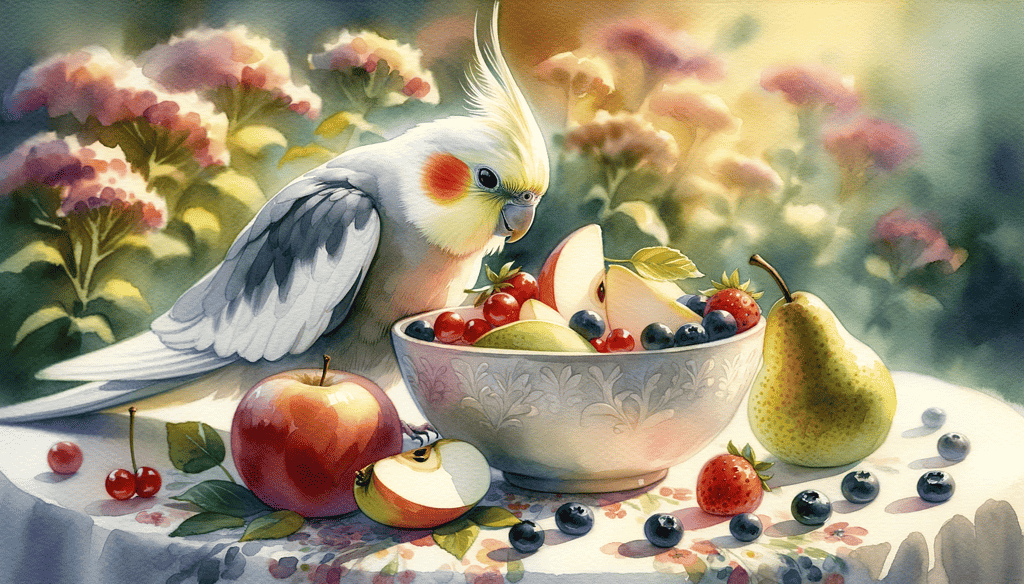
  • Essential Ingredients: High-quality seeds, grains, fresh fruits, and vegetables.
  • Avoid: Artificial preservatives, high-fat seeds, and sugary treats.

Meal timing and frequency

  • Morning (7 am – 9 am): Offer fresh fruits and vegetables. These are best consumed in the morning when the bird’s metabolism is high.
  • Midday (12 pm – 2 pm): Provide a portion of their daily seeds or pellets.
  • Evening (5 pm – 7 pm): Offer the remaining portion of seeds or pellets.
  • Before Bed (8 pm – 9 pm): Remove any uneaten fresh food to prevent spoilage.
  • Water: Ensure fresh water is available at all times. Change and refill at least twice a day.

Correcting Overfeeding Issues

Realizing that you’ve been overfeeding your cockatiel can be concerning, but don’t fret. With the right steps, you can get your bird back on track to a healthier lifestyle.

1. Steps To Gradually Reduce Food Intake

  • Assess Current Intake: Start by measuring the amount of food you’re currently giving your cockatiel.
  • Reduce Gradually: Don’t suddenly cut down the food quantity. Instead, reduce the portion size by a small amount every few days.
  • Monitor Weight: Weigh your cockatiel regularly to ensure they’re losing weight at a healthy pace.
  • Consult a Veterinarian: If unsure about the right quantity, always consult with a vet to get a tailored feeding plan.
  • Avoid Temptation: It’s easy to give in when your bird begs for food. Stay consistent and stick to the plan.

2. Introducing More Physical Activities For The Bird

  • Flying Sessions: Allow your cockatiel to have regular out-of-cage flying sessions in a safe environment.
  • Interactive Toys: Toys like foraging toys, swings, and ladders can keep your bird active.
  • Climbing Structures: Invest in bird-safe climbing structures to encourage movement.
  • Training Sessions: Teach your cockatiel tricks or commands. This not only stimulates their mind but also gives them some exercise.
  • Playtime: Spend quality time playing with your cockatiel. Simple games can be both fun and physically engaging.

3. Monitoring And Adjusting Based On The Bird’s Progress

It’s essential to keep a close eye on your cockatiel’s health and behavior as you make these changes. If you notice any adverse reactions or if your bird seems stressed, it might be a good idea to reassess and adjust your approach. Remember, every bird is unique, and what works for one might not work for another.

Conclusion

Understanding and implementing proper feeding practices for cockatiels is paramount for their health and wellbeing. Overfeeding can jeopardize their quality of life, which is why recognizing the signs and knowing how to adjust feeding is crucial. As someone who’s deeply passionate about birds, I can’t stress enough the importance of ensuring our feathered friends lead a healthy and fulfilled life.

We hope this article was both informative and engaging for you. If you found this guide helpful, please consider sharing it with fellow bird enthusiasts.

Frequently Asked Questions

How can I tell if my cockatiel is overweight? 

A sudden increase in weight, fatty deposits around the body, and lethargy are common signs.

What foods are bad for cockatiels?

Avocado, chocolate, caffeine, alcohol, salty or sugary foods are bad for cockatiels.

How often should I feed my cockatiel?

Adult cockatiels typically eat twice a day, while younger birds might require more frequent feedings.

Can a cockatiel eat human food?

Safe Foods: Cooked rice, quinoa, plain pasta, fresh fruits, and vegetables.

Avoid: Spicy foods, processed foods, and anything toxic like chocolate or avocado.
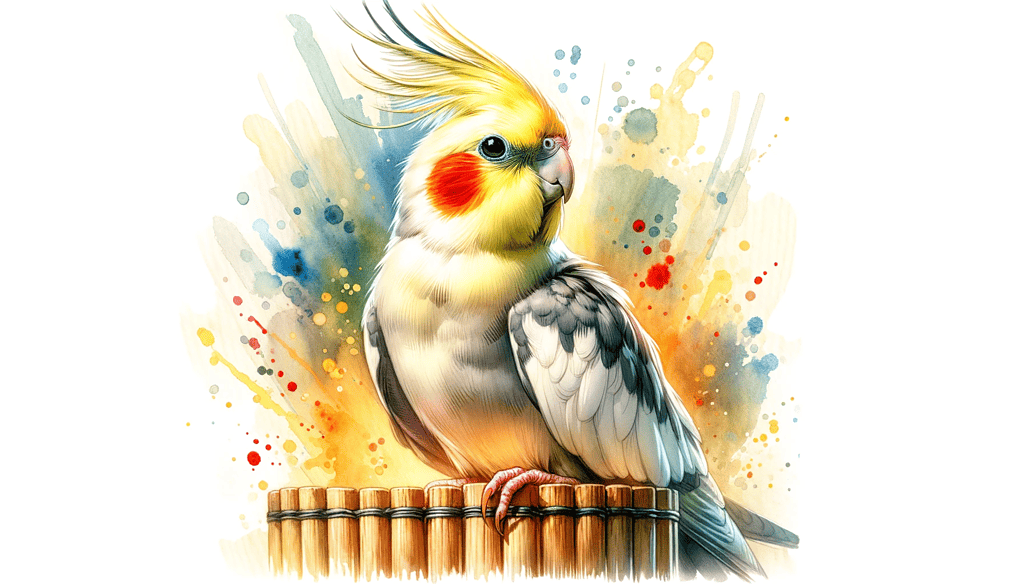
Do Cockatiels Know When To Stop Eating?

When it comes to our feathered companions, particularly cockatiels, understanding their eating habits can seem like a bit of a mystery. How often have you watched your cockatiel munching away and wondered, “Do they really know when to stop?” It’s a question I’ve heard countless times in my experience.

As a general rule, cockatiels have a natural instinct to stop eating when they’re full. However, in captivity, various factors like diet, environment, and health can influence their eating habits, sometimes leading them to overeat.

If you’ve ever been curious about the nuances of a cockatiel’s diet, or if you’re seeking insights on how to ensure your feathery friend’s health, stick around. There’s a wealth of information ahead that I believe you’ll find invaluable.

Are Cockatiels Prone To Overeating?

Yes, cockatiels, like many other pet birds, can be prone to overeating, especially when kept in captivity. In the wild, these birds spend a significant amount of time foraging, which keeps them active and regulates their food intake. In domestic settings, a lack of physical activity combined with constant access to food can result in overconsumption. Offering high-fat or sugary treats can exacerbate the problem. It’s essential for owners to monitor their cockatiel’s diet and ensure they receive balanced nutrition to prevent obesity and related health issues.

Factors Influencing Overeating In Cockatiels

But why would a cockatiel overeat? A variety of factors come into play:

1. The Impact Of Constant Food Availability

In a domestic setting, one primary reason cockatiels might overeat is the constant availability of food. When food is always at hand, natural cues that signal them to stop eating can get overridden. Ensuring you measure out their daily food portions promotes healthier eating habits rather than withholding food.

2. The Role Of Boredom In Overeating

Boredom is another significant contributor to overeating. Similar to humans, birds might turn to food when they lack stimulation. Keeping a cockatiel mentally engaged with toys, puzzles, and regular interaction prevents them from overindulging, as an active mind often means a contented bird.

3. Dietary Imbalances

Offering only one type of food can lead to overconsumption as cockatiels may try to get all their required nutrients. It’s essential to provide a diverse diet, rotating different foods, and including fresh fruits, vegetables, and suitable treats.

4. Health Concerns And Overeating

Sometimes, overeating is a symptom of underlying health issues or nutritional deficiencies. Should you notice a sudden change in appetite, it’s a cue to consult with a veterinarian to ensure the health and well-being of your bird.

5. Emotional Eating 

Yes, even birds can emotionally eat! Stress or anxiety might lead a cockatiel to consume more than usual. By creating a calm environment and fostering regular interactions and training, you can build trust and reduce stress, encouraging a healthier relationship with food.

Signs That Your Cockatiel May Be Overeating

Having explored the eating habits of cockatiels and the environments influencing their diet, let’s delve into how you can spot if your beloved feathered friend might be indulging a tad too much. Recognizing these signs early on is the key to ensuring their optimal health.

1. Physical Indicators

Now, overeating can often lead to visible physical changes. If you’re like most dedicated bird owners I’ve met, you probably already have an instinctual sense when something’s amiss. Here are some crucial physical signs to watch out for:

  • Weight Gain: Regularly weighing your cockatiel can help detect even minor fluctuations in weight. An unexpected increase could be an indicator.
  • Feather Discoloration or Loss: While molt is natural, an excessive loss or change in feather color can indicate dietary issues.
  • Distended Abdomen: A swollen or protruding belly area is not a typical trait for a healthy cockatiel and may signal overeating.
  • Decreased Mobility: Difficulty in flying, climbing, or general lethargy can be linked to excessive weight gain.
  • Labored Breathing: If you notice your bird breathing heavily after minimal activity, it might be a result of increased body weight putting strain on its respiratory system.

2. Behavioral Indicators

Physical signs, while crucial, are only half of the story. Behavioral changes can be just as telling. Here’s what you should keep an eye out for:

  • Food Guarding: If your cockatiel suddenly becomes overly possessive or aggressive around their food, it might be a hint.
  • Frequent Eating: Occasional snacking is typical, but if they’re at the food dish every time you glance their way, there might be an issue.
  • Decreased Playtime: A drop in their usual playfulness or reluctance to come out of the cage can be associated with feeling heavier or lazier due to overeating.
  • Changes in Droppings: Increased food intake will invariably lead to changes in the frequency, consistency, and appearance of their droppings.
  • Lack of Interest in Toys or Activities: If your usually spirited cockatiel starts showing disinterest in their favorite toys or activities, it could be tied to their eating habits.

Tips To Regulate Your Cockatiel’s Eating Habits

After understanding the signs of overeating, it’s essential to arm yourself with actionable steps to ensure your cockatiel’s dietary habits are on track. Let’s dive into some tried-and-true methods I’ve come across in my years of practice.

1. Balanced Diet

Every cockatiel’s foundation for good health starts with a balanced diet. Here’s a straightforward table to help you make the right food choices for your feathery friend:

Food TypeQuantityFrequency
Seeds (like millet)1-2 teaspoonsDaily
Fresh Veggies1/4 cupEvery 2 days
Fresh Fruits1/8 cupTwice a week
Pellets1-2 teaspoonsDaily
Cuttlebone1 pieceAlways available for nibbling

Remember, it’s crucial to avoid giving them anything toxic, like chocolate or avocado, which can be harmful.

2. Enrichment Activities

Stimulation is key! Just as you and I might munch out of boredom, cockatiels do the same. Here are some activities to keep them entertained:

  • Foraging Toys: These toys make your bird work a little to get their food, mimicking the natural act of searching for food.
  • Interactive Toys: Toys that require problem-solving can keep their minds sharp and engaged.
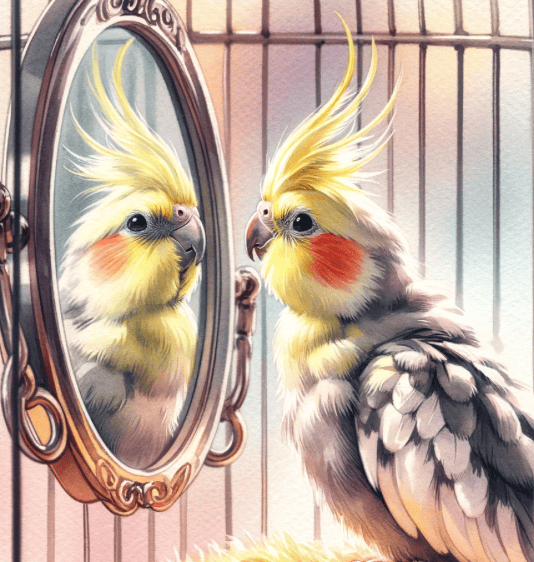
  • Mirrors: Many birds enjoy the company of their own reflection. It’s like having a chat with a buddy.
  • Swings and Ladders: These can provide both physical exercise and entertainment.
  • Music or TV: Some cockatiels enjoy a bit of background noise. It’s fascinating to see them chirp along!

3. Regular Health Check-Ups

Consistent check-ups with a vet are more than just a safety measure. Here’s why they are indispensable:

  • Detect issues early before they become more severe problems.
  • Monitor weight and dietary habits accurately.
  • Stay updated on dietary needs, which can change as your bird ages.
  • Ensure that any changes in behavior or appearance are addressed.
  • Peace of mind for you, knowing your feathered companion is in good health.

Conclusion

Understanding our feathery friends’ eating habits is crucial to ensuring their well-being. So, when we ask, “Do cockatiels know when to stop eating?” the answer isn’t straightforward. Various factors, from food availability to emotions, can influence their eating behavior. It’s our duty as bird enthusiasts and caregivers to be observant and provide a balanced, engaging environment for them. 

Did you find this insight helpful? We’d love to hear your thoughts below. If this article shed some light on your cockatiel’s eating habits, please share it with fellow bird lovers. Your voice can help others offer the best care for their winged companions!

Frequently Asked Questions 

What do cockatiels eat in the wild? 

In their natural habitats, cockatiels primarily feed on seeds, particularly from native Australian grasses. They also consume fruits, berries, and occasionally insects.

How often should a cockatiel eat? 

Cockatiels should have access to a base diet of seeds or pellets daily, supplemented by fresh fruits and veggies. Offering meals twice a day, morning and evening, is common.

Can cockatiels eat human food? 

Yes, cockatiels can enjoy some human foods, but moderation is key. Stick to fresh, unprocessed foods like fruits, veggies, and cooked grains. Always avoid toxic foods like chocolate, avocado, and caffeine.

Why is my cockatiel always hungry? 

Constant hunger can be a behavioral trait or indicate an underlying health issue. Monitor their food intake, ensure a balanced diet, and consult a vet if the behavior persists.

Do Cockatiels Like Mirrors?

Mirrors have always been a subject of fascination, not just for humans but also for our feathered friends, cockatiels. Have you ever wondered why these birds are so captivated by their own reflection? What goes on in their minds when they gaze into a mirror?

As a general rule, cockatiels are drawn to mirrors due to their shiny surface and the reflection they see. However, they don’t recognize the reflection as their own, often perceiving it as another bird. This can lead to various behaviors, both positive and negative, depending on the individual bird and its environment.

Dive deeper into this article to understand the intricate relationship between cockatiels and mirrors, the benefits, potential concerns, and expert advice on introducing mirrors to your pet’s environment.

Can Cockatiels Recognize Themselves In A Mirror?

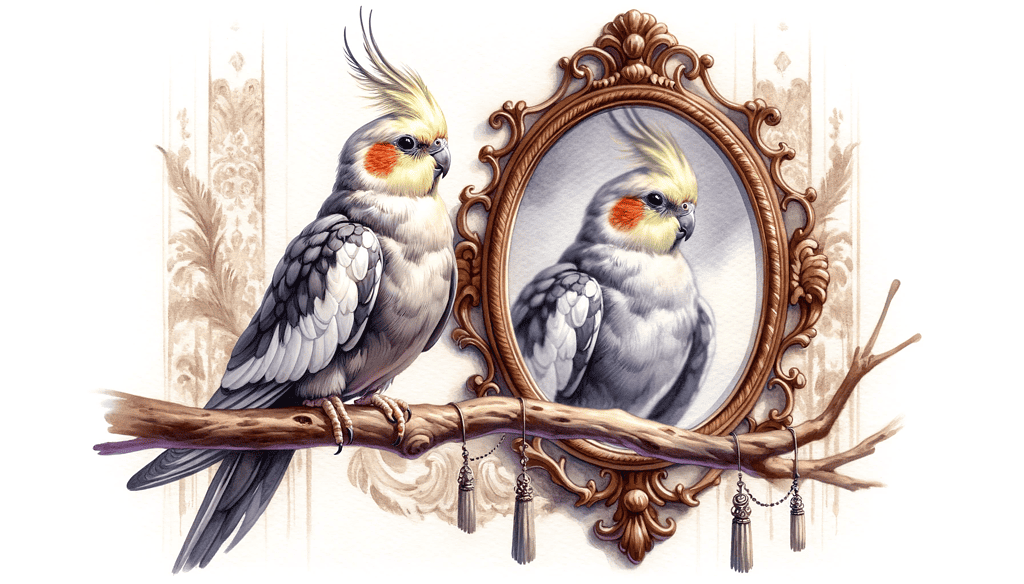
The simple answer is no. Cockatiels, despite being intelligent birds, do not possess the cognitive functions necessary for self-recognition in mirrors. When they look into a mirror, they see another bird, not their own reflection. This perception can lead to various behavioral responses, from curiosity to aggression.

Common beliefs and observations:

  1. Mirror Test: Cockatiels see the bird in the mirror as another bird, not a reflection of themselves. This can lead to various interactions, from curiosity to playfulness, and sometimes even aggression.
  2. No Self-recognition: The concept of self-recognition is complex, and cockatiels, like many other birds, do not recognize the reflection as themselves.
  3. Potential Bonding: For solitary cockatiels, the bird in the mirror can become a companion of sorts. They might bond with this “mirror cockatiel,” which can be both endearing and problematic.
  4. Mimicry and Confusion: While the cockatiel might be fascinated by the mimicking bird in the mirror, it can also be confounded by it. The reflection’s perfect mimicry of the cockatiel’s actions can be both stimulating and puzzling.
  5. Behavioral Implications: Due to their inability to recognize themselves, cockatiels might try to communicate with, play with, or even challenge their reflection. This can lead to behavioral issues, especially if the bird feels threatened or becomes obsessed with the “other” bird in the mirror.

The Attraction Of Mirrors To Cockatiels

Cockatiels, like many birds, are naturally drawn to shiny and eye-catching objects. This inherent attraction is one of the reasons why they are so fascinated by mirrors. When a cockatiel first encounters a mirror, it’s not just seeing a reflection; it’s discovering a captivating, shimmering object that seems to hold another bird within it.

There are several reasons why cockatiels are drawn to their reflection:

  1. Stimulation and Entertainment: Cockatiels are highly complex and social birds. They require a lot of stimulation to keep them engaged. Mirrors can serve as a source of entertainment, keeping them occupied and intrigued.
  2. Social Interaction: For a solitary cockatiel, a mirror can give the illusion of companionship. The bird in the reflection can become a pseudo-companion, offering a sense of social interaction.
  3. Curiosity: Birds are naturally curious creatures. The movement and mimicry of their reflection can be a source of endless fascination for them.
  4. Attraction to Shiny Objects: The reflective surface of the mirror is shiny and eye-catching, which can be inherently attractive to cockatiels.
  5. Mimicry: Cockatiels might be intrigued by the “bird” in the mirror that mimics their every move, leading to playful interactions.

Benefits Of Mirrors For Cockatiels

Mirrors can be a fascinating addition to a cockatiel’s environment, offering both entertainment and potential companionship. Here are some benefits of introducing mirrors to your cockatiel’s cage:

  1. Temporary Distraction: Mirrors can serve as a short-term source of entertainment for cockatiels, especially when they are left alone for brief periods. It provides them with a sense of company, even if it’s just their own reflection.
  2. Supervised Interaction: When you’re around, you can use the mirror as a playful tool, dancing it in front of your cockatiel or using it to reflect light, sparking their curiosity. This ensures that while they enjoy the mirror, you remain the primary focus of their attention.
  3. Distorted Reflections: To minimize confusion, consider using distorted mirrors. These mirrors won’t provide a clear reflection, making it less likely for your cockatiel to mistake the reflection for another bird. Instead, they can enjoy the play of light and colors without getting too attached or aggressive.
  4. Social Backup: For those who only have a single bird, a mirror can act as a temporary companion, especially during times when you might be too busy to interact with your cockatiel. It gives them a semblance of social interaction, even if it’s not the real thing.
  5. Curiosity and Mental Stimulation: The introduction of a mirror can be a new experience for your cockatiel, stimulating their curiosity and providing mental engagement as they try to understand and interact with their reflection.

Potential Dangers Of Mirrors For Cockatiels

Mirrors, while captivating for cockatiels, are not without their risks. As an experienced veterinarian, I’ve encountered numerous cases where the introduction of a mirror led to unforeseen challenges for both the bird and the owner. Let’s delve into some of these potential dangers:

  1. Risk of Physical Harm: Mirrors, especially those not designed for bird cages, can break or shatter. This poses a risk of injury, with the bird potentially cutting itself on the broken shards.
  2. Aggressive Behavior: Some cockatiels might become aggressive towards their reflection. This aggression can manifest in various ways, from pecking at the mirror to displaying territorial behaviors.
  3. Obsession with Reflection: A cockatiel might become obsessed with its reflection, spending hours interacting with the mirror. This obsession can lead to neglect of other activities, such as eating, drinking, or even interacting with its human companions.
  4. Increased Overall Aggression: Continuous interaction with a mirror can lead to heightened aggression in some cockatiels. They might become more territorial, not just with the mirror but with other objects or even their human caregivers.

How Often Should I Keep The Mirror In The Cage?

Mirrors, while fascinating for cockatiels, should be used judiciously. Their presence in the cage should be balanced to ensure the bird’s well-being.

Recommended Duration for Mirror Exposure Based on Different Scenarios:

ScenarioRecommended Duration
When introducing a mirror for the first time10-15 minutes
During your short absences30 minutes to 1 hour
If the bird shows a positive reactionUp to 2 hours
If the bird shows signs of stress or aggressionRemove immediately
As a regular toy in the cage1 hour daily

Mirrors can be a great distraction, especially when you’re away for short periods. However, they should not become a permanent fixture in the cage. Using them intermittently can prevent potential behavioral issues.

Steps To Safely Introduce A Mirror To A Cockatiel’s Environment

  1. Choose a suitable location in the cage that’s easily accessible to the bird but not in its primary resting or feeding area.
  2. Opt for a bird-safe, non-breakable mirror to ensure safety.
  3. Introduce the mirror for short durations initially, gradually increasing the time based on your bird’s reaction.
  4. Observe your cockatiel’s behavior. If they show signs of stress or aggression, consider removing the mirror.
  5. Clean the mirror regularly to ensure it remains clear and safe for your bird.

Conclusion

The Relationship between cockatiels and mirrors is a fascinating one, filled with intrigue and varying behaviors. While mirrors can serve as a source of entertainment and temporary companionship, it’s crucial to monitor your bird’s interaction with them closely. The key is balance and understanding your cockatiel’s individual needs and behaviors. 

Did you find this article helpful in unraveling the mystery of cockatiels and mirrors? We would love to hear your thoughts in the comments below. If you enjoyed this read, don’t hesitate to share it with fellow bird enthusiasts. 

Frequently Asked Questions

Can cockatiels recognize themselves in a mirror? 

No, cockatiels generally do not recognize their reflection as themselves. They often see the bird in the mirror as another bird.

Do cockatiels pass the mirror test? 

Cockatiels do not pass the mirror test, indicating they don’t recognize their reflection as their own.

Why do some cockatiels become obsessed with mirrors? 

Cockatiels might become obsessed with mirrors because they see the reflection as another bird, leading to emotional attachment or fascination.

How can I safely introduce a mirror to my cockatiel’s environment? 

Ensure the mirror is securely attached, free from sharp edges, and placed in a location where the bird can easily access and interact with it without getting hurt.

Do Cockatiels Like Baths?

Cockatiels, with their vibrant personalities and striking appearances, are a favorite among bird enthusiasts. But when it comes to their grooming habits, do these feathery friends enjoy a refreshing dip? Let’s dive into this intriguing question.

As a general rule, cockatiels do enjoy baths. Regular bathing not only helps them maintain their feather health but also offers a refreshing experience. It’s essential, however, to ensure the bathing process is safe and comfortable for them.

Stick around as we delve deeper into the signs that your cockatiel enjoys bathing, the precautions to take, and address some frequently asked questions. Equip yourself with the knowledge to provide the best care for your feathered companion.

How Often Should You Bathe a Cockatiel?

Cockatiels, like all birds, have specific requirements when it comes to their hygiene. During the summer months, the heat can be intense, and this can be quite taxing for your feathered friend. To ensure they remain cool and comfortable, it’s advisable to bathe your cockatiel every day. This not only provides them with relief from the heat but also ensures they stay clean and free from potential skin irritants.

On the other hand, winter presents a different challenge. The days are cooler, and there’s less heat to contend with. However, this doesn’t mean you should neglect your bird’s bathing routine. Even in the colder months, a bath is essential to keep your cockatiel clean and germ-free. But given the chilly conditions, once or twice a week should suffice. Always remember to choose the warmest part of the day for these winter baths. This ensures that your bird has ample time to dry off naturally before the temperatures drop in the evening.

The Importance Of Bathing Your Cockatiel

Over the years, I’ve encountered numerous bird owners who underestimate the significance of regular baths for their cockatiels. Let me share some insights based on my experience.

1. Maintaining Health: Bathing plays a pivotal role in maintaining a cockatiel’s overall health. It’s not just about cleanliness; it’s about ensuring their skin and feathers remain in optimal condition.

2. Removing Dirt and Germs: Just like us, cockatiels are exposed to various environmental factors daily. Regular baths help in effectively removing dirt, dust, and germs that might cling to their feathers. This not only keeps them looking pristine but also reduces the risk of skin infections.

3. Preening Motivation: After a refreshing bath, you’ll often notice your cockatiel engaging in preening. This is their way of grooming themselves, ensuring each feather is in its place. It’s a joy to watch and a clear indication of a happy, content bird.

4. Preventing Skin Issues: Regular baths can prevent potential skin issues and itches. It’s a simple yet effective way to ensure your bird remains comfortable and free from irritations.

5. Feather Care: The feathers of a cockatiel are its pride. Regular baths ensure they remain clean, shiny, and in prime condition. It’s not just about aesthetics; clean feathers ensure efficient flight and insulation.

6. Soothing Irritated Skin: Just like us, cockatiels can sometimes suffer from irritated skin. A gentle bath can provide relief, helping to get rid of excessive moisture and oil that might be causing discomfort.

How to Introduce Your Cockatiel to Water

Every cockatiel is unique, with its own set of quirks and preferences. While some may dive into a water dish without hesitation, others might be more apprehensive. It’s essential to understand your bird’s individual personality when introducing them to water.

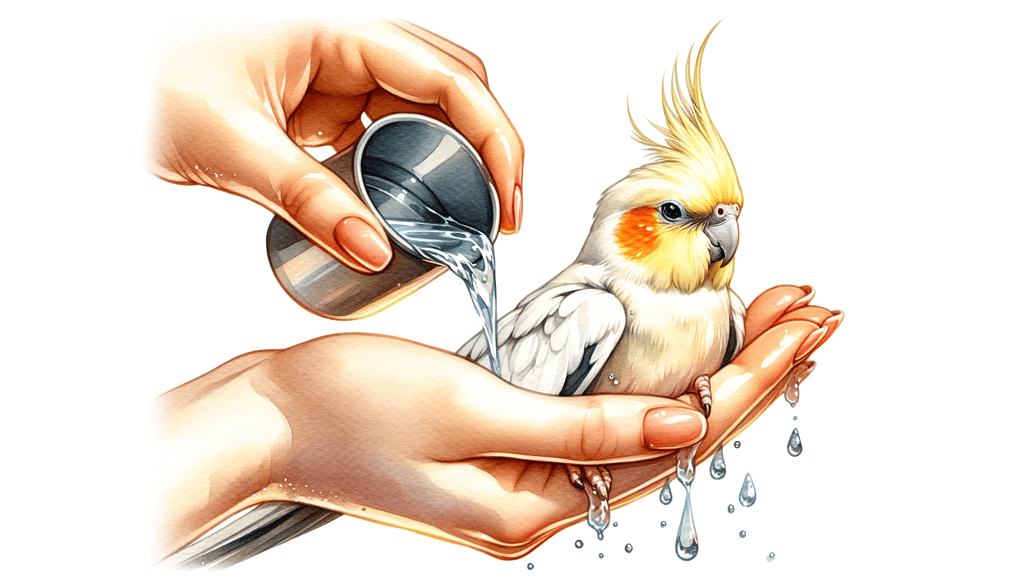
To begin, place a small dish filled with water inside their cage. This dish should be separate from their drinking water. Observe your bird’s reaction. Some cockatiels might be curious and start splashing around immediately, while others might need more time to get used to the idea. Remember, birds naturally like to keep their feathers clean, and many enjoy the process of bathing themselves.

Always ensure that the water you offer is lukewarm and clean. The dish should be stable enough so that it doesn’t tip over when your bird hops in. After each bath, make sure to clean the dish thoroughly to maintain a hygienic environment for your feathered friend.

Methods to Bathe Your Cockatiel

Some birds might need more time to get used to water, while others will take to it immediately. Always prioritize your bird’s comfort and safety during bath time.

1. Self-bathing with a dish

  • Place a clean bowl or dish filled with water inside the cage.
  • Ensure the dish is stable, and the water is fresh and clean.
  • Allow your cockatiel to bathe at its own pace.

2. Bathing under running water

  • You can use the kitchen sink or bathroom shower for this method.
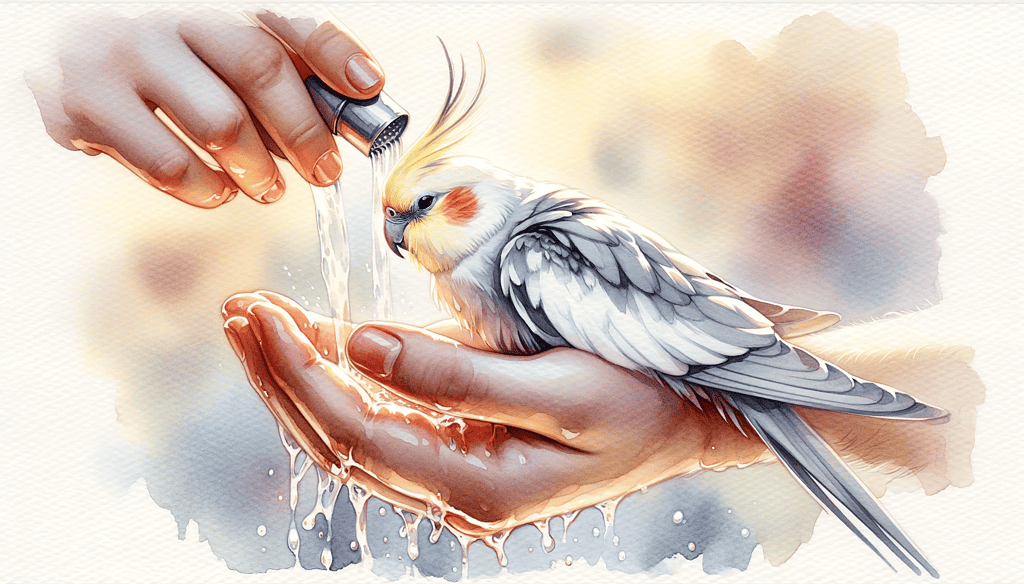
  • Ensure the water is lukewarm and has a steady flow.
  • Be cautious; a heavy flow might be overwhelming for your bird.

3. Spraying with a bottle

  • Fill a squirt bottle with clean water.
  • From a distance of about nine to twelve inches, gently mist your cockatiel.
  • This method helps remove dirt, dust, and excess oil from their feathers.

Signs Your Cockatiel Enjoys Bathing

Understanding your cockatiel’s behavior during bath time can be both entertaining and informative. Let’s explore some of the telltale signs that your feathered friend is having a blast during their splash session.

  • Physical signs: One of the most evident signs is when your cockatiel starts fluffing its feathers. This behavior indicates they’re enjoying the water and are trying to get as much of it on their skin and feathers as possible. Additionally, if they’re splashing around, it’s a clear indication of their enthusiasm for the bath.
  • Vocal signs: Cockatiels are known for their vocal expressions. If you hear them chirping or singing during bath time, it’s a sign of their contentment. These vocalizations are their way of communicating their pleasure and can be quite melodious to the ears.

Precautions to Take While Bathing

As an experienced veterinarian, I’ve always emphasized the importance of safety and comfort during bath time. Here are some precautions to ensure your cockatiel’s bathing experience is both enjoyable and safe:

  • Using plain and clean water: Always ensure the water is free from any contaminants. Tap water is generally safe, but if you’re concerned about chlorine or other chemicals, consider using filtered or bottled water.
  • Ensuring the right water temperature: Just like us, cockatiels prefer lukewarm water. Too hot or too cold can be uncomfortable and even harmful. Always test the water temperature with your hand before introducing your bird to it.
  • Bathing during the warmest part of the day: This is crucial, especially during colder months. Bathing during the warmest time ensures your cockatiel dries off quickly, reducing the risk of them catching a chill.
  • Avoiding soaps and shampoos: While there are bird-specific shampoos available, plain water is usually sufficient for cockatiels. If you feel the need to use a cleanser, ensure it’s bird-safe and thoroughly rinse it off.
  • Allowing the cockatiel to naturally dry its feathers: After the bath, place your cockatiel in a warm, draft-free area. They’ll typically fluff their feathers and preen, which helps in the drying process. Avoid using hair dryers as the heat can be too intense and potentially harmful.

Conclusion

Understanding your cockatiel’s bathing needs is crucial for their well-being. Not only does it ensure they remain clean and healthy, but it also provides them with a refreshing activity they often enjoy. As we’ve discussed, it’s essential to take precautions and ensure the bathing experience is safe and comfortable for your feathered friend.

I hope this article has shed light on the importance of proper bathing for cockatiels. I’d love to hear about your experiences and any tips you might have. Feel free to share your thoughts in the comments, and if you found this article helpful, don’t hesitate to share it with fellow bird enthusiasts!

Frequently Asked Questions

Is it okay to bathe a cockatiel?

Absolutely! Bathing is not only enjoyable for many cockatiels but also essential for their health and cleanliness. Regular baths help remove dirt and dust from their feathers, ensuring they remain in top condition. 

Can I wash my cockatiel with soap?

Using human soap or shampoo products can strip the natural oils from your cockatiel’s feathers and skin. These oils are crucial for their overall health and feather condition. If you feel the need to use a cleanser, ensure it’s specifically designed for birds and thoroughly rinse it off.

Can I use tap water for my cockatiel’s bath?

Tap water is generally safe for cockatiels. However, if you’re concerned about chlorine or other chemicals, consider using filtered or bottled water. 

What if my cockatiel doesn’t want to bathe?

Every bird is unique. While some cockatiels might dive into a water dish without hesitation, others might be more apprehensive. It’s essential to be patient and introduce them to water gradually. Over time, with positive reinforcement, they might start to enjoy the experience.

Should You Give Cockatiels A Bath?

Cockatiels, with their vibrant personalities and striking appearance, have become one of the most beloved pets worldwide. But, as with any pet, proper care is essential to ensure their health and happiness. One question that often arises among cockatiel owners is: should you give them a bath?

As a general rule, bathing is beneficial for cockatiels. It not only helps in maintaining their hygiene but also aids in molting and mimics their natural behaviors. However, the frequency and method of bathing should be tailored to each bird’s individual preferences and needs.

Dive in as we explore the various bathing techniques, their pros and cons, and other alternative methods to keep your feathered friend clean and gleaming.

Reasons To Give Cockatiels A Bath

Bathing isn’t just a luxury for cockatiels; it’s a necessity. Here’s why:

  • Maintaining hygiene: Just like us, cockatiels need to stay clean. Bathing helps soften dirt on their feathers and removes pollutants, ensuring they remain hygienic and free from potential infections.
  • Helping with molting: Bathing softens the white keratin coating of new feathers. This not only aids in the molting process but also ensures that your bird can preen more easily, removing feather dust.
  • Mimicking natural behaviors: In the wild, birds often bathe in puddles or enjoy the rain. By providing them with a chance to bathe, you’re allowing them to engage in natural behaviors, which can be both enjoyable and beneficial for them.

Risks Associated With Bathing

While bathing is beneficial, it’s not without its risks. Here are some potential concerns and how to mitigate them:

RisksHow to Mitigate
Water temperature concernsEnsure the water is lukewarm, neither too hot nor too cold.
Risks of drafts and rapid temperature changesBathe your cockatiel during the day when it’s warm and avoid placing them in drafty areas post-bath.
Potential for stress if not introduced properlyIntroduce your cockatiel to water gradually. Don’t force or pressure them. If they’re hesitant, try different methods like misting or providing a shallow dish.

Best Practices For Bathing Cockatiels

Having established the importance of bathing for cockatiels, the next question is: how can you ensure a safe and comfortable bathing experience for your feathered friend? Let’s dive into the best practices and techniques to make bath time a delightful experience for both you and your bird.

Choosing the Right Bathing Technique

Cockatiels, like us, have their own preferences when it comes to bathing. Over the years, I’ve observed various methods that cockatiel owners employ, each with its own set of advantages and disadvantages:

  • Misting: This involves using a spray bottle to mist water over the bird. It’s a gentle method that mimics rain, which many cockatiels seem to enjoy.
  • Shallow Bowls: Some cockatiels prefer splashing around in a shallow dish of water. This method allows them to have more control over the bathing process.
  • Shower Perch: For those who like to shower with their birds, a shower perch can be installed. It allows the cockatiel to enjoy the water while you’re showering.

Comparison of Bathing Techniques:

TechniqueAdvantagesDisadvantages
MistingMimics natural rain, gentle on the bird, easy to control.Some birds might not get thoroughly wet.
Shallow BowlsAllows bird to control the depth, can be placed inside the cage.Risk of water spilling, might not be suitable for larger birds.
Shower PerchAllows bird to enjoy a natural shower, strengthens bond with owner.Requires training, not all birds might enjoy it.

Alternative Methods Of Keeping Cockatiels Clean

While bathing is an essential aspect of cockatiel care, it’s not the only method to keep your feathered friend clean and healthy. Let’s explore some alternative methods that can complement the bathing routine and ensure your bird remains in top-notch condition.

1. Dust Baths

Cockatiels, originating from Australia’s arid regions, have a natural inclination towards dust baths. This unique method offers several benefits:

  • Mimics Natural Behavior: Dust baths help cockatiels feel at home, replicating their natural environment.
  • Cleans Feathers: The dust particles help remove dirt and excess oil from their feathers.
  • Skin Health: Dust baths can also benefit their skin, preventing it from becoming too oily.

Steps for a Successful Dust Bath:

  • Choose a shallow container, large enough for your cockatiel to comfortably fit.
  • Fill it with a thin layer of bird-safe dust or sand.
  • Place the container in a location where your bird can easily access it.
  • Allow your cockatiel to enter and roll or flutter in the dust.
  • Once done, gently brush off any excess dust from their feathers.

2. Regular Grooming

Grooming complements bathing and is vital for maintaining your cockatiel’s health and appearance.

Grooming Process Step by Step:

  • Feather Trimming: Regularly check and trim any damaged or overgrown feathers.
  • Nail Clipping: Use bird-safe clippers to keep their nails at an appropriate length.
  • Beak Care: Ensure the beak remains sharp and in good condition. If it becomes overgrown, consult a vet.
  • Inspecting for Parasites: Regularly check for any signs of mites or other parasites.
  • General Health Check: While grooming, it’s a good opportunity to check for any abnormalities or health concerns.

3. Environmental Enrichment

Keeping your cockatiel engaged and active is another way to ensure they remain clean.

Toys and Activities Beneficial for Cockatiels:

  • Chewing Toys: Helps in beak maintenance and provides mental stimulation.
  • Climbing Ladders: Promotes physical activity and keeps their nails in check.
  • Mirrors: Cockatiels often enjoy interacting with their reflection.
  • Swings and Bells: Provides entertainment and physical exercise.
  • Foraging Toys: Encourages natural searching behavior and keeps them engaged.

Conclusion

Understanding the bathing needs of cockatiels is vital for their well-being and overall health. Bathing not only ensures hygiene but also mimics their natural behaviors, making them feel more at home. As someone passionate about these delightful birds, I can’t emphasize enough the importance of ensuring their comfort during the process. 

Did you find this article enlightening? I’d love to hear your thoughts in the comments below. If you believe this information could benefit other bird enthusiasts, please consider sharing the article. Let’s spread the knowledge and ensure our feathered friends receive the best care possible!

Frequently Asked Questions

How often should you bathe a cockatiel?

Ideally, once a week, but it depends on the bird’s preference and the environment.

Can cockatiels catch a cold from bathing?

Yes, if exposed to drafts or sudden temperature changes post-bath.

Why is my cockatiel afraid of water?

It could be due to a lack of exposure or a previous negative experience. Introduce them gradually.

What signs should I look for to know if my cockatiel needs a bath?

Look for behaviors like splashing in their drinking water or showing interest in water sources.

Do Cockatiels Like Swings?

Cockatiels, with their playful nature and endearing personalities, have become a favorite among bird enthusiasts. But when it comes to their comfort and entertainment within their cages, do swings really make a difference?

As a whole, Swings are vital in a cockatiel’s environment, offering entertainment, exercise, and balance training. They simulate tree branch motions, providing cockatiels with a comforting sense of familiarity.

Dive deeper into the world of cockatiels and swings, and discover the myriad benefits and considerations every bird owner should be aware of.

Are Swings Good For Cockatiels?

As a veterinarian and observing countless cockatiels, I can confidently say that swings play a pivotal role in their well-being. Cockatiels, like many birds, thrive on stimulation and enrichment. Without it, they can easily become bored and even stressed. Swings, in particular, offer a unique form of enrichment that not only entertains but also provides a semblance of their natural habitat. In the wild, birds often perch on swinging branches, and this motion is something they’ve evolved to enjoy.

Benefits Of Swings For Cockatiels

Cockatiels, with their vibrant personalities and boundless energy, thrive when their environment is enriched with toys and activities. Swings, in particular, have become a favorite among these feathered friends. But why are swings and other toys so crucial for these birds?

Cockatiels are inherently energetic and active creatures. In the wild, they’re accustomed to flying between trees, hopping from branch to branch, and engaging in various activities that keep them mentally and physically stimulated. In captivity, however, their environment can be somewhat limited. This is where toys, especially swings, come into play.

Swings not only provide entertainment but also offer numerous benefits:

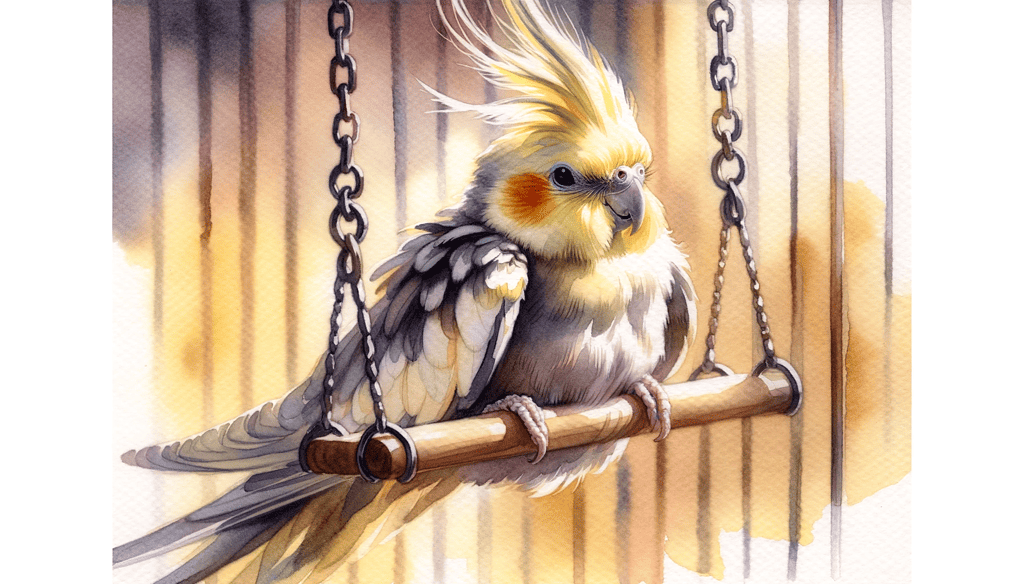
  • Reminding of Nature: Swings mimic the motion of tree branches swaying in the wind, a natural phenomenon that cockatiels would experience in the wild.
  • Exercise: As cockatiels use a bit of force to make the swing sway, they get a good workout, ensuring they stay healthy and in shape.
  • Balance: Swings help improve a cockatiel’s balance, which is essential as they often relax and even sleep on one leg.
  • Mental Stimulation: Just like humans, birds can get bored. Swings and other toys provide the necessary mental stimulation, preventing behavioral issues and depression.

Safety Concerns

As we delve deeper into the world of cockatiels and their toys, it’s essential to address the safety concerns that many bird owners have. After all, ensuring the well-being of our feathered friends is paramount.

Are Swings Dangerous For Cockatiels?

I can confidently say that swings are not inherently dangerous for cockatiels. However, like any other toy or accessory, it’s crucial to ensure they are used correctly. Cockatiels, with their playful nature, might occasionally appear clumsy, leading to minor tumbles off their swings. But don’t be alarmed; these little birds are quite adept at perching and usually recover quickly.

To ensure maximum safety:

  • Place the swing inside their cage to prevent any significant falls.
  • Ensure the swing’s height is appropriate, allowing the bird to access it comfortably without any strain.
  • Regularly inspect the swing for any wear and tear, replacing it when necessary.

Table comparing the pros and cons of different swing placements within a cage.

Swing PlacementProsCons
Top of the cageProvides a high vantage point; mimics natural tree-top perchingRisk of longer falls; might be challenging for some birds to access
Middle of the cageEasily accessible; reduces risk of high fallsMight interfere with other cage accessories
Lower part of the cageMinimizes fall height; suitable for older or less agile birdsMight not be as stimulating; could get dirty quickly

What Type Of Swing Is Best For A Cockatiel?

The market offers a plethora of swing types for cockatiels, each with its unique features. Choose a swing made from bird-safe materials. The best swing largely depends on your cockatiel’s preferences and the cage setup.

However, some general guidelines can help you make an informed decision:

  • Ensure the swing size is appropriate for your bird.
  • Opt for natural materials like wood, which are safe and provide a more authentic perching experience.
  • Avoid swings with small, detachable parts that could be a choking hazard.

Different materials commonly used in cockatiel swings:

  • Wood: Natural, durable, and offers a comfortable grip.
  • Rope: Flexible and soft, but ensure it’s made from safe, non-toxic fibers.
  • Plastic: Easy to clean, but ensure it’s BPA-free and bird-safe.
  • Metal: Durable and long-lasting, but ensure it’s coated to prevent rusting.
  • Beads and bells: Add a playful element, but ensure they are securely attached.

Observing Your Cockatiel On A Swing

It’s a joy to watch cockatiels on swings, their playful antics, and the evident pleasure they derive from it. However, as a responsible bird owner, it’s essential to observe their behavior to ensure they are genuinely enjoying the experience and not facing any discomfort.

Table that contrasts signs of a happy cockatiel on a swing versus an uncomfortable one.

BehaviorHappy CockatielUncomfortable Cockatiel
VocalizationCheerful chirping and singingDistressed or loud squawking
Body LanguageRelaxed posture; fluffed-up feathersRuffled feathers; aggressive or defensive posture
Interaction with SwingPlayful swinging and bobbingAvoiding the swing or trying to escape
Eye MovementCalm and curious gazeRapid eye movement or dilated pupils
Feather ConditionSmooth and well-preenedConstantly ruffled or showing signs of plucking

Remember, every cockatiel is unique, and their behavior might vary. It’s essential to spend time with your bird, understand their personality, and ensure they have a comfortable and enriching environment.

Conclusion

In exploration of cockatiels and their affinity for swings, it’s clear that these playful accessories are more than just a source of entertainment. They contribute significantly to the physical and mental well-being of these charming birds, providing exercise, balance training, and a touch of their natural habitat. As we’ve explored various aspects of swings, from the benefits and safety concerns to the types and materials, it’s evident that a well-chosen swing can indeed bring joy and enrichment to a cockatiel’s life. 

Did you find this article helpful? I’d love to hear your thoughts in the comments below. And if you know a fellow bird enthusiast who might benefit from this read, feel free to share the article with them!

Frequently Asked Questions

Do Cockatiels Like Toys? 

Absolutely! Cockatiels are fun-loving and thrive when they have a variety of toys to interact with. From swings to boings, these toys not only entertain but also provide essential mental and physical stimulation.

What do cockatiels like in their cage?

Cockatiels enjoy having various items in their cage to keep them entertained and stimulated. They appreciate perches and swings, which not only provide them with zones for play but also mimic the motion of tree branches, giving them a sense of their natural habitat. 

Why Do Cockatiels Like Swings?

Swings are fun and exciting. They provide a thrilling and fun experience, breaking the monotony of their cage. The motion of swings replicates the natural environment of cockatiels, evoking a sense of nostalgia and comfort.