Recent Posts

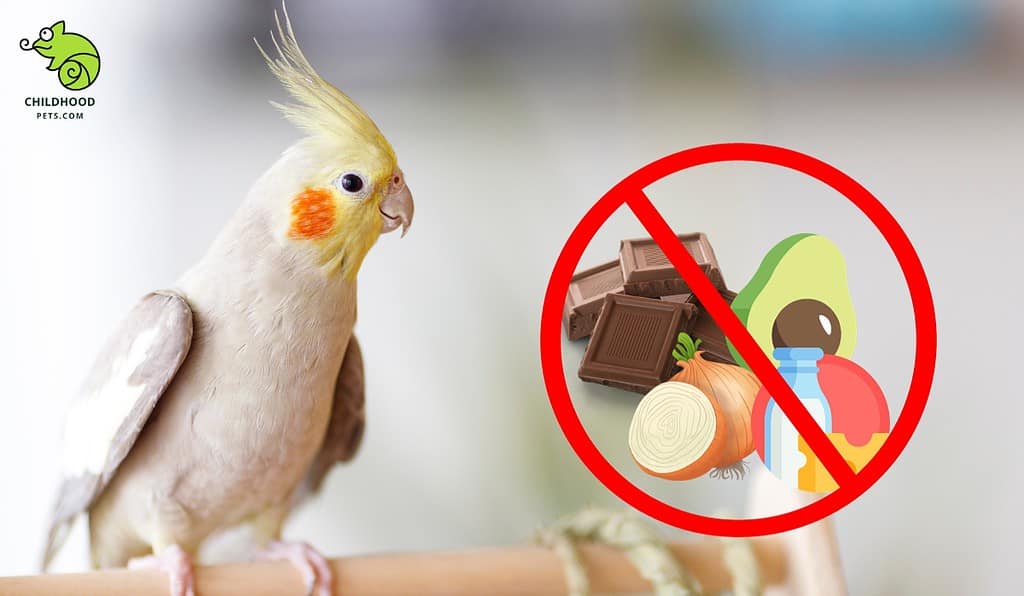
What Can A Cockatiel Not Eat – A Vets Report

Imagine the joy of watching your cockatiel chirping and fluttering around, full of life and energy. This delightful scene is only possible when your feathered friend is in the pink of health, which is largely determined by their diet. What a cockatiel eats is crucial for its well-being, but do you know what foods are a strict no-no for them?

As a general rule, avoid feeding your cockatiel chocolate, avocado, onion, garlic, alcohol, and foods containing xylitol or high salt content. These can cause serious health issues or even prove fatal for your beloved pet bird.

Ready to ensure the safety and health of your cockatiel through the right diet? Dive into this comprehensive vet’s report on what a cockatiel cannot eat, and arm yourself with the knowledge to keep your pet bird happy, healthy, and away from harm’s way. Your cockatiel’s vibrant life depends on it!

What Not To Feed Cockatiels

Navigating the world of a cockatiel’s diet can be a bit of a maze. Let’s embark on this journey to explore the foods that should never find their way into a cockatiel’s diet.

1. Chocolate

Chocolate is a lethal food for cockatiels. It contains theobromine, a substance that can cause severe symptoms such as vomiting, diarrhea, rapid breathing, and heart arrhythmias. Ingesting even a small amount can lead to theobromine poisoning, resulting in seizures, tremors, and, unfortunately, death. It’s crucial to keep all forms of chocolate, including baked goods and chocolate-covered items, out of your cockatiel’s reach.

2. Avocado

Avocado contains persin, a fungicidal toxin, which can cause significant health issues in cockatiels. Symptoms of avocado poisoning include difficulty breathing, lethargy, and the inability to perch. The high-fat content in avocados can also contribute to obesity and related health issues in cockatiels. It’s best to avoid feeding avocado in any form to your cockatiel to ensure their long-term health and well-being.

3. Onions and Garlic

Onions and garlic, despite their culinary uses, are harmful to cockatiels. They contain sulfur, which can cause irritation in the mouth lining, induce ulcers, and lead to anemia in cockatiels.

  • Sulfur compounds in onions and garlic are ingested by the bird.
  • These compounds cause irritation in the mouth lining, crops, or esophagus.
  • Continuous ingestion can lead to the rupture of red blood cells, causing anemia. 

4. Mushrooms

Certain types of mushrooms, especially wild or unidentified ones, are toxic to cockatiels. For instance, Amanita and false morel mushrooms can cause severe health complications. Symptoms of mushroom poisoning can include digestive upset, liver failure, and neurological issues. It’s safest to avoid feeding any mushrooms to cockatiels to prevent potential toxicity.

5. Caffeinated Drinks

Caffeinated beverages, including coffee, tea, and soda, are harmful to cockatiels. Caffeine can cause increased heart rate, hyperactivity, and excessive thirst in birds. In severe cases, it can lead to cardiac arrest. It’s essential to ensure your cockatiel does not have access to any caffeinated beverages to maintain their optimal health.

6. Dairy Products

Cockatiels, like all birds, are lactose intolerant. Feeding them dairy products can cause diarrhea and other digestive issues.

  • Milk
  • Cheese
  • Yogurt 

In the journey of caring for your cockatiel, ensuring they avoid these toxic foods is paramount. Always consult your veterinarian for comprehensive dietary guidance to keep your feathered companion chirping happily for years to come.

7. Fruits Pits and Apple Seeds

Beware of the hidden dangers in fruit pits and apple seeds. They contain cyanide, a toxic compound that can cause serious health issues in cockatiels.

Table: Common Fruits and Their Seeds/Pits

FruitSeeds/PitsHarmful to Cockatiels
AppleYesYes
CherryYesYes
PeachYesYes
PlumYesYes
PearYesNo

8. Xylitol

Xylitol, a sugar substitute found in many sugar-free products, is another hidden danger to cockatiels.

Common Household Products Containing Xylitol:

  • Sugar-free gum
  • Sugar-free baked goods
  • Certain peanut butters
  • Sugar-free candies
  • Mouthwash and toothpaste

9. Salty Foods

High salt content in foods can be detrimental to cockatiels. Excessive salt intake can lead to salt toxicity, manifesting as increased thirst, urination, and symptoms of kidney dysfunction. Foods high in salt, such as chips, salted nuts, and processed foods, should be avoided to ensure your cockatiel’s dietary health and overall well-being.

10. Alcohol

Alcohol is extremely harmful to cockatiels, causing a range of serious health issues. It can damage the liver and nervous system, leading to symptoms like disorientation, drowsiness, and changes in behavior. Ingesting even a small amount of alcohol can be fatal for cockatiels. It’s imperative to keep alcoholic beverages and foods containing alcohol far away from your feathered friend.

What to Do If a Cockatiel Eats Toxic Foods
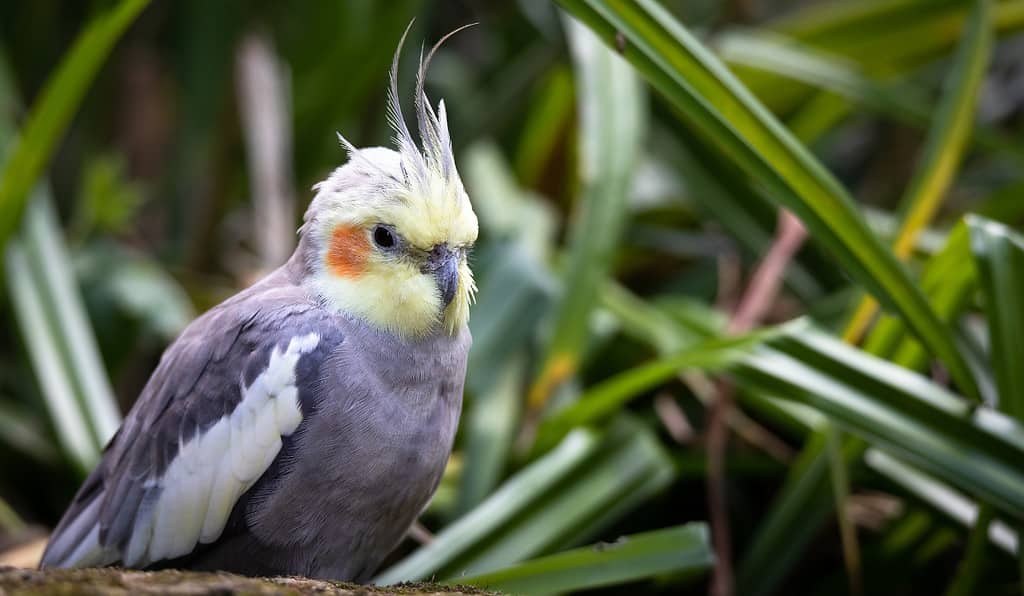
If your cockatiel ingests toxic foods, immediate action is crucial.

Steps to Take If a Cockatiel Ingests Toxic Foods:

  1. Remove any remaining toxic food from the cockatiel’s reach.
  2. Provide fresh water to the bird.
  3. Contact a veterinarian immediately.
  4. Keep the bird warm and quiet.

Best Foods for Cockatiels

On a brighter note, there are numerous safe and nutritious foods for cockatiels.

Best Foods for Cockatiels:

  • Leafy greens
  • Cooked grains
  • Fresh fruits (without pits or seeds)
  • Pelleted cockatiel food
  • Fresh vegetables

Frequently Asked Questions

What can hurt a cockatiel?

A variety of foods can harm a cockatiel, including chocolate, avocado, and onions, which contain substances toxic to these birds. Other dangerous items include alcohol, xylitol, and excessive salt, leading to severe health complications or even death.

Do cockatiels eat rice?

Yes, cockatiels can safely eat cooked rice. It provides them with essential nutrients and can be a healthy addition to their diet. Ensure the rice is plain, without any added salt, spices, or sauce.

Can cockatiels eat cooked potatoes?

Cockatiels can eat cooked potatoes in moderation. Ensure they are thoroughly cooked, mashed, and served plain, without any added butter, salt, or spices.

Conclusion

In closing, the diet you provide for your cockatiel plays a pivotal role in their health and happiness. Steer clear of the harmful foods listed above and always consult a vet if you’re unsure about a certain food item. Your feathered friend is counting on you to make the best dietary choices for them. Share this vital information with fellow cockatiel enthusiasts and let’s keep our birds chirping happily and healthily. Your thoughts are welcome in the comments below. Your sharing is caring for our feathered friends!

Can Cockatiels Talk – A Vet’s Report

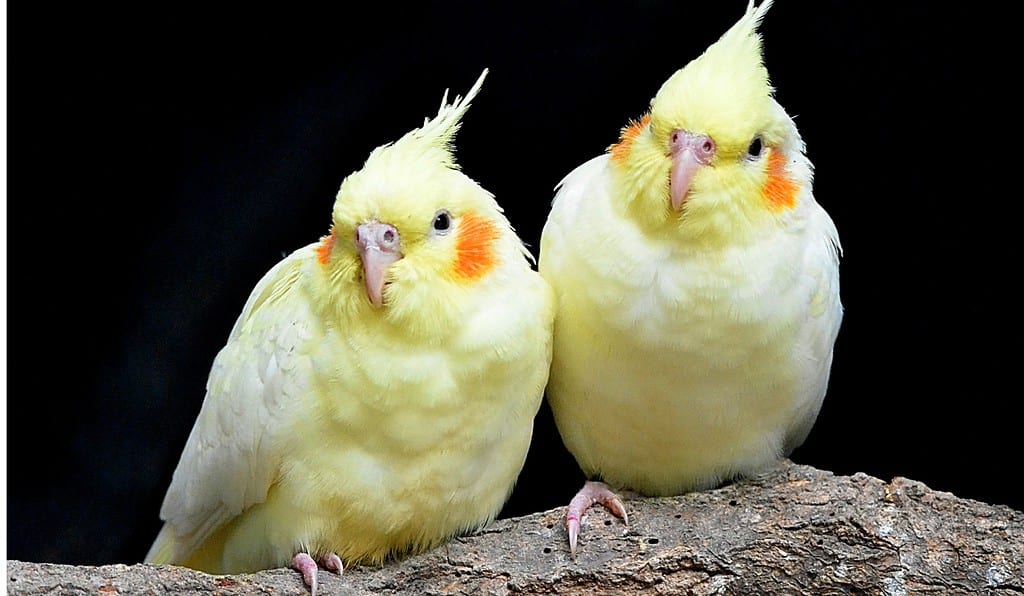
Cockatiels, like most psittacine birds, have the ability to talk and mimic non-avian sounds, including human speech. This fascinating ability makes them a popular choice among bird enthusiasts. Despite their different anatomy, with a voice box known as the syrinx located at the bottom of their trachea, cockatiels can produce understandable words through whistling, making them delightful pets that can interact with their owners in unique ways.

As a general rule, cockatiels can talk and mimic human and non-human sounds. They use their syrinx to produce sounds, moving their tongues to adjust the pitch and create words. Male cockatiels are generally more vocal than females, and they can start mimicking sounds as early as four months old.

Eager to learn more about your cockatiel’s talking and mimicking habits? Read on to discover how cockatiels communicate, the sounds they can mimic, and tips on how to encourage your feathered friend to start talking. Uncover the delightful world of cockatiels and their impressive mimicry skills!

Do Cockatiels Talk?

Cockatiels are indeed intelligent creatures with a capacity for sound. They have the ability to vocalize and whistle songs, making them a delightful companion. However, it’s essential to note that talking is relatively rare for cockatiels. Most of them tend to pick up whistles and chirps instead of phrases. Their vocabulary might not be as extensive as some other parrot species, but their charm and the connection you can build with them are unmatched.

Bird SpeciesTalking AbilityVocabulary Size
CockatielsLowLimited
African GreyHighExtensive
BudgerigarMediumModerate

Despite their limited vocabulary, cockatiels can make their feelings known through their unique sounds, making them an engaging pet for those who are willing to listen.

Male vs Female Cockatiels

Now, let’s delve into the differences between male and female cockatiels. Understanding these differences is crucial as it helps in setting the right expectations and training approach for your cockatiel.

Male Cockatiels

Male cockatiels are known for their ability to whistle, talk, and chirp. Although their voice doesn’t match exactly that of humans, they can whistle understandable words. They are more active in vocalizing, especially around the breeding season, and their melodious voices are sweet, albeit they vocalize aggressively from around 6 months.

Female Cockatiels

On the other hand, female cockatiels are capable of whistling but are generally not as talkative as males. They also talk and can mimic sounds, but they are less vocal and have no strong urge to imitate the sounds they hear. Training a female cockatiel to talk involves using treats and a lot of compliments.

When Do Cockatiels Start Talking?

Cockatiels start processing and learning sounds right from hatching, memorizing other birds’ calls and their parents’ chirps. They become more trainable and tamable after eight months, shortly after their first molt. Some birds even start making talking noises as early as four months. At adult age, they are more attentive to their surroundings and capable of hearing and mimicking words.

  1. Hatching: Start processing and learning sounds.
  2. Four Months: Some start making talking noises.
  3. Eight Months: More trainable and tamable, shortly after their first molt.
  4. Adult Age: More attentive and capable of hearing and mimicking words.

How Many Words Can a Cockatiel Learn?

Cockatiels can mimic words and phrases but their vocabulary is limited compared to some other parrot species. On Average they can learn 20-30 words or sounds, though this can vary greatly among individual birds depending on their training and socialization.

Diving right in, let’s talk numbers. The variability in the number of words a cockatiel can learn is quite fascinating. While they may not have the extensive vocabulary of some other parrots, cockatiels can still surprise you with their linguistic abilities. 

Some cockatiels have been known to learn a vocabulary of up to 90 words! Yes, you heard it right, up to 90 words. It’s all about patience, repetition, and positive reinforcement. So, if you’re teaching your cockatiel to talk, keep at it, and you’ll be amazed at how much they can learn and mimic.

How Cockatiels Produce Sound

Now, let’s unravel the mystery behind how cockatiels produce sound. The secret lies in their syrinx, a unique voice box located at the bottom of their trachea. This incredible organ allows them to produce a variety of sounds, even though they lack the movable lips and teeth that humans use to form words. The syrinx contains vibrating membranes and muscles that influence airflow to create sounds. Cockatiels, like other parrots, have two independent voice boxes and can produce two voices at the same time.

They move their tongues back and forth to adjust the pitch, allowing them to use a high or low key while talking. They also adjust their beaks along with the tongue to alter sounds and create some words.

Despite these adaptations, their speech has limitations due to the absence of movable beaks. But their ability to mimic sounds and words is still quite impressive, making them delightful pets for bird enthusiasts like you and me.

Teaching a Cockatiel to Talk

Teaching a cockatiel to talk is a delightful journey filled with chirps, tunes, and lots of bonding. Cockatiels, with their intelligent and social nature, can indeed learn to vocalize and whistle songs. Training them to sing is relatively straightforward as it comes naturally to them. However, their speech abilities are generally not as advanced as those of larger parrot species.

Start Them Young

  • Importance of Starting Early: Cockatiels are most likely to learn to talk at three months old. By eight months, you should establish a training routine for them to learn tunes and sounds.
  • Benefits: Early training allows cockatiels to develop their vocal abilities effectively, leading to a more extensive vocabulary and better sound mimicry.

Spend Regular Talking Time

  • Daily Interaction Times: Allocate specific times each day for social interactions.
  • Activities: Engage in conversations, repeat words and phrases, and expose them to various sounds and tunes.

Repeat Words and Phrases

  • Start Simple: Begin with easy words and phrases.
  • Progression: Gradually increase the complexity as your cockatiel gets accustomed to the sounds.
Simple WordsProgression
HelloHow are you?
ByeSee you later
YesAbsolutely
NoDefinitely not

Use Positive Reinforcement

  • Rewards: Offer treats or praise when your cockatiel mimics a word or phrase correctly.
  • Encouragement: Positive reinforcement enhances learning and encourages repetition.

Slow and Steady

  • Patience: Speak slowly and clearly, ensuring your bird can sound out every syllable.
  • Exposure: Frequently expose them to the words or tunes you want them to learn.

One Bird at a Time

  • Individual Attention: It’s easier to teach a single bird to talk. If you have more than one bird, they may communicate with each other, showing little interest in learning human vocabulary.
  • Training Multiple Birds: If training multiple birds, ensure each one receives individual attention.

Include Them in Conversation

  • Engagement: Talk to them using short phrases and direct these phrases toward your cockatiel.
  • Encouragement: Involving them in conversation and talking at a close range encourages them to take part and respond.

Tips for Maintaining Patience and Consistency

  • Be consistent in your training schedule.
  • Maintain a calm and patient demeanor.
  • Use varied words and phrases to keep the training engaging.

Steps for Training Multiple Birds

  • Train one bird at a time.
  • Ensure each bird receives adequate attention and training time.
  • Utilize separate training sessions for each bird.

Suggested Phrases and Conversation Starters

  • Hello, [bird’s name]!
  • How are you today?
  • Good morning!
  • Time for bed!

Do’s and Don’ts When Teaching a Cockatiel to Talk:

  • Do: Keep training sessions short and sweet.
  • Do: Use clear, slow, and repetitive words or phrases.
  • Do: Be patient and consistent.
  • Don’t: Yell or show frustration.
  • Don’t: Force the training; keep it fun and positive.

In the training process, remember that each cockatiel is unique. Some may have a natural inclination to talk more than others. But with patience, consistency, and positive reinforcement, you can train even the most silent birds to vocalize words and phrases. Enjoy the process and celebrate the milestones as your feathered friend learns to communicate in a whole new way!

What Sounds Can Cockatiels Mimic?

Cockatiels have a remarkable ability to mimic a variety of sounds. From the beep of your microwave to the jingle of your phone’s ringtone, their capacity to mimic is boundless. They can replicate environmental sounds, gadget sounds, and even other animal sounds, making your home filled with their delightful renditions.

Type of SoundExamples of Sounds Cockatiels Can Mimic
EnvironmentalRain, wind, water flowing
Gadget SoundsPhone ringtone, microwave beep
Animal SoundsDog barking, cat meowing
Human SoundsLaughter, coughing, whistling

Do Cockatiels Understand What They Say?

Diving deeper into the world of cockatiels, you might wonder, do they understand what they say? While cockatiels can mimic and talk, they generally do not understand the words they utter. However, with consistent training, they can be taught to associate words with actions or objects. For instance, saying “treat” while giving them a treat can help them associate the word with the action, making communication smoother and more interactive.

In this delightful journey with your cockatiel, embrace each chirp, whistle, and word. Remember, it’s not just about them learning from you, but also you learning from them. Enjoy the symphony of sounds and the bond of communication you build with your feathered friend. Happy training!

Frequently Asked Questions

How do I get my cockatiel to talk?

Getting your cockatiel to talk is a journey filled with patience, consistency, and lots of love. Start with simple, clear words or phrases and repeat them regularly during your interactions. Ensure your bird is comfortable, and the environment is calm and distraction-free. Use treats and affection to reward your cockatiel when they make an effort to mimic the sounds. Remember, every bird is unique, so keep the sessions positive and stress-free, allowing them to learn at their own pace.

Do female cockatiels talk or whistle?

Diving into the world of female cockatiels, let’s explore their vocal abilities. Female cockatiels are generally quieter compared to their male counterparts. They can whistle, but their capacity to talk is limited. However, with consistent training and positive reinforcement, female cockatiels can learn to mimic sounds and words, albeit with a softer and less clear voice. It’s all about understanding their unique abilities and nurturing them with patience and love.

Do cockatiels recognize their owners?

Oh, absolutely! Cockatiels are quite the social butterflies. They not only recognize their owners but also form strong bonds with them. Their keen sense of sight and sound allows them to identify you and your voice, responding with chirps and whistles of joy as you approach. This recognition plays a crucial role in training them to talk as they feel more comfortable and secure learning from someone they trust.

Can you sleep with a cockatiel?

While the idea of snuggling with your feathered friend might seem appealing, it’s not advisable to sleep with a cockatiel. The risk of accidentally harming them in your sleep is significant. Besides, cockatiels need a secure, quiet, and dark environment to get a good night’s sleep, which is essential for their health and well-being.

Which genders of cockatiel talk?

When it comes to talking abilities, male cockatiels generally take the lead. They are more vocal and have a clearer voice compared to females. Males are more likely to mimic sounds and words, making them more adept at talking with consistent training. However, every bird is unique, and with the right approach, female cockatiels can also be taught to communicate effectively.

Do cockatiels mimic songs?

Yes, cockatiels have a fantastic ability to mimic songs and sounds. Their acute hearing and sound-processing abilities allow them to pick up tunes and replicate them with their unique chirps and whistles. From your favorite song to the jingle of a commercial, cockatiels can surprise you with their musical talents.

Conclusion

Did you enjoy this deep dive into the world of cockatiels and their talking abilities? Understanding these aspects is crucial for nurturing a healthy and happy relationship with your feathered friend. Feel free to share your thoughts in the comments and share the article with other bird enthusiasts if you found it helpful. Here’s to happy chirping and many delightful conversations with your cockatiel!

How Much Do Cockatiels Cost – A Vet’s Guide

Imagine the soft chirping of a cockatiel filling your home. These charming birds, with their vibrant personalities and colorful feathers, make delightful pets. But before you bring one into your life, it’s crucial to understand the financial commitment involved. The cost of owning a cockatiel goes beyond the initial purchase price, encompassing food, healthcare, and other essential expenses.

Typically, the price of a cockatiel ranges from $30 to $250. However, for some rare types, the cost can escalate to $300. Additionally, the annual expenses of maintaining a cockatiel, including food, healthcare, and other various costs, can total between $375 and over $1000.

Eager to learn more? Dive into this comprehensive guide to explore the detailed breakdown of cockatiel costs, money-saving tips, and additional expenses to consider. Embark on this exciting journey of cockatiel ownership, well-prepared and informed!

How Much Does Buying a Cockatiel Cost on Average?

When considering adding a cockatiel to your family, the first question that comes to mind is, “how much does a cockatiel cost?” The average cost of a cockatiel ranges from $30-$250, and it can go as high as $300 for rare types. The price depends on various factors including the type of cockatiel, its age, health, and the breeder’s reputation and location.

Detailed Price Breakdown by Cockatiel Type

In the world of cockatiels, variety is the spice of life. Each type of cockatiel brings its own unique charm and price tag. Let’s delve into the detailed price breakdown by cockatiel type, shall we?

1. Price of a Cockatiel Gray

The Gray Cockatiel is the most popular choice among individuals, known for their white-lined wings and tails and attractive orange patches across the cheeks. On average, you can bring home a Gray Cockatiel for about $70.

2. Price of a Cockatiel Harlequin

Also known as Pied Cockatiels, Harlequins have a non-specific color pattern, with white patches and markings of varying shapes and sizes. They all share the same yellow crest color and orange cheek patches. The cost of purchasing a Harlequin Cockatiel is around $110 on average, potentially rising to about $170.

3. Price of a Cockatiel Cinnamon

Cinnamon Cockatiels are easily distinguishable by their brown pigmentations, with tan & cinnamon shades. The males and females are distinguishable by the face and cheek patches color. A Cinnamon Cockatiel costs about $130 minimum, which could rise to about $160.

4. Price of a Cockatiel Lutino

Lutino Cockatiels are known for their white pigmentation and pale yellow coloring across the tail, wings, and chest. If you find a Lutino attractive, be prepared to pay between $150 and $250 on average.

5. Price of a Cockatiel Pearl

Pearl Cockatiels have specks or dots of white or yellow across the wings, nape, and back, with a yellow face and orange cheeks. For a healthy Pearl Cockatiel, be ready to pay as high as $200 on average.

6. Price of a Cockatiel White

White Cockatiels are the most expensive due to their scarcity in the pet bird market. They can be purchased from reputable cockatiel breeders for as low as $200, which may rise to $300.

Each cockatiel type brings its own unique beauty and personality to your home, making the investment all the more worthwhile. Remember, the price of the bird is just the beginning. Consider other expenses like cages, food, and healthcare to ensure your new feathered friend thrives in its new environment.

Considerations Before Buying a Cockatiel Bird

Before you embark on the delightful journey of cockatiel ownership, it’s essential to consider various factors to ensure a happy and healthy life for your feathered friend

The Bird’s Age

Young cockatiels are inquisitive and adaptable, making them ideal for first-time bird owners. It’s essential to choose a bird that shows signs of good health and activity to ensure a smooth transition to your home and a long, happy life. The age of the cockatiel can influence the price, with younger birds generally being more expensive due to their longer potential lifespan and greater adaptability.

Health and Activity Level of the Bird

A healthy cockatiel is active, alert, and interactive. Before making a purchase, observe the bird’s behavior, feather condition, and interactions to ensure it exhibits signs of good health. Avoid birds that appear lethargic, have ruffled feathers, or show signs of respiratory issues, as these can indicate underlying health problems. Ensuring the health and activity level of your prospective pet is crucial for a joyful and lasting companionship.

Reliability of The Seller/Breeder

Ensure the breeder or seller you choose is reputable and ethical. A reliable breeder provides healthy, well-socialized birds and is transparent about their breeding practices and bird care. They

should be willing to answer all your questions, provide references, and allow you to meet the birds before purchase. Purchasing a cockatiel from a trustworthy breeder ensures you’re bringing home a healthy, happy pet and supporting ethical breeding practices.

Breeder’s/Buyer’s Location

The location of the breeder and buyer impacts the overall cost and accessibility of the cockatiel. Consider local breeders to avoid additional costs and stress associated with shipping the bird. Local breeders also offer the advantage of visiting and interacting with the birds before making a decision, ensuring you choose the perfect cockatiel for your home.

🌟 Insight: The location plays a significant role as local breeders offer the advantage of visiting and interacting with the birds before making a decision, ensuring you choose the perfect cockatiel for your home.

Annual Costs of Owning a Cockatiel

In my years of experience as a veterinarian, the number one thing new bird owners ask me is about the costs associated with owning a cockatiel. It’s crucial to understand that purchasing a cockatiel is just the first step of ownership, and you should be prepared for the annual expenses that ensure your pet thrives.

🤔 Did You Know? Cockatiels can live for up to 20 years with proper care. Budgeting for their long-term needs is essential for their well-being!

Health Care

Just because your pet is healthy, it doesn’t mean that you shouldn’t set aside some cash for emergencies. Besides the annual vet checkup, you might have to take your pet to the vet if it gets sick or injured. And instead of dealing with a general vet, you should look for an avian vet. They are few, but they are more qualified to care for your parrot

Therefore, you should set aside between annually. You can use the cash for the annual checkup routine or when it gets sick. If it’s injured, you should try and stop the bleeding using the styptic powder before taking it to the vet. But with proper cockatiel proofing, you won’t have to deal with too many vet visits.

Food

A balanced diet for your cockatiel should include veggies, fresh fruit, and pellets and can cost around $100–$350 Per month. Fresh veggies and fruits comprise about 20-25% of the cockatiels’ daily diet. The seeds are pretty delicious to our pets, but they are nutritionally lacking. Therefore, they should make up a small percentage of your pet’s balanced diet. So to be on the safe side, you can purchase the pellets in bulk and grow the veggies and fruit in your backyard.

Grooming

Grooming this bird includes nail and beak trimmings and can cost $15 to $20 Every Month. A healthy bird’s beak has a constant length as it can wear it down. But if it grows too long, it can be a sign of beak cancer or liver disease. Don’t assume you can trim the beak yourself; it may seem easy, but many blood vessels at the center of the beak and nail can bleed if nicked. You can also clip its wings as part of the monthly grooming session.

💡 Tip: Regular grooming not only keeps your cockatiel looking good but also helps in early detection of potential health issues!

Entertainment

Since you won’t be around for the better part of the day to spend a few hours with your pet, you need to get them a source of entertainment. Generally, toys can provide endless hours of playtime and improve the life of your pet. Therefore, buying your bird a wide range of toys is best, and you can invest in some new toys every month that can generally cost $100 To $200 Every Month .

Environment Maintenance

As a pet owner, your main goal is to keep your pet healthy and in a clean environment. Therefore, you should replace the cage liners daily and clean them thoroughly at least once weekly. Most bird owners prefer using super absorbent commercial liners that can reduce odor in cages which can cost about $250.

Total Annual Cost

Adding up all these costs, the total annual cost of owning a cockatiel can range from $375 to over $1000 significantly based on your choices and unexpected expenses, but preparing for these can ensure a happy and healthy life for your cockatiel.

Additional Costs To Consider

Owning a cockatiel is a delightful experience, but it’s essential to consider the additional costs that come with it. If you plan on leaving town for a few days, you’ll need to hire a pet sitter to take care of your feathered friend. 

  • A pet sitter charges between $15 to $30 per day, and they can perform various other chores like watering your plants and even getting your mail. 
  • On the other hand, pet boarding facilities charge about $20 per night. Another aspect to consider is behavioral training. 
  • If you can’t train your pet, you’ll have to pay for the courses, which are about $25 per course. 

These additional costs ensure your cockatiel is well taken care of, even in your absence, and helps in nurturing good behavior in your pet.

Owning a Cockatiel On a Budget

Owning a cockatiel doesn’t have to break the bank. Here are some practical tips for saving money on cockatiel care:

  • Adoption: Consider adopting a cockatiel from a bird rescue agency. The cost of adoption is between $50 and $100 on average, offering a significant reduction compared to buying a new bird.
  • DIY Toys and Accessories: Get creative and make toys and accessories for your cockatiel. It’s cost-effective and can be a fun activity!
  • Bulk Buying: Purchase food and other supplies in bulk to save in the long run.
  • Regular Health Check-ups: Prevent hefty vet bills by ensuring regular health check-ups for early detection of potential issues.
  • Proper Training: Invest time in proper training to avoid costly behavioral issues and damages.

Remember, proper budgeting and financial preparation are crucial in ensuring your cockatiel has everything it needs for a happy, healthy life. It’s always better to be financially prepared to avoid cutting corners on your pet’s care and well-being.

🌟 Insight: Proper training and regular health check-ups can significantly reduce the long-term costs of owning a cockatiel!

Frequently Asked Questions

Which cockatiel is beautiful? 

Among the tapestry of avian beauty, the Lutino cockatiel stands out with its stunning, pure yellow feathers and vibrant red-orange cheek patches. A living masterpiece that graces homes with its elegance, this variation is a testament to the breathtaking diversity found within the cockatiel realm.

What do cockatiels eat daily? 

Cockatiels relish a balanced diet comprising pellets, seeds, and fresh treats. Greens, veggies, and occasional fruits not only please their taste buds but also provide essential nutrients. Remember, a colorful dish mirrors their vibrant personality, ensuring a chirpy, healthy friend by your side.

Can 1 cockatiel live alone? 

While cockatiels have a sociable spirit, some individuals can thrive solo with proper care and attention. However, like us, they do yearn for companionship. If considering a lone cockatiel, be prepared to be their flock, offering enrichment and interaction to keep their vibrant personality aflutter.

Can a cockatiel talk? 

The cockatiel surprises with its own charming symphony of sounds. Mimicking speech isn’t their forte, but their playful whistles and occasional words make for a delightful conversation starter.

Conclusion

In conclusion, while the financial aspect is crucial, the love and companionship that a cockatiel brings to your home are priceless. Ensuring you are financially prepared and understanding the responsibilities involved in owning a cockatiel is essential for a happy and healthy relationship with your new feathered friend. On average the cost of owning a cockatiel ranges from $30 to $300 depending on the variety, there are additional costs to consider.

Feel free to share your thoughts and experiences in the comments below, and let’s continue to learn and grow as a community of bird enthusiasts!

Top 11 Cockatiel Cage Accessories – A Vet’s Guide

In the world of cockatiels, the right accessories can make all the difference in their health and happiness. From perches to toys, each accessory plays a crucial role in your bird’s life, ensuring they are stimulated, comfortable, and secure. As you embark on the journey to create the perfect haven for your feathered friend, understanding the significance of each accessory is paramount.

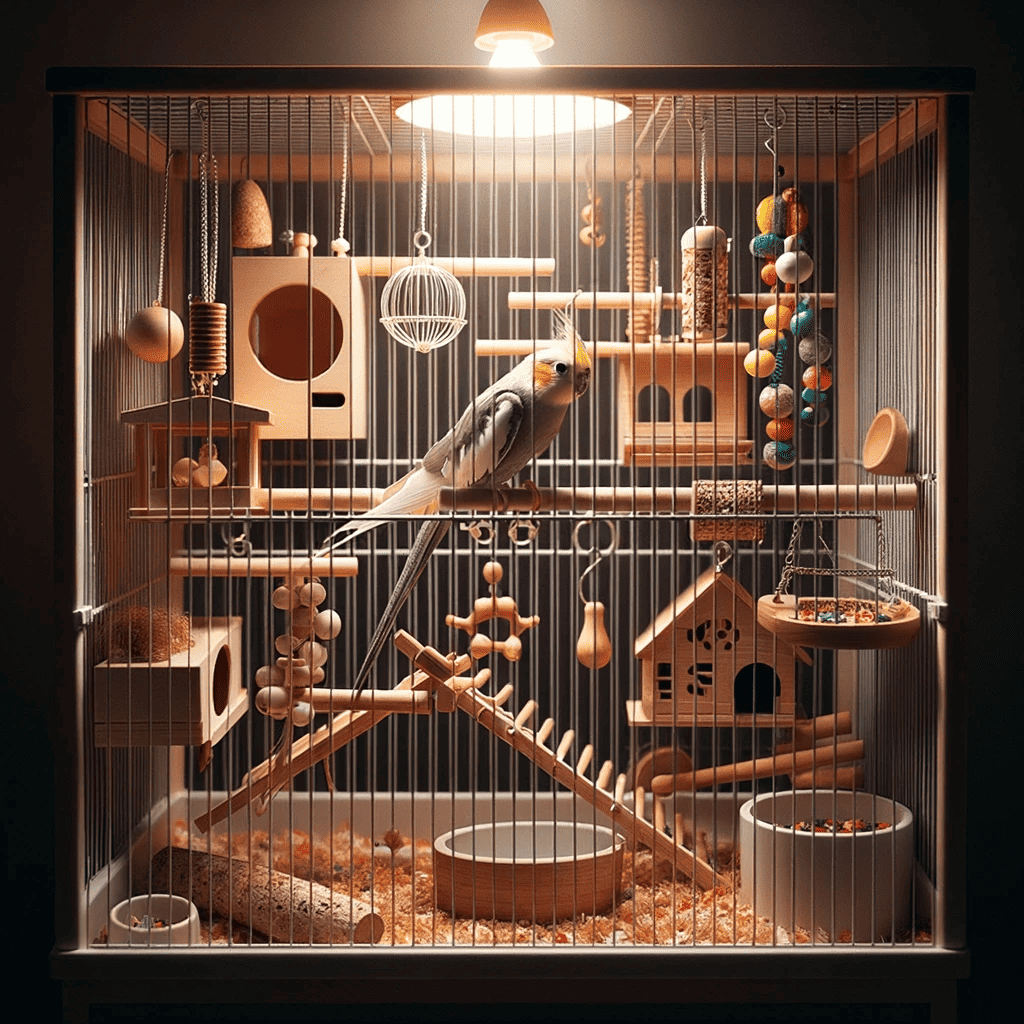
As a whole, the right accessories like Bathing Box, T-Stand Perch, Playground Gyms, Mirror, Ladders, Puzzle Toys, Cage Cover, Perches, Dishes, Cuttlebones, and Swings ensure a stimulating, safe environment, promoting health, happiness, and a strong bond between you and your cockatiel.

Let’s embark on this exciting journey together, ensuring your cockatiel’s home is as delightful and enriching as it can be. Your adventure into the world of optimal bird care starts now. Read on and let your cockatiel soar in comfort and happiness!

📘 Did You Know? Choosing the right accessories can significantly boost the comfort and safety of your cockatiel’s environment, leading to a happier, healthier bird.

The Importance of the Right Accessories

Transitioning into the heart of the matter, let’s delve into why choosing the right accessories is paramount.

Enhancing Comfort and Safety

The right accessories play a crucial role in ensuring the comfort and safety of your cockatiels. Properly selected items like comfortable perches and secure feeders contribute to a safe and cozy environment. In my experience, ensuring the cage is well-equipped is the first step in making your feathered friends feel at home.

Promoting Mental and Physical Health

Beyond mere comfort, accessories are pivotal for the mental and physical well-being of cockatiels. Engaging toys and exercise equipment contribute to mental stimulation and physical activity, promoting overall health and happiness.

AspectRight AccessoriesWrong Accessories
ComfortProvide a comfortable and suitable environment.May lead to discomfort and stress.
SafetyEnsure safety with non-toxic and secure items.Potentially hazardous and unsafe.
Mental HealthOffer mental stimulation and engagement.Could lead to boredom and mental health issues.
Physical HealthPromote physical activity and exercise.May contribute to a lack of physical activity and health.
Overall Well-beingContribute to overall health, happiness, and satisfaction.May lead to overall dissatisfaction and health issues.

In my years of guiding bird owners, the emphasis on the right accessories has always stood out as a fundamental aspect. It’s not just about filling the cage with items, but choosing the right ones that cater to the unique needs of cockatiels. The impact on their mental and physical health is profound, and as a dedicated bird lover, ensuring their well-being is a priority you surely hold dear.

Top 11 Cockatiel Cage Accessories

As we embark on this journey, let’s dive into the world of cockatiel cage accessories. It’s not just about aesthetics or convenience; it’s about creating a haven for your feathered friends where they can thrive and live joyously.

1. Transparent Walk-In Bathing Box (Link to Amazon)

Imagine a space where your cockatiels can explore, bathe, and eat, all while staying contained and minimizing mess. The Transparent Walk-In Bathing Box is a game-changer for bird owners. It’s designed to spark curiosity and offer a unique environment for exploration. This accessory is not just a luxury but a contribution to the bird’s well-being, providing them with a space where they can carry out essential activities in a confined, clean, and comfortable environment.

How Cockatiels Use It

Cockatiels are naturally curious and active birds. They use the bathing box for multiple purposes. It’s a space where they can bathe, ensuring their feathers remain clean and healthy. The box is also used for eating, allowing them to enjoy their meals in a peaceful and contained space. The design of the box helps in containing the mess, making your cleaning tasks easier and ensuring a hygienic space for your birds. It’s like having a mini spa and dining area, all in one, for your cockatiels.

2. Tabletop T-Stand Perch (Link to Amazon)

The Tabletop T-Stand Perch is more than just a perch. It’s a space where your cockatiels can feel secure, observe their surroundings, and relax. The elevated design gives them a vantage point, making them feel more in control and secure in their environment. It’s a simple accessory that offers significant benefits, contributing to the mental and emotional well-being of your cockatiels.

How Cockatiels Use It

Cockatiels use the T-Stand Perch as a roosting spot outside the cage. It’s a place where they can relax, sleep, or just hang out. The perch provides them with a sense of freedom, allowing them to be part of the environment outside their cage, enhancing their social interaction and mental stimulation.

3. Cockatiel Playground Gyms (Link to Amazon)

The Cockatiel Playground Gyms are a world of adventure for your birds. It’s a multi-faceted accessory that ensures your cockatiels never run out of activities. With eating stations, ladders, toy stations, and multiple perches, it’s like a mini amusement park for your birds, ensuring they are physically active, mentally stimulated, and thoroughly entertained.

How Cockatiels Use It

Cockatiels use the playground gyms for a variety of activities. It’s a space for roosting, foraging, bathing, eating, and playing with toys. Each section of the gym offers a new activity, ensuring the birds are never bored and always have something to engage with, promoting their physical and mental health.

4. Mirror (Link to Amazon)

A mirror is not just a reflective surface for your cockatiels. It’s a tool that adds an interesting dimension for them to explore and interact with. It keeps their minds active and engaged, providing mental stimulation and preventing boredom.

Precautions

However, it’s crucial to observe your bird’s behavior with a mirror. Some birds may react negatively, showing signs of stress or aggression. Ensure the mirror is used as a tool for enrichment, not a source of distress for your birds.

5. Ladders (Link to Amazon)

Ladders are more than just a tool for navigation within the cage. They mimic the natural climbing structures cockatiels would find in the wild, offering them both comfort and exercise. It’s an accessory that promotes physical activity, ensuring your birds remain agile and healthy.

How Cockatiels Use It

Cockatiels use ladders to climb and explore their environment. It’s similar to how they would use tree branches in the wild, moving up and down to reach new heights and explore different areas. Ladders contribute to keeping them active, agile, and physically fit, promoting overall well-being.

6. Puzzle Toys (Link to Amazon)

Puzzle toys are a fantastic addition to any cockatiel cage. They keep the mind sharp, offering mental stimulation by challenging your birds to think and solve problems.

Different Types of Puzzle Toys:

  • Lever Puzzle Toys: Require birds to move a lever to release a reward.
  • Lid-Opening Toys: Challenge birds to open a lid to access treats inside.
  • Sliding Puzzle Toys: Birds must slide pieces around to reveal treats.
  • Rotation Puzzle Toys: Birds rotate sections to align paths and access rewards.
  • Button-Pushing Toys: Birds push buttons to release treats or open doors.

7. Full-Length Cockatiel Cage Cover (Link to Amazon)

A full-length cockatiel cage cover is more than a piece of fabric; it’s a shield of comfort and security for your beloved birds. It ensures that your cockatiels have the privacy and darkness they need for a good night’s sleep, helping to regulate their sleep cycles and contribute to their overall well-being. The material is crafted to be bird-safe, ensuring that your feathered friends are not exposed to any harmful substances, providing you peace of mind and assurance of their safety.

How to Use It

Using the full-length cage cover is a breeze. At night, cover the cage fully to create a dark, calm environment conducive for your cockatiels’ rest. During the day, you can choose to partially cover the cage, providing a cozy, secure corner for your birds while still allowing them to observe the world around them. This flexibility allows you to adapt the cover use to your birds’ preferences and needs, ensuring they always feel safe and comfortable.

8. Perches (Link to Amazon)

Perches are more than resting places for your cockatiels. They are essential for ensuring the health and comfort of your bird’s feet. Different types of perches offer various benefits, and understanding these is crucial for making the right choice. 

TypeMaterialSizeBenefits
Dowel PerchWoodVariousBasic, affordable, easy to install
Natural PerchVariousVariousMimics natural environment, good for foot health
Rope PerchCottonVariousSoft, flexible, good for climbing and exploring
Heated PerchPlasticVariousProvides warmth, good for colder climates
Platform PerchWood/PlasticVariousOffers a flat surface, good for resting and observing

The choice of perch should be made considering the specific needs and preferences of your cockatiels, ensuring their comfort and well-being.

🌲 Did You Know? Natural perches not only provide comfort but also promote good foot health by mimicking the bird’s natural environment.

9. Food and Water Dishes (Link to Amazon)

Discussing the best types for cockatiels:

  • Plastic Dishes: Lightweight, affordable, but may not be as durable.
  • Stainless Steel Dishes: Durable, easy to clean, but heavier and more expensive.
  • Ceramic Dishes: Heavy, stable, but can break easily.
  • Clip-On Dishes: Convenient, space-saving, but may not hold larger amounts of food/water.
  • Automatic Feeders/Waterers: Ensures constant supply, but may be more complex to set up and clean.

10. Cuttlebones and Mineral Blocks (Link to Amazon)

Cuttlebones and mineral blocks play a crucial role in your cockatiel’s health. They are not just accessories but essential items that contribute to the health and strength of your bird’s beak. They provide necessary minerals and help in naturally trimming the beak, ensuring it stays in top condition. Regular access to cuttlebones and mineral blocks ensures your cockatiels have the essential nutrients they need for a healthy, happy life.

11. Swings and Ladders (Link to Amazon)

Discussing their role in exercise and entertainment:

  1. Basic Swing: Provides simple swinging motion, good for exercise and fun.
  2. Ladder with Beads: Adds visual interest and additional climbing surfaces.
  3. Multi-Level Ladder: Offers more climbing opportunities and exercise.
  4. Swing with Mirror: Engages bird’s curiosity and provides entertainment.
  5. Rope Ladder: Offers flexibility and varied climbing angles.

In my experience, new bird owners often overlook the importance of diverse cage accessories. Ensuring a variety of perches, the right food and water dishes, and the inclusion of cuttlebones and mineral blocks can significantly enhance your cockatiel’s quality of life. Swings and ladders add an extra layer of fun and exercise, keeping your bird healthy and entertained.

Should You Cover Your Cockatiel’s Cage At Night?

Covering your cockatiel’s cage at night is essential for providing a sense of security and ensuring uninterrupted sleep. It helps in mimicking the natural sleep cycle, offering darkness and reducing distractions. The right way to cover the cage involves using a breathable, dark, and non-toxic material. Ensure adequate ventilation and avoid complete darkness to prevent disorientation and panic for your cockatiel.

Choosing the Right Accessories

As we delve deeper into the world of cockatiel accessories, it’s paramount to prioritize the compatibility of size and design with your bird and cage.

Consider the Size and Design

The size and design of the accessories should align with your cockatiel’s size and the cage dimensions. Oversized or undersized accessories can cause discomfort and potential hazards.

Material Safety

Prioritize accessories made from bird-safe, non-toxic materials to ensure the well-being of your cockatiel. Avoid accessories with small, detachable parts that can be ingested.

Easy to Clean

Opt for accessories that are easy to clean and maintain to ensure a hygienic environment for your cockatiel.

Factors to ConsiderDescription
SizeEnsure the accessories are suitable for your cockatiel’s size and the cage dimensions.
DesignOpt for ergonomically designed accessories for ease of use and comfort.
Material SafetyChoose non-toxic, bird-safe materials for all accessories.
Ease of CleaningSelect accessories that are low-maintenance and easy to clean for maintaining hygiene.

The number one thing new bird owners often neglect is the importance of choosing the right accessories. Ensuring the compatibility of size, design, material safety, and ease of cleaning will contribute significantly to the happiness and health of your cockatiel, making the bird-owning journey more enjoyable and fulfilling for you.

Frequently Asked Questions

What are the best materials for cockatiel cage accessories?

Opt for non-toxic, bird-safe materials like natural wood, stainless steel, and food-grade plastics.

Do cockatiels need toys in their cage?

Absolutely! Toys provide mental stimulation, physical exercise, and entertainment for cockatiels.

How often should I clean the cage accessories?

Regular cleaning, at least once a week, is essential to maintain hygiene and ensure the health of your cockatiel.

Did you find this guide helpful? Remember, choosing the right accessories for your cockatiel’s cage is not just about aesthetics or convenience. It’s about creating a safe, comfortable, and stimulating environment for your feathered friend. Your cockatiel deserves the best, and now you’re equipped with the knowledge to make informed choices for cage accessories. 

Do Cockatiels Change Color?

Have you ever noticed a sudden change in your cockatiel’s feather color and wondered why? This intriguing phenomenon can leave many bird enthusiasts scratching their heads, concerned about the health and well-being of their feathered friends. The transformation in feather color can be a natural process or an indication of certain health issues.

As a general rule, cockatiels do change color as they age from chick to adult, undergoing their first molt and developing their complete adult coloring. After reaching maturity, any further changes in color are typically due to health-related issues.

Curious to learn more about the reasons behind these color changes and how to ensure the health and vibrancy of your cockatiel’s feathers? Read on as we delve deeper into the world of cockatiels and their colorful transformations, offering insights and tips for optimal feather health.

Does Cockatiel Change Color with Age?

Cockatiels undergo a significant color change as they transition from chick to adult. This period, marked by their first molt, is when they develop their complete adult coloring. Beyond this stage, any further color changes could be indicative of health issues, stress, or molting complications.

  • Chick: Soft, fluffy feathers in a mix of whites, yellows, and greys.
  • First Molt: Shedding of chick feathers, replaced by adult feathers, possibly showing bright yellow where white feathers were before.
  • Adulthood: Final, mature color dependent on genes, with no further natural color changes.

Impact of Genetic Genetic Factors on Cockatiel Colors

Genetics plays a crucial role in determining a cockatiel’s color. The grey series of a cockatiel naturally occurs in the wild, with all other colors resulting from genetic mutations and selective breeding. These mutations can either enhance the color or maintain the base color as the cockatiel ages.

Impact of Genetic Mutations on Cockatiel Colors

Genetic MutationImpact on Cockatiel Colors
LutinoEliminates all black, grey, and green pigments, resulting in a yellow or red appearance.
PearlCauses a ‘pearled’ look with white feathers having a yellow tint and grey feathers showing a white pattern.
CinnamonGives the feathers a warm, cinnamon color.
PiedResults in a mix of colored and white feathers, with no set pattern.
WhitefaceEliminates yellow and orange pigments, leading to a white and grey appearance.

In my experience as a veterinarian, the number one thing new bird owners ask me is why their cockatiel is changing colors. Understanding these natural and genetic-induced changes can help ensure your cockatiel is healthy and thriving.

Top 8 Reasons for Color Changes in Cockatiel

As we journey further into the world of cockatiels, it’s essential to understand the various factors that can influence their coloration. While some changes are natural and harmless, others can be indicative of underlying health issues.

1. Maturity

Young cockatiels undergo a fascinating transformation as they mature. Their down feathers, which are initially a blend of whites, yellows, and greys, gradually give way to the vibrant and robust feathers of a mature bird. These new feathers, reflecting the bird’s genetic makeup, will typically align with the species’ standard colors.

2. Nutritional Problems

A balanced diet is crucial for maintaining vibrant and healthy feathers. Nutritional deficiencies can lead to changes in feather color and quality. Melanins, carotenoids, and porphyrins play significant roles in feather pigmentation, and any imbalance can affect the bird’s appearance.

3. Damaged Feathers

Damaged feathers can indeed alter a cockatiel’s appearance. When feathers break or bend near the shaft, they tend to darken, making them stand out from the rest. Such discoloration often results from accidents like crashing into cage walls, getting entangled in toys, or even skirmishes with fellow birds. Improper handling, especially by children, can also lead to feather damage.

Steps to take if a cockatiel has damaged feathers:

  1. Examine the affected area for any signs of blood, indicating damage to blood feathers.
  2. If blood is present, consult a vet immediately.
  3. For non-bleeding damaged feathers, monitor the bird and ensure it’s not causing further harm by picking at them.
  4. Maintain a stress-free environment to prevent further accidents.
  5. Await the next molting cycle, during which damaged feathers will naturally be replaced.

4. Fungal Growth and Parasites

Fungal infections can manifest as black streaks on a cockatiel’s wings and back. While the discoloration itself might not be immediately harmful, it can lead to other complications. For instance, fungal infections increase the risk of aspergillosis, a respiratory condition caused by mold. Regular cage maintenance and cleanliness can help prevent such infections.

5. Stress and Illness

A change in feather color can sometimes be a sign of underlying health issues. Stress and illness can deplete a cockatiel’s nutrients, affecting its feather quality and coloration. Stress bars, visible lines across their plumage, are common indicators of a distressed bird. Accompanying symptoms might include lethargy, appetite loss, and abnormal feces.

6. Liver Disease

A sudden appearance of bright yellow feathers in a cockatiel can be alarming, often indicating severe liver disease, such as fatty liver disease. It’s crucial to recognize this early and seek veterinary intervention.

7. Viruses

Certain viruses can lead to abnormal feather growth in cockatiels. One such virus responsible for this is the one causing psittacine beak and feather disease (PBFD), which affects the bird’s beak and feathers.

8. Metabolic Problems

Metabolic issues can also result in feather color changes. Sometimes, the pigment on a feather might appear to “wear off,” indicating potential metabolic disturbances.

I’ve often emphasized the importance of regular check-ups and a balanced diet for cockatiels. Observing any sudden changes in your bird’s appearance and consulting a vet can ensure your feathery friend remains healthy and vibrant.

Specific Color Changes

Now, let’s soar into the specifics of color changes in cockatiel feathers. Understanding why cockatiel feathers may turn brown, yellow, or white can provide insights into their health and well-being.

Brown Feathers

Brown feathers may need veterinary attention. They can signify that a cockatiel is dirty, experiencing molting issues, or is ill. A lack of nutrients can cause this discoloration, and in such cases, the new feathers will appear brown or black.

Yellow Feathers

If your cockatiel suddenly appears with more yellow feathers, it can signify liver disease, which can be fatal if left unresolved. Certain viruses can also cause abnormal feathers, but this is not a common occurrence.

White Feathers

The most common reason why cockatiel’s feathers turn white is molting. A cockatiel’s feathers will start to dull as they prepare to molt. Additionally, malnourishment can make your cockatiel’s feathers turn white.

Cockatiel Feather Conditions

As we flutter into the world of cockatiel feather conditions, it’s essential to recognize the signs of healthy and unhealthy feathers. Understanding these can help ensure your cockatiel is not only looking good but feeling good too.

Healthy Cockatiel Feathers

Healthy cockatiel feathers are a sight to behold. They should have a single, unbroken shaft, free of debris, and glossy. The barbs will be zipped together, and the colors should be vibrant and clean. The feathers should be soft to the touch, reflecting the overall health of your cockatiel.

Characteristics of Healthy Cockatiel Feathers:

  • Single, unbroken shaft
  • Free of debris
  • Glossy and vibrant colors
  • Barbs are zipped together
  • Soft to the touch

Unhealthy Cockatiel Feathers

On the flip side, unhealthy cockatiel feathers tell a different tale. They may appear oddly formed, ragged, frayed, malformed, bent, broken, or ashy. They may also be dry or brittle to the touch, signaling that something is amiss with your feathered friend.

Signs and Symptoms of Unhealthy Cockatiel Feathers:

  • Odd or drained coloration
  • Oddly formed, ragged, frayed
  • Malformed, bent, broken
  • Ashy appearance
  • Dry or brittle to the touch

Improving Feather Quality

In the quest for vibrant and healthy feathers, understanding the factors that play a crucial role is paramount. Let’s embark on this colorful journey together.

Stress Management

Reducing stress is pivotal for maintaining the lustrous sheen and robust health of your cockatiel’s feathers. Long-term stress can cause feather banding and lead to behavioral issues and feather plucking. Ensure your cockatiel’s environment is calm, spacious, and enriched with toys and socialization opportunities to keep stress at bay.

Diet

A balanced diet rich in Vitamin A plays a significant role in feather health. Foods high in Vitamin A include spinach, mango, papaya, broccoli leaves, and cantaloupe. These foods not only enhance the color vibrancy but also contribute to the overall well-being of your cockatiel.

Foods High in Vitamin A:

  • Spinach: Packed with nutrients and antioxidants.
  • Mango: A delicious and vitamin-rich fruit.
  • Papaya: Great for the immune system and feather health.
  • Broccoli Leaves: High in Vitamin A and beneficial for feather quality.
  • Cantaloupe: Hydrating and filled with vitamins.

Exercise

Regular exercise is essential for preventing obesity and related disorders. An active and socialized cockatiel is likely to have vibrant and healthy feathers, reflecting its physical and mental well-being.

Sunlight

Sunlight or UVB lights play a crucial role in maintaining the strength and color of cockatiel feathers. Ensure your cockatiel has access to direct sunlight or UVB lights to keep its feathers in optimal condition.

Conclusion

In the colorful world of cockatiels, understanding the nuances of their feather color and quality is essential. From the foods they eat to the sunlight they bask in, every aspect plays a significant role in their feather health and coloration. Remember, a healthy and happy cockatiel will always flaunt vibrant and lustrous feathers. So, keep these tips in mind, and you’re sure to have a chirpy, colorful companion by your side. 

Feel free to share your thoughts in the comments and spread the love for these adorable birds by sharing this article. Your feathered friends will thank you!

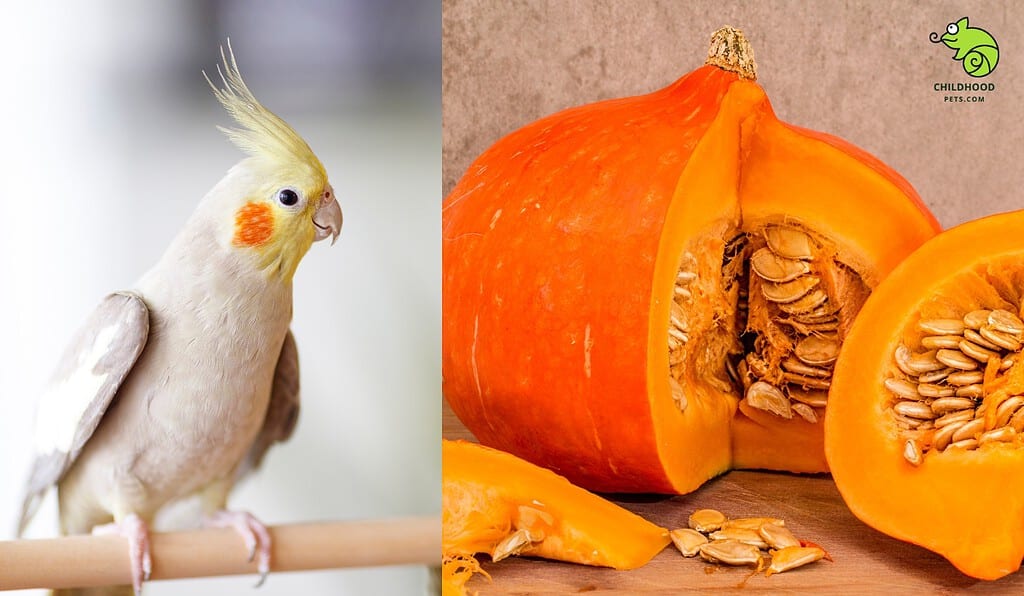
Can Cockatiels Eat Pumpkin Seeds?

Pumpkin seeds, often hailed as a superfood for humans, are packed with nutrients and have been a staple in diets across cultures for centuries. Their crunchy texture and nutty flavor make them a favorite snack for many. But what about our feathered friends? Specifically, can cockatiels partake in the pumpkin seed craze?

As a general rule, cockatiels can eat pumpkin seeds. These seeds are nutritionally rich, offering protein, essential minerals, and beneficial fatty acids. However, moderation is key, and they should be given as a treat rather than a primary food source.

Curious about the specifics? Want to know how pumpkin seeds fit into a cockatiel’s diet and how to serve them? Dive in as we explore the benefits, potential concerns, and best practices for feeding pumpkin seeds to your beloved cockatiel. Let’s embark on this feathery journey together!

Understanding Cockatiels’ Natural Diet

To truly grasp the role of pumpkin seeds in a cockatiel’s diet, it’s essential to understand their natural eating habits. In the wild, cockatiels primarily feed on various seeds, fruits, and greens. Their diet is diverse, ensuring they receive a range of nutrients. Introducing pumpkin seeds is a nod to their natural inclination towards seed consumption.

The Origins of Pumpkin Seeds in Bird Diets

Historically, indigenous communities have observed wild birds, especially those in the parrot family, feasting on pumpkin seeds. These observations led to the inclusion of these seeds in the diets of domesticated birds. Understanding this history gives us insight into the natural affinity birds have for these seeds.

Pumpkin Seeds vs. Other Seeds

While we’ve touched upon the nutritional comparison of pumpkin seeds with other seeds, it’s crucial to understand why pumpkin seeds stand out:

  • Digestibility: Pumpkin seeds are relatively easy for cockatiels to digest, making them a suitable treat.
  • Taste: Many cockatiel owners report that their pets seem to prefer the taste of pumpkin seeds over some other seeds.
  • Versatility: Pumpkin seeds can be mixed with other seeds or served alone, giving owners flexibility in feeding.

The Science Behind Pumpkin Seeds

Recent studies have shown that pumpkin seeds contain a compound called cucurbitacin. This compound has anti-parasitic properties, which can be beneficial for birds. While it’s not a replacement for vet-prescribed treatments, it’s an added advantage of including pumpkin seeds in their diet.

Nutritional Value of Pumpkin Seeds for Cockatiels

Before we dive into the nitty-gritty, let’s set the stage by understanding the nutritional punch these seeds pack.

Benefits of Pumpkin Seeds

Pumpkin seeds are like tiny powerhouses of nutrition. Here’s why:

  • Protein, Fat, and Fiber Galore: These seeds are a great source of protein, which aids in muscle growth. The fat content, while slightly high, provides much-needed energy. And let’s not forget the fiber, which ensures a healthy digestive system.
  • Mineral Magic: Cockatiels can benefit from the iron, phosphorus, magnesium, and manganese found in pumpkin seeds. These minerals play a crucial role in maintaining strong bones and overall health.
  • Heart-Healthy Fats: The omega-three and omega-six fatty acids in pumpkin seeds are a boon for heart health.
Seed TypeProteinFatFiberIronMagnesium
Pumpkin SeedsHighHighModerateHighHigh
Sunflower SeedsModerateHighLowModerateHigh
MilletLowLowHighLowModerate
Flax SeedsModerateModerateHighLowHigh
Sesame SeedsHighModerateModerateHighHigh

🚀 Pro Tip: When introducing new seeds to your cockatiel, always start with a small amount to monitor for any adverse reactions.

Potential Concerns

But, like all good things, moderation is key. Here’s why:

  • Fat Content: Pumpkin seeds are slightly high in fat, especially when compared to other seeds like sunflower seeds.
  • Not a Standalone Meal: While nutritious, pumpkin seeds shouldn’t replace a cockatiel’s main meal. Think of them more as a treat.
  • Overfeeding Risks: Too many pumpkin seeds can lead to obesity and other health issues in cockatiels.

Always prioritize a balanced diet for your cockatiel over treats.

Storing and Purchasing Pumpkin Seeds

For the best nutritional value and to ensure safety:

  • Storage: Always store pumpkin seeds in a cool, dry place. If you’ve bought them in bulk, consider refrigerating a portion to maintain freshness.
  • Purchasing: Opt for organic pumpkin seeds when possible. This ensures that the seeds haven’t been treated with pesticides that could harm your cockatiel.

How to Serve Pumpkin Seeds to Cockatiels

Alright, now that we’ve got the basics down, let’s talk about the best ways to serve these seeds to our feathered pals.

Raw vs. Cooked

When it comes to pumpkin seeds, there’s a bit of a debate:

  1. Raw Seeds: Serving raw seeds ensures that all the nutrients and enzymes are intact. Plus, the natural texture can be a treat for your bird.
  2. Commercial Brands: Be wary! Some store-bought seeds might have added salt or preservatives, which aren’t great for cockatiels.
  3. Cooked Pumpkin: Some argue that cooking the pumpkin can make it easier to digest, but it’s essential to avoid any additives or spices.

🍴 Quick Tip: If opting for store-bought pumpkin seeds, always check the ingredient list for any added salts or preservatives.

Portion Sizes and Frequency

Remember, moderation is the name of the game:

Bird’s Weight: 100-120 grams

Pumpkin Seeds Portion: 30-40 grams/day

Typically, you’d want the seeds to be no more than 10% of your cockatiel’s diet. A few ounces once or twice a week should do the trick.

Back when I had my first cockatiel, Charlie, I remember the excitement in his eyes when I introduced him to pumpkin seeds. It was love at first bite! But, as with all treats, I made sure to keep an eye on the portion sizes.

Every cockatiel has its unique taste preferences. It’s all about finding what they love and ensuring it’s safe for them.

Incorporating Pumpkin Seeds in Homemade Cockatiel Treats

For those who enjoy making homemade treats for their pets, pumpkin seeds can be a fantastic ingredient. Consider creating a seed mix bar with pumpkin seeds, honey, and other bird-safe seeds. Baking them in small bite-sized pieces can provide a fun treat for your cockatiel.

Cockatiel’s Reaction to Pumpkin Seeds

Every cockatiel is unique, and their reactions to new foods can be a delightful experience for owners:

  • First-time Introduction: Some cockatiels might be hesitant at first. It’s essential to be patient and allow them to explore this new treat.
  • Observing Behavior: Watch for signs of enjoyment, like the cockatiel grinding the seed with its beak or seeking more after the first taste.

Potential Allergies and Sensitivities

Just like humans, birds can sometimes exhibit allergies or sensitivities. While rare, some cockatiels might be allergic to components in pumpkin seeds. Signs to watch out for include:

  • Excessive itching or feather plucking
  • Respiratory distress or wheezing
  • Changes in droppings

If you notice any of these signs after introducing pumpkin seeds, discontinue feeding and consult with a vet.

The Importance of Variety in a Cockatiel’s Diet

Variety is the spice of life, and this holds true for our feathered friends as well. A varied diet ensures that cockatiels receive a broad spectrum of nutrients, which is essential for their overall health and well-being. In the wild, cockatiels have access to a diverse range of foods, from seeds and fruits to insects and greens. By providing a varied diet in captivity, we can mimic their natural eating habits and ensure they get all the essential nutrients.

The Role of Enzymes in Digestion

Enzymes play a crucial role in the digestion process of cockatiels. These biological catalysts help break down food into simpler forms, making it easier for the bird to absorb the nutrients. Different foods contain different enzymes, which is why it’s essential to provide a varied diet. Pumpkin seeds, for instance, contain certain enzymes that can aid in the digestion of fats and proteins.

Hydration and Its Importance

Just like humans, cockatiels need to stay hydrated. Water plays a vital role in various bodily functions, including digestion, temperature regulation, and waste elimination. Always ensure that your cockatiel has access to fresh and clean water. Change the water daily and clean the water dish regularly to prevent bacterial growth. Additionally, foods like fresh fruits can also provide hydration.

The Dangers of Feeding Human Foods

While it might be tempting to share your meal with your feathered friend, not all human foods are safe for cockatiels. Some foods, like chocolate, avocado, and onions, are toxic to birds and can cause severe health issues. Always do your research before introducing a new food to your cockatiel’s diet. If in doubt, consult with a veterinarian.

Molting and Nutritional Needs

Molting is a natural process where birds shed their old feathers and grow new ones. During this period, cockatiels have increased nutritional needs, especially for protein. Foods like pumpkin seeds, which are rich in protein, can be beneficial during the molting period. However, it’s essential to balance it out with other nutrients to ensure the bird’s overall health.

Other Dietary Considerations for Cockatiels

Feeding our feathered friends isn’t just about handing over a treat now and then. It’s about ensuring they get a balanced diet that meets all their nutritional needs. Let’s dive into some other dietary considerations for cockatiels.

Importance of a Balanced Diet

A cockatiel’s diet should be as colorful and varied as their personalities. Here’s a general guideline:

  • Commercial Pellets: These should make up about 75%-80% of their diet. They’re specially formulated to ensure your bird gets all the essential nutrients.
  • Fresh Vegetables & Fruits: Veggies and fruits should account for 20%-25% of their diet. Think leafy greens, carrots, and bell peppers.
  • Seeds: The remaining 10% can be of seeds, including our star of the day, pumpkin seeds.

Seeds, Nuts, and Fruits Suitable for Cockatiels

There’s a smorgasbord of options when it comes to treats for cockatiels:

  • Millet: A favorite among many cockatiels, it’s like the popcorn of the bird world.
  • Hemp Seeds: These are packed with essential fatty acids.
  • Sesame Seeds: A good source of calcium and other minerals.
  • Flax Seeds: Great for the omega fatty acids.
  • Almonds: In moderation, these nuts are a protein-packed treat.
  • Berries: Think blueberries, strawberries, and raspberries. Just ensure they’re fresh and washed.
  • Apples: A crunchy treat, but remember to remove the seeds.
  • Bananas: These can be a sweet treat, but again, moderation is key.

🍏 Did You Know? Apple seeds contain a small amount of cyanide, which is why it’s essential to remove them before offering apples to your cockatiel.

Frequently Asked Question

Can I feed my cockatiel pumpkin flesh along with the seeds? 

Absolutely! Cockatiels can enjoy both pumpkin seeds and the flesh. However, always ensure the pumpkin is fresh and hasn’t been seasoned or treated with any additives or spices. The natural, raw pumpkin can be a nutritious treat for them.

How often should I replace pumpkin seeds in my cockatiel’s cage?

For optimal freshness, it’s recommended to provide your cockatiel with new pumpkin seeds daily. At the end of the day, make sure to clear out any seeds that remain uneaten to maintain cleanliness and prevent any potential mold growth.

My cockatiel doesn’t seem interested in pumpkin seeds. What should I do? 

Birds, like humans, have their own unique tastes. If your cockatiel isn’t initially interested in pumpkin seeds, give it some time. You can reintroduce the seeds after a few days or consider mixing them with other seeds that your bird loves. Sometimes, a little variety can pique their interest!

Conclusion

Feeding our cockatiels is more than just a routine; it’s an act of love. Pumpkin seeds, with all their benefits, can be a delightful addition to their diet. But as with everything, moderation is crucial. Always strive for a balanced diet, and don’t hesitate to consult with a vet if you’re unsure. Your feathered friend relies on you for their well-being. 

I’d love to hear from you! What are your thoughts on feeding pumpkin seeds to cockatiels? Do you have any personal experiences or tips to share? Drop your insights in the comments below. And if this article resonated with you or enlightened you in any way, please consider sharing it with fellow bird lovers. Together, let’s create a community where our feathered friends thrive! 🦜🎃🌱