Recent Posts

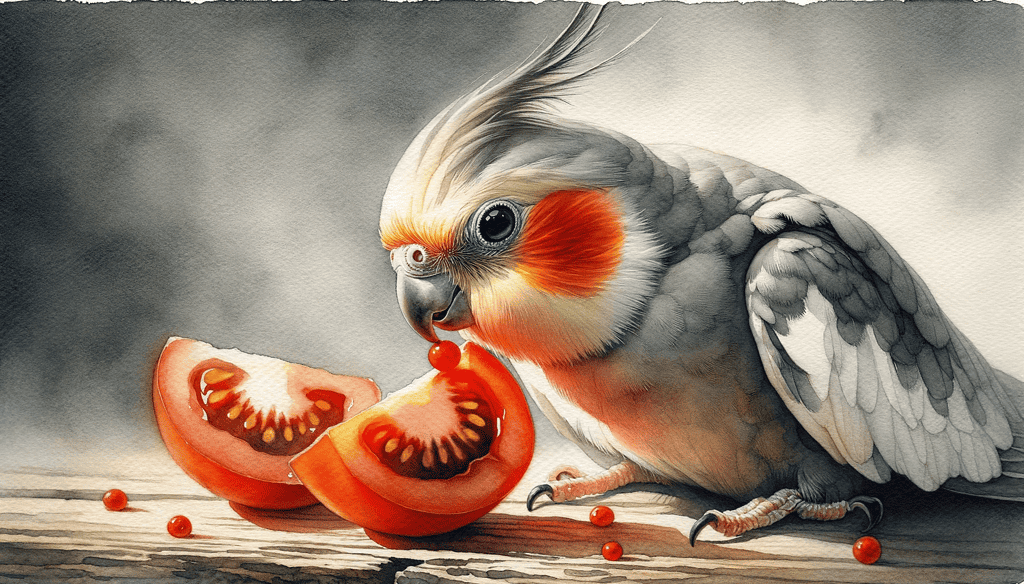
Can Cockatiels Eat Tomatoes?

Navigating the dietary needs of your feathered friend can be a daunting task, especially when it comes to sharing our favorite foods with them. One common question that many bird enthusiasts grapple with is about tomatoes. Can cockatiels safely enjoy this juicy fruit?

As a general rule, cockatiels can consume ripe tomatoes in moderation. However, it’s essential to be cautious of the green parts, such as stems and leaves, which contain solanine, a toxic compound for these birds.

Dive deeper into this guide to understand the nuances of feeding tomatoes to cockatiels, ensuring their health and happiness.

How Many Tomatoes Can Cockatiels Eat?

When it comes to feeding tomatoes to your cockatiel, moderation is key. Based on my observations and research, I recommend an intake of 9-12 grams of tomatoes for your cockatiel. This might seem like a small amount, but remember, cockatiels have a tiny stomach.

It’s essential to ensure that tomatoes, along with other fruits and vegetables, only make up about 30% of their diet. The majority of their meal, around 60%, should consist of pellets. These pellets are specially formulated to provide all the essential nutrients your cockatiel needs. The remaining 10% can be treats like seeds, nuts, and other fruits. This balance ensures that your cockatiel gets a varied and nutritious diet, promoting their overall health and well-being.

Are Tomatoes Good For Cockatiels?

Before we delve into the specifics, let’s address a common misconception. Many people believe that if a food is safe for humans, it’s safe for birds. However, that’s not always the case. Now, let’s explore the relationship between cockatiels and tomatoes.

Health Benefits Of Tomatoes For Cockatiels

On the brighter side, tomatoes are packed with nutrients beneficial for cockatiels:

  • Antioxidants: Tomatoes are rich in lycopene, lutein, and zeaxanthin. These antioxidants not only protect against heart disease but also enhance the vividness of your cockatiel’s feathers. For male cockatiels, this is especially beneficial as vibrant feathers increase their chances of attracting a mate.
  • Vitamin C: Tomatoes are a good source of vitamin C, which is vital for various functions like boosting the immune system, healing wounds, and preventing kidney problems. Since cockatiels can’t produce vitamin C naturally, incorporating it into their diet is essential.
  • Potassium: This mineral helps maintain fluid balance in cells and tissues, ensuring strong bones and a well-functioning digestive system. It also plays a role in regulating a cockatiel’s blood pressure.
  • Folate: Folate aids in protein metabolism. A deficiency can lead to anemia, a weakened immune system, and under-development of the reproductive tract in cockatiels.
  • Vitamin K: Essential for bone health and eggshell quality, vitamin K also ensures timely blood clotting. A deficiency can lead to internal hemorrhages and increased mortality in cockatiels.

Risks Associated With Feeding Tomatoes To Cockatiels

While tomatoes offer a plethora of benefits, it’s essential to be aware of the potential risks they pose to cockatiels. Let’s delve into some of the concerns that arise when considering tomatoes as part of their diet.

1. Acidity And Citric Acid Content

Tomatoes are naturally acidic. While this might not be a problem for us, for cockatiels, it’s a different story. The high acidity in tomatoes, especially the citric acid, can bind to iron in their body. This can lead to diseases that manifest symptoms like a swollen stomach, difficulty breathing, and in severe cases, paralysis. Furthermore, excessive consumption can lead to stomach ulcers in cockatiels. So, while it’s okay to treat your bird to a tomato slice once in a while, it’s crucial to monitor the quantity and frequency.

2. Solanine: A Toxic Element

Solanine is a toxic alkaloid found in the green parts of tomatoes, including unripe tomatoes, leaves, stems, and seeds. This compound can be harmful to cockatiels. It’s crucial to ensure that you never feed your bird the green parts of a tomato. The dangers of solanine include digestive issues, respiratory problems, and in severe cases, it can be fatal.

3. Other Risks

Overfeeding tomatoes can lead to digestive problems and an imbalance in their diet. Additionally, cockatiels might develop a preference for the sour taste of tomatoes, making it a habit-forming fruit. This can deter them from consuming other essential foods, leading to nutritional deficiencies.

Specific Types Of Tomatoes And Their Suitability

Now that we’ve covered the risks, let’s explore the different types of tomatoes and how they fit into a cockatiel’s diet.

1. Raw Tomatoes

Raw tomatoes, especially the ripe ones, are generally safe for cockatiels. However, due to their acidity levels, they should be given in moderation. From my experience, cockatiels often show a preference for ripe tomatoes over the unripe ones, likely due to their sweeter taste.

2. Cherry Tomatoes

Cherry tomatoes, with their convenient size and sweeter taste, can be a delightful treat for your cockatiel. However, they share the same acidity concerns as larger tomatoes. If you decide to feed cherry tomatoes, ensure they are ripe and given in moderation.

3. Canned Tomatoes

I’d advise against feeding canned tomatoes to cockatiels. Canned tomatoes often contain added acids, which can be harmful. Additionally, there’s a risk of food poisoning bacteria present in canned foods, which can be detrimental to your bird’s health.

4. Green Tomatoes

Green or unripe tomatoes have higher acidity levels compared to ripe ones. As mentioned earlier, they also contain solanine. Given these concerns, it’s best to limit or avoid feeding green tomatoes to your cockatiel altogether.

Preparing Tomatoes For Cockatiels
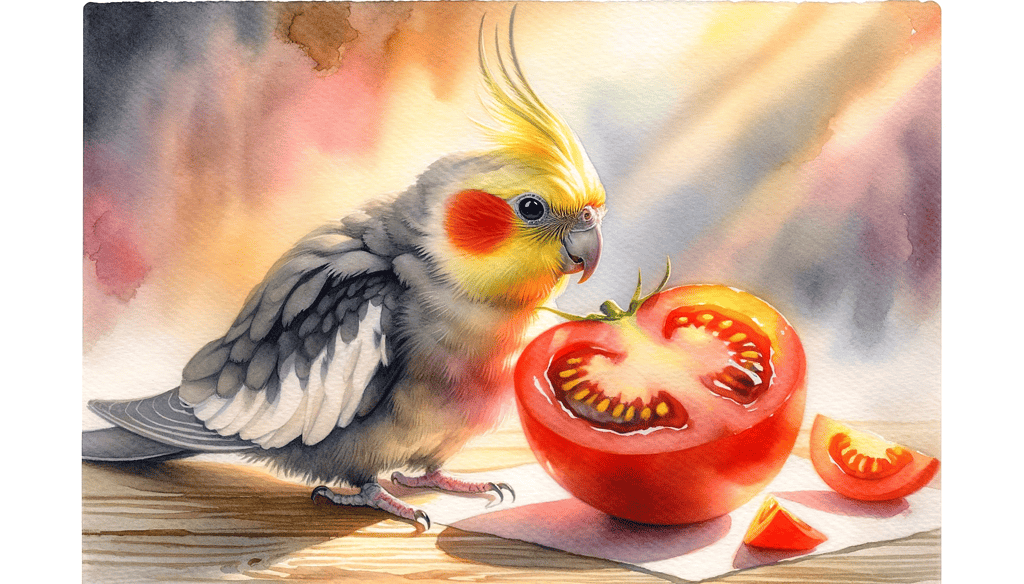
So, you’ve decided to introduce tomatoes into your cockatiel’s diet. That’s great! But before you do, it’s essential to prepare them correctly to ensure your feathered friend’s safety and health.

1. Choosing The Right Tomato

When selecting tomatoes for your cockatiel, always opt for ripe, red ones. These are less acidic and safer for your bird. On the other hand, green, unripe tomatoes contain solanine, a toxic compound that can be harmful to cockatiels. So, it’s best to steer clear of them.

2. Preparing The Tomato

Once you’ve chosen the right tomato, the next step is preparation. To reduce the acidity, you can dry the tomato slices for a few hours before offering them to your bird. As for the serving size, a small slice or two is sufficient. Remember, it’s always better to start with a smaller portion and observe how your cockatiel reacts.

3. What To Avoid

While tomatoes can be a nutritious treat, there are certain parts you should avoid:

  • Tomato seeds: They can be hard for cockatiels to digest.
  • Stems and leaves: These contain solanine, which, as mentioned earlier, is toxic to cockatiels.

Additionally, be mindful of the quantity. Overfeeding can lead to digestive issues. It’s also essential to monitor the frequency to ensure your cockatiel doesn’t develop a habit of only wanting tomatoes and neglecting other vital foods.

Conclusion

Feeding tomatoes to your cockatiel can be a delightful treat for them, provided it’s done right. By understanding the benefits and risks, and preparing the tomatoes correctly, you can ensure a safe and nutritious addition to their diet. Remember, variety is the spice of life, and the same goes for your cockatiel’s diet. Introduce different foods, monitor their reactions, and always prioritize their health and well-being.

If you found this guide helpful, I’d love to hear your thoughts in the comments. And if you think it might benefit other bird enthusiasts, please share!

Frequently Asked Questions

What to do if my cockatiel ate too much tomato? 

If you notice any signs of discomfort or illness, consult a veterinarian immediately.

Should I completely refrain from feeding tomatoes to my cockatiel? 

No, but moderation is key. Ensure you’re giving ripe tomatoes and avoiding the green parts.

Can baby cockatiels eat tomatoes? 

It’s best to introduce any new food, including tomatoes, once they are on a solid diet.

Are tomato seeds safe for cockatiels? 

It’s advisable to remove the seeds before feeding as they can be hard to digest.
A Deep Dive into Cockatiel and Conure Cohabitation

Birds, with their vibrant personalities and captivating colors, have always been a source of joy for many. But when it comes to housing different species together, especially cockatiels and conures, things can get a tad complicated. These two species, each with its own set of quirks and needs, present a unique challenge for bird enthusiasts looking to create a harmonious living environment.

Cockatiels and conures can cohabitate if introduced properly and monitored for compatibility. However, their different social and behavioral needs must be considered to ensure a harmonious cohabitation.

Dive in with us as we explore the intricacies of housing these two delightful bird species together, ensuring chirpy days ahead!

Similarities Between Conures and Cockatiels

First and foremost, both conures and cockatiels are proud members of the parrot family. This means they share some inherent traits that make them utterly captivating. Their playful nature is something to behold. Whether it’s a conure swinging from a toy or a cockatiel whistling its favorite tune, their zest for life is infectious. And let’s not forget their insatiable love for exploration. Leave a drawer open, and you might just find one of them rummaging through your belongings, looking for a new toy or treat.

But what truly sets them apart is their social nature. They’re not just pets; they’re companions. Both these birds thrive on human interaction. I’ve spent countless hours chatting with my birds, and trust me, they have a lot to say! Their chirps, squawks, and whistles are their way of communicating, and it’s up to us to understand and respond. So, if you’re considering bringing one of these birds into your life, be prepared for a lot of chit-chat and bonding sessions.

Natural Habits of Conures

Conures, with their vivacious personalities, are truly a sight to behold. One of the first things I noticed about my conure was its preference to perch high up. It’s as if they love to have a bird’s-eye view of everything happening around them. Whether it’s the top of their cage or the highest shelf in the room, they’ll find their way up there. It’s their throne, their vantage point.

Being more active in nature, conures are always on the move. From the moment they wake up to the time they tuck themselves in for the night, they’re bustling with energy. Their curious nature often leads them to explore every nook and cranny of their environment. If you’ve got a conure, you’ll know what I mean when I say, “Keep an eye on them!” They’re little adventurers at heart.

However, with their active nature comes a certain feistiness. Conures have a tendency to bite, especially when they’re young or feel threatened. It’s essential to approach them with care and patience. Over time, with trust and bonding, this behavior can be minimized. But always remember, it’s their way of communicating, so it’s crucial to understand what they’re trying to convey.

Natural Habits of Cockatiels

On the flip side, we have cockatiels. These birds have a more laid-back demeanor compared to conures. One fascinating aspect of cockatiels is that they’re ground-dwelling birds in the wild. This means they’re quite comfortable foraging on the floor, and you’ll often find them wandering around at the bottom of their cage or even on your living room floor.

While they’re gentle and often affectionate, cockatiels are less inclined to be handled frequently. They enjoy their personal space and will let you know when they’re in the mood for some cuddles or playtime. It’s essential to respect their boundaries and approach them when they seem receptive.

Another advantage of having a cockatiel is that they don’t require as much space as some other birds. Their more relaxed nature means they’re content with a slightly smaller living area, as long as they have their essentials and some toys to keep them entertained.

Differences Between Conures and Cockatiels

When we talk about conures and cockatiels, it’s like comparing apples to oranges. Both are delightful in their own right, but they come with their distinct characteristics. Let’s break it down:

  1. Origin: Cockatiels hail from the vast landscapes of Australia. They’re accustomed to the arid regions and have adapted to the unique Australian ecosystem. On the other hand, conures call the vibrant rainforests of South America their home. Their environment is teeming with life, and it’s reflected in their lively personalities.
  2. Activity Level: If you’ve ever observed a conure, you’ll notice they’re always on the go. These little dynamos are bursting with energy, always exploring, playing, and making their presence known. Cockatiels, while active, tend to have a more relaxed approach to life.
  3. Taming: From my experience, conures can be a tad more challenging to tame. Their spirited nature requires a bit more patience and understanding. But with consistent effort, they can become incredibly affectionate companions. Cockatiels, with their gentle demeanor, often warm up to their caregivers a bit more quickly.
  4. Size: When it comes to size, conures generally tip the scales. They’re robust and have a more substantial presence compared to the daintier cockatiels.
  5. Biting Tendency: A word of caution for potential conure owners – these birds are more likely to bite, especially when they’re young or if they feel threatened. It’s essential to approach them with patience and understanding. Over time, with trust, this behavior can be minimized.

Can Cockatiels and Conures Live Together?

Now, here’s a question I get asked quite often. The theoretical answer is yes, but the real-world scenario can be a bit more complicated. Birds, like humans, have individual personalities. Some might get along like peas in a pod, while others might ruffle each other’s feathers.

Factors influencing their cohabitation include individual personalities, bonding, and compatibility. I’ve seen instances where a conure and cockatiel became inseparable buddies, preening each other and sharing toys. But I’ve also witnessed scenarios where it was best to keep them apart for their own safety.

If you’re considering housing them together, it’s crucial to monitor their interactions closely, especially in the beginning. Look for signs of aggression or stress. Remember, your primary goal is to ensure a safe and harmonious environment for both.

Introducing Conures and Cockatiels to Each Other

The introduction phase is crucial. It sets the tone for their future relationship. Here’s a step-by-step guide to make the process smoother:

  1. Neutral Territory: Start by introducing them in a neutral space, somewhere neither bird has claimed as its own. It reduces territorial behavior and gives both birds an equal footing.
  2. Cages Side by Side: Before letting them interact freely, place their cages next to each other. This allows them to observe and get used to each other’s presence without any physical interaction. It’s a safe way for them to satisfy their curiosity.
  3. Gradual Introduction with Treats: Once they seem comfortable with each other’s presence, you can start short, supervised interactions. Using treats as a positive reinforcement can make this process smoother. If they see the other bird as a source of treats and positive experiences, they’re more likely to warm up to them.
  4. Shared Perches: After several successful interactions, you can introduce shared perches. It’s a significant step, so ensure you’re present to monitor their behavior. Over time, as trust builds, they’ll be more comfortable sharing their space.

Can You Put A Cockatiel And Conure In The Same Cage?

As we delve deeper into the world of cockatiels and conures, let’s explore the intricacies of housing these two vibrant species together.

Cage Size & Type

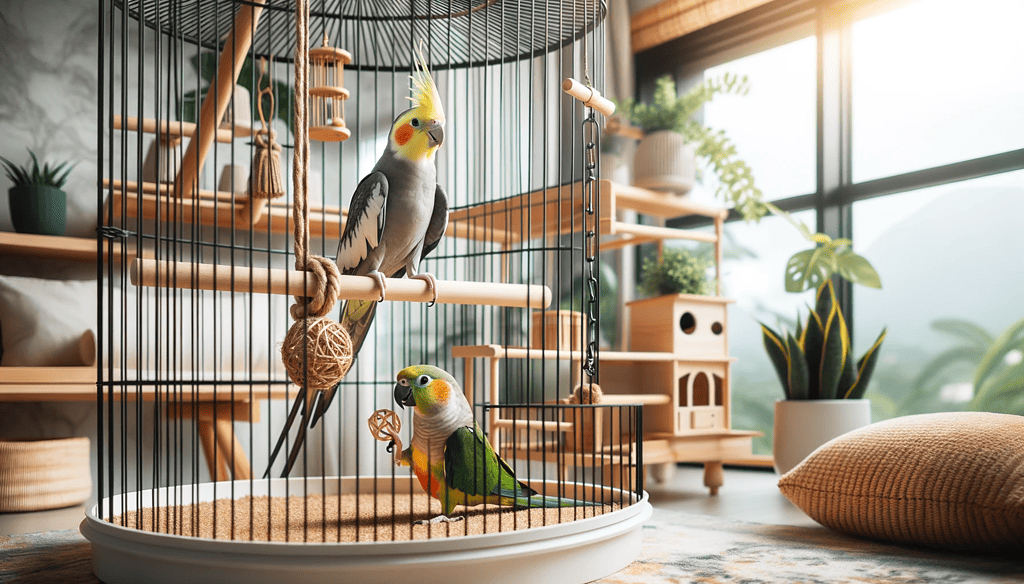
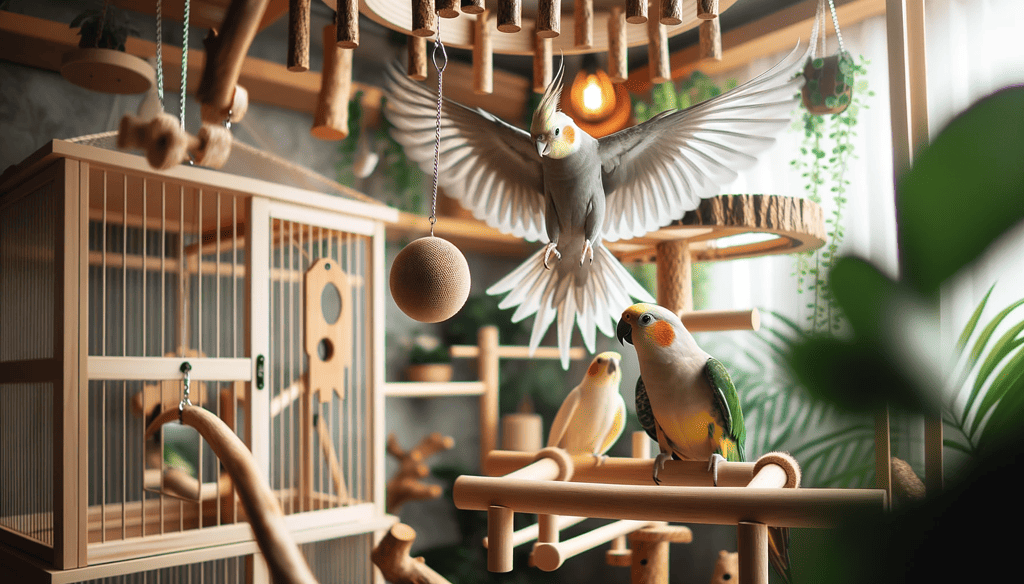
When it comes to housing birds, space is paramount. Imagine being cooped up in a tiny room; it’s no different for our feathery friends. A spacious cage allows them to stretch their wings, play, and engage in natural behaviors. For cockatiels and conures, I’d recommend an aviary setup if you have the space. An aviary provides ample room for flight, which is essential for their physical and mental well-being. If you’re limited on space, ensure the cage is large enough for both birds to fly short distances, climb, and play without feeling cramped.

Nesting Habits

Birds are creatures of habit, especially when it comes to nesting. Cockatiels and conures have distinct nesting behaviors. While cockatiels might prefer a secluded corner or a nesting box, conures often seek out cozy nooks within the foliage or toys. It’s essential to accommodate both their preferences. Provide nesting materials like soft wood shavings or shredded paper and observe where each bird gravitates. This understanding will help you set up their shared space harmoniously.

Toys & Accessories

A bored bird is an unhappy bird. Toys and accessories play a pivotal role in keeping them engaged and mentally stimulated. Offer a variety of toys – from chew toys, mirrors, bells, to ladders and swings. Rotate these toys regularly to keep their environment fresh and exciting. Remember, what might be a hit with your cockatiel might not interest your conure and vice versa. It’s all about finding a balance and catering to their individual preferences.

Dietary Needs

While both cockatiels and conures thrive on a diet rich in fruits, vegetables, and seeds, there are subtle differences in their dietary needs. Conures, with their active nature, might require a slightly higher caloric intake. It’s essential to offer a balanced diet tailored to each bird’s needs. Fresh fruits and veggies, fortified bird pellets, and the occasional treat will keep them in tip-top shape.

Food & Water

Last but certainly not least, let’s talk about food and water dishes. While sharing is caring, when it comes to food and water, it’s best to provide separate dishes for each bird. This ensures they both get their fair share and reduces the potential for food-related squabbles. Clean water should be available at all times, and dishes should be cleaned daily to prevent bacterial growth.

What Birds Can Cockatiels Live With?

Cockatiels, with their gentle and sociable nature, often get along with a variety of bird species. However, compatibility isn’t just about species but individual personalities. While cockatiels can coexist with budgies, finches, and even some of the smaller parrot species, it’s essential to monitor their interactions and ensure both birds feel safe and comfortable.

Can A Conure Kill A Cockatiel?

This is a pressing concern for many bird owners, and the answer isn’t straightforward. While conures are generally larger and can be more assertive than cockatiels, it doesn’t mean they’ll inherently harm a cockatiel. However, if a confrontation arises, due to the size and strength difference, a conure could potentially injure a cockatiel. It’s crucial to understand both birds’ personalities, ensure they’re introduced properly, and always supervise their interactions, especially in the early stages of cohabitation.

Common Issues in Cohabitation

When housing different bird species together, several challenges can arise. Let’s delve into some of the most common ones:

  1. Aggression and Territorial Behavior: Birds can be quite territorial, especially in a shared space. This can lead to aggressive behaviors like biting, chasing, or even plucking. It’s essential to monitor their interactions and intervene if things get heated.
  2. Vocalization Differences: Conures are known for their loud and frequent vocalizations, while cockatiels have a more melodic and subdued chirp. These differences can sometimes lead to one bird feeling overwhelmed or stressed by the other’s vocal intensity.
  3. Mating Behaviors: During mating seasons, birds can exhibit heightened territorial and aggressive behaviors. It’s crucial to be aware of these changes and take necessary precautions to ensure both birds feel safe.

Tips for a Harmonious Cohabitation

Navigating the world of bird cohabitation can be a tad tricky, but with the right approach, it can be a rewarding experience for both you and your feathery friends. Here are some tried-and-true tips I’ve gathered over the years:

  1. Proper Introductions and Safety Measures: Just like you wouldn’t throw two strangers into a room and expect them to be best friends, the same goes for birds. Introduce them gradually, always under supervision. Ensure there’s no aggressive behavior, and if there is, be ready to intervene.
  2. Provide Separate Spaces: While the goal might be cohabitation, it’s essential to provide each bird with its own space, especially in the beginning. This means separate cages, food bowls, and water dishes. It allows them to retreat to their own space if things get a bit overwhelming.
  3. Perches at Different Heights: Birds can be territorial about their perches. Offering perches at varying heights can help reduce potential conflicts. Typically, a bird will claim a particular perch as its favorite, so having options ensures both can find their preferred spot.
  4. Variety of Toys: Just as kids can get possessive about their toys, birds are no different. Ensure there’s a good variety of toys available for both to play with. It keeps them engaged and reduces the chances of toy-related squabbles.
  5. Personal Experience: I once faced a challenge where a conure and cockatiel, despite initial positive interactions, started showing signs of aggression. The solution? I introduced shared play sessions with toys and treats, creating positive associations between the two. Over time, this helped reduce their aggressive tendencies and fostered a sense of camaraderie.

The Rewards of Cohabitation

While there might be challenges along the way, the rewards of successful bird cohabitation are immense. Birds are social creatures, and having a companion can provide emotional and social benefits. They can preen each other, play together, and even share toys. Watching them bond and interact can be a heartwarming experience for any bird owner.

Wrapping Up

Embarking on the journey of bird cohabitation is both an art and a science. Understanding the unique needs of both cockatiels and conures is paramount. Through patience, observation, and a sprinkle of love, you can create a haven where both birds flourish. As I reflect on my years of experience, the joys of bird ownership are unparalleled. The chirps, the bonds, and even the challenges make it a truly rewarding experience. I’d love to hear your stories, insights, and questions. Dive into the world of bird companionship, and may your home always be filled with joyful chirps and flutters!

Frequently Asked Questions

Do cockatiels and conures need separate cages?

Ideally, yes. Especially in the beginning. It allows each bird to have its own space, reducing potential conflicts. Over time, with proper introductions and monitoring, they might share a space, but always ensure the cage is spacious enough for both.

How do you introduce a cockatiel to a conure for the first time?

Start in a neutral territory, allowing short, supervised interactions. Gradually increase their time together, ensuring positive experiences with treats and toys.

What are the signs of aggression to watch out for?

Biting, chasing, plucking, and loud, aggressive vocalizations are clear indicators. Also, watch for more subtle signs like raised feathers or a hunched posture.

How can you tell if your birds are happy together?

Look for positive interactions like preening each other, sharing toys, or sitting close without signs of aggression. Content vocalizations and relaxed postures are also good indicators.

Do conures and cockatiels get along naturally?

It varies. While some might get along splendidly, others might not. It largely depends on individual personalities and the environment they’re in.

What are the key differences between conures and cockatiels?

Conures are generally larger, more active, and can be louder. Cockatiels are more subdued, with a melodic chirp and a gentler demeanor.

Can a conure harm a cockatiel?

Due to size and strength differences, a conure could potentially injure a cockatiel in a confrontation. It’s essential to monitor their interactions and ensure both feel safe.

How Many Times A Day Should A Cockatiel Eat?

Cockatiels, with their vibrant personalities and captivating crests, have become one of the most beloved pet birds worldwide. But how often should these feathered companions be fed to ensure their optimal health and happiness? Let’s dive in. 

As a general rule, the feeding frequency for cockatiels varies based on their age and developmental stage. From needing feeds every 2 hours as newborns to twice daily meals as mature birds, it’s crucial to tailor their diet accordingly. 

Stick around as we delve deeper into the intricacies of a cockatiel’s feeding schedule, ensuring you’re equipped with the knowledge to provide the best care for your avian friend.

Cockatiel Feeding Schedule by Age

The feeding requirements of cockatiels can be a bit intricate, especially when considering their age. Let’s break down the feeding schedule based on their developmental stages, ensuring your feathered friend gets the right nutrition at the right time.

1-7 Day Old Baby Cockatiel

When cockatiels are born, they are entirely dependent on their caregivers for nourishment. Their tiny bodies are fragile, and their nutritional needs are specific.

  • Description of newborn cockatiels: At this stage, baby cockatiels are blind, featherless, and incredibly delicate. Their primary source of nutrition is a special formula designed to mimic the regurgitated food they would receive from their parents in the wild.
  • Feeding frequency: Every 2 hours. Yes, it’s a demanding schedule, but these little ones need all the energy they can get to grow and thrive.
  • Amount: Start with 1 ml of formula. As the days progress, you can gradually increase this amount as the chick grows and its appetite expands.

2-3 Week Old Young Cockatiel

As your cockatiel chick grows, you’ll notice some significant developmental changes. This period is crucial as they transition from helpless newborns to more independent young birds.

  • Developmental changes: Beginnings of their adult feathers. They start as small, spiky protrusions and eventually grow and unfurl into mature feathers. By the end of this period, your cockatiel will start to open its eyes, giving it a new way to explore the world.
  • Feeding frequency: Every 3 hours. As they grow, their stomachs can hold more food, allowing for slightly longer intervals between feedings.
  • Amount: 4-5 ml each time. This provides them with the energy they need to continue their rapid growth and development.

3-4 Week Old Cockatiel

As your cockatiel continues to grow, you’ll notice it developing more feathers and becoming more active. This stage is crucial for monitoring their digestion and ensuring they’re getting the right nutrients.

  • Observing the bird’s crop for digestion: The crop is a part of a bird’s digestive system where food is stored before it’s digested. It’s essential to keep an eye on this to ensure your cockatiel is digesting its food properly. If the crop remains full and doesn’t empty within 4 hours, it could indicate a problem with your bird’s digestive system.
  • Feeding frequency: At this age, you can reduce the feeding frequency to every 4-5 hours. This allows the bird to digest its food properly and ensures it’s getting the right amount of nutrients.
  • Amount: 6 ml per feed. This provides them with the energy they need to continue their rapid growth and development.

4-5 Week Old Cockatiel

Your cockatiel is now nearing the end of its chick phase and is starting to show signs of independence. This is the time when you can introduce them to new foods and start the weaning process.

  • Introduction to weaning foods: As your cockatiel grows, it’s essential to introduce them to a variety of foods. This ensures they get all the nutrients they need and prepares them for a diet of solid foods.
  • Feeding frequency: 2-3 times a day. This allows them to start exploring other food sources and reduces their dependence on formula.
  • Amount: 8 ml per feed. This ensures they’re getting enough nutrients as they transition to solid foods.

6-7 Week Old Cockatiel

By the time your cockatiel reaches 6-7 weeks old, you’ll notice a significant shift in their behavior and feeding habits. This is a pivotal time in their development, marking their transition from a dependent chick to an independent young bird.

  • Transition to a cage and independent feeding: At this age, if you observe that your cockatiel is showing signs of independence, it’s time to introduce them to their own cage. This new environment will give them the space they need to explore, play, and learn to feed on their own. Remember, while they’re transitioning, it’s essential to keep a close eye on them to ensure they’re eating well.
  • Introduction of mixed bird seeds and other treats: As they grow, their dietary needs evolve. Introducing a mix of bird seeds and other treats will ensure they get a balanced diet. Seeds like millet, sunflower, and finger millet are not only nutritious but also a favorite among cockatiels.
  • Feeding frequency: At this stage, your cockatiel will require feeding once or twice a day. They’ll start to eat more during each feeding session, preparing them for the transition to a mature diet.

Transition from Dependent to Independent Feeding:

Age (Weeks)Feeding FrequencyFood TypeAmount
1-2Every 2-3 hoursBaby Birds Food Formula1-5 ml
3-4Every 4-5 hoursBaby Birds Food Formula6 ml
4-52-3 times a dayFormula + Weaning Foods8 ml
6-7Once or twice a dayMixed Seeds + TreatsVaries

Feeding Mature Cockatiels

As your cockatiel matures, their dietary needs and feeding habits will stabilize. It’s crucial to maintain a consistent feeding schedule and ensure they’re getting a balanced diet.

  • Recommended feeding times: Mature cockatiels thrive on routine. It’s best to feed them twice a day, once in the morning and once in the early evening. This mimics their natural feeding habits in the wild and ensures they get the nutrients they need to stay healthy.
  • Amount: A mature cockatiel will typically consume between 30-40 grams of seeds and pellets daily. It’s essential to monitor their intake and adjust as needed based on their activity level and overall health.

How Different Factors Affect the Feeding Schedule?

Every cockatiel is unique, and various factors can influence their feeding schedule. It’s essential to understand these factors to provide the best care for your feathered friend.

Table that lists each factor and its potential impact on the feeding schedule.

FactorPotential Impact on Feeding Schedule
HealthBirds with certain health conditions might have specific dietary needs.
WeightOverweight birds might need a restricted diet, while underweight ones may need more.
Diet TypeSome diets might require more frequent feedings, while others might be less often.
Activity LevelActive birds might need more calories compared to less active ones.

Tips on Creating a Suitable Feeding Regimen for Cockatiels

When it comes to ensuring the health and happiness of your cockatiel, establishing a consistent feeding routine is paramount. Just like us, these delightful birds thrive on routine. It’s not just about what they eat, but also when and how they eat.

  1. Consistency is Key: It’s essential to feed your cockatiel at the same times every day. This not only helps with digestion but also sets a routine that your bird can anticipate.
  2. Treats in Moderation: While it’s tempting to spoil our feathered friends, treats should make up no more than 5% of their daily diet. Overindulgence can lead to health issues.
  3. Quality Over Quantity: Incorporate high-quality pellets into their diet. These are often nutritionally balanced and can provide essential nutrients.
  4. Fresh is Best: Offer a variety of fresh fruits and vegetables. These can be a great source of vitamins and minerals. However, be aware of toxic foods like apple pips, avocado, cherries, and chocolate.
  5. Monitor Their Intake: Keep an eye on how much your cockatiel is eating. This can help in preventing obesity, which can lead to other health complications.

Conclusion

Understanding the feeding schedule of cockatiels is crucial for their health and well-being. As we’ve explored, their dietary needs change significantly as they grow, from the frequent feedings of newborns to the more structured meals of mature birds. Ensuring they receive the right nutrition at each stage is paramount. So, I urge you to take the time to get to know your feathered friend’s dietary needs. 

Did you find this guide helpful? I’d love to hear your thoughts in the comments below. If you’ve benefited from this article, please consider sharing it with fellow bird enthusiasts. Your feathered friend deserves the best, and knowledge is the first step to providing it.

Frequently Asked Questions

How to know if a cockatiel is not getting enough to eat?

Look for signs like lethargy, weight loss, or a change in their droppings. If in doubt, consult with a veterinarian.

What are the signs of malnutrition in cockatiels?

Malnutrition can manifest as dull feathers, weakness, or even behavioral changes. It’s essential to provide a balanced diet to prevent this.

Are there any special diets for cockatiels with health conditions?

Yes, depending on the health condition, a specialized diet might be recommended. Always consult with a veterinarian to ensure you’re meeting your bird’s specific needs.

Can Cockatiels Eat Onions?

Navigating the dietary needs of our feathered friends can be a maze of do’s and don’ts. With a diverse range of seeds, fruits, and vegetables that cockatiels consume in the wild, it’s essential to understand what’s safe and what’s not. But what about onions, can cockatiels safely consume onions?

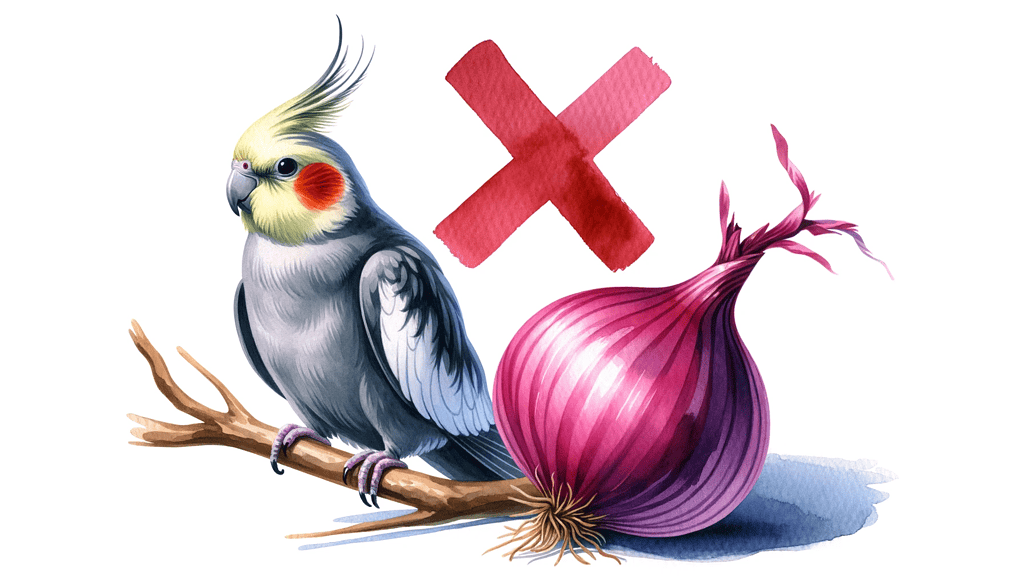
As a general rule, onions are not recommended for cockatiels. The presence of thiosulfate in onions can be harmful to these birds, leading to potential health issues.

While the answer might seem straightforward, there’s more to this story. Dive in to understand the intricacies of why onions pose a risk and how to ensure the well-being of your beloved cockatiel.

Are Onions Safe For Cockatiels?

Onions are not safe for cockatiels. While onions offer numerous health benefits to humans, they might not be the best choice for our avian companions. Here’s why:

  • Toxicity Concerns: Onions contain a chemical called thiosulfate. While this compound is harmless to humans, it can be toxic to cockatiels, disrupting their calcium absorption process. This disruption can lead to severe health issues, including the potential for paralysis.
  • Thiosulfate’s Effects: The presence of thiosulfate in onions can cause a condition known as hemolysis in birds, where their red blood cells break down. This condition can be fatal if not treated promptly.
  • Potential for Paralysis: In extreme cases, the consumption of onions can lead to potential paralysis in cockatiels due to the disruption of calcium absorption.

Can You Give Onion To Cockatiels In Other Forms?

Regardless of the form – be it cooked, powdered, or even in broth – onions remain a potential hazard. Even green onions and spring onions, which might seem milder, carry the same risks. It’s essential to understand that what’s nutritious for us might not always be safe for them.

Table comparing the risks of different forms of onions (raw, cooked, powdered, etc.) to cockatiels:

Form of OnionRisk LevelNotes
Raw OnionHighContains the highest concentration of harmful compounds.
Cooked OnionModerateCooking reduces some harmful compounds but doesn’t eliminate the risk.
Powdered OnionHighConcentrated form can be especially harmful in small quantities.
Onion BrothModerateEven the liquid form can contain harmful compounds.
Green OnionsHighContains similar risks as regular onions.

What Are The Symptoms Of Onion Poisoning In Cockatiels?

Recognizing the symptoms of onion poisoning in cockatiels is crucial for their well-being. If you’ve ever given your cockatiel onions, either intentionally or by accident, it’s essential to be vigilant about the following signs:

  • Immediate Symptoms: These might include vomiting, diarrhea, and difficulty breathing. If you notice any of these signs, it’s crucial to seek veterinary care immediately.
  • Long-term Discomfort: Even if your cockatiel doesn’t show immediate signs of distress after consuming onions, there could be potential long-term discomfort. It’s always best to monitor your bird closely after any change in diet.
  • Behavioral Changes: Your cockatiel might become lethargic, show a lack of appetite, or exhibit signs of discomfort like ruffled feathers or a hunched posture.
  • Hemolysis: One of the most severe consequences of onion consumption in cockatiels is hemolysis. This condition leads to the breakdown of red blood cells, which can be life-threatening if not addressed promptly.

In my years of experience as a veterinarian, I’ve always advised bird owners to be cautious with their pet’s diet. While onions have numerous health benefits for humans, they can pose significant risks to cockatiels. Always prioritize your pet’s health and well-being by making informed dietary choices.

Cockatiels and Their Reaction to Onions

Cockatiels, like many birds, have a keen sense of smell. Their sensitivity to strong scents can influence their dietary choices. While some cockatiels might be curious about the smell or even the taste of onions, it doesn’t mean it’s safe for them. In fact, their attraction to the scent can be misleading. Just because they seem to enjoy it doesn’t negate the potential risks associated with onion consumption.

Onions and Baby Cockatiels

When it comes to baby cockatiels, the risks are even more pronounced. I strongly advise against feeding onions to these young birds. Their systems are still developing, making them more susceptible to the harmful effects of certain foods. Additionally, baby cockatiels also have a heightened sensitivity to strong scents, and the smell of onions can be particularly overwhelming for them.

What To Do If Your Cockatiel Eats Onions?

If your cockatiel eats onions, it’s important to take immediate action as onions can be toxic to birds. Here’s what you should do:

  • Remove any remaining onions: Ensure that there are no more pieces of onion or any other toxic foods within your bird’s reach.
  • Monitor for symptoms: Look for signs of distress in your cockatiel, such as difficulty breathing, lethargy, diarrhea, or any other unusual behavior.
  • Contact a veterinarian: It’s crucial to get in touch with an avian veterinarian as soon as possible. They can provide guidance on the next steps and may recommend bringing your bird in for an examination.
  • Provide fresh water: Ensure your bird has access to fresh water to help flush out any toxins.
  • Avoid feeding onions in the future: To prevent such incidents, make sure to keep onions and other toxic foods away from your bird’s reach.

Always be cautious about what foods you offer to your cockatiel and ensure they are safe for consumption. If in doubt, consult with an avian veterinarian.

Conclusion

It’s clear that onions, in any form, are a definite no-go for cockatiels. The presence of thiosulfate, even in small amounts, can lead to severe health issues, making it crucial for pet owners to be vigilant and keep these common kitchen staples away from their feathered friends. Baby cockatiels are particularly at risk, with their heightened sensitivity making even the smell of onions potentially harmful. 

Did you find this article helpful? I’d love to hear your thoughts in the comments below, and if you think this information could benefit other bird lovers, feel free to share the article. Your feathered friends will thank you!

Frequently Asked Questions

Can Cockatiels Eat other forms of Onions? 

No, cockatiels should avoid all forms of onions, including green onions and spring onions.

What are some other toxic foods for cockatiels? 

Other toxic foods include chocolate, avocado, and certain fruit seeds.

Are there any other common household foods that are toxic to cockatiels?

Yes, foods like caffeine, alcohol, and salty snacks should be kept away from cockatiels.

How can I tell if my cockatiel has consumed something toxic? 

Look for signs of distress, such as vomiting, diarrhea, or changes in behavior. If in doubt, always consult with a veterinarian.

Can Cockatiels Eat Oranges – A Vet’s Report

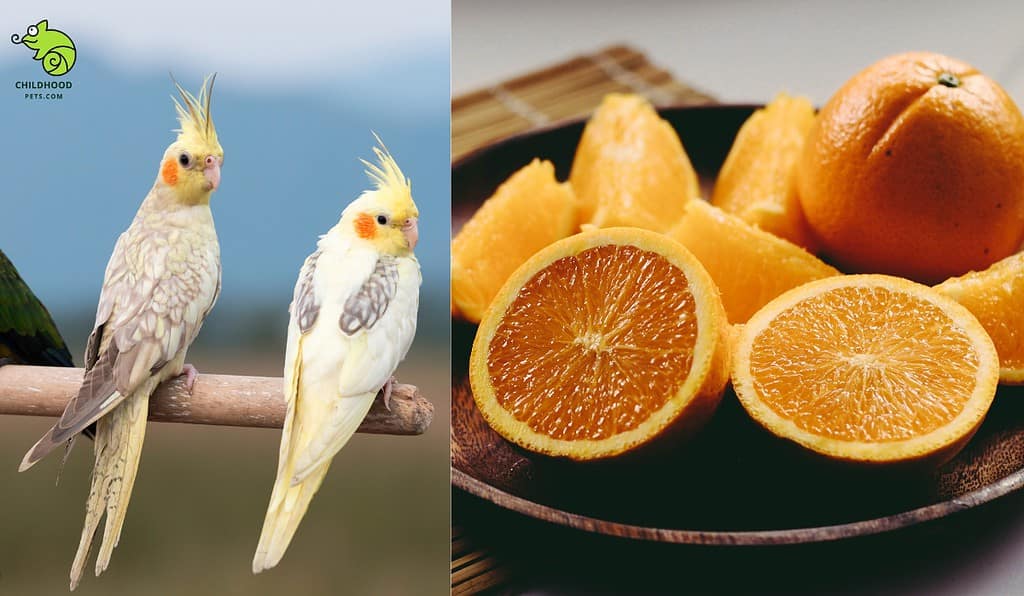
Oranges, with their vibrant color and tangy flavor, are a favorite for many of us. But if you’re a bird owner, especially of the delightful cockatiel, you might have paused before sharing a slice with your feathery friend. Can these little birds enjoy the citrusy delight without any repercussions? It’s a question that’s fluttered the minds of many cockatiel enthusiasts.

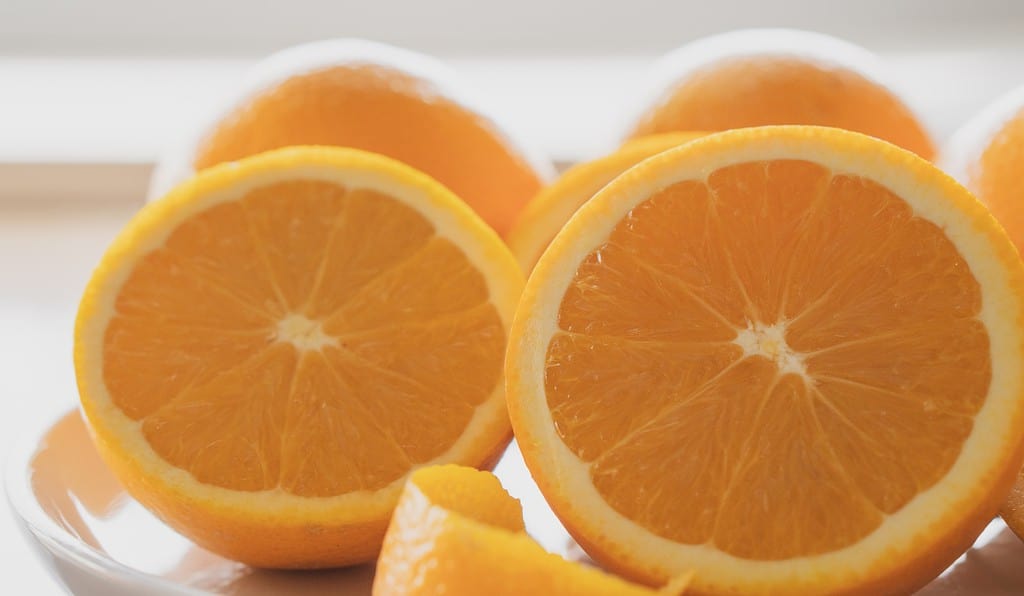
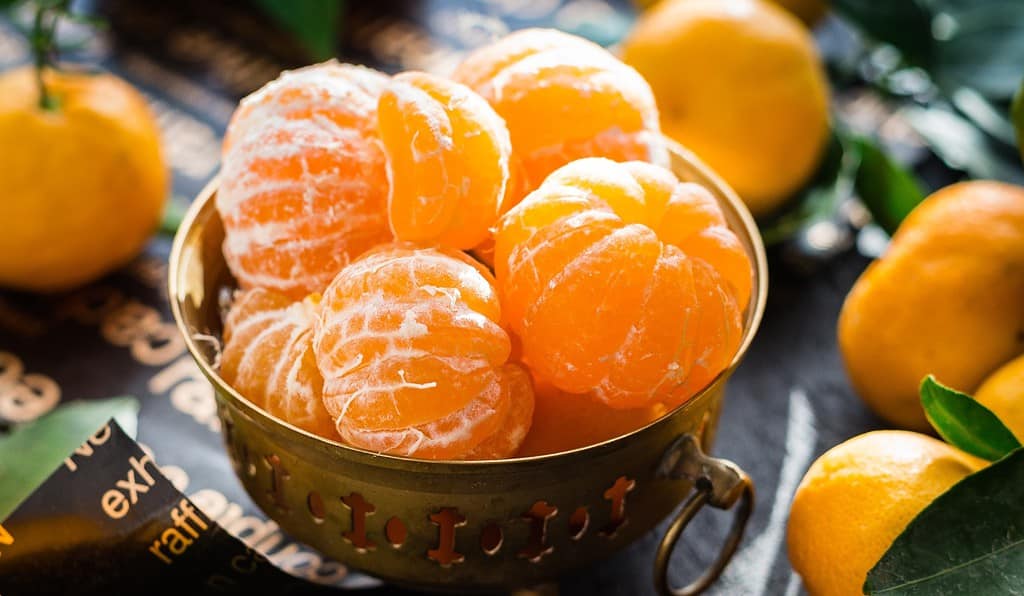
As a general rule, cockatiels can consume oranges in moderation. These fruits offer a lot of benefits, including essential vitamins, minerals, fiber, and antioxidants. When incorporated into their diet, oranges can positively impact a cockatiel’s eyesight, feathers, skin, immune system, and heart.

Ready to dive deeper into the world of cockatiels and oranges? Let’s embark on this juicy journey together and uncover the dos and don’ts of feeding oranges to our chirpy companions!

🤔 Did You Know? Cockatiels are native to Australia and are known for their vibrant personalities and ability to mimic various sounds.

The Nutritional Value of Oranges for Cockatiels

Oranges, as many of us know, are a powerhouse of nutrition. They’re not just a refreshing treat on a hot day but are packed with vitamins and minerals essential for our health. But what about for our cockatiel friends?

FruitVitamin CVitamin BPotassiumOther Nutrients
OrangesHighModerateHighFiber, Antioxidants
ApplesModerateLowModerateFiber
BananasLowHighVery HighMagnesium
StrawberriesVery HighLowLowAntioxidants
BlueberriesHighLowLowAntioxidants
  • Vitamin C: This vitamin is a real stress-buster. In my years of practice, I’ve noticed that cockatiels with a sufficient Vitamin C intake tend to be more relaxed and less prone to stress-related behaviors.
  • Vitamin B (Thiamin): Essential for the nervous system. A deficiency can lead to a range of neurological issues. Thankfully, oranges provide a decent amount of this vitamin.
  • Potassium: This mineral plays a crucial role in maintaining a healthy metabolism and robust bones. Plus, it’s great for heart health.
  • Other Nutrients: Oranges also offer a good dose of fiber, which aids digestion, and antioxidants that support overall health.

🍊 Tip: When introducing oranges to your cockatiel’s diet, always ensure they are fresh and free from pesticides. Organic oranges are the best choice!

Benefits of Oranges for Cockatiels

Absolutely! Cockatiels can indeed enjoy the juicy goodness of oranges. But like everything, moderation is key. Here are the top benefits of oranges for our feathered friends:

  1. Eyesight Enhancement: The vitamins in oranges support eye health, ensuring your cockatiel’s vision remains sharp.
  2. Feather Health: Ever noticed how some cockatiels have shinier feathers? A balanced diet, including fruits like oranges, can be the secret.
  3. Skin Health: Just as we need hydration for our skin, cockatiels benefit from the moisture and vitamins in oranges.
  4. Immune System Boost: With the high Vitamin C content, oranges can give your bird’s immune system a little extra shield against illnesses.
  5. Heart Health: The potassium in oranges supports heart function, ensuring your cockatiel’s tiny heart beats healthily.

I’ve always emphasized the importance of a varied diet. While oranges are beneficial, they should be a part of a balanced diet, ensuring your cockatiel gets all the nutrients it needs. So, the next time you’re enjoying an orange, remember, you can share a slice with your feathery friend!

How to Safely Introduce Oranges to Cockatiels

Introducing a new food to your cockatiel’s diet can be both exciting and a tad nerve-wracking. I get it. Over the years, many bird owners have approached me with that familiar look of curiosity mixed with concern. “How do I introduce oranges to my cockatiel safely?” they’d ask. Well, you’re in luck! Here’s a step-by-step guide to ensure your feathered friend gets to enjoy this citrusy treat without a hitch:

  1. Select Fresh Oranges: Always opt for fresh, ripe oranges. Avoid those with any signs of mold or spoilage.
  2. Wash Thoroughly: Given the concerns about pesticides and chemicals, it’s crucial to wash the oranges under running water. If possible, choose organic oranges to minimize these risks.
  3. Peel and Remove Seeds: Cockatiels can’t digest orange seeds, and the peels might be too tough for them. So, ensure you remove both.
  4. Cut into Manageable Pieces: Tiny, bite-sized pieces are perfect. It makes it easier for the cockatiels to eat and reduces the risk of choking.
  5. Serve in a Clean Dish: Place the orange pieces in a clean dish. Remember, hygiene is paramount!
  6. Monitor Their Reaction: The first time you introduce oranges, keep an eye on your cockatiel. See how they react and ensure they’re enjoying the treat without any discomfort.

Now, while serving plain orange pieces is great, why not get a bit creative? Here are some fun ways to serve oranges to your cockatiel:

  • Orange Kabobs: Skewer some orange pieces with other safe fruits like apples or melons.
  • Fruit Salad: Mix tiny pieces of oranges with other bird-safe fruits.
  • Frozen Orange Treats: In the summer, freeze orange pieces for a refreshing treat.
  • Mashed Oranges: Some cockatiels prefer their fruit mashed. It’s worth a try!

“Remember, variety is the spice of life, even for our feathered friends!”

Potential Risks and Considerations

The number one thing new bird owners ask me is about the safety of the foods they’re introducing. While oranges are a delightful treat, it’s essential to be aware of potential risks.

 Here are the top three concerns when feeding oranges to cockatiels:

  • Overfeeding Leads to High Sucrose Intake: Oranges contain natural sugars. While they’re not harmful in moderation, excessive consumption can lead to health issues.
  • Pesticides on Non-Organic Oranges: As I mentioned earlier, always wash oranges thoroughly. If possible, go for organic options.
  • Moderation is Key: Like all treats, oranges should be given in moderation. They shouldn’t replace the primary diet of seeds, pellets, and other essential nutrients.

Negative Effects Associated With Oranges

While oranges can be a delightful treat for cockatiels, it’s essential to be aware of potential pitfalls. Just like any food, there are some considerations to keep in mind. Here are the potential negative effects of feeding oranges to cockatiels:

  • Excessive Sugar and Carbohydrate Intake: Oranges, like many fruits, contain natural sugars. While a small amount can be beneficial, overfeeding can lead to obesity and other health issues in cockatiels. It’s similar to how we humans love our sweet treats but know we shouldn’t indulge too often.
  • Pesticides and Chemicals: Non-organic oranges might be treated with pesticides and other chemicals. These can be harmful to cockatiels if ingested. Over the years, I’ve advised countless bird owners to either opt for organic oranges or ensure they wash the fruit thoroughly before serving.
  • Moderation is Crucial: This can’t be stressed enough. While oranges are safe for cockatiels, they should be given in moderation. Think of it as a treat, not a staple in their diet.

🚫 Tip: Always avoid giving your cockatiel the seeds of any fruit, as they can be a choking hazard or contain harmful substances.

Preparing Oranges for Cockatiels

Introducing your cockatiel to oranges requires a bit of preparation. But don’t fret; it’s pretty straightforward. Here’s a step-by-step guide to ensure your bird gets the best out of this citrus treat:

  1. Choose Fresh Oranges: Always start with fresh, ripe oranges. Avoid any that show signs of spoilage.
  2. Wash Thoroughly: Rinse the oranges under running water to remove any pesticides or dirt. If you’ve opted for organic oranges, this step is still essential to remove any dirt or contaminants.
  3. Peel and Deseed: Cockatiels might find it challenging to digest orange seeds and peels. So, it’s best to remove them.
  4. Cut into Small Pieces: Slice the orange into bite-sized pieces, ensuring they’re easy for your cockatiel to handle.
  5. Serve in a Clean Dish: Always use a clean dish to serve the orange pieces. Hygiene first!

And if you’re feeling a tad creative, here are some serving suggestions:

  • Orange Smoothie: Blend orange pieces with other bird-safe fruits for a refreshing treat.
  • Mixed Fruit Salad: Combine orange pieces with other fruits like apples or melons.
  • Frozen Orange Delight: Freeze tiny orange pieces for a cool summer treat.
  • Mashed Oranges: Some cockatiels prefer their fruit mashed up. Give it a try and see if yours does too!

Quantity and Frequency of Feeding Oranges

Now, you might be wondering, “How much orange can I give my cockatiel?” It’s a valid question. Here’s a comparison of the recommended quantity of oranges to other fruits:

FruitRecommended Quantity for Cockatiels
Oranges1-2 small pieces, 2-3 times a week
Apples1-2 slices, 2-3 times a week
Bananas1 small slice, 1-2 times a week
Strawberries1-2 berries, 2-3 times a week
Blueberries3-4 berries, 2-3 times a week

Remember, variety is the spice of life. While it’s okay to give your cockatiel oranges, ensure they get a varied diet. This not only provides them with all the essential nutrients but also keeps mealtime exciting for them. In my experience guiding bird owners, I’ve found that a varied diet often leads to happier, healthier birds. So, go ahead and introduce your feathered friend to the world of fruits, but always with care and moderation.

Other Parts of the Orange: Peels, Seeds, and Juice

Oranges are a multifaceted fruit. Beyond the juicy segments we often enjoy, there are other parts like the peels, seeds, and even the juice. But when it comes to our feathered friends, the cockatiels, can they enjoy these parts as well?

Orange Peels: The vibrant orange skin might look tempting, but it’s not the best for cockatiels. While not toxic, the peels can be tough and might contain pesticides, especially if they’re not organic. In my years of veterinary practice, I’ve always advised bird owners to steer clear of giving orange peels to their pets.

Orange Seeds: These tiny seeds can be a choking hazard. Moreover, they don’t offer any nutritional benefits to cockatiels. It’s best to remove them before offering any orange segments.

Orange Juice: A little sip might not harm, but it’s essential to ensure it’s fresh and without any added sugars or preservatives. However, the whole fruit is always a better option than juice. It provides dietary fiber and ensures the bird doesn’t consume too much sugar.

Orange PartSafe for CockatielsNotes
PeelsNoMight contain pesticides; tough to digest.
SeedsNoChoking hazard; no nutritional value.
JuiceIn moderationEnsure no added sugars or preservatives.

Frequently Asked Questions

What Fruits Can Cockatiels Not Eat?

Certain fruits might not sit well with cockatiels. Here’s a list of fruits you should avoid:

  • Avocado: Contains persin, which can be toxic to birds.
  • Grapes: Some studies suggest they might be harmful.
  • Cherries: The pits contain cyanide.
  • Raw Apples: The seeds can be toxic in large quantities.
  • Rhubarb: The leaves especially are toxic to birds.

What Fruits Are Good For Cockatiels?

Cockatiels can enjoy a variety of fruits. Here are some they’ll love:

  • Bananas: Packed with essential vitamins and minerals.
  • Berries (strawberries, blueberries): Rich in antioxidants.
  • Mango: A tropical treat filled with vitamins A and C.
  • Papaya: Contains enzymes beneficial for digestion.
  • Pineapple: Another tropical delight that’s both tasty and nutritious.

Personal Experience

I remember a sunny afternoon when a concerned bird owner, Clara, rushed into my clinic with her cockatiel, Sunny. She was worried because Sunny had nibbled on some orange peels from her fruit bowl. Clara had read somewhere that citrus fruits might not be the best for birds and was understandably anxious.

After a thorough check-up, Sunny was given the all-clear. I reassured Clara that while orange peels aren’t the ideal treat for cockatiels due to potential pesticides, an occasional nibble wouldn’t harm them. However, it’s always best to offer the fleshy part of the orange, ensuring it’s free from seeds.

From this experience, here are some key takeaways I’d like to share:

  1. Always Monitor New Foods: Whenever introducing a new food to your cockatiel, keep an eye on their reaction.
  2. Research Before Feeding: It’s essential to know which foods are safe and which aren’t. When in doubt, consult with a vet.
  3. Fresh is Best: Always offer fresh fruits, ensuring they’re clean and free from seeds or any harmful parts.
  4. Moderation is Key: Even with safe fruits, moderation ensures a balanced diet.
  5. Stay Calm and Consult: If you ever suspect your bird has consumed something harmful, stay calm, and seek expert advice.

🐦 Expert Advice: Always keep a list of emergency vet contacts handy. Quick action can make all the difference in case of accidental ingestion of harmful substances.

Conclusion

Understanding the dietary needs of cockatiels is crucial for every bird owner. Oranges, like many fruits, offer a plethora of benefits, but it’s essential to serve them correctly. The fleshy part of the orange is packed with nutrients beneficial for cockatiels, but always ensure it’s seed-free.

While the benefits of oranges are numerous, from boosting the immune system to enhancing feather health, it’s equally important to be aware of the potential risks. Always opt for organic oranges to minimize the risk of pesticides and remember that moderation is the key to a balanced diet.

I encourage all bird enthusiasts to share their experiences and stories. After all, we learn best from each other’s experiences. So, next time you’re enjoying a juicy orange, remember, with a little preparation, your feathery friend can join in the fun too!

Can Cockatiels Eat Garlic?

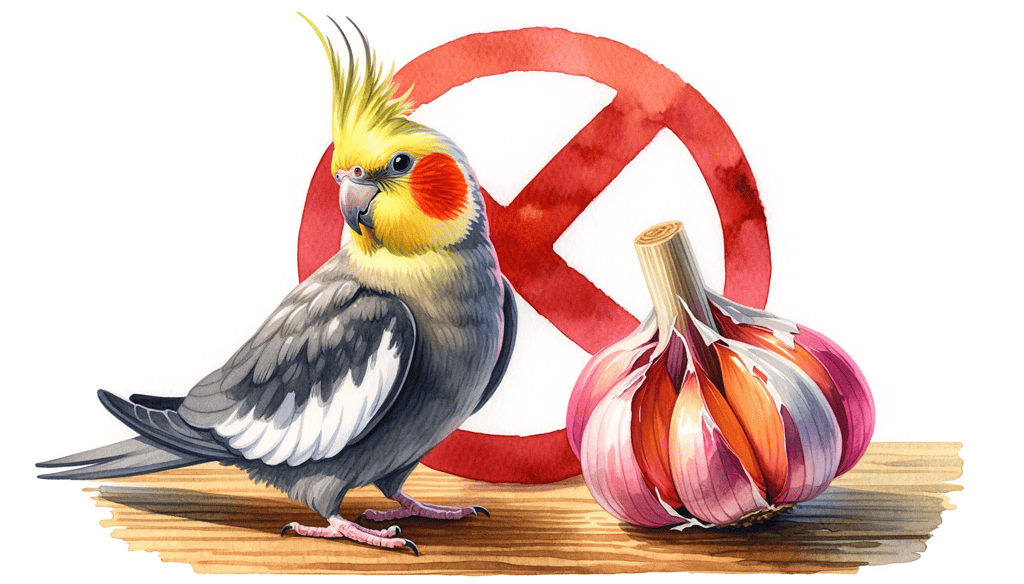
Caring for a cockatiel involves more than just providing food and shelter; it’s about understanding their unique dietary needs and potential hazards. One common question many bird owners grapple with is the safety of feeding garlic to their feathered friends. So, can cockatiels eat garlic?

As a general rule, garlic is considered harmful to cockatiels. The compounds found in garlic, such as allicin and viands, can have detrimental effects on these birds, leading to health issues and even posing life-threatening risks.

Dive deeper into this article to understand the science behind garlic’s effects on cockatiels, the symptoms of garlic toxicity, and other related queries. Your bird’s health and well-being are paramount, and being informed is the first step to ensuring their safety.

Is Garlic Safe For Cockatiels?

Garlic is not safe for cockatiels. Even a small amount of garlic can lead to poisoning, affecting the bird’s red blood cells and potentially leading to anemia. It is crucial to avoid feeding garlic or any food containing garlic to cockatiels to ensure their health and well-being. If a cockatiel has ingested garlic, it is vital to seek veterinary care immediately.

Garlic is a member of the Allium family, which also includes onions, chives, and leeks. While it’s a beloved ingredient in many dishes around the world and is known to boost immunity in humans, the story is quite different for cockatiels. The digestive systems of birds, especially cockatiels, are vastly different from ours. What might be a nutritious treat for us can be harmful, or even fatal, for them.

Why Is Garlic Dangerous For Cockatiels?

Garlic contains certain chemical compounds that are harmful to cockatiels. Two of the most concerning are viands and allicin. 

1. Toxic Viand Chemicals In Garlic

Viands are prevalent in many foods that are harmful to cockatiels. The exact mechanism of how they affect your cockatiel’s internal organs is intricate. In the worst scenarios, the ingestion of these compounds can be fatal. There have been theories suggesting that the combination of certain foods, including garlic, can lead to a total shutdown of vital organs. I’ve seen cases where birds ingested garlic and had to be rushed for immediate care. It’s crucial to understand that even if a cockatiel consumes garlic and seems fine, internal damage might be occurring.

2. Allicin Chemicals In Garlic

Allicin, a unique compound found only in garlic, has its origins in the garlic plant’s defense mechanism. When garlic is crushed or chopped, it releases this compound as a defense against pests. While this compound offers certain health benefits to humans, it’s a different story for cockatiels. The potential dangers of allicin for cockatiels are significant. The amount of sulfur that is potentially released from allicin can be very harmful. Moreover, cockatiels are particularly sensitive to allicin, making it even more crucial to keep garlic away from them.

Table showcasing the different chemical compounds in garlic and their effects on cockatiels.

Chemical CompoundDescriptionEffects on Cockatiels
ViandsCommon in foods like avocados and toxic to cockatiels.Can lead to organ failure and, in severe cases, death.
AllicinAn organosulfur compound found exclusively in garlic.Rapid transformation in the body can release harmful sulfur compounds.

Different Forms Of Garlic And Their Effects

Garlic can be found in various forms in our kitchens, from fresh cloves to paste and powder. But are any of these forms safe for cockatiels?

Form of GarlicDescriptionEffects on Cockatiels
Garlic PasteA favorite for many due to its convenience.While it might be marginally safer than fresh garlic, the dangers of allicin and viands remain.
Garlic PowderA dried and powdered form of garlic, often used for seasoning.Contains the same harmful compounds, albeit in potentially lower concentrations. Still, the risk remains.
Fresh GarlicFreshly harvested or store-bought cloves.The most dangerous form for cockatiels due to the highest concentration of harmful compounds.

Even a tiny amount of garlic can pose significant risks to these birds. While the chances of a cockatiel naturally gravitating towards garlic are low, as a responsible bird owner, it’s essential to ensure they don’t have access to it.

Symptoms Of Garlic Toxicity In Cockatiels

If a cockatiel ingests garlic, it’s crucial to recognize the symptoms of garlic toxicity. Early detection can make a significant difference in the outcome for your feathered friend. As someone who has treated numerous birds over the years, I’ve seen firsthand the effects of garlic ingestion, and I can’t stress enough the importance of immediate veterinary intervention.

Here are some symptoms of garlic toxicity to watch out for:

  • Lethargy: Your cockatiel might appear more tired than usual, showing a lack of energy or interest in its surroundings.
  • Loss of Appetite: A sudden disinterest in food or a decrease in the usual amount consumed.
  • Digestive Upset: This can manifest as diarrhea or other changes in droppings.
  • Breathing Difficulties: Labored breathing or an increased respiratory rate.
  • Discoloration of the Mouth: The inside of the beak or the tongue might appear paler than usual.

If you notice any of these symptoms, it’s imperative to seek veterinary care immediately. Even if you’re unsure whether your cockatiel has consumed garlic, it’s always better to be safe and get a professional opinion. Additionally, it’s essential to be cautious about feeding table scraps to cockatiels. Many foods we consume contain garlic or garlic powder, even in trace amounts, which can be harmful to them.

Conclusion

In understanding the dietary needs of our beloved cockatiels, it’s clear that garlic is a no-go. The compounds found in garlic can have detrimental effects on these delicate birds, leading to potential health risks. As bird enthusiasts and potential cockatiel owners, it’s our responsibility to ensure the well-being of our feathered friends by being informed and making the right dietary choices for them. 

Did you find this article helpful? I’d love to hear your thoughts in the comments below. And if you believe this information could benefit other bird lovers, please share the article. Your cockatiel’s health and happiness are worth it!

Frequently Asked Questions

What Happens If Cockatiels Eat Garlic?

When cockatiels consume garlic, they’re exposed to harmful compounds like allicin and viands. Immediately after ingestion, your bird might appear normal, but internally, these compounds can start affecting their organs. Over time, this can lead to lethargy, digestive issues, and even severe organ damage; prolonged exposure or consumption can lead to long-term health issues or even be fatal.

Can Cockatiels Eat Garlic Bread?

Garlic bread is a no-no for cockatiels. It’s a double threat. Not only does it contain garlic, which we’ve already established as harmful, but the bread itself, especially if it’s seasoned or contains other ingredients like onion, can be detrimental. 

How Much Garlic Is Too Much For Cockatiels?

Cockatiels have a much smaller body mass compared to us, and their systems are incredibly sensitive. Even a tiny piece can introduce harmful compounds into their system. It’s always better to err on the side of caution and keep garlic, in all its forms, away from your feathered friend.