Recent Posts

Can Cockatiels Eat Cherries – A Vet’s Response

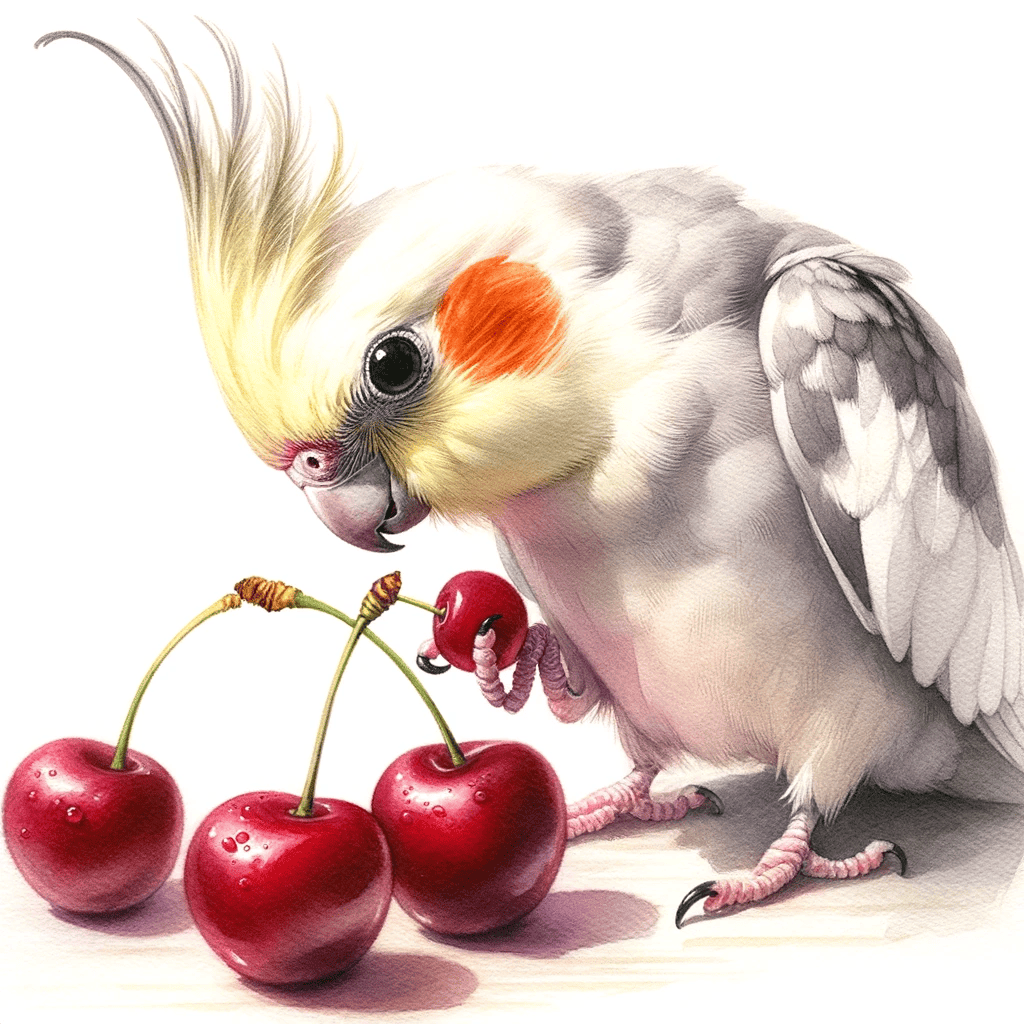
Cherries, with their vibrant hue and sweet taste, are a favorite among many. But have you ever wondered if these delightful fruits are safe for your chirpy cockatiel companion? As pet owners, we often find ourselves questioning the safety of various foods for our beloved pets, and cherries are no exception.

As a general rule, cherries can be a safe and nutritious treat for cockatiels when offered in moderation and prepared correctly, ensuring pits are removed and the fruit is washed thoroughly to eliminate any pesticide residues. 

Curious about the specifics? Dive in as we explore the world of cockatiels and cherries, backed by expert insights and thorough research. Discover the dos, don’ts, and delicious ways to treat your feathered friend! 🍒🦜

An Overview of the Cockatiel Diet

Navigating the diverse dietary needs of cockatiels can be a journey, but understanding their natural preferences is the first step. Let’s delve deeper into what these charming birds thrive on and how we can best cater to their nutritional needs. Onward to a happy, chirpy, cherry-loving cockatiel! 🦜🍒

Natural Diet of Wild Cockatiels

In the wild, cockatiels primarily feast on:

  • Various seeds, which provide them with essential nutrients.
  • Grasses, which aid in their digestion.
  • Occasional insects, offering them a protein boost.
  • Seasonal fruits, giving them a mix of vitamins and minerals.
  • Leafy greens, which are a source of many beneficial nutrients.

While domesticated cockatiels might not have the same diet as their wild counterparts, it’s essential to replicate it as closely as possible for their optimal health.

🍒 Tip: When introducing new foods to your cockatiel, always do so gradually and monitor their reaction.

Recommended Diet for Pet Cockatiels

Every bird owner wants the best for their pet, and ensuring a balanced diet is paramount. Here’s a breakdown of what a pet cockatiel’s diet should ideally consist of:

Diet ComponentNutritional ValueBenefits
High-quality seed mixRich in essential fatty acids and proteinsSupports growth and maintains feather health
Fruits and vegetablesPacked with vitamins and mineralsBoosts immune system and aids digestion
Fortified pelletsContains balanced nutrientsEnsures the bird gets all essential nutrients
Occasional treatsVaries based on the treatRewards and bonding moments

Now, while cherries aren’t a staple in a cockatiel’s diet, many bird owners are curious about introducing them as a treat.

Do Cockatiels Like Cherries?

From my personal experience in guiding bird owners, it’s evident that cockatiels have a penchant for cherries. Their sweet and juicy nature makes them an instant hit among these birds. But the real question is, are they safe?

📌 Did You Know? Cockatiels are native to Australia and have been domesticated for over a century!

Are Cherries Safe for Cockatiels to Eat?
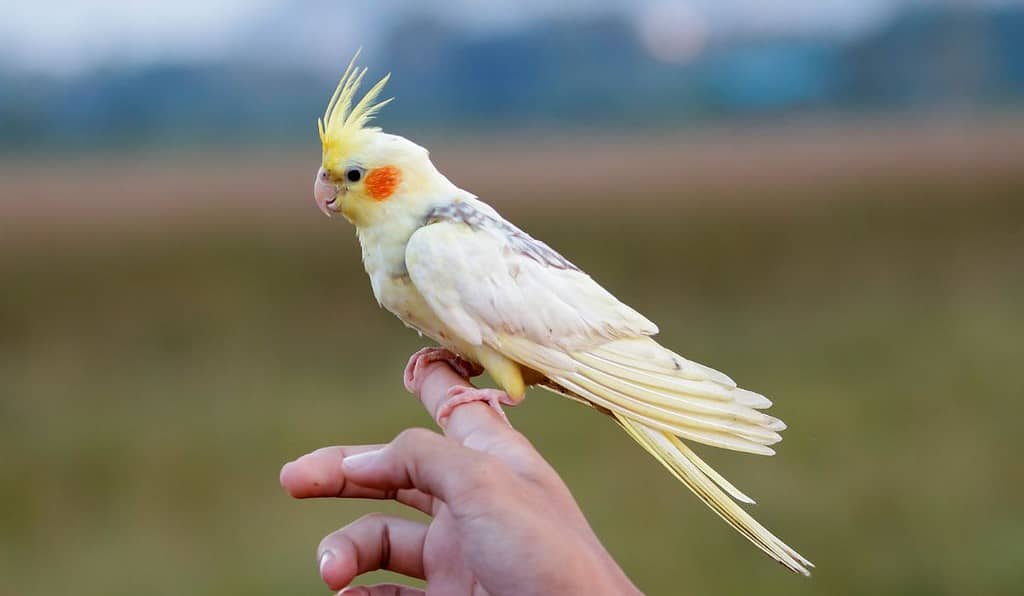
Cherries, when served correctly, can be a delightful treat for cockatiels. They’re not just tasty but also pack a punch in terms of nutrition.

Nutritional Benefits

NutrientFound in CherriesBenefits for Cockatiels
Vitamin CHighBoosts the immune system and aids in wound healing
AnthocyaninsPresentActs as antioxidants, protecting cells
FiberModerateAids in digestion and promotes gut health
PotassiumHighEssential for heart health and muscle function
MelatoninTrace amountsHelps in regulating sleep cycles

However, like all good things, cherries come with their set of precautions for our feathered friends.

🚫 Caution: Always ensure to remove cherry pits before serving them to your cockatiel. They contain trace amounts of cyanide which can be harmful.

Risks and Feeding Guidelines

  • Choking hazard: Cherries, especially if given whole, can pose a choking risk. Always chop them into manageable pieces.
  • High sugar content: While the natural sugars in cherries are beneficial, excessive consumption can lead to health issues. Moderation is key.
  • Pit toxicity: Cherry pits contain trace amounts of cyanide. Always ensure to remove the pits before serving.
  • Pesticide residues: Always wash cherries thoroughly before serving to remove any pesticide residues.

I’ve seen many bird owners introduce cherries to their cockatiel’s diet successfully. With the right precautions and moderation, cherries can be a delightful treat that your cockatiel will surely love!

How Much Cherries Should Cockatiels Eat?

When it comes to cherries, moderation is key. While cherries are packed with nutrients beneficial for cockatiels, they should not be the mainstay of their diet. Cherries and other fruits should only make up about 10% of a cockatiel’s daily intake. The rest should be a mix of pellets, vegetables, and other treats. Remember, even though cherries are nutritious, they won’t be enough on their own. It’s essential to maintain a balance to ensure your cockatiel gets all the nutrients it needs.

🍒 Did You Know? Cherries are not only delicious but are also rich in antioxidants, making them a healthy treat for both humans and birds!

Feeding Cherries to Cockatiels

Now that we’ve established the importance of moderation, let’s delve into the specifics of feeding cherries to your feathered friend. Preparing cherries for your cockatiel isn’t just about handing them a fruit; there’s a method to the madness!

Preparation and Serving Tips

  1. Washing the Cherries: Always start by thoroughly washing the cherries to remove any pesticides or contaminants.
  2. Removing Pits and Toxic Parts: Cherry pits contain trace amounts of cyanide, which is toxic for cockatiels. Ensure you remove them entirely.
  3. Chopping the Cherries: To prevent choking hazards, chop the cherries into manageable pieces suitable for your bird’s size.
  4. Moderation in Feeding: As tempting as it might be to give your cockatiel a handful of cherries, remember to feed them in moderation. Too many cherries can lead to obesity due to their high sugar content.
  5. Rotate with Other Fruits: Don’t let cherries be the only fruit your cockatiel enjoys. Rotate with other fruits like apples, pineapples, blueberries, and watermelons to provide a balanced diet.

Signs of Sensitivity or Allergies

  • Monitoring Bird’s Droppings: Changes in the consistency or color of droppings can indicate sensitivity.
  • Diarrhea: If your cockatiel experiences diarrhea after eating cherries, it might be best to limit or avoid them.
  • Behavioral Changes: Watch out for any unusual behavior or signs of discomfort after feeding cherries.

🚫 Caution: Always monitor your cockatiel after introducing any new food to their diet. Their reactions can provide insights into any potential allergies or sensitivities.

Healthy Ways to Offer Cherries

MethodDescriptionBenefits
Cherry KebabsSkewered pieces of cherry mixed with other fruitsFun way to serve and encourages play
Fruit SaladMix of chopped cherries and other fruitsProvides variety and a mix of nutrients
Cherry JuiceFreshly squeezed cherry juiceHydrating and packed with vitamins
Frozen CherriesChilled or frozen cherries served as a treatRefreshing during hot days and adds a different texture
Dried CherriesDehydrated cherries without any additivesCrunchy treat, but remember it might lack some nutritional benefits of fresh cherries

Are Wild Cherries Safe for Cockatiels?
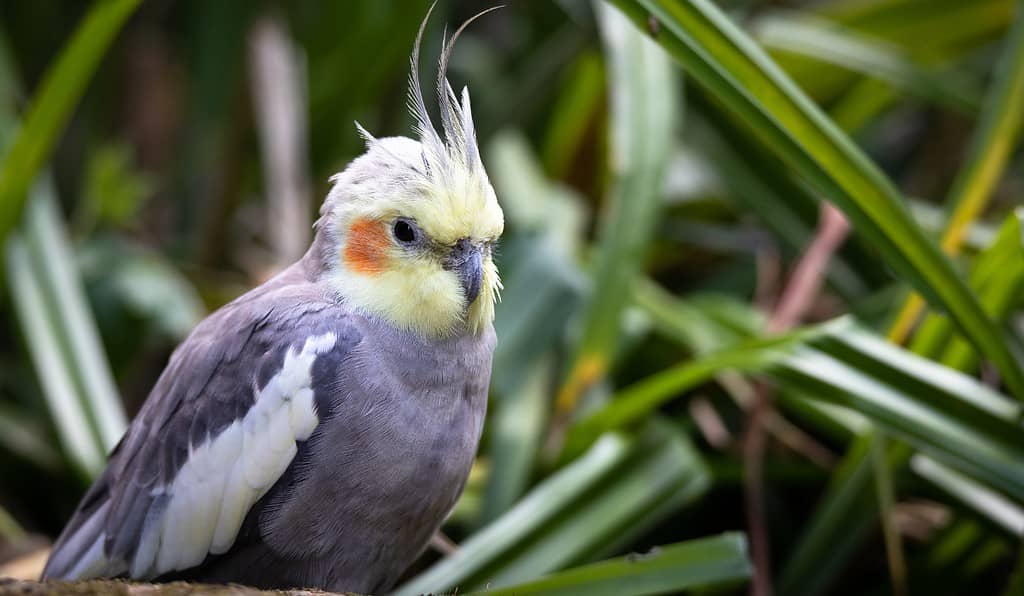
Venturing into the wild to pick cherries might seem like a delightful idea, but when it comes to our feathered friends, there are a few things to consider. Wild cherries might not be as regulated as the ones you buy from a store, meaning they could have more pesticide residues or other environmental contaminants.

🌳 Did You Know? Wild cherries can vary in taste and size compared to cultivated ones. They might be smaller but can be more flavorful!

Differences between Cultivated and Wild Cherries:

  • Cultivated Cherries: Grown under controlled conditions, ensuring they are free from harmful chemicals. Often washed and treated to remove pesticides.
  • Wild Cherries: Exposed to various environmental factors, making them a bit riskier. Might contain higher pesticide residues.
  • Taste and Texture: Wild cherries might have a slightly different taste and texture compared to cultivated ones.
  • Nutritional Value: Both types offer similar nutritional benefits, but the exact content might vary based on soil and environmental conditions.
  • Availability: While cultivated cherries are readily available in stores, wild cherries depend on the season and region.

I’ve always emphasized the importance of research and observation. While cherries can be a delightful treat for cockatiels, always ensure they are prepared safely and fed in moderation.

Signs of Illness After Eating Cherries

It’s essential to monitor your cockatiel after introducing any new food, including cherries. While cherries are generally safe, there’s always a slight risk of an adverse reaction.

SymptomsPotential CausesRecommended Actions
Changes in droppingsDietary changes or sensitivityMonitor and consult a vet if it persists
Loss of appetiteDislike for the food or digestive issuesRemove cherries and observe
Unusual behaviorDiscomfort or painConsult a vet immediately
DiarrheaOverfeeding or sensitivityLimit cherry intake and ensure hydration
LethargyPossible allergic reactionSeek immediate veterinary care

🚫 Caution: Always be vigilant after introducing new foods. Quick action can prevent potential health issues.

Are Cockatiels Allergic to Cherries?

While it’s rare, cockatiels can have sensitivities or allergies to certain foods. Here’s what to look out for:

  • Ruffled Feathers: A sign of discomfort or unease.
  • Scratching or Itching: Could indicate skin irritation.
  • Swelling: Especially around the eyes or beak, indicating a possible allergic reaction.
  • Respiratory Distress: Wheezing or difficulty breathing is a severe sign and requires immediate attention.

If you notice any of these signs, it’s crucial to consult with a vet and possibly remove cherries from their diet.

Alternatives to Cherries for Cockatiels

If you find that cherries aren’t a hit with your cockatiel or you’re looking for some variety, there are plenty of other fruits to consider.

FruitBenefitsComparison to Cherries
ApplesRich in fiber and vitaminsLess sweet, always remove seeds
BlueberriesPacked with antioxidantsSmaller and easier to feed
PineappleContains bromelain, aiding digestionTangier taste
MangoHigh in vitamin ATropical flavor, loved by many birds
BananaGood source of potassiumCreamy texture, ensure it’s ripe

🍎 Tip: Always introduce new fruits in small quantities and observe your cockatiel’s reaction.

Frequently Asked Questions

Can baby cockatiels eat cherries? 

Absolutely! Baby cockatiels can enjoy cherries, but it’s crucial to serve them in moderation. Ensure the cherries are pitted and finely chopped to prevent any choking hazards. Introducing them slowly will also help gauge any sensitivities.

How many cherries can cockatiels eat? 

While cherries are a delightful treat, it’s recommended to give cockatiels only one or two cherries at a time. This ensures they receive a varied and balanced diet, with cherries being just a tasty addition.

Do cockatiels like to eat cherries? 

Yes, many cockatiels are fans of the sweet and juicy flavor of cherries. However, just like humans, individual cockatiels have their own taste preferences. It’s always fun to observe their reaction on their first bite!

Why do cockatiels throw up after eating cherries? 

If a cockatiel throws up after eating cherries, it could be due to overfeeding or a sensitivity to the fruit. It’s essential to monitor their reaction and reduce or eliminate cherries from their diet if issues persist. Consulting a vet is always a wise step if you’re concerned.

Can cockatiels eat cherry stems? 

While cherry stems aren’t inherently toxic to cockatiels, they can pose a choking risk. To ensure your bird’s safety, it’s best to remove the stems and serve only the cherry flesh.

Navigating the dietary intricacies of our feathered friends can be a delightful journey, especially when it comes to treats like cherries. As we’ve explored, cherries can indeed be a safe and nutritious addition to a cockatiel’s diet when offered with care and moderation. It’s all about striking the right balance and ensuring our chirpy companions get the best of what nature has to offer. 
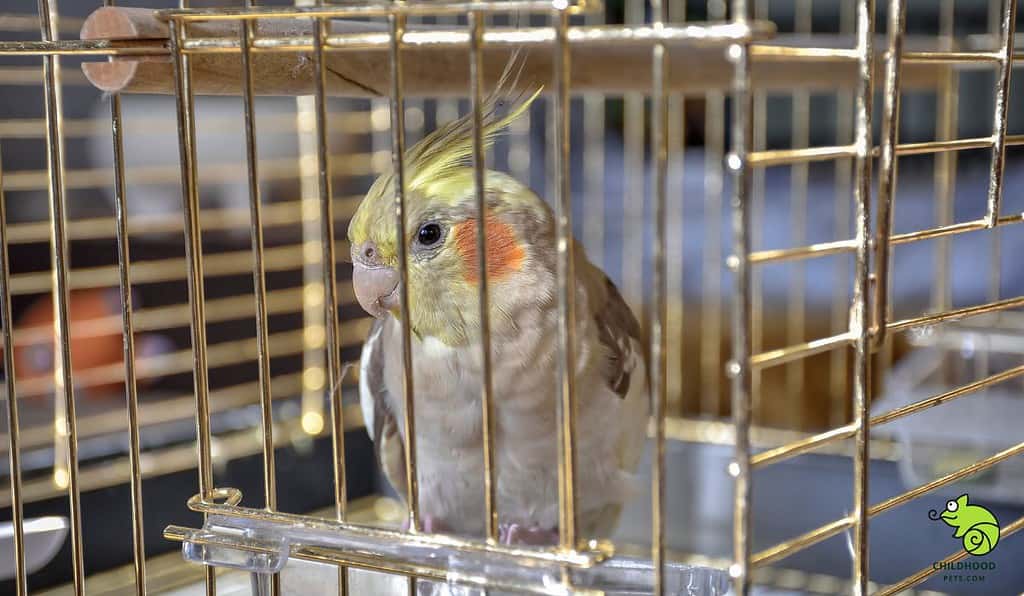
Proper Cage Setup for Cockatiels – A Vet’s Guide

Cockatiels, with their charming crests and playful demeanor, have captured the hearts of bird enthusiasts worldwide. But did you know that the environment you create for them plays a pivotal role in their overall well-being? A well-set cage can be the difference between a stressed bird and a jubilant one, dancing to the tunes of its surroundings.

As a general rule, the proper cage setup for Cockatiels involves ensuring the right size, using safe materials, and providing an enriched environment that caters to their physical and mental needs. This setup not only ensures their safety but also promotes their happiness and longevity.

Ready to embark on a journey to create the perfect haven for your feathered friend? Dive in, and let’s explore the intricacies of setting up a Cockatiel’s paradise together!

The Ideal Cage Size and Materials for Cockatiels

Space, as they say, is the final frontier. Well, for our feathered friends, it’s the first frontier. Cockatiels are active birds, and they need room to stretch their wings, play, and explore. A cramped cage can lead to a host of problems, from stress to health issues.

Table: Ideal Cage Dimensions for Cockatiels

CriteriaWidth (in)Depth (in)Height (in)
Minimum241824
Recommended362436-48

Note: These are general guidelines. Always consider your bird’s specific needs and activity levels.

When it comes to materials, not all cages are created equal. Here’s what you should be looking for:

  • Stainless steel: Durable, easy to clean, and rust-resistant.
  • Powder-coated metal: Offers a smooth finish, preventing injuries.
  • Hardwood: For natural perches, ensure your bird’s feet stay healthy.
  • Non-toxic paint: Birds love to nibble, so ensure any paint is safe for consumption.
  • Bar spacing: Between 1/2 to 3/4 inch to prevent escape or injury.

Now, let’s talk about the dangers of small cages:

  • Stress and aggression: Limited space can lead to increased territorial behavior.
  • Health issues: Lack of exercise can result in obesity and related diseases.
  • Feather plucking: A sign of boredom or stress, often seen in cramped conditions.
  • Reduced lifespan: A sad truth, but birds in inadequate cages often live shorter lives.
  • Behavioral problems: Including screaming, biting, and general unhappiness.

Remember, a cage is more than just a place to keep your bird; it’s their world. Make it as spacious, safe, and stimulating as possible. Your Cockatiel will thank you with chirps, songs, and years of companionship.

Key Considerations for Cage Setup

Before diving into the nitty-gritty of cage setup, it’s essential to understand that every decision you make impacts your Cockatiel’s health and happiness. From choosing between new and second-hand cages to the intricacies of maintenance, every choice matters. Let’s delve deeper.

Buying Second-hand Cages and Toys

We all love a good deal, especially when it comes to saving a few bucks. But when it comes to our feathered friends, caution is the name of the game. Here’s what you need to know:

  1. Rust Alert: If there’s even a hint of rust on the cage, walk away. Rust ingestion can lead to heavy metal poisoning, resulting in hefty vet bills and a very sick bird.
  2. Unknown History: You can’t be sure of the health of the cage’s previous occupants. This means potential exposure to diseases or parasites. Always disinfect thoroughly.
  3. Old Cages & Toxic Materials: Cages older than 2008 might not meet current safety standards. They could be coated with materials that cause heavy metal poisoning.
  4. Beware of DIY Paint Jobs: Some sellers might spruce up old cages with household paint to make them look new. This paint can be toxic to birds.

In essence, while it might be tempting to snag a deal, it’s often safer to invest in a new cage. There are frequent sales on platforms like eBay and Amazon, so keep an eye out. And remember, a quality cage can last years, making it a worthwhile investment.

Cage Maintenance

Keeping your Cockatiel’s cage clean isn’t just about aesthetics; it’s about health. Here’s what you’ll need:

  • Cloths: Opt for lint/fluff-free cloths without scents.
  • Disinfectant: F10+ (specifically for birds) is a top choice.
  • Cleanser: If you’re using one, ensure it’s bird-safe. Brands like Method offer plant-based, bird-friendly options.
  • Perch Scrubber: For those hard-to-clean perches.
  • Drying Towel/Cloth: To ensure everything’s dry before your bird returns.

When it comes to cleaning:

  • Daily Spot Cleaning: Remove any uneaten food, droppings, and replace the liner.
  • Weekly Deep Clean: Disassemble the cage, scrubbing each component. Don’t forget the toys and perches.
  • Monthly Overhaul: This involves a more thorough cleaning, checking for any wear and tear, and replacing any worn-out parts.
  • Always Dry Completely: Before reintroducing your bird, ensure everything is dry to prevent mold and bacteria growth.
  • Regularly Check for Damages: Any sharp edges or broken parts can be harmful.

Covering Your Bird at Night

Nighttime can be a source of stress for Cockatiels, especially with unexpected noises or lights. Here’s why covering their cage can be beneficial:

  • Sense of Security: Especially for new or young birds, a cover can provide comfort.
  • Routine: Birds thrive on routine. When the cover goes on, it signals bedtime.
  • Warmth: It offers additional warmth, particularly beneficial for young or older birds.
  • Block Distractions: It helps shield them from disturbances like car headlights or sudden noises.
  • Better Sleep: All birds need 10-12 hours of undisturbed sleep for optimal health.

When covering, ensure you cover three sides of the cage, leaving one side open for airflow. This setup prevents night frights and ensures they get a peaceful night’s rest.

Dangers of Using Cage Grates and Hooded Food Bowls

Ah, cage grates. They might seem like a good idea at first, but they come with their own set of challenges. Let’s dive into some of the risks:

  • Difficulty in Monitoring Droppings: Covering the cage grate with paper instead of placing it below the grate ensures you can monitor your bird’s droppings accurately. This is crucial for keeping an eye on their health.
  • Potential for Injury: Small birds, especially cockatiels, can get their feet trapped between the grate bars. This is particularly concerning during night frights, which cockatiels are prone to.
  • Foraging Opportunities: Placing paper on top of the grate allows your birds to forage, adding a fun activity to their day. Remember to change the paper daily to prevent bacterial and fungal infections.
  • As for hooded food bowls, they might seem like a neat solution to keep food contained, but they’re not always the best choice for our feathered friends:
  • Risk of Drowning: Small parrots, like budgies, can accidentally fall into these bowls and struggle to get out, leading to tragic accidents.
  • Reluctance to Feed: Some birds, like parrotlets, are hesitant to stick their heads into hooded dishes. This can lead to reduced food intake.

Parrot Enrichment

Enriching your parrot’s enviroment is essential for their mental well-being. Here are some fantastic ways to keep your bird entertained and stimulated:

Window Views: Allowing your birds to gaze out of a window can be a great boredom breaker. Just ensure they have some shade on hot days and that there aren’t any potential threats or predators in their line of sight.

Entertainment Options:

  • Television: Many birds, including mine, adore cartoons. It’s a bonding experience to sit together and watch a show.
  • Music: From country tunes to rock anthems, each bird has its own musical preference. Experiment to find out what your bird enjoys!
  • Natural Sounds: Sounds of nature can be soothing, but avoid tracks with birds of prey calls.

Bath Time: Bathing is not just about cleanliness; it’s a bonding activity. Whether you shower with your bird or give them a spray bath, it’s a joyous time for both of you.

Teaching Tricks: From high fives to spinning around, there are numerous tricks you can teach your bird. Platforms like YouTube offer plenty of tutorials.

Natural Toys:

  • Pinecones: A natural favorite for many birds.
  • Apple Twigs and Branches: Great for chewing.
  • Coconut Shells: Fun to play with and safe to chew.
  • Cardboard Boxes: An inexpensive and versatile toy.

Parrot Safety with Ladders

Ladders can be a fun addition to your bird’s cage, but they come with their own set of risks:

  • Potential for Injury: Small birds, especially young ones, can easily get their heads stuck in the rungs of a ladder, leading to tragic outcomes.
  • Age Consideration: I personally don’t introduce ladders to my birds until they’re around 6-12 months old. Accidents can happen quickly, especially with younger birds.

Physical Enrichment

Physical activity is crucial for a bird’s health and well-being:

Free Flight: Allowing your bird to fly freely is the best exercise they can get. While they can’t fly miles like their wild counterparts, giving them as much free flying time as possible is beneficial.

Benefits of Recall Flying:

  • Bonding: It strengthens the bond between you and your bird.
  • Discipline: It teaches your bird to respect and listen to you.
  • Health: It’s an excellent way for your bird to get the exercise they need.

Foot Toys: These toys are essential for exercising a bird’s foot muscles and also help in naturally trimming their beaks and nails.

Preparing Bird Perches

When setting up perches for your bird, safety and comfort should be your top priorities:

  1. Choose Safe Branches: Ensure the branches are healthy, free from insecticides, and come from a safe plant or tree.
  2. Cleanse the Branches: Use a bird-safe cleaner, like F10 or a vinegar solution, to clean the bark.
  3. Bake the Branches: Place them in a 100°C oven for about 30 minutes to kill any germs or insect eggs. Always supervise this process to prevent any accidents.
  4. Shape and Install: Once cooled, shape the branches as desired and install them in the cage.

Reasons Why Parrots May Ignore Toys

Ever wondered why your bird isn’t playing with that fancy toy you bought? Here are some potential reasons:

  • Not Species-Specific: Toys meant for larger birds might be too intimidating for smaller ones.
  • Lack of Chewability: Parrots love to chew. If a toy isn’t chewable, it might be ignored.
  • Overwhelming Number of Toys: Too many toys can be overwhelming for some birds.
  • Toys Have Been in the Cage Too Long: If a toy has been in the cage for an extended period, it might be ignored simply because it’s become part of the scenery.

Frequently Asked Questions

Should cockatiels be in a cage all day?

No, cockatiels should not be confined all day. It’s essential for their mental and physical health to have time outside the cage daily. Ensure a safe, supervised environment for them to explore, play, and interact with you or their surroundings.

How long do cockatiels live in a cage?

Cockatiels typically live for 15-20 years with proper care, and while they do spend a lot of time in their cages, daily out-of-cage time is crucial for exercise and socialization. A well-maintained, spacious cage and a balanced diet contribute to their longevity.

What size cage is best for 2 cockatiels?

For two cockatiels, opt for a larger cage, ideally at least 24 inches wide, 24 inches deep, and 36 inches high. This size ensures both birds have ample space to move, fly, and engage in activities without feeling cramped, promoting a healthier and happier life.

Final Thoughts

Setting up the perfect environment for your Cockatiel is more than just a task; it’s a labor of love. Every choice you make, from the cage’s size to the toys you introduce, plays a pivotal role in their well-being. I’ve seen firsthand the difference a well-thought-out environment can make in a bird’s life. It’s not just about their physical health; it’s about their happiness, their mental stimulation, and their overall quality of life.

I hope this guide has given you valuable insights and actionable tips to make your Cockatiel’s life as joyous as possible. I’d love to hear your thoughts, experiences, and any tips you might have picked up along the way. And if you found this guide helpful, please consider sharing it with fellow bird enthusiasts.

How to Provide Comfort to a Dying Cockatiel – A Vets Look

The heartbreaking reality of owning a beloved pet is the inevitability of their life cycle coming to an end. It’s a painful yet profound experience that binds every pet owner. Birds, with their vibrant feathers and chirpy melodies, bring life into our homes but like all living beings, they too face the dusk of life. As the sun sets on your precious cockatiel’s life, ensuring its comfort during the last days becomes a priority. The tender chirps that once filled your mornings may now be frail, but the love and care you provide can offer solace in the twilight of their existence.

As a general rule, providing comfort to a dying cockatiel ranges from keeping them away from stress triggers, ensuring a calm, warm, and gentle environment, extra out-of-cage time, dimming the lights, and wrapping them softly to provide a cozy feel. 

Read on to discover how you can adapt your bird’s environment and daily routine to make its last days more comfortable and serene. 

Is My Bird Sick?

Birds, especially cockatiels, are creatures of habit. Their daily routines, from singing their morning tunes to preening their feathers, become a familiar symphony in our homes. But, if you’ve ever noticed a change in their tune or a skip in their step, it might be a sign that something’s amiss. It’s essential to be observant, as these little guys are masters at hiding their discomfort. Keep a keen eye on their daily activities and behavior. And always remember, if something feels off, it probably is. Trust your instincts. If you suspect your bird isn’t feeling its best, it’s always a good idea to consult with your vet before things take a turn for the worse.

Recognizing the Signs of a Sick Bird

Before we dive into the nitty-gritty, let’s set the stage. Imagine you’re watching your cockatiel, and something seems… off. What should you be looking for? Let’s break it down.

Physical Symptoms:

  • Dull, unfocused eyes: This could indicate fatigue or a possible underlying health issue.
  • Lack of appetite: If your birdie’s not munching on its favorite seeds, it’s a red flag.
  • Fluffed or messy feathers: A healthy bird takes pride in its appearance. Disheveled feathers can be a sign of discomfort.
  • Swollen eyes: This could be due to an infection or injury.
  • Discolored, undigested, or runny poop: Changes in droppings can indicate digestive problems.
  • Wet or crusty eye, mouth, or nasal discharge: This could be a sign of a respiratory infection.
  • Dirty or matted feathers: Indicates the bird isn’t grooming itself properly.
  • Weight loss: A significant drop in weight can be a cause for concern.
  • Missing feathers: Could be due to stress, mites, or other health issues.
  • Visible injuries, lesions, or wounds: Always consult a vet if you notice any physical injuries.

Behavioral Symptoms:

  • Changes in daily activities and general attitude: If your usually chirpy bird is suddenly quiet, take note.
  • Trust your gut feeling about your bird’s health: Sometimes, it’s just a feeling that something’s not right. Trust it.

Now, while these signs can give you a heads-up, it’s essential to remember that every bird is unique. What might be normal for one might be a cause for concern for another. Always keep an open line of communication with your vet, and when in doubt, seek professional advice.

What to Do if Your Bird is Sick

Alright, so you’ve noticed some of the signs we discussed earlier, and you’re concerned about your feathered friend. First off, take a deep breath. It’s natural to feel anxious, but remember, you’re not alone in this. I’ve been there, and I’ve seen countless bird owners go through the same worries. Let’s walk through some steps to ensure your bird gets the care it needs.

Keep them warm

Birds, especially the smaller ones like cockatiels, can be sensitive to temperature changes. When they’re not feeling their best, warmth can be a great comfort. Aim to maintain their environment at a cozy 75 to 80 degrees Fahrenheit (24 to 27 degrees Celsius). This not only provides comfort but also aids in boosting their immune response.

Ensure they are eating and drinking

Nutrition is the cornerstone of recovery. When sick, birds might lose their appetite, but it’s crucial to ensure they’re getting the nutrients they need. Offer their favorite treats, and if they’re not up for solid food, try a bird-safe electrolyte solution. Hydration is just as important, so keep a close eye on their water intake.

Separate the sick birds

If you have multiple birds, it’s a good idea to give the sick one some space. This serves a dual purpose: it prevents the potential spread of illness and allows you to monitor the sick bird more effectively.

Avoid stress

I can’t stress this enough (pun intended). A calm environment is essential for recovery. While it might be tempting to check on them constantly or change their surroundings to “help,” sometimes the best thing to do is let them rest. Avoid any sudden changes in their diet or environment. And remember, they need their beauty sleep just as much as we do, if not more.

Maintain their sleep pattern

Speaking of sleep, ensure your bird gets a balanced day-night cycle. Aim for about 12 hours of light and 12 hours of darkness. If they’re used to a particular routine, stick to it. Consistency can be a great comfort during times of illness.

Cage rest

While it might seem counterintuitive, especially if your bird is used to flying around, cage rest can be beneficial. It ensures they’re not exerting themselves and can focus all their energy on getting better.

Recognizing a Dying Bird

It’s a heart-wrenching realization, but sometimes our beloved cockatiels reach the end of their journey. As a vet, I’ve seen countless bird owners grapple with the signs, often hoping it’s just a passing phase. But recognizing these signs early can help you provide the utmost care and comfort during their final days. Here’s what to look out for:

  • Not eating or drinking: A loss of appetite can be one of the first signs. If your bird is neglecting its favorite treats, it’s time to pay attention.
  • Wheezing and struggling for breath: Respiratory distress is a clear indicator of discomfort. Listen for any unusual sounds or labored breathing.
  • Constantly puffing the feathers: This can be a sign of trying to regulate body temperature or a response to discomfort.
  • Shedding feathers, exposing dry skin: A healthy bird takes pride in its plumage. Excessive shedding can be a cause for concern.
  • Swollen, discolored, or streaming eyes and ears: Any discharge or swelling should be noted.
  • Shivering, as though struggling to stay warm: Even in a warm environment, they might seem cold.
  • Blood in the feces: This is a clear sign of internal distress.
  • Lack of movement or verbalization: If your usually chirpy friend is silent and still, it’s a sign they’re not feeling well.

Feeding Your Dying Cockatiel

Feeding a dying cockatiel can be one of the most challenging tasks. Their appetite wanes, and they might not have the energy or inclination to eat. But, as their caregiver, ensuring they get the right nutrition is crucial.

  • The challenges of feeding a dying bird: As their body weakens, they might not show interest in food. This can be due to discomfort, pain, or simply a lack of energy.
  • Using a syringe for feeding: Sometimes, the traditional feeding methods won’t work. In such cases, using a syringe can help. Opt for liquid diets or finely mashed foods. Ensure you’re providing the right amount, and always consult with a vet about the best food options.
  • Ensuring proper hydration: Just like food, water is crucial. If they’re not drinking on their own, consider using a dropper to provide water. Ensure it’s done slowly to prevent choking.

Remember, during these times, patience is key. It’s tough, I know. But every little effort you make ensures your feathered friend’s comfort. And always, always consult with a vet for guidance. They can provide specific recommendations tailored to your bird’s needs.

How to Comfort Your Dying Cockatiel

As we venture into this delicate topic, it’s essential to remember that our primary goal is to ensure our beloved cockatiel’s final days are filled with love, comfort, and peace. It’s a challenging time, but with the right steps, you can make a difference in their well-being.

1. Separate your sick bird from other birds

It’s essential to give your ailing cockatiel a serene environment. By keeping them separate, you ensure they get the peace and quiet they need during this time. It also prevents any potential stress from interactions with other birds.

2. Avoid anxiety and stress triggers

Now’s the time to ensure their surroundings are as calm as possible. Avoid loud noises, sudden movements, or any changes that might startle them. Familiarity and routine can be a great comfort.

3. Wrap the bird in a soft blanket

Just like us, a little warmth can go a long way. Gently wrapping them in a soft blanket can provide that much-needed comfort, making them feel secure and loved.

4. Maintain a comfortable room temperature

A consistent temperature, around 75 to 80 degrees Fahrenheit (24 to 27 degrees Celsius), can help in ensuring they aren’t expending energy trying to keep warm.

5. Additional out-of-cage time

If they’re up for it, allow them some freedom outside the cage. It lets them explore and might provide a change of scenery, which can be mentally stimulating.

6. Talking and Singing to Your Cockatiel

Your voice can be a source of immense comfort. Talk to them softly, sing their favorite tunes, or simply tell them stories. The familiarity of your voice can be incredibly soothing.

7. Dim the lights in the room

Bright lights can be stressful. Creating a dimly lit environment can help them relax and rest better.

8. Keep your bird occupied

While you don’t want to overstimulate them, gentle activities like a new soft toy or a mirror might pique their interest and provide some distraction.

9. Assist with eating and drinking

As their strength wanes, they might need help with basic activities. Gently offering food or water can ensure they’re getting the necessary nutrition and hydration.

Cockatiel Behavior in Their Final Moments

It’s a somber topic, but understanding a cockatiel’s behavior in their final moments can provide clarity and peace of mind for their caregivers. Over the years, I’ve observed and consulted with numerous bird owners, and here’s what I’ve gathered:

  • Do cockatiels want to be alone?: Contrary to popular belief, cockatiels, like many animals, often seek solitude when they’re not feeling their best. It’s not so much about wanting to be alone but more about finding a quiet, safe space to rest.
  • The misconception of cockatiels understanding death: Birds, including cockatiels, don’t necessarily have the same comprehension of death as humans. They react more to the immediate discomfort or changes in their environment.
  • Observations of cockatiels dying in their sleep: Many bird owners have reported their cockatiels passing away peacefully during sleep. It’s a gentle way to go, and it can be comforting for owners to know their pets didn’t suffer.

Euthanizing a Cockatiel: When and How?

The decision to euthanize a beloved pet is never easy. It’s a deeply personal choice, often fraught with emotion and uncertainty. But sometimes, it might be the kindest option.

  • Recognizing when euthanasia might be the kindest option: If your cockatiel is in constant pain, has a terminal illness, or their quality of life has significantly deteriorated, euthanasia might be a consideration. It’s about ensuring they don’t suffer needlessly.
  • The professional approach: seeking a vet’s assistance: Always consult with a vet. They can provide guidance, answer questions, and ensure the process is as peaceful and painless as possible for your feathered friend.
  • The risks of at-home euthanasia and the proper method if chosen: I can’t stress this enough – attempting at-home euthanasia can be fraught with risks. It’s easy to make mistakes, leading to unnecessary pain or prolonged suffering. If you’re considering this route, please consult with a vet to understand the risks and get guidance on the proper method.

Natural Death vs. Euthanasia

Navigating the path between allowing a natural death and considering euthanasia is a deeply personal journey, filled with emotions and tough decisions. As a vet, I’ve been alongside many bird owners during these times, and here’s what I’ve learned:

  • Understanding the lifespan of a cockatiel: Cockatiels typically live anywhere from 15 to 20 years with proper care. Knowing this can help set expectations and prepare for the inevitable.
  • The debate: allowing a natural death versus opting for euthanasia: Some bird owners believe in letting nature take its course, allowing their cockatiel to pass away naturally. Others, seeing their pet in pain or distress, might consider euthanasia to end their suffering. There’s no right or wrong answer here; it’s about what feels right for you and your bird.
  • Factors to consider: pain levels, quality of life, and owner’s comfort: Assessing your bird’s quality of life is crucial. Are they in pain? Can they eat, drink, and move around comfortably? Also, consider your own emotional well-being. It’s essential to ensure you’re making decisions based on the bird’s best interest and not solely on your emotions.

Conclusion

The bond between a bird owner and their cockatiel is profound, filled with shared moments of joy, companionship, and understanding. As we navigate the challenging times, especially when faced with the inevitable end, it’s essential to remember the love and care that defined your time together. Caring for a dying cockatiel is a testament to the depth of the bond you share. It’s about understanding, compassion, and ensuring their final moments are filled with comfort and peace. Please feel comfortable, sharing your experiences and thoughts with others. Your story can provide comfort and guidance to someone else navigating the same path.

Remember, in the world of birds and their caregivers, love is the universal language. Cherish the memories, celebrate the moments, and always hold onto the love you shared with your feathered friend.

Frequently Asked Questions

Is death painful for cockatiels?

Not always. Many factors can influence this, such as the nature of their illness or age. Some cockatiels may pass away peacefully in their sleep, while others might show signs of discomfort.

How do you know when a dying cockatiel is suffering?

Changes in behavior, loss of appetite, difficulty breathing, and visible discomfort are some signs. Always trust your instincts and consult with a vet if unsure.

When should you take your dying cockatiel to the vet?

If you notice sudden changes in their behavior, visible signs of pain, or any other symptoms that concern you, it’s always best to seek a vet’s advice.

Do cockatiels know they are dying?

Birds, including cockatiels, don’t have the same understanding of death as humans. They react more to their immediate environment and feelings.

Is it okay to let a cockatiel die naturally?

Yes, if they aren’t in significant pain or distress. However, it’s essential to monitor their comfort and consult with a vet to ensure they’re not suffering.

How Cold Affects Your Cockatiel’s Health – A Vet’s Guide

Cockatiels, with their vibrant personalities and melodic chirps, have become one of the most beloved pets worldwide. But, originating from the warm climates of Australia, these charming birds have specific needs when it comes to temperature. As the mercury drops, it’s crucial for every cockatiel owner to understand the potential risks and signs of a cold-stressed bird. But how exactly does cold weather impact your cockatiel’s well-being?

As a general rule, cold temperatures can cause a range of health issues in cockatiels such as hypothermia, respiratory infections, and reduced immunity. It’s essential to keep a close eye on your feathered friends, ensuring they stay warm and comfortable during chilly seasons.

Let’s explore the signs to watch out for, preventive measures, and how to ensure your feathered friend stays warm and healthy throughout the year.

Effects Of Cold on Cockatiels

Cockatiels, with their vibrant personalities and captivating chirps, are a joy to have around. But, like all pets, they have specific needs that must be met to ensure their well-being. One of the most pressing concerns for cockatiel owners, especially those in colder regions, is how the cold affects these delicate birds.

Short-term effects of cold exposure:

  • Drop in body temperature: Just like us, cockatiels experience a drop in body temperature when exposed to cold. This is a natural response, but prolonged exposure can lead to more severe health issues.
  • Reduced activity and vocalization: You might notice your usually active and chirpy cockatiel becoming more subdued during colder days. This is a sign that they’re conserving energy due to the cold.
  • Changes in appetite: Cold can affect a cockatiel’s appetite. They might eat more to generate energy and warmth or eat less due to reduced activity.

Long-term effects of cold exposure:

  • Potential illnesses like respiratory infections: Cold and damp conditions can lead to respiratory issues in cockatiels. If you notice any signs of distress or unusual behavior, it’s essential to consult with a vet immediately.
  • Stress-induced behaviors: Prolonged exposure to cold can lead to stress in cockatiels. This might manifest as aggressive behavior or even self-harming actions like feather plucking.
  • Impact on the lifespan: Just as with any living being, constant stress and health issues can reduce a cockatiel’s lifespan. Ensuring they’re warm and comfortable is not just about immediate comfort but long-term health.

Ideal Temperature for Cockatiels

Having originated from the warm terrains of Australia, cockatiels are biologically primed for hotter climates. This doesn’t mean they can’t thrive in colder regions, but it does mean we need to be more attentive to their needs during the colder months.

The ideal temperature range for cockatiels: 

Cockatiels thrive best in a controlled environment where the temperature hovers between 70 and 75 degrees Fahrenheit. In Celsius, this translates to a comfortable range of 21 to 23 degrees. Maintaining this temperature ensures their well-being and optimal health.

How to Recognize if Your Cockatiel is Unwell Due to Cold Exposure?

When it comes to our feathered friends, especially cockatiels, understanding their body language and behavior is crucial. It’s how they communicate with us. As someone who’s been around these birds for years, I’ve seen firsthand how they react to various environmental changes. Cold is one such factor that can significantly affect them. 

Here’s what you should look out for:

  • Feather Fluffing: Birds fluff their feathers for various reasons, including relaxation and sleep. However, if your cockatiel keeps its feathers continuously fluffed throughout the day, it’s a clear sign they are cold or unwell.
  • Closed Eyes: A cockatiel with wide-open eyes is a sign of good health. If they have half-closed eyes when awake, it’s an indication they might be feeling cold or ill.
  • Excessive Sleep: Just like us, if a cockatiel is sleeping too much, it could be a sign of poor health or discomfort due to the surrounding environment.
  • Discharge: If you notice wetness or discharge around your cockatiel’s nose followed by constant regurgitation of their food, it’s a cause for concern. While this can sometimes be a sign of courtship, excessive behavior in this regard should be checked with a vet.
  • Ragged & Poorly Preened Feathers: A cockatiel that starts neglecting its grooming is likely feeling unwell. They love to look their best, so if they’re not preening, something’s up.
  • Sneezing: Occasional sneezing is normal. However, if your bird is sneezing excessively, it’s a clear warning sign of potential illness.
  • Weight Loss: Regularly monitoring your cockatiel’s weight is essential. Rapid weight loss can be fatal, especially since smaller birds like cockatiels don’t have the fat reserves of larger birds.

How to Keep Your Cockatiel Warm?

Ensuring your cockatiel’s warmth during colder months is not just about their comfort but also about their overall health. Here are some steps you can take:

  • Draft-Free Location: Always ensure the cage is placed in a draft-free room. This simple step can make a significant difference in maintaining a consistent temperature for your cockatiel.
  • Warming Nests: Consider investing in insulated nests. These nests provide a cozy and warm environment, especially during the night when temperatures can drop significantly.
  • Covering the Cage: A cage cover can act as an insulator, trapping warmth inside. Ensure the cover is breathable to prevent any condensation.
  • Air Humidifiers: Dry air can be as harmful as cold air. Using an air humidifier can help maintain a comfortable humidity level, ensuring your cockatiel’s respiratory system remains healthy.
  • Heaters: There are various heaters designed specifically for bird cages. These heaters provide gentle warmth, ensuring your cockatiel remains comfortable without overheating.
  • Monitoring Your Cockatiel: Always be vigilant. If you notice any signs of discomfort, like feather fluffing or reduced activity, it might be an indication that your cockatiel is feeling cold. Take immediate action to rectify the situation.
  • Diet adjustments during colder months: During colder months, your cockatiel might require a slightly different diet. Foods that provide more energy can help them combat the cold. Consult with your vet for specific dietary recommendations.
  • Importance of regular vet check-ups in cold seasons: Cold weather can exacerbate existing health issues or even introduce new ones. Regular vet check-ups can help catch any potential problems early, ensuring your cockatiel remains healthy.

Can Cockatiels Die from Cold?


As a whole Cockatiels are susceptible to cold temperatures. Originating from Australia, they thrive in warm environments. Exposure to cold can lead to hypothermia and respiratory problems. Maintaining a warm habitat is essential for their well-being.

I remember a heart-wrenching incident where a cockatiel was left in an unheated room during a particularly cold winter night. By morning, the bird was lethargic and showed signs of distress. Despite our best efforts, the bird couldn’t be revived. This tragic event serves as a stark reminder of the dangers of exposing cockatiels to cold temperatures.

To prevent such unfortunate incidents, it’s crucial to monitor the environment of your cockatiel, especially during colder months. Ensure they have a warm, draft-free space, and consider investing in cage heaters or warming nests to provide them with the warmth they need.

Conclusion

Understanding and catering to the needs of your cockatiels, especially when it comes to temperature, is paramount.  It’s not just about their comfort; it’s about their health. I’ve always been passionate about ensuring every cockatiel under my care is warm, safe, and happy. Why? Because these little creatures bring so much joy and vibrancy to our lives, and they deserve the best.

I’d love to hear about your experiences and any tips you might have picked up along the way. Drop your thoughts in the comments below, and if you found this guide helpful, please share it with other bird enthusiasts. Together, we can make a difference in the lives of these wonderful birds.

Frequently Asked Questions

How can you tell if your cockatiel is cold? 

Cockatiels have specific behaviors that indicate discomfort due to cold. They might fluff their feathers, close their eyes more often, or even show signs like excessive sneezing. Monitoring their behavior and physical signs like wetness around the nose can give you clues.

How do I keep my cockatiel warm during power outages? 

During power outages, it’s essential to move your cockatiel to the warmest part of your home. Using warm blankets to cover their cage can help retain heat. If possible, consider battery-operated heaters or even moving them temporarily to a warmer location.

Is it okay for cockatiels to be outside in the cold? 

While cockatiels can handle short durations in cooler temperatures, prolonged exposure can be harmful. If you need to take them outside, ensure it’s for a brief period and monitor them closely for any signs of discomfort.

Do they get cold at night? 

Nights tend to be cooler, and yes, cockatiels can get cold. It’s crucial to ensure their cage is in a warm spot, away from drafts, especially during the night.

Best Food for Cockatiels – A Vet’s Report

In the world of feathers and chirps, the delightful cockatiel makes a charming companion. Their vibrant personalities and affectionate nature have won the hearts of many, but like all creatures, they thrive best with proper nourishment. Ensuring a balanced diet for your cockatiel is paramount for their health and happiness. The question that looms large for every cockatiel owner is, what is the best food for these feathered friends?

As a whole, cockatiels flourish with a varied diet of seeds, fresh fruits, and vegetables, supplemented with high-quality proteins. Avoid foods like chocolate, avocado, and certain seeds which are toxic to these birds.

Curious about the specifics? Wondering about the signs of food poisoning in cockatiels or how often and how much to feed them? As we flutter through this guide, you’ll gain insights into ensuring your cockatiel’s diet is not just filling, but also nutritious and safe. Let’s embark on this journey of discovery together, ensuring your feathered friend’s diet makes them chirp in delight!

What is a Cockatiel’s Favorite Food?

Cockatiels have a penchant for a variety of foods, but they can be quite picky, especially when trying something new. It’s essential to introduce a mix of fresh fruits and veggies early on to ensure a balanced diet.

Cockatiels enjoy a varied diet, but their favorite foods often include seeds, particularly millet. They also love fresh fruits, vegetables, and grains. It’s essential to provide a balanced diet for optimal health and avoid avocado, chocolate, and caffeine, which are toxic to birds.

Here’s a list of some foods that cockatiels commonly love:

  • Apples: A rich source of vitamins, ensure to remove the seeds before feeding.
  • Grapes: High in vitamins and can enhance immunity, but moderation is key.
  • Mangoes: Packed with Vitamin C and A, a small portion every few days is ideal.
  • Bananas: Loved by cockatiels, but should be given as a snack due to high sugar content.
  • Coconut: An occasional treat, filled with fiber, protein, and various nutrients.

Incorporating these foods into your cockatiel’s diet will not only tantalize their taste buds but also provide a plethora of nutrients essential for their health and happiness. Remember, the key is variety and moderation. Now, let’s flutter forward and explore the different types of cockatiel diets in the upcoming sections.

Types of Cockatiel Diets

Navigating the world of cockatiel nutrition can be a bit like navigating a maze. But don’t fret! I’ve been down this path countless times, and I’m here to guide you. Let’s dive deeper into the different diets you can offer your cockatiel.

Seed-Based Diet

Seeds are a natural choice for many bird owners, and for a good reason. They’re readily available and often loved by our feathered friends. But like all things, they come with their pros and cons.

Pros:

  • Natural Source: Seeds are a natural part of a bird’s diet in the wild.
  • Variety: Different seeds offer various nutrients.
  • Taste: Most cockatiels love the taste of seeds.

Cons:

  • Nutritional Imbalance: Relying solely on seeds can lead to deficiencies.
  • High Fat: Some seeds are high in fat, which can lead to obesity.
  • Selective Eating: Cockatiels might pick out their favorite seeds and ignore others, leading to an imbalanced diet.

Nutritional Elements of Different Seeds:

Seed TypeProteinFatFiber
PoppyMediumHighLow
SesameHighHighMedium
FlaxHighMediumHigh
Canary GrassLowLowMedium
SunflowerLowVery HighLow

Pellet-Based Diet

Pellets are a more recent addition to the bird food market, designed to provide a balanced diet.

Pros:

  • Balanced Nutrition: Pellets are formulated to offer a balanced diet.
  • Less Waste: Unlike seeds, there are no hulls left behind.
  • Consistency: Ensures the bird gets all the nutrients without being selective.

Cons:

  • Acceptance: Some cockatiels might resist the change from seeds to pellets.
  • Quality: Not all pellets are created equal. Some might have fillers or low-quality ingredients.
  • Lack of Variety: A solely pellet-based diet can be monotonous for the bird.

Mixed Diet

A mixed diet, combining seeds, pellets, and fresh foods, is like hitting the nutritional jackpot for your cockatiel. It’s like offering a buffet of flavors, textures, and nutrients, ensuring your bird gets a well-rounded intake.

Benefits of a Mixed Diet:

  • Nutritional Diversity: A mixed diet offers a wide range of nutrients, ensuring your cockatiel gets everything it needs for optimal health.
  • Taste Satisfaction: The variety keeps mealtime exciting and satisfying for your bird.
  • Behavioral Enrichment: Different foods offer various textures and shapes, providing mental stimulation and beak exercise.
  • Flexibility: It allows you to adjust the diet based on your bird’s health, age, and preferences.
  • Health and Longevity: A balanced diet contributes to overall health, vitality, and longevity.

But remember, balance is the key. Ensure the diet is predominantly made of high-quality pellets, supplemented with seeds, fresh fruits, and vegetables. Regularly monitor your cockatiel’s health and adjust the diet as needed. Consult your vet for personalized dietary recommendations for your feathered friend.

Safe and Healthy Treats for Cockatiels

As we embark on this journey of understanding the ideal diet for cockatiels, let’s delve into the world of safe and healthy treats for these delightful birds. Ensuring a varied and nutritious diet is paramount for their well-being.

Fruits Cockatiels Can Eat

  1. Apples: A perfect addition to a cockatiel’s diet, rich in vitamins (A, B6, and C), potassium, magnesium, and fiber. Ensure the seeds are removed.
  2. Grapes: Enhance a cockatiel’s immunity and are rich in vitamin K and B6. Feed only fresh and organic grapes, and limit to a grape or two per week.
  3. Mango: Provides a lot of vitamins C and A, essential for a cockatiel’s health. Offer 1/8th of a mango every few days.
  4. Bananas: Loved by cockatiels, bananas are nutritious but should be fed in moderation due to high sugar content.
  5. Coconut: An occasional treat, coconuts are nutrient-rich and beneficial for cockatiels.
  6. Papaya: Rich in Vitamin E, A, and C, papayas are healthy in small quantities.
  7. Oranges: A great source of vitamin C. Remove the seeds and avoid the peel.
  8. Pumpkin: Safe and a source of several important vitamins and minerals.
  9. Watermelon: Ensure the rind and seeds are removed before feeding.

Each fruit brings its own set of nutrients and benefits, contributing to the overall health and happiness of your cockatiel. Remember to introduce these fruits gradually and observe your bird for any allergic reactions or dislikes.

Vegetables for Cockatiels

  • Spinach: Rich in vitamins A, B, C, and K, and minerals like calcium and iron. However, feed in moderation due to its high oxalic acid content.
  • Peas: Provide a lot of protein. Can be fed both raw and cooked.
  • Sweet Potatoes: Full of vitamins, minerals, and antioxidants, offering better digestion, stronger immunity, and healthy feather growth.
  • Corn: Loved by cockatiels for its texture and taste, it is rich in fiber and vitamins A, B, C, and K.
  • Lettuce: A perfect treat for cockatiels, providing fiber, potassium, and vitamins A, C, and K.
  • Carrots: Great for their health, rich in carbohydrates, vitamin K, vitamin A, calcium, and beta carotene.
  • Cucumber: Offers a variety of vitamins and minerals and is a substantial source of fresh water for birds.

Including these vegetables in your cockatiel’s diet will ensure they receive a balanced diet rich in all the necessary nutrients. Remember to wash all vegetables thoroughly and serve them raw or lightly steamed to retain their nutritional value. Your cockatiel’s health and vitality will flourish with these nutritious additions to their diet.

Supplements for Cockatiels

It’s crucial to understand when and why supplements are needed and how to choose the right ones for your beloved pet. 

Do Cockatiels need Supplements?

Supplements can be a crucial part of a cockatiel’s diet, especially when specific nutritional needs aren’t met through their regular diet. Situations where supplements might be necessary include:

  • Molting: During this period, birds need extra nutrients to grow new feathers.
  • Breeding: Female cockatiels require additional calcium and vitamins during breeding.
  • Illness: Recovering birds may need a nutritional boost.
  • Dietary Imbalance: If the regular diet is lacking in nutrients, supplements can fill the gap.

Choosing the Right Supplements

SupplementBenefits
CalciumEssential for strong bones and egg production
Vitamin APromotes good vision and a healthy immune system
Vitamin DAids in calcium absorption and bone health
ProbioticsSupports digestive health
Amino AcidsEssential for feather and muscle development

When selecting supplements, ensure they are specifically designed for birds, and consult your avian vet for the right dosage and type. It’s essential to monitor your cockatiel’s health and adjust the supplements accordingly. Over-supplementation can be harmful, so it’s crucial to follow the vet’s advice and provide a balanced diet alongside supplements.

Hydration for Cockatiels

Navigating through the maze of cockatiel care, we now turn our focus to a fundamental aspect – hydration. The essence of water in a cockatiel’s diet is as crucial as the food they consume, ensuring their bodily functions operate seamlessly.

Importance of Fresh Water

Providing fresh and clean water to your cockatiel is paramount. It aids in digestion, keeps your bird hydrated, and is essential for various biological processes. Ensuring a constant supply of fresh water helps in maintaining the overall health and vitality of your cockatiel, preventing dehydration and associated health issues.

Safe and Unsafe Water Sources

When it comes to water sources, it’s vital to discern the safe from the unsafe to ensure the well-being of your cockatiel.

Safe Water Sources:

  • Filtered Water
  • Spring Water
  • Tap Water (ensure it’s free from heavy metals and chlorine)

Unsafe Water Sources:

  • Unfiltered Water from Lakes or Ponds
  • Water with Added Artificial Flavors or Sugars

Ensuring your cockatiel has access to clean and uncontaminated water is a step towards a healthy and happy bird, safeguarding them from potential water-borne diseases.

Seasonal Feeding for Cockatiels

As the seasons change, so do the dietary needs of your cockatiel. Adapting their diet according to the seasons is essential for maintaining their health and well-being.

Adjusting Diet According to Seasons

In the warmer months, ensure your cockatiel has ample fresh water and include more fresh fruits and vegetables in their diet to keep them hydrated. During colder months, focus on providing foods that are high in energy to help them maintain their body temperature. Regularly monitor your cockatiel’s health and adjust their diet as needed to ensure they are getting the necessary nutrients.

Seasonal Foods for Cockatiels

  • Spring:
    • Fresh greens like spinach and lettuce
    • Berries and other fresh fruits
  • Summer:
    • Water-rich vegetables like cucumber
    • Melons and other hydrating fruits
  • Fall:
    • Squash and pumpkins
    • Apples and pears
  • Winter:
    • High-energy foods like seeds and nuts
    • Cooked vegetables like sweet potatoes

Adjusting the diet and including seasonal foods not only provides nutritional variety but also introduces your cockatiel to different flavors and textures, contributing to their overall happiness and well-being. Remember, a happy and healthy cockatiel is a joy to have around, filling your days with chirpy melodies and vibrant energy!

Dangerous Foods for Cockatiels

Navigating the world of cockatiel nutrition can be a maze, but it’s crucial to know what’s safe and what’s not. Let’s delve into the foods that can be harmful to your feathered friend.

Foods That Are Toxic to Cockatiels

  1. Chocolate: Highly toxic to birds, can cause serious health issues.
  2. Caffeine: Can cause cardiac malfunction in cockatiels.
  3. Avocado: Contains persin, a fungicidal toxin lethal to birds.
  4. Alcohol: Can cause serious health issues and is not suitable for birds.
  5. Onions and Garlic: Contain sulfur and allicin, which are toxic to birds.
  6. Fruit Pits and Apple Seeds: Contain a cardiac-toxic cyanide compound.
  7. Chinese Cinnamon (Cassia Bark): Has high doses of coumarin, a known toxic substance for pet birds.

Each of these foods can cause serious harm to your cockatiel, leading to health complications or even death. It’s essential to keep these foods away from your bird and focus on providing a balanced diet rich in safe fruits, vegetables, and seeds.

Signs of Food Poisoning in Cockatiels

If your cockatiel ingests toxic foods, it’s crucial to recognize the signs of food poisoning. Symptoms may include vomiting, diarrhea, lethargy, loss of appetite, and difficulty breathing. In such cases, immediate veterinary attention is essential to ensure the health and safety of your bird. Your vet can administer the necessary treatments, such as activated charcoal to absorb the toxins, and provide supportive care to help your cockatiel recover.

Feeding Guidelines for Cockatiels

As we transition into the realm of feeding guidelines, remember that a balanced diet is the cornerstone of good health for your cockatiel. Proper feeding ensures your bird gets the necessary nutrients for a healthy and active life.

How Often and How Much to Feed

Feeding your cockatiel should be a daily routine, providing fresh food and water every day. Adult cockatiels typically eat about two tablespoons of a seed and pellet mix daily, along with fresh fruits and vegetables. Adjust the quantity based on your bird’s size, age, and activity level, and always monitor their weight and overall health.

Tips for Introducing New Foods

  • Start Small: Introduce new foods in small amounts to monitor your bird’s reaction.
  • Be Patient: Some cockatiels may be hesitant to try new foods, so give them time to adjust.
  • Mix with Favorite Foods: Combine new foods with your cockatiel’s favorite treats to encourage them to try them.
  • Ensure Proper Size: Cut foods into manageable pieces for your cockatiel to eat comfortably.
  • Observe and Adjust: Keep an eye on your bird’s response and make adjustments as needed.

Conclusion

Did you find this guide helpful in navigating the nutritional needs of your cockatiel? Understanding the foods that are toxic to cockatiels, recognizing the signs of food poisoning, and following proper feeding guidelines are essential for keeping your feathered friend healthy and happy.

  • What was the most surprising toxic food for you?
  • How do you plan to adjust your cockatiel’s diet based on this information?
  • Any other concerns or questions about your cockatiel’s nutrition?

Feel free to share your thoughts and experiences in the comments below, and don’t hesitate to share this article with fellow cockatiel enthusiasts. Your bird’s health and well-being are worth it!

What Can a Cockatiel Eat – A Vet’s Report

What a cockatiel eats plays a pivotal role in their health, longevity, and overall happiness. It’s a world where seeds meet fruits, and nutrition dances with taste, ensuring each chirp is a note of well-being.

As a general rule, a cockatiel’s diet should include a mix of seeds, fruits, vegetables, and high-quality pellets. Ensure fruits and greens make up at least 20-25% of their diet, and always remove toxic seeds before feeding.

Eager to embark on a nutritional adventure for your cockatiel? Ready to see those feathers gleam with health and those eyes sparkle with vitality? Dive in as we explore the diverse world of a cockatiel’s diet, ensuring each meal is a step towards a happier, healthier bird. Let the journey begin, and let the chirping resonate with joy and vibrancy!

What Can Cockatiels Eat?

Now, as we flutter into the specifics, it’s essential to understand that a balanced diet is paramount for your cockatiel. A mix of seeds, fruits, vegetables, and high-quality pellets can make all the difference, offering a spectrum of nutrients ensuring their feathers stay glossy, eyes sparkling, and songs melodious.

Seeds

Cockatiels have a penchant for seeds, and why wouldn’t they? Seeds are packed with the energy they need for all their flitting and chirping.

Types of seeds cockatiels can eat:

  • Sunflower seeds
  • Millet
  • Canary seed
  • Hemp seeds
  • Safflower seeds

Each seed type brings its own nutritional punch to the table, ensuring your cockatiel gets a well-rounded diet.

The nutritional value of seeds:

Seed TypeProteinFatFiber
SunflowerHighHighLow
MilletMediumLowHigh
Canary SeedMediumMediumMedium
Hemp SeedsHighHighMedium
Safflower SeedsMediumHighLow

Each type of seed has its unique nutritional profile, contributing to the overall well-being of your cockatiel. Remember, moderation is key, and variety is the spice of life, even for our feathered friends!

Fruits and Vegetables

As we soar further into the world of cockatiel nutrition, let’s not forget the vibrant array of fruits and vegetables. These colorful additions to their diet not only add a burst of flavors but also infuse a wealth of vitamins and minerals essential for their robust health. Cockatiels regularly crave fresh fruits and vegetables to mimic the naturally varied food they relish in the wild. Ensuring fruits and greens make up at least 20% of their regular diet is a ticket to their optimal health.

List of safe fruits for cockatiels:

  • Bananas
  • Apples (ensure no seeds)
  • Grapes
  • Peaches
  • Apricots
  • Pears
  • Strawberries
  • Blackberries
  • Kiwi
  • Guava
  • Papaya
  • Mango
  • Cherries
  • Melon
  • Pomegranate
  • Nectarines

Cockatiels also relish dried fruits such as raisins, dates, plums, cranberries, and prunes. However, caution is the watchword as some fruit seeds can be toxic to them. Always ensure seeds in fruits are removed before feeding.

For a vitamin C boost, consider fruits like oranges, grapefruit, kiwi, and mangoes. All-season fruits like apples, grapes, bananas, and various types of berries are also a hit among cockatiels.

Benefits of including fruits and vegetables in their diet:

  • Packed with essential vitamins and minerals.
  • Provides hydration and moisture.
  • Adds variety and excitement to their diet.
  • Enhances feather color and brightness.
  • Supports immune system health.

When it comes to vegetables, the darker the leaves, the better. 

Leaf lettuce, cabbage, cauliflower, kale, and watercress are excellent choices. Don’t forget orangey and yellowish vegetables like sweet potatoes, rich in Vitamin A, and other veggies like carrots, asparagus, string beans, corn, and tomatoes, which make delightful additions to their diet.

Each fruit and vegetable is a treasure trove of nutrients, ensuring your cockatiel is brimming with vitality, ready to spread their wings in the bliss of health and happiness!

Pellets

Now, let’s talk pellets. Pellets are a fantastic source of balanced nutrition for your cockatiel. They are formulated to provide all the essential nutrients in each bite, ensuring no nutrient is left behind.

Nutritional completeness of pellets: 

Pellets offer a balanced diet with the right proportions of proteins, vitamins, and minerals, ensuring your cockatiel’s nutritional needs are met comprehensively.

How to choose the right pellets for cockatiels:

  • Opt for high-quality brands with natural ingredients.
  • Ensure they are specifically formulated for cockatiels.
  • Check for the absence of artificial colors, flavors, and preservatives.
  • Consider the size and hardness suitable for your cockatiel.

Foods to Avoid

As we navigate the nutritional landscape, it’s crucial to steer clear of certain foods that can be harmful to your cockatiel.

Foods that are harmful to cockatiels:

Harmful FoodExplanation
AvocadoContains persin, toxic to birds
ChocolateContains theobromine, toxic to birds
Onions and GarlicContains sulfoxides and disulfides, can cause anemia
CaffeineCan cause cardiac malfunction
AlcoholCan cause liver and kidney damage

Consequences of feeding these foods:

  • Can lead to serious health issues and complications.
  • May cause digestive distress and discomfort.
  • Potential to cause long-term damage to organs.
  • Can lead to fatal poisoning.

Embarking on this journey of understanding and providing the best nutrition for your cockatiel is a beautiful expression of love and care. Remember, a happy, healthy cockatiel is a singing, chirping, and loving companion, bringing joy and warmth to your home. Fly high with the right nutrition, and let the melodious chirping fill your abode with happiness and love!

Transitioning to a New Diet

Embarking on a new dietary journey for your cockatiel? It’s crucial to ensure the transition is as smooth as a feather’s glide.

Tips and guidelines for safely transitioning cockatiels to a new diet:

  1. Start by mixing a small amount of the new food with their current diet.
  2. Gradually increase the new food while decreasing the old food over a week.
  3. Monitor your cockatiel closely for any changes in behavior, weight, or droppings.
  4. Ensure fresh water is always available.
  5. Consult your vet if you notice any adverse reactions or issues.

Importance of gradual dietary changes: 

Gradual changes are vital to prevent digestive upset and allow your cockatiel to adjust to the new flavors and textures, ensuring a seamless transition to a healthier, happier life.

Cockatiel’s Eating Behavior

Understanding the eating behavior of cockatiels is like holding the key to their well-being. They have preferences and needs that are essential to their health and happiness.

Cockatiels’ feeding habits and preferences: 

Cockatiels often enjoy a variety of foods, showing a preference for seeds, fruits, and vegetables. They also enjoy foraging, so providing food in a way that allows them to search and explore is beneficial.

The importance of a balanced diet and regular feeding schedule:

  • Ensures optimal health and vitality.
  • Prevents nutritional deficiencies.
  • Maintains healthy weight and energy levels.
  • Contributes to a vibrant and glossy feather coat.

Health Implications of Diet

The saying, “You are what you eat,” holds true for our feathered friends as well.

Health implications of a poor diet: 

A poor diet can lead to various health issues, including obesity, malnutrition, and weakened immune systems, making them more susceptible to illnesses.

Signs of nutritional deficiencies and how to address them:

Signs of DeficienciesSolutions
Dull, brittle feathersInclude a variety of fresh fruits and vegetables
Weight loss or gainConsult a vet and adjust diet accordingly
LethargyEnsure a balanced diet and regular feeding schedule
Changes in droppingsMonitor diet and consult a vet if issues persist

Frequently Asked Questions

Can cockatiels eat salt? 

No, salt should be avoided as it can be harmful to cockatiels.

What is a cockatiel’s favorite fruit? 

Cockatiels often enjoy apples, berries, and other fresh fruits. Ensure all fruits are washed and seeds are removed.

Can you give bread to cockatiels? 

Yes, in moderation. Ensure it’s plain bread without added salt, sugar, or spices.

Conclusion

Did you find this journey through cockatiel nutrition enlightening? It’s a world filled with vibrant fruits, crunchy seeds, and nourishing pellets, all coming together to ensure your cockatiel’s radiant health and joyful chirps. Your feathered friend relies on you to make the best dietary choices for them, ensuring they soar high in health and happiness. Feel free to share your thoughts, experiences, and questions in the comments below. Together, let’s make the world a happier place for our cockatiels!