Recent Posts

Where is the Best Place to Put a Cockatiel Cage?

Cockatiels are among the most cherished pet birds, known for their vibrant personalities and melodious chirps. But did you ever stop to think about where your feathered friend feels most at home within your home? Where should you place their cage for optimal comfort and happiness? 

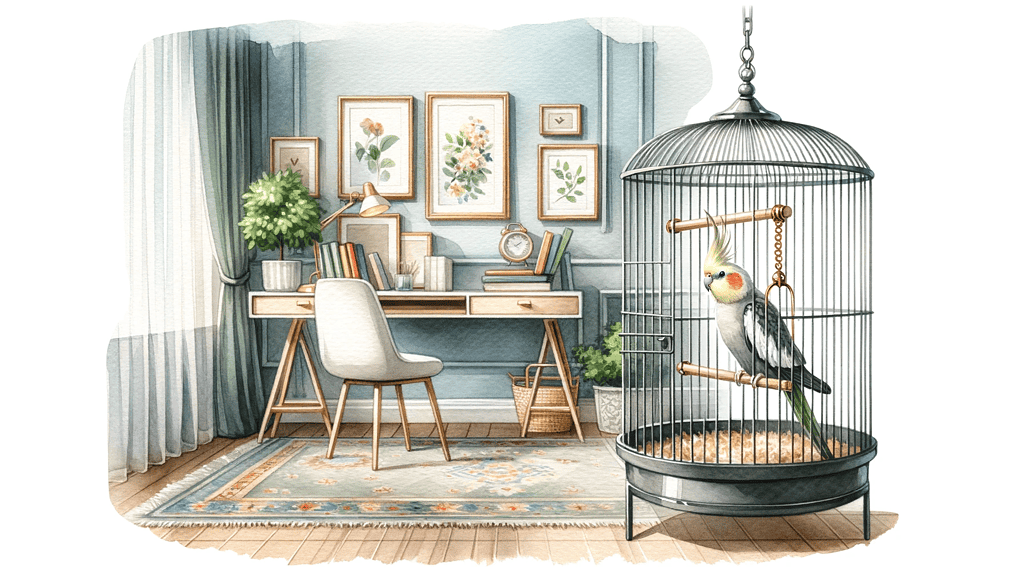
As a general rule, the ideal placement for a cockatiel cage is in a location that offers a balance of social interaction, safety, and visual stimulation e.g., a bedroom, living room, or a dedicated bird room. This ensures the bird feels secure, engaged, and remains in good health. 

Navigating the nuances of cage placement can be intricate, but fret not. Dive into this comprehensive guide, and let’s explore the best spots and considerations for your cockatiel’s haven.

Why Cage Placement Matters?

A well-placed cage provides a sense of security, allowing your cockatiel to relax and be its chirpy self. When a cage is positioned in a safe spot, it reduces the bird’s stress levels, leading to a happier and healthier life. 

Moving to a new environment can be overwhelming for a cockatiel. A thoughtfully placed cage can ease this transition, helping your pet acclimate faster. It’s like giving them the best room in the house, where they can observe, interact, and become a part of the family.

The Ideal Placement for a Cockatiel Cage

As we delve deeper into the specifics of cage placement, it’s essential to understand that every home and every bird is unique. However, some universal guidelines can help ensure your cockatiel feels right at home.

1. At Eye Level and Against a Wall

Placing the cage at eye level allows your cockatiel to interact with its surroundings without feeling threatened. It provides a vantage point from which they can observe the world, fostering curiosity and engagement.

  • The Importance of Having at Least One Side of the Cage Against a Wall: A wall offers a sense of security. It’s like having a protective barrier against potential threats. This positioning ensures that your bird won’t feel exposed from all sides, giving them a safe space to retreat to when they want some alone time.
  • Ideal Placement in a Corner with Two Walls for Added Security: A corner placement takes the security up a notch. With two walls flanking the cage, your cockatiel gets an added layer of protection, making it the perfect spot for those who are a tad more skittish or new to the household.

2. Avoiding Windows

  • Risks of Placing the Cage in Front of a Window: While it might seem like a good idea to give your bird a view, windows can pose several risks. The direct sunlight can cause overheating, and the fluctuating temperatures can be harmful. Moreover, seeing birds outside might stress your cockatiel, making them feel threatened.
  • Potential Dangers from Heat, Storms, and Drafts: Apart from the direct sunlight, windows can let in drafts, which are not ideal for your bird’s health. During storms, the loud noises and sights can be terrifying for your cockatiel, leading to undue stress.

3. Living Room or Family Room

  • Benefits of These Rooms: The living or family room is often the heart of the home, bustling with activity. Placing your cockatiel’s cage here allows them to be a part of the family’s daily life, fostering social interaction and reducing feelings of isolation.
  • Potential Drawbacks and How to Mitigate Them: While these rooms are great for interaction, they can sometimes get too noisy or chaotic, which might overwhelm your bird. It’s essential to ensure that there are quieter times during the day when your cockatiel can rest without disturbances. Also, be mindful of other pets, electronics, and activities that might stress or harm your bird.

4. Bedroom
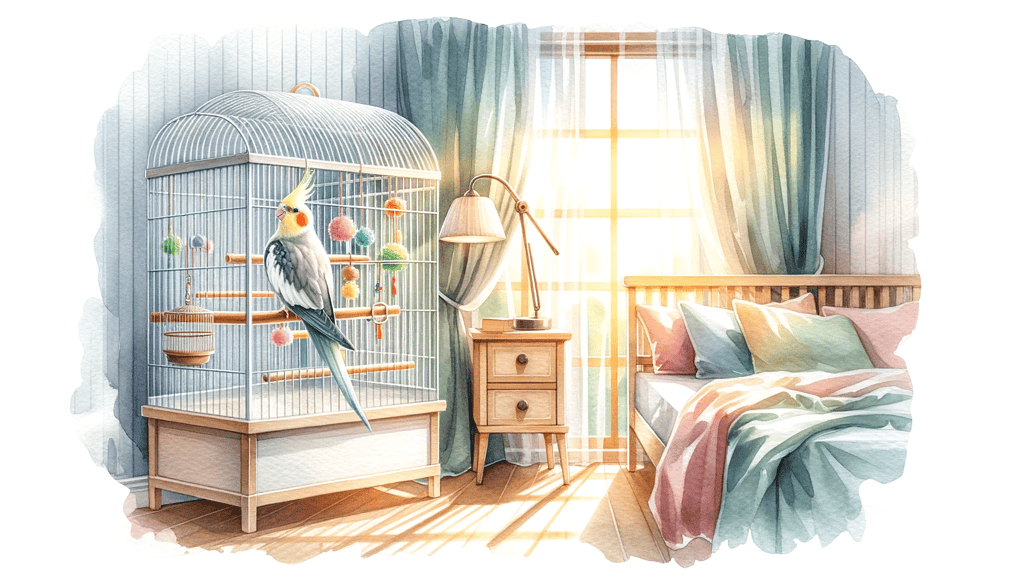
Considering the bedroom for your cockatiel’s cage? It’s a space that can offer a sense of tranquility and bonding.

  • When and Why It Might Be a Good Choice: Bedrooms can provide a serene environment, away from the daily commotion. If you’re aiming to nurture a close bond with your bird, this proximity can be invaluable.
  • Considerations for Noise and Sleep: Remember, cockatiels can be lively during the day, chirping and engaging in play. This might interfere with your daytime relaxation or work. Moreover, they need 10-12 hours of undisturbed sleep, so ensuring a peaceful, dark setting during their rest hours is crucial. If your sleep schedule is erratic, this might not be the ideal location.

5. Dedicated Bird Room

If you have the luxury of an extra room, creating a sanctuary solely for your cockatiel can be a delightful experience for both of you.

  • The Advantages of Having a Room Solely for Your Cockatiel: This space allows for a controlled environment tailored to your bird’s needs, offering ample room for exploration, play, and flight. It also simplifies cleanliness and hygiene management.
  • Precautions to Take: Safety first! Ensure the room is devoid of potential hazards like toxic plants, small ingestible objects, or open windows. Regularly inspect for mold or dampness, which can be detrimental to your bird’s health.

6. Steering Clear of Electrical Appliances

Our homes are brimming with gadgets, but they might not always be bird-friendly.

  • Why It’s a Bad Idea to Place the Cage on Top of Appliances Like Fridges: Vibrating appliances can unsettle cockatiels. Persistent vibrations can lead to stress and behavioral issues.
  • The Impact of Vibrations and Temperature Fluctuations on Birds: Birds are delicate beings. Regular temperature changes, especially near a fridge’s cooling system, can be harmful. The constant hum or buzz from devices can also be a continuous source of annoyance.

7. Elevated Placement: Why It Matters

Naturally inclined to be tree dwellers, birds feel most secure when elevated. Being closer to the ground makes them feel exposed, contradicting their instinct to perch high, away from potential threats.

Tips on Cage Height and Positioning:

The cage should ideally be at chest level. This allows your cockatiel to survey its environment without feeling endangered. It also promotes easy interaction, ensuring your bird feels more integrated into its surroundings and with you.

8. Sleep requirements

Cockatiels require 10-12 hours of undisturbed sleep each night. It’s essential to place their cage in a location where they won’t be disturbed by late-night activities or early morning routines. A quiet corner of a living room or a dedicated bird room can be ideal.

The Factors Determining Cage Placement

As we delve deeper into the intricacies of cage placement, let’s explore some pivotal factors that can influence your decision.

1. Safety Considerations

  • Avoiding Areas with Drafts: Drafts can be harmful to your bird, leading to potential health issues.
  • Keeping Away from Direct Sunlight: Prolonged exposure can result in overheating or even heatstroke.
  • Protecting from Household Dangers: Be wary of other pets, chemicals, or any other potential threats.

2. The Cockatiel’s Social Nature

  • Why It’s Essential for Them to Be Around Family Activities: Cockatiels thrive on social interaction. Being part of family activities ensures they don’t feel isolated.
  • Balancing Social Interaction and Quiet Time: While they love company, they also need their moments of peace.

3. Access to Natural Light

  • Importance of a Natural Light Cycle for Cockatiels: A consistent light cycle is vital for their overall well-being.
  • Best Times for Sunlight Exposure: While they hail from sunnier parts of the world, they do seek shade during peak sun hours. Ensure they have a mix of sunlight and shade.

Conclusion

Finding the perfect spot for my cockatiel’s cage was indeed a learning experience. Every bird, has its own unique preferences and needs. The well-being of our feathered friends is paramount, and ensuring they have a comfortable and safe environment is a responsibility we all share. I’ve seen firsthand the difference a well-placed cage can make in a bird’s demeanor and health.

Did you find this guide helpful? Your feedback is invaluable to me. If this article resonated with you, please consider sharing it with other bird enthusiasts. Let’s ensure every cockatiel has a home where they can thrive and spread their joy.

Frequently Asked Questions

How often should I change my cockatiel’s cage location?

It’s generally not advisable to frequently change your cockatiel’s cage location. Birds thrive on routine and consistency. However, if you notice signs of stress or discomfort, consider evaluating the cage’s position. 

Are there any materials or cage types best suited for specific rooms?

Stainless steel cages are durable and easy to clean, making them suitable for most rooms. However, in rooms with higher humidity, like bathrooms or kitchens, ensure the cage is rust-resistant. The cage’s bar spacing should also be appropriate for a cockatiel to prevent them from getting their head stuck.

How do I know if my cockatiel is unhappy with its cage location?

Signs of an unhappy cockatiel include excessive screaming, feather plucking, or a change in eating habits. 

Can I place multiple cockatiel cages together?

Yes, you can, but with caution. While cockatiels are social birds, they can also be territorial. Ensure each bird has its own space and monitor their interactions. If you notice any aggressive behavior, it might be best to separate the cages.

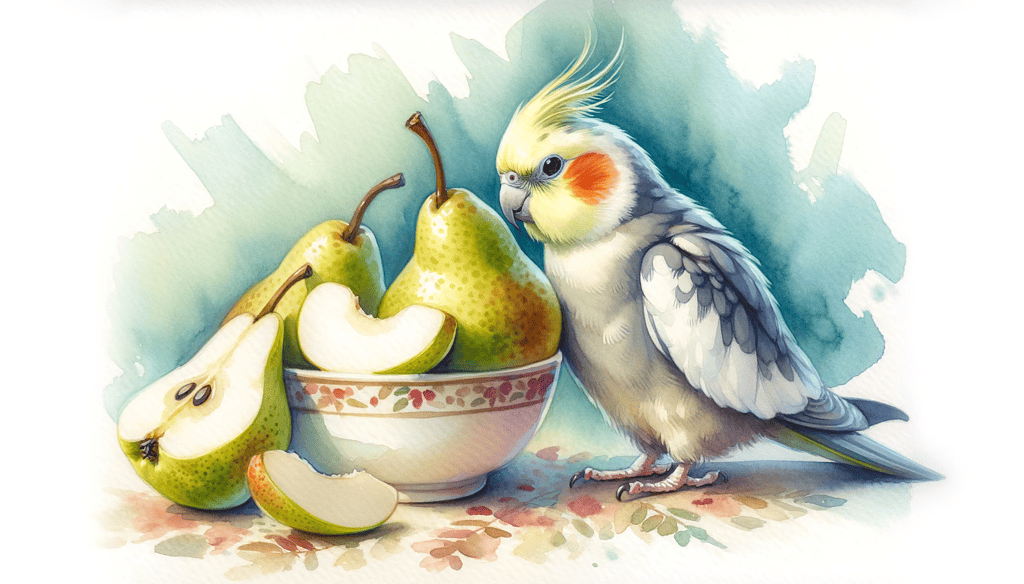
Can Cockatiels Eat Pears?

Cockatiels, with their friendly personalities and vibrant plumage, have become a favorite choice for many bird enthusiasts. But, as with any pet, understanding their dietary needs is crucial to ensure their well-being. So, the question arises: can these feathered companions indulge in the sweet delight of pears?

As a general rule, pears are indeed a safe and nutritious treat for cockatiels. They are packed with essential vitamins, minerals, and fiber, making them a beneficial addition to their diet. Whether served fresh, cooked, or pureed, pears can offer a delightful variation to your bird’s meal plan.

Dive in to discover more about the health benefits of pears for cockatiels, how often they should be fed this fruit, and some personal anecdotes that might just resonate with your own experiences.

Do Cockatiels Like Pears?

Yes, cockatiels do have a fondness for pears. Pears, with their soft texture and natural sweetness, can be a delightful treat for them. However, it’s essential to serve it in a way that’s both safe and enjoyable for the bird.

Cockatiels can enjoy pears in various forms. Fresh slices, with their juicy and crunchy texture, are often a hit. But if you want to get a bit creative, you can also offer them pear purees. I remember a time when I introduced a pear puree to a particularly fussy cockatiel, and to my surprise, it was an instant favorite! The bird couldn’t get enough of it. But remember, whether you’re serving it fresh or as a puree, always ensure the pear is free from seeds and cores, as these can pose a choking hazard.

Health Benefits for Cockatiels Eating Pears

Pears aren’t just tasty; they’re packed with nutrients that can benefit your cockatiel’s health. Let’s delve into some of the key benefits:

  • Vitamins and Minerals: Pears are a rich source of essential vitamins and minerals. They provide Vitamin C, potassium, and magnesium, all of which play a role in maintaining your cockatiel’s overall health.
  • Digestive Health: The fiber in pears aids digestion. If your cockatiel ever faces digestive issues, introducing pears to their diet can help regulate their system. I’ve advised many bird owners to include fiber-rich foods in their pet’s diet, and pears have always been on the top of that list.
  • Vibrant Feathers: While there’s no direct evidence, some believe that a balanced diet, including fruits like pears, can contribute to the vibrancy of a cockatiel’s feathers. Over the years, I’ve noticed that cockatiels with a varied diet tend to have brighter and healthier plumage.

Incorporating pears into your cockatiel’s diet can be a game-changer. Not only will you be offering them a treat they’ll love, but you’ll also be ensuring they get a dose of essential nutrients. Just remember, moderation is key. Like all treats, pears should be given in balance with other dietary staples to ensure your cockatiel remains in peak health.

How Much Pears Should Cockatiels Eat?

Determining the right amount of pears for your cockatiel is essential. While pears are nutritious and beneficial, like all treats, they should be given in moderation to ensure a balanced diet.

Ideal Portion Size for Cockatiels:

  • Baby Cockatiels: A small sliver, once or twice a week.
  • Juvenile Cockatiels: One to two thin slices,  twice a week.
  • Adult Cockatiels: Two to three slices, twice a week.
  • Large Cockatiels: Up to half a small pear, twice a week.

Table showcasing a weekly feeding schedule, highlighting when to give pears.

Day of the WeekBaby CockatielsJuvenile CockatielsAdult CockatielsLarge Cockatiels
Monday
Tuesday1 sliver1 slice1 slice2 slices
Wednesday
Thursday
Friday1 slice2 slices
Saturday1 sliver1 slice
Sunday

How to Serve Pears to Cockatiels?

Serving pears to your cockatiel requires a bit of preparation to ensure their safety and enjoyment.

  • Wash the Pear: Always start by thoroughly washing the pear to remove any pesticides or contaminants.
  • Remove the Core and Seeds: This step is crucial as seeds can be a choking hazard for cockatiels.
  • Cut into Small Pieces: Slice the pear into manageable pieces that your cockatiel can easily consume.
  • Choose the Serving Method: You can serve the pear fresh, or if you prefer, you can cook it. If you’re introducing pears for the first time, you might want to start with fresh slices.

Cooking Methods

The key is to observe your cockatiel and see which method they prefer. Some might love the natural sweetness of fresh pears, while others might enjoy the softness of a boiled or steamed pear. Whatever method you choose, always ensure the pear is at room temperature before serving it to your feathered friend.

Table comparing the three cooking methods, listing out the pros and cons for each.

Cooking MethodProsCons
BakingRetains most nutrients, easy to serveTakes longer, uses more energy
BoilingQuick, softens the pearMay lose some nutrients
SteamingRetains most nutrients, quickRequires special equipment

Conclusion

Pears can indeed be a delightful and nutritious treat for your cockatiel, offering a variety of health benefits and a burst of flavor to their diet. From aiding digestion with their fiber content to enhancing feather vibrancy, pears are a fantastic choice. However, it’s crucial to serve them in moderation and ensure they are prepared safely, removing any seeds and cores. 

I hope this article has provided you with valuable insights and practical tips on introducing pears to your feathered friend’s diet. Did you find this information helpful? I’d love to hear your thoughts in the comments below. And if you enjoyed reading, don’t hesitate to share this article with fellow bird enthusiasts!

Frequently Asked Questions

Can cockatiels eat pear seeds? 

No, cockatiels should not eat pear seeds. It’s essential to remove the core and seeds before serving pears to your cockatiel as they can pose a choking hazard.

How often should I give my cockatiel pears? 

While pears are a healthy treat for cockatiels, moderation is key. It’s best to offer pears as an occasional treat rather than a daily staple. Always ensure that the majority of their diet consists of specialized cockatiel pellets and other recommended foods.

Are there any other fruits that cockatiels can enjoy? 

Absolutely! Cockatiels enjoy a variety of fresh fruits. Some favorites include apples, bananas, and oranges. However, always introduce new fruits slowly and in moderation. Remember to avoid potentially toxic foods like avocado and ensure fruits are free from seeds and pits.

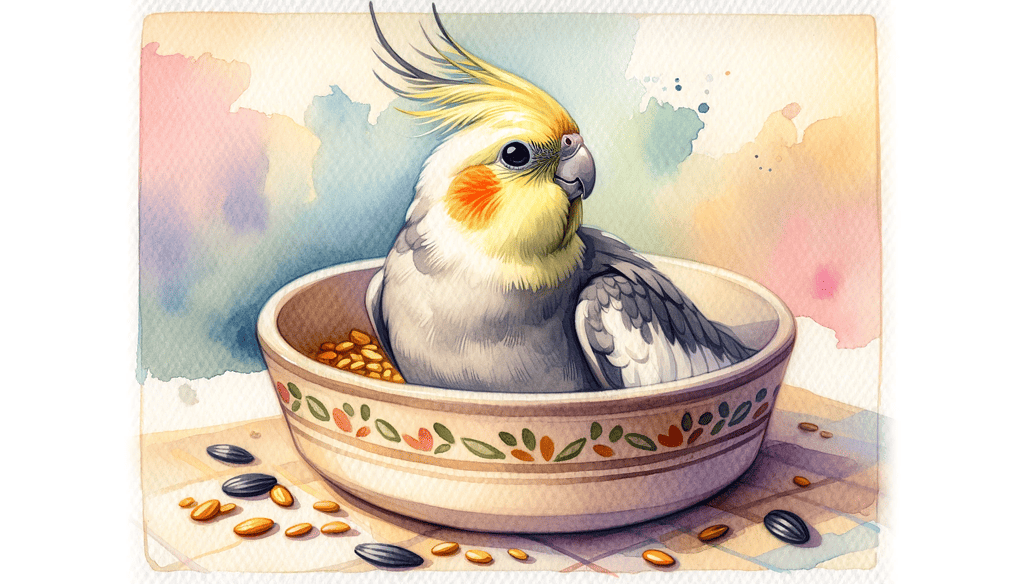
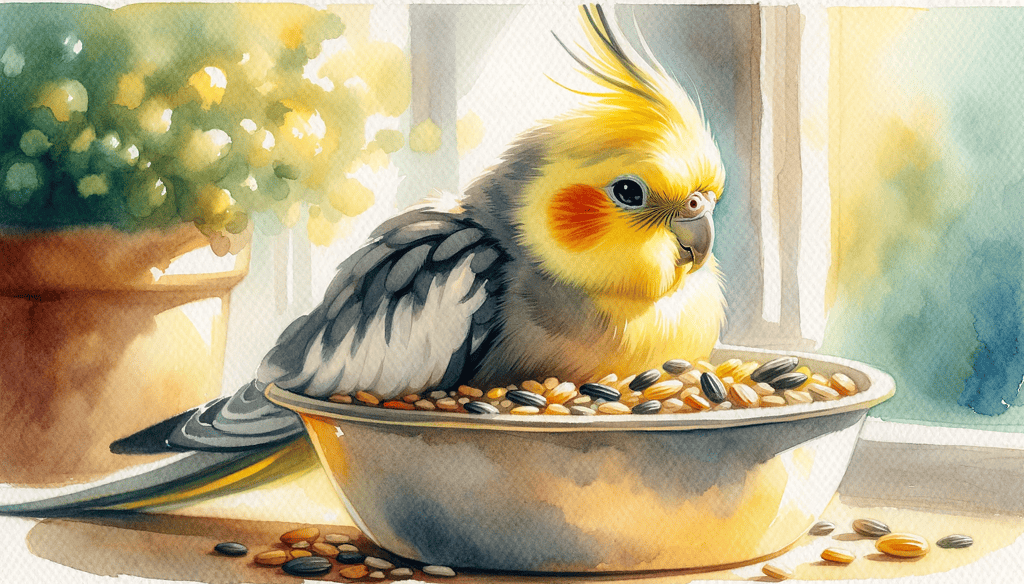
Why Do Cockatiels Sit in Their Food Bowl?

Cockatiels, with their vibrant personalities and endearing quirks, never cease to amaze bird enthusiasts. But have you ever wondered why these feathery companions often choose to sit in their food bowls?

As a general rule, cockatiels sit in their food bowls for various reasons, ranging from seeking warmth and comfort to territorial behaviors, protecting their food, and nesting instincts. Understanding these behaviors is crucial for ensuring their well-being.

Dive deeper with me as we explore the fascinating world of cockatiels, decode their behaviors, and learn how to ensure their happiness and comfort.

8 Reasons Why Cockatiels Sit in Their Food Bowl

Before we delve into the specifics, let’s set the stage. Imagine you’re a cockatiel, perched high in your cage, surveying your kingdom. Now, why would you choose to sit in your food bowl? Here are some insights:

1. Comfort and Warmth

Cockatiels, like many other birds, seek comfort and warmth. The food bowl, especially if it’s positioned in a cozy corner of the cage, offers a sense of security. The smooth and warm surface of the bowl feels pleasant to their feet, making it an inviting spot to relax. On cooler days, the bowl can provide a warm refuge, making it an ideal spot for your bird to snuggle in.

2. Protecting Their Food

Birds can be territorial, and cockatiels are no exception. By sitting in their food bowl, they might be signaling to other birds or pets that this is their territory and their food. It’s a way of saying, “This is mine, and I’m watching over it.” This behavior ensures that their food remains uncontaminated and safe from potential thieves.

3. Nesting Behavior

For female cockatiels, the food bowl might remind them of a potential nesting spot. In the wild, these birds seek out cozy, enclosed spaces to lay their eggs. The bowl’s shape and size might mimic these natural nesting grounds, triggering an instinctual response. This behavior draws a fascinating parallel between their domesticated lives and their wild instincts.

4. Curiosity and Playfulness

Cockatiels are naturally curious birds. Their playful nature might lead them to explore every nook and cranny of their environment, including their food bowl. It’s not uncommon to see them playing around, tossing food, or simply enjoying the texture of their food beneath their feet.

5. Seeking Attention

Cockatiels can be quite the drama queens. Sitting in their food bowl might be their way of seeking your attention. Whether it’s for more food, playtime, or just some good old-fashioned petting, this act can be a clear sign that they want you to notice them.

6. Discomfort or Illness

I can’t stress enough the importance of observing your bird’s behavior. Sometimes, what seems like a quirky habit can be a sign of discomfort or even illness. If your cockatiel frequently sits in its food bowl and appears lethargic or shows other signs of distress, it might be seeking solace due to some discomfort. It’s crucial to differentiate between a bird merely enjoying its bowl and one that might be unwell. Regular check-ups and keen observation can ensure your feathered friend stays in top shape.

7. Boredom

An under-stimulated cockatiel can resort to various behaviors to pass the time, and sitting in the food bowl might be one of them. If your bird has limited toys or activities in its cage, it might turn to its food bowl for entertainment. Simple indicators like a lack of interest in toys, excessive sleeping during the day, or even feather plucking can suggest that your bird might be bored. It’s essential to provide them with ample stimulation to keep their minds and bodies active.

8. Habit or Routine

Birds, like humans, are creatures of habit. What starts as a one-time event can quickly become a daily ritual. If your cockatiel has made it a routine to sit in its food bowl at specific times of the day, it might be adhering to a self-set schedule. This behavior showcases the fascinating psychology behind routines in birds. They find comfort in repetition, and these routines offer them a sense of security in their environment.

Why Do Cockatiels Kick Their Food Out?

Cockatiels might kick their food out for various reasons. It can be a playful act, a territorial display, or simply their way of sifting through to pick their favorite seeds. Sometimes, they might be trying to keep their food fresh and free from contaminants. It’s essential to observe their behavior and ensure they have a balanced diet to prevent selective eating.

How To Stop Your Cockatiel From Sitting In Their Food?

While it’s endearing to see our cockatiels lounging in their food bowls, it can sometimes lead to concerns about hygiene and their overall well-being. As someone who has spent years observing and caring for these delightful birds, I can assure you that there are proactive measures you can take to prevent this behavior, all while ensuring your bird’s happiness.

To prevent your cockatiel from sitting in its food, consider the following steps:

  • Offer the Right Bowl Size: Ensure the food bowl is appropriately sized so that your cockatiel can comfortably perch on the edge without feeling the need to sit inside.
  • Placement of the Bowl: Position the food bowl higher up in the cage, preferably in a corner. This strategic placement can deter your bird from sitting in it.
  • Introduce Toys and Activities: Engage your cockatiel with various toys and activities to divert its attention from the food bowl.
  • Monitor and Adjust Diet: Sometimes, cockatiels might dig or sit in their food due to dietary issues. Ensure they have a balanced diet and consult with a vet if needed.
  • Regular Interaction: Spend quality time with your cockatiel. Sometimes, they might sit in their food bowl to get your attention.

Conclusion

Navigating the whimsical world of cockatiels has been a journey of joy, surprises, and invaluable learning for me. These feathery companions, with their vibrant personalities and quirky behaviors, teach us the importance of patience, understanding, and mutual respect. Understanding their habits, like sitting in food bowls or digging through their food, helps us ensure their well-being and happiness.

If you’ve found this piece enlightening, don’t hesitate to spread the word among fellow bird enthusiasts. Together, we can create a community that cherishes and understands our feathery friends even better.

Frequently Asked Questions

Why is my cockatiel digging in its food?

Digging or sifting through food can be a sign of selective eating, where they pick out their favorite seeds or pellets. 

Why does my cockatiel sleep in its food bowl?

Cockatiels often find comfort and warmth in their food bowls. However, if this behavior is frequent, it might indicate that they’re feeling unwell or that their environment lacks the warmth they need. 

Is my cockatiel overeating?

Cockatiels, like us, can sometimes indulge a bit too much. Monitor their food intake and ensure they’re getting enough exercise. If you notice significant weight gain, it might be time to adjust their diet and consult with a vet.

How often should I feed my cockatiel?

Ideally, cockatiels should have access to their primary diet throughout the day. Fresh foods, like fruits and veggies, can be offered in the morning or evening. Always ensure they have fresh water available.

Can Cockatiels Eat Pineapple?

Cockatiels, with their vibrant personalities and adorable antics, have captured the hearts of many bird enthusiasts. These delightful birds have a varied diet, often leaving their owners pondering about the safety of certain foods. One such common query is, can cockatiels safely indulge in the tangy delight of pineapples? 

As a general rule, cockatiels can indeed eat pineapples. Not only is the ripened pineapple a favorite among many pet cockatiels, but they also enjoy other components of this fruit, such as the skin, leaves, and core. However, like all things, moderation is key. 

If you’re curious about the nutritional benefits, potential risks, and the right way to serve pineapples to your feathered friend, stick around. I’ve got a wealth of information to share that will ensure your cockatiel enjoys this tropical treat safely.

Is Pineapple Safe For Cockatiels?

Absolutely! Cockatiels can enjoy the sweet and tangy taste of pineapples as they are safe for them. Pineapples, in their natural form, do not contain any harmful substances that might pose a threat to these birds. In fact, the flesh of the pineapple, along with its peripheral components like the skin and leaves, are also safe for cockatiels to consume.

Moreover, pineapples are a powerhouse of nutrients. They are rich in essential vitamins such as vitamin C and D. Additionally, they contain vital minerals like Iron, Calcium, Sodium, and Potassium. The dietary fiber present in pineapples aids in digestion, and the natural sugars in the fruit are a treat that most birds, including cockatiels, find hard to resist.

So, while pineapples are non-toxic and beneficial, it’s essential to ensure that they are fed in moderation. Overfeeding any fruit, including pineapples, can lead to dietary imbalances.

Do Cockatiels Like Pineapples?

From my experience, most cockatiels have a penchant for the juicy and sweet flesh of pineapples. The tenderness and flavor of the fruit make it a favorite among these birds. Another interesting observation is that birds, in general, are drawn to colorful fruits and vegetables. The vibrant yellow hue of ripe pineapples acts as a visual treat, making it even more appealing to cockatiels.

However, it’s essential to remember that just like humans, birds too have individual preferences. While many cockatiels might relish pineapples, some might not show the same enthusiasm. It’s always a good idea to introduce any new food item, including pineapples, gradually and observe your bird’s reaction.

Benefits Of Feeding Pineapple To Cockatiel

Pineapples are not just a delightful treat for us humans; they offer a plethora of benefits for our feathered friends as well. Let’s delve into the advantages of feeding pineapples to cockatiels:

1. High Dosage Of Vitamins

  • Vitamin C: Essential for a robust immune system and overall health.
  • Vitamin B6: Aids in metabolism and supports brain health.
  • Vitamin D: Crucial for bone health and calcium absorption.

2. Variety Of Minerals

  • Sodium: Helps in nerve function and fluid balance.
  • Potassium: Vital for heart health and muscle function.
  • Calcium: Essential for strong bones and beak.
  • Magnesium: Supports muscle and nerve function.

3. Sufficient Amount Of Calories

Provides about 50 calories per 100g, ensuring your cockatiel has the energy to stay active and playful throughout the day.

4. Healthy Fibers

Contains 1.4g of dietary fiber per 100g, promoting a healthy digestive system and aiding in regular bowel movements.

Risks Of Feeding Pineapple To Cockatiel

While pineapples are generally safe and beneficial, like everything, they should be given in moderation. Here are some potential risks associated with overfeeding pineapples:

1. Slight Risk Of Citric Acid

  • Pineapples contain between 0.6-1.2% acid, predominantly citric acid. Overconsumption can lead to issues like acidity, vomiting, and high blood pressure in cockatiels.
  • Regular overfeeding might cause nausea and other digestive problems.

2. Bad Habits due to high sugar content

  • Pineapples are naturally sweet, which can make them addictive to birds.
  • Over-reliance on pineapples can deter cockatiels from consuming other essential foods, leading to dietary imbalances.

How Much Pineapple Should Cockatiels Eat?

When it comes to feeding pineapples to cockatiels, moderation is key. Pineapples are nutrient-rich, offering a plethora of vitamins and minerals that can benefit your feathery friend. However, just like any treat, it’s essential to ensure it doesn’t dominate their diet.
From my experience, offering about 100g to 150g of pineapple to your cockatiel daily is a safe amount. To put it in perspective, you can peel a pineapple and give about 1/3 of it to your bird each day. But remember, fruits, including pineapples, should constitute only about 30% of a cockatiel’s daily diet.

How Do You Prepare Pineapples for Cockatiels?

Preparing pineapples for your cockatiel is a straightforward process. Here’s a step-by-step guide to ensure you’re serving it right:

  • Select a Fresh Pineapple: Always choose a ripe and fresh pineapple. It should have a vibrant yellowish color, which indicates it’s ripe and sweet.
  • Wash the Pineapple: Before cutting, ensure you wash the pineapple thoroughly to remove any pesticides or contaminants.
  • Peel the Pineapple: Using a sharp knife, peel off the outer skin of the pineapple.
  • Cut into Small Pieces: Slice the pineapple into small, manageable pieces that your cockatiel can easily consume.
  • Include the Core: While many of us might discard the core when eating pineapples, cockatiels love it! So, ensure you blend in the core when serving.
  • Serve in Moderation: Remember, while cockatiels love the sweet and juicy taste of pineapples, it should be given in moderation.

Can You Feed Pineapples To Baby Cockatiels?

Yes, baby cockatiels can enjoy the delightful taste of pineapples. However, there are some guidelines to keep in mind:

  • Smaller Portions: Baby cockatiels should be given smaller portions compared to adults. About 1/6 of a whole pineapple is sufficient for a day.
  • Frequency: It’s advisable to feed pineapples to baby cockatiels 2 to 3 times a week, not daily.

Differences between Feeding Adults and Babies:

  • Adults can consume larger portions.
  • Babies need softer and smaller pieces to ensure they don’t choke.
  • While adults can have pineapples more frequently, it’s essential to limit the frequency for babies to maintain a balanced diet.

Conclusion

Pineapples can be a delightful treat for your feathered friend, offering a range of vitamins and minerals. However, as with all things, moderation is crucial. Overfeeding can lead to health issues, so it’s essential to monitor the amount of pineapple your cockatiel consumes. And if your bird isn’t a fan of this tropical fruit, that’s okay too. Every bird is unique, and their dietary preferences can vary. As always, ensure your cockatiel has a varied diet to meet all its nutritional needs. 

And if you found this article helpful, we’d love to hear your thoughts in the comments below. Don’t forget to share it with other bird enthusiasts!

Frequently Asked Questions

What To Do If I Overfeed My Cockatiel Pineapples?

If you realize you’ve given your cockatiel too much pineapple, don’t panic. The first thing you should do is ensure your bird has access to plenty of fresh water. Drinking water can help reduce the chances of acidity in the bird’s system. 

My Cockatiel Doesn’t Like To Eat Pineapples. Is It Normal?

Absolutely. Just like humans, birds have their own individual taste preferences. If your cockatiel doesn’t seem interested in pineapples, it’s perfectly normal. The most important thing is to ensure your bird maintains a balanced and nutritious diet.

Unraveling the Jealous Streak in Cockatiels

Cockatiels, with their playful demeanor and expressive crests, easily flutter their way into our hearts. However, beneath those charming tufts and chirpy tunes, lies a spectrum of emotions that can sometimes veer towards the green-eyed monster – jealousy. The emotional depth of these feathered companions is as captivating as their melodies, but when jealousy takes flight, it can ripple through their behavior and the harmony of your household. 

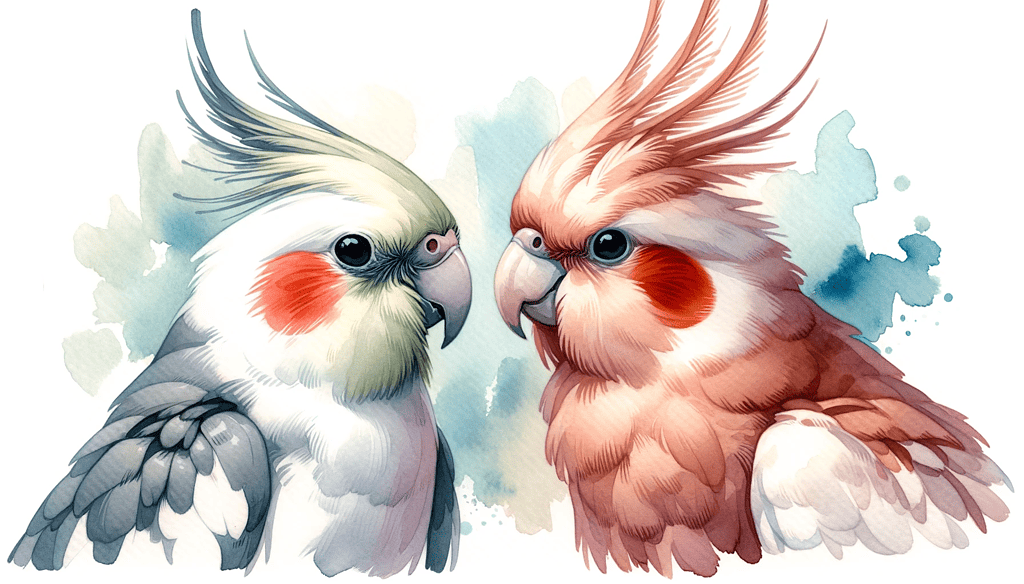
As a general rule, cockatiels are known to exhibit signs of jealousy when they feel threatened by new members in their environment or sense a shift in attention. This can manifest in various behaviors such as aggression, excessive vocalization, or even self-mutilation.

Ready to unravel the jealous streak of your feathery friend? Glide through the article to unveil the heart-fluttering intricacies of cockatiel emotions.

When Do Cockatiels Get Jealous?

Cockatiels can feel the pangs of jealousy, especially when they see their beloved human paying attention to others. This intricate emotion gets a tad more pronounced with the introduction of new pets or individuals into their known environment. Let’s delve into what triggers this green-eyed monster in cockatiels:

  • Introduction of New Members: Be it a new pet or a human, cockatiels can exhibit jealousy towards the new entrants vying for your attention.
  • Alteration in Environment: Changes like rearrangement of furniture can distress your cockatiel, igniting jealousy.
  • Insecurity: Past neglect or abrupt changes might lead to insecurity, fueling jealousy.
  • Monogamy: Some cockatiels form a monogamous bond with one person or pet, making them jealous of others intruding on this bond.
  • Threat to Position: Any perceived threat to their position can trigger jealousy in cockatiels.

5 Signs of Jealousy in Cockatiels

Observing our birds, we can notice distinct behavioral changes indicating jealousy. Here’s a comparative glance at how cockatiels exhibit jealousy vis-a-vis other pet birds:

1. Excessive Screaming

The vocal expression of jealousy in cockatiels is something you can hardly overlook, especially when new faces are introduced into their environment. Their screams are attempts to voice their discontent over the newfound competition for your attention.

2. Aggressive Responses

The introduction of new birds or pets can elicit aggressive responses from cockatiels. Their beaks might become their weapons to ward off the intruders encroaching on their cherished bond with you.

3. Isolation

At times, the jealousy in cockatiels may manifest subtly. Instead of open aggression, they may choose to isolate themselves, portraying a facade of indifference, though their actions scream otherwise.

4. Unease and Discomfort

Unease and discomfort are tell-tale signs of a jealous cockatiel. From pacing incessantly to interacting anxiously with their toys, their actions are cries for your undivided attention.

5. Self-Mutilation

Inward aggression is a heart-wrenching sign of jealousy in cockatiels. Over-grooming, feather plucking, and skin pecking are cries for help, showcasing the emotional turmoil bubbling within them.

The Impact of Jealousy on a Cockatiel’s Health and Well-being

The ripples of jealousy extend beyond just behavioral changes in cockatiels. It’s a storm that brews within, having both physical and emotional repercussions. This emotional turbulence isn’t just a fleeting phase; if not addressed timely, it could cast long shadows over their lifespan and quality of life. Here’s a glimpse into the potential health issues steaming from prolonged stress in cockatiels:

  • Feather Plucking: A distressed cockatiel might resort to feather plucking, an alarming sign of emotional unrest.
  • Self-Mutilation: In severe cases, the stress might drive them towards self-mutilation, a desperate cry for help.
  • Digestive Issues: The emotional turmoil could translate into digestive issues, robbing them of their appetite or causing diarrhea.
  • Respiratory Problems: Stress could leave its mark on their respiratory system, leading to issues like rapid breathing.
  • Immune System Suppression: The constant stress weakens the immune system, opening the gates for various infections and diseases.

How to Manage Jealousy in Cockatiels

Transitioning from understanding the roots and signs of jealousy, we now venture into the realm of managing this emotion in cockatiels, ensuring a serene and loving environment for them.

Equal Care

Undivided attention is what a cockatiel craves, especially when there are new members in the household. It’s essential to distribute your attention equally, making sure your cockatiel doesn’t feel left out or less favored.

Reward Good Acts

Positive reinforcement is a game-changer. When your cockatiel behaves well, especially around new pets or people, a little praise or a treat can go a long way in promoting good behavior and curbing jealousy.

Keep Them Busy

An idle mind is a jealous one. By offering a variety of toys and engaging activities, you can keep your cockatiel’s mind off negative emotions, channeling their energy into playful exploration.

Understand Limits

Every cockatiel has its own comfort zone. Respecting their limits while gradually introducing new elements can be the key to managing jealousy. Here’s a structured approach to introducing a new pet or person to your cockatiel’s environment, minimizing jealousy stir-ups:

Gradual Introduction: Initiate with short, supervised interactions, slowly extending the time as comfort levels rise.

  1. Maintain Routine: Ensure the routine your cockatiel is accustomed to remains unchanged to prevent additional stress.
  2. Separate Spaces: Initially, maintain separate spaces for your cockatiel and the new member, slowly introducing shared spaces as they get accustomed to each other.
  3. Positive Associations: Reward your cockatiel during interactions with the new member, fostering positive associations.

Conclusion

The emotional palette of cockatiels is as vibrant as their feathers, with jealousy being one hue that needs a gentle touch to manage. Understanding and managing their emotions is the cornerstone for a harmonious bond that stands the test of time and challenges. You’re now equipped with the knowledge to ensure your cockatiel feels secure and loved, no matter the changes in their environment. 

Dive into the comments and share your experiences or thoughts on this intriguing aspect of cockatiel behavior.

Frequently Asked Questions

How can I tell if my cockatiel is jealous?

Detecting jealousy in cockatiels hinges on keen observation. Behavioral shifts, especially when you interact with other pets or individuals, are tell-tale signs. They might become more vocal, exhibit aggressive behavior or even resort to self-harm like feather plucking to grab your attention.

How can I prevent or manage jealousy in my cockatiel?

Prevention and management of jealousy pivot on a blend of balanced attention, positive reinforcement, and enrichment. Offering equal care, rewarding good behavior, and providing engaging toys or activities can keep jealousy at bay. 

Can jealousy lead to behavioral issues in cockatiels?

Absolutely. Jealousy can be the root of several behavioral issues in cockatiels such as aggression, feather plucking, or excessive vocalizations. When a cockatiel feels threatened or left out, these behaviors are their way of expressing discontent.

Can jealousy cause stress in cockatiels?

There’s a strong link between jealousy and stress in cockatiels. The emotional tumult caused by jealousy can manifest as stress, which, if left unaddressed, can take a toll on their overall well-being. 

How Do You Know If Your Cockatiel Is Hungry?

Cockatiels, with their vibrant personalities and charming antics, have found their way into many homes, captivating hearts across the globe. But how do you discern when these feathered companions are truly hungry? Curious, aren’t you?

As a general rule, cockatiels display distinctive behaviors when hungry, such as increased alertness, more frequent chirping, and approaching their feeding dishes with anticipation. Recognizing these signs and understanding their feeding patterns is essential to ensuring their overall well-being.

Dive deeper into this guide to uncover the intricacies of your cockatiel’s dietary needs, feeding patterns, and the steps to ensure their optimal health. Your feathery friend deserves the best care, and with the insights provided, you’ll be well-equipped to offer just that.

How Long Can Cockatiels Go Without Food?

An average cockatiel can survive without food for about 48 hours. However, this isn’t an invitation for negligence. Prolonged food deprivation can lead to malnourishment, weakened immune response, and in extreme cases, organ failure. It’s like us skipping meals consecutively; while we might push through, the toll on our health can be irreversible.

An interesting fact I’ve observed is that water is even more crucial than food in these situations. Cockatiels can survive longer durations without food than they can without water. Dehydration can set in swiftly, causing a slew of health issues ranging from kidney problems to compromised neurological functions. 

Why Is My Cockatiel Always Hungry?

The perpetual appetite of the cockatiel! It’s not uncommon for these little birds to appear ravenous quite often. However, there could be several reasons behind this:

  • Growth Phase: Young cockatiels, being in their growth phase, often require more sustenance, leading to increased hunger.
  • Activity Level: Just like how a day filled with exercise makes us hungrier, an active cockatiel will naturally feel more hungry.
  • Metabolic Factors: Every bird is unique, and some simply have a faster metabolism.
  • Seeking Attention: Sometimes, it’s not about the food at all. Cockatiels might pretend to be hungry to capture your attention.

Recognizing the Signs of Hunger in Baby Cockatiels

Recognizing cockatiels hunger signs is paramount, not just for their health but to further the bond you share with them. Let’s delve into the nuanced ways these young ones communicate their needs.

1. Making Loud Noises

You might be familiar with the adage, ‘actions speak louder than words’. Well, in the case of baby cockatiels, it’s their vocalizations that often speak volumes. When they’re hungry, they’re not shy about vocalizing their needs. Differentiating their hunger cries from their usual chirps can be a bit challenging at first. Hunger-driven squawks are persistent and have a desperate edge to them, almost as if they’re saying, “Hey, I need food, and I need it now!” 

On the other hand, crying, especially in younger birds, tends to be softer and more rhythmic, signaling discomfort more than hunger. Screeching noises, which are louder and more intense, usually indicate stress or fear. Remember, as you spend more time with your bird, you’ll become adept at picking up on these subtleties.

2. Opening Their Mouths

In the world of baby cockatiels, a wide-open mouth is a similar, endearing plea—but for food. This instinctual behavior signifies that they’re ready to be fed. It’s an immediate sign that as a caregiver, you need to step in and ensure they receive the nutrition they crave. Failing to recognize this sign can lead to delayed feeding, affecting their growth and overall well-being.

3. Visiting the Feed Bowl

There’s a particular eagerness with which a hungry baby cockatiel approaches its feed bowl. Much like us checking the refrigerator multiple times, hoping for a snack to magically appear, these young birds will repeatedly visit their feed bowls when their tummies grumble. This behavior underscores the importance of consistently ensuring that their feed bowl remains replenished. It’s not just about filling their bellies; it’s about ensuring they receive a balanced diet to support their rapid growth.

4. Nibbling on Things

Curiosity and hunger often drive baby cockatiels to nibble on various objects, especially when they can’t find food. This behavior, while seemingly innocent, can be potentially hazardous. They might end up ingesting harmful substances or objects. Whenever you see them nibbling incessantly, it’s a nudge for you to check their food situation. It’s also a reminder to ensure their environment remains safe and free from any harmful items.

5. Guarding the Food Bowl

It’s not uncommon for baby cockatiels, especially when sharing a cage with siblings, to guard their food bowl. This behavior, while natural, highlights the importance of monitoring their interactions. Every bird in the cage should have equitable access to food. It ensures that each one gets its fill and grows at a healthy pace. Sometimes, setting up multiple feeding stations can help mitigate these squabbles.

6. Aggressive Movements

I’ve observed a hungry baby cockatiel displaying aggression by pushing its siblings or even older birds around. It’s their way of establishing dominance and ensuring they get to the food first. Such behaviors, while instinctual, need to be monitored. If unchecked, they can lead to injuries or undue stress among the birds. Sometimes, it’s best to separate an overly aggressive bird during feeding times, ensuring peace and that all birds get their fair share.

Tips for Ensuring Your Cockatiel is Well-fed and Happy

From the early morning chirps to their playful antics, the joys of having a cockatiel are endless. Yet, one of the primary responsibilities that come with this delightful journey is ensuring they are well-fed and content. Proper feeding is more than just a chore; it’s an art, a science, and a bonding opportunity.

1. Creating a Routine

Routine is to birds what structure is to us. They thrive on it. By ensuring a consistent feeding schedule, you not only cater to their physiological needs but also provide a comforting predictability. Here’s what you should bear in mind:

  • Consistency in feeding times: Much like how we have our breakfast, lunch, and dinner timings, setting specific feeding times for your cockatiel helps them anticipate and reduces anxiety. Over the years, I’ve noticed birds getting accustomed to their feeding times, often chirping or showing excitement as the time approaches.
  • Monitoring food consumption: Observing how much your cockatiel consumes daily is pivotal. This not only helps in determining their appetite but also in adjusting the food quantities. If you notice uneaten food consistently, it might be time to reconsider the portions.

2. Feeding Frequency

Different life stages come with varied nutritional demands. Your cockatiel’s feeding requirements will fluctuate based on its age, activity level, and overall health.

  • Juveniles vs. adults: Juvenile cockatiels, still in their growth phase, generally require more frequent feedings compared to their adult counterparts. While adults might do well with feedings twice a day, younger ones may require multiple feeding sessions.
  • Adjusting feeding schedules: Factors like molt periods, increased activity due to training or play, or recovery from an illness might necessitate tweaks in the feeding frequency. Always be attuned to their needs, and when in doubt, a quick consultation with an avian veterinarian can provide clarity.

3. Tools and Accessories for Feeding

Setting up the right environment for feeding goes a long way in ensuring your cockatiel’s well-being.

  • Ideal food dishes: Opt for dishes that are shallow yet wide, allowing your cockatiel easy access. Placement is crucial too. Position the dish at a height that’s comfortable for your bird, preferably away from perches where droppings can contaminate the food.
  • Using weighing scales: One of the surest ways to monitor your cockatiel’s health is by tracking its weight. A slight deviation can be an early indicator of health issues or dietary inadequacies. Invest in a small digital scale, ensuring you weigh them at the same time daily for consistency.

4. Engaging with Your Cockatiel During Feeding

Feeding times aren’t just about nutrition; they’re golden opportunities for bonding and training.

  • Bonding opportunities: By hand-feeding or spending time with your cockatiel during its meal times, you fortify the trust between you. Over time, this not only strengthens your bond but can make training sessions more effective.
  • Training and positive reinforcement: Treats are invaluable tools for training. Whether you’re trying to teach them a new trick or reinforcing good behavior, offering a small treat as a reward can be a game-changer. Remember, moderation is key.

Conclusion

Understanding the hunger signs and feeding patterns of your cockatiel is paramount to their well-being. Your role as their caretaker is pivotal in ensuring they remain hale and hearty. As you embark on this delightful journey of cockatiel care, remember that every chirp, every flutter, and every feed is an opportunity to deepen your bond with them. 

Should you have found this guide insightful, I invite you to share your thoughts and experiences below, and if it’s been of help, do share it with fellow bird enthusiasts. Every cockatiel deserves a well-informed and loving home.

Frequently Asked Questions

How often should I feed my cockatiel?

Cockatiels generally benefit from a structured feeding routine, typically twice a day.

How long can a cockatiel go without food?

Cockatiels should not be left without food for more than 24 hours.

Can a cockatiel overeat?

Surprisingly, yes. While cockatiels have a good sense of how much they need to eat, they can sometimes overindulge, especially when offered seeds or fatty treats.

How can you tell if a cockatiel is starving?

Starvation is severe and can have detrimental effects. Signs that your cockatiel might be starving include a sunken and dull appearance, increased irritability, lethargy, and visible weight loss. Their keel bone, the central bone on their chest, might become more prominent, and they may show reduced interest in their surroundings.