Recent Posts

How Often Do Finches Molt?

Molting is a biological and periodic phase that regularly occurs in all bird species, including finches. In the process of molting, birds slowly shed their old and broken plumage and substitute them with a new set of feathers without looking bald.

All birds, domesticated or wild, molt without exception; however, the timing, length, and rate of molt vary according to the species and age of the avian companion.

So, in that context How Often Do Finches Molt?
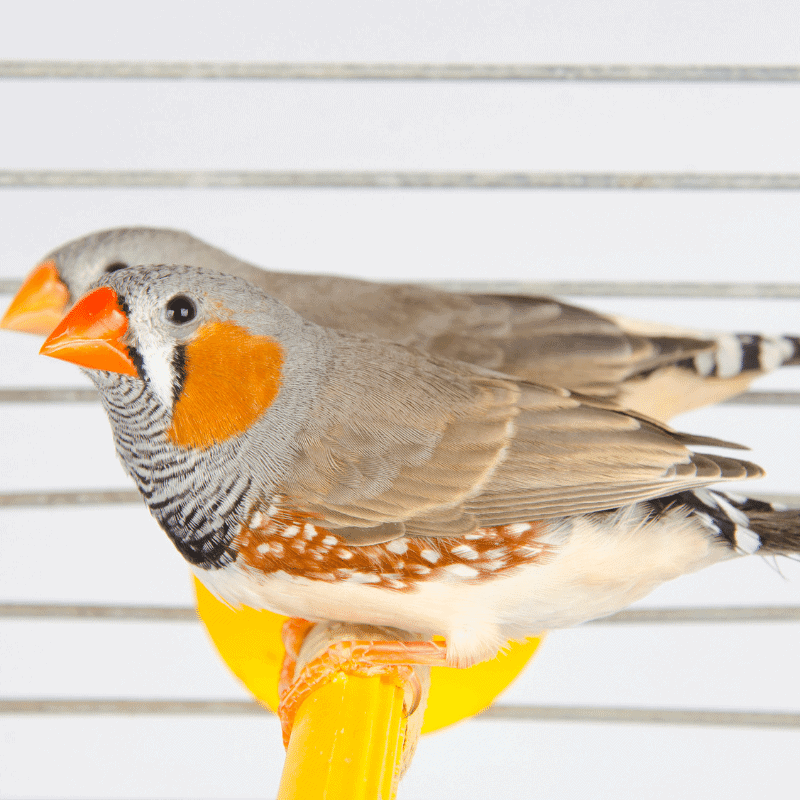
The molting phase in Finches is around 90 to 120 days, with most species having a molting span of 100 days. But to be very precise, the molting period depends upon particular species, age, climate, and health conditions of finches.

The majority of finches, such as goldfinches and Gouldian finches, lose their feathers once a year after the mating season.  However, only the zebra finch (in the family of finches) is capable of reproducing and molting at the same time. In contrast, others begin molting near the end of their breeding cycle, either before or while nurturing their last clutch.

Enjoy This video on some sooth sounds of finches while you continue here

The Molting Process

The loss of the first primary flight feather signals the beginning of the molting phase, which is commonly overlooked since no more feathers are lost, and just a few feathers are visible on the aviary floor during this period. A single primary flying feather of each wing is gradually replaced over the course of many weeks until the 4th primary flight feather is dropped, at which point the first process of molt is complete. At this point, the secondary flying feathers begin to shed their feathers and replace them with new feathers with time.

Let us discuss the molting pattern of some of the most common finch species.

1.   Purple finches

The molting span of Purple Finches is usually from July to November. But it still depends upon the climate and age of purple finch.

2.   Zebra Finch

The zebra finch does not go through an annual molt.   However, this does not imply that they do not replace their feathers; rather, they do so throughout the year, one feather at a time, as they shed them.

It is possible that more feathers will fall than normal at one time. Keep a watch out for this since the bird may require additional protein in its food, or it may be an indication of a medical condition.

3.   American goldfinch

The American goldfinch, which molts twice a year, in the spring and at the conclusion of the mating season in the fall, exemplifies the variety in the frequency of molt. 

4.   Gouldian Finch

The molting pattern Gouldian finches occur once a year during a certain season, with a start time that varies somewhat according to the location’s climate. In Australia, pet Gouldian finches may begin to molt as early as July if they are kept in a cage. It is expected that the molt will begin in January in the Northern Hemisphere.

Signs and Symptoms of an Abnormal Molt

The most evident indicators of an atypical molt in Gouldian finches are baldness on the head, pin feathers on the head, and facial feathers that have fallen out. In order to evaluate the most likely cause of these symptoms, it is necessary to examine the wing feathers of afflicted finches and compare the main flying feathers molting sequence of affected finches with that of healthy finches. Poor nutrition coupled with a rapid cold or illness process is the primary culprit of baldness, while a compressed molt most often causes the loss of face plumage or head pin feathers.

·       Head Pin Plumage: Pin feathers crammed into the finches’ skull indicate that the molt has come to an abrupt halt due to a lack of energy or protein. The existence of head pin feathers indicates that the molt’s nutritional requirements have not been met or that a digestive ailment has hindered the proper absorption of dietary components into the body system, respectively. It is common for head pin feathers to appear during a molt to indicate that the flock is getting a marginal and inadequate supply of nourishment, as nutritional requirements peak by the time the head pin plumes are being replaced.

·       Head Baldness: This indicates that the molt has been compressed and that mating or freezing temperatures has been prolonged too close to the molting time, as evidenced by the presence of several nearby fresh developing flight feathers. Ultimately, baldness is caused by a lack of nutritional reserves due to a compressed molt cycle.

·       Missing facial and head feathers: When the wing feathers are examined, it is typically found that the process of the molt has been slowed, but there is no sign of a compressed molt. Flights from a previous year’s molt are typically apparent, which indicates long-term starvation.

What are the signs that your pet finch is molting?

It is important for finch caretakers to be aware of the following changes:

·       The presence of finch plumage/feathers in the cage

·       The presence of pin feathers on the finch’s body, particularly in the area around the head.

·       The finch spends more time preening and cleaning his feathers than normal.

·       The finch in molt seems less energetic, lively, and vocal than normal.

What should you do if your pet finch goes through a molt?

It is critical that you take the following measures right away:

·       Placing the finch in a calm and stress-free environment (it will benefit it)

·       Dietary modifications are necessary

·       Allow the finch to be exposed to natural light for some time daily.

What should you feed my finch while it is molting?

During this critical stage, finches require an increased intake of minerals, vitamins, lipids, and proteins. Maintaining a healthy diet ensures that molting takes place within normal boundaries and produces high-quality feathers. A diet low in protein, vitamins, and enzymes or feeding just seeds, results in poor feather development and quality issues in finches.

If the feathers are fragile and light in color, this indicates that the existing diet is inadequate and that it must be changed. A poor diet might also cause the molt to take longer to complete. Examples include iodine deficit resulting in aberrant feather development and a lack of protein resulting in the bird becoming “stuck in molt.” In addition, since that feathers are composed of about 90 percent protein, protein is a vital food.

Based on the type of finch you have, you may provide a broad selection of safe and healthy fruits and veggies such as bell peppers, spicy peppers, sweet potatoes, carrots, peas, and dark leafy vegetables to your companion bird. A fantastic source of micronutrients, germinated seeds are an excellent alternative for finches that primarily rely on seeds.

The use of commercial supplements during molting is recommended if you cannot sustain a naturally determined diet while molting

How to differ molting from sickness in finches?

If your finch is acting in a manner that is inconsistent with its normal behavior or that is significantly different from the other finches, then your finch is suffering from a medical condition. Molting is a major drain on the small finches’ resources since they replace not only feathers but also the lining of their bones and their immune systems along with hormones.

If you read this article you may also be curious to know more about How often do finches molt? To go to this article Click Here

Another Recent article that we have written about finches is How Often do Finches Lay Eggs? Click Here to go to this article.
How Long Do Guinea Pigs Live?

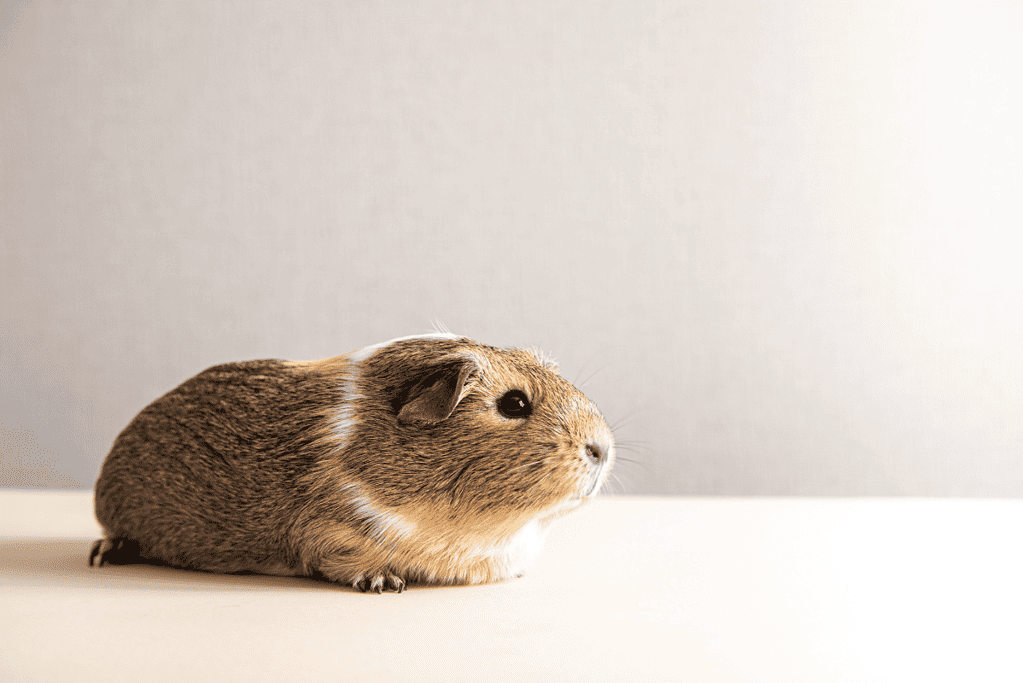
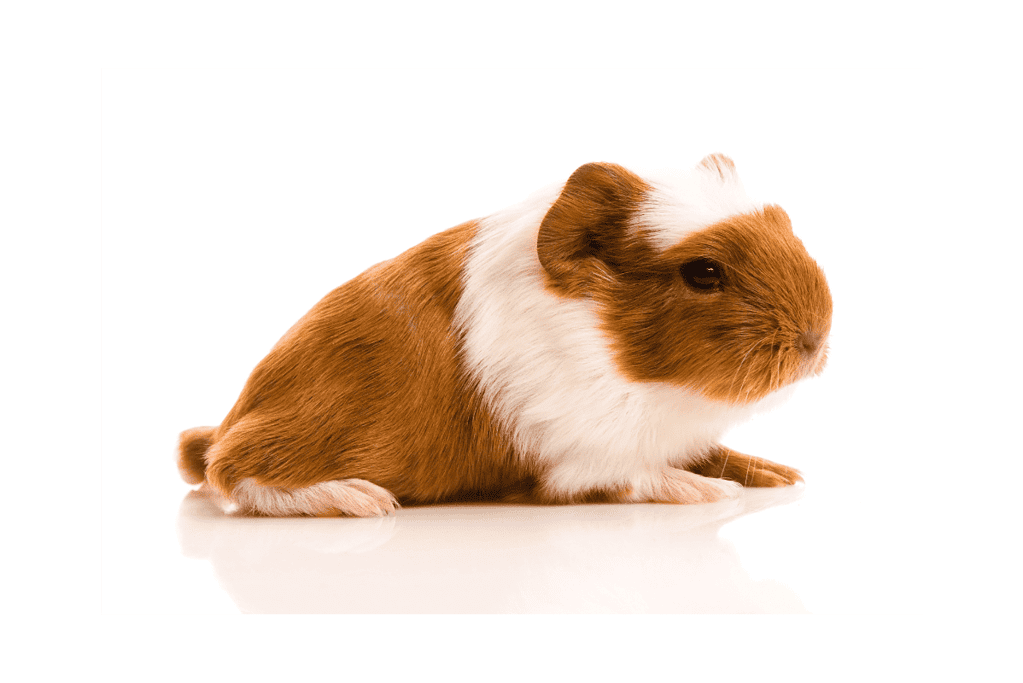
After my first experience with my guinea pig Porky I was shocked to learn the answer to this question. I am glad that I had an unusually long time with my first one. The following 2 did not live as long, but we were just as happy with them. I will let you know what to expect with the lifespan of the guinea pig.

How Long Do Guinea Pigs Live?

The average life span for a guinea pig is 6-8 years. Some breeds of guinea pigs have a little longer lifespan than do others. Barring injury and illness you should plan on having your pet for a long time. I will cover things to watch for, as your guinea pig ages later.

My Porky was 14 when he departed. He lost his hearing at 11 and most of his sight was gone. Guess to him we were all a bunch of stinkers. But he was happy and would let you know he knew you were there. He wasn’t as energetic at the end but he still loved to spend time out of his cage with us. 

Can You Tell How Old A Guinea Pig Is?

There are some things that can give you a general idea of how old your guinea pig is but nothing that will pinpoint the exact age. If you get a guinea pig in a pet store you can figure that it is 8-12 weeks old. At this point, it should still be able to sit in one hand palm open. 

Size Guide & Changes

ages 0-1

Guinea Pig babies are born 3-4 inches long and weigh 100-110 grams. They will double in size by 8-12 weeks and be 6-8 inches long and weigh 1.5-2 lb. After this period they will slow down in their growth. They will grow to 8-10 inches and weigh 3.5-4 lb. by 1 year. 

This is the adolescent phase for a guinea pig. By the time they are 1 year old, it is like 10 years in human life.

They are born with sharp white teeth that will grow for the rest of their lives as they get older their teeth will not look as white or be as sharp. This is one indication of aging. 

They have straight white thin toenails when they are born and these will round out become much firmer and turn opaque and then curving and yellowing as they age.

Ages 1-3

They will finish growing by about 14 months. Most breeds reaching 10-12 inches long. Rex’s can grow up to 17 inches long. They will weigh 3.5-4.5 lb.s. You should weigh your guinea pig 1 a week. Any drastic changes in weight can be a good detection of illness.

After the first few months of this stage, there are no changes in size and weight. This is the young adulthood phase for a guinea pig. By the time they reach 3 it is like 30 to a human.

This is when you will notice changes in the teeth and toenails. They should still have a robust appetite and plenty of spunky energy. This is when they will be the most comfortable with life.

Ages 3-5

This is when you will start to see them slow down a little. Their fur may start to turn gray around the mouth and nose. They may start to nap more and eat a bit less. These are the silver years and pushing on to golden. 

They may start having trouble with their front feet turning out and their toes thickening and curling outward. This can cause bumblefoot. You will want to have your vet check this out.

Ages 5-7

These are the golden senior years equivalent to 50-70 years in humans. The fur has continued to get greyer, and they are considerably less active and slower than in their youth. 

Guinea pigs can suffer from some of the same things a human can like stroke, heart attack, diabetes, pneumonia, bladder stones, kidney disease, arthritis, and cataracts. At this stage, they will want to more snuggling and less playing. 

They may need more help from a vet for their teeth. If you see them dropping their pellets and not wanting to eat the more crunchy vegetables have a vet take a look before it gets to late. A guinea pig that has problems with its teeth can actually starve to death. 

As with all living things, you will notice changes over time, and at the very early and the later stages is when it is the most noticeable. I will give you some more information on things to do that will help extend the best years of your guinea pig. 

Diet At Each Age Group

0-1 Year

A young guinea pig has needs that will help them grow strong and healthy as they are changing and growing rapidly. Until they are 6-8 months they will need more calories and nutrients than do adult cavy’s 

For the rapidly changing young cavy, you will want to give them a diet that is high in the alfalfa hays. Mixing alfalfa hay, timothy hay and orchard hay will give the young guinea pig a variety and all the nutrition need in the hay. This should be the bulk of their diet about 70%-75%.

There are also alfalfa pellets fortified with vitamin C that you will need to give your young Guinea pig. You will want to give them about ½ cup of pellets each day. You can give them 1 or divide it into 2 times per day. This will make up about 20%-25% of their diet. 

The rest of their diet about 5%-8% should be mostly fresh vegetables and a little fresh fruit.

At about 8 months you will want to start slowly eliminating the alfalfa for a more stable timothy and orchard hay and pellets, taking the alfalfa out slowly and adding in other hays will help keep their digestive system in balance. They should be weaned off the alfalfa hay before they are 1 year old.

1 to 5 Years

Continue supplying your adult guinea pig with a variety of hay to ensure a more nutrient-balanced diet. Only offer the alfalfa as a treat occasionally. Also switching their pellets to a non-alfalfa-based pellet. Continue to give fresh vegetables and some fruit to complete their diet through their adulthood.

5+ years

At this point, you will want to continue to give your cavy what you always have unless you notice they are having a problem with it. Then consult your vet and see if he can help you find what will work best for your guinea pig. There are times the vet is the only one to know what is going on and how to prevent trouble.

You may have to really encourage them to get the daily exercise that they need. Especially if they have developed arthritis or bumblefoot. But unless otherwise instructed by your vet it is essential to keep them moving.

At this stage in their lives, it is even more important to have vet visits regularly. You may want to consider every 6 mo. instead of 1 a year. 

How To Make Sure Guinea Pigs Stay Healthy

Make sure to give your guinea pig a good going over every day, checking to see if there is any drooling, draining from the eyes, nose, or ears. Check for scrapes or abrasions over the body, or if they are pulling out their hair.

Keep track of their weight on a weekly basis if there is a sudden drop it could mean problems. Watch to make sure their eating and drinking habits don’t change. 

With a proper diet and daily checks, you should catch any problem early on. When you catch a problem contact your vet immediately.

Are Guinea Pigs Destructive

This is always something to think about when getting a pet, you do not want to spend a fortune on replacing and repairing things just to have a pet. Nor do you want to be negligent of your pet’s need to be out getting floor time. Which can happen to pets that chew. Here is my experience and some research.

Are Guinea Pigs Destructive?

Paired Guinea pigs tend to not be destructive as long as they are highly stimulated. Ensure that your pet has a lot of attention and toys to keep them busy. Keeping an unlimited supply of fresh water and hay for them to eat and drink will also help keep them occupied.

Single Guinea pigs can be a bit more destructive, this is due to loneliness and lack of stimulation. Ensure your pet has lots of attention and keep them entertained with toys, food, and water.

Signs That A Guinea Pig Is Destructive

Signs that your guinea pig may be destructive are chewing on their cage, pulling out their fur, chewing on cage accessories, chewing furniture, electrical cords, digging at the carpet. 

If you have a single guinea pig some of this may be due to their being bored, lacking companionship, and understimulated. If you have a male it could be to show male prowess. It could be caused by them having to small of a cage. Maybe they just need more attention when out of their cage.

The destructive actions and the answers are as varied as the guinea pigs. However, it is to be expected that they are going to chew on things. It is in their nature to do so and it is how they keep their teeth worn to the proper size and it is necessary that they do so.

Chewing Things In Their Cage

If you put things like hay huts and cardboard boxes in the cage you should expect them to get chewed up. I do not believe that this is destructive behavior. This is a natural instinct for them. These items are meant to be chewed on and replaced. 

It could be your guinea pig just needed to see out of that hut better because they don’t feel completely safe where they are. Maybe they just feel the opening is too small and confining. There is no way to know what your pig was thinking when they chewed a wider hole in that hut.

There are some simple things you can do that will make this better for you. Get free things for your guinea pig instead of buying them. Get small plain boxes from the stores that you shop at. Most stores will give them to you. 

Go to the local Carpet store and get a carpet tube. You can cut it to any length you want. Carpet tubes are great because they last a little longer than a cardboard box, and they help wear down the teeth better.

The most notable causes of destructive behavior are:

boredom lack of hay loneliness territorial

lack of exercise lack of toys not de-sexed

How To Stop Destructive Behavior

If your guinea pig is a male getting it neutered may stop the problem. However, this is not instantaneous it will happen over time as the hormones fade.

If you have a single guinea pig and you are not with it all the time there is a loneliness that can only be fixed by getting another guinea pig as a companion.

If you have 2 guinea pigs, it could be boredom and a lack of stimulating things to do. They may need some new toys. Maybe they need more time out of the cage and attention from you. Playtime with you is stimulating and rewarding to you and them.

Never let bad behavior go by otherwise you are encouraging it. Stop the action offer an alternative, if they return to the bad action return them to the cage for 5 minutes and then return to playtime. Do this each time they return to whatever it is you wish them to stop, increasing their time out each time.

If this doesn’t help then contact your vet for more information, it could be a medical issue that needs to be addressed.

If it is a lack of hay then I say shame on you. No proper guinea pig parent ever lets their guinea pig be without hay. It must always be available, and there is no excuse for it not to be. 

If it is due to financial troubles coming up, talk to your local shelter they may be able to find you some temporary help. A local farmer may be willing to give you a bit, ask a friend or family. Anything is better than not providing what is essential. 

Sorry if I sound to harsh. A caged animal is reliant on its owner to provide the basic needs and that can’t be shirked for any reason. There is always a way to get help if you look for it and ask.

Best Toys For A Guinea Pig

There are so many toys on the market, it is hard to know what your guinea pig will like. There are toys for playing and chewing, things for hanging and swinging. Some more for hiding and chewing. The only drawback is not knowing what to get. 

Kaytee Perfect Chews for Guinea Pigs: 

This one hangs from the cage top and encourages them to stand up to chew on it or bat it around.

Pet Hammock Hamster Hanging Toy Snuggle Hut

This is a great hiding place that hangs from the top of the cage, it’s soft and snuggly.

Living World Hagen Pet Tunnel: 

This is a great adventure for when your guinea pig is out for floor time. This will allow them to have a great crawl space as well as a place to hide when they get scared.

Natural Chew toys

Items that are all natural and made of wood are best to keep in your critters cage to ensure that they are safe and even if they are destroyed they are not something that can hurt them.

These are a few that you can buy. I did get mine a few but not very often. I hid an apple slice in a wadded-up plain piece of paper and watched him push it around and tear into it to find the treat. 

I put bits of carrots, cucumbers, broccoli, strawberries, and lettuce inside a TP tube and folded and scrunched the ends. It got the same result as the paper. We always had something that made for a fun time with our piggies. We had an apple and pear tree, so we had all the twigs we needed. 

Conclusion

As a general rule guinea pigs are not destructive. In some cases, a guinea pig can become bored and chew on things that are not appropriate. When this happens make sure to stop them and give them something that is appropriate. Never accept bad behavior without addressing the situation. 

You do not have to spend a lot of money to keep your guinea pig happy, all you need to do is use your imagination.

If you are interesting in learning more about what it costs to own a guinea pig check out our other article “How much does it cost to own a guinea pig”

Are Guinea Pigs Affectionate?

Before getting our guinea pig I wasn’t quite sure what to expect, and our first one was before the age of the internet. I had a lot of fun learning some great things about the guinea pigs affection from first-hand experience. I’m sure you will find them interesting.

Are Guinea Pigs Affectionate?

As a whole, Guinea pigs are affectionate pets that bond with their owners through interaction and socialization. They show affection through nuzzling, licking and cooing sounds. Regular handling can strengthen the bond between pet and owner. A safe and comfortable environment along with opportunities for play is important for the well-being of guinea pigs.

I will get into some details of how they will show you affection later in this post. Also some quirky things they will do to get your attention and affection in return. There are many things about the guinea pig that you will want to read further to find out.

Which Is The Most Affectionate Guinea Pig?

As a whole the Abyssinian guinea pig is known for being social and interactive. Affection depends on individual personality, upbringing, and the bond with the owner.

While Abyssinian guinea pigs are the most affectionate and friendliest of all the guinea pig breeds. The Abyssinian guinea pig likes to cuddle is easily trained to be handled by children as well as adults.  Small children may fear the energetic nature of the Abyssinian guinea pig. Because of their excitability, this breed may not be ideal for a new guinea pig owner.

American Guinea Pigs, are short-haired and are quite popular. The American guinea pig breed is a medium size and easy to maintain. They are very friendly and easy-going and enjoy spending time with their human family. American guinea pigs usually have great health and live longer than some other breeds, this contributes to their popularity.

Do Guinea pigs like to be held?

As a whole Guinea pigs may or may not enjoy being held as it depends on the individual and handling technique. Handle guinea pigs gently and securely to make them feel safe. Regular handling can build trust and bond between pet and owner. Let the guinea pig sniff and investigate your hand before picking them up, and always support their body and legs while holding them.

Always talk to your guinea pig as you are approaching so he will no be alarmed. If you are always gentle when picking them up being careful to not hurt them, they will generally become accustomed to being picked up and even come to you when you want them. 

Once you have picked them up, they enjoy being held and petted, and even cuddled with. They will enjoy sitting with you while watching tv. Or you laying on the floor for them to crawl around on. They love it when you feed them treats of vegetables and fruits and even hay from your hands.

Do They Become Attached To Humans?

Yes, they become very attached to their human family. Guinea pigs are herd animals by nature and thrive on interaction with others. They need to be with others regularly and if you have only one guinea pig they that other will have to be you. It is best to have them in pairs if possible so they will have companionship when you are not there.

We got our American guinea pig before we knew this and we wanted him to be a family pet. We took turns on a weekly basis of who was to feed him and take care of his cage. This was also the week that member had to initiate all playtime. Whether for watching tv or just out of cage time. On that week it was your responsibility not to neglect anything.

After about 4 months Porky didn’t seem to have a preference as to who’s week it was or to whom he went to during his time out of the cage. We were all his family and I was glad that we had everyone take a part in his care so he was everyone’s pet, not just mine. We had the pleasure of having him with us for longer than normal for a guinea pig as he was with us for 14 years.

As the kids started moving away it was amazing to see how excited Porky would get when they would come back to visit. He never forgot them even when they had been gone for a year or more. 

There is still more to come so please keep reading. You will be more informed about the guinea pig as a pet when you get to the end.

Do Guinea Pigs Understand Affection?

Yes, guinea pigs understand affection. They will have a favorite spot they want you to rub or scratch. They will let you know where that is and move so that you are hitting it just right. They will want to be near or on you and will want you to be happy to have them there often. 

They will show you affection in many ways. They have a little cooing purr sound that they make when they are delighted to be around you. You will get several licks and kisses from them, they do not use their teeth they will just nibble with their lips to let you know they love you.

They can become very excited when they know that you are around them and starts running and hopping erratically, this is called popcorning. When sitting together they may rub their head on your arm or just rub on you all over. This is their way of nuzzling with you.

Between their noises and their actions, you can not miss that your guinea pig is thrilled to have you with them. And you will not be able to help but be thrilled to have them with you too. They will steal and melt your heart, you will find they are every bit as great a pet as anything else.

Can A Guinea Pig Live Alone?

As a general rule, guinea pigs should be kept in pairs. You can However, this will mean much more work for you as you will have to be his companion and he will require more of your time. A guinea pig can actually die if it is left alone to much. They are very needy of companionship. 

It is best to keep 2 of them together so they have each other during those times when you have to be away at the office. Guinea pigs do not do good when left alone for hours every day. They need to feel the touch and sounds of someone or a friend close around.

We had just one guinea pig for 9 years, however, there were 5 of us and I was home all day with a home day-care. Our guinea pig was almost never alone. He was 8 when he started losing his hearing and didn’t want much to do with the kids so we picked up 2 more young ones and kept them in a different cage from our old guy. 

Conclusion

Guinea Pigs make great pets for both adults and children. They crave attention and enjoy giving you their affection back. They are fantastic for homes with multiple people and can enjoy them all equally. They have little quirks that will make you laugh and keep you on your toes. 

They thrive best when they get time out of their cage to spend with you. They will nuzzle you, cuddle with you, lick you, and even give you kisses. Guinea pigs will give you a cooing purr sound to show you they are excited you are there. They will popcorn around the cage as if to say I am here come and get me. 

You will have to spend time talking to your guinea pig to get him used to your voice, you will need to spend time to get him to feel comfortable with you and his surroundings. Once this has happened you will find being the companion to a guinea pig is quite rewarding. 

How Much Does It Cost To Own A Guinea Pig

This is something good to know before committing to getting one and care for it for the duration of its life. I know some people think that it is a small pet so therefore it wouldn’t cost much. I will delve into what you can really expect to pay per year for the pleasure of owning a guinea pig. 

How Much Does A Guinea Pig Cost

To buy a guinea pig at a pet store the cost will be $10-$50. This factor can vary depending on the breed of the guinea pig and the area you live in. You can also check with your local animal shelter to see if they have any, the average cost to adopt from the animal shelter is $25. 

The price will vary more if you go to a breeder and are looking to adopt one of the rarer breeds of guinea pigs. Stick around and see what information you can find on to costs of keeping a guinea pig.

How Much Does The Cage Cost?

This can vary greatly, however you can get a new cage as low as $35. And can range up to $300. This wide range is due to sizes, features, and the material it is constructed from. Some come with everything needed to start and some come just the cage. You have a wide set of options to start or to upgrade to. 

For one guinea pig (which is not recommended by most) you will need a cage that is 7.5 square feet, or about 30”x36”. And for 2 you will need to have about 10 square feet or 30”x50”. 

You can get the material to construct your own cage and maybe save a little on the cost. You can look for used cages and save, while also recycling something. There are many options in this area to help you save with the initial start-up cost. You can upgrade as you go and your guinea pig will be delighted.

Any cage that you get new or used should be thoroughly scrubbed down and set up before getting your guinea pig. You will want to have this ready when you get him home not waiting till afterward.

Items that you will need to set the cage up properly: 

Hayrack: $6-$10

Water Bottle $4-$12 

Food Bowl x 2: $8-$12 each (options)  use something you have.

Hide Away $6-$25 (options)  Use something you have.

Chews & Toys $2-$15 each (options)  Use something you have. 

You will have to double some of these if you have more than 1 guinea pig. 

I will give some saving tips and examples further down.

A shoebox could be used for a hide-away to start out. Just cut a proper size hole. Basically, anything that isn’t plastic and will sit stable can be used for your guinea pig to hide in. If you have multiple guinea pigs then you will need a separate hid for each.

The average cost if you buy everything new will be $150.- $400. Depending on where you go and your personal choices. This doesn’t include the food you will need yet. I will cover that later.

Now is when you need to get your guinea pig in to see a vet. Have them checked out properly so you will know that there are no health problems to start out. Your vet will also be able to give you any information about your pet and how to care for him if you do not know. 

This will cost around $50. But is essential. And should be done on a yearly basis. They will do your guinea pigs’ nails and check their teeth during these visits. Please never skip having your guinea pig checked.

Now that you have the cage and the healthy guinea pig you will also need everything else to take care of them properly. This is where the ongoing costs start.

Food

You will need Hay. Hay must be provided at all times for your guinea pig. This is essential for their digestive system and for dental care. There is really no option to providing hay. This will be close to 70% of your piggy’s diet. 

This will cost $5.-$30. depending on brand and size.

Pellets, this is the main source of your guinea pigs’ nutrients and vitamins. This will need to be pellets that are formulated specifically for guinea pigs. They can not produce vitamin C so need to have it supplemented in their diet. This will be about 25% of the guinea pig diet. Cost $10.-$25. Bag.

Fresh Foods, guinea pigs should get about 1 cup a day per pig. This can be done by giving them the scraps and peelings from your kitchen. They must not be wilted or bad but your guinea pig will eat the parts you don’t want. About 5% of their diet, costs $5.-$8. A week if not done by scraps.

Food Dishes

You will need 2 food dishes as well as a hay rack. 1 dish for the pellets, and 1 dish for the fresh food. If you have bowls that are tip-proof and are not made of plastic there is no reason you can’t use them. Guinea pigs like to put their front feet in the dish while they eat so a slightly larger dish with shallow sides is best.

You will not want to mix the fresh foods and the pellets in the same dish. The pellets will absorb the moisture from the fresh food and get moldy faster. The fresh food can also dilute the vitamin c from the pellets leaving it in drips at the bottom of the cage.

Water

You may need a 3rd bowl if your guinea pig will not drink from a water bottle. It doesn’t happen often but there are some guinea pigs that never transition from the dish to the bottle. It is best to provide 2 water bottles, especially if you have 2 piggies. Some do not like to share and will keep one dehydrated. 

If you can drink the water it will be fine for your guinea pig as well. Some people will tell you to buy bottled water for your guinea pig. Bottled water wasn’t an everyday thing when I had my Porky, he got tap water just like the rest of the family, including the dog, and cat. He lived to be 14 which is unnaturally long.

Bedding 

This is one of the hardest calculations to make because of the varied beddings that are available. There is also the one-time purchase of fleece linings that are washed and reused. That would eliminate buying bedding all the time. There are wood chips, paper, wood pellets, recycled paper. 

You will want to learn about the absorbency and odor control of the product you choose. Do not use any cedar shavings, as cedar is toxic to guinea pigs. The average cost for bedding $7.-$50. You will have to decide what is best for you, your piggy, and your budget. 

Toys

Toys are not just for your guinea pig to play with, a lot of them are also for chewing on to help keep the teeth at a proper length since their teeth never stop growing. However, this task is primarily taken care of by the hay they chew on. You will want to provide them with other things to chew on as well.

A washed-up old ping pong or golf ball, a wadded-up piece of paper, some twigs from fruit trees, so long as no pesticides were used on them. These are just a few examples of free things you may already have to use as toys for your guinea pig.

They will also play with empty tubes from TP or paper towels. Tunnels can be made of carpet tubes or PVC. there are a number of ways to entertain your guinea pig without a lot of costs. Giving them lots of time with you is their best entertainment.

Conclusion

Start-up costs are $150.-$400. If everything is new. 

You can expect to pay about $40.-$100. Per month for your guinea pig. It will all depend on your choices. 

What Do Guinea Pigs Eat

This is always something good to know before jumping into owning a new pet. It is something that I didn’t fully know myself when getting our first guinea pig. You just may be surprised at some of what I have learned and am now passing on to you 

What Do Guinea Pigs Eat?

The main part of a Guinea pig’s diet is hay. They are herbivores, and so they will eat a diet of many plant-based foods. There are also pellets that are enriched with vitamin C that is necessary for them. Add in some fresh fruits and vegetables and you will have all you need to feed your guinea pigs.

However, hay should always be available to them. This is a top priority that I will explain further down in this post. And they need the added vitamin C these 2 points play a vital part in your guinea pigs health. 

Hay

Hay plays a vital role in keeping the guinea pig’s digestive system working. It is also necessary for them to continually chew on hay to keep their teeth worn down properly. If your guinea pig doesn’t keep their teeth worn down they can develop dental problems that can ultimately lead to them starving to death.

You can mix the hays like Timothy, oat, and orchard. Adding a little alfalfa hay now and then just as a change might be nice. However, alfalfa hay is higher in calcium so shouldn’t be the daily main hay, use as a supplement along with other hays as a treat.

Pellets

About ⅓ cup of good vitamin C enriched pellets specifically for guinea pigs should be offered 1 a day. Guinea pigs can’t produce vitamin C for themselves and are therefore susceptible to scurvy. So a diet high in vitamin C is recommended. 

Fresh Foods

You should give about 1 cup per guinea pig of fresh vegetables, with a little added fruits each day.  Green and red leaf lettuces, parsley, silverbeet, and kale should be a good part of the fresh vegetables you provide. Think about vegetables with high levels of vitamin C in them as red or green pepper and broccoli.

Give them a mixture and switch things around daily to give them a variety.  Add to the greens things like carrots, tomato, banana slice, apple slice, sweet potato, zucchini, or blueberries once or twice a week. 

How Much Should A Guinea Pig Eat?

Your guinea pig should munch on hay all throughout the day. This is vital to their digestive system. A guinea pig can develop digestive problems if it goes without eating for just a few hours. For this reason, always keep hay available for them.

You will need to provide about ⅓ cup of pellets that are enriched with vitamin C once a day. Be sure to check and make sure that your guinea pig has contaminated this by kicking bedding and poop into this dish.

Your guinea pig will need 1 cup of fresh vegetables and fruits. You can do this all at one time, but I spread it out and offer it fresh food a few times during the day so there is less chance of it becoming inedible and spread throughout the cage. Always remove all uneaten fresh foods within 24 hours if it is uneaten.

As important as it may be to know what to feed your guinea pig and how much they need to eat. It is equally important to know what they can not eat. As some things can be very detrimental to the health of your guinea pig. And while a few may have done so before with no problems isn’t an excuse to take that risk.

When Should A Guinea Pig Eat?

A guinea pig will seem to always be eating. This is necessary, you must always have hay available for them. The pellets and the fresh food can be given whenever it is most convenient for you. They are up and down through the night so feeding them in the morning and in the evening seems to work really well.

It isn’t as important for you to feed them at a given time as it is for you to stay relatively consistent on when you do it. It is also important for you to keep the older food cleaned up before they go bad and get moldy.

What Should A Guinea Pig Not Eat?

Guinea pigs can develop calcium stones in their bladder so try avoiding items high in this ingredient. Strawberries, parsley, spinach, and celery are high in oxalates and should be avoided if your guinea pig starts to develop bladder stones.

Some foods can in fact cause significant health issues. Make sure you do not feed your guinea pigs the following foods, cereals, nuts, or seeds. Dried beans, corn, peas, avocado, onions, potatoes, mushrooms, rhubarb, dairy products, and chocolate. And no meat-based products.

You will want to avoid the following foods that can be gaseous like beans, cabbage, and cauliflower, they can cause bloat as a guinea pig has no way to dispel the gas. Avoid all bulb plants like onions, chives, shallots, and garlic. 

This list in no way gives everything that a guinea pig should not eat. It however lets you know there are many things they can not eat and will make you question something before offering it. When in doubt never offer anything without consulting with your vet.

How Much Should A Guinea Pig Drink?

This will vary greatly for many reasons. It seems they need approximately 20% of their body weight in water each day or roughly 3 oz. This will vary depending on Pig, weather, and other environmental factors like humidity. 

This doesn’t mean, however, that they will sit at the bowl or bottle and drink that amount. So if you are watching to see how much they drink you may be going crazy thinking there is something wrong. If they are eating vegetables high in water this will take the place of getting a drink.

A guinea pig can get enough water from their food to not have to drink any other water. They should always have fresh water changed daily available. It is less important for them to drink water than it is for you to know what is normal for your guinea pig and to monitor that all is well.

If there is a sudden change in the eating and drinking habits of your guinea pig you will want to consult with your veterinarian. These changes may indicate there is a medical problem that needs to be addressed.

Conclusion

Guinea pigs need to have Hay available at all times. This is essential for both digestive and dental health. They need to have pellets that are specific to guinea pigs, as these are formulated with vitamin C and other nutrients need by guinea pigs. 

There is a wide variety of fresh foods that your guinea pig can eat. Shifting these around will keep the diet more interesting. It is up to you and your guinea pig when to feed them what. Workaround your schedule, and make sure fresh stuff isn’t sitting to long.  

There are also many things that are toxic to guinea pigs. So be careful to know what they are getting and have all the information before deciding to give them something. 

Water consumption varies and can actually be gotten in their food. If you are concerned always turn to your vet for the best answers.