Recent Posts

How much does a finch cost to own?

Finches are renowned companion birds for many pet enthusiasts because of their pleasant noises and social interactions with their colony members and owners.  They are typically passive pet birds who like to be in the company of other birds of their own species. 

But how much does a finch cost to own?
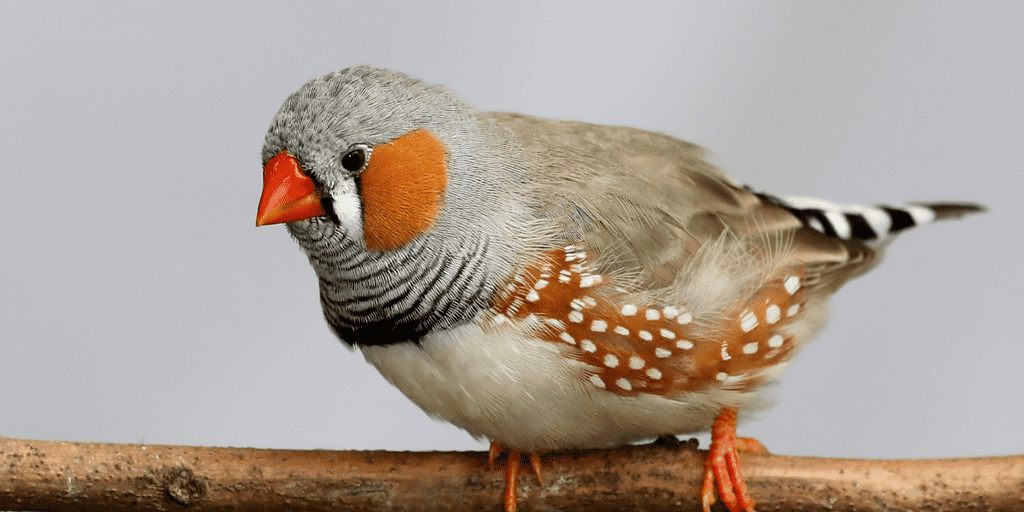
The total cost in owning a pet finch will range in price from $50 to $300 in the first year. The price will depend upon many factors, including their age, breeder, pedigree, and health status. Accessories will also be a large cost factor to be aware of. 

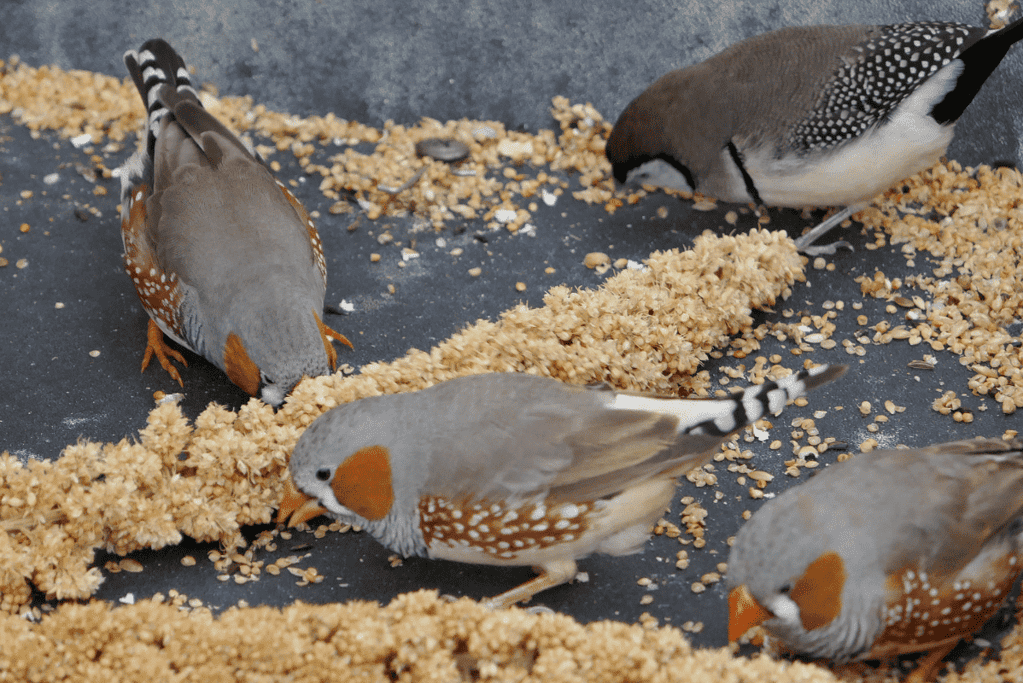
Most finches prefer the companionship of fellow finches than that of a human friend. So, if you’re thinking of getting a finch, you might want to consider getting more than one to preserve your bird’s mental well-being.

Expenses associated with housing, care, and feeding a pet finch

In general, keeping, feeding, and maintaining pet finches will be less expensive than attempting to care for a cat or dog as a companion.

On the other hand, those costs are fully variable, and they can fluctuate based on the longevity, age, and overall health of your bird. Some types of pet finches can live up to 20 years. So, you have to care for them a little longer than any other bird, which ultimately increases the cost.   Furthermore, if your pet has any special medical requirements, you may end up spending far more money on your pet finch than you would on any other type of pet.

The typical cost of raising a pet is around $300 in the first year, with an annual cost of approximately $200 after that (don’t forget to include the cost of purchasing the bird somewhere in the equation, as well).

The typical lifetime cost is around $2,000 to $4,000 per bird for a finch that lives for one or two decades. Even though this is still less than what you could pay for other types of pets, it is a significant sum – and one that should be taken into consideration.

When it comes to taking care of your pet finches, keep in mind that you’ll have to spend money on things like diet, treats, toys, cages, routine veterinarian visits, and other necessities.

Listed below is a fast analysis of the typical cost of pet finches, broken down by the sort of spending involved.

It’s crucial to remember that, although some of them are one-time expenditures, others are regular expenses that you’ll have to handle on a bi-weekly, monthly, or annual basis.

Furthermore, things do break and wear out. While you may usually get several seasons out of many of these goods, the wear and tear will be more severe if you rear multiple finches together.

Pet Finches Supplies: A Breakdown

Cage prices range from $50-$1500
Food and water bowls cost between $10 and $40.
Toys range from $25 to $150.
Perches, staircases, swings, and play stands range in price from $75 to $300.
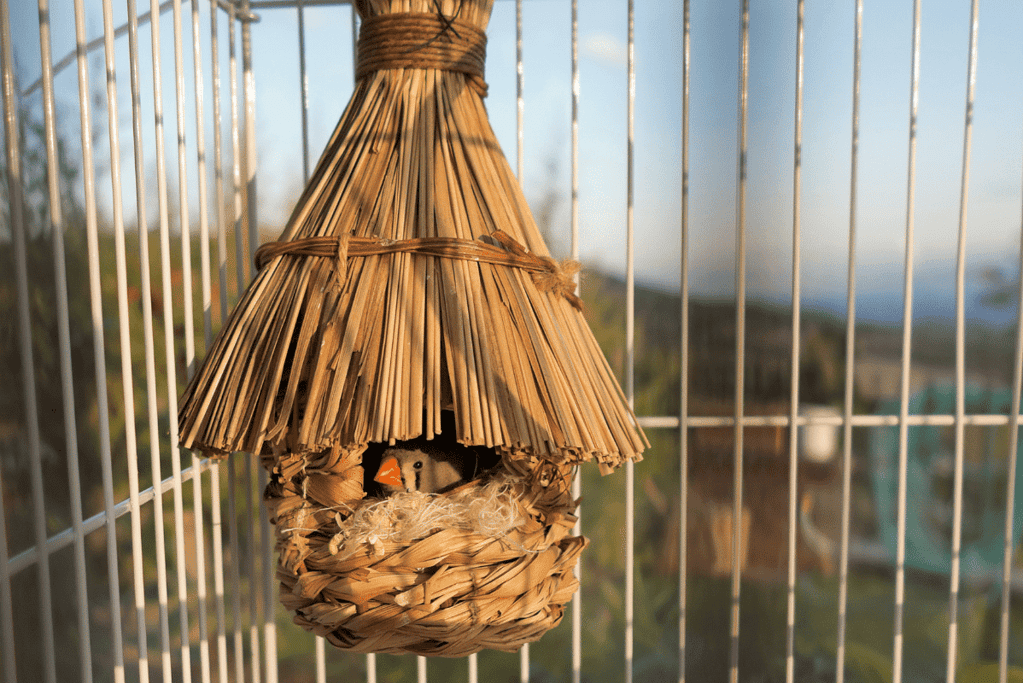
Nests range in price from $5 to $15.
A birdbath costs $10.
Items for grooming cost around $60-$100.
Cleaning products cost between $30 and $40.
Finches’ food costs between $10 and $50.
Travel carrier expenses usually cost around $30-$100.
Veterinarian fees range from $50 to $500.

As you can see, even little pet finches will require a significant financial investment. This breakdown of expenditures does not even consider the cost of purchasing the bird itself!

Please keep in mind that the larger or more exotic your avian companion is, the more costly it will be, not only to purchase outright but also to nurture it.

For a pet finch, how much time must be dedicated?

Finches are highly clever, amusing, and, most importantly, friendly creatures. Are you mentally and physically prepared to devote the time necessary to engage with your finch? Do you have the patience to wait? Getting your finch comfortable and acclimated to their new surroundings requires time and effort when they first arrive at your house. It may take many days to reach this goal. In addition, there is more work to be done! In their natural habitats, finches require constant stimulation, and some varieties of pet finches might get dissatisfied or bored if they are not given regular opportunities to be taken out of their cages and interact with their owners. To engage with your finch and play with toys, you should schedule a specific time each day for you and your bird to concentrate on teaching them new skills or signals.

What is the average cost of a veterinarian visit for a pet finch?

Owners of finches are sometimes startled when they find that their bird requires an initial visit from an avian doctor in addition to monthly examinations.

These examinations will enable your veterinarian to diagnose and treat any potentially life-threatening disorders as soon as they arise. There are a variety of veterinary charges that you will need to spend in order to care for your bird correctly.

Even though some of them are one-time charges, others need yearly visits – and the payment of annual fees – to be effective.

You’ll have to pay for a psittacosis test, as well as immunizations and microchipping, among other things. Some of them can be bargained in terms of price, while others are entirely optional.

A skilled veterinarian will take the time to provide any necessary immunizations and examine your bird’s feathers, throat, eyes, and nares. The cost of extra tests or treatment for your pet finch is at least $50, and it might cost you far more.

Following the initial appointment, the cost of a subsequent visit to the veterinarian is typically between $25 and $35 per finch.

The good news is that you will most likely not have to take your pet finch to the veterinarian as frequently as you would have to take other types of birds to the veterinarian.

FAQs

What is the best finch to purchase, and where can you get one?

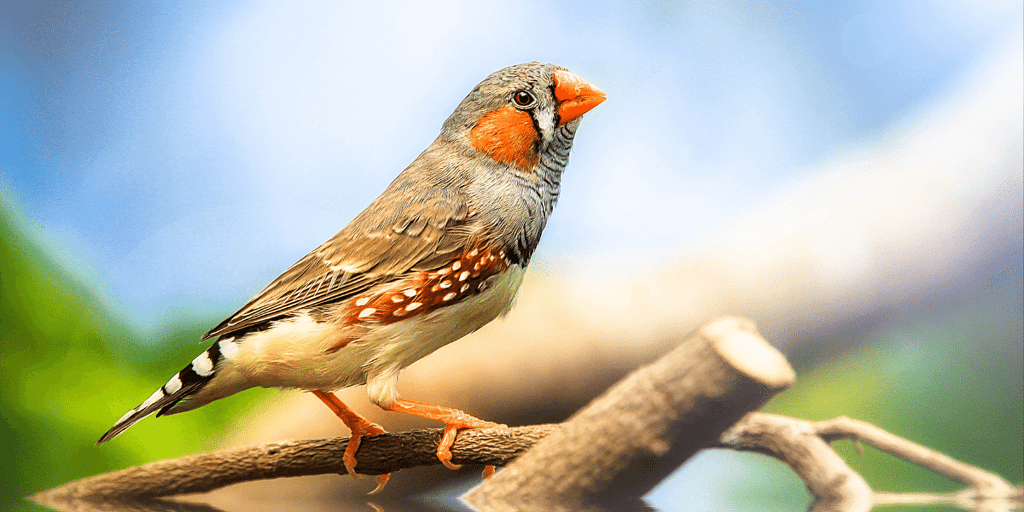
Zebra finches are a popular and commonly available kind of finch that makes excellent pets for families, school classes, and apartment dwellers. The companionship of another zebra finch is preferred by zebra finches, which are bird-friendly in nature and do not require continual attention from people in the manner as many members of the bird family do.

Can you keep a wild finch as a pet?

No, not at all. Even when some situations make it necessary, wild finches should be allowed to survive in the wild. If a finch is unable to be rehabilitated, you might want to consider providing it with a loving home. Aside from that, it is not recommended that you capture wild finches and keep them as your pets. Please stay away from persons who are selling wild finches and do not encourage them. There are a lot of finches that have been grown in captivity that need to be adopted.

Can you catch a wild finch and keep it as a pet?

It is against the law in the United States to keep any type of wild native bird (including finches) in captivity, and anybody who is caught doing so may be punished with a crime.

How do pet birds differ from other animals in terms of personality?

Birds have individual personalities that can easily be distinguished. Some species formed an emotional attachment to a single family member and showed that individual with their undivided attention. Depending on their situation, that individual may or may not be the one that loves and nourishes them the most. Other birds will distribute their affection evenly among all members of their family. Pick for a bird that will snuggle with you as you rest at night or a bird that will stay in its natural environment for the majority of the day and night. Some species prefer little to no handling, such as finches, but others seek it to the point where they grow agitated if they do not receive it regularly.
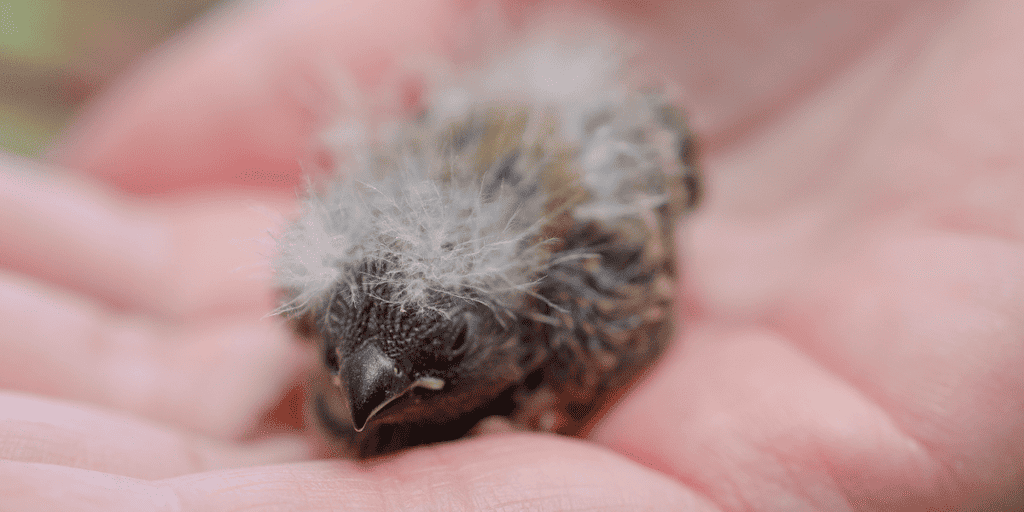
How often do finches feed their babies?

Finches are magnificent and charming small birds. They have some different nesting habits that separate them from other birds. For example, the male finch will feed the female finch on the nest during incubation or 5-6 days after the birth of the new hatchling. Male finch accomplishes this by regurgitating feed into the female’s beak. The food is then again regurgitated by the female to the nestlings. 

Here the question arises: How often do finches feed their babies?

Finches feed their babies after every 1-2 hours, day and night, for the first 5-7 days. After that, the feeding frequency decreased with each feeding after a few hours. The baby finches leave their nests when they are 12-18 days old and begin to eat on their own after 12-18 days.

What do Finches require in order to feed their babies?

The major diet of finches consists of various types of grains and seeds along with fruits and buds.

It is expected that both parents would continue to feed their chicks by placing these food items into their chicks’ beaks after chewing. Finches can alter their diet based on the season so that they receive the proper nourishment. 

Raising baby finches might be difficult if you don’t have their parents. Intensive time and attention are required for successful baby finch rearing. It is preferable to seek the assistance of a knowledgeable finch expert if you have to raise the baby finches independently.

How to feed pet baby finches if they do not have parents?

Use a needleless syringe, catheter or feeding tube to provide the infant finch formula to the baby finches every two to three hours until they are weaned. Open the mouth of a sparrow carefully and check inside for a little hole. It is not recommended to put food in this hole because it is an air passage. Place the feeding apparatus away from this opening and feed him carefully until his crop is somewhat rounded but not too tight. Allow the crop to drain fully between feedings.

·       First seven days

Immediately following the first day, combine a commercial baby bird food recipe with an electrolyte replenishment solution to generate a thin liquid. Keep feeding the baby birds with this mixture every two hours from 7 a.m. to 10 p.m., seven days a week. The digestive systems of the birds must relax throughout the overnight hours in order to prepare for expansion the following day. Feedings should be interrupted every few seconds to enable the birds to take a breath, and only as much formula as the finch can swallow should be given in each feeding. The third day should see a minor thickening of the formula, but it should remain thin enough to pull through the syringe. On the fifth day, replace the electrolyte replenishment solution with warm, sanitized water and mix in a little amount of lactobacillus powder to suppress the growth of bacteria. Feedings should be reduced to three and a half hour intervals by the seventh day.

·       After seven days

If your baby finches aren’t eating as much as they should after the first week, alter the structure of the formula and make it thicker. Give them as much as they will eat without forcing them. After each feeding, wipe the region around the baby finches’ beaks with a cotton swab soaked in warm water. Never reuse the formula that has been given to the finches. Prepare a new batch of feed for each feeding. Hands should always be cleaned/washed before handling the newborn finches.  When the baby finches’ feathers begin to appear, they should be placed in a tiny birdcage. Soon, they will be able to flutter their wings and fly for the first time. Your finches may now consume multiple grains/seeds and fresh veggies, as well as drink from a bowl of water that you have provided for them.

What is the maximum amount of time that newborn birds can go without food?

Nestlings are capable of surviving for up to 20-24 hours without nourishment. As soon as you realize the bird is orphaned and in need of rescue, take it to a certified avian vet in bird rescue and rehabilitation.

Issues Concerning Baby Finches Hygiene and Safety

When feeding finch babies, it is critical to wash your hands and use clean equipment. Utensils should never be shared amongst chicks; instead, each baby should have his or her own feeding tube or syringe. After you’ve finished feeding all of the babies, throw away any remaining solution. Unfortunately, abandoned young finches have only a poor chance of surviving for more than a few days, even when they are hand-fed by their parents. Before feeding any orphaned or abandoned chicks, consult with your avian vet or a small animal veterinarian familiar with bird medicine and treatment.

Taking Care of Baby Finches

If possible, clean the beaks around the baby finches as soon as they are fed. The formula should be refilled as quickly as each feeding is completed. It is recommended that only owners can handle finch feeding equipment or newborn chicks. Whenever a finch begins to develop feathers, it must be placed in a tiny cage as soon as possible.

FAQs

How many chicks do finches have?

A finch may lay anywhere between 2 to 9 eggs at a time. The female finch will perch on the eggs in order to keep the eggs warm. It usually takes twelve to sixteen days for the eggs to be ready for hatching. The parents wean their newborns for several months before allowing them to feed on their own for the first time.

Is it possible to overfeed a baby finch?

Yes, it is possible to overfeed baby finches; however, they have a tendency to close their beaks to let you know that they do not want more. Don’t wholly open the baby finches’ beak if you wish to the finch to get extra nutrition. You may rely on their beaks only to notify you if they are starving before you become aware of their hunger.

Is it necessary to feed newborn finches during the night?

No. It is not. Feeding is not essential between the hours of 10:00 p.m. and 7:00 a.m. because the birds are sleeping at that time, and their stomachs need some rest too. Once the finches’ eyes open with age, at that time, they may consume 3-5 meals each day (one every 4-5 hours). Similarly, when their feathers begin to develop, they may need to be fed twice a day for the first several weeks (every 6 hours).

Will baby finches stop hand feeding when they are weaned?

Without weaning, the baby finches will become “spoiled” and refuse to eat on their own, choosing instead to be fed by hand. However, if they are weaned too soon, they will not be able to eat enough, lose weight gradually, become feeble, and eventually die.

Is it true that finches desert their babies?

It is improbable that both of their adult parents have abandoned baby finches. The babies would not survive for more than three days without sustenance.

At what age do baby finches develop their mature plumage?

After six weeks, they will begin to develop the colours and feathers of their adult plumage. So, after six weeks of their birth, separate the tiny finches from their parents and relocate them to an entirely different cage.

Other Articles that you may be interested in that we have written

How Often Do Finches need to Bathe

How Often Should Finches Eat

How Often Do Finches Need to Bathe?

Finches like bathing on a regular basis. Bathing removes dust from the birds’ feathers and allows them to cool off more quickly. In the wild, they will most likely take a dust bath or splash about in a puddle to clean themselves.  But in captivity, baths are usually favored. 

So in that context, how often do finches need to bathe?

Finches require to bathe twice a week. By providing a bi-weekly birdbath, finches will better opt to clean themselves. Bathing can be used in conjunction with daily misting. A shallow dish filled with clean and fresh water at the bottom of the finches’ cages is enough for them to bath properly. 

If the proper equipment for finch bath is not present in the cage, pet finches may attempt to bathe themselves in the drinking water. Try to avoid that from happening and always provide your pet bird with proper bathing equipment. 

Fact: Finches also like splashing around in the water, especially when the conditions are not very sandy or warm. So bird bath equipment is a necessary tool.

What is the proper way to bathe your finches?

In the process of bathing, finches will really perform the majority of the work on their own. You will only be responsible for providing lukewarm water, which is ideal for them. Try spraying your finches with a mister spray after you have observed him bathing happily and after he has become accustomed to you and your hands being near his cage. Spreading his wings, fluffing his feathers, and shaking himself indicate that he is having a good time. If he runs away from the ledge and flaps his wings about the cage, he doesn’t have a pleasant experience. Some finches seem to enjoy it immediately, while others appear to be more resistant to spray.

Another option is that you can get a wide variety of birdbaths, ranging from plastic things that clip to the edges of cages to concrete plinths that are suited for outdoor aviaries. The most convenient baths for enclosures are those that attach to the open areas of the cage, such as the entry area or the area where the food trays are placed. A shallow dish that does not tip over will work just as well for finches (due to their small size) but will result in more splashing.

The bathing tub/tray can also be located outside the cage if your Finch can fly freely about the room. A bowl of water put on the floor, maybe on a sheet of tissue paper or a towel to absorb the overflow, is all that is required. Always pick a dish that will sit solidly on the floor; if the dish tips or moves, the Finch will become alarmed and go away.

Temperature of the Finch Bathing Water

Baths/showers in cool or lukewarm water should be provided to all birds at all times. It is not recommended to use water that has been chilled, and if your tap water is extremely cold, let it stand for about 20 minutes before using it to take a bath.

Room temperature (25 C), on the other hand, is at the upper end of the permissible heat scale. On the other hand, the bathwater must never be too hot. Maintaining a “cool to tepid” temperature range will be sufficient.

What is the preferable time to bathe your pet finches?

It is recommended to bathe your finches during the hottest part of the day to ensure that the feathers have enough time to dry thoroughly before bedtime. Make certain that the water is at a suitable temperature for them, as mentioned above.

Another thing to keep in mind is that washing your finches early in the morning may provide your finches with more opportunities to dry. A warm and sunlight area that is free of drafts gives your pet finches with a very relaxing and cozy environment in which to preen and dry themselves while avoiding becoming overly chilly. Some of the finches seem to love it when you dry them with a heated hair dryer. But you must exercise extreme caution to avoid overheating your Finch or forcing it to dry with a hairdryer if it is afraid of the appliance.

What kind of shampoo should you use while bathing your finches?

Generally speaking, pure water is sufficient. Essential oils that preserve the feathers and skin of finches can be removed by commercial cleansers that are not created specifically for birds. The soap residue that remains on your Finch’s feathers after rinsing may potentially be harmful. In our birds’ environment, where we’ve added lipstick from kisses, newspaper ink, hand oils, and several other things, it is recommended not to use any human-based detergent or shampoo. But if you must want to use shampoos/soap, try using specific shampoos that are specially designed for birds. These shampoos have been specially engineered to be pH neutral, hence minimizing any detrimental effects on hair. They are alcohol-free made with natural botanicals and surfactants that do not wash away personal oils from the skin’s surface area. The specially made bird shampoos restore the natural radiance of the feathers. Groomers, bird nurseries, and bird breeders have been using them for years, and the results have been nothing short of spectacular. 

Usually, finches are not accustomed to being pulled from their cages (due to their small size), so a small dish filled with slightly warm water can do the work.

Never use too much water on your Finche’s feathers. Finches never allow their plumage to become entirely saturated in any liquid during their wild natural lives because this can impede their ability to fly. 

Word of caution: Using a daily spray on birds that are used to highly hot and humid conditions (tropical rain forests) helps to re-hydrate their respiratory canals as well as wash their feathers and keep them looking their best.

According to their professional judgment, some veterinarians may not encourage the use of certain types of sprays, such as mite sprays, that include pesticides or medicinal shampoos. Unless your pet finch is suffering from a specific medical ailment, such as mites, it is always best to contact with your avian doctor for the most appropriate treatment and diagnosis.

FAQs

What is the maximum amount of time finches can survive without water?

Smaller birds, such as finches, can suffer severe dehydration in as little as 2.5-3.5 hours when temperatures are at their highest.

What can you do to encourage finches to use a birdbath?

During bathing, birds get overexcited and preoccupied, and they are more susceptible than they are at other times. Ensure finches have a clear sight when bathing and that there are tree branches nearby to give shelter if they become scared, as well as perches for them to utilize while preening.

Do finches enjoy the sound of dripping water?

A trickle of water in your birdbath is one of the most effective methods to make it even more appealing to the finches. Many finches are drawn to the sight and sound of rushing water because it provides them with natural habitat. You may use a professional dripper or sprayer or create your own dripper/sprayer out of an old bottle or plastic container.

Other Articles that we have posted that you may be interested in as as follows

How often do should finches eat?

How Often Do Finches Lay Eggs?

How often should pet finches eat?

Finches in the wild eat a wide variety of grains and seeds, with black oil sunflower seeds serving as a favorite during the hot summer months in particular. During the winter, when everything is frozen, these birds switch their diet to include fruits, nuts, leaves, and vegetables instead of seeds. 

How often should pet finches eat?

Finches require food daily with a feeding schedule of 5 to 6 feedings each day. It means you have to feed finches after every 3 to 4 hours.

At home, you may make sure that the same routine is followed and that your feeder cup is continually refilled with seeds (which are high in oils and nutrients), fruits, nuts, and vegetables, among other things. In the case of young finches, try to feed them every two hours during the first two weeks of their lives.

Feeding Finches

The variety of food options may make finch-feeding appear hard, but it isn’t actually that difficult. A well-balanced seed mixture, including some sprouted nuts/seed and fresh food, provides finches with the maximum dietary requirements. Along with that, nutritional supplements complete their dietary needs.

Keep these critical considerations while feeding your finches:

·      Incorporating variety into your birds’ diets will keep them from becoming picky, and it will keep their lives fascinating as they try new items and develop a taste for them.

·      When feeding numerous finches simultaneously, dividing the food into different dishes helps alleviate the pecking order issue. Depending on which seeds the finch prefers, they will be consumed first, with the least preferred seeds being hurled out of the dish.  Once the bird’s favorite meals have been identified, you must provide the bird with even more of what he enjoys.

·      Pet finches require a regular supply of fresh water in addition to their meals. This can be given in the form of bowls or specially designed drinkers that attach to the side of cages. Every day, it is recommended that the water be changed.

How much to feed your finches?

As a general guideline, finches typically consume about 1-2 teaspoons of seed per bird per day. It’s important not to overfeed your finches, as excess food can lead to obesity and health problems. To ensure your finches are getting the right amount of food, monitor their weight and adjust their feeding as needed.

The fresh greens and vegetables will provide half of the finches’ daily food rations, while the dry seeds and nuts will provide the other half. But remember, as bird owners, we must also apply our best judgment based on the look of the birds in our care.

FoodAmountFrequencyDescription
Finch Seed Mix1-2 teaspoons per bird per dayDailyHigh-quality seed mix consisting of small seeds such as millet, canary grass seed, and niger seed. Provides essential nutrients and minerals.
Fresh Fruits and VegetablesSmall amounts, 2-3 times per week2-3 times per weekSliced apples, carrots, leafy greens, and other fresh produce can provide additional vitamins and minerals. Avoid feeding too much, as excess can lead to diarrhea.
GritAvailable at all timesDailyFinches need access to small stones or grit to help grind up their food in their stomachs. Provide a small dish of grit in their cage at all times.
WaterAvailable at all timesDailyFresh, clean water should be available to finches at all times. Change the water daily to ensure it stays fresh and free from bacteria.
Feeding amounts and Sechedule for finches

If your birds appear to be overweight, you might consider changing their food. Reduce their intake of fatty grains (such as millet) and sweet fruits to a minimum. Underfeeding is more difficult to detect at first, although there are sure telltale signs. A finch that is scrabbling around in a tray of seed husks or rummaging through the litter at the bottom of a cage or aviary is hunting for additional food sources. When you get the proportion just perfect, there will be some food left in the dishes after the birds have finished their meal, which is ideal. If all of the fresh food vanishes in a short period of time, start feeding a bit extra.

It is beneficial to spend a significant amount of time observing your mixed aviaries’ flock as they eat. You’ll immediately find out who the greedy, finicky, omnivorous, bossy, and bullied ones are by observing their behavior.

Aviary mixtures can be expensive, but there are methods to save money without sacrificing the nutritional value of the food you provide. Purchase in bulk — the seed will be used up eventually, and a 50kg bag is always far less expensive gram for gram than a 2kg bag of grain.

Finch Pellets

Many breeders (especially in the United States) continue to utilize finch pellets as the foundation of their bird feed, despite being less popular now than they were a few decades ago. Finches benefit from high-quality pellets because they give complete nutrition. However, unless your finches have been raised on pellets, they will not find them as intriguing as a regular seed mix, and it isn’t easy to transition a finch from seed to pellet.

Another word of caution: some branded pellets may contain preservatives and coloring, which is a chemical additive that your finches should avoid. It’s better to believe that pellets aren’t necessary as long as you provide your birds with a varied diet. If you don’t buy pellets, you won’t be doing any harm to your finches, and they won’t miss them either.

If you decide to use pellets, they will provide around 75% of the finches’ nutritional requirements.

Mineral supplements

It is recommended that your finches have cuttlefish bones in their cage at all times for added calcium. These are typically offered with a clip that allows the ‘bone’ to be attached to the side of the cage.

It is also suggested to use a mineral block. However, finches thrive well from the addition of vitamins and minerals, which are often reserved for more giant parrots or budgies. The birds will consume as much as they require, eliminating the necessary dose calculations when adding supplementation to the birds’ water. Some breeders use grounded chicken eggshells instead of commercial mineral supplements to enhance their diets. Boiling should be used to completely clean these parts in order to destroy germs.

Providing Finches with Food While They’re Molting

An increased supply of fatty seeds will be beneficial to finches during their yearly molt. While most seed mixes will contain some of these, you may supplement the bird’s diet by adding an extra half-teaspoon every other day while the bird is molting. Millet, flax, niger, and hemp are examples of fatty seeds that are suitable for consumption. These will help to guarantee that the new feathers are sturdy, healthy, and attractive.

FAQs

What is the best type of food for a finch to eat?

Fresh vegetables and fruit provide natural vitamins and fiber to a finch’s diet, which helps it to thrive. Finches eat various fresh foods, including grated or finely diced apples, broccoli, and carrots, among other things. They are particularly susceptible to environmental pollutants, and bird owners should thoroughly wash all fresh meals to eliminate any remaining pesticides.

Is it possible for finches to consume peanut butter?

Peanut butter is a high-protein diet for finches, and they can consume any variety of peanut butter, just like people. It’s best to select natural or organic types that contain the fewest ingredients if you’re buying it expressly for birds. It’s preferable to avoid low-fat kinds because they may not provide as much nutritional benefit to the birds as regular ones.

What is the maximum amount of time a baby finch can survive without food?

Even though a baby finch can survive without food for 24 hours, he or she will need to eat for most of that time.

How much food does a finch consume?

As a general rule, most finches may be kept alive on no more than one teaspoon of seeds per bird each day, provided in a small bowl with a variety of seeds. It is recommended that if there are more than one finch in the cage, different dishes be used for each bird to guarantee that all of the birds have equal access to the food.

Other Articles you may be interested that we have written can be found here

Do Finches Like Swings

How Often Do Finches Lay Eggs?

All of our articles are reviewed by a licensed veterinarian for accuracy. These articles are written for eduction purposes. You much consult your own vet for any and all pet health related information.

Do Finches Like Swings?

Finches are a favorite choice for people who want to own a pet bird. They are pleasant, lively and easy to care for. They are small birds, and they do not take much space in your home or apartment. Finches also need toys like Parakeets or Budgies, and they benefit from the stimulation of objects in their cages.

So, in that context, Do Finches Need Swings?

All finches like swings because they can rock back and forth, which gives these little birds immense pleasure, enjoyment, and motion. Along with that, finches love to perch, and swings serve that purpose.

 A finch will not actively push a swing back and forth, but when a happy couple of finches hop on and off a swing repeatedly, the swing may acquire quite a bit of movement.

Any good quality harmless commercial or homemade swing is best for them.

Here is a video of a finch enjoying a swing

How do you make a homemade swing for finches?

Finches are also fond of swinging. You can make these three types of homemade swings to keep your finches happy.

1. Sideways “D” swings with straight perch bottoms and domed tops are the most common homemade swing design for finches. In order to create a “D” swing, drill two holes at either end of a tiny natural wood perch, thread the wire through the holes, then wrap the wire with beads.

2. “O” swings, with no perch, are also a good choice for many finch owners. All that is required to make an “O” swing is a piece of wire and a few beads that have been twisted together at the connecting point to form an “O.” You might want to consider offering both sorts of swing, simply to keep things interesting

3. The third and best way to make a homemade swing is to connect one end of a ribbon/fabric to one of the sides of a wooden perch. Attach the free end of the perch to the opposite side of the perch when you have finished sliding the silicone/plastic pony beads onto the ribbon/fabric till it is completely covered. Leave the beads off the ribbon/fabric and allow your finch to pick it.  In addition, a recycled lollipop stick and many brightly colored paper clips may be used to create a swing. Attach a paper clip to either end of the lollipop stick using a paper clip. Press the paper clips together until they form a tight seal around the wooden stick. Continue to add paper clips to the ones that are already in place until you have the length you desire for the swing. To attach the swing, hook the top paper clip on every side of the cage onto a wire at the top of the cage.

If you have a large cage, then you might want to consider offering all sorts of above-mentioned swings simply to keep things interesting.

Importance of Toys for Finches

Pet finches require fresh and varied sorts of toys that are offered and switched out of their cage regularly so that they do not become bored with them. Finches who are bored may become an inconvenience to their owners and, in the worst-case scenario, a threat to themselves. Screaming, biting, and repeating a behavior time after time, such as head swinging, might cause them to become physically destructive. This can lead to their becoming mentally ill over time. 

Finches toys can be constructed from various materials, including wood,  rawhide, string, straw, steel, coconut shells, plastic, and other natural fibers and materials. They can be decorated with beads, rings, nuts, and mirrors, or they can be filled with food, snacks, or items to chew on, like wood pieces, to make them more appealing. The variety of available toys is astounding, and finch owners should provide their pets with destructible and non-destructible toys to keep their birds entertained. Finches require chewing to maintain their bills in excellent condition, and chewable toys combined with beak conditioners are the most effective methods. Nonetheless, it is beneficial for parrots to chew on even objects that are not easily damaged, such as hard plastic toys. It is important to note that many finches toys are quite colorful, which is beneficial since birds can see all colors and will be more drawn to items that are vividly colored, particularly red, orange, green.

Intelligent and exploring toys are also becoming increasingly popular for manufacturers to sell, which is fantastic news for finches. It is critical to provide finches with items that keep them occupied and entertained. Some of these toys can have food placed within that the finches cannot readily access, forcing the bird to devise a method of removing the reward from the toy.

What is the best way to interact with finches?

Finches like having a good time. For the most part, having a bird-friendly cat or dog and allowing the birds to engage with them through a cage is the simplest approach to engaging in play with them. They will also go after toys that are on wheels and may be moved around by air if you have an open window/screen door on your house or apartment.

If your finches are not playing with you, it does not necessarily imply that they do not like you. It simply implies that they are preoccupied with other activities such as eating, bathing, preening, sleeping, and mating.

If you are patient enough, you can teach your finches to feed on your hand. Simply place some food in your hand and hold it there until they take it away from you, that’s all. Even though it will take some time, ultimately, they will become accustomed to eating out of your hand. You may also try placing a little portion of food above their heads, forcing them to peck at it before they can consume the entire portion!

Do finches need to be out of their cage?

Finches should never be allowed to leave their cages, but they require enough space within the cage to fly freely. A finch requires horizontal space to fly and should be able to fly in an unobstructed flight route. This will enable them to receive the recommended amount of daily activity.

Finches are very little birds, yet they require a significant amount of mobility to maintain their health. While it may be enticing to let them out of the cage, doing so can result in various complications. In the majority of circumstances, it is preferable not to let them go.

Normally, finches may find the outside environment frightening, and if they are alarmed, they may become unpredictable in their behavior. A finch that has been let out of its cage may hurt itself, and any owner who attempts to reintroduce it to its cage may have difficulty.

If you decide to let a finch fly around your house, make sure you give them the freedom to do it on their own terms. Once all of the doors and windows have been sealed, open the cage and observe whether or not they are interested in escaping.

If they decide to fly away, then let them. In addition, it is preferable if they are allowed to return to the cage on their own. Otherwise, you’ll have to attempt to capture them. Finches are rarely tame, and they do not love being handled by hand.

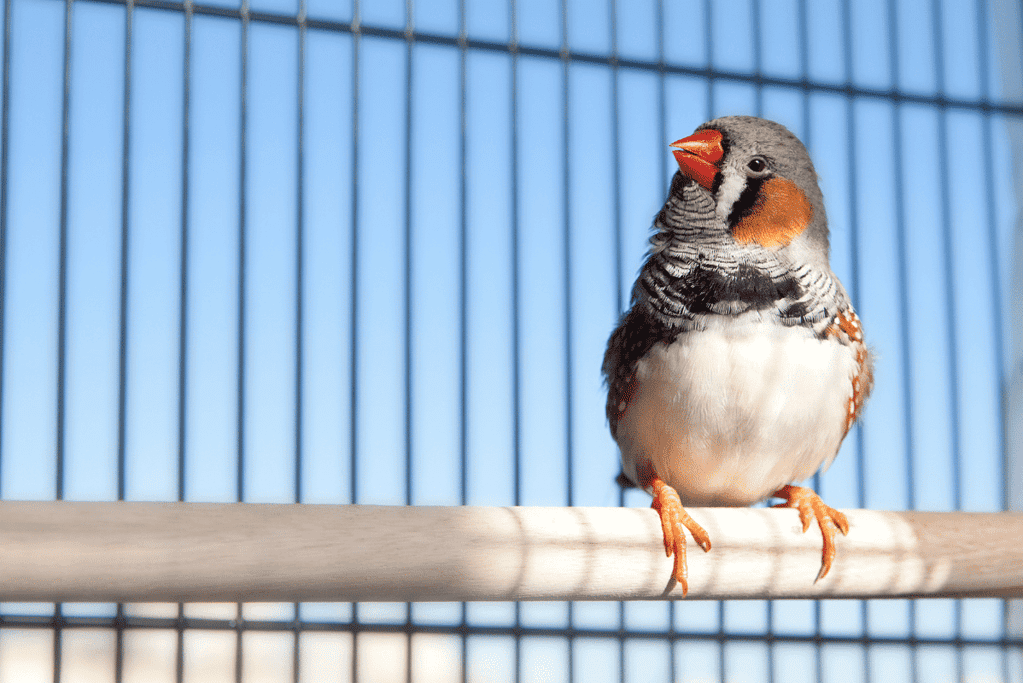
There will be no need to allow the finch out of their cage in an ideal situation because they would already have enough space to fly on their own. Taking a finch out of its cage might cause them to get frightened, and they are not interested in much human interaction. The best choice is to build a caged habitat that is stimulating and interesting enough to keep your finch content.

What are the essentials of a finches’ cage?

First and foremost, you may want to line the base of your birdcage with recycled paper to create some nice bedding for your bird. Second, finches are not particularly fond of toys, but they do like a perch, a swing, and a constant supply of fresh plants or tree branches. So, to keep them occupied and entertained, these objects should be placed in their cage.

Can Finches be left alone?

Finches, like people, do not function well on their own. You must maintain them in pairs at all times. Although different finch species may normally be kept together in a secure environment, it is important to introduce them slowly since certain finches are extremely territorial.

Here are some other Articles we have published about finches

If you read this article you may also be curious to know more about how often do finches molt. take to to our other article Click Here

Another Recent article that we have written about finches is How Often do Finches Lay Eggs? Click Here to go to that article.

How Often Do Finches Lay Eggs?

Finches begin producing eggs when they are 6-7 months old. Once a female finch reaches sexual maturity, she is capable of reproducing in any environment. Most finches will not lay eggs if they do not have a partner or if the mating season has passed. 

But one question still remains: How Often Do Finches Lay Eggs?

Most Finches lay eggs between the months of March and August. On average, finches can lay up to three clutches of eggs (each clutch with 2-6 eggs) in one breeding season. But at their maximum potential, they can lay six clutches of eggs in one breeding season.

Finches will typically lay one egg every day until their nest is completely filled, which is usually six eggs. They will re-inhabit the nest after the chicks have flown the nesting box.

House finches are monogamous in their relationships, i.e., one male with one female. Males and females begin looking for partners in the winter, and by the time the mating season arrives, they have formed mating pairs of their own. Even though a breeding couple may produce as many as six clutches of eggs in a single summer, they could only correctly raise up to 3 clutches at a time.

Why do finches keep producing eggs?

Most finch species produce one egg per day, with the exception of a few species. It’s in their natural capability to produce eggs frequently. It is in their genetics. But remember, frequent egg laying led to uterine tiredness along with nutritional inadequacies such as calcium, vitamin E, and selenium deficiency, among other things. So, you must give dietary supplements to your finches during their breeding season.

How do finches lay fertilized eggs?

Finches lay eggs via internal impregnation, which occurs when their egg fertilizes within the female bodies. It appears due to the male depositing his semen in the female bird’s cloaca, which serves as both an entrance for semen and an exit for waste and eggs. The male sperm fertilizes the female finch’s egg, and a tough-shelled small egg develops within the female bird. This thin membrane creates a closed covering around the embryo during development. It protects the embryo and maintains a steady temperature for its development.

What causes finches to lay unfertilized eggs?

Unfertilized or unplanned egg production is a condition that has been seen in pet birds that are kept in captivity. This occurs in most situations because the finch is not intended for mating and begins laying eggs when the male partner is absent. In other instances, the pet parent may be completely uninformed of the bird’s sex or its capacity to lay eggs.

Candling Finches Eggs

Candling is conducted to check the growth and development inside finches’ eggs. Candling also differentiates the fertilized and unfertilized eggs. The egg’s contents will be revealed due to the light during this process. Any crimson veins that may be seen through the shell indicate a healthy egg. A well-developed cavity should allow for the visualization of an outline of a bird within. There will be no hatching of the egg if all you can see is a form with no red lines drawn around it.

Incubation

The finches typically begin incubating after the third or fourth egg has been deposited.  Afterward, the couple will take turns (usually, depending on the variety) to sit on the egg. Usually, the female takes over at night, and males share incubation duties during the daylight hours. After 13-14 days, the eggs will begin to hatch.  In addition to occasionally turning the eggs, parents maintain high humidity levels by taking a short bath and then returning to the nest.

When is it OK to separate baby finches from their parents?

After 21 days, the baby birds will be able to fly from the nest to the cage and begin to feed themselves. After six weeks, they will start to develop the colors and feathers of their adult selves. At that time, you should separate the tiny finches from their parents.

Reasons: Why Finches Eggs Do not Hatch?

There are a variety of reasons why eggs may not hatch, including:

·   When there are no male finches available to fertilize the eggs, females will occasionally lay unfertilized eggs (which never hatch)

·   Sometimes a couple of immature finches may be ineffective in their mating efforts; in that condition, females lay unfertilized eggs.

·   Occasionally, one or more eggs in a clutch will fail to hatch due to the failure of an unborn chick to grow appropriately or because that specific egg managed to prevent fertilization.

·   In some cases, a bird may fail to properly care for her eggs, resulting in their not hatching correctly – this is somewhat typical when she is young and raising her first clutch of eggs.

·   The egg may have fallen directly to the ground – either from a perch or over the edge of a confined nesting box – in which case it will have been’ scrambled’ by the predator.

·   The male bird may be sterile.

·   Overcrowding and stress in an aviary or birdhouse may be the source of the problem.

·   If eggs fail to hatch because the shells are too soft, it’s an indication that the hen didn’t obtain enough calcium throughout her pregnancy

FAQs

Is it possible for female birds to give eggs without the presence of a male?

Egg-production in birds is a natural and continuous process. So, female birds can produce eggs even if no male is present in the nesting area.  Even while egg production can occur in any avian breed, it is most prevalent in budgies, cockatiels, lovebirds, and finches, among other species.

Is it true that finches leave their eggs?

Finches are pretty good at concealing their vulnerability; it’s a primal instinct. Finches that are sick will be unable to provide adequate care for their clutch. They may simply toss a few eggs or chicks to relieve themselves of the stress of raising a big family. Alternatively, they may quit the whole clutch and utilize the time to attend to their personal requirements.

What can you do with Finch eggs?

It is recommended that you leave the eggs alone and let the parent birds take care of them. The only thing to remember is to provide new bird parents with lots of food in their cage so that they may feed their young (after their hatching)

Tip: Allow the birds to build their own nests and care for the eggs independently.

What is the maximum amount of time finch eggs may be left unattended?

Once the incubation process has begun, it should not be interrupted (or the embryos will die). To allow the parent birds to stretch their wings or take a break to feed and drink, the eggs can be left unattended for short periods of time (about 12-25 minutes).

Do house finches tend to come back to the same nest over and over again? 

Yes, they return and re-use their nests for the next generation of chicks.

Is it possible to relocate finch eggs?

No, you should not relocate them and should simply let them alone. If you relocate the eggs, the birds will no longer sit on them.