Recent Posts

Are Leopard Geckos Friendly?

Reptile lovers consider leopard geckos to be one of the most appealing types of lizards to keep as pets. Although accurate statistics are difficult to come by, it is safe to say that they are the most common species of pet lizard kept all over the world. But why is that? Are Leopard Geckos friendly? Or is there some other reason for that?
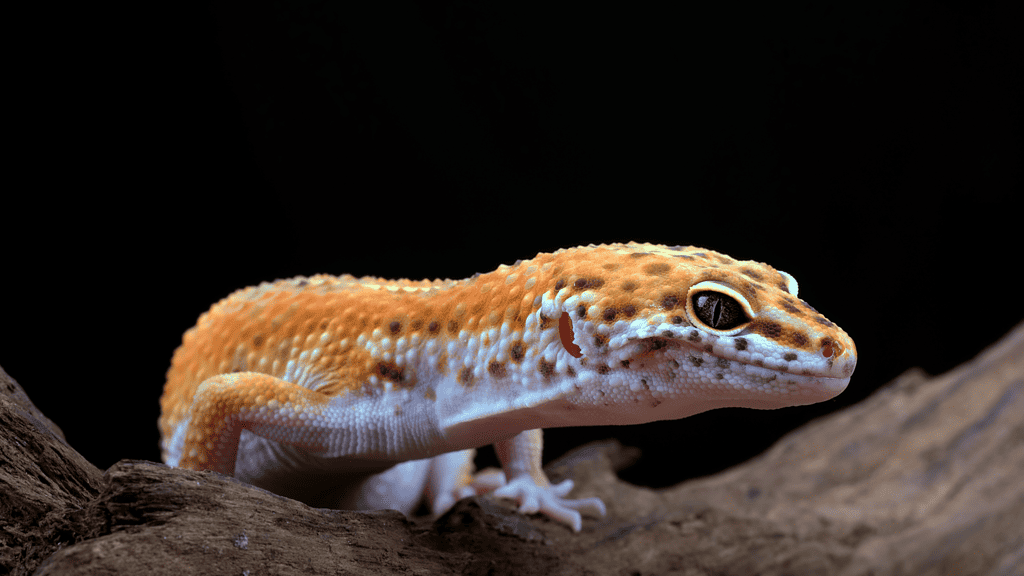
As a whole, leopard geckos are known for their friendly and docile nature, making them easy to handle. They do not usually show aggression towards humans. Proper handling techniques should be used to avoid stressing the gecko.

Other reasons which make them ideal friendly pets include the following:

  • Relatively long-lived
  • Compactness
  • Docile nature/Easily tamed
  • Low-maintenance

Therefore, when it comes to selecting a reptile for a pet, the leopard gecko is the best option for all of the reasons mentioned above.

Now we know that leopard geckos are pretty friendly. But it doesn’t mean that they like being held. It’s just that they are more tolerant of being handled than the majority of other species of lizards. 

What makes a leopard gecko a friendly pet?

As a whole, leopard geckos are friendly pets due to their docile nature and ease of handling. They also tend to become comfortable with their owners and can develop strong bonds. Proper handling and consistent care can also enhance their friendly behavior.

These are the following characteristics that make them a friendly pets:

  1. Leopard Geckos are also considered to be among the most easygoing species of lizards. They often do not get defensive when handled gently.
  2. In conjunction with their relatively tiny size, the low amount of activity that leopard geckos engage in implies that they do not require extremely big cages.
  3. Leopard geckos stay at a manageable size, making them simple to handle and less likely to make inexperienced pet owners anxious when they are being handled.
  4. As leopard geckos do not require the high temperatures required by some heliothermic (sun-loving) lizards, it is typically rather simple to supply them with the proper environment.
  5. This also makes it simple for you to incorporate them into your house, but it also reduces the amount of money you will need to invest in the habitat they require.
  6. In general, leopard geckos have good appetites and may survive solely on the diet of insects. It might be a hassle to keep a population of live insects or make regular excursions to the local pet shop, but this is required if you want to keep a carnivorous lizard as a pet. In addition, leopard geckos do not require rodents or any other vertebrate prey to survive, unlike most lizard species.
  7. These Geckos will drink from a water dish, making it simple for them to meet their hydration requirements.
  8. In contrast to several other lizard species, leopard geckos do not require extensive lighting to thrive. This will not only make it simpler for you to take care of them, but it will also save you a considerable amount of money.

What steps can be taken to help Leopard Geckos adjust to their new environment?

As a whole, leopard geckos acclimate to their environment by providing a warm and secure hiding place, proper temperature and lighting, and a healthy diet. Gradually introduce them to new surroundings and handle them regularly to help them feel comfortable. Avoid sudden changes in their environment to prevent stress.

When you bring a new leopard gecko home, it is important to provide them with a comfortable and safe environment that will help them adjust and thrive. Here are some steps that can be taken to help your new pet gecko acclimate to its new home:

  1. Gradual Temperature Gradient: Provide a temperature gradient in their enclosure, with a warm end (90-95°F) and a cooler end (75-80°F). This allows your leopard gecko to regulate its body temperature and move between areas of different temperatures as needed.
  2. Appropriate Enclosure: Ensure that the enclosure you provide for your leopard gecko is appropriate for its size and meets its environmental needs. Leopard geckos are terrestrial reptiles and do not need climbing structures or large water dishes.
  3. Substrate: Leopard geckos do best on a substrate of coconut coir, paper towels or reptile carpet. Avoid using sand or other loose substrates, which can be accidentally ingested.
  4. Hide Box: Provide a hiding box or two in the enclosure. This will provide a sense of security and comfort for your gecko.
  5. Lighting: Leopard geckos do not require UVB lighting, but a basking light should be provided for warmth.
  6. Handling: It is best to give your leopard gecko a few days to settle in before handling them. When handling your gecko, always support their entire body and avoid grasping their tail.
  7. Gradual Feeding: Offer your leopard gecko its first meal in its new enclosure a few days after bringing it home. Do not be alarmed if your gecko does not eat for a day or two after arriving in its new environment.

By following these steps, you can help your leopard gecko feel comfortable and secure in its new home. With time and patience, your gecko will acclimate to its new environment and become a happy, healthy pet.

Friendliness of a juvenile Leopard Gecko

You might be curious as to whether or not juvenile leopard geckos share their calm demeanor and friendly demeanor, given that adult leopard geckos are noted for having these qualities.

This is because juvenile leopard geckos have higher amounts of both energy and aggressiveness than their adult counterparts, which results in them not having the same amount of friendliness. If they believe that their zone/area is in danger, they may react aggressively and lash out at anyone who comes near it. Because they believe they are in imminent danger when they are contacted, some juvenile leopard geckos even scream when they are approached. As a result of their irritable demeanor, they have a higher propensity to attack their owners or tuck their tails in response to being irritated.

It is important to keep in mind that the leopard geckos sold in regular stores are small; they are not as young as a newly born leopard gecko; rather, they are around six months old.  As a result of this, their disposition more closely corresponds with that of the mature leopard geckos; hence, you may acquire a few of these Geckos without as much cause for concern over an aggressive attitude.

How do Leopard Geckos show affection?

As a general rule leopard geckos don’t show affection in the same way as dogs or cats. However, they can become tame and display signs of trust, such as allowing handling and eating from their owner’s hand. Regular handling and a safe, stable environment can help build trust.

Leopard geckos typically show affection by seeking out and enjoying physical contact with their owners, such as allowing themselves to be petted or held. They may also display signs of relaxation, such as licking or rubbing against their owner, or making soft vocalizations. Some leopard geckos may also show affection by following their owner around, seeking attention, or displaying a willingness to be handled. It’s important to remember that leopard geckos are individual creatures and may express affection in different ways, but with patience and understanding, owners can learn to recognize and respond to the affectionate behaviors of their pet.

Leopard geckos are communicative species, which means that their friendliness is rather obvious when you interact with them. Leopard geckos have an outward attitude that conveys an air of curiosity and interest in the person with whom they are conversing when they are in a sociable mood. They will keep an interested eye on the individual and may even emerge from their hiding place or the location where they are basking to observe what the person is up to. As the naturally curious creatures that they are, if they are allowed to roam free outside of the enclosure, they will crawl all over the human. They are open to being held on occasion (provided that they are handled gently), giving off the impression of being at ease.

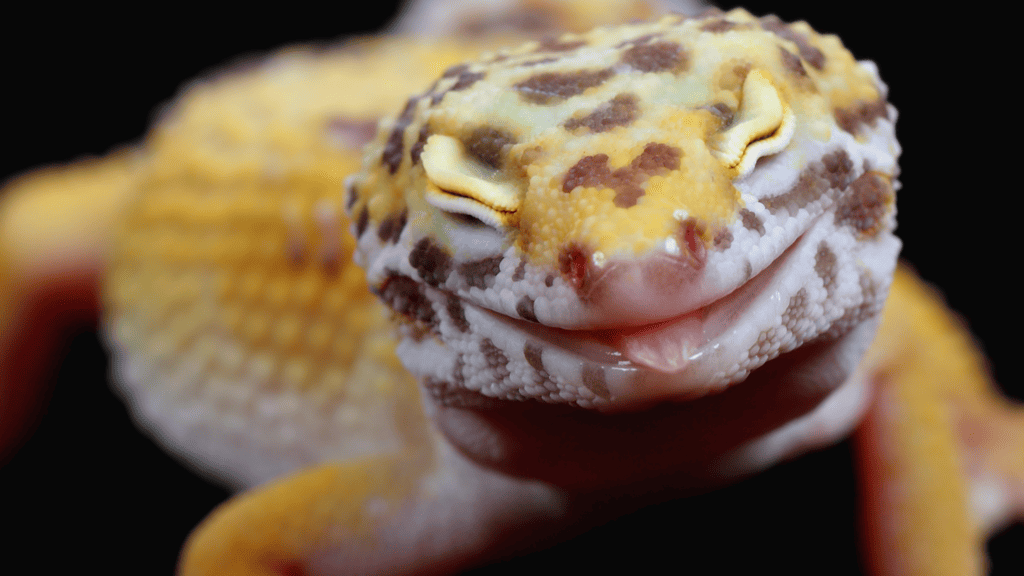
Your leopard gecko may be perfectly content with its life, even if it doesn’t feel like climbing on you or being handled right now. A happy leopard gecko will have its ears open, will seem comfortable, and be curious about its surroundings. A contented leopard gecko will frequently engage in activities such as sunbathing and investigating while flipping its tongue.

It may not be moving around at the time, but if it is not asleep, it will appear to be actively interacting with the world around it. It will be in a state of interest while it is exploring or relaxing when it is basking in the sunlight or cooling off in its shelter, just as it would be in those states while it is crawling on its owner or remaining warm in its hands. Because of this, the reason why your leopard gecko avoids being handled is not that it is offended; rather, it just wants to investigate something it is fascinated about or relax beneath the pleasant basking light.

Your leopard gecko really shouldn’t be swinging its tail since this behavior suggests that it is either irritated, stressed, or feels that there is a threat to its territory.

Because of its one-of-a-kind personality, the leopard gecko has certain inclinations and requirements about the kind of relationship it wants to have with its owner. These applications may be used to develop a closer relationship with your leopard gecko and foster trust and friendship between the two of you.

Is it appropriate for a child to have a Leopard Gecko as a pet?

Leopard geckos, which are known for their tame demeanor and lack of nervous energy, are excellent pets for all household members. They like being carried by youngsters of all ages and move cautiously when placed on gentle hands. Even though they are not hostile by nature, you should still treat them with respect, just like you would any other animal.
Is Boredom an Issue for Leopard Geckos?

Geckos never get bored. This is because they are not like humans, who require continuous attention and amusement in order to feel content. They are often content so long as they are protected, have food to eat, and are able to maintain their health.

However, Leopard Geckos can grow anxious, giving the appearance that they are bored even when this is not the case. The following is a list of activities, both those that you may supply for them and those that they can do on their own to keep themselves active, healthy, and stress-free.

  • Eating
  • Climbing
  • Bonding with them
  • Sleeping
  • By exercising

Tell us in the comments, how you like our article, “Are Leopard Geckos Friendly?”

Click here for similar articles
Are Guinea Pigs Noses Supposed to be wet

Getting to know signs of sickness in your guinea pig is going to help make sure that your pet stays happy and healthy. We did not know what to watch out for at first but with research we were able to help ensure we knew what to watch out for. So we hope we can help you start out with more knowledge than we did. 

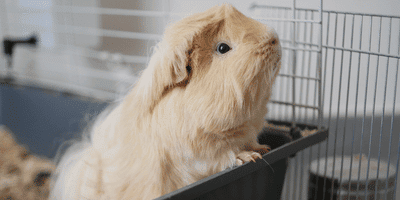
A healthy guinea pig should have a dry nose clear of drainage and repeated sneezing. Any moisture around the nose or repeated sneezing can be signs that your guinea pig is sick and you should consult your veteriant for a proper course of action.

What Are The Signs Of A Healthy Guinea Pig?

There are many ways to tell that your guinea pig is healthy. You must spend time with your guinea pig daily, and examine them closely during this time so that you will know what they are like during healthy times. This will make it easier for you to know when something is wrong and just not right with your little pet.

Look for these signs in your guinea pig when healthy so you will notice a difference when something is wrong.

  • EYES:    The eyes should be bright, focused, clear, and alert to you. 
  • NOSE:   The nose should be dry and clean.
  • TEETH:  Should be light yellow and line up well, and not so long as to start curving or misalignment. 
  • MOUTH: Clean and dry without drooling.
  • EAR:       Should be clean and dry.
  • COAT:    The coat should be thick, well-groomed, and clean. 
  • SKIN:     The skin should be pink and smooth, free of sores, scratches, and red splotchy patches.
  • FEET:     The nails should be kept shorter, The bottoms of the feet should be soft, smooth, and free of sores.
  • BEHINDS:  Should be clean and dry.
  • A good appetite and plenty of water consumption.
  • Active and playful, alert to what is going on around them.

These are the signs of a healthy guinea pig. As you spend time with your pet you will know their normal level of food and water intake, their body structure, and weight, you will also know how active they are. You will be able to spot the differences and know when there is a problem that needs to be addressed.

How Do You Tell If Your Guinea Pig Has A Cold?

If you have a cold be sure to keep your distance from your guinea pig, as they are susceptible to catching it from you.

If your guinea pig has a discharge from the nose and a persistent sneeze. Make sure to keep them warm and have plenty of water available. If this condition continues for more than a few days you will want to get your pet to a vet. They are prone to getting pneumonia and other respiratory problems which will need treatment from the vet.

If you get a cold and are the sole provider for your guinea pig. Be sure to wash well any exposed areas with soap. Put on rubber or latex gloves, and a face mask before washing your guinea pigs’ fresh food, changing the water, and adding new hay. And even while changing the bedding. 

Continue To use precaution for about 2 weeks. You are contagious for this period of time. Monitor your guinea pig from afar during this time to know if he has caught your cold. You will want to know as soon as possible so you can watch for signs that it is worsening.

What To Do If Your Guinea Pig Sneezes

A sneeze alone doesn’t mean that your guinea pig is sick. Just like you, a sneeze may simply be clearing out a particle of dust that has become irritating. Since there is dust in their hay, bedding and even in their pellets it is easy to see how they may get some dust that would be bothersome now and then, say 3-4 times a day is normal.

There is always the possibility that your perfume or cologne has irritated his sense of smell. Maybe the bedding has perfume in it. Are you using fleece liners? Maybe it is the detergent you used. There are a number of reasons that your guinea pig might squeak out a kaa-chooo.

If there is no running discharge from the nose and the breathing is quiet and unlabored then all is well. At this point, you can rest assured that a sneeze was just a sneeze and has no harsh underlying problems.

Guinea Pig Health What To Look Out For

Keeping track of their daily consumption of food and water so you will know if it changes rapidly. A rapid decrease in the water or food intake can be an indication of a health problem.

If they are drooling and are not eating well it is an indication of a problem with the teeth. They may just need to be ground down some. However, it may have reached a point that it is more serious. Get your guinea pig to the vet immediately.

If the eyes are draining, it could be a simple scratch on the cornea from hay. It could be something more and will need to be addressed by your vet. There are antibiotics eye drops to help with scratches and infections.

If your guinea pig has a dirty unkempt or patchy coat or has scratches or rod splotches on the skin. Then there is a possibility that they have a parasite infestation. Your vet can check them and diagnose the parasite and start their treatment.

A runny nose or persistent sneezing can be an indication of a cold. If they also have a wheezing or grumbling in their breathing, or their breathing is labored they need to see a vet as colds can easily turn to pneumonia. If left untreated for a few days they may end up with damage to their lungs that is permanent.

Make sure that their behinds are not staying moist. This will cause urinary infections. It can also attract flies that will lay their eggs In the damp area. This is called flystrike and is potentially fatal. Be sure to keep the cage clean and check their bottoms regularly.

Bumblefoot is when the bottoms of the feet get sore. This can be caused by having bedding that is to rough on the feet. Changing to a softer bedding may be just the thing to help. 

Guinea pigs need a diet that has extra vitamin C. They cannot produce any vitamin C on their own so they need to consume it. Without vitamin, C added to their diet they are prone to getting Scurvy.

Conclusion

As a rule, guinea pigs are easy to care for and rarely get sick. If you give them the proper food, water, and a clean area to live in. Of course, the more pets you have and especially those that go in and out the more at risk all your pets are. All of this can be discussed with your vet. 

Guinea pigs are good at hiding problems, part of this is because they are naturally prey animals. So you will want to monitor them and once a problem does show, get them to the vet rapidly. 

Be sure to spend time getting to know your guinea pigs so you will know if there are changes that need to be addressed. Make sure to have yearly vet visits so you can keep track of any changes and know what to expect in the coming year.

What type of finch makes the best pet?

Finches are found worldwide in a variety of colors and patterns. Actually, there are many distinct kinds, each with its own personality traits and qualities that distinguish them from the others. The following question arises: if you want to choose only one finch that would make the ideal pet, how do you decide which one to choose?

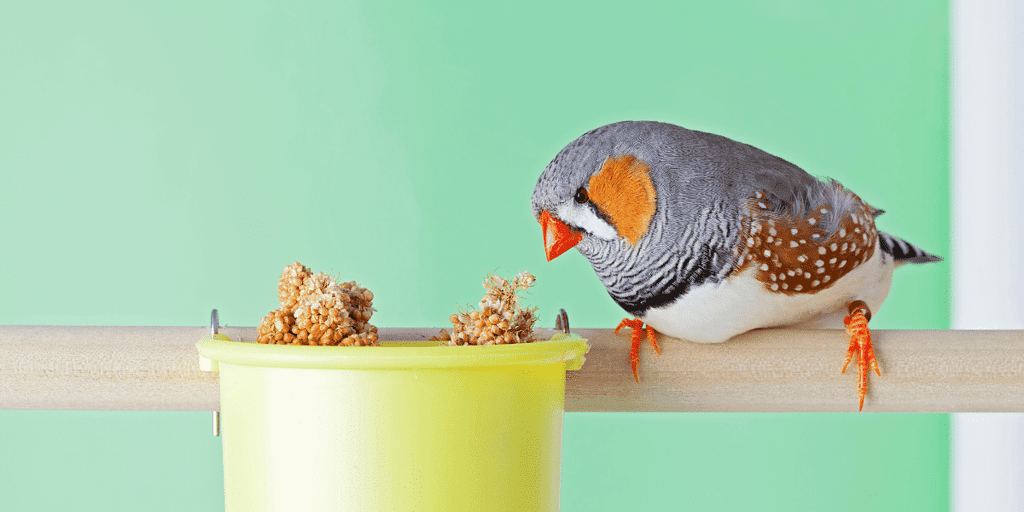
The Zebra finch makes the best pet bird since it is one of the most common birds and is also one of the easiest to care for. It is brightly colored, friendly, and easy to keep as a pet. It is a wonderful option for first-time bird owners due to the fact that they are tough and resilient. 

Furthermore, zebra finches are cheerful and active finches. They are very active and do not usually make loud noises chirps like other finches (which makes them better pets than other finches). However, it is preferable to keep them in pairs since it can be really amusing to watch them interact with one another.

More about zebra finch

This species is resilient and very easy to care for, making it a good choice for beginners. It is a beautiful choice for someone who is purchasing their first bird. Zebra finches are generally maintained in pairs and are capable of keeping themselves entertained without requiring much involvement from their owners. This species is an excellent alternative for those who don’t have much time to devote to their pet finch. Other finches may be more vibrantly colored, but none of them are as easy to care for as zebra finches.

A word of caution

Zebra finches are highly territorial. So, due to this, please use caution if you have other birds in the same area. To summarize, they are highly social and energetic, and as their parent, you will have a great time playing with this species of finch!

Following the zebra finch, several additional varieties of pet finches are excellent choices.

Let us discuss them all

Some other finches that make great pets

While there are many different varieties of finches in the world, the finches listed below are the ones that make the finest pets. They offer the greatest disposition and characteristics you could ask for in a new avian companion!

  • Star Finch: This finch is an eye-catching and sweet bird. These birds have a stunning appearance, with a greenish chest, olive tail, and a crimson face. Furthermore, the white patches around the neck of this bird contribute to its distinct and individual appearance. These finches are on the smaller side when compared to other finches. When fully grown, they reach roughly 4.5 inches. They are slim and sleekier than all other finches. Like almost all other finches, these tiny birds are calm, quiet, and incredibly serene creatures!
  • Owl Finch: The owl finch is a bird that deserves to be so named. It is, in fact, an owl in appearance! It has a white face, a brownish body, and a whitish chest due to this. A dual black line that runs across the bottom of their faces and down their breast is arguably the most distinctive feature in these birds. In fact, there is no other bird in the world that looks anything like it! Like several other finches on this list, this bird grows to be around four inches in length when fully grown. It is worth mentioning that, while these birds make fantastic pets, they are becoming increasingly difficult to come by. They are much more expensive to purchase, so expect to pay more than $150 for one of these magnificent birds.
  • Society Finch: This finch species is a very elusive but perceptive observer regarding looks. White chests and a brown back are the only things that distinguish this bird from the rest of the flock. One may even guess it’s a sort of sparrow based on its appearance! On the other hand, the Society finch is considered one of the finest avian companions to keep as a pet because of its resistance to disease and friendly nature. These finches are the loveliest to be around. Consider the fact that these well-liked finches will frequently function as foster mothers/fathers to demonstrate just how friendly they are. That is, they will rear chicks from a variety of species in addition to their own! It would be not easy to locate another bird who would be prepared to undertake such a thing. When completely mature, these finches are around 4 inches tall, which is small for their species.
  • Plum-Headed Finch: This finch species is a near cousin of the Society finch. The significant difference between the two finches is that the Plum finch is a bit less conspicuous in its look. While they have a lovely plum head, the remainder of their body is brownish and whitish spots, as implied by their namesake species. Even though they are not as visually startling, they are nonetheless rather attractive. They are pretty similar to the Society finches in terms of attitude and care, with the main significant difference would be that the Plum finch is less shy than the Society finch.
  • Strawberry Finch: In addition to being a stunning bird, the Strawberry finch is so named because of its red and black coat. Aside from that, it has several white dots all over its body, which gives it a pleasing, unique appearance. Like the Star finch, these birds reach a maximum size of roughly 4 inches in length. Even when thoroughly developed, they are incredibly light weigh less than half of an ounce! They are also relatively little! It’s worth mentioning that this particular kind of finch has one of the most beautiful melodies of all of the bird species. It has a flute-like tone to it, and it can be highly hypnotic to listen to!
  • Gouldian Finch: This bird is impressive and stunning in its beauty. It’s a finch with an orange beak, as the name suggests. Gouldian finches have a variety of colors, including purple breast, yellow tummies, and green on the rear of their bodies. They have a distinctive appearance, and once they have settled in, they make excellent small pets. Gouldian finches reach a maximum height of five inches. They are also known for being relatively light in weight. In addition, they are a fairly docile type, so if you’re attempting to raise numerous finches in the same enclosure, this is one kind you should consider. In addition, it’s essential to be knowledgeable about bird hygiene and general care before opting to adopt a pet bird into your house.

Which finch is the most prevalent in the world?

The House Finch is the most abundant and widespread of all finch species. It is distinguished by its red head, chest, and tail, but it lacks red coloration on its brown back and wings. This distinguishes it from the other finches. 

Are finches a good choice for newbies?

The fact that finches are tiny, take minimal care, and are entertaining to watch flitting around their cage makes them an excellent choice for first-time bird owners or youngsters. Finches are typically hardy, and as a result, older children (over the age of 8) may be effective primary caregivers for them.

Are wild finches allowed to be kept as pets?

Wild finches are prohibited from being kept as pets, so you’ll have to make your you select from among the domesticated varieties of finches. 

What Seeds Do Finches Like the Best?

Finches are pleasant to watch because of their vivid, gorgeous feathers. They have several species, including the American goldfinch, the house finch, the purple finch, etc. All of these finch species are predominantly seed-eating birds, and any seed feeder will be appealing to the Finch family.

But what seeds do finches like the most?

Finches are particularly fond of Nyjer Seeds and Sunflower Seeds. These seeds are rich in oil and are easy to eat by finches’ short beaks. Because finches enjoy the combination of Nyjer and sunflower seeds, this combination is your best hope for bringing a brilliant multi-color feathered friend to your yard or garden.

More On Nyjer & Sunflower Seeds

Nyjer (Thistle) Seed

Nyjer seeds are derived from the African yellow daisy. They include a balanced combination of protein, fat, and fiber, making them an excellent high-calorie alternative for winter birds. Ensure the seed remains dry, and replenish any uneaten food in a few weeks. Finches can feed without being distracted by other feeders if they are served nyjer seed in a tube or mesh feeder hung away from the others.

Sunflower Seed

Finches are attracted to sunflower seeds in their shells and as out-of-shell meats. Because sunflower seeds attract many species, including some large unwanted birds and squirrels, they are best fed in tube feeders that enable only small species to perch on the feeder or enter the feeding chamber.

Bonus: Safflower Seed

Some finches also love safflower seeds besides sunflower and nyjer seeds. Safflower is an annual thistle with brilliant orange and yellow blooms grown for its oil. Seeds from this plant are somewhat smaller than sunflower seeds, yet they have a high concentration of protein and fat. Besides protecting the flesh, the hard white shell also has a slightly bitter flavor. As a result, fewer finches are attracted to the seed.

Fill a finch tray with nyjer and sunflower seeds along with some other seeds to attract finches to your yard or yard bird feeder. If you use this strategy, flocks of finches will visit your feeder again and again.

Finches Feeding and Foraging Behavior

Finches like moving in tiny, loose groups rather than large groups. Groups of 5 to 12 birds appear to be most common type of flock. As a result, they usually arrive in groups rather than as individual birds when they go to the feeder.

They tend to be noisy and energetic at the feeder, singing, and chirping as well as hopping around. Although they are somewhat flighty, when pursued from the feeder by another bird, they will typically fly to another location on the feeder or to a neighboring perch. After that, they instantly return.

Finches chew on the seed husks in order to open them. The seed shell is then extracted and swallowed using their tongues. They only allow the seed shells to fall out the edges of their mouths. As a result, there are empty seed shells in the feeder trays or on the ground under the feeder when this occurs. On a regular basis, they should be removed.

Finches Diet Preference According to Their Specie

The majority of finches are granivorous, which means they consume both plant and animal material. American goldfinches, house finches, smaller goldfinches, Lawrence’s goldfinches, purple finches, and Cassin’s finches are among the most common Finch species.

Now, let’s look at the diet variations between some famous finches:

  • The House Finch: Seeds, berries, grains, and green veggies are among house finches enjoy eating. They hunt for insects like as caterpillars, small larvae, and mealworms, among other things. House finches love thistle and sunflower seeds too.
  • Cassin’s Finch: Cassin’s finches typically eat seeds, grains, berries, buds, and larvae, although they will also eat various other foods. In the summer, they consume a broad range of insects, but in the winter, they switch to a diet that includes fruits, greens (but only the leafy sections), and vegetables.
  • The American Goldfinch: The foods American goldfinches consume include Nyjer seeds, sunflower seeds, a vast range of fruits, and green veggies. They can also be given a few human-made goodies, pellets, and freshwater to keep them hydrated and happy.
  • Purple Finch: Purple finches mostly eat seeds from trees such as Nyjer, sunflower seeds, maple, and tree buds. They occasionally consume a variety of insects, including caterpillars and some larvae. Honeysuckles, apricots, and apples are some of their favorite fruits to consume in the wild.
  • Lawrence’s Goldfinch: In common with smaller goldfinches, Lawrence’s goldfinches mostly feed on seeds. They also prey on various natural weeds and plants, especially peppergrass. Insects, new small tree shoots, and some tree stems are among the foods they like eating.
  • The Lesser Goldfinch: Lesser goldfinches mostly feed on seeds, including sunflower seeds, hemp seeds, and ever-popular thistle seeds. In addition to insects, new tree shoots, and some berries, they consume various other foods. During the hot summer months, they also require a great deal of water.

Best Finch Feeders to Serve Thistle Seed

Nyjer thistle seed is a favorite food of finches. If you’ve already selected the birdseed, it’s time to select the appropriate bird feeder.

Let’s have a look at some of the finch-friendly feeders that are available:

  • Hopper Bird Feeder: Each of these feeders has a seed reservoir enclosed, almost like a small house, for the seeds. The food is delivered to the open feeding tray below by sliding down. When it rains, the seed remains dry, which is a significant advantage.
  • Window Feeder: This feeder may attract a large number of finches to your window. It enables a broad range of finches, particularly golden finches, to eat seeds, veggies, sliced fruits, etc.
  • Sock Finch Feeder: These feeders are an easy and economical way to feed your finch.  Most of the time, the finches are fond of them. Birds will just cling to them to eat anything available. They may be cleaned, but it is better to substitute them when they get very dirty or damaged.
  • Tubes Finch Feeder: This tube thistle feeder is sure to attract a large number of finches. It can contain up to 2-3 pounds of seed, ensuring that the birds have more than enough to eat. This is the primary type of finch feeder.
  • Platform/Tray Feeders: They are also called tray feeders, are another type of feeder appropriate for finches. You may use this feeder to supply seeds, berries, veggies, fruits, and practically anything else you can think of in terms of nutrition.

How to Attract Finches to Your Feeders

To attract the species you choose to your yard, you must use the correct combination of finch feeders, finch seed, and environmental conditions.

  • Choose the Proper Bird Feeder

While finches will eat from practically any feeder, the Finch Stations, Feeder Socks, and Feeder Tubes are the best feeders to use for finches in general. 

  • Select the Proper Seed

The majority of the finches’ diet consists of seeds. They are particularly fond of Nyjer Seeds and Sunflower Seeds (as discussed above). So give them a proper seed diet. 

  • Create a Warm and Inviting Environment

Growing particular plants in your yard might assist in attracting specific species to your yard. Finches prefer garden areas with broad, grassy fields-like space—plant grassy and weedy species and plants and flowers that produce many seeds.

Finches have been attracted to various plants, including cottonwood fluff, cattails, and milkweed, among others.

How Long Do Zebra Finches Live?

Zebra Finches are little, brightly colored birds that are immensely popular among those who keep birds as pets. These little finches are well-known for their ability to perform beautiful and complicated tunes. When kept in groups (no fewer than two), they are reasonably easy to care for and will not require as much care from their owners as a small parrot would. But what about its longevity?

How long do zebra finches live?

Zebra finches live for around two to five years in the wild. As pets, they tend to survive for up to ten years provided they have adequate attention, care, space, proper nutrition, and companionship needed for their survival.

Zebra finches have been kept in captivity for over a century and are the most popular finches. The male finch can sing, and as a result, they are highly popular among bird lovers. 

Below, we’ll go a bit more into the lifespan of zebra finches, how their lifespan compares to that of other finches, and what you’ll do to help them have happier, healthier lives as well.

Zebra Finches 

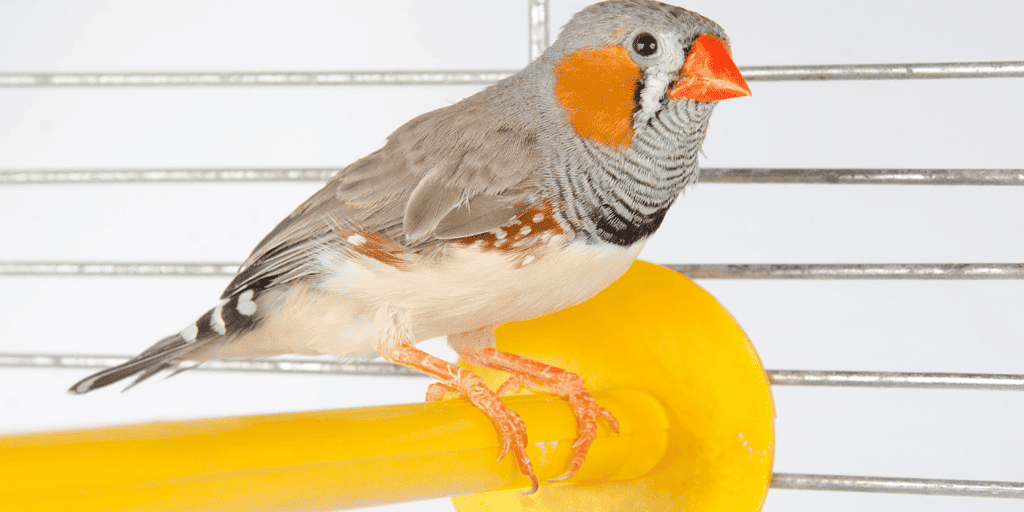
The scientific name for the Zebra Finch is Taeniopygia guttata. Zebra finches are considered the most popular bird due to their availability and affordability. Zebra finches reproduce quickly and are excellent beginner’s birds since they are simple to care for and require just a little amount of effort.

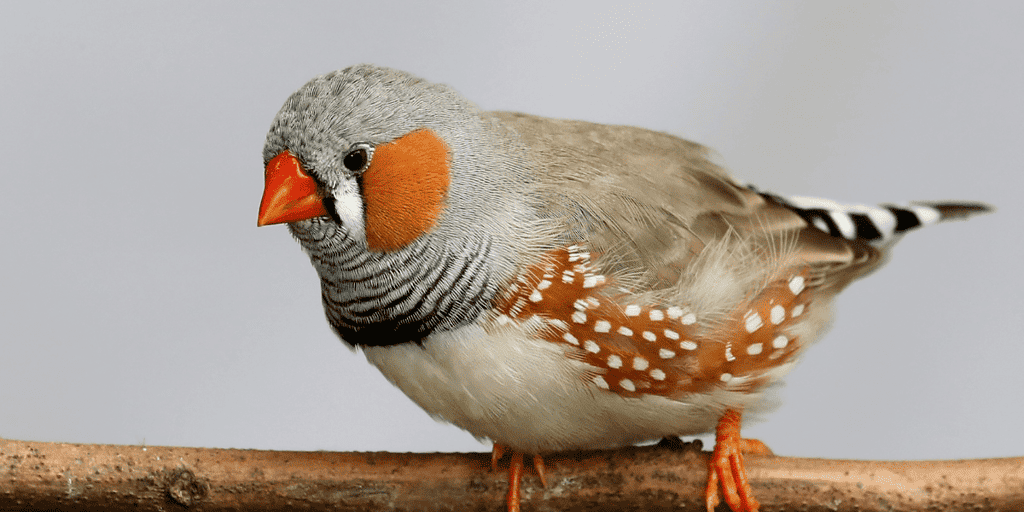
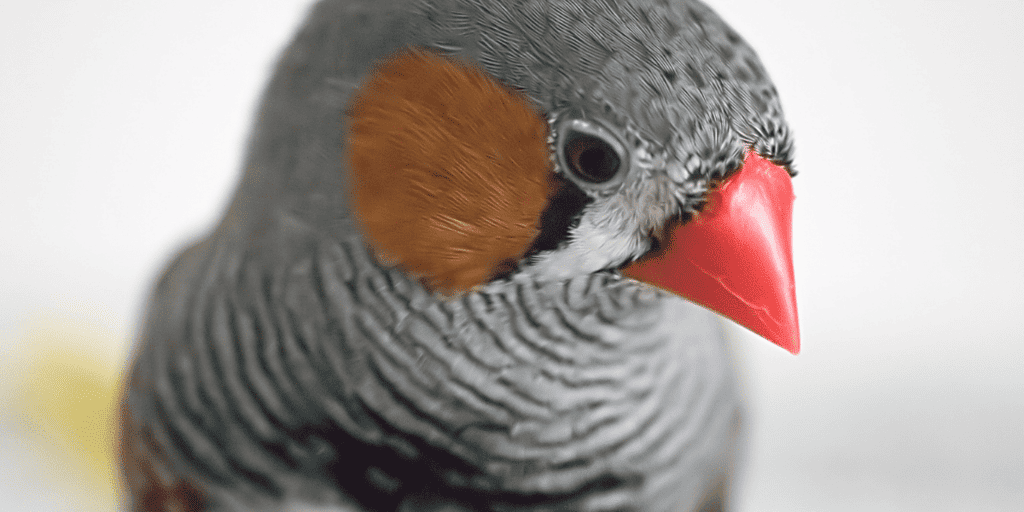
Although the zebra finch is small, it is not the smallest bird. Its name comes from the zebra-like stripes that run along its neck, chest, and its black and white striped tail. The “regular” colored male (the most usually occurring color) is gray with a black teardrop drop at its eye, bright red rouge spots on its cheeks, or a bright red beak when it reaches maturity. The female has a more subdued colouration, with its beak being a softer orange than the male. Zebra finches may be found in various colors and patterns, including pied, beige, cream, white, or other variations.

The following are the prominent characteristics of the Zebra Finch:

Size(approximately 10 centimeters)
Weight15 and 30 grams
Life Expectancy4 to 9 years
Physical Characteristicstiny body, grey in hue, teardrop black imprint above the eye, patterns black and white like Zebra, orange beaks of small size.
Best Suited forarid places, grasslands, natural ecosystems, dry regions, and the interiors of forests.

How Can You Assist Your Zebra Finches in Living Long and Healthy Lives?

You can do the following things to keep your zebra finches living much longer than expected:

  • One of the essential things you can do to keep the zebra finches healthy and strong is to keep them away from a scaly face condition that may be caused by mites, one of the most common problems they encounter.
  • This medical disease has the potential to impair the entire respiratory system much more quickly than you may expect, which is why it must be handled as soon as possible. Zebra finches, in particular, are particularly susceptible to air-sac mite infections, which result in the scaly facial disorders that are associated with them.
  • If you ever suspect that your finches are having difficulties breathing, it is best to schedule an emergency vet consultation as soon as possible. They’ll require medical attention right away if they’re going to live.
  • You will also make sure that the diet and nutrition of your zebra finches are optimally controlled.
  • Finches are foraging birds always on the lookout for seeds, wildflowers, berries, pinecones, and other pieces of food that they may pick up off the forest floor with their beaks. It’s not a bad thing to feed them on the cage floor so that they can emulate their natural behavior.
  • Ensure that you provide them with a high-quality diet that contains all of the nutrition they require (which is typically based on whole grains and vegetables) and that you’re mixing in a teaspoon or two of finch seed every day; ensure that they get everything they need.
  • Pellet foods, millet sprays, and some scrambled eggs can occasionally assist in supplementing the nutrients your finch receives regularly.

The behavior of Zebra Finches

The Zebra Finch is not suitable for most people who want to handle or pick their bird all the time. But remember, with patience and time, you can instill confidence to the point where a finch will land on your finger. Besides that, these birds are best observed from a distance. To train them, you can enter the cage multiple times a day with your fingers and give them small treats each time. You could get awarded if they land on your finger at the appropriate time.

Despite being quite busy, these birds like flying around their cages, traveling from perch to perch, and amusing themselves by engaging in lengthy inter-avian talks. Zebra Finches are best maintained in pairs, which is why many finch owners have numerous pairs of finches living in the same cage.

When treated in this manner, they do not regularly require much connection with their human partners. They will be satisfied in their demand for direct attention if you speak to them while you are present. Even if you are not around, quietly playing music will keep them entertained.

How healthy are Zebra Finches?

They are somewhat resilient birds, but they are susceptible to health problems. So, keep a good eye on them and provide them with the best diet and housing possible.

Do Zebra Finches Have Longer or Shorter Lives Than Other Finches?

Generally speaking, zebra finches do not have much longer or shorter lives than other types of finches; yet, when it comes to the average lifespan, they fall somewhere in the middle of their group.

Type of FinchesAverage Life Span
Asian Rosie Finches5-7 years
Bengal finches4-8 years
Gouldian finches5-6 years
Laysan finches5-6 years
Nihoa finches10-11 years old
Purple Finches2-11 years of age
Society finches5-9 years
Average Lifespan of finches
  • .To Ensure a long life, you want to ensure that you provide them with a high-quality meal with all the nutrition they require, often based on whole grains and vegetables.
  • Society finches do not exist in the wild but are a hybrid of two bird species initially produced centuries ago in China and India. They are often one of the milder finch varieties, and because they have been raised domestically for centuries, they may be trained to accept food from the palm.

In Conclusion

When found in their natural environment, most finches can live for up to five years. Caged species typically survive for 5 to 9 years; however, they can live for up to 12 years in exceptional circumstances, with one known example of a caged purple finch living for 14.5 years.

How can you tell if a finch is happy or sad?

Pet finches have been described as “clingy,” with one minute being playful and affectionate and the next being demanding and depressed. The body language of a finch, which may be both evident and subtle at times, can provide you with valuable information about their behavior.

How can you tell if a finch is happy?

Finches produce clicking noises and twitch their wings when they are happy. They will demonstrate an increased eagerness to play, live, groom, and interact with others. They will also stand on one leg more often and shake their heads when they feel joyful.

How can you tell if a finch is sad?

Depressed finches show feather-plucking behavior along with biting, screaming, decreased appetite, and decreased vocalization.

Let us discuss all these happy and sad finches’ signs in detail

Signs of happy finches

·      Clicking

When happy finches generate a clicking sound more often, this can sound rather loud and harsh, similar to the sound of two stones being knocked against one other. Although it may appear to be a strange sound at first, it is actually quite typical. In reality, it indicates that your finch is confident and relaxed.

·      Shaking Its Tongue

Finches open their lips and wag their tongues about to show that they’re excited and joyful. Additionally, they may wag their tails simultaneously, further conveying their excitement.

·      Twitching its wings

Finches may quiver their wings in response to anything they are excited about. They’re in such good spirits that they can’t help but move, even if it’s in little steps.

When it’s combined with another positive body language, it’s a good indicator. Alternatively, it might be afraid if the finch flees or cries out.

·      Friendliness

Finches are very gregarious animals. When they’re content, bonding with their owners and associating with other finches consider them happy.

In fact, finches that are left alone are more likely to get unhappy and develop bad behaviors. 

If your finch is in a good mood, he or she will show an interest in spending time with you. It may swiftly creep up your arm and sit on your shoulder, or it may try to nuzzle the inside of your mouth.

·      Grooming

Finches take great pleasure in grooming and preening their feathers. The best way to tell whether yours is in a happy mood is to watch it happily, eliminating feather dust, picking up dirt, and spreading preen oil throughout its plumage.

This is a highly soothing action for a finch, and it makes the bird feel more organized. Happy finches may even preen one another, which will aid in reaching hard-to-reach areas such as the rear of the neck and the back of the skull.

If your finch pulls at your hair or nibbles at your skin, it is likely that it is pleased with itself and is attempting to groom you. It is common for finches to be depressed or sick when they are not preening.

·      Good Appetite

Finches have large appetites as a means of compensating for their high-energy lives (for their size). To keep up with their fast-paced metabolism, finches feed numerous times during the day.

If your finch is in a happy mood, it will eagerly fill its stomach with nuts/seeds, as well as fruits or veggies. If you feed your finch a strawberry or a piece of lettuce and it enthusiastically consumes it, you can be certain that it is pleased.

·      Playing

Finches prefer to be kept occupied. In the wild, they spend their days hunting for food, inspecting novel items, pecking at twigs or bark, and mocking one another about their antics. The majority of this activity is replaced with toys in your home, which is convenient.

A happy finch will play with its bells, strings, hooks, and climbing toys, among other things. It will also like playing with you or the other animals in its cage. Whether it’s taunting, pecking, or playing fetch, you’ll never find a happy finch that doesn’t take advantage of any opportunity to be active.

·      Standing On One Leg

Before retiring to bed, finches like to stand on one leg for comfort and warmth. When they’re unhappy or uncertain, they’ll frequently choose to sit with their legs crossed. If your finch is in this unipedal position, you may be confident that it is safe, comfortable, and pleased.

·      Tilting the head

When finches are inquisitive and engaged, they will tilt their heads to one side or the other of their bodies. It allows them to get a better view, and it is a pleasant method to move about.

Signs of Sad Finches

·      Feather-plucking

Feather-plucking is a fairly typical external sign of stress and restlessness in birds. This is especially true of tiny birds like finches and lovebirds. When a precipitating reason, such as a loud noise or the presence of construction in the home, some finches may begin selecting, and they will keep picking long after the precipitating stimulus has passed. To rule out other possible reasons for sickness in feather-picking finches, they should undergo a complete medical checkup, including blood tests.

·      Decreased appetite

Sad finches eat less and lose weight. An avian veterinarian should properly evaluate finches whose appetites alter (decreased) to ensure that they aren’t concealing an underlying medical condition.

·      Biting

Even though many finch owners mistakenly believe that their birds’ biting is an act of violence, this behavior frequently indicates stress and sadness. When finches are terrified, they may commonly bite and lunge in an attempt to protect themselves because biting may sometimes be a symptom of pain or distress in birds. If your finch suddenly begins biting excessively should get a thorough veterinarian checkup to confirm that there is no medical condition causing this new behavior.

·      Screaming

Commonly finches produce a lot of noise, depending on their species. A rapid surge in screams and screeches, on the other hand, may signal that a finch is agitated, disgruntled, or otherwise bored. Screaming can be symptomatic of pain or distress in the same way biting might be. As a result, any finch that starts screaming out of nowhere should be examined by a veterinarian to confirm that there is no medical reason for this behavior.

·      Reduced vocalization

While screams might suggest underlying tension or sadness in birds, diminished vocalization can indicate the opposite. The reason for a bird’s rapid decrease in vocalizations might be stress, sadness, boredom, or illness. An avian veterinarian should be consulted as soon as possible if a bird’s vocalizations abruptly decrease to ensure that there is no medical reason for this behavioral change.

Do finches enjoy playing with toys?

Even though pet finches do not require toys in the same manner as species of the parrot family do, they nonetheless benefit from the stimulation provided by interacting with things in their enclosures. There are numerous toys available at pet stores; however, many of these toys may be produced at home with little creativity.

How can you maintain the happiness of your finches?

You can maintain the happiness of finches by following these pointers:

  1. Cage in a warm room that is appropriately sized, well-designed, and routinely cleaned
  2. A well-balanced and diverse diet is important
  3. Fresh, safe water for drinking purposes
  4. Accessories for the cage that provide comfort and excitement
  5. A stress-free environment
  6. Company (whether it’s other finches or just you)
  7. Horizontal cage area for flying