Recent Posts

Can You Tell If A Pearl Cockatiel Is Male Or Female?

If you don’t already know, there are variations and mutations within the cockatiel family. You have your Normal Greys, Pearls, Lutinos, Blues, Pieds, and variations within like Lutino-Whitefaces. Since you found your way to this article, it should be safe to assume you’re interested in telling if your cockatiel is male or female. 

We will start there and touch on some other mutations and the visual signs to reveal their sex. 

Is your Pearl Cockatiel male or female?
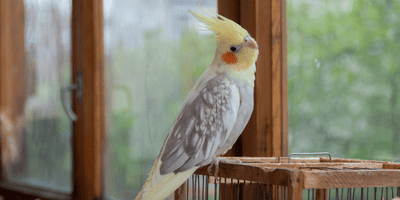
As a General Rule You can not tell if a baby pearl cockatiels are Male or female, but Adult Male pearl cockatiels have white or yellow faces. The female sex, tend to be brown or grey. 

However there is a guaranteed way is by preforming a DNA test. We found the following DNA Test available on amazon. Bird DNA Test and can be tested on cockatiels.

There are also a lot of different variations in cockatiels read on to learn more.

Pearl Cockatiel – Male female – What type of Cockatiel do you have?

Before you start figuring out how to determine the sex of a cockatiel by sight, it’s essential to know what type of cockatiel you have. Pearls are covered in, you guessed it, tiny pearls or white spots. Sometimes the spots can be something other than white. Pearls are also known to sport orange cheeks and have yellow on their face. 

It’s also important to know that humans cannot determine the sex of a cockatiel by sight alone when they are babies. It isn’t until after they molt for the first time that there will be markings or color variations to give you a clue. That first shedding of old feathers can happen anywhere between the ages of six and nine months. 

Once your bird has gone through that initial transition, you should be able to tell the sex of your Pearly by sight. Here’s how by the color on their face. Male pearl cockatiels have white or yellow faces. The faces of the opposite sex, females, tend to be brown or grey. 

Some say that male pearls lose their white spotting when they become older, but the face is the simplest way to tell whether your pearly is a boy or a girl. 

We also wrote the following article Beginners Guide to Pearl Cockatiel Care if you are looking for more details about how to care for a Pearl Cockatiel.

Can you tell if a Pied Cockatiel Male or Female?

As a General Rule Pied Cockatiels are visually indistinguishable between males and females, so it is not possible to determine their sex based on appearance alone. To know for sure, a DNA sex test or a surgical sexing procedure performed by an avian veterinarian is required.

However If your bird has yellow on its face and radiant orange cheeks, your pied cockatiel is likely a female. But if your bird has a grey patch on its face, it’s more likely male.

It’s not a specific color that distinguishes a Pied cockatiel from its Pearl or Lutino cousins but how the colors lay within the feathers. They can be anything from white, grey, or another color you may see on a solid cockatiel, but the patterns create blotches or patches over the bird’s body.

Also known as Variegated or Harlequin, this particular mutation was the first to be established. As for the gender, well, it’s a bit more complicated when trying to figure out whether your pied tiel is a girl or a boy.

The tail feathers are another way to determine the sex on pied tiel. A cockatiel with barred tail markings is female; those with dark tails but no bars are male. If your pied tiel’s tail feathers are light in color, then you will have to observe their behavior, which we cover later in this article. 

We have a link to a product here for A Bird DNA Test for the only real way to know for sure.

Can you tell if a White-faced pied cocktail is male or female?

While they call this mutation a White-Faced Pied Tiel, not every one of the birds that fall in this category will have a white face. Some will have grey splotches or patches, but the distinct difference from other tiels we’ve discussed is that they will never have a yellow face or bright orange cheeks. 

Typically, the white-faced pied male cockatiel will have more white in the coloring of their head, whereas the female will tend to be more grey in the face and head. In addition, males will not have barred markings on their tails while the females will. 

Can you tell if a Cinnamon pied cockatiel is male or female?

Sometimes called a Cinnie for short, these cockatiels are a version of the Lutino cockatiel. The title “Cinnamon” is somewhat misleading because the spice is reddish in hue, which is nothing like the Cinnamon cockatiel. But they tend to have a bit of brown, which is why they were dubbed as such. There are several types of Cinnamon mutations but, for now, we are covering the pied. 

As you read, pied cockatiels have patches of color and patterns without the little spots. This is not different for Cinnamon pied tiels, but finding out their sex is not as simple as the pearl mutations. With pieds, if the tail feathers are dark, the birds with barred tail feathers are likely male, while the lack of barring on the tail feathers tend to be female. 

But again Bird DNA Test is going to be the only real way to know for sure.

Can you tell if a Lutino Pearl cockatiel is male or female?

Lutino cockatiels will have no grey in their feathers whatsoever. If there is even one little bit of grey, your bird is not a Lutino and can be categorized as a pied. They will also be unable to grow and brown feathers. Lutino pearls are tough to sex with visually, while regular Lutinos can be easier to figure out. 

Male Lutino pearls may keep their pearls after several molts and may have tail bars. Baby Lutinos that lose their pearls or tail barring after a juvenile molt is probably male, while adult Lutinos with no pearls or tail locking is also likely male. 

Lutino females tend to reveal their sex when they fly because you should see some yellow under their flight feathers. The ladies also tend to have tail barring in yellow or cream colors. 

Can you tell if a Cinnamon pearl cockatiel is Male or Female?

While we covered Cinnamon cockatiels earlier, there is a difference when it comes to the pearled cousins. First, though, we want to review what makes a Cinnamon mutation get that title. 

Some say that Cinnamon’s lack grey completely, but others claim the grey they possess has a hint of brown, so brown is the color you want to see. Otherwise, your bird is not a Cinnie. 

Figuring out the sex is much simpler in this mutation. Cinnamon Pearl Males will have a yellow face with bright orange cheeks. A female will have orange cheeks, but they will appear duller than her male counterpart. A female will likely have bars on their tail feathers that are yellow or white. 

Specifically, a female will keep those pearl spots with pearlies while a male will likely shed them after a molt or two. Some males have kept their pearls, so it’s not unheard of. 

Sexing a Cockatiel Cost At The Vet

Costs for veterinary services vary from place to place. We did a little searching and found that, for the most part, the DNA test alone is under $45 and can run as little as $17. But that’s for the test. 

What each veterinarian will charge is different from place to place. You might be charged a fee for consultation, drawing blood, or possibly the shipment of the test to the lab. To find out specifics, it’s a good idea to call your vet directly or check out their website. 

If you don’t have a vet selected, we highly recommend finding an avian vet near you instead of a regular vet. While animal doctors are lovely, an avian vet is trained to work specifically with birds and will be more knowledgeable when it comes to your little feathered buddy. 

Amazon lists one at Home DNA version it is not one we have tired, but The reviews are good, but to you have to pluck a few feathers so it won’t be a fun expereince.

Other Ways To Tell The Difference

Another way you can tell the difference between a male and female cockatiel is by having a vet do a pelvic exam, which is not a good idea to try on your own otherwise, you can risk seriously injuring your bird. This procedure should only be done by a veterinarian, preferable an avian vet. 

The pelvic muscles will be broader for laying eggs. Still, we feel it’s imperative to mention again that this type of test should only be conducted by a professional. Otherwise, you will risk injuring your bird. 

Behavior and vocalizations are another way to tell the sex of your bird if visual traits are too tricky to decipher. Male cockatiels love to talk, while females tend to be less chatty. Males enjoy whistling and singing, while females will tend to shriek and hiss. 

Another behavioral clue is strutting in front of a mirror. As it turns out, the male of the species will be more likely to stare in the mirror and sing to their reflection or be enthralled, while females tend not to be interested in their reflection for very long. 

Males have courtship techniques like banging their beak on something, strutting, or putting their wings back to form a heart from behind. Females will not display this type of behavior. If you find eggs and have two birds separate them to see which is the female. 
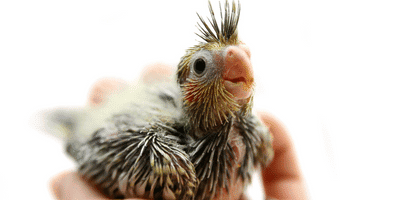
How Many Times a Year Do Cockatiels Lay Eggs?

Cockatiels lay eggs like all the other birds on our planet. You may be considering mating your cockatiel, breeding them, or interested in stopping the mating process and found yourself asking a lot of questions like “how many times a year do cockatiels lay eggs?” Well, we have an answer for you. 

In total Cockatiels typically have one to two clutches of eggs annually. When a bird lays eggs, the group is called a “clutch.” A cockatiel that produces more than two clutches a year is likely unhealthy and should visit an avian vet. 

Letting your cockatiels lay eggs and breed is a personal decision. If you intend to become a breeder, keep reading because we touch on that later in this piece. If breeding isn’t your thing and you would prefer to stop the egg-laying, you can take steps to make that happen. 

How to stop your cockatiel from laying eggs. 

Step One: Start by changing their diet to one that is low in fat. When living in the wild, cockatiels search for fat and protein to form eggs. You can start by limiting the birdseed and adding fruits and vegetables to their diet. 

Step Two: Keep her in the cage so she doesn’t start nesting in tucked-away areas of your home. Also, keep her pen free of dark and quiet spaces to not have anywhere to nest. 

Step Three: Reduce the amount of sunlight your cockatiel gets in her cage. They tend to get the impulse to next when experiencing more than twelve hours of direct sunlight. 

Step Four: Separate your cockatiels even if you have two females. A male and female might mate. Two females in the same cage might start laying eggs simultaneously because they are inspired by the other.  

Step Five: Replace any eggs with mock eggs. She will stop when she feels she’s completed a clutch. 

How many times do cockatiels breed in a year?

In general, cockatiels breed 2-4 times a year in the wild but can breed year-round in captivity with proper care. Factors like food, daylight, and a mate affect breeding frequency. Provide a spacious cage, balanced diet, and rest for healthy breeding.

In the wild, cockatiels breed one or two times each year. In captivity, cockatiels will breed the whole year through. Vets advise you should limit your cockatiel’s breeding to one or two times a year, identical to their natural state. As an owner, you should prevent other attempts to breed. 

Even if cockatiels can breed many times every year, that type of schedule is not in the best interest of the female cockatiel. First, it’s not natural for a cockatiel to breed more than twice a year so instigating more egg laying isn’t healthy. 

Excessive egg laying depletes the female of calcium and other nutrients that she needs to survive. As a breeder, you may want to breed your cockatiels as many times a year as possible, but you will be risking the female’s life, which would be cruel. 

The more eggs a female cockatiel lays, the better chance they have of egg binding, which is when they cannot discharge the egg, which can be fatal if not caught soon enough. 

How long do cockatiel eggs take to hatch?

In general Cockatiel eggs usually take about 18-21 days to hatch after incubation starts. Incubation should begin once the female starts to lay the second egg, and both parents will take turns incubating the eggs.

There is much more to breeding than letting your cockatiels mate and have some babies. First, you have to be sure your birds like each other, let alone love each other enough to breed. Cockatiels mate for life in the wild, and sometimes you can get a pair of the opposite sex, and they end up hating each other. 

The chances that they’ll mate are more significant because they are the only two cockatiels around, but they have to be the right age between two and five years old. 

Next, you have to be sure they are both healthy, disease-free, and not related to each other. Your pair will need to share a cage, so it needs to be significant in size. You will also want to provide your birds with pine shavings or other nesting materials.

For success in breeding, you’ll also want to place a nesting box in the cage. Cockatiels naturally nest in cool, dark places to keep their chicks safe. Making a nesting box available for your pair will give be like giving them a birthing suite.  

While breeding, your should also pay special attention to their diets, especially that of the female. Both birds should have a diet rich in calcium and other nutrients, so the eggs form well, and it will help the female replenish lost resources. 

Your job not over once the eggs hatch. Some breeders let the chicks mature with their parents. Others separate them from their parents after two weeks. These first two weeks and hand-feed them until weaning. You can wean your new cockatiels when they are six to eight weeks old. To wean, use soft pellets or millet.  

While cockatiels are typically very caring and nurturing to their offspring, there is always a chance you will get an abusive parent. If you notice the older bird pecking or hurting the baby cockatiels in any way, separate them immediately and start with the hand-feeding schedule below. 

  • Hatched to 10 – 15 hours old: One drop of lukewarm water. 
  • One hour old: One drop of lukewarm water mixed with the ground, pure white cuttlebone, and pure yogurt. Repeat this step in another hour. 
  • Past 3 hours old: Give your baby a few drops of a hand-rearing diet every hour.
  • 4 – 9 days old: Give formula every two hours. No feeding between midnight and 5:00 am. 
  • 10 – 14 days old: Formula every three hours. No feeding between midnight and 5:00 am. 
  • 15 – 20 days old: Formula every four hours. It should be thicker too. You can also give them a small bowl of water. 
  • 21 – 25 days old: Formula two to three times daily. It should be thicker than the formula at four days old. Begin to give them soaked seeds or millet blended with the formula to start the weaning process.

Cockatiel breeding behaviors to look out for?

You can tell a female is about to lay eggs when she gains weight. Cockatiels are small, so this may be difficult to detect unless you weigh them every day. Females tend to drink more water when producing eggs and might lay on the cage floor quietly to herself.

If you notice any of these behaviors, start getting ready for the eggs to start coming for the next week or so. Typically a female cockatiel will produce an egg every two days, give or take a few hours until she has completed her clutch. 

Females typically lay six eggs per clutch but have been known to lay four. If you try to discourage egg-laying, you can put those mock eggs we mentioned earlier into their nest after expelling that first egg. She will think she completed her clutch and stop producing eggs. 

Some females have succumbed to excessive egg-laying, and you want to make sure this is taken care of right away if you see it happening. The results can be harmful to the female between the depletion of nutrients and the possibility of egg binding. 

Can you have a cockatiel spayed or neutered?

In general, spaying/neutering a cockatiel is not possible. Hormone therapy can control breeding behavior but it’s best to consult an avian vet for advice on aggressive or territorial behavior.

Cockatiels are not typically spayed or neutered. A safe alternative to spay and neutering is to follow the tips we gave above to stop your female from laying eggs or the male fertilizing them.

Birds like cockatiels are small, and surgery to remove their reproductive organs is not only risky, it’s likely life-threatening. Birds are not like mammals when it comes to reproduction, which is why you’ll probably have a hard time finding a vet that will conduct such a procedure on a cockatiel. 

The best thing to do would be to separate your male and female bird, so there is no chance of fertilization. Even if your female lays eggs without the male, they won’t hatch. Another option is to get your female to stop laying eggs following the tips we gave you above. 

Should You Buy a Cockatiel From a Pet Store?

There are many options for purchasing a cockatiel like breeders, expositions, and pet stores. If you consider purchasing your bird from a pet store but are unsure if that is the best option, keep reading because we are here to answer the question, should you buy a cockatiel from a pet store?

Cockatiels sold in pet stores are likely parent-raised, making it more challenging to establish a bond with them. Breeders tend to hand-raise cockatiels, which makes them more open to establishing a connection. Shelters, rescues, and bird expos are the best place to purchase a cockatiel. 

When my Dad and I were raising birds we would hand feed them and they would be very used to people making it easier to wing them. He would have them in an incubator to help keep them warm and feed them baby bird formula. They would become attached to us which would make it easier when they were sold to new families to care for.

Bonding with your cockatiel is one of the most critical moments between owners and their birds. Cockatiels mate for life so, it is imperative if you plan on keeping one bird. That cockatiel could get lonely and suffer if they remain solitary without a bond. 

A bird that doesn’t bond with a human is not at fault since it’s likely not instinctual for them to do so, but you should lessen the chance that you purchase a bird that is unable to bond with you; otherwise, you won’t have a pleasant experience with your bird. 

We aren’t saying the bird will act up or bite you, but you will surely be missing out when it comes to that particular connection typically found between bird and owner. 

Signs that a pet store cockatiel is healthy.

A healthy cockatiel will have bright shiny feathers and move around well. They will be alert to their surroundings, have bright eyes, and their nostrils will be free of discharge. Happy sounds like whistling, chirping, chatting, and grinding their beaks are signs of health as well. 

Spotting a sick cockatiel isn’t that difficult. Their feathers will appear dull and might start falling out. They will be lethargic and could have a runny nose, which you can see going down their beak. 

Behavioral changes are also indications that your bird isn’t feeling well. If your bird is sleeping longer than usual, lying or sitting at the bottom of the cage, or not aware of things happening around their enclosure, these are all signs that your bird might be sick. A loss of appetite is another sign of illness. 

It’s important to remember that a cockatiel bought anywhere can be carrying diseases even if it shows no signs of sickness. If you have birds already and want to introduce a new cockatiel into the mix, we suggest you keep the new one separate for a week until you are sure they don’t have a contagious disease. 

How to know if your cockatiel is old enough to be adopted or bought?

You should not bring a cockatiel home from a breeder until they are twelve weeks old, but they can be as young as eight weeks. Adopting an older bird is a good option, but they are harder to train than the youngsters of the species. 

Cockatiels of all ages are fun and entertaining, but if you want to get the most out of your relationship, you’re better off getting a newly hand-fed cockatiel from a breeder at twelve weeks.

As we mentioned, older birds are fun but training them to perform tricks or say your name will be challenging. Those tasks are more manageable with a younger bird. 

You also risk adopting birds that have picked up bad habits when you choose an older bird. Some people teach their birds to cuss words because they think it’s funny and doesn’t realize that they are harming that bird’s chances of readoption if the need arises. 

Some owners don’t train their birds well not to be aggressive. When they are older, this will be much harder for you to break than starting new with a younger cockatiel. We don’t want to discourage people from adopting rescue birds or taking on older cockatiels to care for, but we just want to let you know what to expect. 

Things to watch out for if getting a cockatiel at a pet store.

First, look for signs of illness similar to what we mentioned above. That includes behavioral and physical symptoms of sickness. Check to see if they are eating their food, their feathers look healthy, and make sure their eyes and nose look good. 

While it’s a good idea to check the cockatiel thoroughly, you plan on buying it before you bring it home. We suggest you do your research first. Whether you are buying from a pet store, breeder, rescue, or exposition, people in every walk of life don’t take care of the pets they sell. 

In the internet age, we have endless supplies of information, some of which aren’t useful at all. One of the most practical tools the internet offers us are reviews of everything. Customers review restaurants, grocery stores, mechanics, and everything else, including pet stores. 

Start reading about the place you want to buy from and, if the reviews are not favorable, start finding other businesses in your area or local breeders. Join a group on Facebook dedicated to cockatiels. Facebook groups are fantastic for honest feedback when it comes to anything. Use it to your advantage, so you don’t make a poor decision.  

How to pick a breeder.

Pick a breeder in the same way you would pick a pet store. Do your research on the internet, ask bird-loving friends where they went, visit websites like ours that specialize in cockatiels. Once you choose, visit the breeder and check out the operation. Look for signs of sick or poorly treated birds. 

We hear about puppy mills all the time on the news, but evil people come in all forms, so it’s essential you research breeders and their operation before buying a bird. You don’t want to buy a sick bird that will cause your other birds to get sick or, worse, die. 

Word of mouth is one of the best ways to find the best of anything. If you don’t have friends that own cockatiels, ask around. Try those Facebook groups we mentioned earlier. Take your time and don’t rush when it comes to buying a cockatiel. These birds can live well over twenty years, which is a big commitment, so no need to jump in feet first. 

If you come across a breeder that you feel is cruel or inhumane to their birds, we urge you to contact your local ASCPA and report what you saw. People who don’t have respect for animals don’t deserve to have or breed them. 

Adopting a cockatiel.

Choosing to adopt a cockatiel is a big step, and you need to consider things before doing so. First, they live a long time so be prepared to commit. Cockatiels thrive on attention and will suffer if you can’t give them any. Birds are small and get into all kinds of places, so birdproof your home, and expect a bit of poop in your home. 

Rescuing animals is one of the most selfless things a person can do, and it is one of the most rewarding experiences a human can have. We always encourage people who are ready for a pet to consider adoption first. 

How to choose the right cockatiel.

Select a cockatiel that is twelve weeks which has been hand-fed. Check that their feathers are shiny, thick, and smooth. Be sure to check under their vent area. Their eyes should be glossy, and their beak smooth and free of mucus. The cockatiel should be alert and have an ample supply of energy.

Cockatiels are extraordinary pets, and we are always enthusiastic to answer questions from people interested in getting one. The bond you make with your bird will last decades, so you must choose the right one for you. 

How to Teach a Cockatiel to Step Up

Cockatiels can do all kinds of tricks, but one of the most common is stepping up on their owner’s finger. This trick isn’t too difficult to teach, and we have all the tips and hacks you need to know below. First, let’s get right to the question, how do I teach my cockatiel to step up?

Any training with a cockatiel requires patience, treats, time, and positive reinforcement. Below we listed the steps to get your cockatiel to step up onto your finger. Training sessions should be no longer than fifteen minutes.

Before we get into getting your cockatiel to step up, there are few things to consider. Is your cockatiel tame? If your cockatiel is aggressive, they will likely bite you when you put your finger out, so it’s a good idea to teach them not to bite first. Then you can tackle big jobs like stepping up. 

Does your cockatiel trust you? Trust is imperative to be successful with any training. Your bird has to trust that you will take care of him when he perches on your finger, so if he backs up or shows signs of fear when you open his cage, wait until he is comfortable and work on taming and trust. 

How to teach your bird to step up. 

Step 1: When you know your cockatiel is comfortable to open the cage door. You will know they are ready when they don’t move away from you as your hand enters the cage. Put some treats on the palm of your hand and let your cockatiel eat them from your writing. Do this for a day or so. 

Step 2: After a couple of days of eating from the palm of your hand, open the cage and put your hand in the cage-free of food, but instead of having your palm out, extend two fingers horizontally. If your cockatiel remains calm and doesn’t bite you give her a treat. Do this or several times a day for ten or fifteen minutes tops. Keep it up for a couple of days.  

Step 3: Once your cockatiel is comfortable with all the actions in step two, you can put your fingers directly under their belly, which should prompt them to put on foot on your finger. If anything, they may do it to balance themselves. Your bird may test how stable your finger is, so be sure to keep your hand steady and firm. 

When they put their foot on your finger, say, “Step up.” and keep that trend going with every training session. Every time your bird steps up successfully, give your cockatiel a treat. After a week or two, your bird should be stepping up on your finger with no problem whatsoever. 

Training your cockatiel to come when called.

Once your cockatiel has mastered the step-up trick, you can begin training your bird to fly to you when called. There are a few easy steps which we’ve listed below. 

Step One: Have your cockatiel step onto your finger and take them out of their cage. When your bird step on your finger, hold a treat in your other hand. Put it near your cockatiel and command, “Step up.” Your birds should step off one hand onto the other to retrieve the treat. 

Step Two: Let your bird sit on a perch outside of its cage. Keep your hand, with fingers extended horizontally, six inches away from them. Be sure to have a treat in that hand still. 

Step Three: Give your cockatiel the “step-up” command. Your cockatiel should recognize to get the treat, they will have to fly to the hand holding the reward. When your cockatiel flies to your hand successfully

Step Four: Repeat this process while you move your hand farther away each time until you can stand across the room and your cockatiel comes when called. It’s essential to use the same “step up” command not to confuse your bird. 

Persistence is essential because even cockatiels who take longer to learn tricks still master them after hours of practice. Don’t give up and use plenty of positive reinforcement. 

How to train a cockatiel not to bite. 

When teaching a cockatiel not to bite, it’s important not to lose your temper. Scaring your bird will prompt her to bite again. When your bird bites, say “No” in a stern voice without losing your temper. If they are on your finger or shoulder, tip their perch, so they lose balance. Losing their footing will likely teach them. 

Never reward your cockatiel for biting you. Otherwise, you risk reinforcing the behavior making it all the more challenging to stop. Reward your bird when it is in a position to bite you and doesn’t. Let the bird make the connection between treats and behaving, and they will stop. 

Birds that bite do so because they are afraid and likely feel threatened. You should examine your behavior to see if there is anything you are doing in the way you approach your cockatiel that might be frightening to them. 

The bottom line is if your cockatiel is biting you, there is a reason. Maybe your bird doesn’t trust you yet. Perhaps you are doing something that your bird just does not like. If your cockatiel continues to be aggressive, it may be time to pay a visit to the veterinarian. Sick animals act out, so there may be an underlying issue. 

Older cockatiels might be feeling sad if they had bonded with another owner with who they are no longer living due to death or abandonment. This type of bird will be more challenging to train and break off bad habits like biting. 

Are cockatiels easy to train?

Young cockatiels, preferably eight to twelve weeks old, are easy to train. Hand-fed cockatiels are also easy to prepare, but they must also be young. New owners can train older cockatiels, but it will take more time and patience. 

It’s difficult to pinpoint an entire species of birds as easy to train or challenge because cockatiels have individual personalities. There is no guarantee that your bird will respond to your training. While cockatiels can be somewhat predictable when it comes to positive reinforcement, your bird will learn what you’re teaching when it does. 

In the meantime, get the treats ready, put on your patience, and get willing to spend some time teaching your bird. You will find that the time put in is well worth it when they start flying to you when called and listening to your commands if you get them to stop biting you. That is a significant first step.

Other things you can train your cockatiel to do.

Cockatiels can also learn to whistle, sing, talk, and play games. You can teach your cockatiel how to say their name or yours too. They love to mimic human language.

Some people think it’s cute or funny to teach a cockatiel to swear or say inappropriate things. We strongly advise against this because you never know if you will have to rehome your bird at some point. 

Young birds are easier to train because they are so new to the world. By the time you have possession, your young cockatiel is fresh from weaning and looking for some new Experiences. Older birds who are trying a new home may be suffering from heartbreak because their person is gone. You should take all of this into consideration. 

When you are training your cockatiel, it’s crucial not to get frustrated or angry with them if they aren’t catching on right away. You could scare your bird into not learning anything, and all your work will have been for nothing. 

How to Tame a Cockatiel

We love animals, but we need our pets to behave well, which requires taming and training. If you’ve never owned a bird and were wondering how to tame a cockatiel, we have an answer for you with detailed steps to help you along the way. Let’s get right to our solution; how to tame a cockatiel. 

Step One: You should start taming your bird only after having time to acclimate to the new surroundings, which should take a few weeks. Put your new bird in a quiet room. Follow the steps below. 

When you are around your cockatiel, don’t make any noises and try to maintain a subdued demeanor. Don’t put your hand over the cockatiel’s head. 

Step Two: Start speaking to your bird through the cage bars. It doesn’t matter what you say, but you should be calm and avoid getting loud or shouting. The softer you speak, the more relaxed the bird will be. You should make yourself less threatening to it by lowering yourself to eye level. Repeat this step for a few days. 

Choose one person in your household to bond with your cockatiel. Too many people coming at her could make taming more difficult. You will begin to see signs of your bird becoming comfortable with you. 

If it moves forward when you talk, this is a sign they are used to the sound of your voice. At this point, you could start training your cockatiel to step onto your finger, but it’s always a good idea to start slow and maintain that pace through all training sessions. 

How long does it take to tame a cockatiel?

Taming can take anywhere from two days to several months. Your results will happen faster the younger the cockatiel. Older cockatiels with bad habits take longer to change. A cockatiel should start training anywhere from eight to twelve weeks. 

No two cockatiels are the same, so it’s difficult to predict precisely how long it will take to tame yours, but it shouldn’t take longer than a few months. Cockatiels are individuals with personalities that have to mesh with yours. Patience is essential to generate your desired goal. Positive reinforcement also works. 

How to get your cockatiel to trust you. 

Spend time with your cockatiel in a non-threatening, calm way. Greet them with a smile in the morning. Learn to read their cues and body language. Spend time with your cockatiel and try to get them to play with you. Giving your cockatiel treats will also generate trust for you. 

Once your bird senses you are not there to harm them, they will step closer to you. Be careful with your bird always and be kind. Birds can sense your behavior and will trust you when they learn that you are trustworthy. With trust, training them to whistle, do tricks, or talk will be more accessible. 

How do you tame a scared cockatiel?

If your cockatiel hisses, moves away from you or tries to bite your finger, then they are likely scared. You can use the steps we listed above, but you will need to do it slower if the bird shows signs of fear. Treats work to gain trust with scared cockatiels too. 

You may have decided to adopt an older cockatiel that couldn’t find a home. Rescues are not like younger birds. They have a different set of life experiences. Older birds may miss the person with whom they already bonded and are confused about where they’ve gone. Gaining the trust of an abandoned bird is more challenging. 

How to tame a cockatiel that bites.

Say “No!” in a stern voice but don’t yell and scare your cockatiel. Continue this pattern every time it bites. You can try to tip the perch, so your bird loses balance if your friend is sitting on your finger or shoulder.  

While you want to be stern, you don’t want to get angry. Otherwise, your bird might bite you again. A young cockatiel will learn to stop biting rather quickly. 

Do not give rewards to a cockatiel that bites. Reward them when they allow you to hold them without biting. If your bird continues to bite, leave it alone for a while so it can relax. Come back later to continue training. Neglected and older birds may take more patience and time compared to a younger cockatiel. 

If your bird continues to bite and doesn’t learn, you may want to have him checked out by an avian vet. Aggression could be a sign of illness. Avian vets train to specialize in birds, their behaviors, and how to get them to stop biting. 

How to get a cockatiel to like you

Treats will help you to win the affection of your cockatiel, but you should use them sparingly. Calmly approaching your bird is a great place to start. Then follow the steps we listed above for taming a cockatiel. 

Apprehensive birds take a longer time to tame, so be patient. While we always suggest treats, it’s good not to let training sessions go over fifteen-minute intervals. Too many treats are not suitable for their tiny stomach. 

You can’t “get” a cockatiel to like you. Cockatiels are intelligent, and they will either like you or not. Somewhat like when you meet a new person. But, cockatiels are social and like to bond, so they are more likely to admire you after spending quality time with them and gaining their trust. 

How to tame an aggressive cockatiel

Cockatiels are social and love to bond, so they are aggressive because they have been mistreated or are scared. Use our tips in the earlier portion of this article to gain your cockatiel’s trust, which will require patience. Keep children away from aggressive cockatiels. 

There are many reasons why a cockatiel might be aggressive. If this is a pet you’ve had for a while, maybe your bird is sick or suddenly scared of you. 

If you just purchased the cockatiel and he is hissing or biting when you try to get near then, he is likely scared or feels threatened. New birds might act that way if we try to push ourselves on them before they are ready. Give your bird time with the taming advice we gave above in small intervals. 

Aggressive birds could also just not like what you are doing. They might just be “in a mood.” Give your cockatiel the space it wants when it becomes aggressive. Like people, birds need time to calm down too. 

If the aggressive behavior continues regularly, you may want to train with them more frequently and in a neutral location. Take the birdcage into another part of your home. When a bird loses its sense of territory, it may not feel the need to protect its space. 

Birds who suffer from neglect or inadequate care might have a bad attitude because of their past abuse. Even young birds who bad breeders raised might be more aggressive. Older birds who are lonely or missing the human they have a bond with could act up too. All of these situations mean that the bird is scared or not feeling safe. 

The only way to change that is to do everything in your power to make that bird feel like they are in a safe environment. The more they trust you’re, the more likely they are to stop their aggressive behavior. 

We realize there are rotten eggs in every group, but more often than not, a fierce bird is acting that way because they are scared. You need to review what you may be doing to instigate that fear. 

Do Birds Make Good Pets for Kids?

You’re considering a pet for your children and thought, do birds make good pets for kids? We have a definitive answer for you below and get into the different types of species available to you and what you can expect with each. First, let’s find out if birds are good pets for kids. 

Yes. Birds make great pets for children, and they also make great first pets. But, not all birds are great for kids. The best birds for children are finches, cockatiels, parakeets, and canaries because they are more independent than other species and will not require much care. 

When you consider pets for your children, especially if they have never had one before, certain bird species are an excellent option for many reasons. They don’t require as much attention as dogs or cats, and their upkeep is less labor-intensive.

One of the biggest reasons parents is apprehensive about giving their child a pet is their fear that they won’t take care of it. They find themselves walking fido and cleaning out the litter box. Birds require cage cleaning but, for the most part, are somewhat independent. 

Birds also give children unique learning experiences. Your child can teach them to whistle, talk, fly to them from across the room, and so much more. People who have never owned a bird don’t realize the connection that comes with it. Many bird species bond for life, and that bond could be with your child. 

Is bird caretaking easy?

Yes. Birds require care, attention, daily maintenance, and all the same love any other pet needs, but they are minimal compared to other pets. Below is a list of ways a bird needs care. 

Food: Twice daily 

Freshwater: Twice daily

Clean cage: Weekly

Outside cage time: 1 hour a day the least

Love and affection: As often as you can give it

Avian vet visits: Once a year

As you can see, birds are not as labor-intensive when it comes to caring. Sure, they want to love and affection, and you should be giving that to all your pets equally, which we are sure you are. But, pets come with the responsibility that you will likely lay at your child’s feet. 

While the opportunity to learn about obligation, caring for another and animals is excellent, you have to be honest with yourself. Will, your child, be taking care of this pet, or will you? If you suspect the “care” portion, meaning the work, will fall back into your lap, then go with the bird. 

Birds are much more manageable than dogs and cats, and there is a better opportunity to connect over pets like gerbils or hamsters.  Other great options are Diamond Doves and Pacific parrotlets. 

What is the best age for a child to have a pet bird?

Children that are twelve years of age or older are best suited for pet birds, especially if you expect them to do all the chores that come with the responsibility of owning a pet. Younger children have not matured enough to understand the ramifications of an obligation for a bit of life. 

Young children can be unruly, forgetful, and even sometimes careless. It’s not their fault they’re that way. Children have not developed enough to be any different, and that’s okay. Kids do things like forget to feed animals and leave the cage door open, which could mean life or death to a bird. 

We realize parents will plan to watch out for a bird that they leave in their child’s care, but life gets busy, so if you or your partner doesn’t have the time to take care of the bird, you, you, which is always fun for kids. 

What about finches?

Finches are another fantastic choice as a pet for children. They don’t require as much attention as other pet birds, and they don’t need as much upkeep. Finches are also calming to listen to, and they sound better in pairs. 

Unlike the birds we’ve discussed already, finches prefer to be left alone and can’t learn to talk. Butdestructiveat doesn’t mean they make destructive pets. Maybe your child doesn’t have the two hours every day to spend with their pet, so a finch would be a great alternative since they like to keep to themselves anyway. 

Finches get lonely, so you should always get two when choosing this bird. Unlike other birds, they don’t do well as solitary pets, likely because they don’t socialize with humans in the same way. 

They need larger cages and a lot of room to fly around, but you’ll see how they are content to stay in their cells. 

What about canneries?

Canaries are good pets and cousins to finches. They are also less social. They do well alone in their cage, but they need room in there to fly. Some canaries will be interactive with humans, but they don’t like humans handling them. They’re a great choice if you want a pet that doesn’t require connection and attention. 

If you choose a canary, you need to be sure you have room for a large because they love to fly. While these birds won’t let you handle them and they aren’t fans of cuddling, canaries still make good pets for kids because they are entertaining and don’t require a lot of attention. 

Another plus is that canaries don’t have to leave their cages, which omits and fear of biting. Canaries are not an aggressive breed and aren’t biters. 

What about conures?

Conures tend to be more aggressive and might bite if they don’t get their way. They make great family pets because they are interactive and entertaining, but they are not the best pet for a child who will have the sole responsibility of the caretaking. 

It’s important to remember that birds are individuals and, like anyone else in the world, they like what they like, and some things make them angry as a species. Conures get jealous and annoyed, which will cause them to nip at people, including your children. 

If you’re considering a pet because you want your children to learn to get close to animals, a conure is probably not the best bird to get. But, if you’re going to get a conure and are unsure of how it will be around your children, then you shouldn’t count it out. 

Conures are fun and charming, which can delight people of all ages responsible, so they don’t upset it. If your child grabs at a conure or starts acting up, the bird might have a bad reaction and bite. Then your child could learn to be afraid of all birds, which is not the direction you wanted. 

What birds are not suitable for children?

Birds that will not work as pets for children are African grays, macaws, Amazon parrots, cockatoos, Eclectus parrot, ringneck parakeet, and crimson rosella. Some birds are more aggressive than others and have adverse reactions when they feel anxious or threatened. 

Below, you will find specifics on why these birds don’t work with children. 

  • African grays require the same mental and physical interaction as a child. Kids do not have the patience or tenderness needed for this bird. 
  • Macaws have large beaks and can do serious harm to a child’s fingers, or anyone’s for that matter. They are also noisy.
  • Amazon parrots need a lot of socializing, or they start acting out. They are too high-maintenance for a child. 
  • Cockatoos can be affectionate and need a great deal of attention that would be too time-consuming for a child. They have strong beaks that can harm as well. 
  • Eclectus parrots can be affectionate but, like the others, need more socialization time than a child could offer. They also have a hard time dealing with kids running around.
  • Ringneck parakeets are challenging to train and have a tendency to nip at fingers. 
  • Crimson rosella also nips and needs a great deal of attention.