Recent Posts

How Do I Keep My Leopard Gecko Entertained?

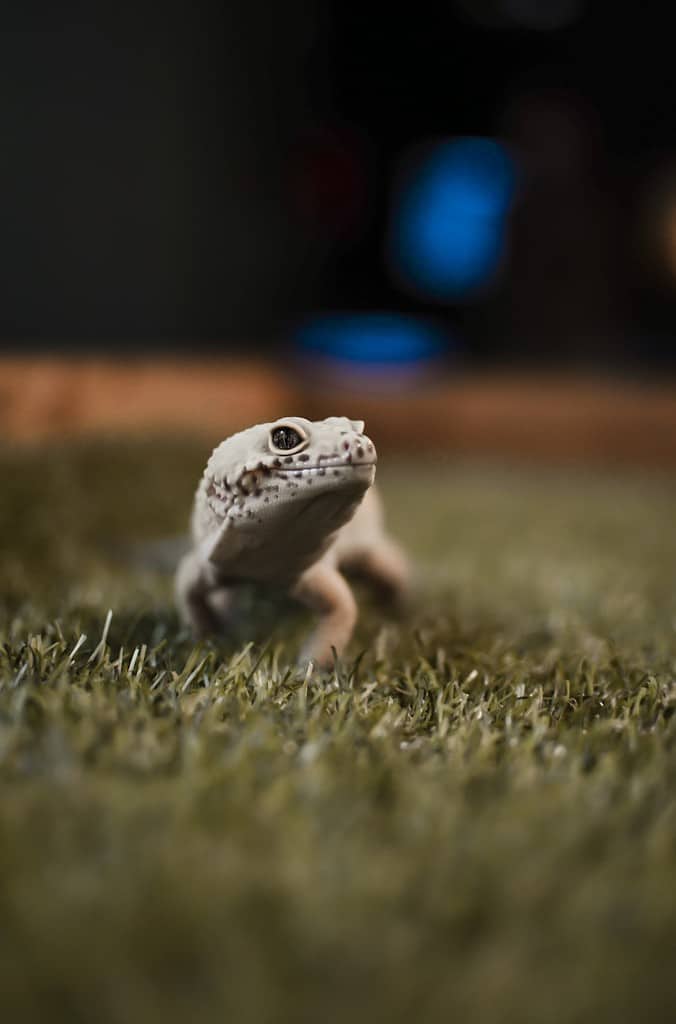
Your leopard gecko will live longer and happier if you keep him busy. Unfortunately, some pet owners forget this important part of taking care of their pets. If only they would purchase even one of the gecko toys, the lives of their reptiles would be significantly enhanced and filled with a great deal more delight.
How Do I Keep My Leopard Gecko Entertained?

Most reptile owners worry about how to keep their pets entertained. So, buy any toys (as mentioned above), hiding spots, and other fun gadgets to keep your pet Leo engaged and entertained.

How to Take Care of Your Leopard Gecko?

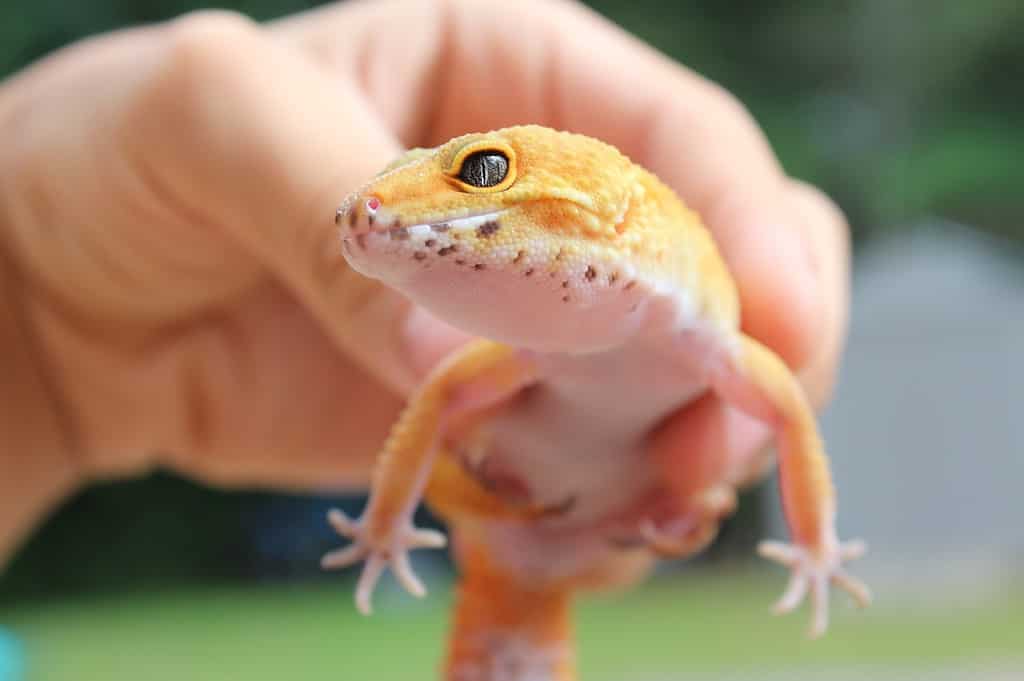
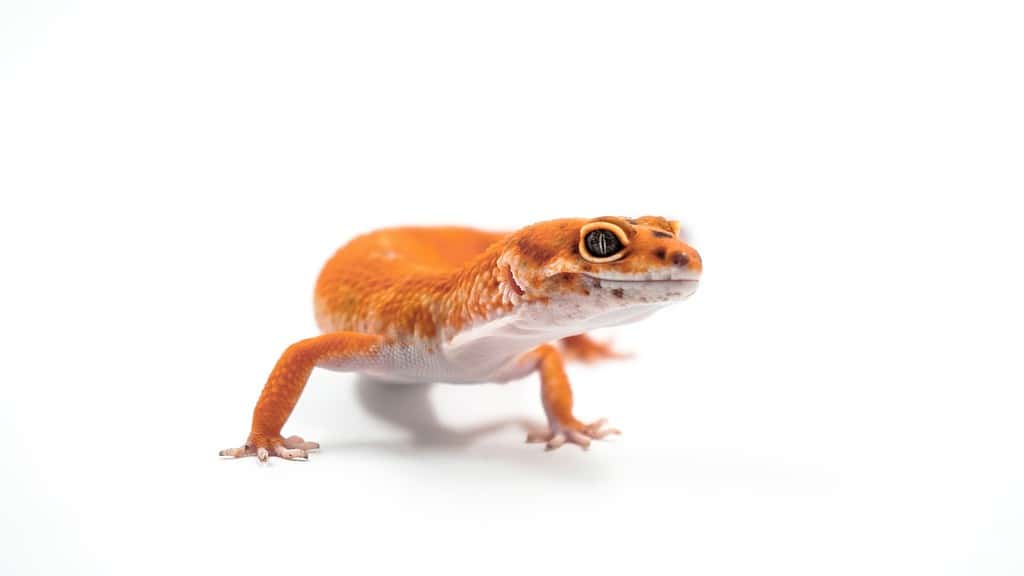
If you’re a gecko owner, you’ll know they’re called leos. You’ll also realize that although they are quite adorable, they have an inquisitive nature. They adore being engaged in play, given attention, and being handled.

You can ensure that your gecko is very happy by handling it from the moment you get it, talking to it, and providing it with a lot of tasty treats. You’ll get a happy owner and pet if you properly care for, handle, and feed your gecko. They have a potential lifespan of twenty years.

5 Different Ways I Can Keep My Leopard Gecko Entertaining

Offer Your Gecko A Different Place To Hide

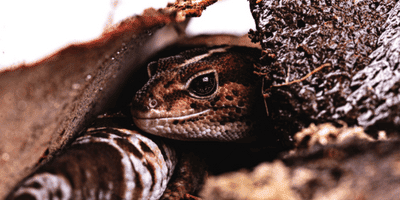
Your gecko needs a place to sleep; ideally, that area would be interesting for exploring while there. Introducing an exciting new hiding spot may stimulate your leopard gecko’s attention.

Provide Your Gecko With a Fresh Rock

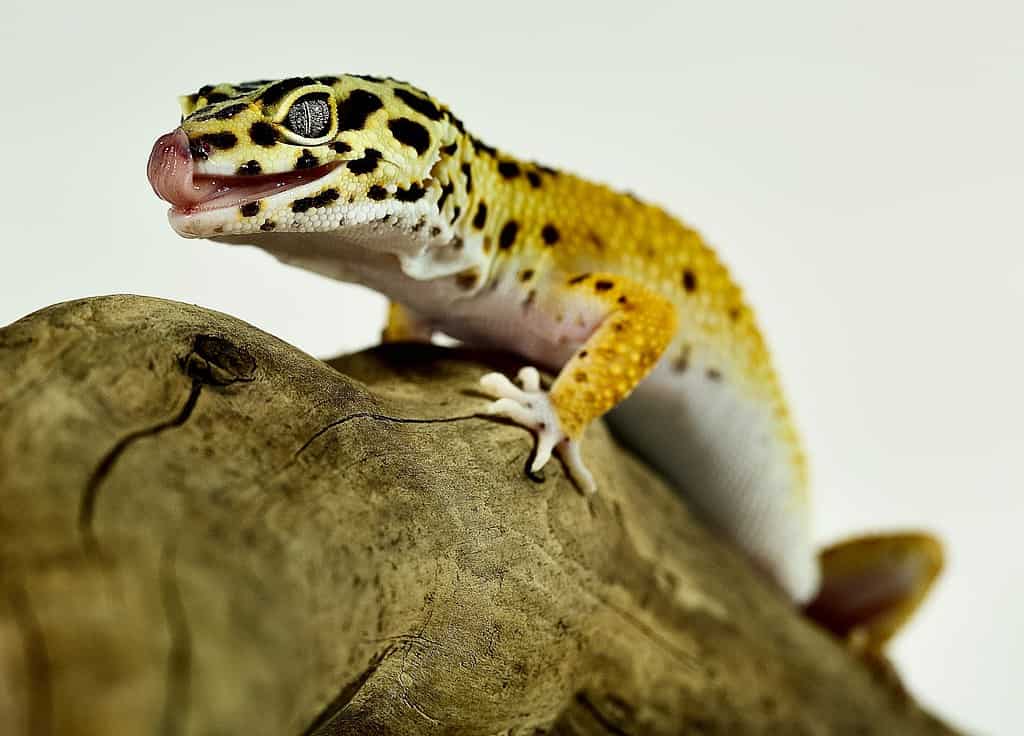
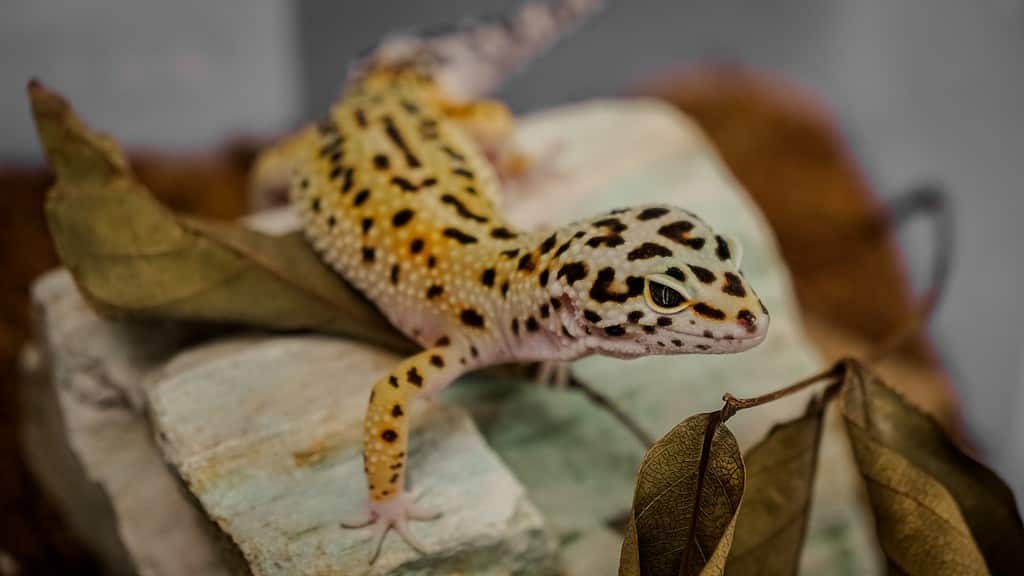
You can buy rocks with unique forms and characteristics at most pet stores. These rocks are called reptile rocks. Leopard geckos enjoy climbing on rocks; therefore, providing them with a new one is always a good idea.

Buy Leopard Geckos Toys

Toys, such as little plastic lizards or insects, may be placed in the tank with them. Some leopard geckos will play with these and chase them around their tank. Because these lizards and bugs are typically battery-operated, your pet does not need to catch them to have fun with them.

Provide Your Pet With Real Crickets

You may give your leopard gecko live crickets to play with, but you should keep a close eye on it while it’s eating them. Using a toothpick to clamp the cricket’s legs makes your leopard gecko chase it before eating.

Climbing

You can purchase ornamental plants that are safe for pets and robust enough to bear the weight of your leopard gecko. You can also buy or make fake plants to put in the tank, and you can do either of these things.

Can I Play With My Gecko?

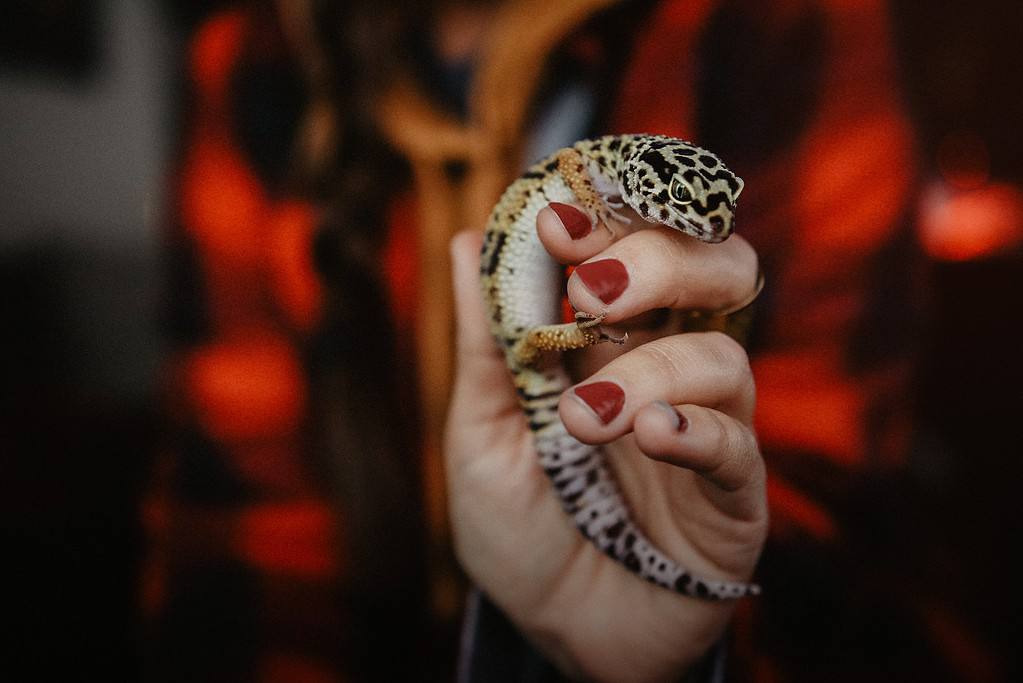
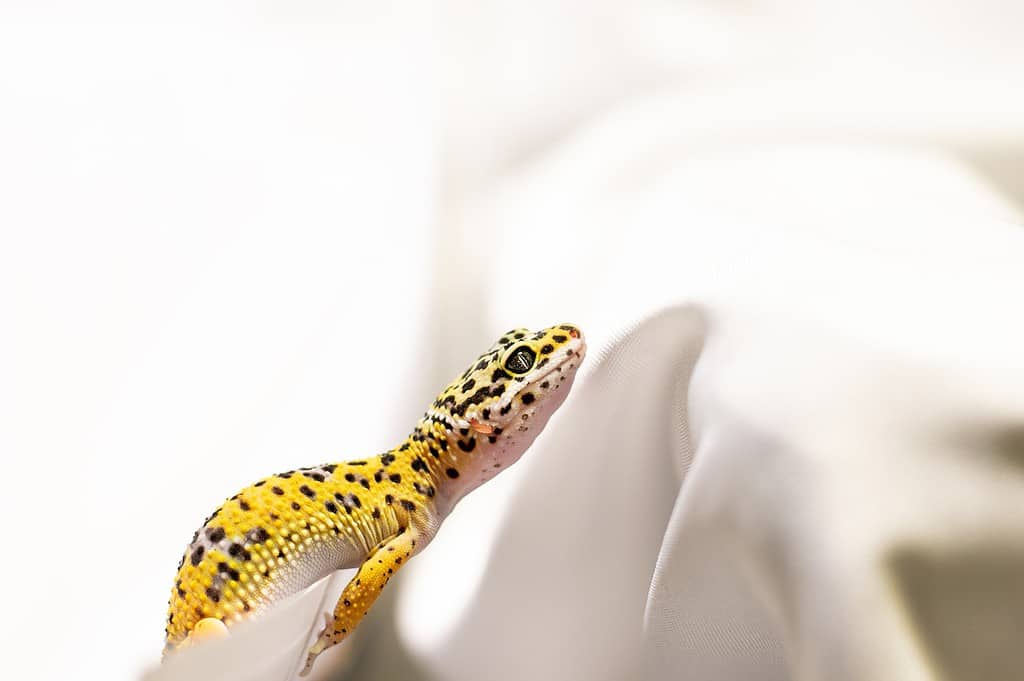
You can most certainly engage in playful interaction with your leopard gecko. Don’t interact with your leopard gecko until it’s acclimated and confident. Since they are quite delicate, you should also avoid playing with a baby leopard gecko no longer than three to four inches in length. As soon as a leopard gecko feels comfortable around you and begins to trust you, you may begin interacting with it by playing with it and touching it.

If you have a new leopard gecko, it is unlikely to trust you; thus, you must spend 3 to 6 weeks bonding with it and learning how to manage it appropriately. Allow sufficient time for your leopard gecko to adjust to its new environment before you bother it too much.
How Do I Keep My Leopard Gecko Entertained?

Leopard Gecko Toys and Activities

Toy leopard geckos are available for purchase, or you may construct your own. Toys will make the habitat more engaging for your leopard gecko as well as add variety to its existence. 

You should only change your leopard gecko’s tank arrangement once every 2-3 months. Your leopard gecko could become stressed out if its habitat suddenly shifts. You should just add a few things at a time and shouldn’t rearrange things too frequently or radically.

Best Toys for Leopard Geckos

1.     Reptile Hammock

One of the greatest gifts you can offer a gecko is something that resembles its natural habitat. This hammock provides your pet with a place to sleep, climb, and examine its surroundings.

This splendid hammock is woven by hand from natural seagrass and appears completely unaltered from its natural state.

2.     Reptile Caves

Leopard geckos live in places like caves and burrows that are small and tight. Your pet will experience less boredom if you give them places to investigate, places to hide, and places to rest. 

The rain cave stimulates reptiles to drink flowing water, like in nature. Moving water noises and fragrances, together with blue LED lights, provide a fascinating atmosphere for your pet.

3.     Lizard Playpens

Lizard Playpens are a unique product recently available on the market. These waterproof cages provide a secure place for your leopard gecko to play with toys. Playpens are useful in various contexts, such as when traveling or when you want to take your leopard gecko on tour outside.

Leopard gecko ones are smaller and cheaper than bearded dragon ones. Be sure to get a playpen for your gecko that is the right size, and look for one that is simple to put together and take apart.

4.     Bendable Branch

It is vital to give your gecko’s environment a natural appearance, but you should also provide it with objects that it may use to perch on, hide behind, and construct its own house.

You may construct a jungle for your geckos to climb and swing from. They will have a better sense of belonging, will be motivated to be active, and will be able to enjoy themselves more as a result. They’re easy to add to their house and move if necessary.

5.     The Flexible Jungle Vine

This fantastic jungle vine has an excellent appearance, giving the impression that your gecko has never been removed from their original home. It looks great, bringing something distinctive and one-of-a-kind to the surrounding surroundings. In addition, your gecko will have a lot of fun playing with it if you put it in its habitat. It is two meters long and ideal for all geckos; it provides them with a tasty snack and improves the area’s quality.

6.     Driftwood

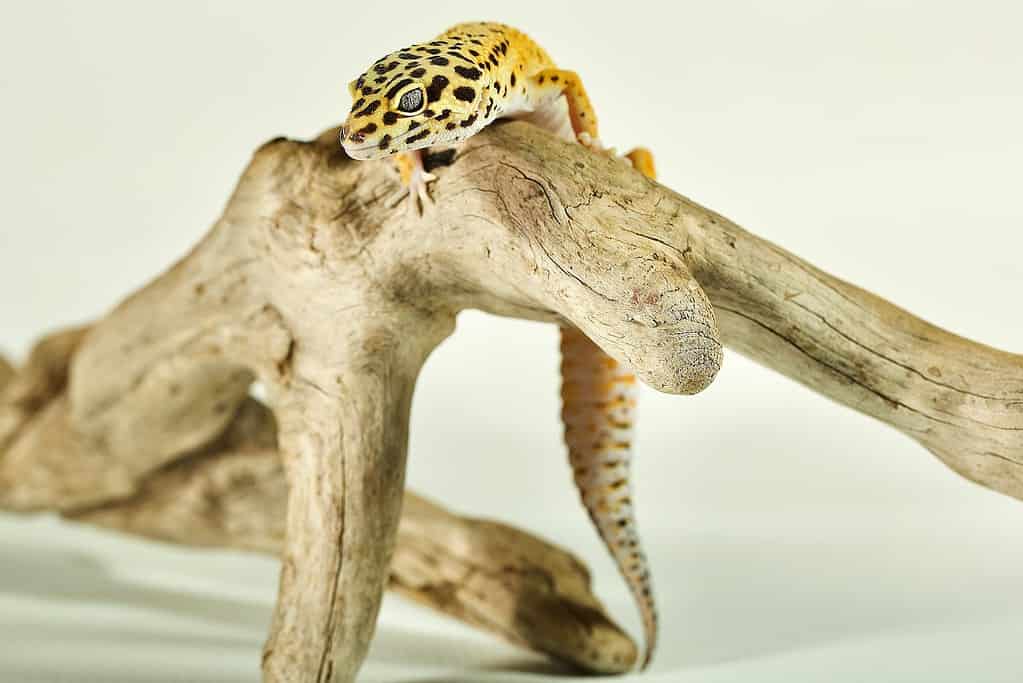
Your gecko will have a lot of fun with natural driftwood, another traditional piece of reptile tank decoration found at pet stores. There are several distinct species of driftwood, each of which may be found in various sizes. Some parts contain many branches and little holes, while others are bigger and smoother.

There are normally three distinct shades of driftwood, which are red, dark, and pale. Always ensure the driftwood you put in your aquarium is suitable for reptiles.

Products made of driftwood that are decorated for the house may include paints and solvents that are hazardous to the health of your leopard gecko. Even if you are adding driftwood that is appropriate for reptiles, it is advised that you give it a thorough washing and scrub with dish soap to remove any dust that may be on it.

7.     Artificial Greenery

A fascinating climbing and exploring surface for your leopard gecko may be provided by hanging fake foliage, which functions similarly to flexible branches and hammocks. Always purchase artificial greenery that is safe for geckos for your aquarium. Paint is sprayed on certain plastic plants to provide color and texture to the overall design.
Are Male Leopard Geckos Larger Than Females?

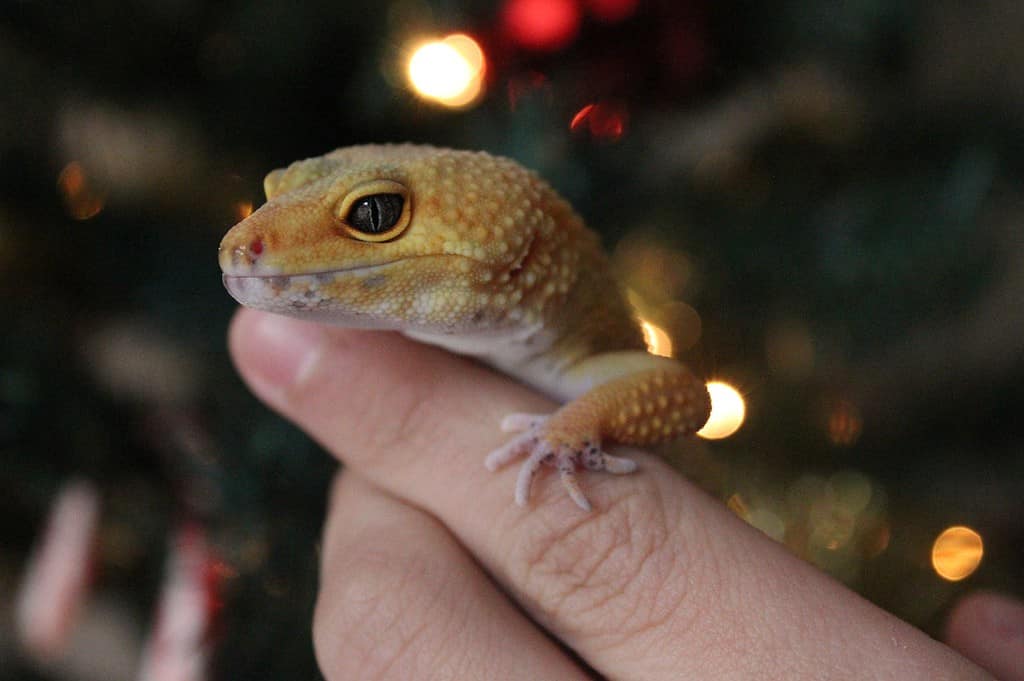
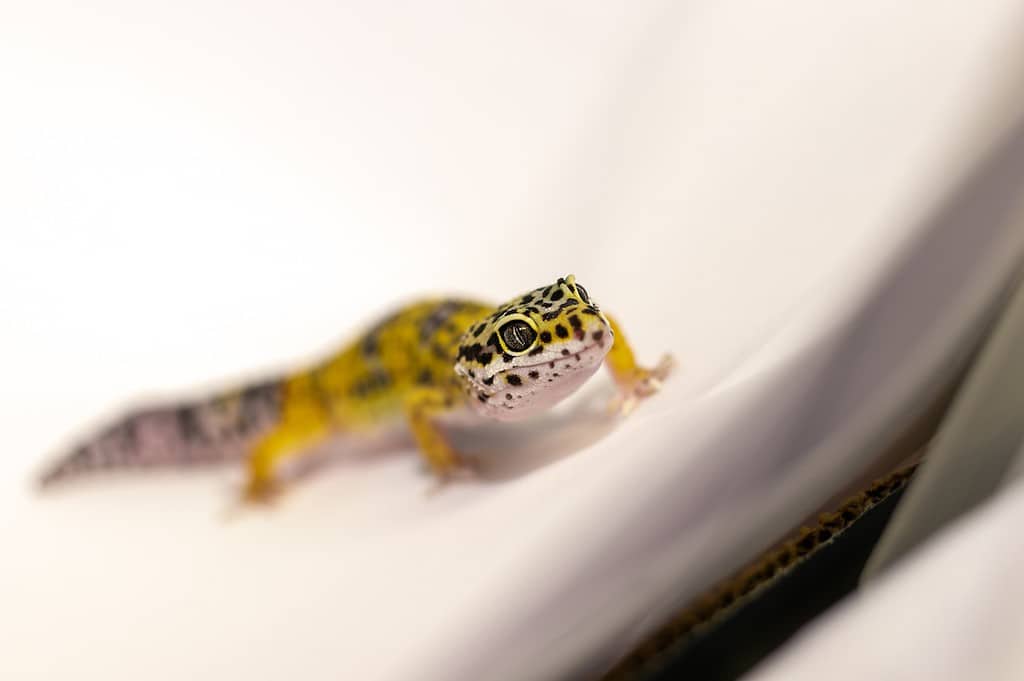
It is possible to have difficulty distinguishing between a male Leo and a female Leo. Knowing a leopard gecko’s sex enables you to comprehend what to anticipate and how to care for it properly. So, let us discuss the differences between both sexes and whether male Leos are bigger than females.

Are Male Leopard Geckos (Leos) Bigger Than Females?

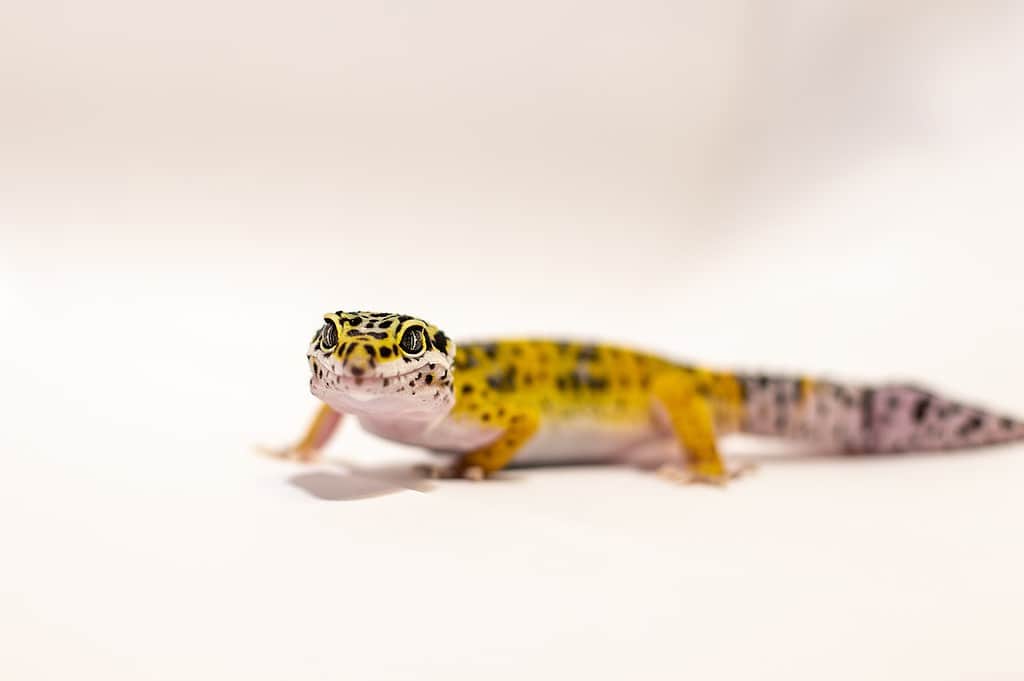
Male geckos are larger than their female counterparts. A female leopard gecko’s size ranges from 7 to 8 inches, and its weight can range from 46 to 72 grams. While a male leopard gecko can range from around 8 – 11 inches. The weight of male leopard geckos can range anywhere from 62 to 92 grams.

Let’s look at why female leopard geckos are smaller than males, along with other differences pet owners should know about.

Why Are Male Leopard Geckos Larger Than Female Leopard Geckos?

In most reptiles, females are bigger than males, but Leos are an exception. Many ideas attempt to explain why male Leos are bigger than females. Some of these ideas include the following:

(Another Article we have written related to this is: Why are Leopard Geckos Tails Fat)

Fitness Pick

Female Leos are more likely to mate with males whose heads are bigger than average. It is highly probable that their progeny will inherit similar qualities, which will help them compete more effectively with another gecko of their own specie.

Hormones and Agression

Testosterone (A male hormone) causes male Leos to have increased body size and territorial aggressiveness, which is necessary for male leopard geckos to compete with one another.

Although male leopard geckos are far more likely to be violent, female leopard geckos can still be hostile. Males must be prepared to defend themselves when approached by females who aren’t interested in what they offer.

Sexual Selection

Additionally, females will pick potential partners based on their ability to produce bigger numbers of healthy children. In several lizard species, male physical strength increases offspring numbers.

Can You Determine the Gender of a Leopard Gecko Based on Its Size Alone?

If you cannot contact the breeder to get an answer to the issue of whether or not you have a male or female leopard gecko, you will need to find another technique to determine the gender of your pet.

The following characteristics distinguish male leopard geckos from female leopard geckos and can help you recognize the difference between the two.

 Femoral Pores

These pores may be seen on the gecko’s rear legs and look like a series of very minute white spots. Although both males and females possess them, males possess them more commonly.

In some cases, these femoral pores might become blocked, demanding a trip to the veterinarian for declogging. If you examine the bottom of the lizard and notice a series of little spots going down the area of its thighs, you are looking at a male. On the other hand, if you cannot find any, you own a female leopard gecko.

Hemipenal Bulges

The hemipenes of a gecko are indicative of male sexual organs. A male Leopard gecko will likely acquire two noticeable bulges on the ventral side, close to the horizontal slit.

These bumps only appear for a short period while the male leopard gecko is mating with a female partner. On the other hand, female geckos do not have these pronounced bulges, which makes it much simpler to determine the gender of your pet gecko.

You should avoid hurting the genital organs, which might trigger hemipene prolapse. A lizard can be traumatized by any pressure given to this portion, which can cause it to lose its tail if the pressure is severe enough.

Preanal Pores

These preanal holes may be seen on the species’ undersides of both males and females. They stand out more prominently in males and arrange themselves in a line.

In females, the V-shaped pore development surrounding the vent is considerably smaller and more difficult to perceive than in males.

These pores secrete a waxy material that acts as a territorial marker and helps attract potential mates. So if you grasp a gecko and don’t observe V-formed preanal pores, it’s a male leopard gecko.

Are Male Leopard Geckos (Leos) Bigger Than Females?

Male vs Female Leopard Geckos Differences

Both male and female leopard geckos are distinguished from one another by a number of distinct traits. There are several differences between the sexes regarding size, behavior, and overall lifespan. The following are some distinguishing characteristics shared by male and female geckos:

Gecko Chirps

Geckos are territorial reptiles, and territorial male geckos will create chirping sounds to alert other geckos approaching their region.

The volume of the male’s chirps increases as the gecko perceives greater danger from other geckos. Male geckos chirp to indicate their presence during mating season and to attract females for mating. 

Temperament

Breeders claim that a gecko’s temperament relies on its sex; however, this isn’t true. There is the same amount of aggressive female geckos as aggressive male geckos.

(Another article that may interest you on this topic is: Are Leopard Geckos Friendly?)

When they reach adolescence, leopard geckos exhibit a distinct shift in their behavior, which is something to keep in mind. When ovulation begins, males develop aggressive territorial behavior, while females reduce the amount of food they consume.

Movement

The male Leo usually goes straight for its food, while the female looks calm. In contrast to females, males are more likely to greet you as you visit the vivarium.

Both the male and female lizards will shake their tails, but only the male’s tail shake will make the distinctive rattling sound. They will typically begin making this sound once they have reached adulthood and when they are in the process of reproducing.

Lifespan

If they are well cared for and have minimal health problems, male geckos can live far longer than their female counterparts. Male geckos eat consistently and rarely eat properly unless unwell.

Female geckos typically live for a shorter period than their male counterparts, and excessive breeding of female geckos might further reduce their lifetime.

Body Shape

Male Leopard geckos tend to have a bigger physical mass and frame than their female counterparts. This may be determined by seeing the lizards’ larger heads and necks.

Handling Ease

Male geckos are more gregarious and friendly during mating season. When you approach the tank, however, female geckos might run and hide as soon as they see you.

Is a Male or Female Gecko Best?

If they are well cared for, fed properly, and have minimal health problems, male leopard geckos have a longer lifespan. When compared to the female gecko, the male gecko has a more attractive physical appearance.

Male leopard geckos have a superior physique to female leopard geckos due to their wider heads and larger bodies. As a result, pet owners choose male leopard geckos more often than females.

The ovulation phase is a trying time for the breeder of reptiles since the female geckos stop eating and lose their appetite, which causes the geckos to diminish during this time. Because of this phase, the female gecko loses significant weight, making the reptile more susceptible to illness and increasing its chance of contracting various diseases.

Can a Female and Male Leopard Gecko Coexist?

Female leopard geckos cannot coexist with males since the species is extremely territorial and will aggressively defend its territory. It is highly advised that the geckos be housed in separate tanks to prevent any instances in which the geckos may injure one another by fighting. Fights frequently result in stress or injury, both of which cause the geckos involved to stop eating. Geckos treated this way experience weight loss and may get infections due to the exposed wounds.

Female leopard geckos should be kept apart from newborn geckos to prevent aggression. It is recommended to keep each gecko in its vivarium and only introduce them to one another during the mating season. When housed in the same enclosure, male and female geckos do not get along very well.

Leopard Gecko Dying Signs

It is painful to lose a pet; sometimes, it may feel like you’ve lost a close friend. Leopard Geckos are sturdy, resilient, and long-lived; thus, many pet owners choose them. Leopard geckos not given the appropriate care run the risk of becoming ill. In that context, let us discuss all about the dying Leopard Geckos signs so that you may know well before the time that your pet Leo is going to depart you from this world.

Leopard Gecko Dying Signs

If you see that your gecko is acting strangely, has lost a significant amount of weight quickly, or is sluggish with little or no activity, you may suspect leopard gecko dying symptoms.

Leopard geckos have a slower metabolism, and when they become unwell, they frequently do not exhibit symptoms until the disease has severely developed.

This post will discover leopard gecko dying indications, how to treat your pet, and when to visit the clinic.

Leopard Geckos and the Process of Dying

The care required for leopard geckos is typically minimal, making them a popular choice for new owners of reptiles. Despite their environment needing special temperature settings, surroundings, nutrition, and care, they often have minimal health issues.

There are certain things to consider while setting up a leopard gecko habitat or caring for an existing one. Leopard gecko owners worry about lethargy, shedding, and brumation.

You must look for many things to determine the overall health of your leopard gecko, although some of the signs of shedding and structure may be similar to how a leopard gecko dies.

If their habitat is kept clean and they receive the attention and care they need, leopard geckos typically have a good chance of living a long and healthy life.

Leopard Gecko Dying Symptoms

Dying leopard geckos display weight loss, sunken eyes, loss of appetite, and lethargy. Other symptoms include bleeding from the lips and runny or foul droppings.

Loss of Appetite

A loss of appetite is one of the most significant signs that your gecko is becoming ill. A leopard gecko’s loss of appetite might be caused by a number of things, including an unsuitable temperature, improper nutrition, and stress.

Check the temperature inside their enclosure and make sure it is set appropriately.  To ensure that they digest their food effectively, leopard geckos require a heater to be installed underneath their tank.

Then you can check to see if there is something in their environment that could make them feel stressed and cause them to lose their appetite. Each of these things has the potential to be a cause of anxiety and contribute to a decreased interest in food.

Abnormal Or No Droppings

Examining your leopard gecko’s droppings might be one of the most effective ways to determine whether or not it is sick or dying. They may suffer from impaction if they have unusual or fewer droppings than usual.

Impaction is a common cause of unexpected death in leopard geckos. If your pet leopard gecko consumes anything that causes digestive troubles and other internal disorders, your pet’s digestive tract and other organs might get affected.

If you discover that your leopard gecko is affected by this condition at an early stage, it will be simple for you to treat it. However, if you do not recognize the symptoms on time, it might result in the death of your leopard gecko. 

Sunken Eyes

If you see that the eyes of your leopard gecko have begun to sink into their body, this is a sign that they are suffering from a lack of water. Dehydration causes underlying health issues in leopard geckos and can reduce appetite and illness.

The sticky mucus in the leopard gecko’s mouth and retained, non-shedding skin are two more indicators that the animal is dehydrated. On the other hand, sunken eyes are the most obvious sign. 

To prevent them from dehydrating, the water in their tank has to be fresh, and there should be sufficient of it. In addition, you need to ensure that the enclosure has an appropriate degree of humidity throughout its whole.

Dehydration

In order to keep themselves alive, leopard geckos require water in addition to the food they eat. Geckos can have more subtle, difficult-to-detect signs of dehydration than other animals. Dehydration causes dry, flaky skin, wrinkled skin, sunken eyes, muscle loss, and fatigue. To avoid these symptoms, ensure your leopard gecko always has clean water in its habitat.

Disinterest or Listlessness

If your leopard gecko is typically curious, engaged, and active, you can be assured that it is a healthy and happy pet. You could see them exploring their enclosure, looking for prey, or relaxing in warm spots in the environment.

Your leopard gecko may be unwell if it stays in one area for long periods or hides behind or beneath tank objects. If you observe that your gecko is acting more passive or less attentive than usual, your best choice is to take them to a veterinarian as soon as possible.

Leopard Gecko Dying Signs

Causes of Death & Illness in Leopard Geckos

Regrettably, leopard geckos or other reptiles show almost no symptoms of illness. Consider yourself fortunate if the reptile exhibits even the slightest disease. Therefore, illness symptoms are typically modest and readily mistaken with other normal symptoms.

Here are some of leopard geckos’ most prevalent causes of death and disease.

Impaction

Impaction is a life-threatening condition that can result in the leopard gecko’s death. It is the most common reason for the leopard gecko’s unexpected death. Impaction is a condition that can occur if your leopard gecko mistakenly consumes hard material, an insect that is too large, or an insect with a hard shell. Impaction is another risk that might arise if you do not provide your leopard gecko enough area for sunbathing.

You are aware that higher temperatures make digestion easier for your leopard gecko. If your leopard gecko doesn’t have sufficient heat to digest food, its stomach contents might clog its intestines, leading to death.

Consider giving your leopard gecko a warm bath if you see any of these symptoms. In addition, you should never hesitate to contact your local veterinarian if you observe any of these symptoms or signs.

Metabolic Bone Disease (MBD)

A deficiency in vitamin D or other essential minerals may be the underlying cause of metabolic bone disease. After a leopard gecko has been deprived of these minerals and nutrients for an extended period, its skeleton will become flexible and even deformed.

Because of this, the leopard gecko has difficulty moving around and eating its food. You can’t cure metabolic bone disease but you can stop it by providing your leopard gecko calcium and vitamin D3.

Younger leopard geckos are more likely to suffer from the metabolic bone disease than older leopard geckos. Give your leopard gecko appropriate growth vitamins during the first year of life.

External Parasites

When it comes to external parasites, mites are most likely the most prevalent things you may come across when caring for leopard geckos. This parasite resembles a tiny tick and will feed on the blood of your leopard gecko by biting its skin. 

If your leopard geckos have mites, you may notice damaged skin, increased wetting, decreased hunger, weight loss, shedding difficulties, and white dust in the habitat.

Visit your vet as soon as possible if you observe any of these symptoms to acquire an official diagnosis. Your vet can determine the parasite and illness from your leopard gecko’s feces sample. 

How to Avoid Leopard Gecko Getting Sick

After understanding gecko illnesses and deaths, let’s look at prevention measures.

  • Clean your gecko’s cage often and remove droppings.
  • Provide your gecko with suitable food; acquire a range of insects from reputable suppliers or raise your own. 
  • Practice good hygiene while handling your leopard gecko; wash your hands after contacting another pet to avoid disease or parasites.

What is the best leopard gecko habitat setup?

The adorable and vivid leopard geckos are the easiest lizards/reptiles to care for. These reptiles that live in the ground do not require a lot in order to be happy and healthy; all they want is a cage that is adequately supplied and a portion of food that is balanced. The ideal enclosure for a Leo should provide it with a comfortable home reminiscent of its natural environment and plenty of room to roam around and discover new things.

Leopard geckos, in contrast to several other species of reptiles used as pets, stay relatively tiny throughout their lives and only reach a maximum length of 10 inches when fully grown, measuring from the nostrils tip up to the end point of their tail. However, because these lizards are so small, they are accustomed to covering a large area in the wild; thus, the terrarium in which they are kept must be pretty large.

Despite what you believe, an adult Leo cannot survive in a tank that is only 12 or 15 gallons in size. If you adorn the terrarium with caverns, vegetation, rocks, and wood logs, it will be far too tiny for a mature Leo to roam about freely in this space. When it reaches maturity, your gecko will want a place that is at least 20-25 gallons in size. So, keeping that in mind, let us discuss the best leopard Gecko setups.

Here are the top 3 leopard Geckos tanks/terrariums that serve best as an ideal habitat for Leos:

What is the best leopard gecko habitat setup?

Overview of any ideal Leo’s Terrarium

The dimensions of the tank are the most critical aspect of the habitat for the leopard gecko, so be sure to keep that in mind.

A tank with a minimum capacity of 20 gallons is required for keeping adult Leopard Geckos (as discussed above). The larger the environment, the higher the degree of suitability.

Tanks with less than 20 gallons capacity are typically insufficient for holding the bowl of food and water, decorations, and even hides.

Most owners decide to house their newborn Leo in tanks that are 10 gallons in capacity, and then, after the first year, they upgrade to a larger tank. This is not something that is suggested because it results in higher costs and requires a significant amount of time.

Leo’s Terrarium Types (depending upon the material they are made of)

There are three distinct types of Leopard Gecko tanks available for you to choose from when housing your gecko:

  • Mesh
  • Glass
  • Wood

Glass is often considered to be the material of choice when constructing Leo’s tank.

Enclosures for Leopard Geckos made of glass are the most common and may be purchased in various sizes.

The usage of wood is possible. If you enjoy the way, it looks. However, it may provide a fire risk, making it difficult for beginners to maintain the appropriate humidity levels.

MESH

Mesh vivaria are typically employed for keeping climbing-oriented reptiles and amphibians. As arboreal creatures, chameleons with veils are maintained in enclosures made of mesh because of their delicate skin.

Leos are not arboreal hence do not climb. They must be contained in lengthy but not particularly tall tanks.

Most cages constructed of mesh are tall since their primary purpose is to house reptiles (in the form of terrariums), who tend to climb. Because of this, it could be challenging to find a mesh tank of a size that is appropriate for a leopard gecko that has a capacity of 20 gallons.

If you are able to get a long mesh tank that holds 20 gallons of water, you should consider the impacts of both stress and humidity.

In other cases, the mesh can interfere with the appropriate maintenance of humidity, and the expansive space may be unpleasant for your gecko.

GLASS

Glass tanks are straightforward to clean and maintain. They are also very good at retaining the appropriate amounts of humidity.

In addition, they come with see-through sides, which make it easy to keep an eye on your pet from any angle.

It is possible to affix fake plants, thermostats, and other ornaments to the glass walls of glass tanks, which is one of the benefits of using glass tanks.

Glass enclosures are often lightweight, making them simple to move about for purposes such as cleaning or arranging the tank’s contents.

The sole drawback of glass homes is the high price tag associated with purchasing one. The price of a quality glass tank might range anywhere from $120 to $250.

WOOD

Enclosures made of wood are an excellent option for those individuals who want their surroundings to be appealing and appealing to the eye.

Unfortunately, wooden cages are difficult to find and do not provide a suitable home for leopard geckos in any way.

When compared to glass tanks, they also do not have the same level of efficiency.

Tanks made of wood are vulnerable to the deterioration caused by the combined effects of heat and moisture.

In addition, it may be challenging to maintain these habitats, and they are vulnerable to absorbing water. In order to prevent mold growth, the habitats need to be maintained regularly.

Between $70 and $200 is the average price range for a tank made of wood to house a leopard gecko.

How big your Leo’s tank must be?

Juvenile Leos require a 15-gallon tank. On the other hand, it is best to invest in a cage designed for adults right from the start. Adult Leos need at minimum 20-gallon terrariums. The gecko has the freedom to investigate its surroundings and move about thanks to the tank’s capacity of 20 gallons.

Keep in mind that young Leo will rapidly outgrow a tank that is too small for them if you decide to buy a smaller tank for your beginning. They add an extra inch to the height every three months.

When they are more than six inches long, they need a habitat that is at least 20 gallons in size.

Tip: It is not recommended to simultaneously house two leopard geckos in the same space.

As a result of territorial aggressiveness, the presence of several geckos in the same area can lead to injuries or even fatalities. These incidents can occur because of competition over territory. Both males and females exhibit aggressive behavior at relatively high rates.

If you want to maintain numerous geckos in the same space, you may use a tank that’s at least 30 gallons in size and has multiple hiding spots for them all to claim their own area.

Best 3 Leopard Geckos Terrariums/Tanks

The following are some of our top recommendations for providing the ideal habitat for your pet gecko.

1.   REPTI ZOO Leo Glass Terrarium

Repti Zoo Leo Glass Terrarium has dimensions of 30 inches by 12 inches by 18 inches which are best for both juvenile and adult Leopard Geckos. There are two alternatives for the dimensions, and the one that is more appropriate for leos since it gives more floor area is the horizontal design. It is a pricey tank that is delivered in a flat-pack format. Because of this, some assembly will be necessary; nonetheless, the product is straightforward to assemble, and the fact that it is delivered in flat-packed form lessens the likelihood that you will find a shattered mess upon unboxing it.

The base of the terrarium is elevated and watertight, and it features a variety of apertures as well as safe vents. Some vents can be sealed off for wiring and connections, and the top piece of the front of the terrarium can be opened and then closed securely, which is convenient for making cleaning the tank easier.

Even though this tank appears to be significantly costly, it is, in fact, a 30-gallon tank, which more than satisfies the minimum size requirements for an adult gecko.

2.   Carolina Custom Cages Tank

This XL Carolina Custom Cages Tank terrarium is ideal for housing two mature Leos. Still, it is also suitable for housing a single leopard gecko if you do not intend to maintain any more of these reptiles. If you live in a cramped apartment, this 60-gallon tank may not be the best choice for you because of the required room. However, setting it up is not very difficult.

This extra-large Leo tank is an ideal decision to make if you intend to retain a pair of Leos and intend to breed them in the future. Even if you want to keep a pair of female Leos together, this tank with a capacity of sixty gallons will give them sufficient space to live in peace with one another.

The top of this container is made of a metallic screen mesh, which allows for ample airflow and maintains the interior of the tank open and airy. It is possible to place any kind of bulb light or even a heat source on the top since it is a robust surface.

The front doors have hinges, and there is a crucial lock for further protection. It is highly recommended that you go with the Carolina Custom Cages sixty-gallon terrarium that has dimensions of 36 inches by 18 inches by 36 inches. This is an excellent choice if you intend to have more than one Leos.

3.   REPTI ZOO Reptile Glass Vivarium (Double door)

This glass terrarium which REPTI ZOO manufactured, is yet another excellent enclosure option for adult leopard geckos. This tank is constructed in a vertical orientation, in contrast to its predecessor, which had a horizontal arrangement of components. Even though leopard geckos don’t climb as frequently as some other types of reptiles, they won’t mind if more vertical space is available to them.

Because it is 36 inches by 18 inches by 18 inches, this leopard gecko tank configuration may serve as a habitat for either a young gecko or a fully developed adult gecko. The two front and top doors of this habitat are among the features that we appreciate the most about it. Because of the two holes, you have improved access, making it much simpler to clean your gecko’s tank and provide food for it.

Another advantageous feature is that each door can be opened independently, and a safety lock is installed to prevent anyone from escaping. This REPTI ZOO tank features a raised bottom framework that provides space for the installation of an under-tank heating pad, should the requirement arise. The top mesh, which is detachable and not overly dense, allows air and light to circulate freely within the tank while also preventing excess heat and sunlight from accessing its interior.

This an excellent enclosure that is suitable for housing leopard gecko hatchlings as well as fully grown leopard geckos.

How to Decide Which Leo Tank Is Right for You?

Because leopard geckos kept in captivity have a 14-16 years lifespan, you will need to locate an ideal habitat for them that will last for the whole of their lives. These warm climate lizards spend the majority of their time on the tank surface, so they require a large amount of horizontal area to wander around. However, they also benefit from having a little bit of steep/vertical surfaces.

What is the best leopard gecko habitat setup?

When searching for the ideal tank, in addition to the form and structure, there are a few other essential factors to take into consideration. They are as follows:

Size

When searching for a habitat for your reptile companion, the size of the tank you choose will likely be the single most significant consideration. The minimum suggested size for a home for a mature Leo is a tank that holds at least 20 gallons, and if you want to maintain two geckos, you’ll need a tank that contains at least 30 gallons.

However, young leopard geckos may make do with a tank that has a 15 gallons capacity unless they reach their adult size, at which point they will want more space. Your Leo will need to be relocated to a larger tank when it reaches the age when it can mate.

Screen Top

These days, most terrariums are equipped with mesh screens that ensure that the cage’s interior has adequate ventilation and stops animals from escaping through the top of the enclosure. However, this is not a significant worry for them because leopard geckos, in contrast to the vast majority of other geckos, do not possess adhesive toe pads.

Retains Heat

Because Leos are lizards that are native to desert environments, their enclosures need to be heated. They should be designed to resemble their natural habitat as closely as possible. Glass tanks are better at retaining heat than wooden terrariums. You should steer clear of cages made entirely of mesh. You should also look for terrariums that have elevated bottoms to adjust a heating pad in order to keep your Leo warm

Last but not least, keep in mind that a reptile terrarium by itself does not constitute a habitat.

Do leopard geckos need a companion?

Leopard geckos are easy to care for, and they don’t need a lot of room. But before you go out and get one, it is necessary to do some research on the sorts of companions that will get along with them the best. But do leopard geckos or Leos need any companions? 

No. Leos don’t require companions for company because they desire to spend their time alone. However, given that leopard geckos are gregarious lizards, you may still put other Leos in the same tank with them. They just do not experience feelings of loneliness; thus, this is not a prerequisite.

When contemplating the addition of a companion to a habitat housing leopard geckos, the most essential and widely accepted piece of advice is to stick within the same family or reptiles. Additionally, not all reptiles are going to do well as prospective terrarium mates for Leos because their care and maintenance requirements, along with diets, are different from one another.

But remember, there are two species that leopard geckos might get along well with, such as some blue skink species and beardies (bearded dragon). These two species would make excellent tank mates for Leos in some conditions.

Leopard Gecko’s nature

Geckos are solitary animals, so communal living is highly abnormal for them. 

Leopard Geckos are no exception to the rule that geckos are solitary and occasionally territorial creatures; they are their own species. When it is time for them to mate, a female Leo and a male Leo are more likely to spend time together than at any other time.

Even the female Leos do not stick around to provide parental care for the young Leopard Geckos.

The affable nature of leopard geckos, in addition to their colorful appearance, is unquestionably the primary factor contributing to their widespread popularity as pets.

Although they interact with the other of their species in addition to their surroundings, they are not sociable in the conventional sense because they do not interact with one another or their environment normally.

Reasons: Why shouldn’t you acquire a Leopard Gecko companion?

The following is a list of just a few reasons you should never find a companion for your Leo Gecko.

  • It’s possible that getting your gecko a companion will lead it to feel anxious about having to share its home with other animals.
  • In addition, the presence of another lizard may cause your Leopard Gecko to feel intimidated and protective, which may then lead to aggressive behavior.
  • If you put another Leo in the aquarium that your Leopard Gecko is in, the two of them will likely battle with each other to be on their own, which can result in bites, scratches, a loss of appetite, or even a lost tail in one of the animals.
  • When kept in close proximity to one another, Leopard Geckos have a tendency to pick fights with one another and compete with one another for food, hides that are damp and moist, and other resources.
  • Keeping leopard geckos in the same enclosure might lead to the animals being aggressive against one another and even stripping the fur off one another’s bodies.
  • If you keep a second Leo in the same tank as yours, there is a risk that your first Leopard Gecko will develop health problems.
  • If you don’t want your pet Leopard gecko to be harassed by the new lizard or the new gecko to be bullied by your pet Leo, you shouldn’t find a mate for your Leopard gecko. This will prevent both gecko species from acting aggressively toward one another. The reason for this is that the dominant Leopard Gecko will restrict the other Leo from sitting, lying down, or feeding in the manner that it prefers.
  • Many owners of Leopard Geckos are under the impression that providing their pet with only one companion might make it unhappy.
  • However, many people believe that thinking that your Leo will get lonely is nothing more than anthropomorphizing the feelings of humans, who are known to be a social creatures, onto a species that is in no way social.
  • When we say that they are “in no way sociable,” we imply that they are solitary creatures that only come together for little periods of time, such as when they are mating.
  • It is recommended that two or more Leos not be kept together in the same enclosure for any reason other than reproducing. In addition, the Leopard Gecko does not enjoy the companionship of other Leo Geckos, with the exception of the breeding season.
  • Be aware that even if you place two Leopard Geckos in a large terrarium together with plenty of hiding and plenty of food, this does not ensure that there will not be any fighting between the animals in the enclosure. As long as there is a possibility of your Leos competing with one another, there will also be a possibility of aggression.

FAQs

Are leopard geckos able to coexist with other species of reptiles?

No. It is not advisable to house leopard geckos with any other lizards, including other Leos, as this might lead to aggression and disease. These lizards are incredibly territorial animals that can turn hostile when they are confined in spaces that are too small. It is possible to provoke violent behavior in your geckos, such as battling and biting, if you introduce certain other reptiles into their environment in an unsuitable manner.

It’s possible that various species of reptiles require significantly different living circumstances than what can be provided by a typical habitat for leopard geckos. For instance, beardies require greater humidity levels than what is often suggested for leopard geckos. This is because bearded dragons have thicker, more robust skin.

However, this does not mean that you cannot put new companions in the enclosure where your gecko lives. Because it is typically a process of trial and error, you need to be vigilant to ensure that you introduce excellent tank mates in a way that is both safe and successful.

If they don’t have a mate, can leopard geckos ever feel lonely?

Those who believe that your Leopard feels lonely and bored while they are alone should realize that this is not the case. They are ectotherms, which means that because they are cold-blooded, it can be taxing on them to attempt to make them more active than they are naturally inclined to be.

Cold-blooded creatures, such as lizards, find it far more difficult to replenish their energy stores than warm-blooded species, which are able to do it without any effort.

As a result, they will only move when there is a compelling case for them to do so. Therefore, if you do find your Leopard Gecko resting in the same spot for an extended period of time without making any movement, you shouldn’t assume that it is feeling tired or lonely because it does not have a spouse.

There are a few possible explanations for why it is resting like way. One of them is that it does not want to become active at that time, which would cause it to use energy. And if your Leo is content in its environment, there is no reason to consider obtaining it a companion other than for the purpose of reproducing it.

What Geckos Make The Best Pet?

You have made the decision to keep reptiles as pets, but you are unsure how to select the appropriate gecko as a companion. Even though there are over 1,500+ distinct species of geckos across the globe, only a tiny selection of those gecko species can be kept as pets or in captivity.

However, there are so many options that it can be challenging to choose, and individuals frequently make their decision based solely on what they see at the pet shop rather than giving careful consideration to whether or not a particular species is compatible with their way of life. The following is a list of some of the best geckos to keep as pets, as well as points to consider while choosing and information on how to handle geckos.

  • Leopard Gecko
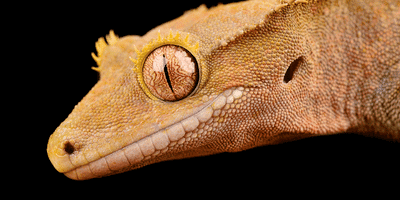
  • Crested Gecko
  • African Fat-tailed Gecko

The leopard gecko is rated as one of the top three best gecko species to keep as a pet. One of the many reasons why these geckos are so remarkable is the fact that they are one of the most well-liked and easy to care for species of pet reptiles.

Due to the fact that they are so widespread, they are acquiring knowledge regarding how to care for them properly is a piece of cake. This, in addition to the fact that these geckos are fairly hardy and simple to care for, makes them one of the best geckos for new reptile enthusiasts.

They remain relatively little throughout their lives and aren’t the easiest animals to handle for extended periods of time, but they are excellent specimens to have on display.

Although leopard geckos do not require a very huge enclosure, the more area you provide them, the more you will be able to enjoy watching them move around. These geckos are most active in the nights and mornings, which not only makes them ideal pets for individuals who are preoccupied during the day but also makes them convenient for people who work during the day.

1. Leopard geckos

Unlike most of the other gecko species on this list, cannot climb vertical surfaces. They spend their time at the bottom of their box, making it much simpler to maintain their environment.Care for a leopard gecko does not require a lot of money, and there are plenty of them to choose from. Some morphs come at a higher cost than others, but ultimately, deciding which morph to purchase is up to you. One drawback of leopard geckos is that they have a propensity to lose their tails more frequently than other species.

This indicates that you must use caution when handling them and take measures to ensure that nothing in their terrarium topples over. Having said that, you won’t have to worry about this issue if you practice good husbandry. In the event of an accident in which its tail is severed, it will regrow, and the animal will not be harmed as a result of this in the long run.

In general, leopard geckos are considered to be one of the greatest pet geckos that can be purchased, making them an excellent choice to kick off this list.

2.   Crested Gecko

Before its rediscovery in 1994, it was believed that this particular gecko species had become extinct. These one-of-a-kind lizards are now widely available from various breeders and pet retailers because they were bred successfully in captivity. Because they can be maintained at room temperature and have a stunning appearance, as well as a variety of color patterns, crested geckos are an excellent choice for first-time owners of lizards as pets.

Crested geckos are surprisingly tolerant of being handled. However, despite their size, these lizards are excellent climbers. Crested geckos have microscopic hairs called setae covering the bottom of their tails and all of their toes, which gives them the ability to grip smooth surfaces. Crested gecko tails are also covered in setae. Because of this, they need a very tall aquarium with lots of branches in it so that they can climb.

Their habitat requirements are simpler than those of the vast majority of other species often kept as pets. It is possible to keep crested geckos at room temperature; however, it is recommended to avoid keeping them in extremely hot or cold temperatures. This species does not require UVB light. Despite this, they still need to take a calcium pill and multivitamin powder in addition to the live insects that make up their diet.

3.   African Fat-tailed Geckos

The fat-tailed gecko is endemic to West Africa. These geckos have a pattern on their bodies consisting of beige and brown bands, and some of them have a white stripe that runs the length of their body. They have placid attitudes and move more gradually when being handled, making them ideal candidates for keeping as pets.

The fat-tailed gecko has a reputation for being more skittish than other species of gecko. Because they do not generally make jerky movements, these geckos might be better suited for youngsters to handle than other species of geckos. There is no need to provide a UVB light for fat-tailed geckos; they should be kept out of direct sunlight.

The height of the cage is not a worry for this species because it does not climb very high; nonetheless, the relative humidity in the enclosure should be kept between 50 and 70 percent at all times. A meal of insects that have been coated with a calcium or mineral powder can be used to feed fat-tailed geckos, precisely as it is used to feed leopard geckos.

Is a Gecko Complicated Pet to Care for?

Have you thought about whether you will be able to provide the necessary care for a gecko before you begin to consider the species of the gecko to bring into your home? Even though they don’t need as much care as dogs or cats, true reptiles nevertheless need to be managed daily. They won’t mind being left alone at all, unlike a dog, even if you have to leave for work in the middle of the day. Nevertheless, even taking a short trip for a few days can be challenging because of them. A neighbor may be more than willing to look after your plants or a hamster, but they may be reluctant to look after a lizard that you have. Since most geckos require a diet that contains a significant amount of live insects, you will need to stock your home with live crickets or roaches.  In addition, highly young children are not the best candidates for keeping geckos as pets.

If you are certain that you will be able to devote the time and energy necessary to care for a reptile, then you will need to select one species of gecko from among the many that are discussed above.

What Geckos Make The Best Pet?

Is It Possible to Tame the Gecko?

Reptiles, including geckos, are not the same as cats or dogs; therefore, you cannot really treat this as a pet that you may play with or hug. It is preferable to leave them in their terrariums and observe them from a safe distance. However, if you genuinely want to be able to hold your pet or if you are acquiring it for a child, then a leopard gecko may be the appropriate gecko for you. Leos tolerate a light amount of touching and will generally sit calmly on your hand if you take care not to startle them.