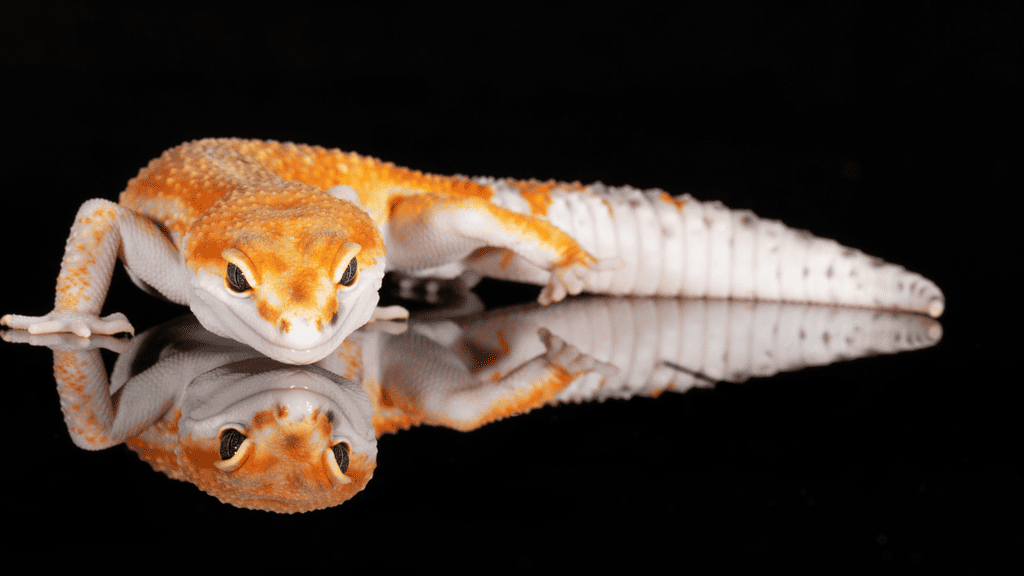
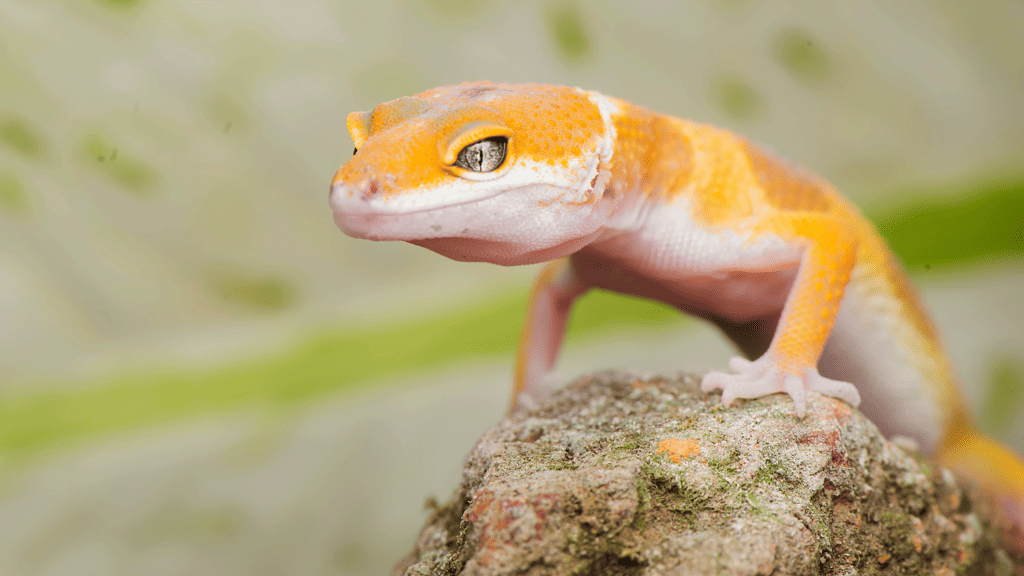
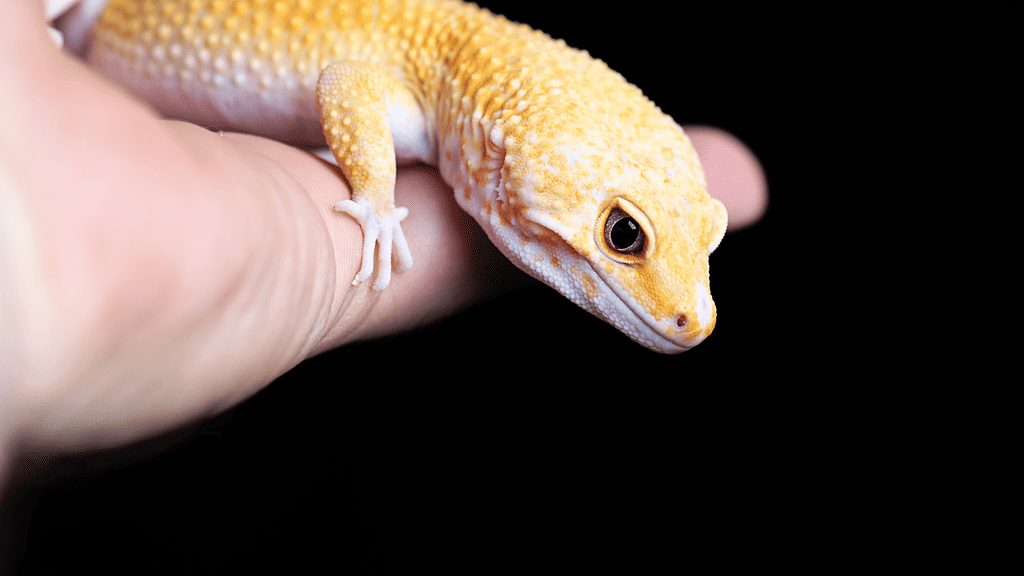
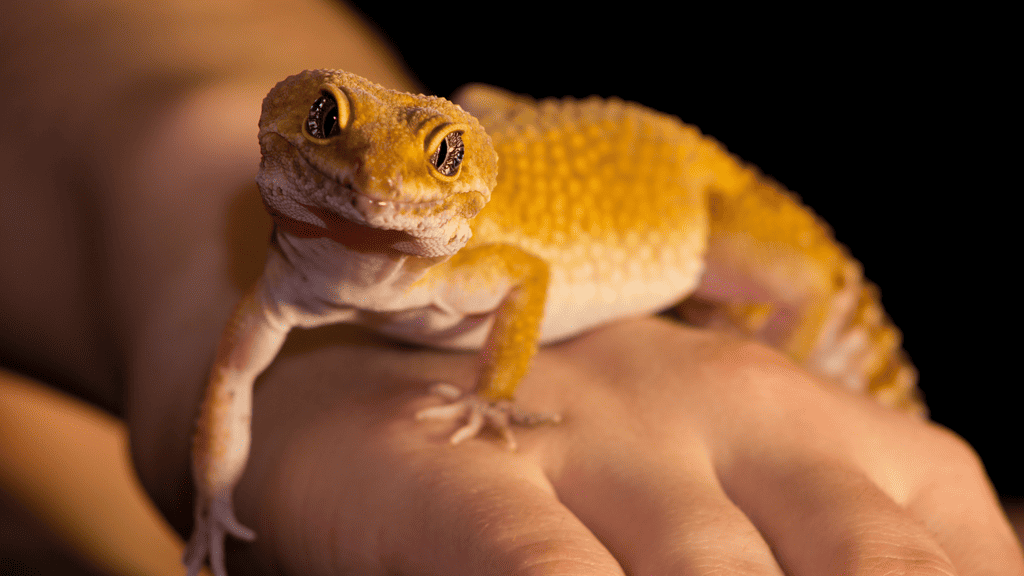
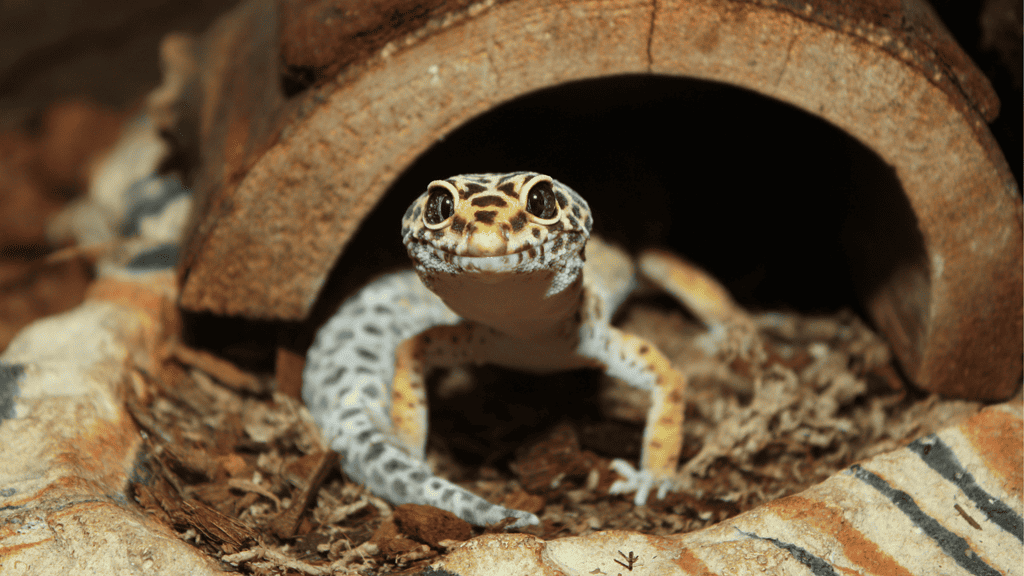
Leopard geckos (Leos) can bite when they feel threatened. As a new pet owner, you should know what to do if your leopard geckos bite, as the bite might cause illnesses. But do Leopard Geckos bite hurt?
Leopard gecko bites do not actually hurt, their bites are almost like a pinch. They have very small teeth for eating small insects and do not have enough strength to usually pierce human skin.
Here’s a guide to leopard gecko bites, including if they hurt and if they can cause infections, as well as how to keep the gecko from biting and being too aggressive.
Leopard Geckos Are Not Aggressive and Make Great Pets
Overall, leopard geckos are fantastic pets! They are strong and gentle reptiles, making it possible for practically anybody to care for them properly. They are not very expensive.
But, leopard geckos can bite just like any other animal. Leopard geckos aren’t aggressive, and their bites aren’t extremely dangerous.
The fact that geckos possess all of these characteristics, in addition to being easily accessible, controllable, and small, places them among the most desirable reptile pets.
More about Leo’s biting behavior
Leopard geckos only attack people in times of distress, excitement, hunger, or fear. Geckos usually don’t do anything to hurt their owners. Leopard gecko owners must be careful while handling frightened or defensive animals.
When your leopard gecko is frightened and ready to bite, you’ll know because it will have its mouth wide open, turn around at an unusually fast rate, and hiss.
Leopard geckos are generally timid creatures that constantly wish to avoid conflict with anything larger than themselves. As a result, leopard geckos seldom attack people. However, they might become rather aggressive when they are frightened or learning something new. You should use extreme care whenever you are handling them.
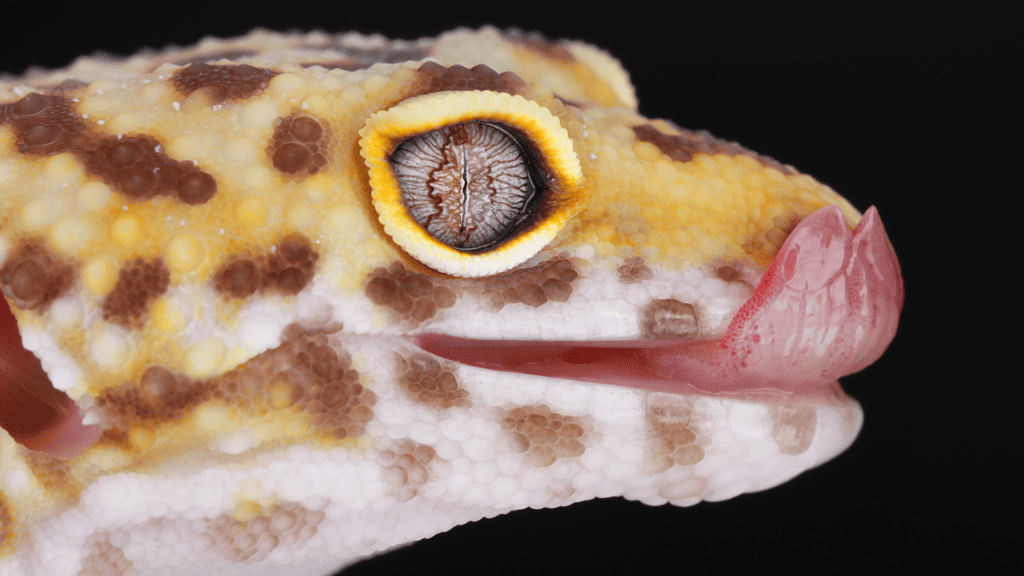
The majority of bites from reptile pets are unintentional. However, they have little teeth and mouths intended to eat insects, not people.
What Happens if a Leo Bites You?
If a leopard gecko bites you, it will let go after a short time and then scurry away. Leopard geckos, in contrast to certain other gecko species, do not have large teeth capable of causing damage.
If the bite results in bleeding, it is best to seek medical attention as quickly as possible. This is done to check that the bite did not result in any infections or blisters in the patient.
If a doctor determines a leopard gecko bit you, you should not worry about rabies, which only affects animals and reptiles with hair and scales.
Does a Pet Leopard Geckos Bite Hurt?
Leos may bite, but they don’t do it very often. Leo’s bite does not contain any poison/venom. So, Leo owners are not concerned about being poisoned or venomed. It is not essential to take any drugs or undergo any therapies in order to recover from a bite from a Leos.
Your chance of getting bitten by a leopard gecko is minimal. You should be conscious of how your gecko is acting before touching it, and a bite might occur, especially if it’s new to the family.
Second, leopard gecko bites normally do not cause pain. If an adult leopard gecko bit you, you can feel something similar to a pinprick or a mild sting. If a baby gecko bites you, it probably won’t hurt at all. In most cases, leopard geckos do not draw blood; thus, a visit to the physician is not required in this situation. It should be sufficient to just wash the damaged region in order to disinfect it and ensure that you do not get any diseases as a result.
The most essential thing is to realize that male leopard geckos require greater room than females, in addition to having the necessary amount of social interaction with other males. You may prevent violence by setting up the cage appropriately and removing any hiding places that could make your gecko feel surrounded or frightened.
Once they are satisfied that they are not in danger near you, male leopard geckos may become more sociable.
Do Leopard Geckos Bite Hurt?
Reasons a Leopard Gecko May Bite You
Leopard Geckos bite, but there is always a reason, and they don’t do it for no reason. By understanding what causes attacks, we can avoid them. Here are the significant reasons you might get bitten.
When feeding, a Leopard Gecko might be defensive.
Insufficient interaction and socialization with your gecko.
Grasping the Leopard Gecko with rapid or abrupt motions.
Rough and tumble treatment ( usually by a younger untrained family member).
Attempting to limit the lizards’ mobility.
It’s possible the gecko is feeling frightened or perhaps threatened.
A Leopard Gecko that is starving can become rather aggressive.
Stressed due to the presence of a second leopard gecko in its tank.
When attempting to assist a leopard gecko with trapped shed skin.
These are the major reasons your Leo may bite your finger. We can prevent or decrease the issue now that we know the reason.
What Is the Best Treatment for a Gecko Bite?
To determine if you should seek treatment for a gecko bite, it is necessary to identify the species of gecko that bit you. After you have done that, it will be simple for you to decide whether or not it is necessary to seek medical assistance. Your wound will be examined by a medical professional, and they will decide how to continue from there. A doctor can prescribe antivenin for leopard gecko bites.
What Does a Leopard Gecko Bite Feel like?
The bite of a Leo is more like a pinch. It is not a complete bite like any other animal. The gecko bite may hurt a little, although it often does not pierce the skin when it occurs.
Geckos with leopard spots are not known to be violent. These geckos are timid and avoid violence with people and other big creatures.
It’s possible that your gecko will grow agitated if it doesn’t have enough interaction. So, you must handle them with care.
How to Prevent a Leopard Gecko Bite
Stress, a lack of stimulation, and territorial disputes are just a few things that can lead to aggressive behavior in leopard geckos. There are a few things you can take to protect yourself from being bitten by a leopard gecko:
Ensure that your geckos have plenty of space by offering hiding locations for each individual in the tank or vivarium.
You should give enrichment items for your pet, such as tall plants, logs with bark, and buildings resembling caves so that your pet has more surfaces for climbing on.
Create many layers in the cage, so there is more to explore than simply the floor. This doesn’t require an intricate setup; stacking various platforms can make a different surface.
If you take one glance at a leopard gecko, you could well find yourself falling in love with it. They have several forms and fascinating designs, and their smile makes them winning pet. Is it true that leopard geckos are social?
The answer is yes. As with any new pet, it will take some time for them to become used to you. However, irrespective of their sexuality or gender, these little reptiles get along great with people and are a joy to have around the house.
You now know these reptiles are amiable, so you may want to buy one. Even though they’re all friendly, no two geckos are alike. Follow these steps to keep leopard geckos and make them as friendly as possible.
Leopard Geckos In Nature
Leopard Geckos seldom interact with other geckos in the wild unless they’re mating. Their native habitat, which consists of vast, mountainous deserts, is well-suited to their solitary way of existence. It makes it fairly simple for geckos to go for long periods without coming across another one.
There is, of course, also a self-protective element to this kind of isolated behavior. Leopard Geckos have a variety of natural predators, including snakes, foxes, birds, and other big reptiles. They employ their sharp senses to detect danger and are constantly ready to flee.
Are Leopard Geckos Social?
Leopard geckos are isolated creatures that prefer to live alone rather than with another gecko. But they are social, and they can communicate with other animals of their own kind and the things around them.
Besides giving your new pets names, it’s good to think about how friendly they are. When kept close to one another, leopard geckos are likely to become anxious. This is due to the fact that they are nocturnal creatures and can be possessive of their territory, particularly males. However, once they reach maturity, leopard geckos like to be alone.
Even though leopard geckos have a calm temperament, it is not natural for them to live in groups like other gecko species do. The only time a female leopard gecko and male leopard gecko will interact with one another is during mating season. And after mating, they don’t care for their hatchlings.
Geckos Live Long and Happy Lives If You Care For Them
Creating a comfortable area for a leopard gecko that loves to be alone might need a lot of time. Most reptile owners realize that their gecko enjoys being alone.
If properly cared for, geckos may live for a very long period; some have been known to reach around 20 years of age. As with any other kind of pet, getting a gecko requires a significant time and financial investment.
During those years, geckos most likely require a lower maintenance level than other pets such as cats and dogs. They eat less, appreciate their own company, but need a clean tank and extra care. Many gecko owners describe a sense of satisfaction from possessing this animal.
Because there are so many gecko species, a lot of people are interested in collecting them. Their markings are pretty unique, which is interesting in and of itself.
Tips to Get to Know Your Leopard Gecko
1. Hand-feeding your Gecko
Manually feeding your gecko helps you create a relationship with it and earns its trust and respect.
To create a good bond between a pet and its owner, it’s best to feed your gecko by hand. This provides them a chance to get to know you and see that you are someone they can trust and come to when they are hungry.
If you’re nervous about holding your leopard gecko, slide or lift the tank cover and feed it piece by piece. Repeat these steps weekly for three to six weeks, depending on how quickly you want your gecko to adjust to its new environment. If you’re uncomfortable feeding it with your hands, you can also let it eat from its food container.
2. Reduce Stress
Even animals experience stress as a natural and inevitable component of life. In particular, excessive stress can create a considerable loss of trust when it comes to leopard geckos. It may make it much more difficult to form a relationship with another individual.
As a beginner, it’s normal to make a few mistakes or think that what you’re doing with your gecko isn’t dangerous. Your gecko has things that might cause it to freak out or avoid situations that could give it fear and anxiety.
3. Keeping a Consistent Schedule
Leopard geckos are nocturnal animals, which some of you may already be aware of. Therefore, they would like to sleep more throughout the day when you are active. Playing with, handling, or feeding your gecko throughout the day while you’re active may be attractive, but doing so might stress it out.
4. Making a Sound
Sounds can be causal factors that can make you feel either happy or sad. This holds true for leopard geckos in the same way as it does for people. To make sure your leopard gecko thinks of you positively, identify yourself with a sound.
Make a sound when you’re having a good conversation. It might be speaking its name, chattering, or a relaxing, non-loud sound. If you produce the same sound in the same way over and over again, your gecko will quickly learn to link that sound with you. When it hears that sound, it will realize you’re not a threat and have come to take care of it.
5. Inexperienced Persons Shouldn’t Handle Your Gecko
Leopard geckos make wonderful additions to families as pets, but if handled by someone without experience, this might terrify the gecko and provide a potential safety risk.
Geckos might be handled too roughly by beginners, children, or anyone who has never worked with one before. Or, if the gecko starts hissing or biting, they might drop them by accident. If relatives and friends exhibit interest in your gecko, let them know how to manage them, about their probable reactions to being handled by a new person, and never let them hold them for too long to reduce their stress.
If your leopard gecko reacts adversely to someone else holding it, gently take it back and make your unique sound to convince it that it’s safe.
Do Leopard Geckos Like To Be Pet?
As a result of all of this, you might be wondering whether or not Leopard geckos make excellent pets. Leopard Geckos prefer being petted and handled; if they trust you, they’ll allow you to hold them.
Like other reptiles, Leopard Geckos can’t feel love or friendship, but almost all of their owners say they have a strong bond of trust and awareness with their pets.
Your gecko won’t jump up and down if they see you like a dog, but they will recognize you and treat you as their owner.
Are Leopard Geckos Social with Other Pets?
In general, leopard geckos kept as pets don’t get lonely, but they need to interact with people to meet certain social needs.
But it’s a different situation when it comes to other leopard geckos. They will exhibit troubling behaviors that indicate they are under a great deal of stress.
One of these is territoriality, in which a gecko demonstrates authority by head bobbing and tail wagging. Other lizards in the aquarium will recognize these signs and behave submissively toward one another.
It is not uncommon for two leopard geckos that are housed together in the same tank to engage in a fight with one another. This is because of struggles for dominance, competition for resources, and problems with mating.
Owners frequently inquire whether numerous leopard geckos may be housed in a single tank. However, this is something that should be avoided as much as possible. There are a few instances where two leopard geckos that grew up together form a partnership, although this is uncommon. Leopard geckos like to live alone. They don’t spend much time with other lizards unless there is food.
You may wonder why leopard geckos have fat tails when you watch them in their cages. Let us discuss all about Leopard Gecko’s fat tail.
Why do leopard geckos have fat tails?
The simple answer is that they store fat in their tails to use as a backup energy source, especially when it’s cold or sick. If it is healthy, the tail of a leopard gecko should be fat. Geckos are native to dry environments where food is not always readily accessible. In most cases, these animals will store fat in their tails; this fat reserve will assist the animal in surviving times when there is an inadequate supply of food.
Read on to learn how a leopard gecko’s fat tail can save its life.
What Is the Purpose of a Leopard Geckos Tail?
1. Fat Storage
The primary function of this process is to store large amounts of fat reserves. This occurs as a prophylactic mechanism to stop it from starving to death if it goes for extended periods without getting any food.
Leopard geckos may go 70 to 100 days without eating. This is the case, provided that its tail has been adequately packed and stored with sufficient fat reserves before its use.
2. Defense Mechanism
One of the tail functions is to defend the creature from being attacked by a predator, which might result in its death. Therefore, when confronted with such a circumstance, a leopard gecko would lift its tail and wave it toward its prey animals.
The purpose is to prevent the predator from attacking its head, which could kill it. The predator is enticed to attack the tail, allowing the Leopard gecko to drop its tail. This happens continuously, allowing the gecko to escape the situation quickly.
Why Is My Leopard Gecko’s Tail So Fat?
Like many other species native to extreme habitats, Leopard geckos sometimes confront challenging environments with little food available.
Because of this, the animal needs to store as much fat as possible. Leopard geckos store fat under their skin in their tails, called adipose tissues. Triglycerides are made up of adipocytes, which are mostly big fat droplets.
The ability of leopard geckos to store fat serves various vital functions during the animal’s everyday life. These are the following:
· Source of Energy
Leopard geckos can go for a long time without eating, and if you have one as a pet, you will observe that they can go for a few days without food.
And even if you fail to give your pet food for an entire week, they won’t die. This does not mean that you ignore your pet in any way. The animal’s stored fat is used as an energy source during these times, and the fat is broken down and used.
The process of hibernating that leopard geckos go through is called brumation. This natural metabolic slowdown happens during the most remarkable months in leopard geckos older than one year.
According to scientists, time is vital for the health of all geckos, whether they are kept in captivity or live in the wild. In addition, some keepers will wish to use artificial cooling to recreate the same environment for leopard geckos one-year-old or older that they have at home.
The animal will exhibit certain behaviors and symptoms unique to brumation while in this state. The animal starts to slow down and eats less as a result. It is also possible for it to go into hiding for several weeks, at which time it will choose to spend more of its time in the cooler regions of its cage.
You need to exercise caution and closely check your pet to look for any indications that it may be sick.
· Reproduction
According to studies, female leopard geckos need a lot of energy during reproduction to produce big, healthy eggs. These eggs have a significant quantity of fat and protein, which are essential for the growth and maintenance of a healthy offspring. A leopard gecko egg has a calorie density of 6 milligrams per milligram on a milligram scale. Also, they use between 13% and 48% of their total energy to make eggs.
· Thermoregulation
Like other types of reptiles, leopard geckos must rely on their local surroundings to properly regulate their body temperature. Because of this, the rates at which they generate their own endogenous heat are also different, particularly when the animal is moving or digesting food. The interaction of these two elements creates complications for the animal’s ability to regulate its temperature.
Reptiles have complicated and high heat flow systems that exchange heat with the environment. As the leopard geckos attempt to maintain a consistent temperature throughout their body, each system consumes a large amount of energy.
In addition, leopard geckos will employ behavioural techniques to regulate their body temperatures, such as approaching or avoiding the sun, depending on the situation.
How Long may a Leo Survive Using its Tail Fat?
Since you are now aware of the function of the leopard gecko’s thick tail, you are probably curious as to how much assistance it provides. How long would a Leo survive off of the tail’s fat if it could not find any food?
Any mature and healthy Leo will be able to survive for one month on its tail fat. They can easily live for 30 days without eating.
It is highly advantageous to live on its stored fat for a long time. The tail of a leopard gecko that has depleted its fat reserves will resemble a typical gecko tail. If the leopard gecko is successful in locating food, it will be able to begin storing fat in its tail once more, allowing the tail to grow fat once again.
Leo Tail Waving
If you have seen that your leopard gecko (Leo), which you keep as a pet, sometimes moves its tail back & forth, then you are not alone. Many Leo owners observe this phenomenon. Several possible explanations exist for why a Leo would wave its tail in different directions.
When actively hunting, Leos occasionally erect their tails in an elevated position. A leopard gecko may softly wave its tail before abruptly shaking it when it attacks.
You should also consider adding supplements, removing any sources of stress, providing food on a suitable timetable, and maintaining acceptable temperatures in both the cold and warm sections of the enclosure.
Many different things can induce stress in leopard geckos, and the environment in which the animal lives can also be a source of anxiety for the animal.
You need to ensure that the animal has enough area to move around, and if you have more than one animal in your custody, you need to keep an eye on them to ensure that they are not fighting with one another.
The enclosure should provide spaces for hibernating or hiding. Also, keep in mind that the animal must be in an appropriate environment to shed.
You may also include insects that are higher in fat, such as butter worms, super worms, and waxworms; nevertheless, a diet consisting of mealworms, silkworms, hornworms, crickets, and B.dubia roaches is adequate to feed the animal with all of the required nutrients.
Leopard Geckos are fascinating creatures. This is because they are charming and attractive geckos. They also require very little attention from the owner.
However, before purchasing or adopting a leopard gecko, you need to understand the associated costs. The costs include the purchase of the gecko as well as the expenses associated with constructing the cage and caring for the leopard gecko.
Initial costs are always greater due to the enclosure. You will require several different items such as thermometers, digital timers, heat pads, heat lamps, and fluorescent bulbs. So how much does it cost to get a leopard Gecko?
As you can see, there is a great deal to consider before spending money on your new pet reptile. Because of this, this article provides you with comprehensive information that will assist you in selecting the ideal leopard gecko as well as all of the necessary equipment.
Things to Consider Before Buying a Leo
Before purchasing a leopard gecko, you should ensure that you can provide for all of its requirements and that you are aware of what you are getting into.
The following are some of the most important factors to take into consideration:
Lifespan: In captivity, leopard geckos can live for 10 to 12 years. If you want to buy one, you need to be sure that you can commit to anything for such a lengthy period.
Cost of Maintenance: Leopard gecko substrate replacement costs $50 per month.
During the gecko’s lifetime, you will most likely require the purchase of two enclosures, which will add around one hundred dollars to your total cost.
If you decide to utilize UVB, you will have to change the bulbs every four months at an additional cost of about twenty dollars. If you desire the greatest of everything, you may anticipate spending around $400 every four months.
Leopard geckos take time: Leopard gecko care requires time, even if you get a socialized leopard gecko.
You must continue to interact with your gecko if you want it to maintain its “friendly” behavior. You will also be responsible for performing some routine care each day.
Leopard Gecko Cost
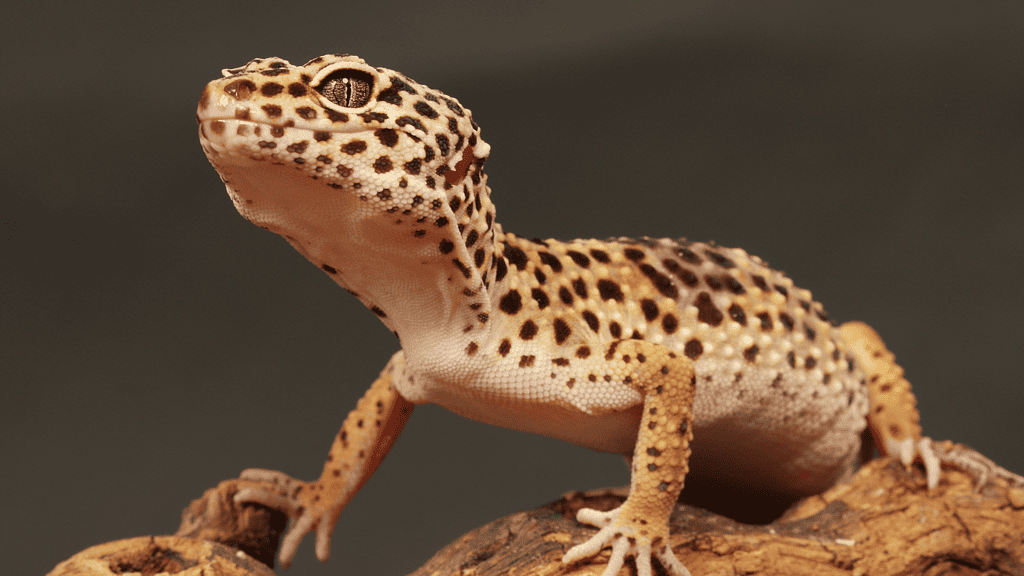
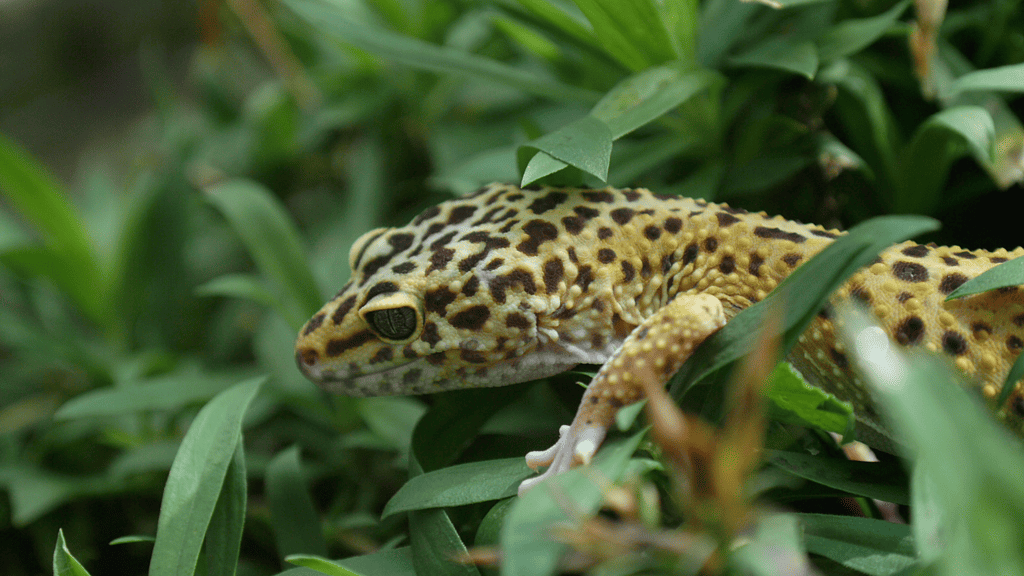
Leopard geckos are widespread pet gecko that is commonly maintained as a pet. Because of this, it is not difficult to locate them. Because the coloration of these geckos is similar to that of a leopard, they are referred to as leopard geckos or, more commonly, leopard geckos. They are yellow with black spots as well as a white underside.
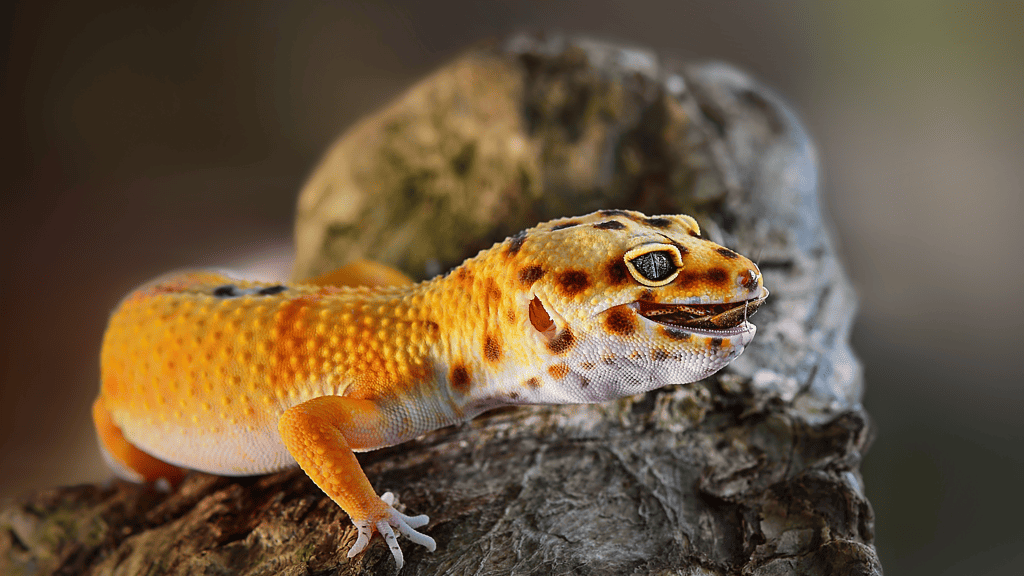
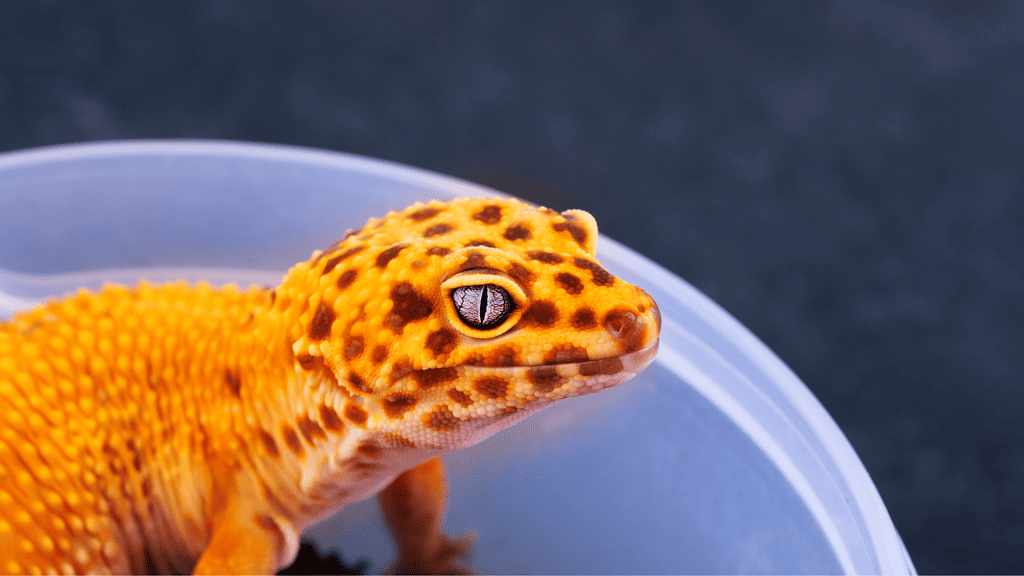
Several different leopard gecko morphs may be found. Morphs, such as the tangerine leopard gecko, are members of a species with an appearance (such as size and coloring) that differs from what is often observed in nature.
The common leopard gecko is not challenging to find and is relatively affordable. You shouldn’t have to pay more than $50 for one.
If you are interested in purchasing many leopard geckos, you should carefully evaluate whether you want to get male or female leopard geckos before making your purchase. Housing leos together often only works when there is one male for every two females or when only females live together.
Leopard Geckos Morphs
There are several different morphs available. Morphs are more costly. You should anticipate spending up to $450 for certain morphs (supergiants). However, the majority of morphs cost only a few dollars more.
The gigantic and supergiant species may reach a maximum length of 13.5 inches (33 cm). They are about twice as large as a typical Leo in most cases.
Albinos have the same appearance as ordinary leopard geckos, but their colors are more faded. In addition, there is an absence of the color black here. There are three varieties of albinos, which are referred to as Albino (Rainwater), Albino (Bell), and Albino (Temper).
Other common morphs include Snow, Tangerine, Black Night, Blizzard, Leucistic, Chocolate, Sunglow, High Color, and Pinstripe. Different popular morphs include Snow, Tangerine, Black Night, and Blizzard.
The following is a list of some of the more frequent morphs of the leopard gecko, as well as the price range for each.
Morph
Price
Physical Appearance
Rainwater Albino
$300-$500
These albino lizards have eyes that are noticeably darker compared to the eyes of other albinos. They’re tiny and cost $300-$500.
Tremper Albino
$75-$120
This morph is another albino, although they are distinguished from others of their kind by having brownish markings and light-colored eyes. A standard Tremper albino may be purchased for about $75 and $120. Mixed morphs like Tremper sunglow and Giant Tremper cost over $250.
Eclipse
$70-$130
Eclipse geckos are bred with a recessive gene that exclusively affects eye color, resulting in pure black eyes. An eclipse may often be purchased for between $70 and $130.
Fancy
$60-$70
The fancy Leopard Gecko morph is not actually recognized. They typically cost between $60 to $70, which is slightly more than the going rate for regular geckos.
It takes a lot of time and extra care to raise an adult leopard gecko, which is why they often have a higher price tag than the younger gecko. Experts say to buy your leopard gecko as a baby, and there’s a good reason for that.
Young geckos are inexpensive, so purchasing them can free up some of your money for use in other things around the house. They allow you to form a deep, enduring relationship with them from puppyhood to adulthood. Most importantly, you will be able to spend as much or as little time as you choose to interact with your pet reptile.
Cost of Owning a Leopard Gecko
Your reptilian friend will require not just a warm, comfortable environment but also food and a place to relax and sleep. However, the precise costs of maintaining a leopard gecko will likely alter with time.
Here’s a list of the essential elements to consider when buying a pet gecko.
Housing & Habitat
Your leopard gecko may be kept in a tank or cage. The cost of creating a pleasant environment for your pet reptiles to live in might change depending on the dimensions of the tank that you choose with. This shouldn’t worry you much since geckos aren’t very big.
As a consequence of this, they will require a tank or cage that is on the smaller and less expensive side to maintain their level of comfort. Because of this, you should search for a tank with a capacity ranging from 10 to 20 gallons to accommodate your needs.
A simple glass aquarium is often a good option for beginners. The aquarium price will range from fifty to one hundred dollars, depending on its size. Additionally, the aquarium’s cover may cost between $10 and $15.
Depending on their size and features, gecko lizard enclosures and cages can cost up to $200.
Fluorescent Light
This optional item depends on where your leopard gecko lives. Crepuscular animals, such as leopard geckos, are active throughout the early morning and late evening hours. Therefore, you must ensure that their light exposure enables their circadian rhythm (their body’s waking and sleep cycle) to work.
There is no requirement for extra illumination if your leopard gecko is housed in an area close to a window and receives an adequate amount of sunlight during the day. If less sunshine is available, you may need to supply them with additional light.
This is yet an additional cost that is not absolutely necessary. A timer has been set up to turn the lights daily automatically. If you do not have a timer, you are responsible for turning the lights on and off at the appropriate times each day.
There are a variety of timers available. The BN-LINK 24-Hour Timer is widely considered to be among the very best available today. This will set you back about $15.
Thermometer / Hygrometer
In order to make sure that your leopard gecko is healthy, you must check its environmental factors. You’ll need a thermometer and hygrometer to check your gecko’s tank temperature and humidity.
This item’s average cost is around $25; however, it is well worth the investment. The temperature inside the enclosure where you keep your leopard gecko should gradually increase. This indicates that one side of their enclosure should be maintained at a temperature of around 72°F to 75°F, while the other side should be maintained at a temperature of approximately 92°F.
Regarding humidity, your gecko should always be kept at a level ranging from 20% to 40%, which is especially important during the shedding process.
Plants and Decorations
Plants and decorations, while not required, can significantly contribute to the enclosure’s overall beauty. Likewise, they provide hiding places for the gecko. There are several options available online. Vine-like structures, trunks, and plants all fall within this category.
The plants that are kept within the enclosure may be real or artificial. While real plants enhance the humidity level within the enclosure, they require more maintenance and care. You would also need to give the plant nourishment and water in addition to installing plant lighting. In general, artificial plants offer a more easy option.
Spending a significant amount of money on decorations and plants is not necessary. These accessories should be under $60.
Humid Hide
A humid hide is highly similar to a dry hide, with the primary distinction being that this hide must be maintained damp. Your gecko will find this setting a pleasant place to relax and, more importantly, to shed its skin. As a result of this, it is essential that you consistently offer your gecko a hide that is kept at an appropriate humidity level.
However, several excellent humid hides can be purchased for not much more than $20 each and offer leopard geckos a habitat that is both comfortable and humid.
Dry Hide
Geckos require hides to feel secure and comfortable in their habitat. It is suggested that you provide your leopard gecko with three hides, two of which should be dry.
You should position one dry hide in the cooler part of the tank and the second dry hide in the warmer part of the tank beneath the heat lamp. This makes for a more exciting environment for your gecko and gives them the freedom to feel safe in the temperature range that best suits them.
The dry hide of a gecko does not have to be crafted in a certain way, offering you a great deal of creative freedom. You can purchase a gecko dry hide or make one on your own with some rocks and materials.
You may make your gecko’s tank more intriguing and enjoyable to look at by being creative with the dry hides that you provide for them. You will pay no more than $30 for a leopard gecko hide.
Leopard Gecko Consumables Costs
Food & Diet
Feeding your leopard gecko is one of the most important things you can do to ensure that it develops into a healthy adult. Pet food is an ongoing expense as long as your pet lives.
This way, your leopard geckos will first eat live insects like crickets and mealworms. You may also vary their diet by providing them with freeze-dried insects, which you can get from pet stores or online.
Live feeder insects and free-dried meals lack two vital elements; thus, supplements are needed to balance the diet. The total amount you will spend on food for your leopard gecko each month will range from $5 to $10.
Supplements
Supplementation guarantees that the gecko will develop normally and maintain a healthy body. The biggest nutritional inadequacies among pet geckos are calcium and vitamin D3 deficiency. These deficiencies contribute to metabolic bone disease.
In addition to gut loading, sprinkle insects with nutritional supplements about once per week. Repashy Calcium Plus is an exceptional calcium supplement powder for leopard geckos. The price for a jar weighing 500 grams was around $26.
Sphagnum Moss
The enclosure in which your leopard gecko lives would benefit significantly from adding sphagnum moss. Because it can maintain its moisture for a more extended period than other types of moss, this moss requires less maintenance. In addition to that, it resists decomposition pretty well.
Sphagnum moss will be utilized most of the time within the damp hide that your gecko has, and it should be wet regularly.
If you discover that the moss is beginning to decompose, you must replace it with new moss. This component of your gecko’s enclosure is relatively inexpensive, costing approximately $10 each year so it will contribute very little to the overall cost of ownership.
Substrate
There is a wide variety of options available. Using paper towels or newspapers is the option that is both the easiest and the most cost-effective. All that is required of you is to change them out whenever they become dirty. The enclosure substrate should cost no more than $15.
Leopard Gecko Medical Costs
Parasite / Disease Meds
Leopard geckos, luckily, do not suffer from very high rates of parasites, mites, or other illnesses. If you are careful about what you put in your leopard gecko’s tank, it is unlikely that they will encounter any of these issues.
However, this does not indicate that they are protected in any way. Leopard geckos can get illnesses and mites from a variety of different sources. The mites might come through contaminated bedding. As a result, you want to maintain a vigilant check on your leopard gecko and respond appropriately if you become aware of an issue developing with it.
The appointment with the veterinarian, which can easily cost approximately $100, will be the most pricey component of this process. On the other hand, the cost of the drug itself might range anywhere from a few dollars to several hundred.
Vet & Medication
Your leopard gecko requires a first veterinarian checkup in addition to an annual checkup. In this regard, you may expect to spend at least $50 to have your leopard gecko examined.
In addition to another testing, the evaluation will include fecal analysis. Most of these tests are not essential if your leopard gecko does not require immediate medical attention. It is possible that the testing and treatment for an emergency will cost several hundred dollars.
Where Can I Buy a Leopard Gecko?
Local Breeders
A quick search for local breeders of exotic pets might provide numerous results. Any search engine will show you leopard gecko stores near you.
When purchasing a leopard gecko, it is in your best interest to do it straight from a pet store. You will have a lot of different options, the ability to ask questions, and a fantastic bargain. If you want to buy leopard geckos immediately, online stores are best.
Online
There are several online pet shops where you may acquire leopard geckos. You may have a leopard gecko in fewer than two days when you use the internet service since it gives you access to various morphs to pick from.
Leopard geckos (Leos) have been kept as pets in the United States for more than 30 years, and their demand has steadily increased over the past several years. Because of the high level of demand for leos, the cost of these reptiles has a propensity to rise, mainly when there is a rush at the market. If you are interested in purchasing a captive-bred lizard, the question “Are leopard geckos expensive to keep?” is sure to cross your mind.
Are leopard geckos expensive to keep?
Leopard geckos can purchased for anywhere between $25 and $50, and their monthly upkeep can run anywhere from $30 to $40, with initial setup Costs ranging between $100-$350 or more. The majority of this is comprised of expenses related to lighting and food.
In order to keep expenses to a minimum, simply raise crickets and mealworms on your own. Having said that, purchasing one of them from a breeder isn’t going to break the bank either.
Investing in the appropriate heat mat will help you cut down on your monthly power bill. The first investment is manageable, and you should plan to spend between $250 and $280 to have everything set up.
In general, leopard geckos are one of the most cost-effective kinds of reptiles that you can maintain as a pet. This is one of the many reasons they are so well suited for those just starting out.
Some other costs related to buying and keeping leopard geckos
Shipping Cost
If you make all your purchases online, the final price you pay can already include the delivery cost, mainly if you make all your purchases from the same vendor. However, shipping for some of the items needed can really add to the cost and can cost around $10-$20 depending on the item.
Leopard Gecko Enclosures Cost
Glass aquariums with a height of one foot might serve as a suitable home for your animal companion. Even though leos do not have adhesive or sticky feet and are not often able to climb, you will still need to cover their enclosure with wire or mesh in order to keep other animals out.
The general rule of thumb for this situation is that there should be ten gallons of tank space available for each gecko. However, it is not recommended to go greater than this size as it becomes more difficult for these reptiles to locate their heat source in larger settings. There is a possibility that this may cost you between $35 and $45.
Because it is a reptile, your gecko needs access to a heat source whenever it desires. A simple incandescent bulb that costs eight dollars will do the trick. You may put it on one side of the terrarium so that your pet has unrestricted access to both the cooler (72 degrees Fahrenheit) and warmer (86 degrees Fahrenheit) parts of the enclosure. A thermometer, the cost of which is often somewhere around ten dollars, may assist you in keeping track of the temperature.
In order to keep an eye on the conditions that your gecko calls home, you will also want a hygrometer. The best humidity range for the little one to lose its skin is between 22 and 38 percent, especially when it’s time for the tiny one to do so. This item is available for purchase in your local retailers as well as online. It costs somewhere between $18 and $20 per one.
A paper towel might serve as a substitute for the beddings. The droppings left behind by leopard geckos are simple to remove, which is one of the benefits of keeping these reptiles. To prevent accidental consumption, you should never use sand or stones as a substrate.
It is essential to create a secure enclosure for your gecko so that it has a place to sleep and shed its skin. Some shops provide little logs and many additional hiding spots at relatively low prices (ranging from $6 to $10). If you would rather not spend money on these items, you may quickly find one in your backyard and use it without paying anything extra.
A Leo habitat can set you back somewhere between $50 and $100 to put up. In some of the local pet stores, you may find one that has already been constructed. This will spare you from the stress and inconvenience of creating your own, but it will not come cheap.
Leopard Gecko Food Cost
Last but not least, when you have finished constructing the cage for your gecko, you will need to ensure that there is food accessible for it. Because they consume insects, leopard geckos don’t cost much to keep as pets because their diet is so simple. You shouldn’t just give your gecko any old insects you discover in your backyard. Wild insects frequently harbor various pathogens, including parasites and diseases, as well as a variety of pesticides and other toxins. You’ll need to get your feeder insects from a pet store or an internet merchant that grows and sells them under-regulated and hygienic circumstances, as that’s the only place they’ll be available.
Feeder insects that are great for leopard geckos are crickets, mealworms, super worms, and waxworms. Dubia roaches are another excellent option. You should budget something in the range of $25 to $35 every month to buy food for your leopard gecko.
Leopard Gecko Supplement Cost
These reptiles also do not require a lot of maintenance on your part. However, they have a high demand for vitamin D3 in their diet. Geckos that are deficient in this nutrient become pale, and their tails get shorter. If this occurs, you may get Vitamin D3 supplements from internet merchants at the cost of ten dollars for each bottle.
Caution is required, however, because an excessive amount of Vitamin D3 might result in a lack of calcium. The proper dose must be adhered to at all times.
Are leopard geckos expensive to keep?
Advice on How to Save Money
Although the initial setup cost of $300-$350 and the monthly maintenance cost of $50-$60 may not seem like much to some people, it might be a significant financial burden for others.
In light of this fact, we will now discuss some of the ways in which keeping a leopard gecko as a pet might help you save money.
The use of indoor/outdoor carpet as a substrate is recommended since not only is this type of carpet reasonably priced, but it also does not require replacement every few months. To clean and sterilize them, you just only remove them!
You may save money on decorations by using something as basic as a shoe box for the gecko’s hide boxes. Your gecko will not be impressed by a lush and gorgeous enclosure, but you will. It is beneficial to their mental health to provide them with some barriers to go around and different items to look at, but they won’t be able to appreciate any beauty that is shown to them.
Obtain a thermostat for the enclosing structure. The price of thermostats for cages housing reptiles ranges from $30 to $40. While this may increase your initial investment, you will see a reduction in the amount of money you spend each month on power for your pet by around 25 percent. In less than a year, you will recoup the cost of the thermostat, plus it will actually improve the lizard’s health.
Only turn on UV lamps for a few hours each day at the most. UV bulbs may be pricey, not to mention the additional power that is required to run one. Allowing leopard geckos to UVB radiation for around two hours daily is beneficial.
The importance of purchasing from a reputable breeder cannot be overstated. If you acquire a creature for a pet from a respected individual breeder instead of a pet store or dealer, you will have a far better chance of getting a pet in good health. (Check out our article Are Leopard Geckos easy to handel to learn More) They can only keep their excellent reputation by ensuring that all of their animals are in good health. The amount of money you spend on veterinary care might be significantly reduced.
Purchase a pre-owned enclosure, but check it well to ensure that it is sound and free of any cracks.
Can you keep wild Leopard Geckos?
While you can keep a wild gecko, (check out our article Are Leopard Geckos Exotic to learn More) it is advised that you do not. Geckos that live in the wild are at risk of contracting a wide variety of pathogens, including bacteria, viruses, and parasites. There is a possibility that certain wild leopard geckos might spread illness. And if you already have other creatures in captivity, this “newcomer” might unintentionally cause chaos for all of them.
To clarify, taking a leopard gecko from its natural environment is not unethical. However, before you bring your newly discovered reptile into your home, you must bring it to the veterinarian for an examination. Your reptile will need to go through specific quizzes and tests before the doctor can offer it a clean bill of health. If something is wrong with your lizard, the veterinarian is in the best position to tell you about it.
A leopard gecko is an exceptional pet. They are trendy around the world. But what about its handling? Are leopard geckos easy to handle?
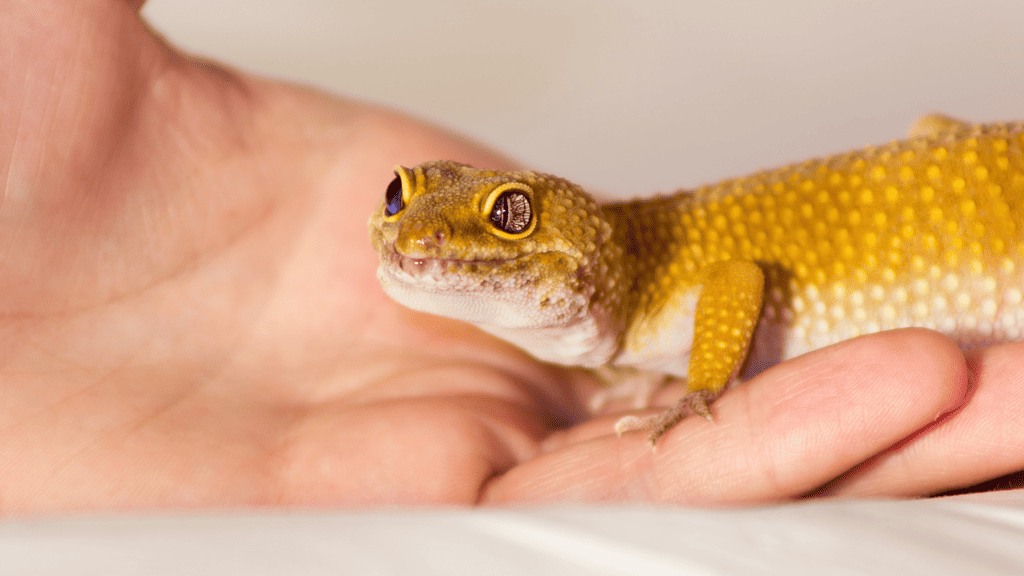
Yes, leopard geckos are one of the few reptiles that appreciate being handled, but there is a technique/procedure that must be used in order to ensure its contentment. If you are careless with your gecko, you may end up with an irritable or even dangerous creature on your hands.
In general, leopard geckos do not get very enthusiastic when they are handled. However, after you have successfully tamed your leopard gecko and earned its confidence, it will bear handling sessions rather well.
When you are handling your leopard gecko, you must remember to do it slowly and carefully at all times; otherwise, it may stop trusting you. Some leopard geckos, especially older ones with a troubled history, never grow completely accepting of being handled.
It is best to wait until your leopard gecko is at least 3–4 months old or 5–6 inches in length before handling it unless it is absolutely essential. This is because infants frequently experience irritability, their bodies are delicate, and they are more susceptible to losing their tails.
Technique/Procedure to handle leopard geckos
In order to effectively handle your leopard gecko, you will need to be aware of how to do it correctly to avoid dropping it, injuring it, or frightening it. Here is how you can do it!
Move your hand towards the gecko in a calm and steady motion so it can see your hand. Ensure that it is aware that it is simply your hand moving. While maintaining your grip on the gecko with one hand, carefully slip your fingers beneath its belly.
It’s best not to squeeze the gecko because doing so might hurt it, make it angry, or frighten it.
Take care not to drop it when you remove it from its enclosure.
When you are handling it, you should just let it crawl about on your hand/arm or perch on your arm. Have fun with your new companion.
Behaviors of leopard geckos while handling
Your leopard gecko will let you know how it feels about your handling of it if it is unhappy with it. If a leopard gecko does not want to be approached by you, much alone handled by you, it will screech, chirp, and wiggle its tail horizontally or frequently, raising its tail up.
Additionally, it is able to arch its back and wag its tail in a side-to-side motion. If you hear chirping coming from your leopard gecko, it is a sign that it is feeling anxious or uneasy. It is best to avoid handling your leopard gecko and make an attempt at it at a later time.
Instead, continue handling your leopard gecko for a few additional minutes, and then place it back in its tank after you finish. It’s possible that handling will make your leopard gecko unhappy for the rest of its life. However, the majority may be made submissive and tame with enough time, care, and treatment. Some leopard geckos can be trained to be quite docile, even to the point where they would sit on their owners’ shoulders and rest in their arms.
How to Establish a Trusting Relationship with Your Leopard Geckos?
Here is how you can do it!
· SMELL
As is the case with most reptiles, leopard geckos rely on their sense of smell to ensure their survival. They are able to identify unfamiliar aromas as such, but familiar aromas are recognized as being, you guessed it, familiar. Give your leopard gecko some time to become acclimated to your scent of you. There are several approaches one might use to resolve this issue. You will be able to handle your Leo more, and although this may seem like an apparent part of “getting your leopard gecko to trust you,” it is essential to keep in mind that you (must) wash your hands thoroughly since your fragrance will be susceptible to the soap you use. Putting anything in the terrarium that has your fragrance on it is an additional strategy you may use to help your leopard gecko get more familiar with its owner’s scent. Think of using anything like an old rag or washcloth, a piece of clothes, or even simply crushed paper towels. Insects are nocturnal creatures, so take care not to remove the item from the terrarium while it still contains crickets.
· FEEDING TIME
If you have a leopard gecko, you are aware of the necessity of providing food for it regularly. That’s not what we have in mind at all! Think about adding some personal touches to the feeding routine and making the most of this quality time with your gecko so that you can earn its trust. When we say this, we mean that the leopard gecko you are feeding should be able to see, hear, and potentially even smell you when you are doing so! Please use tongs to reduce the risk of having your fingers bitten, but remain present while they are foraging!
· TALKING
This piece of advice may strike you as odd or irrelevant, but rest assured that neither of these assumptions is anything close to being accurate. It’s a little strange, but regardless of the circumstances, it is critical that your leopard gecko is able to hear you and become accustomed to recognizing your voice. For instance, when you initially enter the room your terrarium is in, you should get down to the level your gecko is at and greet it. If the lamps are on, there is a good chance they have awakened and observed that someone has entered the room. If this is the case, they will eventually learn to identify the manner that you speak to them. They may be naturally trained in the same manner as other house pets, especially if you talk to them while feeding them. If you do this, you will find that this is especially true. It is important to remember that leopard geckos and other reptiles, often desert species accustomed to living in calm conditions, have an acute sense of hearing.
· HANGING OUT
It is essential to remember that your leopard gecko is crepuscular, so being with them during the middle of the day is the same as having someone hang out with you during the middle of the night! So hang out with them during dawn or dusk.
Are leopard geckos easy to handle?
When should your first attempt to approach your leopard gecko?
After bringing your leopard gecko inside and allowing it some time to adjust to its new environment, you can then begin training it. You won’t be able to start regular handling sessions with your leopard gecko unless you have first effectively tamed it.
In most cases, you can begin handling it three to four weeks after you bring your leopard gecko into your house. Don’t be in a hurry, and allow it some time to grow used to being around you; otherwise, you’ll have to start the process of taming it all over again.