Recent Posts

How Often Do Leopard Geckos Shed?

Even though it’s normal and healthy for reptiles to shed their skin, it can be scary to see your favorite pet do it. While losing its skin, our Leopard gecko might suffer various health problems, which worries us. In their natural habitat, Leopard geckos shed their skin with little to no difficulty; in captivity, they may have trouble if their care is inadequate.

There are many different reasons why Leos lose their skin. The most important thing is to help them get new skin layers as they get older. Shedding helps remove parasites, acquire adult coloration, conserve nutrients, and repair skin cuts/abrasions. Let’s discuss how often Leopard Geckos sheds and what you can do to assist them.

How Often Do Leopard Geckos Shed?
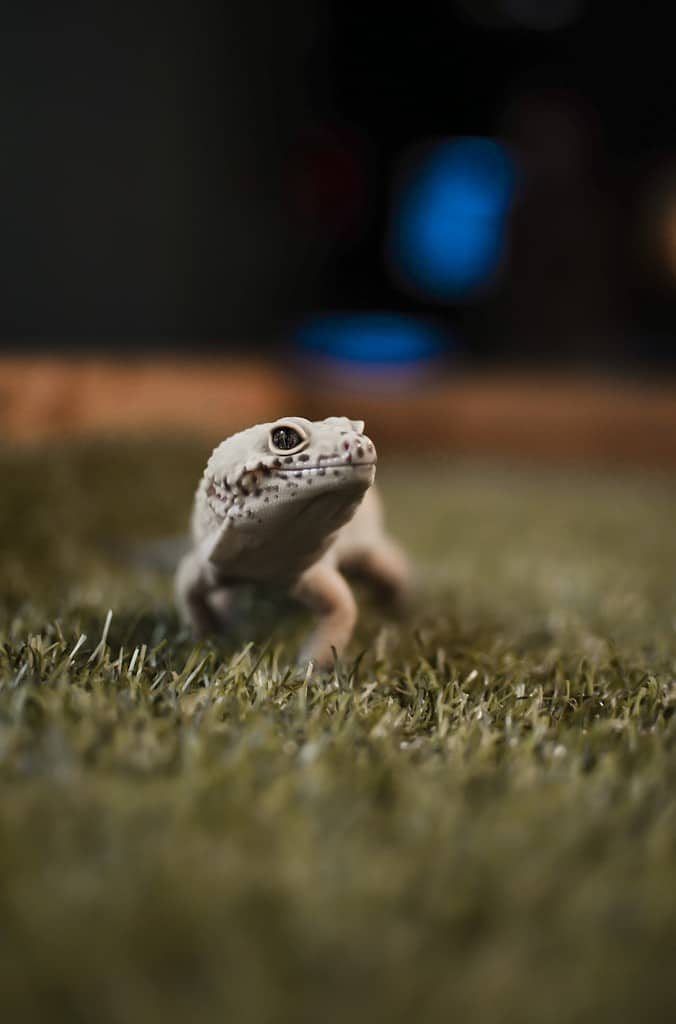
How Often Do Leopard Geckos Shed?

Juvenile Leos will shed at least once a month, while adult Leos will only do so once every two months.

Your gecko’s age, diet, and environment are the primary factors influencing how frequently and easily it loses its skin. Young species develop faster than older ones and shed more often. 

Leopard Gecko Shedding

As a Leo grows, it sheds its old skin layer and changes it with a fresh layer. After separating from the new skin underneath it, the old shed/skin eventually falls off. The old skin is torn off in chunks by Leos.

What Causes Leos To Shed?

There are many different reasons why Leos lose their skin/shed. Helping them grow new skin/epidermis layers as they become older is the most important thing you can do for them. Shedding assists in parasite clearance, mature coloration, nutrition conservation, and wound healing.

They lose their old skin so that they may grow new skin. As their bodies continue to grow, the epidermis of their skin loses its flexibility, making it impossible for them to adapt to the increasing size of their bodies. As a result, they are forced to develop new skin to cover their expanding bodies. As a result, they need to develop new skin. In addition, this is why baby Leopard geckos lose their skin more frequently than adult geckos do.

It can help them in many ways besides giving them new, stronger skin. Geckos continue to shed even after reaching their full adult size, typically after about 18 months of age. This is because the process has several benefits for the gecko. However, there are times when leopard geckos do not shed their skin, such as when they are incubating eggs or while they are feeding their young.

Additionally, natural parasites like mites and midges can be kept away by shedding. This keeps the animal healthy. Shedding can also help heal faster with injuries, scratches, and other small skin issues.

When the new layer of skin is ready, and the older layer has dried off, they will either use their lips or rub against a hard object to remove the shed skin from their body.  The new skin will have a bright and colorful appearance.

How Often Do Leopard Geckos Shed?

Young leopard geckos shed their skin twice a month until they turn one. Once mature, they shed every 4-8 weeks.

Age determines how often they shed. Because their skin cannot keep up with the growth of their bones when they are younger, their bones tend to protrude through the skin. Therefore, a different layer of it has to be revealed.

However, as leopard geckos reach the age of one year or more, their skeletons stop developing altogether. Consequently, they are not losing nearly as much hair as they did when they were younger.

Leopard gecko shedding depends on their development rate. This means that Leopard geckos will shed their skin more often when they are young than when they are adults and have stopped growing.

How to Facilitate the Shedding Process of Your Leo?

Here are the best things you can do to ensure your Leo sheds quickly.

Environment

The temperature, the atmosphere, and the humidity must be perfect for healthy shedding. The leopard gecko is a lizard adapted to dry climates and prefers to stay there. Some new Leo parents don’t realize this species needs high humidity to shed.

A 38-43% humidity level is excellent for the shedding process of leopard geckos; however, problems might arise if the humidity is too high or too low. It is imperative that the humidity level not drop below 30% at any point. The preceding skin layer becomes extremely dry when there is a lack of humidity, which makes it far more difficult to rip it off.

Give a Shedding Container

It’s a good idea to offer a shedding container/box or hides to your Leos. The container/box should be adequately moist.

Provide Enough Decorations

It is essential to offer your gecko rough decorations that it may brush against during the shedding process. This might be the edge of a plastic hide, sticks, pebbles, or branches. It could also be anything else. These surfaces must be sufficiently abrasive to remove dead skin, but they shouldn’t be so rough that they injure your gecko.

Check Eating Habits

Not only can you avoid difficulties with shedding with a balanced diet, but it can also help you avoid many other health concerns. They must consume nothing but insects to maintain their health and happiness.

A lack of vitamin A is one of the nutritional causes of abnormal shedding in Leos. So, it is recommended that a supplement having vitamins must be given to Leos in their diet.

Adequate Light

People often say leopard geckos don’t need special light sources because they only come out at night. In the wild, individuals of this species are subjected to sunlight because they are utmost active in the early morning and late evening hours. As pets, they need to be exposed to UVB light. This helps in the process of calcium being converted into vitamin D.

UVB light aids the process of your lizard shedding its skin. In addition, it helps ensure that food is completely digested and prevents deficiencies in vitamin intake.
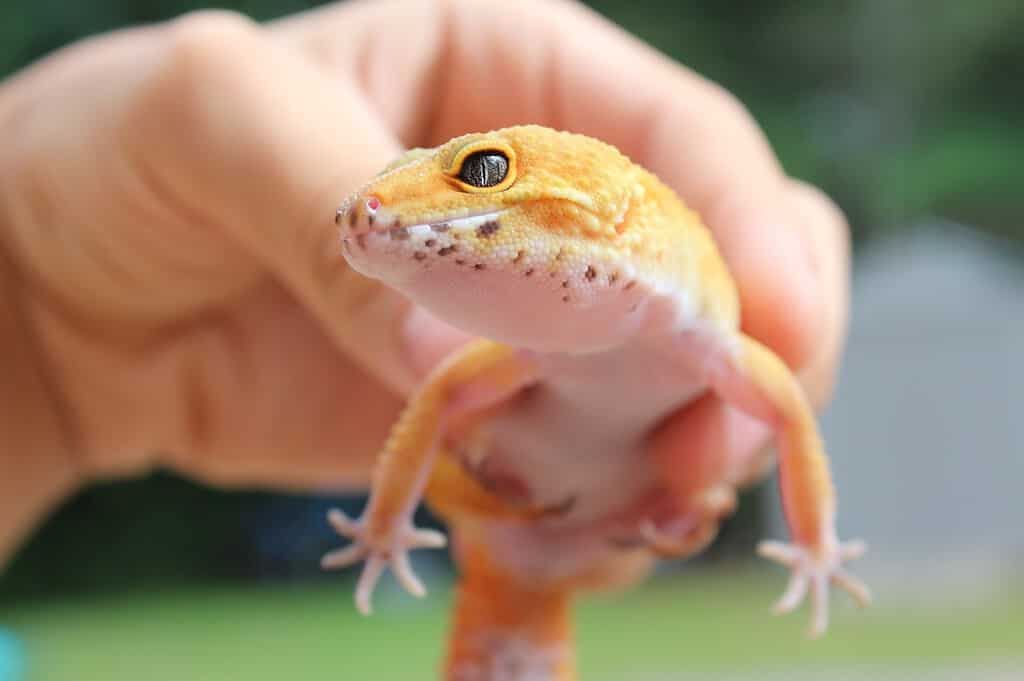
How Often Do Leopard Geckos Shed?

Are leopard geckos capable of eating their own shed?

People frequently ponder whether or not leopard geckos will consume their shed. They certainly do! Your pet may obtain significant nourishment through sheds; therefore, you should not get rid of them. In most cases, leopard geckos will consume their discarded skin about 5-7 hours after it has been molted. If you locate the skin before the allotted period, you can store it in the refrigerator for up to one week before giving it to your gecko if you do so.

How many years does it take for a Leo to mature into its full size?

Leos gain their maximum size in about a year. The pace of the leopard gecko’s growth depends not only on the environment in which it lives and the food it consumes, but also, more particularly, on whether or not it was fed adequately when it was a baby.
How Do I Know if My Leopard Gecko Is Happy or Sad?

Leopard geckos, like all other animals, have ways to show how happy or sad they are. As a gecko owner, you must recognize the signs of a stressed leopard gecko. Unfortunately, if you’ve never owned a leopard gecko before, it might be a little bit challenging to determine whether or not your gecko is happy with its life.

When it comes to how a gecko feels, there are some things you can look for to tell if it’s having trouble. People who have previously owned geckos can tell immediately if their gecko is frustrated or sick. But it might not be easy for first-time owners. So how to know whether Leopard Gecko is happy or sad?

How Do I Know if My Leopard Gecko Is Happy or Sad?

Few signs determine your Leo’s a happy state. These signs include basking in the sun, hunting for food, looking around their tanks, flicking their tongues, and making a lot of different sounds. Similarly, a depressed or sad Leo will stick to one corner with very little or no activity.

Let’s have a look at how you can tell if your Leo is happy or sad in detail.

Do Leopard Geckos Have Feelings?

Leopard geckos have feelings (both male and female) and can get cranky, so their owners need to know when they’re upset. If you can’t tell how your pet is feeling or if the changes you’ve already made haven’t helped enough, talk to a professional before making any more changes.

A depressed gecko will have a sluggish, unresponsive temperament. You could find that your pet behaves differently or reacts differently to the things that used to make them happy in the past.

Your pet might also lose its appetite, but this could be due to illness or aging, so it can’t always be assumed that an unhappy animal is fine based on these two signs alone.

5 Ways to Tell if a Leo is Happy

A contented leopard gecko is not difficult to identify. The following is a list of signs that demonstrate that it is happy:

1.     Your Gecko Will Be Active

If a Leopard gecko is pleased, it will be more active than usual. Inside its cage, it can be seen going from a cool spot to a warm place. A pleased Leopard gecko will move closer to the glass when it sees you or is hungry.

2.     Increased Appetite

A Leopard gecko will have a greater appetite when it is content and in good health. The leopard gecko enjoys its food very well. It is a sign of contentment for your gecko if it looks forward to its meals and lets you know when it is becoming hungry. A Leopard gecko that refuses to feed may have a health problem.

Even though leopards may survive for extended periods without food, it is best to take the animal to a veterinarian so it can be carefully checked.

3.     Smooth Movements

When they are not stressed, leopard geckos have graceful movement. There is no sign of fear in the way that they move. A gecko that is at ease will move around easily and smoothly. 

4.     No Fear of Touch

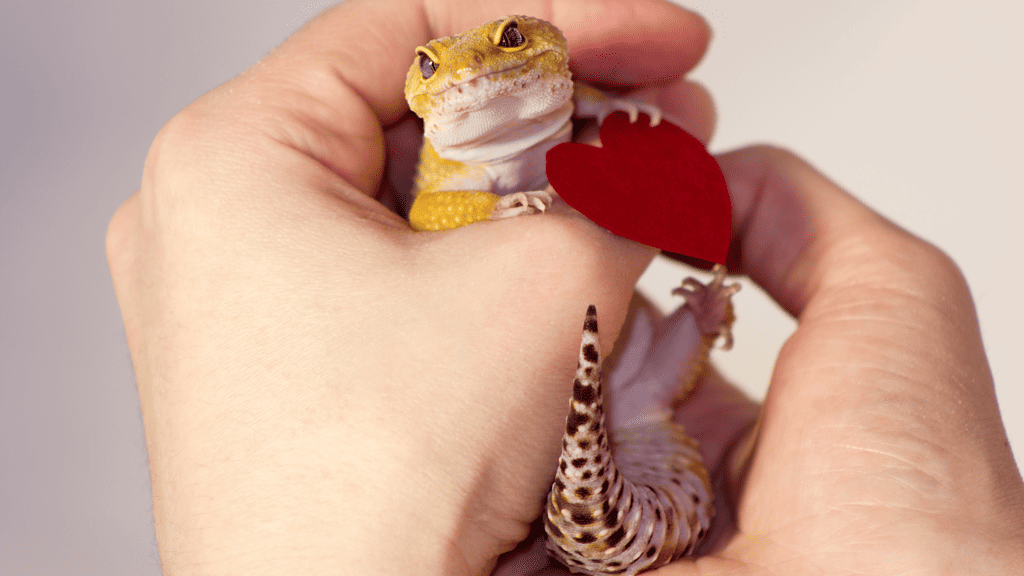
A contented Leopard gecko won’t mind being handled or touched if they’re in a good mood. It will gladly accept being cradled in the palm of your hand. It indicates that your gecko is happy and healthy if it is attentive and reacts when you walk near its cage, doesn’t exhibit signs of fear when handled or stroked, and is reactive to the activity around its tank.

5.     Healthy Sleep Pattern

Checking the Leopard gecko’s sleep cycle is one reliable technique to determine whether or not it is in a happy mood. A leopard gecko that is content and well-cared for will have a normal sleeping schedule. These geckos have a habit of sleeping quite a lot. So, if your gecko sleeps more than other pets or reptiles, don’t worry. 

On the other hand, if it can sleep well and remains active while it is up, it indicates that your gecko is content.

How To Tell If Your Leo Is Sad?

If you’ve been looking for indications of sadness in your gecko and feel that something’s wrong, you may want to take them to a vet.

This can inform you that everything will be okay, or even better, it can help you decide to get help. You can even look for certain signs to determine whether your leopard gecko is sad.

1.     Avoiding Food

If you find out that your gecko is not eating, it may be experiencing feelings of depression. If they stop eating, you will want to take them in for an examination as early as possible so that your gecko may receive the assistance and care needed to begin feeling better.

If you don’t feed your gecko, it might have significant consequences for its health and even die if you’re not cautious.

2.     Sleeping A Lot

If your gecko sleeps less, it may be sad. If not, it could be because they are old or have trouble sleeping, and all they need is help from home to sleep better.

However, if there is even the slightest possibility that they are also suffering from depression, it is essential to provide them with the necessary attention and care. The greatest thing you can do for the mental health of our pets is to give them a place where they feel safe and loved.

3.     Exhibits Aggressive Behavior

Reptile aggression can be caused by stress, low blood sugar from improper feeding, or mental health concerns like depression. If the aggressive behavior is towards other animals, it might be worth asking a professional what might be causing this behavior change.

4.     Hiding

Some geckos may also show signs that they don’t want to be around people and will hide in their cages for long periods of time. If your leopard geckos exhibit these symptoms, examining the possibility of your reptile suffering from depression is essential. The next step should be providing the necessary care for this disease so your leopard geckos can recover.

How to Keep a Leopard Gecko Happy?

Now that we recognize how to identify if a Leopard gecko is pleased, we should keep them happy.

How Do I Know if My Leopard Gecko Is Happy or Sad?

Enclosure Size, Temperature, and Humidity

First, you need to ensure that a Leopard gecko has a comfortable place to live. Invest in a habitat or enclosure appropriate for the gecko’s size. Your gecko will suffer discomfort if it is kept in a tank that is either too tiny or too large. The ideal space for housing a Leopard gecko is between 15 and 20 liters of water.

Check the Leopard gecko’s growth chart and make sure its terrarium is the right size for its size.

When a gecko feels worried or terrified, it should be able to hide in the tank; thus, there should be plenty of hiding spots. If you plan on keeping a male and female gecko in the same enclosure, you need to be sure to provide each gecko with its own area to hide.

Gecko terrariums should be 87 to 90 degrees Fahrenheit. It should be between 75 and 80 degrees Fahrenheit on the cool side. In a terrarium housing a gecko, the humidity levels should be kept between 30 and 40 percent at all times.

Provide Healthy Diet

Giving your gecko nourishing and well-balanced food is an additional step you can take to ensure its continued good health and contentment. Most Leopard gecko’s diet consists of living insects and worms. They may also be fed wax worms, but you need to be careful not to make this a regular part of their diet. It should be offered as a reward just once every week.

It is necessary to provide leopard geckos with food every day. The best way to figure out how much food to give your gecko is to feed it two insects for every inch of its body length. In addition to its diet, a gecko should always have access to uncontaminated and unspoiled water. If you pay attention to these details, you will be rewarded with a content Leopard gecko.

What Is the Friendliest Pet Gecko?

Geckos are considered one of the most desirable species of pet lizards. They are really interesting to look at, and most of them are very easy to care for, especially for someone who is just beginning their interest in reptiles. You might be wondering, given that there are 1,800+ different kinds of geckos around the world, which of these gecko species is best suitable for keeping as a pet?

What Is the Friendliest Pet Gecko?

Leopard Geckos or Leos are considered one of the best species of geckos that may be kept as a pet. It is because these geckos are the most popular and easy-to-care-for pet reptiles.

Because they’re so common, it’s easy to learn how to care for them. In addition to being robust and easy to care for, this makes them among the finest geckos for beginner reptile owners.

Continue reading to find out which of these Geckos’ requirements align most closely with yours and which would make the most suitable pet gecko for you!

What Does a Gecko Look Like?

Geckos are stout, fairly sized lizards with smooth skin, huge heads and eyes, and moderately sized bodies. A lot of species can climb straight up because their feet are sticky. There are many gecko species, and many like climbing trees, walls, and cliffs.

The vast majority of species are nocturnal, which implies that they are awake throughout the night but sleep during the day. Because of this, their eyes are so large, which gives them an advantage when it comes to seeing in the dark.

Gekkonidae is a family of wall-climbing species that may be discovered in every region of the planet. There are more than 900 species within this family of lizards, including tokay, day, and house geckos.

The Eublepharidae family comprises eyelid geckos and may be discovered on every planet. This family contains Chinese Cave, Leopard, and African fat-tailed geckos.

There are just approximately 25 different species that belong to the family Eublepharidae, yet they are one of a kind because they have eyelids that can close. Stone and wall-climbing animals have a spectacle that prevents them from blinking. Instead, they clean their eyes by licking them with their long, round tongues.

Even though there are hundreds of incredible geckos worldwide, only a few are suitable for keeping as pets. Each species has specific requirements for its care in captivity and may tolerate varying degrees of interaction with humans.  

Below is a list of some of the best geckos to keep as pets, how to take care of them, and which is best suited.

The Best Geckos as Pets

Terrestrial animals live on land, and some dwell underground. Terrestrial geckos have bodies designed for land. They don’t have “sticky” toe pads like their cousins who live in trees. Instead of toes, they have tiny claws on the bottoms of their feet.

Geckos that live on land need cages that are wider or longer than big. They should have hides, longs, and other exciting items in their enclosures to run, climb, and investigate.

Leopard Geckos

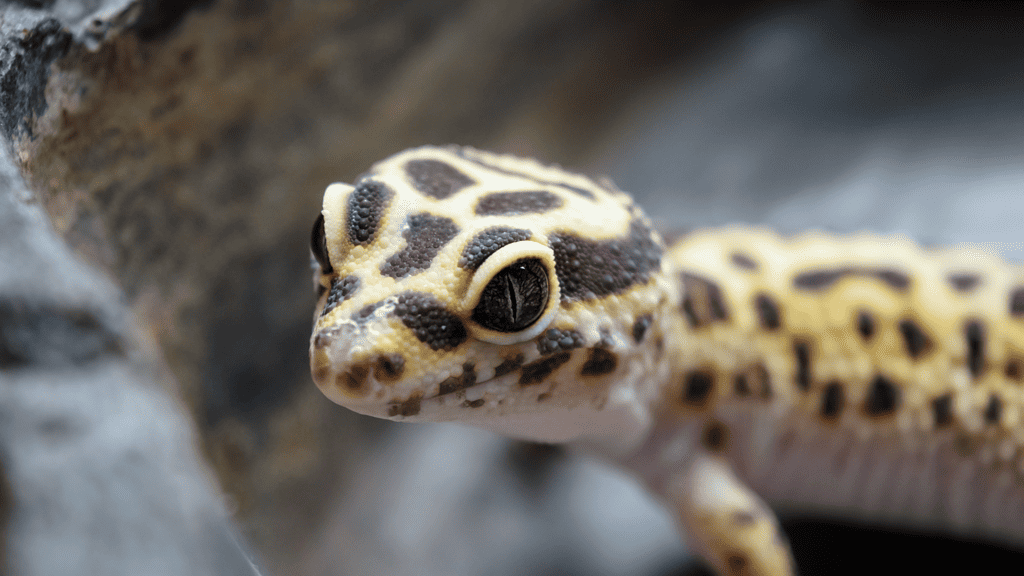
Leopard geckos are the lizards that everyone loves the most. This is because they make great pets, particularly for beginners and youngsters seeking their very first pet lizard.

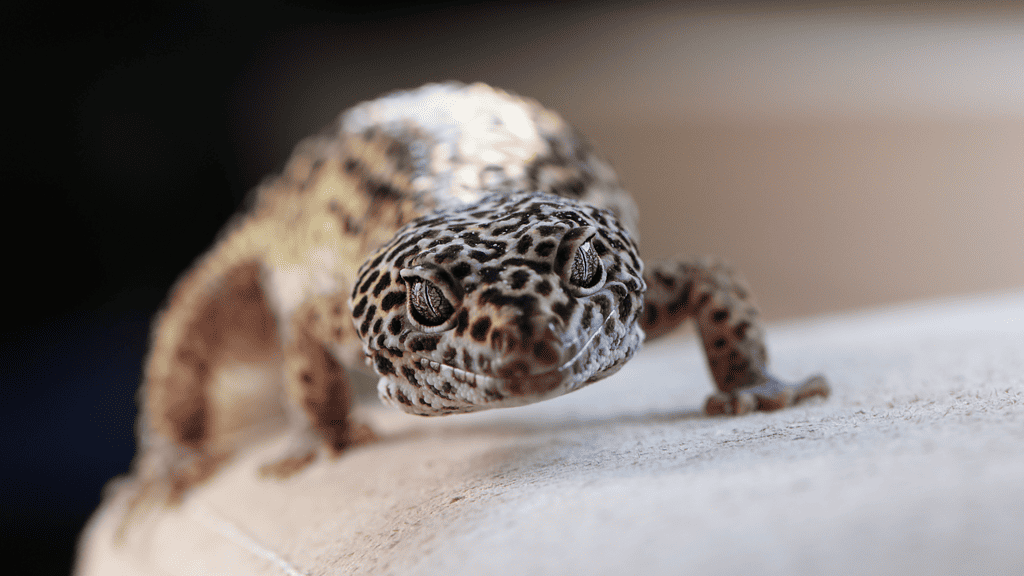
These cute tiny geckos are simple to care for, entertaining to play with, and will chirp and squeak to grab your attention when they need something. Additionally, they have cute tiny faces, and it is a delight to watch them run about their cage having fun or hunt the live feeders there for them.

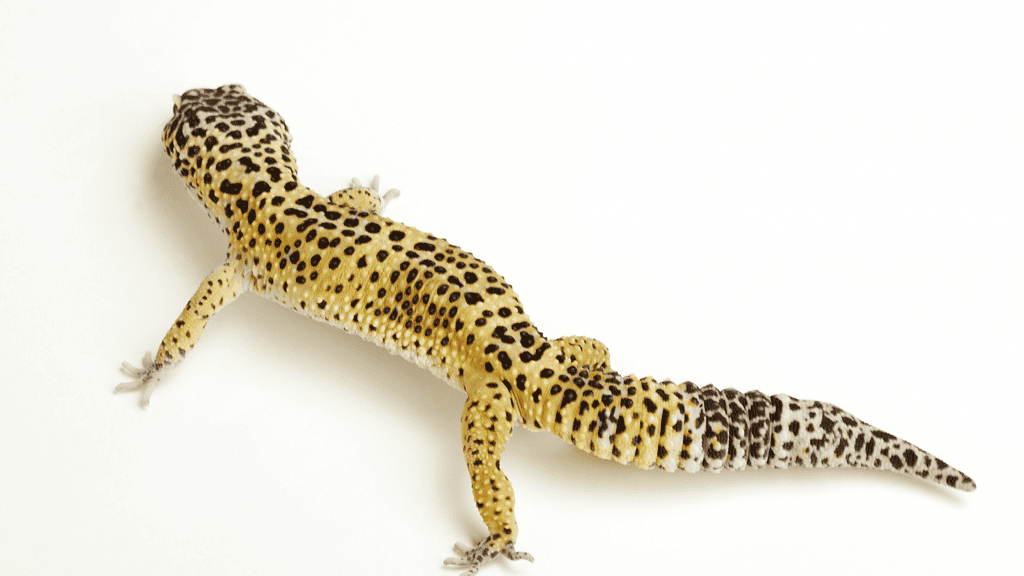
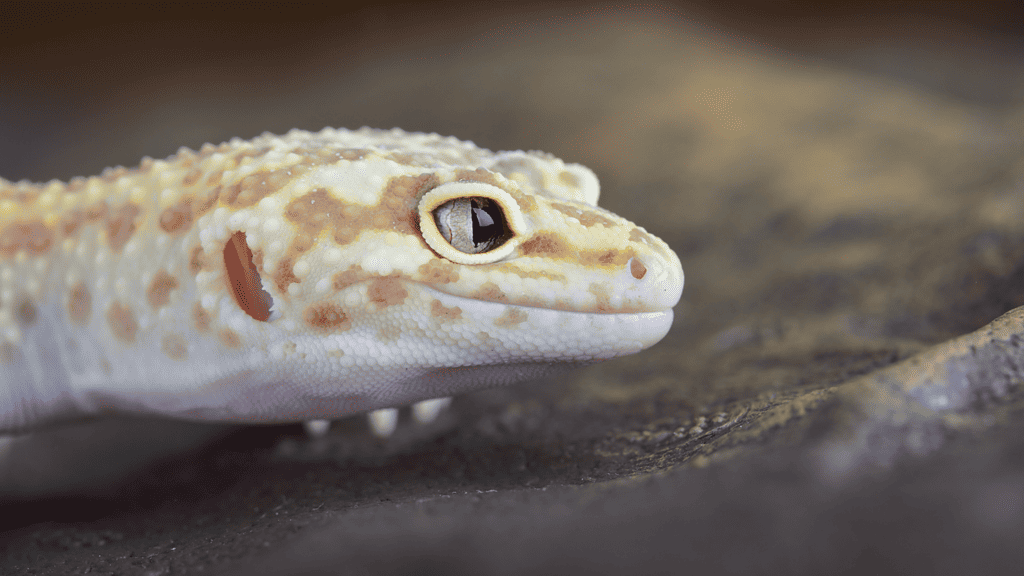
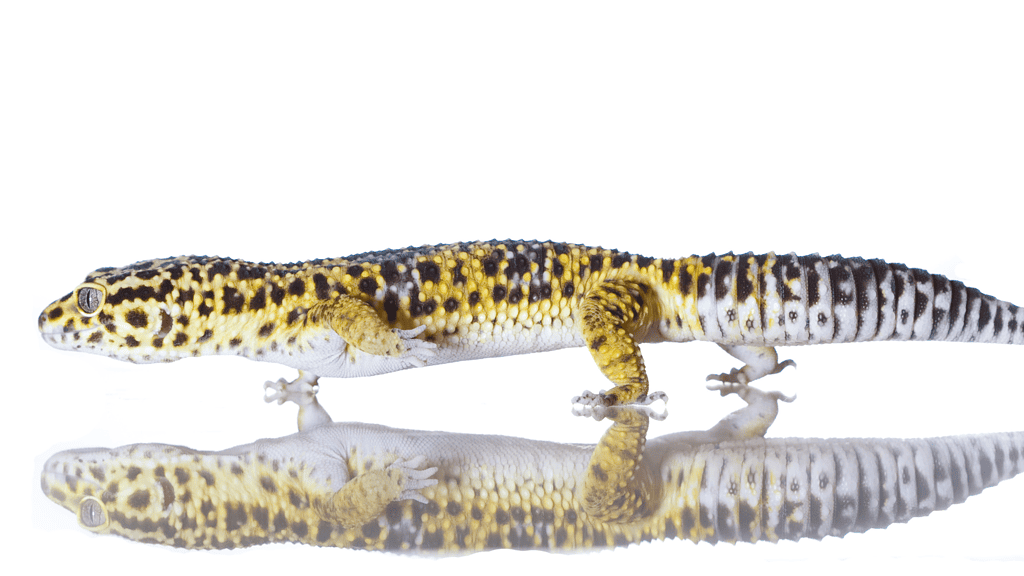
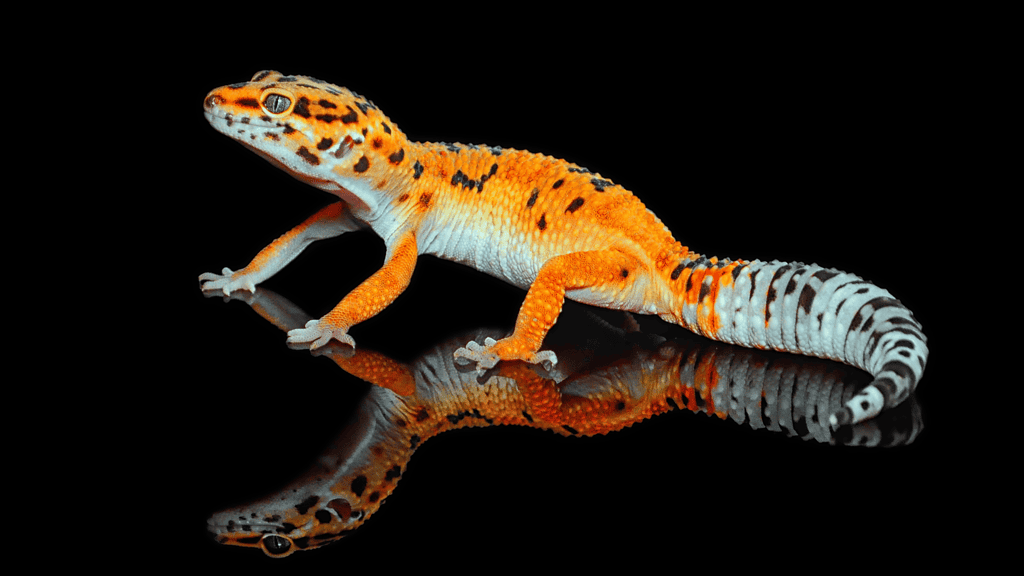
Because of their high demand, leopard geckos have been subjected to selective breeding to produce various morphs. They can have an almost transparent color: yellow with black markings, white with black markings, solid colored with no markings, or solid colored and white with black patterns.

What Is the Friendliest Pet Gecko?

Crested Gecko

The crested gecko is the second most common gecko to own after the leopard gecko, which is very popular. They are charming little creatures who would make excellent pets because of their high level of interaction. Their names come from the little crests running down their bodies’ sides and around the edges of their eyebrows.

They are nocturnal geckos and adore running and jumping about in their habitat. You will like handling them since they move slowly until when they jump. If you’re not cautious, they’ll hop from one hand to the next or even from one hand to your face.

Crested geckos are simple to care for and require simple setups and substrate, making them perfect for beginners. However, for them to obtain most of the water they require, they need to have a daily misting of lukewarm water applied. 

African Fat-tailed Geckos

The fat-tailed gecko is a species that can only be found in West Africa. Some of these geckos have a white stripe along the length of their bodies. They are calm and move slowly, making them perfect pets.

The reputation of the fat-tailed gecko as a species that is more wary than other types of gecko is well-deserved. In contrast to other gecko species, these geckos do not often exhibit jerky movements; as a result, younger children may find it easier to handle them. It is not necessary to offer a UVB lamp for fat-tailed geckos; rather, they should be shielded from sunlight.

This species does not climb very high; thus, the cage height is not a concern. However, the relative humidity should be kept between 50 and 70%. As with leopard geckos, fat-tailed geckos can be fed insects coated with calcium or mineral powder.

Frog-Eyed Gecko

At first sight, Frog-Eyes appear to be extremely similar to the Leopard Gecko, which is more well-known. On the other hand, they are more robust and do not include bright designs.

They often have a coloration that is between yellow-tan and white. They have brown and pale skin spots all over their backs and heads. In order to maintain their health and happiness, a beginner will have to maintain their cage at a temperature ranging from 84 to 93 degrees Fahrenheit.

If you get this animal as a pet, you’ll soon find out that it likes to run to the edge of its cage and look out at the world. Their owners highly regard this aspect of their personality.

Chinese Cave Gecko

Chinese cave geckos are becoming more popular as pets. This is because they make beautiful pets. The only distinguishing feature between them and leopard geckos and African fat-tailed geckos is the coloration of their bodies.

These geckos look awesome, almost like the cool cousin of the goofy leopard gecko. They are available in various colors, such as gray with yellow and black banding, speckled gray and black with red markings, solid black with red patterns, and so on. These geckos are works of art in terms of their appearance. 

They are simple to care for, consume the same food as leopard geckos, and have the same handling needs as leopard geckos. The most notable distinction is the cost because they are not as widely available.

Choosing the Most Appropriate One for You

Leopard and African Fat-tailed geckos are by far the most friendly species.

Some infants require a little more attention to become comfortable handling, but they rapidly bond with adults and make wonderful pets. Geckos like these don’t bite very often, and their movement is lovely and leisurely. Because of this, they are great for families with kids who want to teach them about reptiles.

The one drawback is that they may lose their tails if held too firmly; thus, youngsters need to be taught how to hold them properly, so they do not lose their tails.

Crested and Leopard geckos are the most common types of pet geckos.

Both species may be purchased for less than $100 at most pet stores. They are available in various colours and patterns, giving you a wide range of options. Finally, both species have an average lifespan of over 20 years! It is a gratifying experience to have a cute little pet for a considerable amount of time.

A leopard gecko will win over anyone wary of reptiles. Everyone likes them because of their big, round eyes and constant smile. The African fat-tail is a good choice if you want a pet gecko that isn’t as common as the Leopard species but is still calm and easy to care for.

How to Tell if Your Leopard Gecko Is Male or Female?

If you bought your leopard gecko (Leo) from a breeder, they might have informed you of its gender. If they do not tell you, then it’s hard to differentiate a male leopard gecko from a female one unless you are an expert. But worry not; here in this article, we will discuss how you separate the male Leo from the female one.

How to Tell if Your Leopard Gecko Is Male or Female?

You can differentiate between male and female Leo by visualizing them with an expert eye. Usually, male leopard geckos generally have a pointier snout and bigger eyes than females. Examining the vents of your Leos is yet another method that may be used to find the pet’s gender. Males will be pinkish, and females will be blue.

However, always consult with a local reptile breeder if you are still confused about the gender of your Leo. They would be able to tell at a glance what gender your Leo is.

Let’s discuss how to determine a leopard gecko’s gender in detail.

How to Tell a Leopard Gecko’s Gender?

First, you should look at the area around the vent. The female has an aperture for her rear end located in the middle of her body. It will have a small opening that opens and closes when she moves. It is also bigger than the male’s opening, which is more like a hole.

Examining their tails is the next thing you need to do. Male Leos have longer tails than females and only have one row of scales on each side of their tails.

Females are similar to males in that they have one row of scales on either side of their tail, but the females’ scales are far smaller than the males’.

Finally, if you want to determine if the gecko you have is male or female, you should examine the gecko’s eyes. Only females have two rows of eyelids; thus, they must be male.

Sexing Leopard Geckos

If you cannot contact the breeder to get an answer to the issue of whether or not you have a male or female Leo, you will need to find other techniques to determine the gender of your pet.

The following characteristics distinguish male leopard geckos from female leopard geckos and can help you recognize the difference between the two.

Femoral Pores

These pores may be seen on the gecko’s hind legs and look like a series of very minute white spots. Although both males and females have them, males seem to have a significantly greater presence.

They do this by excreting pheromones, which the male leopards use to attract females and claim their territory. It is essential to remember that these femoral pores might occasionally get obstructed, requiring a trip to the veterinarian to be cleared out.

You get a male if you see little spots on the reptile’s thighs. On the other hand, if you cannot find any, you own a female leopard gecko.

Hemipenile Bulges

Male Leos have two bulges behind their vent known as hemipenile bulges. The hemipenes, often known as the male reproductive organs, are situated in this region. Hemipenes are two penises in the tail that burst on either side of the vent during breeding. Some individuals force out the hemipenes to check that their leopard gecko is male; however, this might cause hemipenes prolapse or damage. Unhandled leopard geckos may lose their tail if they feel uncomfortable or frightened. 

Preanal Pores

These pre-anal holes may be seen on the species’ undersides of both males and females. They are more prominent in males and constitute a line. In females, the V-shaped pore development surrounding the vent is considerably smaller and more difficult to perceive than in males.

These preanal pores secrete a waxy material that acts as a territorial marker and helps attract potential mates. If you are holding a gecko and cannot see the V-formed pre-anal pores, then you are most likely having a male Leopard gecko.

Handling Ease

During mating season, male geckos seem friendlier and like being touched by people. Female geckos will hide when approached.

You may even keep more than one female gecko in a single tank, provided that you provide the appropriate housing and facilities for them. This is helpful information for new lizard keepers who intend to retain many females to breed their creatures.

On the other hand, it is not desirable to keep more than one male gecko in a single enclosure; therefore, separate tanks should be utilized. This is because males are hostile against one another and will bite, which can result in injuries and infections.

Temperament

Breeders claim that a gecko’s disposition relies on its sex; however, this isn’t true. There is the same amount of aggressive female geckos as aggressive male geckos.

When they reach adolescence, leopard geckos exhibit a distinct shift in their behavior, which is something to keep in mind. When ovulation begins, males develop aggressive territorial behavior, while females reduce the amount of food they consume.

Your female geckos will begin ovulating between January and July after they reach maturity and require more calcium. 

Chirping Sounds

The noises they produce can help you sex a leopard gecko. Male geckos produce more noise than female geckos due to their natural tendency to be more territorial. When mating, they chirp to attract females.

When geckos feel threatened, they chirp. In contrast, a female gecko will chirp when they are hungry most of the time.

Lifespan

Some male geckos have been recorded as living for over 25 years, but on average, their lifespan is just 15 years. This is because male usually has fewer health problems than females.

On the other hand, female gecko ovaries produce one egg every month regardless of whether or not they are mating. They eat less or not, causing calcium insufficiency and metabolic bone disease.

Why Should You Know The Gecko’s Gender?

Understanding male and female leopard gecko distinctions extend beyond physical features, breeding, and naming. When choosing a male or female Leo, there are several other factors to consider.

If you want to breed your geckos, you must have both a male and a female in your collection. It’s also important to know the gender of your Leo because males and females act in different ways. Health issues are also different for male and female leopard geckos.

How to Tell if Your Leopard Gecko Is Male or Female?

Taking Care of a Female Leopard Gecko

Egg-bound is the condition that occurs when a female leopard gecko is unable to lay her eggs successfully. Egg binding, also called dystocia, happens when a female gecko isn’t getting enough food to lay eggs properly.

If the female leopard gecko doesn’t get enough calcium, she will be unable to have the contractions she needs to push the eggs out. When the gecko tries too hard to deposit the eggs, the cloaca might prolapse due to the effort. Dystocia is a very significant issue, so you should see a vet as immediately as possible.

Care for a Male Leopard Gecko

Because of a blockage or an infection, male leopard geckos may have their hemipenes collapse. Male Leos have small reproductive organs called hemipenes that are only visible during mating.

Hemipenal prolapse is a condition that affects geckos that occurs when the organs do not retract back into the body. You must get medical attention for your male leopard gecko if he is exhibiting symptoms of hemipenes prolapse. If you try to correct the prolapse on your own, you might end up hurting the gecko’s hemipenes.

Are Female Leopard Geckos Larger Than Males?

No, female geckos are smaller than males because their bodies are narrower. Because males are more likely to fight, they have a larger build. It has been observed that male and female leopard geckos sometimes coexist.

The Eublepharis macularius species are not social animals; instead, they are solitary and territorial. In order to prevent the animals from fighting with one another, it is advisable to keep them in separate enclosures and only introduce a new mate during the mating season.

Why Do Leopard Geckos Need Calcium?

According to scientific research, calcium is one of the minerals leopard geckos need the most. In the wild, leopard geckos eat various foods containing calcium. Additionally, when they take sunbathe, sunshine enables them to produce vitamin D3 and ensures that they have enough calcium intake. But why exactly do Leopard Geckos need calcium?

Does Your Pet Need Orthopedic Bed?
Why Do Leopard Geckos Need Calcium?

Leopard geckos in captivity need calcium supplements for optimal body growth, normal muscle function, and maintenance. Leos are also susceptible to a common disease known as MBD (Metabolic Bone Disorder) if they are deficient in optimal calcium requirement.

Naturally, Leo’s growth is also accelerated when they are kept in captivity, which increases the requirement for more calcium to support the formation of their bones.

This article will provide you with in-depth information on calcium for leopard geckos.

Calcium is essential for Leopard Geckos

Calcium is necessary for leopard geckos for two primary reasons: to promote healthy growth and the preservation of bones and teeth and for female leopard geckos to produce healthy eggs. If a gecko doesn’t get enough calcium, its bones will grow brittle and eventually break. This is a typical condition in geckos with metabolic bone disease (MBD).

The gecko requires extra calcium in its first year since it is still developing and growing its bones. Females need more Calcium during producing eggs since the mineral forms egg shells.

Leopard geckos obtain calcium in the wild from various natural sources. It may most frequently be found in the soil, minerals deposits, and insects that feed on the soil.  Because of this, pet leopard geckos must take calcium supplements to meet their daily requirements.

Calcium carbonate and calcium citrate are two forms of calcium that could be included in the packaging of dietary supplements. These are just different types of calcium, but they both provide an appropriate amount of the mineral. Calcium carbonate has more “elemental calcium,” which you need.

Why is Calcium Necessary for Leopard Geckos?

According to research, the growth of leopard geckos is affected by their food, and different types of feeder insects cause a range of distinct increments in total development.

Due to the rapid growth, an increased amount of calcium in the diet is required to support the development of the skeleton and other functions. As a vital element to leopard geckos, calcium is essential for:

  • The establishment of a strong skeletal framework
  • Strong teeth
  • Treatment and protection against metabolic bone disease 
  • Breeding females

Best Calcium Supplement for Leopard Geckos

1.     Rep-Cal SRP00200 Calcium Ultrafine Powder Reptile

Rep-Cal has garnered a positive reputation among those concerned about insectivorous reptiles.

It has been professionally produced using only natural oyster shells and is an essential phosphorous-free calcium carbonate source. Additionally, vitamin D3 has been added to increase the body’s ability to absorb calcium.

2.     Sepia Bone

The sepia bones, also known as cuttlebones, are a component of the interior body of a cuttlefish. It is a difficult substance, yet it is easily crushed and smashed. The mineral aragonite, which is a form of calcium carbonate, is what gives a sepia bone its color.

Before giving to geckos, sepia bones are often ground into a powder or reduced to a more acceptable consistency. You may either buy the sepia bone powder that is already prepared for consumption or produce your own at home.

3.     Fluker’s Vitamin D3 Calcium Reptile Supplement

Fluker’s Calcium Reptile Supplement with Vitamin D3 has a 94% approval rating. That indicates that more than seven thousand customers have rated it with either four or five stars; this is when your product lives up to its claims.

4.     Repashy Calcium Plus

Calcium supplements with additional vitamins, trace minerals, and carotenoids may be used to dust insects. Repashy Calcium is an all-in-one calcium supplement.

5.     Meric Leopard Gecko Calcium

Meric’s calcium supplement suits your leopard gecko’s demands. It is balanced with a calcium-to-phosphorus ratio of 2:1, which is ideal. This supplement has a flavor that will appeal to your geckos, and they will also love eating it as a snack.

Meric is a free lick; therefore, it doesn’t include vitamin D3 to prevent overdose. You can mix it with the appropriate quantities of a vitamin D3 supplement that is taken separately as needed.

How To Give Them Calcium?

It’s easy to give a leopard gecko calcium. You’ll need feeder insects and a Ziploc bag with calcium powder. When you have the above two things, put the feeder insects you want to feed your leopard gecko in the bag with the calcium and shake it.

Be careful not to shake too vigorously when carrying this out since doing so might result in the unintentional death of the insects contained therein. They’re not less nutritious when dead, but leopard geckos don’t appreciate feeders that don’t move.

Once you’ve dusted your feeders, you may hand-feed the leopard gecko or put food in its bowl. What you do will depend on your feeder and how you feed them.

In addition to their food, you should keep a small calcium dish in the container. Your leopard gecko will be able to lick from this bowl anytime they feel the need to replace themselves with this unique supplement if you provide it for them in a dish like this.

You don’t need to worry whether they’ll lick too much because they know how much they need to develop and be healthy. Even if insects are high in calcium, you don’t want to get into the routine of not dusting them. In addition, it is preferable to have a moderate surplus of something rather than a deficiency.

How Often Should Calcium Be Replaced?

Calcium is a calcium dish that can last a while, but if it gets clumpy from leopard gecko saliva or unclean, replace it. Do this once a week since your leopard gecko gets it moist with his tongue from saliva or water from licking his water dish.

To ensure he has enough, fill his bowl with 2-3 tablespoons and put it back in the tank until the next change. Most of the time, you have to change it every week, but sometimes it can go longer. The amount that your individual leopard gecko consumes of their calcium and how effectively they can keep it dry are the only factors that matter in this regard.

Also, remove any substrate or insect bits that may fall in so your gecko won’t be afraid to taste it. Leopard geckos can be very picky about what they eat, and if they find something on or in their food or water dishes that they don’t like, they probably won’t eat it. They can be picky about how their food is served and looks.

What Happens if Leopard Geckos Do Not Get Enough Calcium?

Leopard geckos can get calcium deficiency, which is unsafe but can be prevented. Hypocalcemia, a disorder characterized by abnormally low amounts of calcium in the blood, can be brought on by it.

Some of the first signs of being deficient are:

  • Anorexia
  • Tiredness or lack of energy
  • Twitching toes

Based on this list, you can understand how crucial it is for the leopard gecko to have enough. Without it, people will endure terrible hardships right up until the moment they pass away. Fortunately, when this occurs, it is reversible if addressed quickly enough. 

Too many individuals have neglected to give their leopard geckos enough calcium and D3 and then had to take them to the clinic or bury them because it was too late.

Long-term calcium deficiency can also lead to other hormonal problems by negatively impacting the parathyroid glands, which help control calcium levels. Additionally, it can result in MBD.

Easiest Reptile to Take Care of for Kids

If you want to get a pet for your kid, you might want to think about a reptile. They make great pets because they are interesting and unique. These unique animals are easy to care for, fun to play with, and attractive. Your kid may learn a lot of responsibility by having reptiles while they are younger. But what is the best reptile choice for kids?

Easiest Reptile to Take Care of for Kids

Leopard Geckos, Bearded Dragons, Crested Geckos, Corn-snakes, Blue-tongued Skink, Russian Tortoise, and Ball Python are considered the easiest reptile to take care of for kids.

A reptile may inspire your youngster to become a scientist. These unusual pets have the potential to provide a lot of happiness to your kid. The problem, however, is that not all reptiles are suitable for young children. Even the most well-known reptiles don’t make good pets for kids.

That’s why you must read this article, which lists child-friendly reptiles. Continue reading to find out more!

What Do You Mean by “Reptiles”?

Reptiles are animals that live on land and have dry, scaled skin. They are cold-blooded, egg-laying animals.

Alligators, lizards, chameleons, snakes, tortoises, and skinks are included in this category of reptiles and amphibians. These creatures have an ectothermic metabolism, which implies that their internal temperature is affected by the surrounding environment. There are also many sizes and shapes, and colors of reptiles.

Children may benefit from animal therapy with some reptiles, including leopard geckos, bearded dragons, and other types of dragons. This is because they are friendly, calm, and like to be held.

What Characteristics Make a Reptile an Excellent Pet?

A good pet reptile, particularly one suitable for children, should be calm and resilient enough to resist being handled, have minimal requirements for its care, and survive some inexperienced carelessness.

Ideally, a child’s pet reptile must be moderate to a tiny size, especially if kept in their bedroom. Anything that needs a large space or special care should be left to reptile keepers with more experience.

Many reptiles have precise dietary needs that are hard for kids to meet. The most suitable pets for kids to keep as reptiles are those that require little maintenance and can be fed meals that are easily obtained.

Similarly, the ideal temperature, lighting, and humidity levels for many reptiles can vary greatly from species to species. While all reptiles need these items to some degree, selecting one with few specific requirements is ideal. First and foremost, a good pet reptile will be risk-free, fun to watch, and an excellent source of happiness for children of all ages.

Child-friendly Reptiles to Take Care

To make this list, reptiles have to satisfy five crucial requirements.

  • Low in cost and simple to maintain and feed
  • Pleasant, peaceful, and manageable
  • It must not be dangerous
  • It must be durable and patient since kids commit a mistake

Leopard Gecko

Leopard geckos are excellent pets for young children. They are easy to set up and care for, and they don’t mind if even a beginner makes a mistake.

Leopard geckos are fantastic kids’ pets, so it was easy to choose them. The Leopard Gecko is a good pet because it is cheap, easy to handle, doesn’t need much care, chirp less and is funny.

In addition to being wonderful animals for keeping as pets, leopard geckos have few specific requirements for their housing and care, so even inexperienced pet owners should have no trouble accommodating them.

Bearded Dragons

Easiest Reptile to Take Care of for Kids

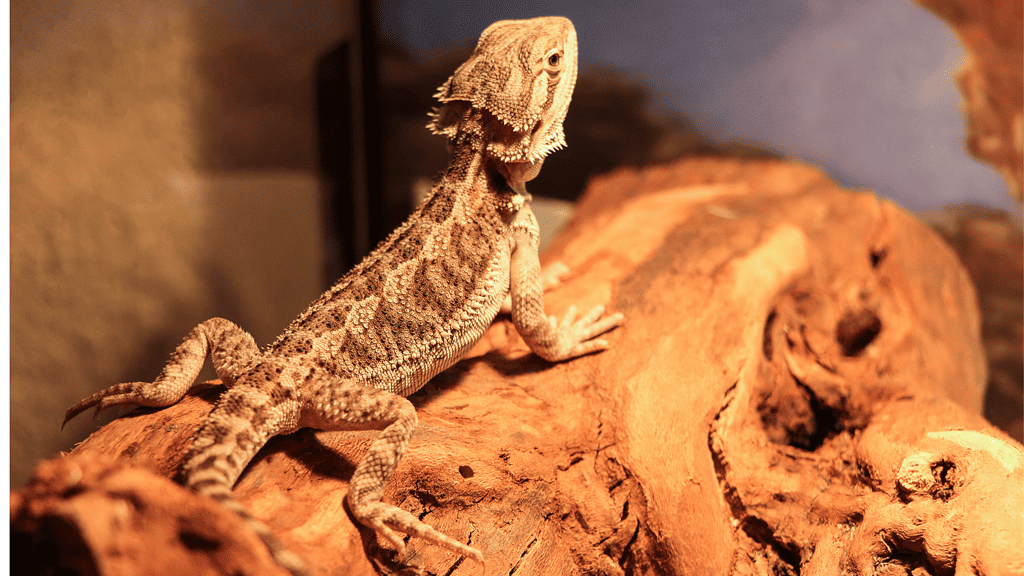
The bearded dragon is an excellent choice for a pet, not just for people who have never had a reptile before but also for young kids since there are many different reasons why this is the case.

First, they have a propensity for being friendly, approachable, and pleasant. Bearded Dragons like spending time out of the aquarium with their owners and often fall asleep snuggled up on top of or next to them.

Bearded Dragons are friendly and comfortable with their owners. Bearded dragons have an average lifespan of between 8 and 12 years, depending on how well they are cared for; anything beyond that is quite unusual.

Crested Gecko

A crested gecko is a lizard that lives in trees and has a calm and gentle personality. When they are in a relaxed state, crested geckos are not difficult to handle.

Juvenile crested geckos can be timid, but adults are more accommodating. Crested geckos like jumping, likely due to the fact that they are arboreal reptiles.

Crested geckos, like leopard geckos, are simple pets to care for. To begin with, they do not require a particularly large cage, nor do they require any additional lighting elements. They can live well on feeder insects and crickets, as well as gecko food you can buy at a store.

Corn Snakes

If your youngster is not interested in lizards, you might consider getting them a corn snake instead. This gentle, easy-to-handle crawling alternative is quiet, tidy, and doesn’t need much daily maintenance, food, or lighting. As with leopard geckos, corn snakes need safe habitat and a heat lamp. Adult corn snakes should only be fed once a week, but you and your kid must feel comfortable giving them frozen mice.

Blue-Tongued Skink

A blue-tongued skink is a type of pet lizard with a large body and is distinguished by having a blue tongue, a triangular head, and short legs and tail.

It is generally agreed that blue-tongued skinks are among the most child-friendly species of reptiles. Due to their size and stature, they are some of the hardest and most healthy reptiles on the list. These reptiles are readily tamed, kind, and prefer to be touched, making them kid-friendly. However, you need to keep a close eye on your child if they are going to be touching this lizard since it has the potential to become frightened and jump.

Russian Tortoise

Not every youngster wants a scaly pet, so that a tortoise would be better. The Russian tortoise is known for its remarkable obedience, sluggish movement, quiet nature, and long lifespan. Although they need the appropriate temperature, lighting, and fresh vegetables regularly, they are the ideal pets for kids due to their size and disposition.

In addition, Russian tortoises are exceptionally hardy, which makes them a potentially suitable choice as pets for children who are still developing their ability to handle domesticated animals carefully. They already have their own head protection included in the structure.

Ball Python

Ball pythons are considered suitable pets for young children because they do not become very large, are well-behaved, and are simple to manage. They tend to be rather tame and will only sometimes strike when provoked. They will feel more at ease among younger children if handled frequently.

The care of ball pythons is not very challenging. You’ll also need a terrarium with a capacity of around 40 gallons and access to fresh food and water.

Safety Tips To Consider

Reptiles are excellent pets for children, but even healthy ones may transmit salmonella. Salmonella does not often cause illness in reptiles; it can make a youngster sick. Because children’s immune systems are still growing, salmonella infections are relatively common.

Here is the safety advice to lower your child’s risk of salmonella illness.

  • Take the reptile to a veterinary clinic so that the salmonella bacterium may be eradicated.
  • Teach your youngster to wash hands after handling a reptile with warm water and soap.
  • You are responsible for ensuring that your kid washes their hands thoroughly after coming into contact with a reptile.
  • Don’t give reptiles to children under five since their immune systems aren’t developed.
  • Keep reptile enclosures clean and out of reach of children.

Reptiles that Should Not Be Kept Around Children

There are a lot of well-known reptiles that are suitable for keeping as pets but aren’t necessarily the ideal option for children. It might not be a good choice for kids or people just starting because of its size, care needs, or personality.

  • Reticulated Pythons: Even for many experienced pet owners, the enormous size and stringent dietary needs of these animals can be challenging.
  • Iguanas: Iguanas are bad pets because of their size, food and housing requirements, and hostility.
  • Tokay Geckos: Because of their aggressive nature, dealing with them may be difficult.
  • Chameleons: Chameleons have short lives, particular care requirements, expensive costs, and are fragile.