Recent Posts

Are leopard geckos fun to play with?

It’s no surprise that geckos are amongst the most popular pet reptiles, particularly among beginners. They are generally docile and simple to domesticate, and they require little in the way of care and maintenance. When it comes to picking a pet reptile, the leopard gecko (Leo) is considered to be the best option overall. But along with easy care, are leopard geckos fun to play with?
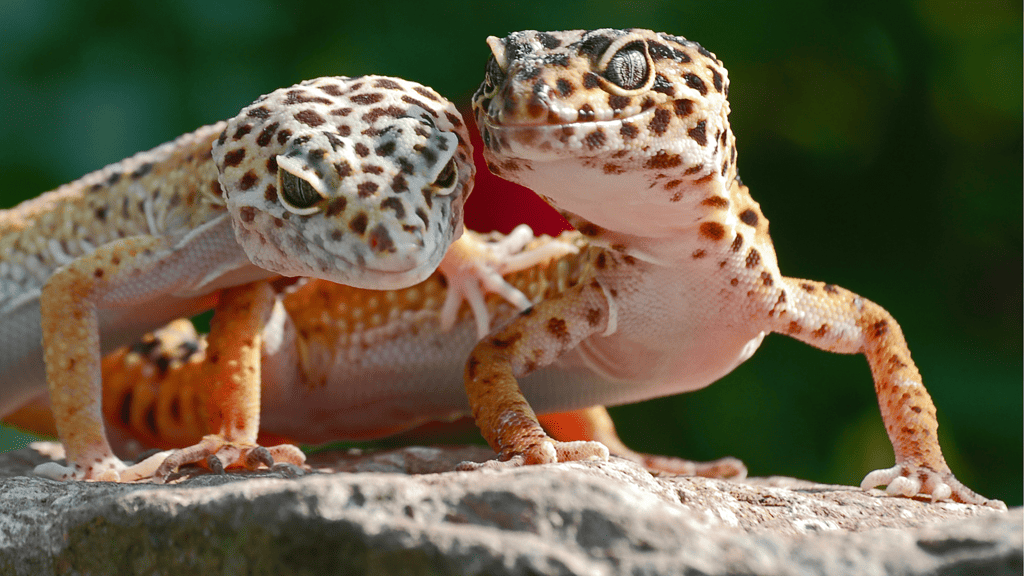
Are leopard geckos fun to play with?

If treated appropriately, leos are exciting creatures that appreciate having their curiosity piqued and being made to have fun. They are totally fun-loving reptiles.

Basics of Gecko’s Handling and Playing

When your gecko is still young, you should start handling it. After you get your new Leo home will require some time to become used to its new surroundings. It should be left to remain in its tank for a maximum of one day unless it is stressed; in that case, give it some additional time to explore and become comfortable. You shouldn’t feel terrible if, after it has checked out its house, it stays in its preferred hiding area for a time and doesn’t come out to see you. The sooner you get to know your gecko, the better since geckos who are treated and played with when they are young are typically much more docile and affectionate when they are held when they are older. The earlier you get to know your gecko, the better.

If you want to start playing with your gecko, the optimal age to do so is when it is between five and six months old; however, you may start playing with it at any age that is ok for you as long as it is not still a hatchling.

Make your Leo’s area reptile proof

Leopard geckos, particularly younger individuals, are exceedingly nimble and will flee if they are given the opportunity. When you first start to play with your gecko, you should construct an area in which you are sure that your gecko will not be able to escape, such as a container or a bin. You may also select a room and install a barrier made of pillows or other soft objects to separate your Leo from the rest of the home after you have made your selection. Just ensure that the obstacles you have set up are not composed of anything that may cause them to topple over and damage your gecko. When you are moving around the home with your gecko, it is essential to ensure that all windows and doors are shut. This is because your gecko should not be exposed to drafts, and other animals if you have any, might potentially come and bother your gecko.

Your gecko should become more manageable once it has been accustomed to being removed from its cage. When this occurs, you will be capable of handling your gecko in various environments, including your mattress, couch, ground, and so on.

Let your Leo explore

Geckos are inquisitive, energetic, and exploratory creatures in general; thus, you should give your gecko free reign over its environment. Give your gecko permission to climb up your arms, sit on your shoulder, and even coil up in your hair if it wants to. Because leos are cold-blooded and human skin feels like a sun-baked stone to them, you should be prepared for your lizard to find a place on your body where they can find heat and make their home there. You shouldn’t be too startled if your Leo decides to hang out in the crook of your arm or around your neck at some point.

You may also allow your gecko to investigate its surroundings by rolling up a piece of cloth and placing it on your mattress. Allow your gecko to explore the towel at its own leisure in order for it to locate its ideal cave or hiding spot. When it is time to put your gecko back in his tank, you will need to make sure that you keep a close check on him so that you will know where he has concealed himself.

Allow your gecko to investigate an empty room or even your bed. Geckos like to climb, even if they aren’t very adept at it, and they prefer to find spaces to crawl into, so you should let it creep under as well as around the cushions and pillows. You must maintain a close check on your gecko at all times and never allow it to be unattended; otherwise, you run the danger of losing it.

Construct a maze for your gecko to crawl through

Obtain a trash can or a huge box, and then fill it with various “obstacles.” These can be anything from paper towel tubes that are big enough for your gecko to crawl through to smaller boxes that are just the right size for your gecko to climb over. Use your imagination! You may give your gecko’s obstacle course a one-of-a-kind look by placing old toys or climbing mountains in the box for it to climb on. These climbing trees can be purchased at pet stores.

Spend some time watching a movie with your Leo

Even while this activity does not strictly fall under the category of “playing,” it is a beautiful opportunity to have a fun time with your gecko. After you’ve helped your gecko settle in by letting it perch in its preferred warm position on your body, you can finally relax down to watch some television. The owners of leopard geckos have reported that their pets have been observed staring at screens. Others will simply nod out wherever the heat is strongest. However, you should ensure that the music is not too loud because it might frighten and stress out your gecko.

Set up a Leo carnival

This is quite similar to setting up an assault course for your Leo, with the primary exception being that the lizard is not attempting to cross from one side of the enclosure to the other. Instead, you should provide your gecko with “gecko toys” in the form of climbing trees, sections of carpet, and paper towel rolls, and then simply let it play in the box. It’s possible that the amusing things geckos do may surprise you. Some people get a thrill from climbing to the top of trees and then leaping down again. Some people like having fun playing with a roll of paper towels. The best method to figure out what your gecko enjoys is to host a carnival for it and let it choose its own activities.

Learn when it is safe to place your Leo back in its tank

Geckos can only maintain their high energy levels if they are kept warm. It is possible for them to feel tired if they are climbing or moving around in a location that is not as warm as their tank. After interacting with your Leo for ten minutes, performing a belly check on them is a good idea. This will help you avoid any potential health problems. If you notice that the belly of your gecko is chilly to the touch, you should put it back in its tank so that it can warm up again.
Are leopard geckos fun to play with?

What are the dangers of having fun with Leos?

Here are some of the dangers that you must avoid while having fun with your leopard gecko:

  • Under no circumstances should your finger ever be placed under Leo’s jaw. Because of this, it will try to bite, which might lead to an injury to the jaw. It will feel threatened
  • If you give your gecko an excessive amount of waxworms, it might grow fat and suffer from a host of other health problems.
  • To prevent your gecko’s tail from becoming detached, you should never tug on it or touch it roughly.

Do leos require entertainment?

They absolutely adore being amused, played with, and touched in any way. You must begin handling your gecko as soon as it is old enough to be touched, talk to it, and provide it with an abundance of tasty food.
Are leopard geckos good pets for children? – A beginners guide for parents

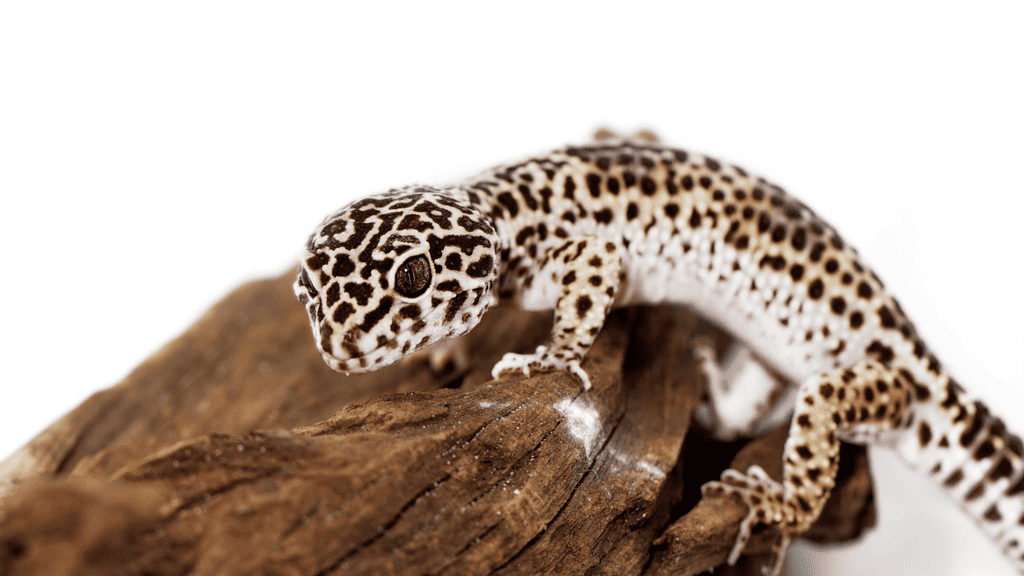
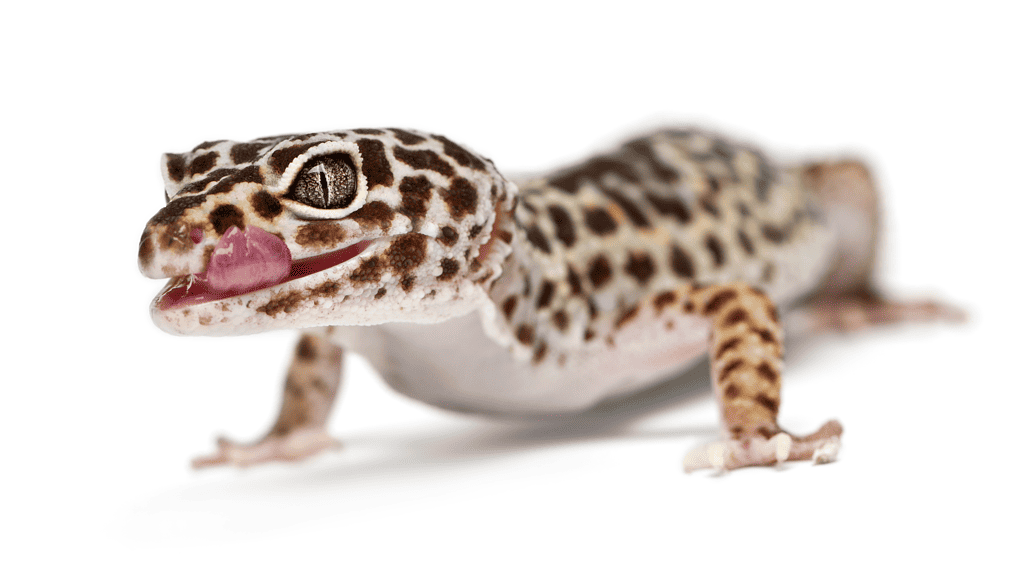
Leopard geckos (Leos) are fascinating pets for those who have never owned a reptile before since they are small, friendly, and easy to manage.  They are naturally present in Asia and the Middle East. There is a wide range of diversity in coloration, patterning, and size among leopard geckos raised in captivity. They are known as insectivores, which means they consume insects, and they take great pleasure in tracking down their living prey. However, do leopard geckos make suitable pets for young children?

Yes, keeping a leopard gecko as a pet is a fantastic option to consider. If you are thinking about getting a reptile as a pet, you should consider getting a leopard gecko since they are calm, well-behaved lizards that make excellent pets for children and beginners.

Geckos and other types of reptiles may be intriguing and informative pets for adolescents and adults of any age. When thinking about getting a new pet, it is essential to keep in mind that they are a lot of responsibility and require a lot of labor. Many species of reptiles have highly specific dietary requirements, as well as requirements for lighting, heat, and humidity. Also, adults need to keep in mind that if a child has a pet and then loses interest in it, that animal might wind up being the adult’s pet. However, if your children have the time, desire, and energy, a Leo may make for a remarkable and one-of-a-kind companion.

Leo’s behavior with children

The Leos that are kept as pets are amiable, and in contrast to certain species of geckos, they are not violent. Because of their calm and submissive demeanor, leopard geckos are excellent pets for households with children and other family members.

They are suitable for children of all ages to hold. These pets will slowly creep up on your arms in a gentle manner. It has never been reported that a leopard gecko has bitten anyone, not even an unfamiliar person. Even when provoked, they do not exhibit aggressive behavior.

The Age of Your Child Is Important

Young children should never be left unattended with pets, especially by their parents. A leopard gecko is a peaceful creature; nevertheless, if it is exposed to excessive excitement, it may get frightened or stressed. When it comes to interacting with leopard geckos, your child’s age is an essential factor to consider.

Leopard geckos may show signals of anxiety and tension, but young children might not recognize them. Young children are naturally lively, so they can try to grasp the gecko by its tail, which would cause the animal harm. If your child is a bit older, they will be better able to handle the pet appropriately.

They could be capable of taking care of the pet independently without your supervision. Before adopting a leopard gecko into your house, you should first consider how old your child is.

The Routine Activities of a Leopard Gecko

Fun may be had by both children and their parents when they share a home with a leopard gecko. But sharing your home with a reptile pet might be more enjoyable if you both participate in certain activities together.

The following are some activities that you might engage your child in regularly with a Leo:

  • Leos Love Crawling: Leopard geckos thrive when they can spend time outside their enclosures, so don’t be afraid to let them climb and sleep on your child. You may take a load off and relax on the couch while your child plays with the family pet. Your child won’t be harmed if the leopard gecko crawls on his hands, shoulders, or legs, and it will do it happily. Because the interior of the child’s clothing is toasty warm, the animal will almost surely take pleasure in sitting on it.
  • Make Small Artificial Cave/Tunnel In Leos Tank: Leopard geckos, especially those that live in the wild, enjoy the thought of being able to hide in burrows, caves, and beneath rocks. While the gecko keeps a close eye on you, you may use PVC pipe to construct a do-it-yourself conceal tunnel. You should encourage Leo to creep into the tunnel and hide there for a while. Always try to coax the animal into and out of the tunnel by whispering encouragement to it. Leo will genuinely feel happy to participate in the action.
  • Create a Maze for Your Leo: You may construct a maze for your pet with simple things you already have around the house. Think about building the maze in a contained space like a plastic bin or a playpen to ensure the safety of everyone involved. Place circular and hollow things, such as toilet paper tubes, for the gecko to climb inside them.
  • Use Toys: You may have a fantastic time playing with leopard gecko toys, whether you construct them yourself or buy them from a store. Your child will have a lot of fun as they play with their new pet, utilizing all the most stunning toys. Toys will provide your pet with something fresh to investigate and play with. Your pet’s life will be improved through toy play, and they will become more friendly and active. The finest toys will contain openings or niches that let the animal to climb in and out of the toy at its own leisure. You could also use toys you made yourself, provided they were creative enough.
Are leopard geckos good pets for children?

Leos Natural/Optimal Habitat

Even though leopard geckos are native to the arid grasslands of Asia, they are almost always kept in terrariums themed like desert environments when they are kept as pets. Sand can not be used as a substrate since it has the potential to induce intestinal obstruction if it is ingested inadvertently with food. It is ideal for supporting Leo’s natural demands to have a predominately dry habitat with adequate rocks and smooth pebbles.

The Leo tank should have a minimum capacity of 10-12 gallons (about 40-48 liters) for a single Leo and 15-18 gallons (about 60-75 liters) for a pair.

During the day, the tank’s temperature should range from 75 to 85 degrees Fahrenheit (25 to 29 degrees Celsius), with the basking area reaching temperatures of up to 90 degrees Fahrenheit (32 degrees Celsius). A temperature gradient is achieved in a tank when there is one heated section in the higher temperature range while the opposite part should be colder. The tank should be built in a way that allows for this temperature gradient. Heating pads, porcelain heaters, or appropriate lighting will be used to enhance the heat that is already present in the tank.

Leopard geckos are nocturnal creatures that have evolved to live in the shadows. That implies that a UVA/UVB dedicated reptile light is not essential for your Leo to thrive. In point of fact, so long as the space is adequately illuminated, leos may survive without any additional artificial light. The only thing that truly matters is that they maintain their day-night cycle.

What characteristics make leopard geckos popular as pets?

The following characteristics make Leos one of the best-fitted and most popular pets:

  1. They make beautiful additions to the household. Because of their calm demeanor, leopard geckos are excellent pets for households with children and other pets. They are safe for children of any age to handle, and they welcome the opportunity to walk across their kind hands.
  2. Even though leos are not known to be particularly aggressive, you should still show them respect when you are working with them.
  3. Even though all reptiles will require the assistance of a professional at some point, responsible pet owners have a responsibility to help keep their pets in the best possible condition. On the other hand, Leos are not very demanding, and it is not difficult to design an excellent environment for them at home. You won’t need to invest a lot of money or time in order to replicate their natural environment in the wild.
  4. The many colorations and patterns that may be found on a leopard gecko are collectively referred to as morphs. This contributes to the leopard gecko’s distinctive and spectacular appearance, and it may also be used to describe the appearance of a gecko.
  5. Because leopard geckos are available in a diverse array of morphs, it is simple to find one suitable for your environment and aesthetic preferences.
  6. They are pretty affordable when it comes to upkeep and care. If you go with one of the more well-known variants that are on the market, you should have no trouble finding an affordable leopard gecko. The most significant part is that everything you need to set up their cage, from putting up their tank to setting up their food, can typically be purchased for a low cost.
  7. In addition to this, they don’t seem to mind having a limited amount of food, and it’s not hard to find it among them. They also do not become ill, so there is typically no need to worry about taking them to the veterinarian.
  8. Leos eat insects, and it is not difficult to provide them with food. The most excellent part about them is that they are not picky eaters and will consume a wide variety of insects that have been treated with powder containing vitamins and minerals. Another thing to consider is the fact that their bug feeders are easily accessible, inexpensive, and simple to maintain.
  9. In addition to this, you do not need to spray their vivarium because they may drink water directly from the bowl provided for them. Another thing about them is that they do not consume vegetables and fruits, which makes the procedure of providing them with food much simpler.
  10. Leopard geckos are an ideal family reptile, as they remain tiny at around 6 to 10 inches from head to tail. This indicates that you are able to house them in an enclosure of a suitable size.
  11. One of the primary reasons why parents do not get their children animals as pets is because of the scent. On the other hand, leos do not produce any odor/smell, and it is possible to go an entire month without cleaning their confinement. In addition, you do not need to bathe your geckos to maintain their cleanliness.

Why It’s Important for Children to Have Pets?

The below-mentioned four reasons compel you to have pets for your children:

  • Children can learn compassion through their pets. They frequently have a strong focus on themselves. The good news is that youngsters may learn about empathy by gaining experience in how to be committed to making for an animal companion, such as a pet. Children will discover how their pets react to specific changes in their environment and the surroundings of their room as they care for their animals/pets throughout time. You might be shocked, in point of fact, at how fast they figure out what their new pet like and does not enjoy doing. Children who grow up with pets are more equipped to understand and empathize with the experiences of others because they learn to view the world through a companion animal’s eyes.
  • Responsibility is something that can be taught to youngsters, and having a pet that requires care is a great way to do this. Even if your kid is relatively young, they should still be able to fill up a bowl with either food or water on their own. Your child should be allowed to take on additional duties for the care of their pet as they become more capable of doing so.
  • Children with pets tend to have higher self-esteem since taking care of an animal/reptile pet companion is often the first “work” a youngster ever has. Your child will have a better understanding of how capable they are of handling responsibility if they do well in their assigned role. This will lead to more confidence as well as perhaps more opportunities to demonstrate their sense of responsibility.
  • Having a pet provides children with another person to talk to, which is beneficial because youngsters have a lot to discuss, and many kids like having conversations with their animals. Pets are excellent listeners since they do not pass judgment and will happily pay to listen to the same narrative numerous times. Not to mention the fact that dogs are really good at maintaining confidentiality.

Do Leopard Geckos (Leos) Bite?

The vast majority of adult leopard geckos will not bite, even though they may perceive a threat to their safety. Leopard geckos are not known to be aggressive. A baby gecko that is not used to being handled is more likely to bite than an adult gecko, even if it has been tamed.

If a Leo bit you, it would be because they mistook your fingers for food (mainly if you feed them by hand) or because you were trying to break up a fight between two of your lizards, and they bit you in the process.

Due to their small size, only insects are in danger of being eaten by Leo’s teeth. However, their teeth are robust relative to their size, so their bite resembles a hard pinch more closely than a true bite. In most instances, it will not go deeper than the superficial layer of your skin and will only scrape it.

If you are bitten by your pet  Leo, and the bite punctures your skin, you need to make sure that the “wound” is adequately disinfected. It has been an expert’s experience that the delicate skin right above your nails is the only part of your hand that will bleed if your gecko bites it. Because of this, you should take extra precautions to protect this area

What is the average lifespan of a leopard gecko?

In captivity, leopard geckos have been known to survive for up to 20 years. However, the longevity of wild leopard geckos is lower than that of domesticated leopard geckos because of the constant threat posed by several predators, including jackals, some larger reptiles, and birds.

In addition, wild geckos are subjected to difficult living circumstances, such as extreme temps, which significantly reduce their longevity.

However, leopard geckos may survive for many years if they are properly cared for. Their longevity may be shortened due to their poor food and living circumstances. On the other hand, these pets require very little work to care for.

In contrast to many other types of pets, they live for a very long time. Therefore, keeping a leopard gecko as a pet requires a long-term commitment in and of itself.

Your child would benefit tremendously from having a leopard as a pet, notwithstanding this fact. Your child won’t have to go through the heartbreak of saying goodbye to their pet because the animal will likely outlive its formative years.

Are leopard geckos low maintenance?

The Leopard Gecko or Leo is a stunning one-of-a-kind lizard that is well-known for its striking look that resembles that of a leopard and its enormous tail that serves as a fat-storage area. We all know they are beautiful but are they easy to care for, or are they low maintenance?

Are leopard geckos low maintenance?

The maintenance required for leopard geckos is relatively minimal. Generally, they do not require much attention and are easy to care for. They also do not require much cage care, but you should still pay a lot of attention to their habitat. Leos are nocturnal creatures that are often gentle and simple to domesticate.

Behavior & Temperament

Most leopard geckos will spend the day stashed away in their own hide boxes. You could get a glimpse of them enjoying the sun on occasion, but most of their activities take place in the early morning and late evening hours.

Although these reptiles move somewhat slowly, this certainly does not mean they are uninteresting!

They are really pretty adept at interacting with people and can convey their thoughts and needs through squeaks. When they are hungry, you could hear them chirping at each other.

It is not impossible to maintain many leopard geckos together in the same enclosure. However, in order to prevent conflict, you will need to design the layout appropriately. It is not a good idea to keep males together under any circumstances since they might get territorial & fight.

Before engaging in combat, males will frequently display their tales to intimidate their opponents. You could also witness them moving their tails back and forth as a snake might. If you notice any of this, you have no choice but to separate your Leos as quickly as you can.

Possible Health Risks

Even though they are hardy, leopard geckos are susceptible to several different health problems.

The accumulation of unhealthful fat is a particular concern. These lizards can have health issues on the inside if they gain too much weight.

They may begin to store fat & nutrients in pockets around the arms, which may be seen outside the body. If this happens, try reducing the amount of food your lizard eats. As they lose weight, the bubbles should disappear.

These reptiles are at an increased risk for MBD when they do not receive adequate exposure to UVB rays. The reptile body would not be able to metabolize calcium for the skeletons if it was not exposed to UVB rays. As a direct consequence of this, their skeletons become fragile and easily fractured.

There is a possibility that younger geckos can experience spinal difficulties or growth defects. Ensure that your gecko has access to optimal UVB light during these critical years of its life.

There is also a possibility that leopard geckos will become ill as a result of problems with their cage. These geckos are susceptible to developing dysecdysis when the moisture levels are too low. This condition is characterized by dry skin and visual issues.

Infections of the respiratory tract can result from excessive humidity. This results in inflammation, increased mucus production, and difficulty breathing. Utilize your hygrometer to guarantee that you maintain optimal humidity levels to circumvent the aforementioned issues.

Handling Tips

Leopard geckos are relatively docile and gentle. They have never been reported to bite people (their teeth don’t seem to cause too much pain anyhow).

They usually don’t mind being handled, but it’s essential to be able to read your Leo’s mind and determine how they’re feeling at all times.

Overhandling these geckos can cause them to get anxious; thus, it is essential to monitor them constantly for feedback. If they begin to struggle against your hands and attempt to flee their cage, place them back within it.

It is essential to allow Leo some time to respond. The longer you provide care for them, the more comfortable they will become. If you respect their limits and don’t cross them, you shouldn’t have any problems interacting with them.            

Leos only need these three essential maintenance factors, and their housing/caring needs are satisfied

·       Make sure that Leo’s habitat is cozy and comfy

Geckos are desert animals that spend their lives in the wild, so it only seems sensible that they thrive in warm, dry environments. But you wouldn’t believe it if we told you that this environment isn’t always the most appropriate for them. Even while the bodies of leopard gecko are able to adjust to varying amounts of food and water, recreating the conditions of their natural habitat in confinement is the best way to ensure that your gecko lives out its full potential. If they are given the proper level of attention, management, and care while kept in captivity, leopard geckos are more likely to live longer. A terrarium that has adequate ventilation and a cover that is screened in is the kind of enclosure that is ideal for this kind of animal. Multiple geckos can share a single terrarium if only a single species male is present. But what is the optimal size? A tank with dimensions of 30 by 12 by 12 inches (or 76 by 31 by 31 centimeters) is suitable for housing one lizard. If you are considering buying more than one Leos, you should consider increasing the size of your aquarium to provide a habitat that is more suited to their numbers.

·       Give its health the highest priority

Even though caring for a leopard gecko is usually not too difficult, there are a few things that you should put at the top of your list of priorities. To begin, the food your lizard consumes is essential for its continued existence. The first thing you should do to improve its health is to ensure it gets the nourishment it needs. It is necessary to include calcium powder in your gecko’s food because the majority of feeding insects do not include the minerals required for your Leopard gecko.

They are known as insectivores, which indicates that insects make up their ideal diet. You should provide your Leos with a diet consisting primarily of insects such as:

  • Crickets
  • Smaller Mealworms
  • Waxworms
  • Dubia Roaches
  • Silkworms
  • Superworms

Make sure that the insects you give your gecko are the suitable size for them. Geckos who are just starting out need to eat smaller insects, whereas geckos that are fully grown prefer the larger ones.

Second, when you introduce your pet into its new environment, you should allow it some room for at least 3 to 4 days so that it may become accustomed to its surroundings. Your gecko may become ill as a result of the stress caused by adapting to a totally different environment that features strange surroundings.

In addition to this, it is recommended that you take your gecko to the veterinarian for a checkup not long after you obtain it and then every year after that.

·       Watch out for the warning signs!

It may be time to take your lizard to the veterinarian if it begins behaving unusually or exhibiting any symptoms that cause you concern. If you take your leopard gecko to the veterinarian regularly, they may be able to enjoy a longer and happier life. If you see any of the following symptoms, it is highly recommended that you take your pet to the veterinarian for an examination:

  1. Keeping a lower profile than usual
  2. Off-feed
  3. Dropping some pounds
  4. Swollen joints
  5. Problems with the eyes, ears, or mouth
  6. Problems with visible shedding as well as discoloration of the skin
  7. Excessive diarrhea or bowel movements are not usual for more than two days.
  8. Uneasy and labored breaths
  9. Skin conditions such as bumps, sores, and abrasions

If you take good care of your lizard, there is a chance that it will live longer, but even if that doesn’t happen, you can be certain that it will have led a happy life since it was in your care.

Are leopard geckos exotic pets?

The leopard gecko is among the most common types of pet lizards due to its hardiness, friendliness, and full of character. But are leopard geckos fall in the category of exotic pets?

There is no doubt that the leopard gecko is among the most well-liked exotic pets. This fascinating saurian has the ability to vocalize, as well as lick its eyes and “wink” its ears! They are available in a bewildering variety of colors and designs, and their prices change depending on the degree to which they are rare. Providing a leopard gecko with suitable housing and food is not difficult.

Habitat of exotic leopard geckos

The leopard gecko is a type of desert lizard native to the arid regions of Asia, Pakistan, and northeast India. Over the course of the past three decades, the species has emerged as a widely kept pet around the globe. In the wild, leopard gecko lifespans range from 7 to 10 years, although they can live up to 20 years in confinement.

Description

These lizards are just 2 to 3 inches long when they are hatchlings, but they grow to be 9-11 inches long when they are adults. Leopard geckos are the perfect pet for many apartment dwellers because of their tiny size and aesthetically appealing yellow and white coloring with black dots (usually, but juvenile geckos may be more patterned).  The skin on their back is rough all the way from the nose to the tip of the tail, but the skin on the belly is shockingly smooth and almost see-through. This species can autotomize, sometimes known as “losing its tail,” to divert the attention of possible predators. “Dropped” tails will eventually grow again, but the arrangement may not match perfectly, and the texture will not be rough as it was before.

Enclosure

Leos may be kept with little effort in glass aquariums holding 15–20 gallons of water or in other containers of comparable size. It is possible to house two geckos in an enclosure of 15 gallons provided that either both geckos are female or one of the geckos is male. Fights between two males will take their toll on both of them. Three geckos may live contentedly in a tank with a capacity of 20 gallons. The ideal number of females to males is two to one.

Other possibilities for enclosures include containers designed in the manner of sweater boxes, which may be customized with regard to factors such as airflow, lighting, and heating. Rack systems may be bought or made, and they are used to store geckos by certain breeders and keepers of bigger collections. These racks can be bought or made. It is important to remember that leopard geckos are primarily terrestrial in their habitat and have a limited capacity to climb; therefore, this factor must be considered while designing their enclosure.

Cage Accessories

Live potted plants that remain relatively tiny, such as different grasses and bromeliads, can be used to design a naturalistic terrarium for Leos. This terrarium can be used to house the geckos. It is possible to use fake plants without risk, which will have the same impact as natural plants. If a reptile accidentally eats some of the plant or the soil, any potted plants must be herbicide and pesticide-free at all times. Plants make the enclosure more aesthetically beautiful for the owners and provide enrichment and a sense of security for the geckos that live inside. It would be preferable to provide as many shrubs and greenery as is humanly possible.

At least two different sites inside the enclosure should have hides installed. Some examples of suitable hides include tiny cork logs, rock caves (but not heat caves), and other creative hiding. As a matter of preference, one hiding spot ought to be offered on the warmer end, and another ought to be provided on the cooler end in order to encourage thermoregulation while placing as little stress as possible on the animal.

In order to enhance the environment and provide a place for the Leo to sun itself, the cage should be augmented with branches, bark, and a few tiny pebbles. Geckos are often seen in their native habitats scurrying around the rocky edges of grassy areas. Crepuscular in their activity, leopard geckos will occasionally bask when the opportunity presents itself.

Feeding

The Leopard gecko is a real insectivore that feeds on insects as small as roaches (including dubias), silkworms, bloodworms, crickets, and red worms.  When it comes to feeding geckos, one good rule of thumb is that the food item supplied should always be alive and should not be any bigger than 1/2 the size of the gecko’s head. Adult geckos should be given about as much food as they can consume in a period of ten minutes every other day, while hatchlings and young geckos should be given between two and three different food items once a day.

Water

It is essential to provide a water bowl that is big enough for the gecko to submerge its body in the water completely. Because lizards frequently defecate in their water, the dish it is kept has to be cleaned at least once a week, and the water needs to be changed daily. It is advisable to immerse the animal in clean, warm water regularly in order to facilitate the shedding process.

Humidity

To avoid any problems, the humidity level in the enclosure for the leopard gecko should be maintained between 35 and 40 percent, and a humid hide box should be provided when the animal is shedding. Along with the water dish, keeping the humidity level may be accomplished by misting the area once or twice daily. This also provides essential hydration. There is a possibility that some will learn to sip from a water dish, while others will instead lick drops off of their skin and the furniture of their cage.

Temperature

Temperatures range from 79 to 85 degrees Fahrenheit during the day, with a basking zone that may reach 87 to 90 degrees. Temperatures can fall to as low as 71 degrees Fahrenheit at night, although it is recommended that they be kept between 73 and 75 degrees.

Are leopard geckos exotic pets?

Since leopard geckos are native to arid environments, the question is: can you add sand to their enclosure?

Although leopard geckos make their homes in the sand in the wild, their way of life is much different than when they are in captivity. They are always moving about and looking for food, and because of this, they are able to excrete ingested sand grains much more quickly. They also consume a wide variety of foods. Leopard geckos kept as pets, on the other hand, are not as active and run the danger of impaction due to the ingestion of sand. This happens when the gastrointestinal system becomes obstructed, and the intestine cannot move the indigestible chemicals causing the blockage. On the bottom of the terrarium, a material that does not produce particles, such as tile or paper towels, is suggested by most vets.

When is the best time to bring your leopard gecko to the veterinarian?

As is the case with our warm-blooded exotic animals/pets, Leos should have an annual checkup with a veterinarian and annual fecal analysis because the insects they consume might cause them to take up intestinal parasites. Your veterinarian will be able to detect any growing concerns, such as a calcium deficit or restricted toes, through the use of annual checkups. If this is not the case, you should make an appointment with your veterinarian if you notice any changes in your pet’s feeding habits, temperament, or the amount or consistency of their feces.

What do leopard geckos eat?

Leopard geckos are known for their endearing smiles and their irresistible cuteness; as a result, they have swiftly surpassed even the beardies in terms of popularity as pet companions. The leopard gecko, also known by its scientific name, Eublepharis macularius, is regarded as the ideal low-maintenance pet option for new reptile fans as well as professional herpetologists. The topic “what do leopard geckos eat?” is one of the first queries that people who are interested in this gorgeous spotted reptile ask. So let us discuss the Leopard Gecko diet and what they eat?

Leos are opportunistic carnivores, meaning that they will consume anything that they are able to grab. These reptiles may consume prey such as beetles, wasps, bugs, and scorpions for food in the wild. In addition to that, they will occasionally hunt and eat newborn mice, gecko babies, and tiny snakes.

They are willing to give any animal a shot as long as it is tiny enough to fit in their mouths. There have even been tales of geckos devouring hatchlings in their quest for food, but this behavior is quite unusual.

More about Leos eating behavior

Leopard geckos do not sit and wait for their prey to come to them; instead, they actively seek them out and pursue them. They have excellent eyesight and will move stealthily and methodically in order to get their prey. They will occasionally shake or flex the ends of their tails before striking their prey when they are hunting. This helps to startle their prey into action and get them to move.

After making their first attack, they soon kill their target by shaking it. Geckos often ignore their dead prey, but occasionally they may lick it to evaluate whether or not it is edible.

The lizard’s pursuit of its prey may be pretty interesting to watch. They are skilled hunters with exceptional eyesight and a heightened sense of smell, despite their little size and ferocity. In addition, they have strong jaws equipped with a hundred fine, pointed teeth capable of being replaced every three to four months.

Leopard geckos will consume food whenever they have the chance. Wild creatures almost never develop overweight or obese due to their high activity levels and the lack of prey available to them. In point of fact, most of the time they are underweight. The average weight of a wild Lep is around 27-30 grams, although bigger pets can weigh up to 80-90 grams.

Leopard geckos kept as pets have lower activity levels than wild leopard geckos, and the food they consume is of higher quality; thus, they tend to put on excess weight. Maintaining a regular feeding routine for your gecko and keeping an eye on any signs of weight increase to reduce the risk of obesity is essential.

It is usual for juveniles and hatchlings to consume food more often and grow quicker than adults. Species that are older than 24 Months should no longer grow weight and thus feed less frequently, even though the size of their prey might get greater.

What to Give Your Pet Leopard Gecko to Eat?

The process of providing food for a pet leopard gecko is not only easy, but it’s also a lot of fun to see. They ambush their victim after tracking it from a distance or just wait for the bug to come too near before pouncing on it. This hunting strategy is very similar to the one used by their wild counterparts.

When it comes to feeding a Leos, it is preferable to provide them with as many insects as they can consume within a time frame of five to ten minutes. In addition, to protect the gecko from suffocation or impaction, you should always choose insects that are no larger than the distance in width that separates the gecko’s eyes. Your gecko will become disinterested in the food it consumes very fast if it is always the same item.

Most owners of reptiles just place the feeder insects in their gecko’s enclosure or feeding dish one at a time, and then they let their gecko pick them up whenever it is convenient for them. If your gecko is very fussy about its food (or, alternately, if it is elderly or crippled and needs a little bit of extra assistance), there are feeding tweezers available on the market. It is also possible to feed your gecko by hand, but doing so inhibits the natural foraging activities that your gecko would typically exhibit and, over time, might cause them to become sluggish.

Do Leos Need Some Extra Supplements?

The diet of a captive leopard gecko needs to have a supplement containing calcium and vitamin D3 given to each and every one of their meals. There are several essential health considerations underlying this decision.

To begin, geckos kept as pets require additional calcium and vitamin D3 because their natural meals do not provide sufficient nutrients. This is because most feeder insects marketed commercially contain an extremely high level of phosphorus but a very low level of calcium. In addition, in order for the gecko’s body to absorb and appropriately make use of calcium, vitamin D3 is required.

A leopard gecko that is kept in captivity may soon develop a susceptibility to malnutrition and MBD if the calcium and vitamin D3 in its diet are insufficient. This condition is excruciating and sometimes deadly, and it causes substantial bone deformation. MBD is a fatal disease that cannot be cured and causes a great deal of anguish for the reptile that has it. There is some degree of reversibility.

The calcium supplement given to a captive leopard gecko should preferably have calcium (Ca) to phosphorus (P) ratio of 3:1 or higher, an even better option. The vast majority of supplements are offered in either powdered or liquid forms, and they are intended to be either “dusted” over the insect or administered directly to the Leo using a syringe or eyedropper.

What do leopard geckos eat?

What Methods Of Hunting Do Wild Leopard Geckos Use To Catch Their Prey?

Leopard geckos are very opportunistic when it comes to hunting prey (as discussed above). They are ready to attack on virtually any bug or other invertebrate that gets too close to their territory. Most of the time, they hunt during the crepuscular or night hours.

Leopard geckos, fortunately, have excellent vision, particularly their ability to see in the dark. Because of this adaption, they are far better able to sneak up on their prey at such unnatural hours. In addition, they are voracious predators, meaning their method of hunting is basic and uncomplicated.

Are leopard geckos able to digest plant matter of any kind?

As insectivores, leopard geckos are unable to consume fruit or vegetables in their diet. Meat, such as insects, is the only food that the body of a leopard gecko can break down.

The fact that their systems were not developed to process or digest fruit and veggies is why they cannot consume any of these food groups.

They do not have a working cecum, which is the body’s area responsible for digesting cellulose, a chemical that may be found in fruits and vegetables.

In addition to this, their digestive tracts are alkaline and shorter, in contrast to the digestive tracts of herbivores, which are much longer and more acidic.

In addition, their skulls and jaws have adapted over time to enable them to consume meat, even though they are smaller and less intense than herbivores.

Research has shown that leopard geckos are able to consume fruit and vegetables; however, because they are unable to digest these foods, it is highly doubtful that doing so will benefit them in any way. 

Are leopard geckos color blind?

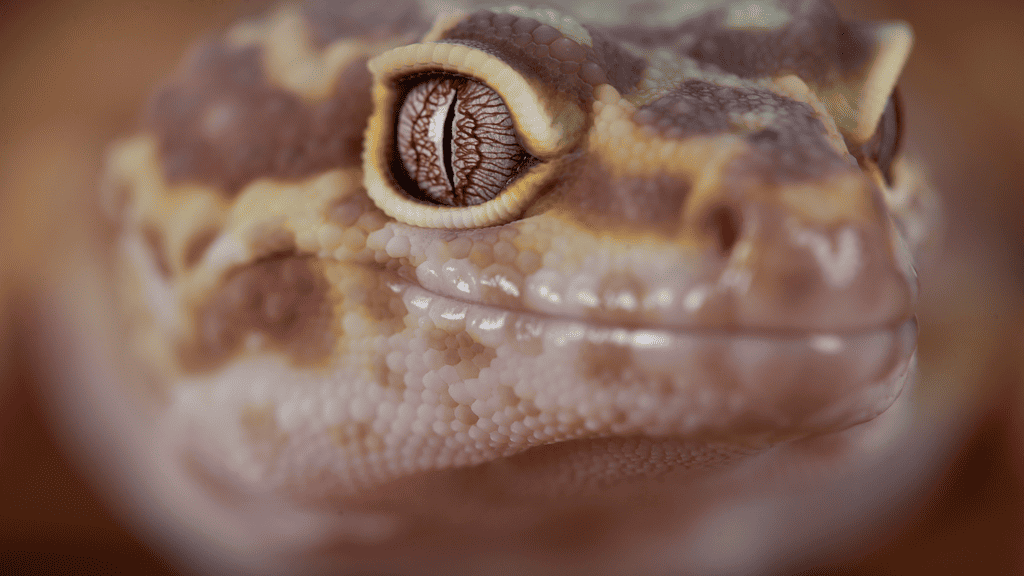
The ‘Eyes’ of a Leopard Gecko are one of the species’ most distinguishing characteristics. The large, wide eyes that give these reptiles such an endearing and inquisitive appearance are also responsible for their exceptional eyesight. But what about colorblindness?  Are leopard geckos color blind?

Are leopard geckos color blind?

No. Their eyes are able to differentiate between colors even when illuminated only by the moon, a circumstance in which the eyes of humans and the vast majority of other creatures are rendered useless.

But remember, they are able to perceive the color in both bright and dim light.

More about Leopard Geckos’ eyesight

As a result of the existence of cones in their eyes, Leos are capable of color vision, even if the range of colors they see is limited in comparison to that of humans. To be more specific, leopard geckos have the highest levels of sensitivity to the wavelengths of blue and green color while they are unable to perceive red color. Leopard geckos should have a regular incandescent light available throughout daylight hours. It is preferable to utilize colored light rather than really bright light, more precisely, yellow and red light, because these reptiles are less sensitive to such hues. 

It is important to note that exposure to UVA light/radiation during the day might improve the eyesight of the leopard gecko; hence, purchasing such a light source can be a wise financial decision. If you want to keep your leopard gecko warm at night, you should only use heat mats & ceramic heat bulbs. Colored night lights should be avoided.

The eyes of the leopard gecko are extremely sensitive to light, which is why this is the case; they shouldn’t even have a red bulb since leopard geckos can’t see the color red (as discussed above), but they can see the light that comes from the bulb even if it’s a different hue. However, if you want to keep an eye on your leopard gecko while you sleep, you may leave these lights on for a few hours before you turn in for the night.

Why shouldn’t leopard geckos have any nightlights on?

The leopard gecko’s sleep cycle is easily thrown off if it perceives light that it is still too light outside for it to be evening. This is because the leopard gecko is highly sensitive to light. (However, due to the fact that they are active at night, owners of leopard geckos should have a weak source of light that is not directly shining on the cage; for example, low light in the hallway.)

In addition to this, it is essential that leopard geckos have access to light during the day. They are cold-blooded, so they require warmth to digest effectively; in addition to helping them maintain a regular sleep cycle, this gives them the energy they need and the warmth they require for digestion.

Do geckos have strong eyesight (In general)?

They do not have particularly good vision, no. Let’s talk about this because we know it might sound confusing, but just because someone can see colors in low light does not guarantee that they have good eyesight.

Even while leopard geckos have the remarkable ability to see very well in low light, this does not always mean that their vision is very good. They, like most other living things, have certain advantageous qualities, but they may be deficient in other areas; after all, this is also true of people.

They may be able to perceive a particular hue in weak light with extraordinary accuracies, such as a blue or green picture, but it is possible that they will not necessarily get a particularly precise vision of that thing

Their vision is adequate for them to determine whether an approaching item is a threat to them or whether their prey is within grasping distance, which is sufficient for them to survive, but the clarity of these things as a whole is not very good. This can be explained in large part by the physiological make-up of their eyes. In particular, the focal length of these lenses is rather short.

Are there certain colors that Leopard Geckos prefer more than others?

This is an essential point to think about because there are some potential Leo owners who may be worried about the color of the leopard gecko’s tank, soil, and hiding holes. However, this is of little importance so long as the products in question are secure and suitable for use with your pet.

Although it is possible for a single leopard gecko to have an unusual preference, the vast majority of leopard geckos do not demonstrate a significant physical preference in certain hues. This is comparable to the fact that a person of the human species does not unanimously agree on their preferred color. They would much rather have things that are a natural color or one that is close to the environment they live in.

What makes gecko eyes so unique from other animal eyes?

You might be curious as to what makes the eyes of a gecko so unique and exciting. It’s possible that you’ve overheard someone raving about how well they do in dim light, but have you ever wondered why this is the case?  The leopard gecko’s eye has a vastly different chemical and cellular composition to that of a human’s. The rods in our eyes are essential to the function of our eyesight contrast; a Leo has three cones, which are employed to pick up colors even in low light.

Are leopard geckos color blind?

FAQs

Do specific colors of food look appetizing to Leos?

The owners of leopard geckos should not bother trying to alter the color of their pet’s food because these reptiles do not appear to have a color preference. Since they feed on insects rather than plants or other animals, they are not herbivores or omnivores and do not appear drawn to vivid colors. In addition to having no actual impact, the leopard gecko’s strange coloration may be unsettling to it, which might cause it to stop eating. Additionally, if the improper food colour is used, the leopard gecko belonging to the owner may become ill.

Can Leos detect blue light?

Yes, they are able to perceive blue light. As you begin to gather light fixtures for the enclosure, you may find that you are curious about the colors to which they are sensitive and the things that they are truly capable of detecting. They are susceptible to blue-green light (as mentioned above), which makes perfect sense taking into account the environment in which they originally lived.

Is the color of the substrate important to Leopard Geckos?

Nope, it doesn’t. The leopard gecko is not picky about the substrate’s color or cleanliness so long as it does not irritate its skin and is maintained clean.

Because of this, the Leo owner should choose more secure solutions, such as moss bedding, paper towel, and various sands (when used correctly to minimize impaction), rather than colorful reptile carpet, which frequently includes some chemicals that leopard geckos should not be exposed to.

© 2026 Copyright Childoodpets