Recent Posts

Do Bearded Dragons Change Their Colour?

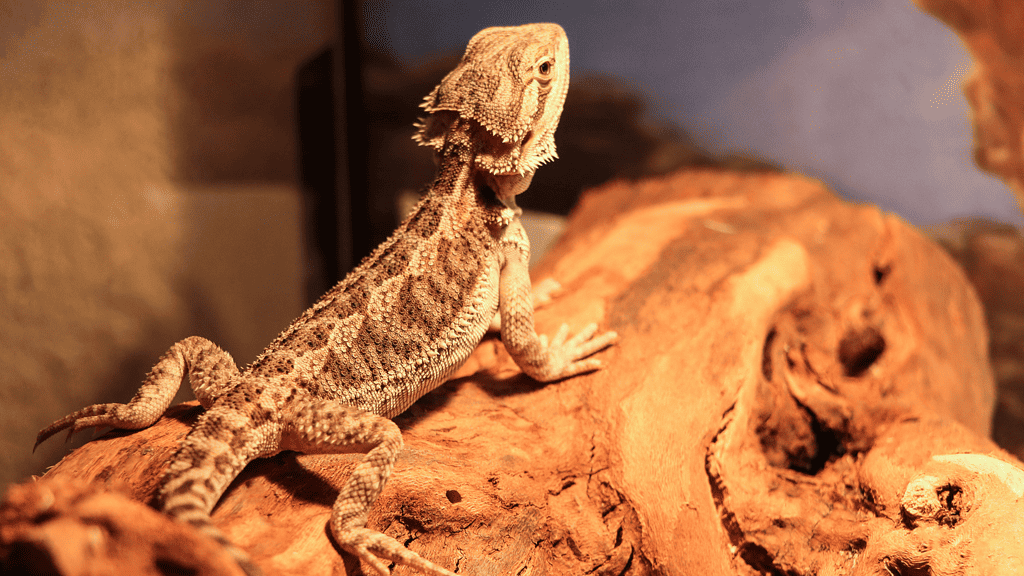
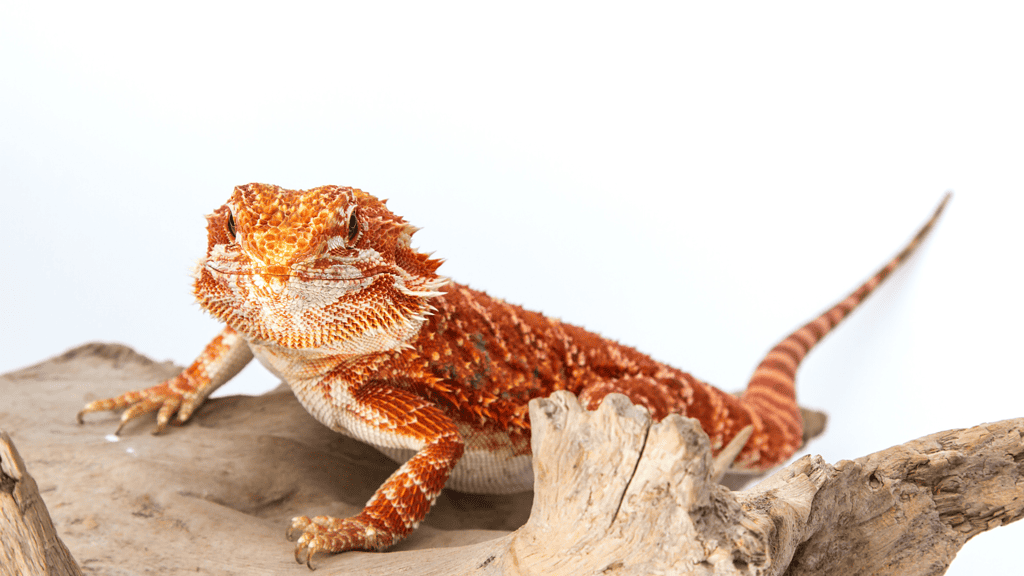
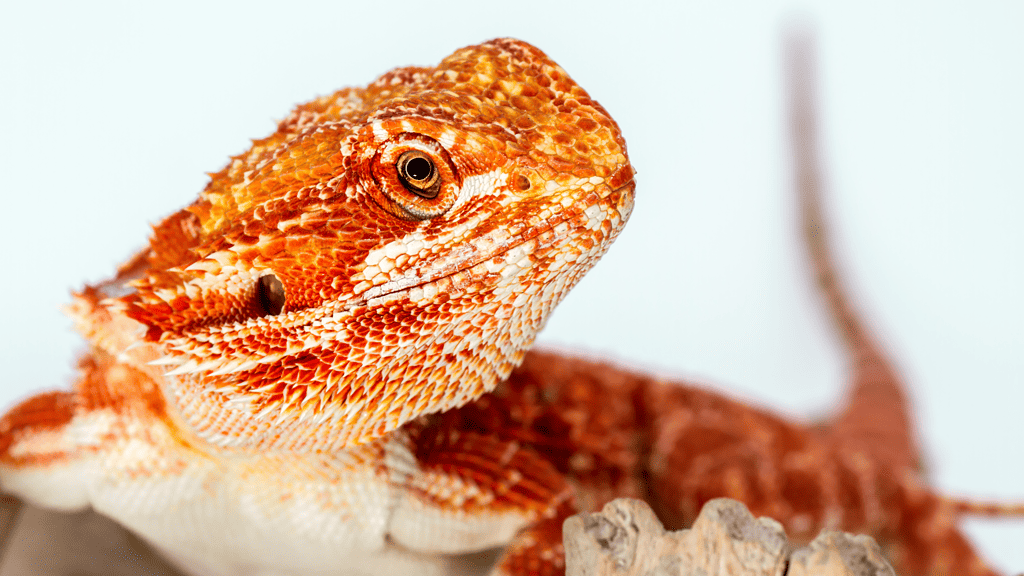
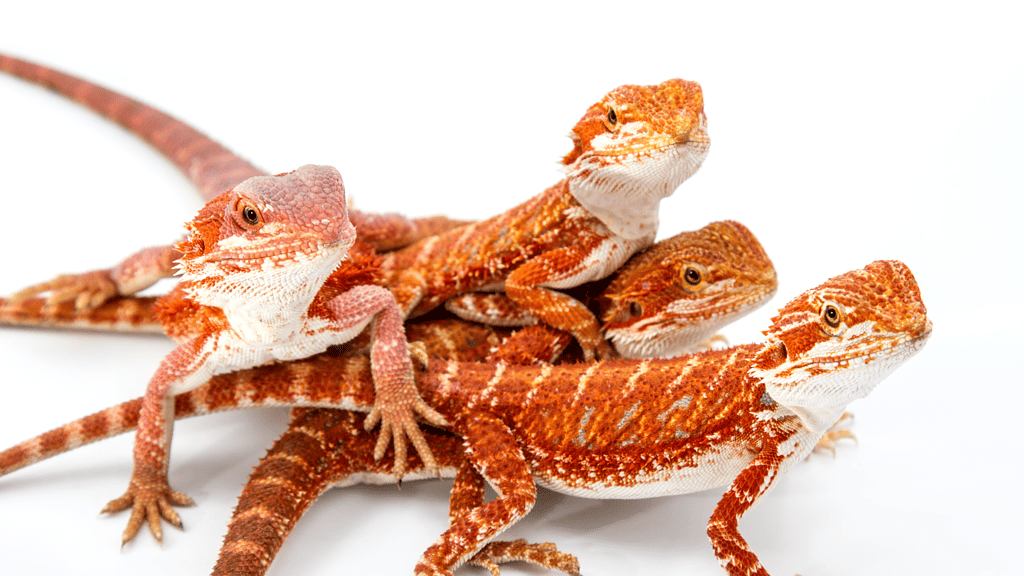
Breeders of bearded dragons have been successful in producing a diverse range of morphs and colour variants over several decades. Bearded dragons come in various colours: yellow, white, red, or orange. It’s also worth noting that certain reptiles, like chameleons, may change their appearance to better blend in with their environment. But what about bearded dragons? Do Bearded Dragons have the ability to alter their colouration as well?
Do Bearded Dragons Change Their Colour?

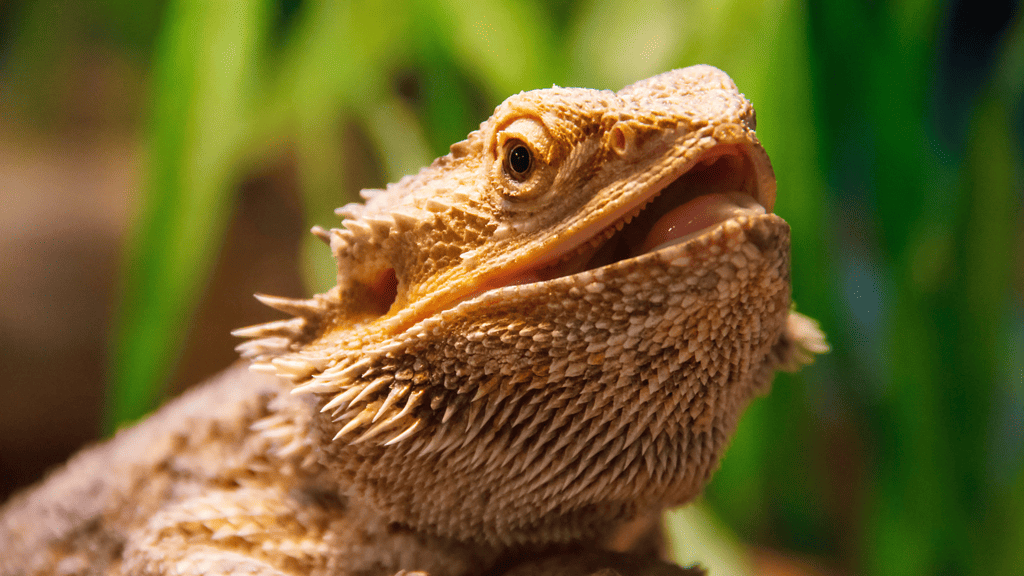
Yes, Beardies change their colour for several reasons. These reasons include seasonal changes, social signals, temperature control, camouflage, shedding, and getting older. Unlike chameleons, they change colour slowly.

Since bearded dragons may change colour, let’s explore why.

Meaning of Bearded Dragon Color Change

It’s common knowledge that everyone has cells called melanocytes that contain pigment in their bodies. These cells determine the colour of the skin and hair.

However, we are not the only species that contain these pigment-determining cells in our bodies; other species do. Other creatures, such as our much-loved bearded dragons, also have these cells in their bodies.

They allow animals to alter their eye pattern, skin colour, and more by producing a wide range of pigments in their skin, scales, and feathers. Reptiles like bearded dragons, iguanas, and chameleons are all examples of creatures that have chromatophores in their bodies. 

Bearded dragons are attractive because of their ability to rapidly, though subtly, change colour. The transformation may affect the whole body or only certain animal parts, such as the head, neck, or tail.

Do Bearded Dragons Alter Their Coloration?

Bearded dragons may change their colouration based on the season, activity and region. Their colour keeps changing because different things affect them. Individuals are attracted to them because of their distinctive characteristics. Their owners are constantly interested in discovering what colour predominates in their coats.

Chromatophores play a crucial role in camouflage, or the ability to blend in with one’s environment. Animals employ this defence to blend in with their surroundings and avoid detection. At the same time, due to their unique quality, they stand out from other similar products and are appealing. The safety of the animal is the primary objective of the camouflage process. 

What Causes a Bearded Dragon’s Colour to Change From Dark to Light?

Bearded dragon owners often notice that their pets’ skin is darker or lighter than normal. Most of the time, these changes are perfectly normal and can happen frequently. It is often because of the process of shedding that a bearded dragon will seem either darker or lighter than normal.

When a bearded dragon loses some weight, it usually means it is preparing to shed. On the other side, a darker bearded dragon may have just lost its skin, which causes it to seem darker than usual.

On the other hand, there are situations in which this is atypical. For example, if your bearded dragon’s belly has dark and light spots or its scales look dry and cracked, this could signify scale rot. This may not happen often, but it is still essential to look for it.

Here are the reasons why your bearded dragon may be lighter or darker. 

Light and Darkness

These changes are caused by photoperiods, not just this reptile’s cardigan rhythm. In most cases, the dorsal skin of an animal will get darker after being subjected to light sources such as heat lamps or direct sunlight.

The skin has a greater potential to brighten when you sleep. For example, if a bearded dragon didn’t see any light for a long time, it could start to look like it was made of glass.

As a result, if you see that your bearded dragon has a darker appearance during the day and a lighter appearance at night, this is a normal reaction to the conditions in which they live.

Thermoregulation

Bearded dragons’ ability to change colour may be influenced by several factors, one of which is temperature. Bearded dragons may also experience significant colour shifts according to the changing of the seasons. For example, their dorsal surface darkens as temperatures drop, allowing them to draw heat from their environment.

Brumation gives them a chance to slow down their bodies and save energy. Bearded dragons kept in captivity may or may not enter brumation at different times. 

As They Grow, Bearded Dragons Change their Color

The development of your bearded dragon will cause the most noticeable transformation in the colouration of its scales. The colours of hatchlings are typically quite brilliant, such as bright yellow, dark red, and orange.

Your bearded dragon’s colour depends on what kind of morph it is. When your bearded dragon hatches from its egg and becomes a juvenile, its colours will most likely become even brighter and more vivid for a while. Your infant bearded dragon will shed its skin quite a bit during this period.

When your bearded dragon is between 12 and 18 months old, its colours will begin to change gradually and eventually fade away. Remember that the morph of your bearded dragon significantly impacts this aspect. Some morphs retain their colour or become more bright as they age, while others lose it.

Because this takes months, you won’t see a colour change. However, if your bearded dragon matures into an adult, you may examine old photos to see if it has changed colours.

Shedding

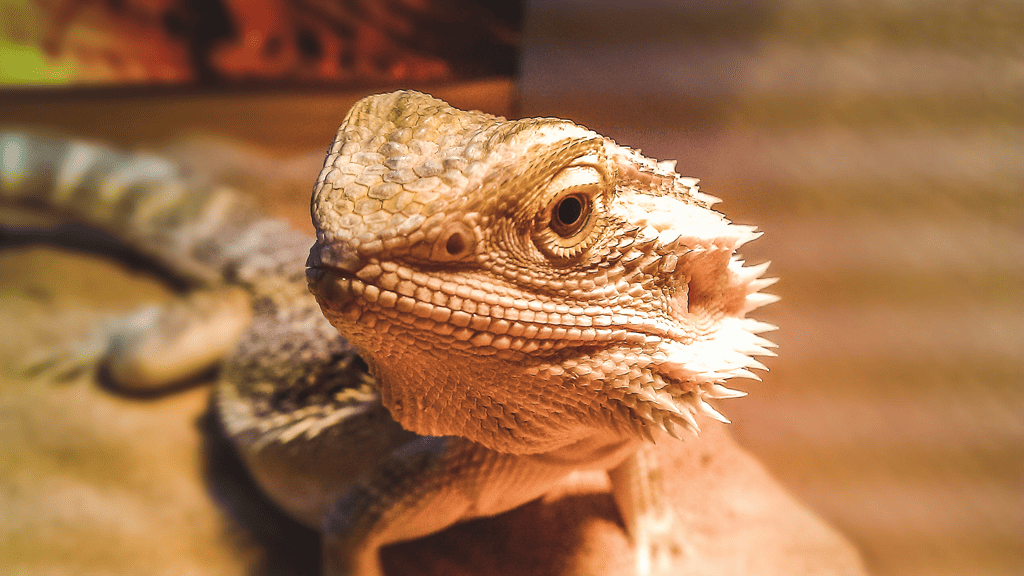
The most apparent change in your bearded dragon’s colour will occur during shedding. Interestingly, a bearded dragon’s colour will gradually fade over a few weeks before it sheds. They could even become entirely colourless, taking on a shade between grey and brown.

However, once the shedding process is complete, your bearded dragon will have an exceptionally brilliant and colourful appearance, unlike how they appeared when they were younger.

It’s always wonderful to see your bearded dragon soon after they’ve gone through a shed, especially if it’s its first time.
Do Bearded Dragons Change Their Colour?

Your Bearded Dragon is Sick

Bearded dragons rarely alter their colouration when ill, but it has been known to happen. For example, if a bearded dragon’s colour becomes green or yellow, it may indicate that they suffer from a fungal illness. This fungus often appears as brown or grey spots.

If your bearded dragon’s enclosure is excessively damp, fungus illnesses may occur. Additionally, they risk being ill if you do not provide them with the adequate UVB illumination that bearded dragons require.

Do Bearded Dragons Alter Their Coloration When They Are Asleep?

Bearded Dragons are known to alter their colouration while they are sleeping. According to several studies, their circadian rhythms cause them to shed more weight while sleeping. Because it’s cold, they might turn darker when they first wake up.

Since nighttime temperatures are lower than daytime temperatures, this may occur when they sleep overnight. They will have a dark colour when they first wake up, but as the day progresses, their colour will brighten. However, scientists have observed that your beardie will fade in colour when asleep at night.

Do Bearded Dragons Change Color When They Are Happy?

Bearded Dragons will vary in colour and get lighter when they are warm and happy. Bearded Dragons will be pleased in an appropriate habitat due to this colour shift.

Bearded Dragons are easy to please and are deemed “happy” when they have all they require, and no outside sources of stress are present. Bearded dragons need heat more than anything else, and when they are nice and warm, they will look a pleasant light colour.

They could seem dark and have black beards when cold or under stress. As the owner of a bearded dragon, it is natural to think they are content and comfortable when they are at their lightest. Alternately, they experience a moderate amount of tension whenever it is dark.

Why Is My Bearded Dragon Changing Color To Yellow?

Bearded Dragons change their colour to light colours like yellow when their body temperatures get too high. Yellow discolouration that cannot be explained may indicate a sickness caused by yellow fungus.

Bearded Dragons can naturally use a light yellow colour, aiding thermoregulation. Because light colours reflect more UV rays, this light tint is perfect for reflecting away excess heat and light when placed beneath a heat source.

Yellow fungal illness may be the cause of yellowing, not due to environmental changes, which occur in patches or growing areas.
Are Bearded Dragons Friendly?

Bearded dragons have their own personalities, just like birds, dogs, cats, guinea pigs, and other domesticated animals. Some of them even exhibit characteristics that show they are somewhat clever. Many people think that reptiles aren’t smart, but many bearded dragons have shown that this isn’t true. So, are bearded dragons friendly?

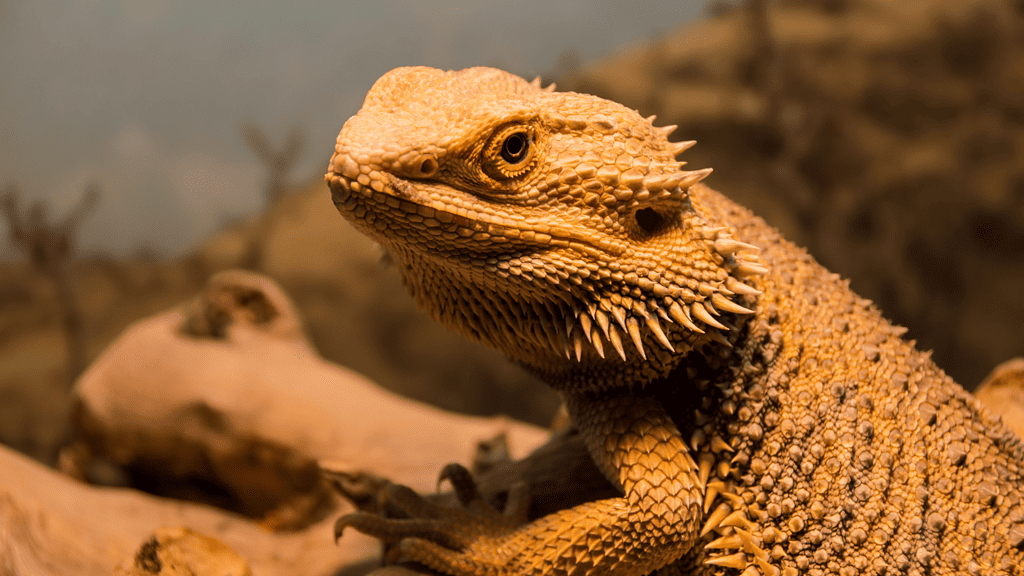
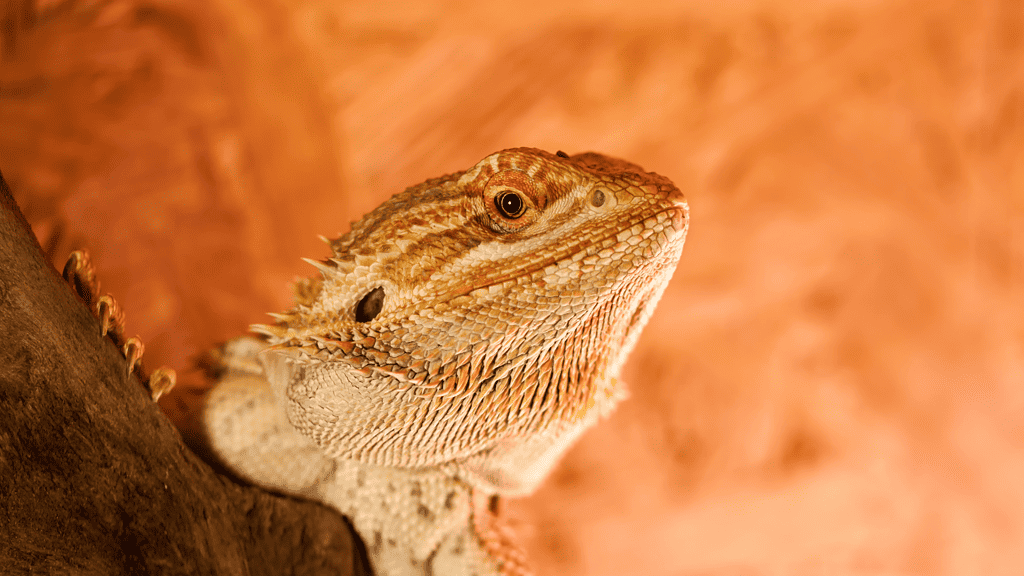
Bearded dragons are kind and friendly reptiles that make great pets. They are often friendly toward people and tolerate being handled without complaint. They may also be socialized to get along well with canines.

Many bearded dragons exhibit signs of having their personalities at a young age. Bearded dragons can be calm or aggressive. They act differently and seem to have different personalities because of it. 

The Characteristics of a Bearded Dragon

Bearded dragons are usually friendly, social, and easy to handle. They are known to bear human contact better than most other reptiles and may be tamed with relative ease.

Different bearded dragons, like other living things, each have a distinct personality. However, your dragon’s lack of friendliness does not always indicate that it is unfriendly.

Are Bearded Dragons Friendly to Other Bearded Dragons?

Bearded dragons are known to live in groups. Bearded dragons are social creatures and like the company of other dragons. They also like the company of other animals kept as pets, including snakes, tortoises, hamsters, guinea pigs, and rabbits, amongst others.

Mature bearded dragons can be aggressive against one another when defending their territory, fighting over food, or courting females. Male beardies interested in a female beardie who doesn’t seem submissive could attack her.

Beardies of both sexes have the characteristic “beard,” which is an essential means of communication within the species. If your beardie has an open mouth, a raised chin, a puffed-out beard, or spikes, these could be signs that he or she feels scared.

Are They Friendly to Other Pets?

Bearded dragons do not get along well with other types of pets. Bearded dragons have a variety of natural enemies, including canines, felines, and even birds. Your dog or cat staring at your bearded dragon through the window may cause it a lot of stress.

It’s great news if your pets have been trained not to harm your bearded dragon, but even the most well-behaved animals can have a flash of wildness. Remember that this is rare when a bearded dragon doesn’t get along with other pets.

Are Bearded Dragons Friendly to People?

Bearded dragons can get close to their owners over time if they are handled, bathed, and played with the same way every day. Your bearded dragon’s cage needs to be in perfect shape, so its mood doesn’t change suddenly because of things like broken UVB lights, a too-cold basking spot, or hides that are too small or too big. Even the calmest and most peaceful bearded dragons can quickly become agitated and stressed out if their enclosures are not properly set up.

Bearded dragons are lovely to keep as calm friends on your shoulder as you watch TV or use the internet. They are one of the most tame and social reptiles that may be kept as pets.

When handling your bearded dragon, family, friends, and strangers should be careful. Bearded dragons form bonds with their owners, which are quite personal. This does not apply to any other individuals.

Strangers should not expect to be treated the same way as your beardie, even if your beardie is willing to forgive you for quick movements or a bit of a squeeze. Therefore, it is essential to take the time to properly go through how to manage your bearded dragon to create a pleasant experience for all parties involved.

Are Bearded Dragons Friendly to Children?

Bearded dragons are ideal pets for families with children as long as the children do not try to agitate or anger the dragons. If you have children, you must explain bearded dragon handling rules to them.

Bearded dragons are very cheerful and kind creatures and love being around humans. This is fantastic news for those who have children since it eliminates the need for parental supervision of bearded dragons and child interactions.

Most of the time, bearded dragons don’t hurt, bite, or even scratch people. They are much more gentle than other species, and being handled may be an enjoyable pastime that can be a bonding experience if they are properly socialized at a young age.

When dealing with a bearded dragon, children must repeatedly be reminded to go slowly and steadily. You need to be there and keep an eye on the interactions, just in case your kid gets carried away with their excitement.

How Can I Get My Bearded Dragon to Be Friendly?

It’s only natural that it would take some time to form a connection with any animal. In the case of bearded dragons, there are a few different approaches that you may take to make your bearded dragon more attentive to you. Even though it might take a few months, you should stick with these methods.

Be Gentle At Handling

You should begin by handling your bearded dragon gently if you want to make him friendly. At least twenty minutes each day should be spent holding your bearded dragon. Be careful not to injure your bearded dragon with hard handling, firm grip, sharp nails, or any combination of these things.

Aside from that, you may give your bearded dragon some soothing pats on the head or back of its neck. You may also gently rub its underbelly. However, you can progressively lengthen the handling time as well as the session duration. If your bearded dragon appears agitated, you should leave it alone for a while. When your bearded dragons feel comfortable around you, they’ll let you hold them for longer.

Are Bearded Dragons Friendly?

Persistency In Holding Your Bearded Dragon

There is a possibility that you will not get a favourable response from your bearded dragon at first. But you should keep working with your bearded dragon every day. In order to get your bearded dragon friendly toward you, you will need to exercise some patience.

Make Baths

In general, you should bathe your bearded dragons at least three times every week at the very least. They will remain hydrated and clean as a result of it. You may also go here to learn the exact indicators of a bearded dragon that has lost too much water.

Bathing your bearded dragon regularly in warm water is a great way to strengthen your relationship with it. You may also give your bearded dragon a light scrubbing during the bathing process.

Hand Feeding

Hand-feeding your bearded dragon is the most profitable approach to having a good bonding experience with them. First, you can get your beardie’s attention by putting small bits of food nearby.

Provide a healthy diet to keep your beardie happy. After that, you may begin to feed your bearded dragon using a pair of tongs or tweezers. If you do it often, your bearded dragon will bond with you.

Offer Rewards

You could also give your beardie a name. Bearded dragons can recognise your voice’s tone when you repeatedly repeat their name.

You can give it a treat when it comes when you call it or moves forward. It will allow you to touch your beardies, encouraging them to follow you.

Male Or Female, Which Bearded Dragon Is Friendlier?

When deciding who is friendlier, male or female, we must consider what and who we are comparing. Female bearded dragons tend to get along better with other bearded dragons. However, it does not appear that there is a significant difference in the friendliness of males and females toward human beings.

When Are Bearded Dragons Active?

Everyone thinking about getting a bearded dragon as a pet wants to know if they are active and, if so, how active they are. There are particular creatures that are more active than others, and some animals, like the sloth, are never active no matter what time it is. When exactly are bearded dragons most active?

Bearded dragons are incredibly active during daytime hours. They spend all their time wandering around, drilling, and climbing if they can do so in their enclosure. They also spend a lot of time basking, which is inactive.

When getting a new pet, one of the first questions to ask is how active it is. This tells you how active they should be and if you have time for them.

Are Bearded Dragons Active Pets?

Bearded dragons do maintain a high level of activity during the day. The good thing about them is that they do not make noise. In their terrarium, they move a lot and explore, but they’re not as irritating as a hamster at night.

The only time they can truly rest and lie motionless is when they are basking in their favourite area to bring their body temperature up to the optimal level. But after that, they move around a lot and are very careful and interested.

When Are Bearded Dragons Most Active?

Most bearded dragons are at their most active right after they warm up. Every bearded dragon has its unique characteristics. Although some bearded dragons are more active in the afternoon, at least one becomes active immediately after bathing.

What Kind of Activity Level Do Bearded Dragons Have?

Bearded dragons are like canines and would play all day if given a chance. However, they must sometimes bask to survive. Because they are cold-blooded, bearded dragons must rely on their surroundings to maintain a consistent body temperature. Because of this, you will see that they will spend hours upon hours basking in the sun to raise their body temperatures and maintain their health.

However, this does not mean they are not engaged in any activity. Bearded dragons are inquisitive reptiles that prefer to roam around and dig around during the day. As a result of this trait, bearded dragons are quite fun and energetic creatures.

In addition, they will also spend time climbing branches, provided that there are branches for them to climb. Unlike other reptiles, bearded dragons prefer to roam and play outside their habitats.

They like playing with their owners just as much as any other time. If you compare them to other reptiles like chameleons, you’ll see that their behaviour is somewhat unique, yet, it’s simply how they are. 

Why Should Bearded Dragons Be Active?

Bearded dragons that move around more are usually healthier and happier. Here are the most important reasons to keep your bearded dragon active.

Basic Instincts

Bearded dragons, just like humans, require regular physical activity to maintain a healthy and strong body. They are used to the harsh conditions they must endure surviving in the wild, which needs them to remain active.

Bearded dragons living in the wild are constantly searching for food or trying to escape being eaten by other animals. They won’t be able to move around as freely as they did when they were in the wild, and because of this, they won’t be able to relax as easily while simply sitting around doing nothing.

Because of this, it is essential to provide your bearded dragon with a spacious habitat to do almost everything it pleases without being hampered in any way. Different bearded dragons at various life stages will require a habitat that is appropriately sized for them.

Even if you find them a big tank to move around in, they still need to be able to move around outside the tank. It is sufficient for them to spend between 20 and 30 minutes daily engaging in activities outside to maintain excellent health.

Mental Process

A bearded dragon’s brain is also kept active when it stays busy. You must feel bored if you don’t engage in any activities throughout the day, right? The same thing is true for a bearded dragon if it is allowed to spend the entire day within its tank.

Keep in mind that they always seek food and hide from other animals to stay alive in the wild. This instinct keeps them busy and gives them something to consider about for the rest of their lives.

Since bearded dragons won’t need to hunt or hide at home, they won’t have much to do. Because of this, we need to do all our power to ensure that they are cognitively and physically stimulated during the day.

Why Is My Bearded Dragon Not Active?

If you own a bearded dragon or have a friend who does, they may say they’re lazy. Or you may have noticed that bearded dragons tend to be somewhat lazy. The inactivity of bearded dragons may typically be attributed to different causes.

Wrong Lighting

Bearded dragons require a basking area maintained at a particular (high) temperature. Because they are cold-blooded, they require an external heat source to get their body temperature up to the level necessary for movement, hunting, and digestion.

Your bearded dragon will not move around as much if the lighting setting is incorrect and the temperature is too low. First, it ought to be at since it cannot bring its internal temperature up to the level. Second, the temperature in your terrarium is too low for your bearded dragon; thus, it would want to remain somewhere warmer.

In addition to that, you will have to give your bearded dragon with a UVB light. Your bearded dragon will most likely become unwell if you do not give it access to a UVB lamp that produces enough UVB light. Even if you may have access to a UVB light, this does not always guarantee that it is beneficial for your bearded dragon.

When Are Bearded Dragons Active?

Bad Diet

Inactive bearded dragons can also be caused by improper feeding or overfeeding. Bearded dragons who have reached adulthood should focus more on eating plants than live prey. Most people don’t believe that, and they feed adequate nutrition every day or almost every day.

In addition to that, it is not good for the health of your pet bearded dragon to provide it with food daily and to provide it with an excessive amount of insects. On the other hand, a healthy bearded dragon can live without food for more than a week. That doesn’t mean you should only give it food once a week, but you shouldn’t provide it with food daily.

Small Tank Size

Bearded dragons may reach lengths of up to 2 feet, requiring much room to move around. If the tank is too tiny, they won’t be able to move about freely and will get uninterested in their environment very quickly.

It’s not surprising that they’ll get sad because they don’t have anything to keep their minds busy. You must ensure that your bearded dragon is maintained in the appropriate tank so that it may be as inquisitive as it desires.

Do Bearded Dragons Active in the Wild?

Yes, bearded dragons in the wild are very active. Bearded dragons are always on the hunt for food, and during the day, the males spend their time investigating new areas of their territory and fending off other male bearded dragons. Bearded dragons with female beards are wandering around and hunting for potential mates.

People don’t feed bearded dragons in the wild, so that’s something to consider. They must go out and hunt to provide for themselves; they have to work for it. For them to get food, they have to be quite active and move about quite a bit.

Do Bearded Dragons Make Good Pets?

Cats and dogs are the most common pets that come to mind when thinking about household pets. There are numerous more pets that make good family pets. The bearded dragon is one species that is gaining more and more fans.

Do Bearded Dragons Make Good Pets?

So, do bearded dragons make good pets? Bearded dragons are wonderful pets because of their low-maintenance needs, pleasant demeanour, and distinct physical characteristics. They are the perfect reptile for both children and adults.

Bearded dragons are strange pets that can be fun for a long time. Read on to see why they’re growing more popular and other things to consider before buying one.

Do Bearded Dragons Make Good Pets?

Bearded dragons are excellent pets for people of all ages, from children to adults. When it comes to caring for reptiles, they are one of the easiest species to keep as pets. The most challenging component of providing care is ensuring that their environment is suitable. They are easy to care for and enjoy with the right UVB light and temperatures.

Bearded dragons have the potential to become wonderful pets for those with the proper kind of personality. They have a lot of good things about them and not many bad things.

Bearded dragons are great pets for people who have never had a reptile as a pet before. But they need a lot of care and a specific diet to stay healthy. So it is essential to do your research first. Bearded dragons are wonderful pets for somewhat older children. So before buying, ensure you can handle a bearded dragon’s traits.

Why Are Bearded Dragons Good Pets?

Affordability

Bearded dragons are not among the most expensive pets to acquire, care for, and maintain, which is one of the primary reasons many people do not keep pets. Most bearded dragon owners and people thinking about getting one are attracted to how cheap they are, both to buy and care for daily and if they need to go to the vet.

Behaviour

Bearded dragons are the most well-behaved of all the lizards that may be kept as pets. Most prefer daily, or weekly encounters with their owners, and they can be brought out of their housing and let explore your house or room. Bearded dragons can even go for walks outside with the right leash. They are very calm and “go with the flow,” making them great pet lizards.

Bearded dragons often do other funny things, like waving their arms, biting, bobbing their heads, and letting their beards flow. Having a bearded dragon for a pet may provide the same amusement and contentment as having a cat or dog.

Easy To Maintain

Bearded dragons are regarded as one of the world’s most easy-to-care-for and manageable species of reptiles. Bearded dragons have a varied diet, which makes taking care of them much easier. Their food can range from fruit and vegetables to insects and even fruit.

Once you understand what they need everyday, occasionally, and seldom, feeding your bearded dragon will take only a few minutes each day. Before you go out and buy a bearded dragon, you must study to ensure that you know how to properly care for them and set up their habitat. 

Your bearded dragon will be happy and healthy in no time if you give it a big tank that looks like its natural habitat, the right amount of light and heat, a water dish, and lots of places to rest. When you finally get everything installed where and how it should be, taking care of their enclosure will be pretty easy.

They’re Pretty

Bearded dragons come in various morphs, or colour variations, that make them desirable as pets. You’ll have a great time bragging about them to your visitors. However, uncommon bearded dragon morphs can cost more than brown or tan ones. Over a thousand dollars is possible to spend on solid white morphs!

Strong Immune Systems

Your beardie needs to see a vet once a year, but if you take good care of it, it won’t get sick very often. If you don’t get their insects from reputable sources, then you might have a problem with parasites, but otherwise, they heal quickly from any injuries or illnesses, including blood infections and wounds.

This is because their renal portal circulation system filters the blood from their legs before sending it to their heart. 

Lifespan

Bearded dragons can live up to 15 years if well taken care of. When looking for a pet, you’re more likely to choose one with a long life, so you don’t have to buy another one in a few years. Make sure your bearded dragon gets the most out of life by learning to keep and care for it properly. 

Size Convenience

Bearded dragons are suitable for any environment, from a little apartment to a huge mansion, and need a small spot to grow. Bearded dragons are only about 24 inches, or 2 feet, long. Males are bigger than females, though.

Bearded dragons will grow to their full size if they are cared for appropriately, fed well, and kept healthy. Their tails are usually the longest section of their bodies, so even tiny children can comfortably hold them.

Bearded Dragons Are Kid-Friendly

Bearded dragons are excellent pets for various reasons, including many of the same qualities that make them ideal for children. If they are easy to care for, kids can help care for themselves.

Bearded dragons are great pets for youngsters since they are peaceful and may survive for a long time. 

They Can Live Anywhere

Depending on the species, their natural home is a desert, a semi-arid area, or a sub-tropical area. However, when these lovely reptiles are kept as pets, they spend most of their time confined behind a glass enclosure. Because the temperature, humidity, and light levels within their vivarium can be easily adjusted, it is possible to maintain the same degree of comfort.

Your bearded dragon will be content so long as it is housed in a tank that is at least 55 gallons and well-maintained. Although some individuals keep their reptiles in specially designed chambers, you may get by with a simple enclosure in one of the corners of your bedroom. 

Friendly and Love Cuddles

The majority of bearded dragons like being petted and touched by their owners. They can identify you and frequently come running in your direction if you call out their name. They appear to take pleasure in being handled and will sleep for extended periods of time perched on your shoulder, neck, or lap.

Bearded dragons are an excellent choice for a pet since they can be handled easily, and some even like being held by their owners. Bearded dragons will love climbing up your arm and wiggling around your neck whenever they get out of their tank. You may still take pleasure in it, although they most likely do this to get a better view of their surroundings and benefit from the warmth of your body heat.

Do Bearded Dragons Make Good Pets?

Are Some Beardies Better Pets?

Yes. Only four known species of bearded dragons are commonly kept as pets in homes. Pogona vitticeps, Pogona henrylawsoni (also known as Rankin’s Dragon), Pogona barbata, and Pogona bullarbor are the names of these four species that serve best as better pets. The remaining four species are tough to tame and have a low breeding success rate.

Is It Safe to Have Bearded Dragons Among Dogs?

Yes,  Bearded dragons may get along well with other pets in the home, such as cats and dogs. Bearded dragons are known to be relatively calm creatures who frequently exhibit displays of friendliness for both people and other kinds of animals. But you should always watch your pets when they are together to ensure everyone is safe and doesn’t get too stressed.

Leopard Gecko Tank Cleaning Guide

Even though geckos are inherently clean pets and require less care than many others, they still require support, especially in maintaining a bacteria-free environment in their cages. The proper way to clean leopard gecko containers is an essential aspect of caring for leopard geckos.

Leopard Gecko Tank Cleaning Guide

Daily you need to remove any faeces that have accumulated, and wash their water dishes and floors once per week with dish soap or pet sanitizer. Lastly a deep clean of your Leo’s tank/vivarium once per month by thoroughly rubbing all the surfaces and cleaning out the whole cage.

If you’re confused about spot cleaning, weekly cleaning, and deep cleaning, you’re not alone. Let’s start by understanding how to clean your leopard gecko tank frequently.

Why Do Leopard Geckos Make Such Popular Pets?

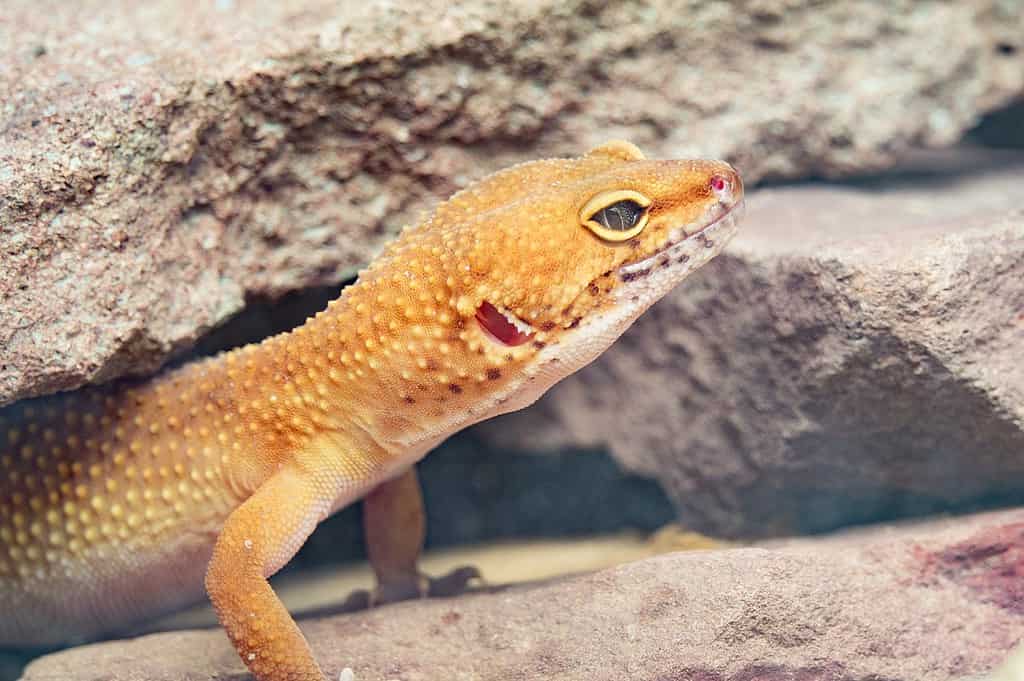
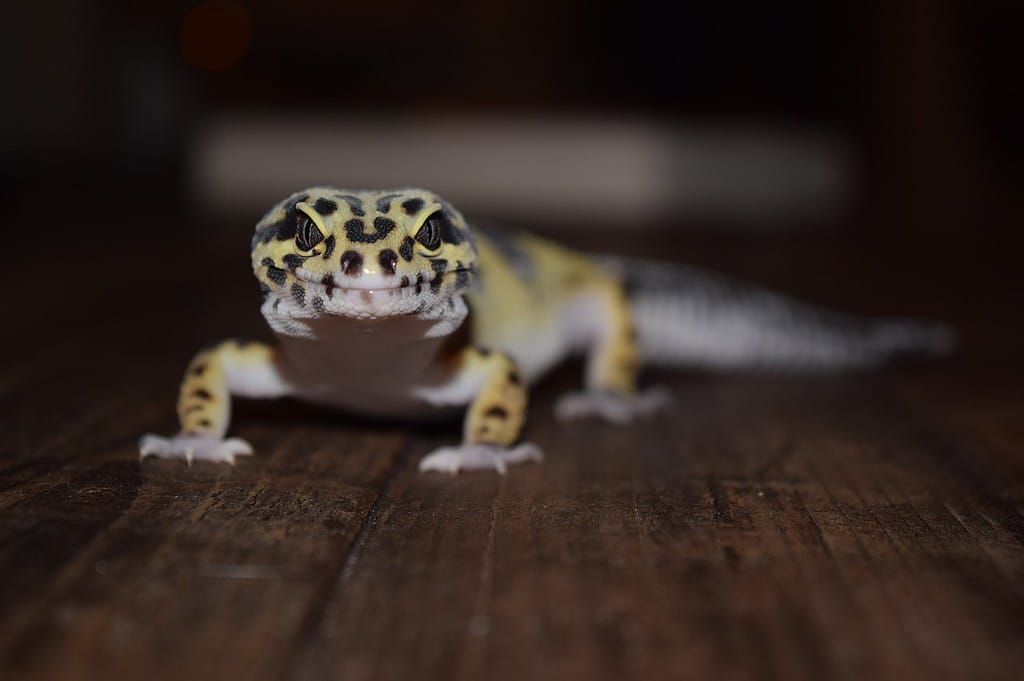
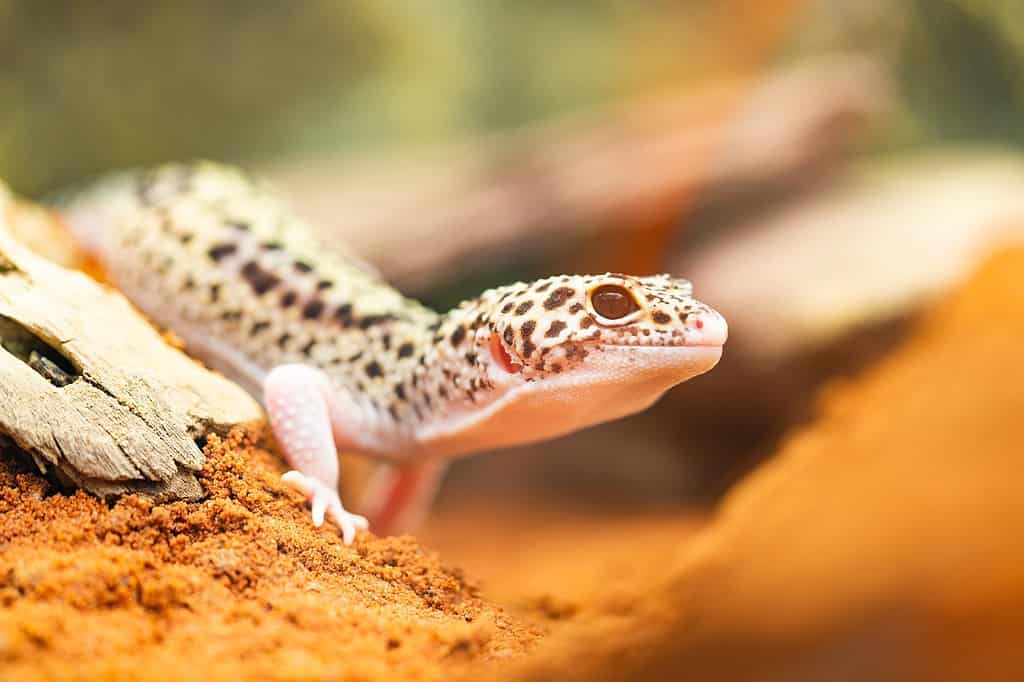
Because they are calm, adorable, and relatively easy to care for, leopard geckos are a top choice among pet reptiles across the world (but they often bite when frightened).

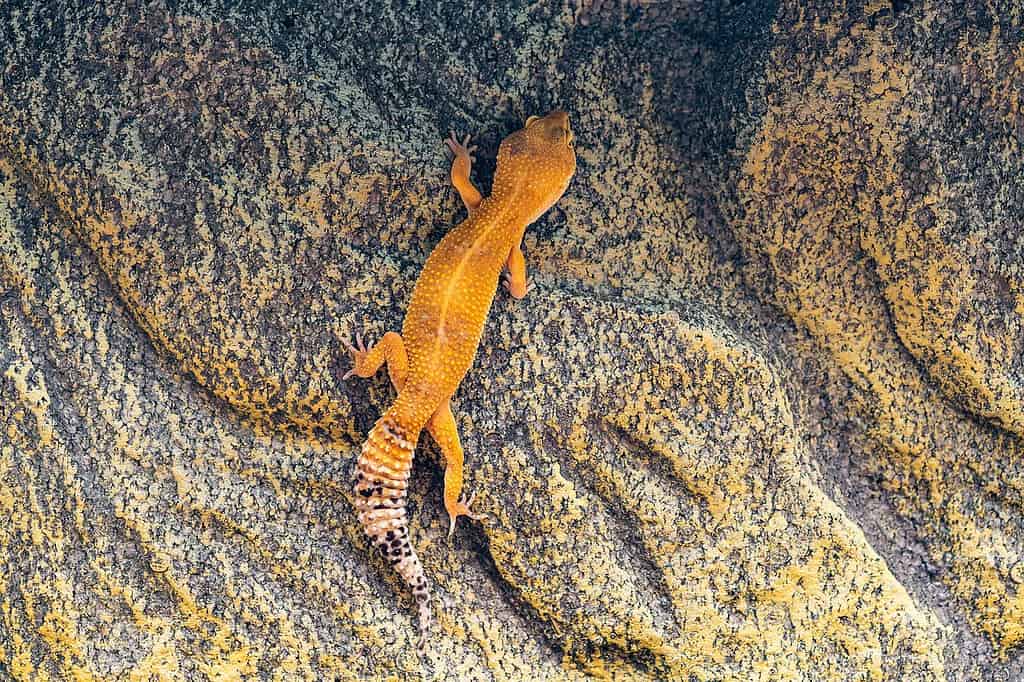
In addition, they are brightly coloured lizards with black markings on their bodies resembling leopard spots. These lizards are excellent pets for novice pet owners.

Why Should a Leopard Gecko Tank Be Cleaned?

Maintaining proper hygiene is critical to keeping your tiny Leo healthy and super-active. Cleaning the enclosure in which leopard geckos live is just as necessary to their well-being as providing them with food.

It is recommended that you adopt a cleaning routine and stick to it. If you often handle and interact with your pet, this will keep your companion healthy and free from pests. If not, the gecko won’t be comfortable in a dirty and unclean place.

Why Does My Geckos Cage Smell?

Sometimes, your Leopard Gecko’s tank might smell bad because of faeces and urine. The presence of an unclean or dirty habitat inside the container is an additional significant factor contributing to a foul odour. 

Leftover meals and insects, the illness carried by leopard geckos, the substrate that has not been replenished, a high-protein diet, mold growth, crickets, and a temperature that is too low all play a role.

How To Clean Leo’s Tank/Vivarium?

It is essential to keep the leopard geckos’ tanks clean to keep them healthy. For this, you must spot-clean the vivarium every day, deep-clean it once a week, and thoroughly sanitize the vivarium once a month.

Let’s discuss all that in detail

Spot Cleaning (Daily Cleaning)

Cleaning certain areas of the tank is the easiest approach to maintaining its cleanliness. The easiest method is to remove any dirt, excrement, or waste you observe in the tank anytime you can. It is possible to perform spot cleaning many times each day.

This process will keep a lot of mess from getting together. Ensure to wear disposable gloves while you are carrying out these steps. Spot cleaning may be done in minutes using a paper towel to wipe up excrement, grime, etc.

Deep Cleaning (Weekly Cleaning)

For weekly cleaning, you ought to clean a little more thoroughly than every day. Remove all the plates and accessories, put them in a sink filled with water, and thoroughly wash them with mild detergent. Deep cleaning can take ten to fifteen minutes of your time.

 Sanitizing (Monthly Cleaning)

Even cleaning once per day and once per week is not sufficient. At a minimum of once every month, you are required to clean and disinfect the tank. Otherwise, your pet can become stressed out because of the harmful surroundings. Depending on how much trash and debris are in the tank, it could take up to an hour.

Things You Need To Clean Leo’s Tank

Several factors must be considered when determining how often you should clean your gecko tank. Consequently, there are no universally accepted criteria for the frequency with which a gecko tank should be cleaned. You may clean your leopard gecko’s tank by following these tips.

If you want to clean your Leopard Gecko’s tank, you’ll need the following things:

  • Gloves
  • Wet/paper towel
  • Cleansing products
  • Clean water
  • Scrubber
  • New rag
  • Leo carrier  
  • Pooper Scooper

You need to do a few things before cleaning the vivarium/tank.

Move your Gecko

It is the initial and most important step in thoroughly cleaning any tank that houses a leopard gecko. You need to remove your Leo and place it in a box designed for transporting reptiles. So their presence won’t get in the way of the cleaning.

You may keep them in a plastic container with perforations. You must cover the transporter’s top with a cloth/towel. When cleaning with chemicals, leave your Leo outside. In that case, the chemical vapours might be hazardous to their body.

Unplug Tank Devices

Electrical gadgets such as heat lamps, illumination lights, heat beds, and others need to be turned off, and you should do so. Without it, there is a chance that they will become wet, which will result in an electric shock.

After turning off the devices, you should move them to a different location so they can cool down.

Choose Cleaning Products

To disinfect and clean the tank, cleaning solutions are needed. A few examples of cleaning solutions include pet disinfection, a solution made of vinegar and water, soapy water, and many others.

Empty Tank

Before beginning the cleaning process, removing all of the objects contained within the enclosure is necessary. After removing them from the container, put them on a paper towel or some other surface, so they do not touch your skin. Then, clean each item with soap and water before putting it back in the tank.

Clear Out the Tank

Clean the glass by wiping it down with a damp cloth and a cleaning product suitable for reptiles. If you do not own these products, you may make a cleanser by mixing equal parts vinegar and water.

Replace Furniture

After you have finished cleaning the entire vivarium, both inside and exterior, check to see that vivarium is completely dry.

Put Gecko Back

The Leo should then be placed back in its tank and allowed to enjoy its environment risk-free. Your gecko may take some time to adjust to the new environment. After you have finished cleaning, you should always sanitize your body.

Leopard Gecko Tank Cleaning Guide

What to Use to Clean a Leopard Gecko Tank?

There are various ways to clean and sterilize a leopard gecko’s environment. No matter the solution, wipe all surfaces with clean water afterwards.

Antibacterial Mixture

An antibacterial mixture is the first item you must need to get your hands on. You must clean your tank using this mixture. Also, try to use a mix that does not contain any phosphates and is completely safe.

A Potent Disinfectant

The next thing you should have on hand is a pet-specific disinfectant. These reptile-friendly items are safe and effective.

Vinegar & Water Mixture

A mixture of vinegar along with water is yet another method frequently used to clean reptile enclosures. The glass sides and floors of the vivarium may be cleaned quite well with a solution composed of equal parts vinegar and water.

H2O2 (3%)

Another solution that is frequently utilized is hydrogen peroxide (H2O2). The substance available for purchase consists of 97 percent distilled water and three percent hydrogen peroxide. It is not necessary to further dilute this solution because it is already at a reduced concentration.

Bleach and Water

A common cleaner that pet owners use is a solution of bleach that has been watered down. Bleach is considered an effective disinfectant, but it must be diluted before usage to avoid harmful side effects.

Why Do Leopard Geckos Bite?

Leopard geckos are one of the most popular pets in the reptile world. They’re small, relatively easy to care for, and make great first-time reptiles for kids and adults alike. But as with any pet, there are some things you should know before you bring one home. One potential issue you may encounter with your leopard gecko is biting. While a bite from a leopard gecko is not venomous or dangerous, it can be quite painful. So why do leopard geckos bite, and what can you do to prevent it?

Why Do Leopard Geckos Bite?

Why do leopard geckos bite?

Leopard Geckos’ instinct to bite will occur when they feel threatened, if you get too close, or if it is not used to being handled. Typically they bite when they are striking to get food, and you happen to get too close to them while they are eating                                             

Read on to learn more about the most common reasons why they may bite.

The following are some of the most common causes for a Leo to bite:

1.   When you attempt to bath leopard geckos, they will bite you

In contrast to other geckos and reptiles, the leopard gecko does not enjoy baths. One of the primary reasons we don’t see leopard geckos swimming as other reptiles do is this.

A leopard gecko bath may benefit them in various ways, but to reap those benefits, you will need to prepare your reptile for the process. They are hostile and will attempt to flee the bathing process because it is something they find unpleasant. In this scenario, a leopard gecko could also attempt to bite you.

2.   If you expose your fingers during Leo’s feeding, they will bite

When you attempt to give them food, they will bite your fingers. Most of the time, a leopard gecko will consume insects, worms, and other small critters for food. Because of this, they are likely to bite if you attempt to hand-feed them.

This bite is unintentional because the leopard gecko’s primary objective is to search for a meal, and it bites your hand/finger while doing so.

3.   Leopard geckos will bite if they are agitated or threatened

One further reason Leos bite is because your presence threatens them. They will occasionally bite in addition to wagging their thick tails to demonstrate this, although it is rare.

When their natural environment is disturbed, leopard geckos become aggressive and bite.

Alterations to the leopard gecko’s living environment are also significant in the animal’s life cycle. Adjusting to a new environment can be challenging, as with any other living creature.

Therefore, it may take a few moments for you to become acclimated to a leopard gecko once you have acquired one and brought it into your house. If you leave your fingers exposed when hand-feeding your Leo during this time of the month, it will bite your fingers.

4.   Leopard geckos have been known to bite when they misunderstand a moving item as food

Animals such as leopard geckos often mistake food or worms for moving things.  If you hold a leopard gecko in your hand and move your fingers, the Leo will bite because it perceives the movement as an attempt to obtain food.

It will quickly conclude that this is not food, at which point it will retreat. You can observe that this leopard gecko bite did not cause any wounds or peels of skin to appear on your body.

5.   When they are frightened, leopard geckos will bite

This is probably the case the vast majority of the time when a gecko decides to bite. When they are terrified, animals have a behavior pattern of attacking whoever is in front of them. It is the same with leopard geckos; anytime they are frightened, they will attempt to bite you with their tiny fangs. Gecko leopards are the same.

What Can You Do to Prevent Getting Bitten by a Leopard Gecko?

Understanding the leopard gecko’s intentions is essential before attempting to stop the animal from biting you. In order to stop leopard geckos from biting, there are a few critical things that you need to figure out. We have scribbled down some essential steps you can take to prevent yourself from getting bitten by a leopard gecko. These steps are as follows:

  • Knowing that leopard geckos can be violent, you must refrain from holding your pet. If you continue doing so, you will almost certainly get bitten by a Leo.
  • If you wish to avoid getting bitten by Leos, you should not frighten them. Your gecko may attempt to bite you if it is terrifying.
  • Put an end to training your Leo to bite your hand just for the joy of it! The bite of a young leopard gecko does not often cause much pain, but as the animals mature, their teeth grow more powerful.
  • Try to avoid feeding your Leo with your hand; instead, use another approach.
  • If you recently relocated Leos into a new environment, give them time to adjust before you disturb them again. If you do not avoid it, it will attempt to bite you.
  • If your leopard gecko shows symptoms of waving its tail along with hissing, you should avoid exposing your fingers to it. There is always a chance that your Leo is not in the best of moods right now. It is thus preferable to refrain from doing this to avoid getting bitten by leopard geckos.
Why Do Leopard Geckos Bite?

How Dangerous Is It to Get Bitten by a Leopard Gecko?

The bites of leopard geckos are entirely harmless to humans. Although leopard geckos do not have sharp teeth, there have been isolated cases when their bites have caused little bleeding. However, this is an infrequent occurrence. Leopard gecko owners with plenty of experience are well aware that the reptile’s bites do not pose any significant health risks. However, potential new owners of this animal may be reluctant to do so since they may believe that the animal’s bites are lethal. Unlike wild-born leopard geckos, captive-bred leopard geckos do not carry the salmonella bacterium that may infect people and cause illness.

Leopard geckos that have been captured in the wild are less docile and more likely to bite. There is a remote possibility that a bacterial infection might result from a bite from a leopard gecko; nevertheless, this condition is not life-threatening. In the improbable event that you have bleeding, it is best to seek medical attention as soon as possible. 

The most significant problem is that most owners will begin to freak out when a leopard gecko does bite. This is not required at all. You must maintain your composure if your leopard gecko bites you. You mustn’t yell, throw the Leo, or make any jerky motions. Be cautious not to put your Leo back into its aquarium either, since this will teach it to link biting with returning to its home environment of the ground.

You may prevent further bites from occurring by paying close attention to your pet and modifying your behavior while you are near its enclosure. If you want to avoid frightening your Leo every time you reach into the tank to grab something out of it, go for a container that opens on the side rather than the top. If your gecko is pregnant or going through the shedding process, it will naturally become highly aggressive; thus, you should avoid touching or picking them. 

Are Leopard Gecko (Leos) Bites Poisonous?

No. Leos don’t have any poison. They are not dangerous in any way and do not contain any poison in their teeth. That is the reason why their bites do not cause poisoning.

If you are bitten by a leopard gecko, you may experience some swelling and redness at the site of the bite. This is normal and should resolve itself within a few days. If you experience any excessive bleeding or pain, please consult with your healthcare provider.