Recent Posts

Are Bearded Dragons Colour Blind?

Bearded dragon owners are curious about their pet’s colour vision. There are different statements concerning bearded dragons’ colour perception.  But are bearded dragons colour-blind?
Are Bearded Dragons Colour Blind?

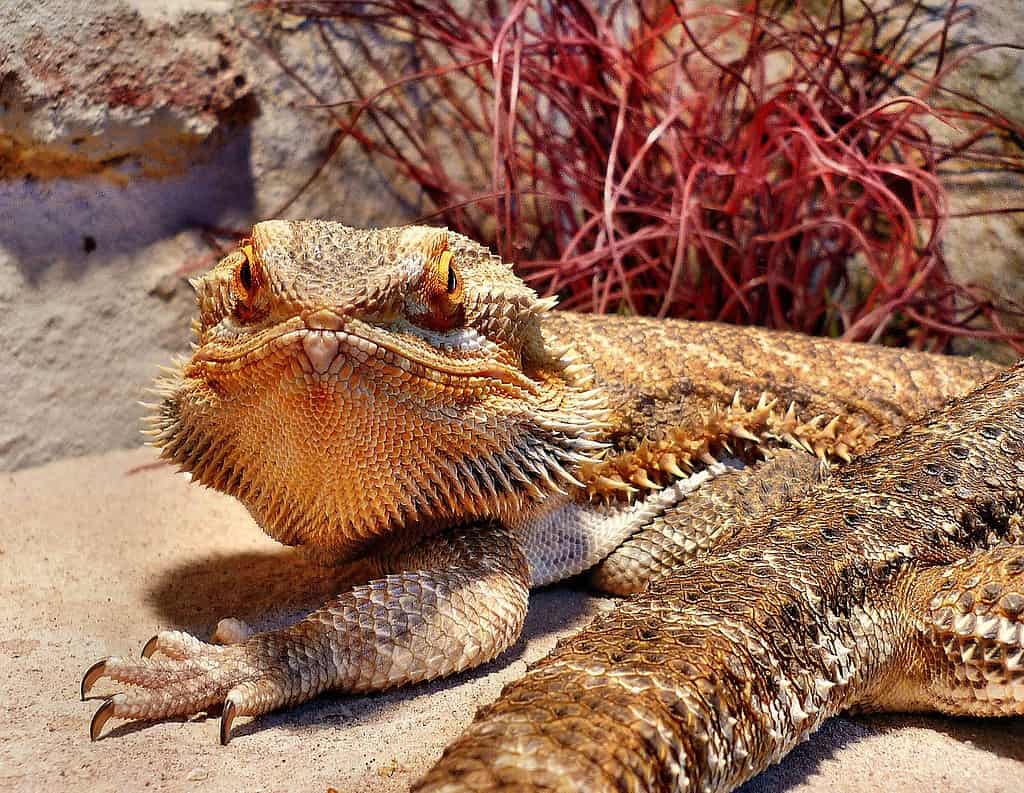
Bearded dragons aren’t colourblind. In fact, they can see all the colours you can. Bearded dragons may perceive more colours than humans. But they perceive lighter colours better. So they like light-coloured items.

So, the fact that bearded dragons can see colours is pretty impressive. Lizards have more colour receptors than other living things; thus, they can see more.

Bearded Dragon Colour Vision

A typical eye contains three colour receptors that mix and combine to form the colours you see. There are four different colour receptors in the eyes of reptiles like the bearded dragon. Because of this, they could receive light that was not apparent to other people.

Ultraviolet Light

Ultraviolet light, also called UVB, is on a different part of the light spectrum than we can see. This is usually emitted by the sun, the same thing we all utilize to make vitamin D in our bodies.

When placed beneath a UVB bulb, certain birds can reflect this light, which causes the bulb to produce unique colours. In addition, the fact that birds hunt bearded dragons in the wild offers them an edge over the bearded dragons since they can better see them.

Infrared Light

Infrared lights are another kind you can’t see with your own eyes. This light can usually still be found even when there is no visible light.

This doesn’t mean bearded dragons have good night vision. Because bearded dragons are diurnal, meaning they are only active during the day, they have never evolved their capacity to hide.

Can Bearded Dragons Be Colour Blind?

A bearded dragon cannot be colour-blind. A living organism is colour-blind if it can’t see at least three colours with its eyes.

This is based on the number of colour receptors the eye possesses, which is three for a typical eye. Bearded dragons have at least four colour sensors in their eyes. They can see more because of this, and they are also able to see what they see more clearly than other individuals. So, a bearded dragon can’t get colour-blind. They utilize their colour vision since they can see more.

What Colour Can Bearded Dragons See?

Bearded dragons have a great colour vision in both eyes. They are able to see every hue that we humans can see. On the other hand, bearded dragons can’t see straight ahead because their eyes aren’t in the same place as ours. Because of this, they frequently have trouble noticing an item that is approaching them. On the other hand, this had nothing to do with the way that they see colour. Many times, your bearded dragon will be able to see more colours than you can.

Is a Bearded Dragon’s Vision Important?

You can do so much more when you can see a wider range of colours. Assume being able to see things that most people can’t. It would be like having a superpower.

Here are some things that bearded dragons can do because they can see more colours.

Hunting

Bearded dragons are better hunters than others because they can see colour. Because they can detect an additional colour, they can readily locate their prey even when it is hiding in a crowded area because of their ability to sense a different colour.

Even if bugs hide in the tall green grass, they will be easier to see. Even if they were moving around from plant to plant, crickets would be simpler to spot due to their larger size. All of this is possible because they are so sensitive to colour.

Survival

Their enhanced vision helps them hunt and protects them from being hunted. When searching for food, some birds bounce UVB radiation off their feathers. Bearded dragons can spot these birds from kilometres away before they are even close enough to catch them. Bearded dragons can see predators by the colours they reflect. 

Bearded dragons need UVB, thus, being capable to see it will help them find it. This is very helpful when a bearded dragon wants to get some heat. Bearded dragons can’t make Vitamin D without UVB, which maintains their skin healthy and controls calcium and phosphorus. This shows how important this ability is to their survival.

The Time of Day

Bearded Dragons may utilize their parietal eye to determine time and dusk. The parietal eye, sometimes known as the “third eye,” is responsible for recognizing when nightfall is approaching. It does this by detecting even minute shifts in the light when the sun sets, and the sky darkens.

Because they are not nocturnal, Bearded Dragons need to have a strong understanding of the day-night cycle of the sun. This is essential for them. In captivity, it’s necessary to turn out the lights simultaneously each night.

Because of this, you should never leave any lights on in your Bearded Dragon’s tank at night. The dragon’s third eye will see the light and assume it’s daytime.

Communication

Animals don’t have a language that everyone can understand as we do. Some of them employ the use of colour as a means of conveying their emotions and messages to one another and other animals.

Bearded dragons are one animal that uses colour to talk to other animals. Even though they cannot change the colour of their complete body, they can change the colour of particular bodily sections.

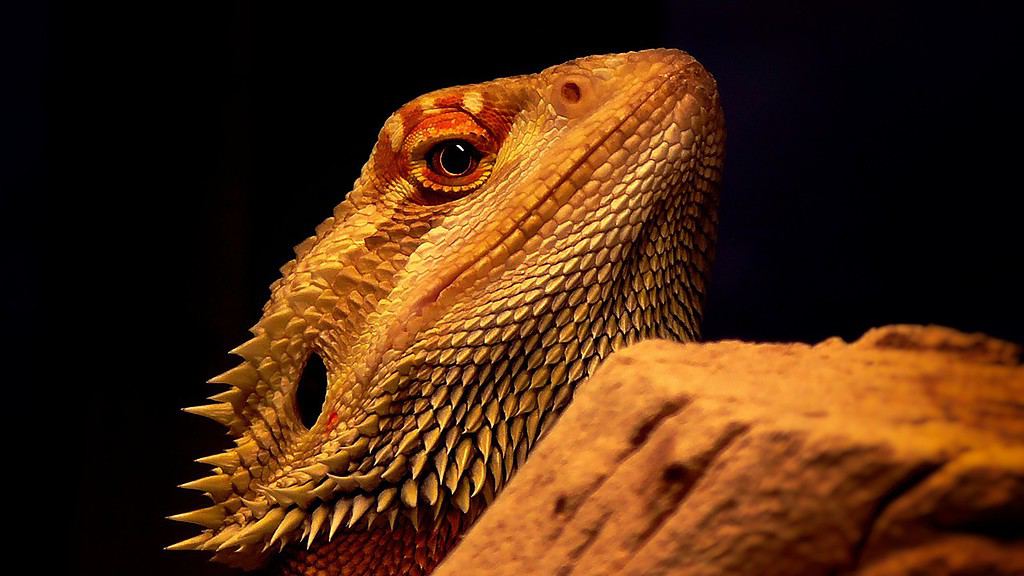
Their colour vision enables them to differentiate any colour differences amongst bearded dragons, even those that are as slight as a night’s whisper.
Are Bearded Dragons Colour Blind?

Can a Bearded Dragon See at Night?

Beardies have poor night vision.  Therefore, be careful when turning off the terrarium lights. For instance, it is always a great idea to install an automated switch that turns the lights down simultaneously every day. This will ensure that you never forget to turn them off. This helps set their biological clocks and tends to help them sleep well. In that case, the bearded dragon can become anxious and believe that the sleeping space is not secure.

How Far Can a Bearded Dragon See?

It is difficult to provide an accurate number of distances a bearded dragon can see. They have excellent vision and can see as far as they need to hunt insects and avoid being eaten by larger animals.

Some owners say their Bearded Dragon spots planes and watch them until they’re out of sight. If you put a worm or another insect on the floor at one end of the room, your Bearded Dragon would easily see it, recognize it, and chase after it from the other end. It is well known that bearded dragons have relatively poor perception when determining the size of things and the distances between them.

Can Bearded Dragons Perceive a Red Light at Night?

Some think bearded dragons can’t see red. So, leave red lights on at night while the beardie sleeps. Despite this, research has demonstrated that bearded dragons can see red light at night.

You are free to do your investigation into this matter if you so want. When you show the bearded dragon a red picture, you will find that the dragon pays special attention to the image. This demonstrates that beardies can distinguish red colours. Therefore, utilizing red lights when the bearded dragon is sleeping will disrupt its natural biological cycle and cause it to awaken more frequently.
Do Bearded Dragons Like to Be Handled?

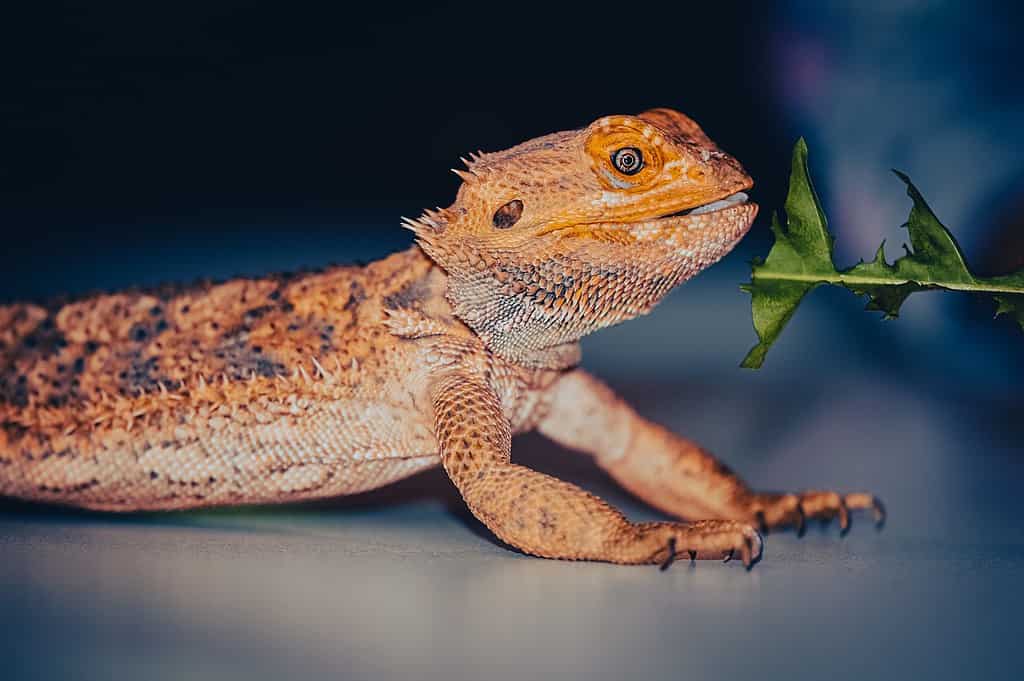
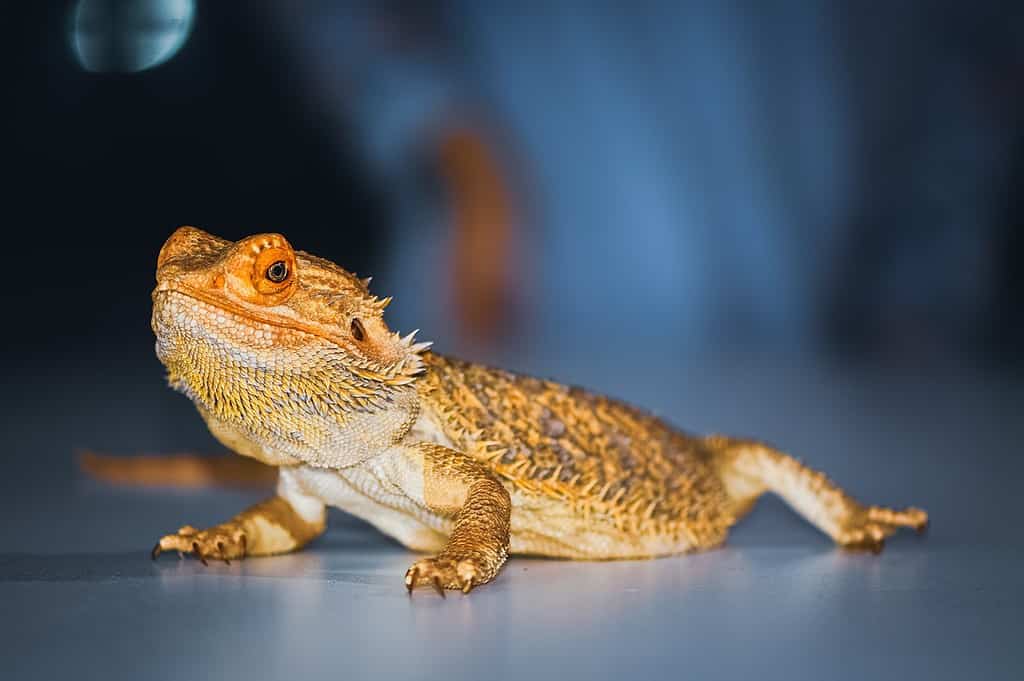
If you decide to keep a reptile living in your house, a bearded dragon is an excellent pet choice. People who naturally desire a bearded dragon as a pet want to adore it. However, what do these reptiles think of humans’ affectionate touch? Do beardies like to be handled?

Do Bearded Dragons Like to Be Handled?

Most beardies adapt to being handled by their parents rather soon. They develop affection and appreciation for their owners’ touch and learn to recognize it. Bearded dragons that have reached maturity are often more tolerant of human contact, but beardies that have not yet reached maturity may be more wary.

You can strengthen your attachment to your bearded dragon by playing with it. It will also help your pet get accustomed to being around people. They will no longer get upset when you clean or fix things in their enclosures. Also, beardies used to being touched by people are easier to take to the vet.

Holding a Bearded Dragon

Putting your hand beneath the bearded dragon’s body and elevating it is the most effective approach to grasping one of these reptiles. Use your thumb and index finger to raise the pet by its front shoulders if you can’t get your hand beneath it. Put your hand beneath the beardie and then raise it.

When you raise it, be sure that your palm and fingers support each of its four limbs individually. Use your second hand to hold up its tail for longer dragons. Always remember that providing support for the back area, especially the tail, is vital. The beardie may wriggle or damage its tail if you do not have a good grip.

When holding a beardie, make sure to handle it with care. Don’t put too much pressure on it or hold it too firmly. Allow him to go away if he wants. Don’t annoy it by flapping your hand.

How Often Should I Hold My Bearded Dragon?

Some people say that bearded dragons don’t like to be handled. Herpetologists, on the other hand, say that this is not true. Beardies are easier to handle than most other lizards. They need to be handled frequently so that they become accustomed to people and maintain their demeanour through basic maintenance tasks, such as cleaning their tank, bathing, and having a veterinarian examine them.

Beardie requires one hour to warm up before food and three hours after eating to digest since it absorbs heat and UVB. After ensuring they have enough time before and after feeding, you may take your lovely companion out of the vivarium for as long as you like.

Hold it for a few minutes to protect your safety and the bearded dragon’s, and increase the duration as it grows comfortable. Bearded dragons can be handled for fifteen minutes daily or more if they appear to take pleasure in the interaction. A bearded dragon shouldn’t be kept for more than 2 hours, especially if the weather is bad. Keeping your dragon outside for an extended time might cause them to become chilled.

Some bearded dragons prefer being held for extended periods. In contrast, others do not appreciate being handled for lengthy periods of time or numerous times a day and will become restless after only a few minutes of this.

How to Handle Bearded Dragons?

Although bearded dragons aren’t friendly, they prefer being touched and handled properly. When petting or holding one of these animals, it is possible to unintentionally do serious harm to oneself. When handling your bearded dragon, be sure to follow these steps:

Say Hello

Bearded dragons are easier to handle when they know what will happen. Before you pick them up, make sure they are aware of your presence by chatting with them and letting them know you are there to pick them up. This will set the tone for the whole meeting and ensure you and your Bearded dragon enjoy the time you spend together.

This is an excellent opportunity to read your Bearded dragon’s body language. If they feel upset when you approach their enclosure, it may be best to forego handling that day. If they appear unbothered by your presence or eager to play, you select a good day to touch them.

Slowly Approach the Beardie From the Front

Bearded dragons aren’t very good at responding to quick or unexpected movements. Once the reptile calms down, come closer and carefully extend your hand.

As you get closer to the dragon, make sure it can see your hand, so it doesn’t get scared. Keep bringing your hand closer until it almost touches the bearded dragon’s head, and see how it reacts. If it reacts agitated or begins to hiss when you touch it, it is not yet ready to be handled. You’ll need to wait till it has cooled down before continuing.

Bearded dragons are eager to be held if they walk near you. As long as you walk slowly and ensure they can see you, bearded dragons are typically quite docile and will not attack unless provoked.

Pick up the Dragon’s Front and Back Legs

If the bearded dragon responds positively to your touching, you should now be able to pick it up off the floor. When lifting the bearded dragon, you must ensure that the tail’s base and front and rear legs are supported. If these components are not properly supported, the animal may experience discomfort and may feel unsafe.

Handling Times

Bearded dragons have varying tolerance levels, so establish a limited handling duration before they get upset. Also, you don’t want to keep them too far away from their heat source because they are ectothermic.

Bearded dragons are gentle and make fantastic pets. You may promote this behaviour in a newborn Bearded dragon by handling it 2-4 times a day for 5-15 minutes until it’s comfortable. After then, handling time and frequency depend on your Bearded dragon’s nature, much like other pets.

Clean Your Hands

Experienced reptile keepers don’t find it strange that Bearded dragons might carry Salmonella. This shouldn’t stop people from getting a Beardie or make them worry.

You shouldn’t have to worry as long as you keep up with the maintenance and cleaning of your enclosure and clean your hands after cleaning or handling.

Do Bearded Dragons Like to Be Handled?

How Can I Treat My Stressed Bearded dragon?

If your Bearded dragon constantly shows signs of discomfort when you handle them, such as avoiding human contact, having a black or dark beard, or a lifted tail, you have some effort to make.

Spending a lot of time in and around their cage, moving your hands softly, and interacting with them frequently will help them get comfortable with people. Once they’re comfortable with you, try hand-feeding them. This helps them become used to your hands without stressing them out and is a terrific bonding activity.

This can be harder with older Bearded dragons whose previous owner may not have handled them much. It’s not impossible, but it’s prone to take more activities.

Are Bearded Dragons Difficult to Care For?

Bearded dragons are rapidly gaining popularity as household pets among those who appreciate reptiles. Any pet owner understands it’s essential to research an animal before taking it home so you can provide the best care. But is it difficult to take care of a bearded dragon?

Bearded dragons can be hard to take care of, but getting them into a routine becomes much easier. As your bearded dragon grows and matures, its dietary requirements become significantly simpler. During that period, you will learn about and become accustomed to their way of life.

Bearded dragons are great pets, even though they need a lot of care. Interacting with a bearded dragon is incredibly gratifying if you put in the effort.

How Do I Take Care of a Bearded Dragon?

Diet

Daily fresh vegetable offerings are necessary for adult Beardies. Food that hasn’t been eaten should be taken out of the vivarium within 12 to 18 hours. Vegetables should make up 75-78% of an adult Beardie’s diet and can be fed constantly unless otherwise directed by your veterinarian.

Handling

Beardies need frequent handling to become accustomed to humans, and most of them enjoy human interaction. Most owners of Bearded Dragons even provide their pets with leashes so they may accompany them in secure locations. However, they don’t like long trips, so leave them home while you travel.

Shedding

Beardies shed once a week when they are young, but by the time they are adults, they only shed every 4-6 months. During the shedding process, your Bearded Dragon may have a decreased appetite, and once the process is complete, it will frequently consume its lost skin.

Bathing

In most cases, Bearded Dragons don’t need baths. If your pet walks through garbage, you might want to clean it down with some disinfectant. Using warm water while cleaning is an effective treatment for constipation and blocked shed. Adding a detergent or anything else in the water while cleaning is not essential unless your veterinarian specifically recommends doing so.

Semi-Hibernation

Bearded Dragons enter a condition of semi-hibernation known as brumation throughout the year’s colder months. This causes them to reduce their appetite greatly, and they may appear lethargic or sleep much more than usual. If you’re unclear if your pet is unwell or having a semi-hibernation state, let your vet examine it.

Why Can Bearded Dragons Be Difficult to Keep as Pets?

They Need a Strict Diet

Bearded dragons are omnivores, requiring a particular ratio of insects to vegetables in their diet, which changes depending on their size and age.

You’ll need to conduct your own investigation and consult a veterinarian about this matter. You’ll need to change the number of bugs and vegetables that you provide to them each day as time goes on. Young bearded dragons eat more insects and fewer greens. The ratio will level out as they mature and grow.

Bearded dragons also need calcium, which varies with age. If they don’t receive enough calcium, it might impair their growth and bones; too much could cause a calcium overdose.

Maintaining the Tank Takes Time and Effort

To keep them clean and healthy, their food or water bowls must be washed every day in warm, soapy water. In addition, to avoid bacterial infections, it is necessary to clean the tank thoroughly and remove any waste, uneaten food, and still-alive insects. Around once a month, each other components of the enclosure, such as the sand, the rocks, and the other ornamentation, must be cleaned and replaced.

They Need Heat and Humidity

If it is not appropriately monitored, either an excessive or insufficient amount of heat might result in health concerns. Lighting is essential when one has a bearded dragon, and the bulbs in their lights must be replaced.

Your bearded dragon can be affected by the humidity of where you live. Infections of the respiratory tract can be brought on by excessive moisture. Keeping the water outside the cage might be best if you live in a humid area.

It’s Hard to Find Reptile Vets

Finding a good veterinarian may be challenging and sometimes requires a significant distance. The majority of veterinarians do not have an adequate understanding of reptiles. So, it’s in your greatest interest to look up specialized vets near you and find out how far they are.

They Can’t Live With Others

Bearded dragons are known to be possessive of their territory and have specific environmental needs that other types of pets cannot meet. In addition, it is not advised to simultaneously have two bearded dragons in the same enclosure. There is a good chance they will struggle with one another for supremacy.

Are Bearded Dragons Difficult to Care For?

They’re Fragile

Bearded Dragons are small, which is a good thing but can also be a bad thing. They’re more prone to accidents like dropping them and bone disorders. The most effective strategy to shield them from these effects is to ensure that they receive enough vitamin D. This can be accomplished by either taking them outside or ensuring that the UV light in their tank is strong enough.

Parasites Can Infect Them

There is a possibility that your dragon might become unwell if its cages are not cleaned regularly, and bacteria can make their way into the enclosure. If you are busy most of the time, you may want to think twice about getting a bearded dragon. It’s possible that learning that it doesn’t take much for germs to accumulate in the enclosure will surprise you.

They Are Expensive

Their enclosures must be more than 40 feet long and tall. It can be hard to find these tanks, and they often cost a lot. The lack of space might stress your dragon and cause health complications. Their food costs can vary, but you can avoid these costs if you raise the insects yourself.

In addition, although crickets are readily available, they have a short lifespan (just a few days), and there is always a remote possibility that they may be infected with a disease. UV lights are also expensive and need new bulbs once or twice a year. 

Why Do Bearded Dragons Make Such Excellent Pets?

Bearded Dragons are gentle and curious, making them good pets. They are naturally diurnal, which means they are active throughout the day. Therefore owners of Beardies will frequently see them out and about in their cages. They spend most of the time basking in the sun or eating; they sleep as people do at night.

They need some attention every day to be healthy and happy. You’ll have to check the substrate in their cage daily to ensure it isn’t dirty with waste. In addition, they need access to clean water at all times, and any liquid left over must be replenished with clean water.

Are Bearded Dragon Bites Dangerous?

Bearded dragons are very popular as pets all over the world. People like these lizards because they are calm and exotic-looking. Most people think they are friendly and rarely aggressive. Therefore, it could be a shock to find out that bearded dragons can bite. Biting is rare and doesn’t hurt people but it can signify a bigger problem.

Are Bearded Dragon Bites Dangerous?

Do bearded dragons bite dangerous? Bearded dragons may indeed bite, although it doesn’t happen very often. Whenever they do bite, it is usually for a good reason. When a bearded dragon bites you, it feels like a small sting. It doesn’t hurt as much as when a cat or dog bites you.

Continue reading to find out if a bearded dragon’s bite is painful, what causes them to bite, and other relevant information.

Can Bearded Dragons Bite?

Lizards belonging to the Pogona genus and the Agamidae family are known as bearded dragons. Lizards don’t usually bite unless they feel threatened, annoyed, or trapped. Bearded dragons, like the vast majority of other reptiles, can bite.

They have a few teeth, but you need to look closely to see them because they are quite small. Since the teeth are not sharp, a dragon bite is less dangerous and can cause injuries or pain.

Bearded dragons have teeth-regrowing cells. This complication arises when the front teeth are pushed inward. The rear teeth are well-protected, so they don’t fall out and don’t regrow. Young dragon bites are less harmful. In fact, no one notices them because the jaws of newborns are so weak. As a direct consequence, it cannot provide a powerful bite.

There are various reasons a beardie may bite, each with behavioural symptoms and techniques to prevent it. Bearded dragons seldom cause major injuries to their owners because of their sharp teeth. How hard a bearded dragon bite depends on how big its teeth are, how old it is, and what gender it is.

What Caused My Bearded Dragon to Bite Me?

You might wonder why your bearded dragon, usually calm, bit you even if you did nothing different from what you always do. There are various reasons why a bearded dragon could bite a person, some of them include the following:

Food

It is among the most prevalent reasons why a bearded dragon may bite someone. Be wary if the fragrance of food emerges from your hands and your beardy appears to be hungry.

If you do not wash your hands after handling food and then reach into the bearded dragon’s habitat, the bearded dragon can give you a fast bite out of instinct because of the unique senses it possesses. Their sense of smell originates in their sense of taste. Therefore, if they detect the scent of food on your finger, they may attempt to take a bite out of what they believe to be food on your finger.

Others have been bitten by hungry bearded dragons while feeding them because they didn’t move their hand out of the way. It is in your best interest to move rapidly throughout the procedure.

Stress

Stress or discomfort are frequently present as warning signs when a bearded dragon isn’t feeling well. It is considerably more likely that a bearded dragon may bite when feeling nervous or uncomfortable.

Stress bites can range from minor nips to full-fledged bites depending on their trust and pain. However, because stressed reptiles are frequently more reactive than usual, these injuries are more likely to be serious.

If your bearded dragon appears unusually agitated, it may be ready to bite if they feel threatened. During this period, avoid touching them and monitor their tank.

Signs of stress include abnormally frantic or lethargic behaviour, lack of appetite, a mouth that hangs wide, and hissing. They could indicate something is wrong, so keep an eye out for other possible signs like tiredness, a change in colour, the release of mucus, or a weight change.

Mishandling

People without reptile experience may often mishandle them, resulting in bites. If you handle the bearded dragon improperly while picking it up, you risk harming both the dragon and yourself.

Children are so eager to hold a dragon that they often handle it forcefully or improperly, prompting the dragon to bite as a sign of dissatisfaction.

Lack of Socializing

It’s possible that your bearded dragon isn’t used to being handled, which may bite. Bearded dragon hatchlings are usually socialized at a young age by reputable breeders, although this is not always the case. Sometimes it doesn’t happen until they are older. When you’ve just met this person, it’s possible that it doesn’t matter that you’ve just met them.

When you first receive a bearded dragon, it is essential to take things slowly, provide them with some space, and refrain from handling them. This is especially important to remember while dealing with younger dragons or rescued dragons since these dragons are typically more timid and inclined to bite.

To get them to trust you, you must build a strong relationship with them. You must spend time with them and gradually handle them more until they are comfortable.

Is a Beardy’s Bite Dangerous?

In most cases, the bites of bearded dragons do not provide a severe health risk. The most dangerous thing about bearded dragons is that they carry lots of bacteria, which can cause infections.

Following a bite by a bearded dragon, the following are some probable outcomes:

  • Bleeding badly
  • Swelling
  • Salmonella infection

The possibility of salmonella contamination is the most significant issue; the lips of bearded dragons are known to contain salmonella germs. If a human is bitten, these bacteria will be transferred to them. Being infected with this can result in severe issues with one’s gastrointestinal tract.

What Does It Feel Like When a Bearded Dragon Bites?

Bearded dragons have teeth that are very sharp and serrated, like the blades of knives. Depending on the bearded dragon’s age and size, the sensation of the bites can range widely from mild to severe. Some believe that juveniles’ sensation is little more than mild stinging. Some people say it will hurt and might even draw blood.

Other things that might affect the bite include if they are attempting to injure you from feeling threatened or trying to get food. Even if they attack you, they will only draw a little bit of blood.

Though it may not hurt, the illness might get to you, and any sign of your beardy biting you on purpose is bad news. See a vet if you think your bearded dragon is hostile or regards you as an enemy.

How to Treat a Bite From a Bearded Dragon?

If a bearded dragon bites you, you should know how to treat it. First, you should use an antiseptic cloth to clean the area. Even if the creature that bit you did not break the skin, you should carry out this procedure.

If you make it a practice to touch your dragon, washing your hands afterwards is a smart precaution to take at all times. The following step will be taken according to whether or not the bite has caused the skin to break. 

If the skin is injured, apply a plaster and use an antiseptic wipe routinely to remove bacteria, especially after handling the animal. You do not need to do anything beyond this straightforward method that relies on common sense. If the bite gets infected, which is unlikely, you should have it checked out by a doctor.

How Long Can a Leopard Gecko Go Without Drinking water?

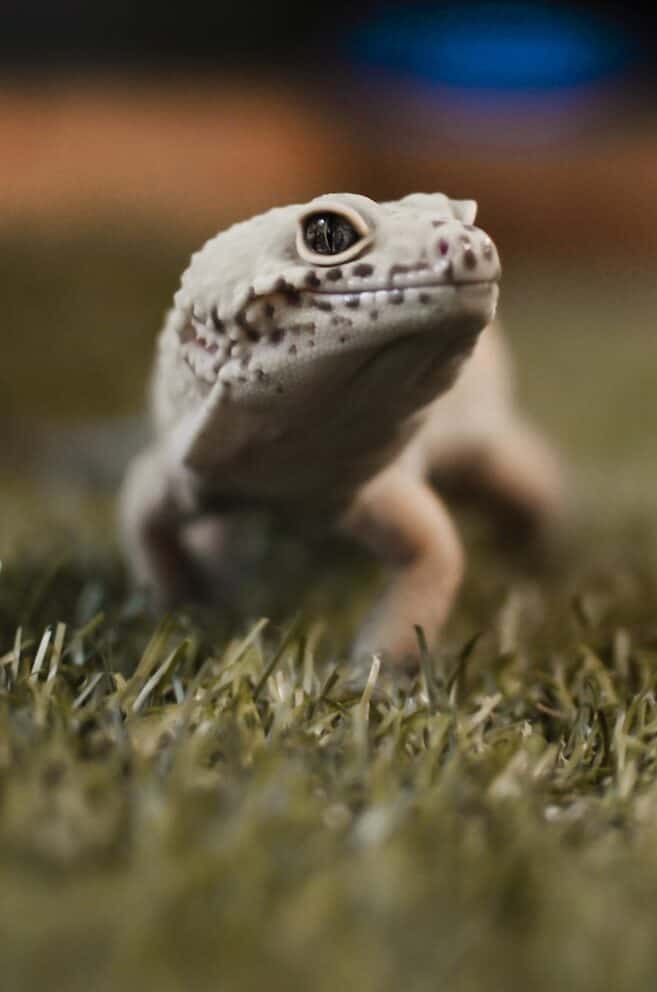
Leopard geckos are one of the most popular reptiles kept as pets. They’re small, docile, and relatively easy to care for, which makes them a great choice for first-time reptile owners. One of the things you need to be aware of when caring for a leopard gecko is their hydration needs. As desert animals, they’re used to living in arid conditions and don’t require a lot of water. However, this doesn’t mean they can go without drinking entirely. So, how long can a leopard gecko go without drinking? And what are the signs that they need to start sipping on some water? Read on to find out.

How Often Do Leopard Geckos Shed?

Leopard Geckos can survive up to 3 days without drinking water. But any longer than that, your pet can die from dehydration. So ensure that your pet has sufficient water in its habitat to get the proper amount for it to stay healthy.

How often should a leopard gecko drink?

A leopard gecko can go without drinking for quite some time, but it is important to provide them with a source of water. They should drink at least once a week, but more frequently is better. A good rule of thumb is to offer them water every time you feed them. If you see that your leopard gecko is not drinking, there are a few things you can do to encourage them. Try offering them live insects or placing the water dish in a warm spot.

Check out our other article (How Much Water Do Leopard Geckos Need?)

How can I tell if my leopard gecko is dehydrated?

There are a few signs that you can look for to determine if your leopard gecko is dehydrated:

1. Sunken eyes: If the eyes appear sunken in, this is a sign of dehydration.

2. wrinkled skin: Another sign of dehydration is wrinkled skin, especially around the neck and legs.

3. Lack of appetite: If your leopard gecko isn’t eating, it may be dehydrated.

4. lethargy: A dehydrated leopard gecko may be more lethargic than usual and not want to move around much.

How do I get my leopard gecko to drink water?

There are a few things you can do to encourage your leopard gecko to drink water. You can try putting a dish of water in their enclosure, misting the enclosure with a spray bottle, or offering them live insects that have been dipped in water. You should also make sure that the water dish is not too deep, as leopard geckos can drown if they fall in. If you are still having trouble getting your leopard gecko to drink, you may need to take them to the vet for further evaluation.

Can I leave my gecko alone for days?

Leopard geckos are one of the most popular reptiles kept as pets. They are relatively easy to care for and are known for their docile nature. A common question new gecko owners have is how long they can leave their gecko alone for.

The answer to this question depends on a few factors, such as the age and health of your gecko, the temperature of their enclosure, and whether or not they have access to water. Generally speaking, an adult leopard gecko can go without water for 3-4 days without any adverse effects. However, if the temperature in their enclosure is on the higher side, they may need to drink more often to prevent dehydration.

Young or sickly geckos will not be able to tolerate going without water for as long as healthy adults. So if you need to leave your gecko alone for more than a day or two, it’s best to avoid caution and provide them with a water dish. Alternatively, you can use a reptile misting system to mist their enclosure every few hours automatically.

What do I do if my leopard gecko is not drinking water?

If your leopard gecko is not drinking water, it is important to take action immediately. There are a few things you can do to encourage your leopard gecko to drink:

First, check the temperature of their habitat. Leopard geckos are native to warm climates and prefer temperatures between 75-85 degrees Fahrenheit. If the temperature in their enclosure is too cold, they may be less likely to drink. Use a reptile thermometer to check the temperature and make adjustments as necessary.

Second, offer them fresh, clean water. Make sure their water bowl is clean and filled with fresh, filtered water. You can also try offering them distilled water or rainwater.

Third, try offering them live insects or worms soaked in water. Many leopard geckos enjoy drinking while they eat! This may encourage them to drink more often.

Fourth, take them to the vet for a check-up. If you have tried all of the above and your leopard gecko still isn’t drinking, it’s time to see a veterinarian. They can rule out any potential health problems and provide you with more advice on how to get your leopard gecko to start drinking again.

How many days can gecko survive without water?

Leopard geckos are able to go a surprisingly long time without water. In the wild, they may only have access to water during the wet season, so they have evolved to be able to survive for months at a time without drinking. In captivity, however, leopard geckos should have access to water at all times.

While leopard geckos can technically survive for a long time without water, it is not recommended to withhold water from them for extended periods of time. If you do choose to do this, make sure to monitor your gecko closely and provide them with water as soon as possible if they start showing any signs of dehydration.

Is tap water OK for leopard geckos?

It is a common belief that leopard geckos should only drink distilled or reverse osmosis water, but this is not true. Leopard geckos can drink tap water without any problems. The only time you need to worry about the quality of the water is if the leopard gecko is showing signs of dehydration. If your leopard gecko is dehydrated, then you should take them to the vet as soon as possible.

Should I spray my leopard gecko with water?

There are a few schools of thought when it comes to spraying leopard geckos with water. Some people believe that it is a necessary part of the animal’s care, while others believe that it is an unnecessary stressor. Ultimately, the decision of whether or not to spray your leopard gecko with water is up to you. If you decide to spray your leopard gecko with water, be sure to use room-temperature water and avoid getting the animal’s head wet.

How Much Bearded Dragons Cost?

If you want to own a bearded dragon (beardies), you should think about how much it will cost to keep it and its habitat in good shape. Getting a pet, whether a bearded dragon or another kind, is never easy or inexpensive. You must consider not just the expense of purchasing a bearded dragon but also the cost of keeping one.

A bearded dragon can range anywhere from $50 to $1000. This will vary depending on the age category from a hatchling, a baby, a juvenile, or a young adult, will change the price. Different Bearded Dragon Morphs will affect the price, with the Silkie Bearded Dragon being one of the most expensive.

This price can go up or down, depending on the number of situations. Here are some factors that affect the Beardies’ price.

Bearded Dragon Price Break Down – Ranges based on reviewing Multiple Breeders Prices may vary.

Type Of Bearded DragonHatchling CostWell Started Baby CostJuvenile CostYoung Adult Cost
Beard Dragon $50-$189$195-220$250-280$350-450
Citrus Bearded Dragon$189-200$220-250$340-400$380-500
Hypo Bearded Dragon$250-290$290-330$380-400$400-500
Red Bearded Dragon$240-300$280-330$340-400$750-900
Leather Back Bearded Dragon$220-250$270-300$320-350750-900
Fancy Bearded Dragon$180-200$220-250$270-330$300-400
Silkie Bearded Dragon$229-250$240-300$370-400$900-1200
Prices based on reviewing multiple breeders – prices will vary.

Factors Affecting the Price of a Bearded Dragon

Age

You must remember that age is a significant factor if you are considering purchasing a Beardie for your collection. The younger the Beardie, the more affordable it is when purchased from a shop. In addition, a bearded Beardie’s age is a factor in determining its size. Therefore, if you have limited money and space for their housing, it is recommended that you purchase the juveniles.

Breed

The Pogona species of Beardies are the most popular and the least expensive of all the many varieties. These Beardies are often found for sale in pet stores of this particular kind. In addition, one should expect to pay a greater price for a unique kind of this reptile.

Supplier reputation

When purchasing Beardies, it is essential to remember that the cost might range significantly between different pet retailers. In addition, private breeders choose their pricing according to how much profit they expect to make. Before obtaining this reptile, it is essential to first carry out some study on it.

Location

This significantly impacts buyers who live a long distance from local pet retailers because transportation will result in additional costs. Taking into consideration the fact that certain shops do not let purchases be made online.

How Much Do Bearded Dragon Supplies Cost?

Buying all the things you need to house and feed your Beardie is where the real cost of having a bearded dragon shows. 

Tanks & Enclosures

The size of the tank you buy will depend on how big your Beardie is, but let’s say you end up with a 50-gallon tank.  The price of a brand-new 50-gallon tank may range anywhere from $120 to $150, and the cost is directly related to how great you would like the tank to look. In addition to this, you will need to purchase a screen cover for the tank, which will run you around $25. 

Substrate

The habitat floor will be covered with substrate once it has been prepared. The cost of the substrate depends a lot on what materials you use and how big the box is. You will require a greater quantity of substrate according to the size of the enclosure.

Using old newspapers as a substrate is not just a low-cost option but also requires nothing in the way of upkeep. On the other hand, the appearance of the newspaper is not particularly appealing to the eye. Silica-free sand is available in home improvement stores and pet stores. Each bag can range in price anywhere from $5 to $13.

Calci-sand is yet another substrate option that is frequently utilized for bearded dragons. Calci-Sand is a calcium-based sand that was formulated expressly for use with reptiles. Compared to conventional sand, it may be quite a bit more expensive, with prices ranging from $8 to $15 per bag.

Heat Lamps

Beardies are believed to have originated in the desert. This means that they are mostly warm-blooded animals and have lived in temperatures between 25 and 44 degrees Celsius for a long time.

In captivity, they need to be kept in an environment similar to what they would find in the wild. To do this, the enclosure needs to have a proper heat gradient. A heat lamp is the most effective tool for providing the necessary temperature range in an environment.

Food

Food is one of the essential things your beardies need. This is particularly true during the stages in which they are hatchlings and juveniles. This one supply has a significant influence on both their health and their growth. You need to provide them with food that is balanced and rich in nutrients.

Beardies are omnivores, which means they eat plant and animal matter. A diverse selection of insect matter and plant matter (vegetables and greens) is available.

You want to give your beardies as much variety as possible, so they don’t become bored. Certain insects are more expensive than others, but you should still try to get as much variety as possible.

Thermometer

The thermometer will help you ensure that your Beardie is always living in the best environment. Controlling the temperature is essential if you want your pet to maintain the highest possible level of health and happiness.

The only way to ensure that the temperature in his cage stays the same and doesn’t change is to keep an eye on them. It is advisable to have a thermometer on both the warm side, where your bearded dragon may bask in the sun and the chilly side, where he can lounge.

Medical/Vet Care

This is one of the costs you should expect to pay for a bearded dragon that you can’t predict.

You should take your Beardie to the vet within two days of bringing it home. This allows your vet to do several tests to ensure they’re healthy and parasite-free. In addition, your Beardie should be examined periodically by a reptile vet.

Additionally, a sudden sickness might increase this expense. The cost of just getting a diagnosis could be as much as a hundred dollars.  If there are no major or severe health problems, medical costs can range from $60 to $130 per year.

How Much Bearded Dragons Cost?

Maintenance Costs of Owning a Bearded Dragon

When deciding what kind of pet to get, you probably give priority to finding one that is both adorable and easy to care for. This has been the accepted practice for owning a pet in modern times. On the other hand, Bearded Dragons are considered by some people to be the cutest of all reptiles, which is why they make excellent pets.

You must ensure that you are both physically and financially stable before getting a pet. Having pets might increase the amount of labour you need to do. But keeping one is a good idea because you can find a good friend in them right away.