Recent Posts

Are Bearded Dragons Social?

Bearded Dragons are not only fascinating pets, but they also make great companions. But what about their social behaviors? Are bearded dragons social?
Are Bearded Dragons Social?

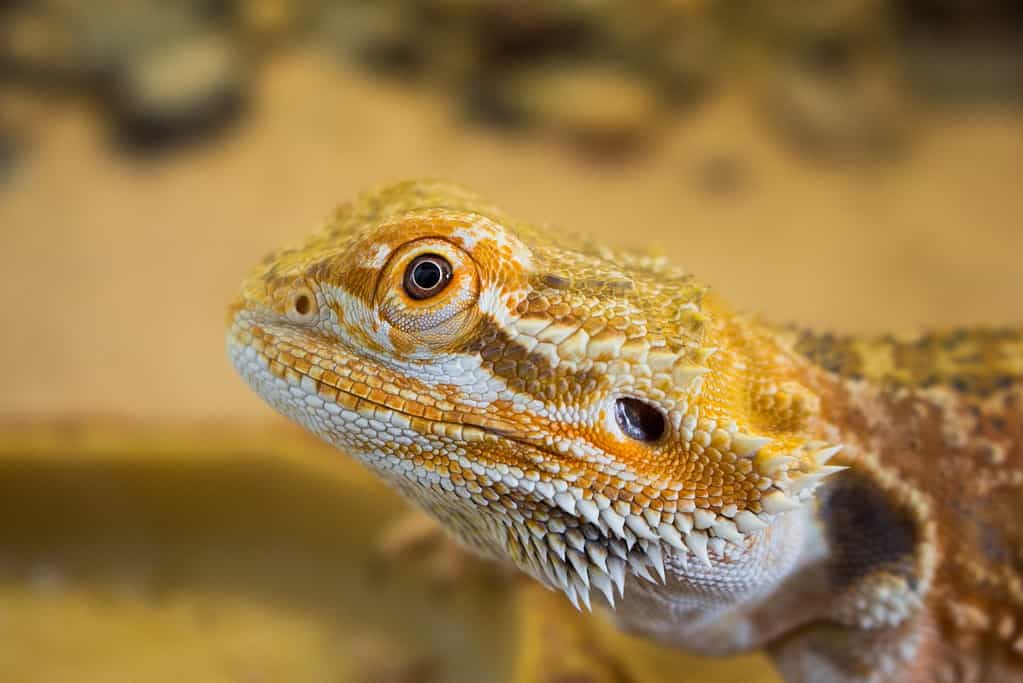
Bearded dragons are considered semi-social. They communicate with one another using a variety of bodily gestures, including bobbing their heads, waving their arms, and flaring their beards etc. Stacking is an everyday activity for young bearded dragons, in which one dragon will climb on top of another beardie, and then another beardie will climb on top of that one.

Let’s discuss more about beardies’ social behaviors and body gestures.

Arm Waving

Arm waving is a common behaviour seen in young beardies. It is an entertaining behaviour pattern defined by the dragon raising one arm over its head, almost as if it is greeting someone or bidding them farewell. In point of fact, this is a behaviour that the dragon uses to communicate with other dragons and let them know that it does not intend to engage in a battle with them.

Beard Flaring

Beardies are well-known for their beards, and flaring their beards is one of the actions that best distinguishes bearded dragons from other species. When the dragon perceives that it is in grave danger, it will behave in this manner.

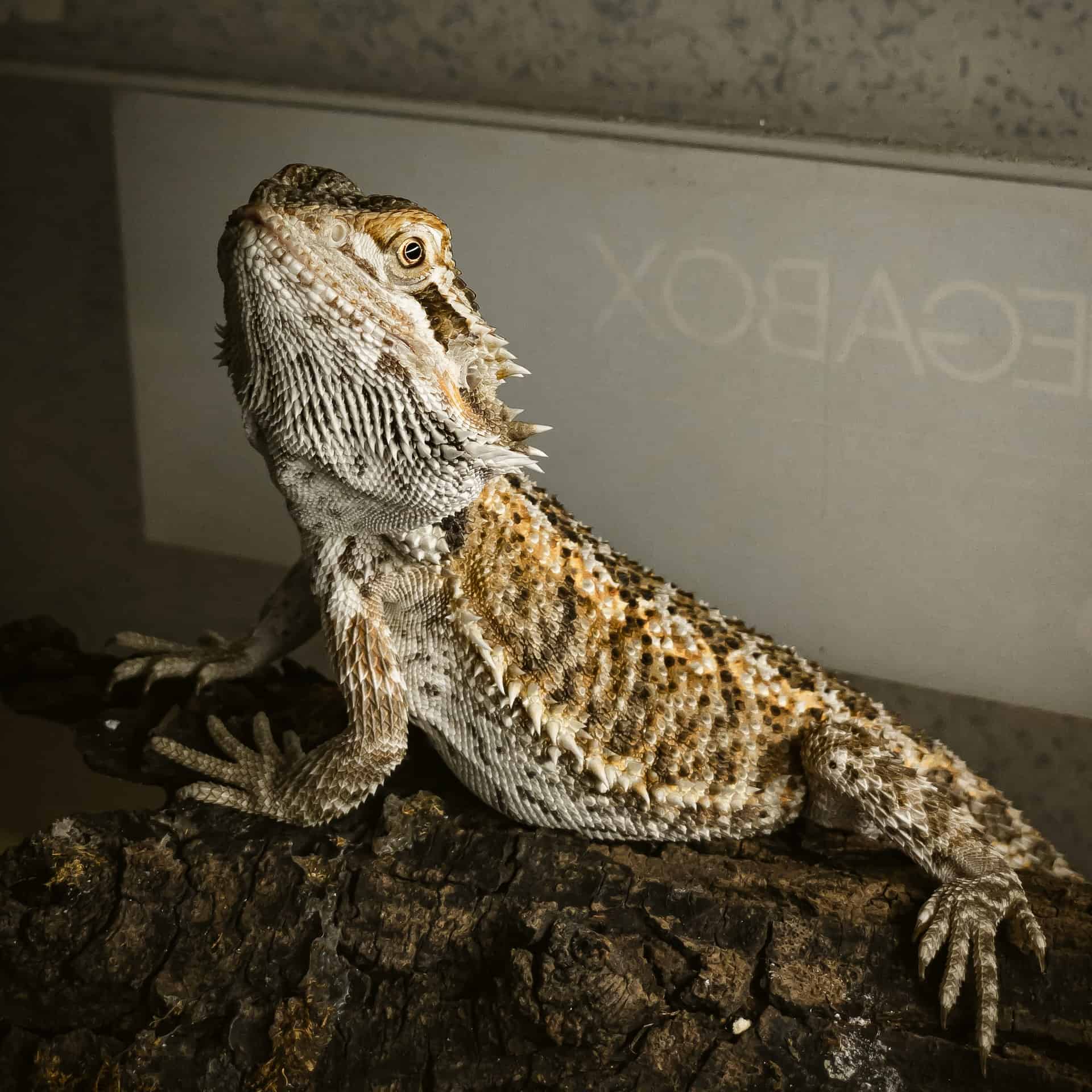
It will thrust its chin upward and spread out its beard and may also make a hissing sound. Because of the way its beard is fanning out, the dragon seems much larger and more menacing to anyone around.

Head bobbing

Beardies are known to engage in various social activities, including head bobbing. The lizard will quickly move its head back and forth between the up and down positions. In most cases, this takes place in the company of a second beardie.

The other lizard should avoid entering its region due to the head bobbing, which serves as a warning. When two males are involved, it might result in a duel, with the victor assuming a position of dominance.

Stacking

Beardies engage in a social practice known as “stacking,” which is also quite fascinating. This behaviour is most commonly seen in newborn dragons when a large number of them are confined within a small location. When one dragon is basking in a particularly desirable location, another beardie will come along and lie on top of it.

After that, there is a possibility that a third one may arrive and climb atop the second dragon. The presence of an excessive number of dragons in the stack makes it possible for this behaviour to be innocuous at times, but it also has the potential to be hazardous. It’s possible that the lower dragon is having trouble breathing. When housing several dragons in the same area, it is essential to ensure that each dragon has sufficient space to locate a suitable position for sunbathing.

If they are introduced to humans and other animals as early as possible, the majority of dragons are less likely to be sociable with other dragons than they are to be friendly with humans and other pets. Beardies are strongly attracted to activities that challenge their minds, so they may follow you around the home to check out what you’re up to.

In addition to this, it’s possible for them to create hazy ties with animals like dogs or cats, and they may like playing rudimentary games with these pets. Like other lizards, they prefer basking in the sun for extended periods of time, which is analogous to how cats spend a lot of time sleeping during the day. Despite their seemingly solitary habit, the vast majority of dragons are really gregarious in their own unique way.

Implications of mixing beardies with other species

In the wild, beardies spend much of their time by themselves. They do not interact with other species or with other members of their species. However, this does not always indicate that you cannot keep them in captivity alongside one another.

Therefore, as was said before, bearded dragons have the propensity to be territorial with one another; nevertheless, this does not always indicate that they will not get along.

It is just more convenient to meet them at an earlier stage. Consequently, when it comes to combining them with other creatures, the first thing that must be done is to ensure that all of the species originate from the same environment. For instance, dragons hail from a land where the environment is arid and scorching. Because of this, you shouldn’t house them with a chameleon because of chameleons like environments with a high level of humidity.
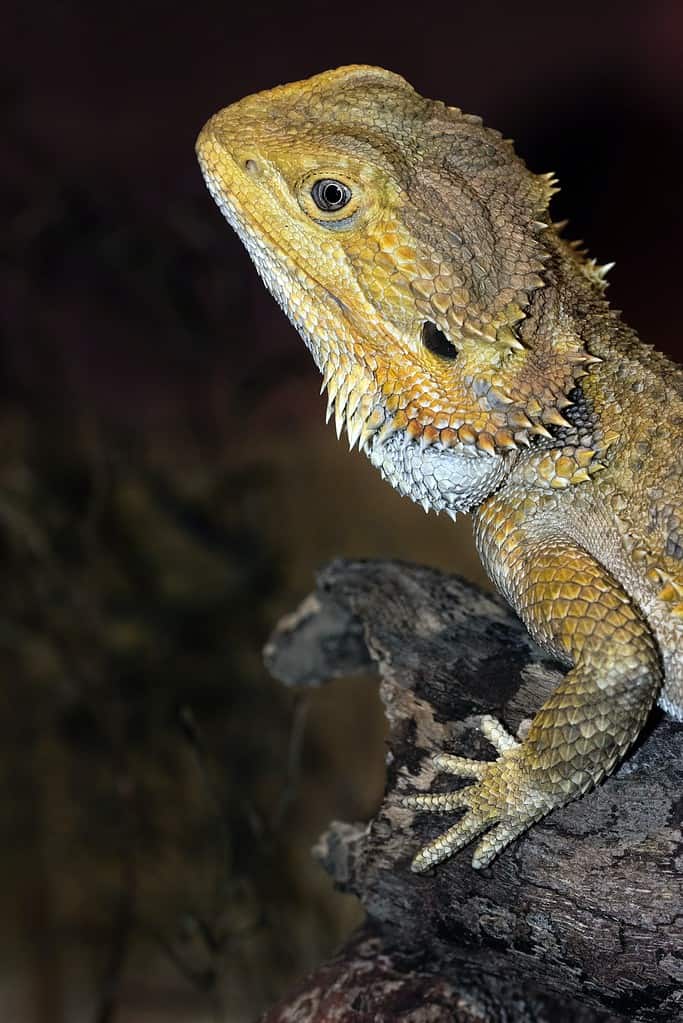
Are Bearded Dragons Social?

Should you pay attention to your bearded dragon?

Bearded dragons enjoy the company of humans occasionally, even though their natural state is to be alone.

Bearded dragons are excellent pets because of their calm demeanor and laid-back attitude. These creatures are simple to tame, even for owners who have little experience with bearded dragons. Your bearded dragon will soon look forward to spending time with you after it has grown acclimated to both you and its new environment.

The effects of putting two beardies males together

In the wild, dragons almost often keep to themselves because of their solitary nature. This is because beardies have extremely robust territorial instincts. The male beardies, in particular, are the ones most affected by this trait.

In general, you are free to mix males and females together if you are not concerned about the dragons’ ability to reproduce. Male beardies, on the other hand, seldom get along with one another.

They might very well put on ferocious displays. And are prone to engage in combat in order to secure their area. Therefore, if one beardie is significantly larger than the other, it is incredibly likely that the smaller one will perish due to the conflict.

Beardies have a surprisingly higher likelihood of getting along with members of other animals than they do with members of their own species.

If you do find up having two beardies in the same space, you must maintain a close check on each of them. If they are fighting or preventing each other from eating food, you must separate them as soon as possible.

Do beardies need human attention?

Each beardie has its own unique personality; it’s impossible to predict how much your pet will appreciate being in your company. They may enjoy being held and will cuddle close to you while you do so. This is because they prefer basking in warm regions. You can carry them on your shoulders or let them sit on your lap if they are of greater size.

Even while people may enjoy working with their beardie, they are not necessarily dependent on it. Some people say that because they live in the wild alone, their brains aren’t mature enough to be capable of experiencing more complex feelings like love. Because of this, they won’t feel lonely or like they’re missing out on anything when you’re gone.

Despite this, it is still possible for you to form a connection with your beardies. As they get more comfortable with you, they will start to thrive off of the attention you give them. If they remain calm while being petted, shut their eyes while you are in the room with them, or deliberately come to you to be patted, you will know they trust you. 
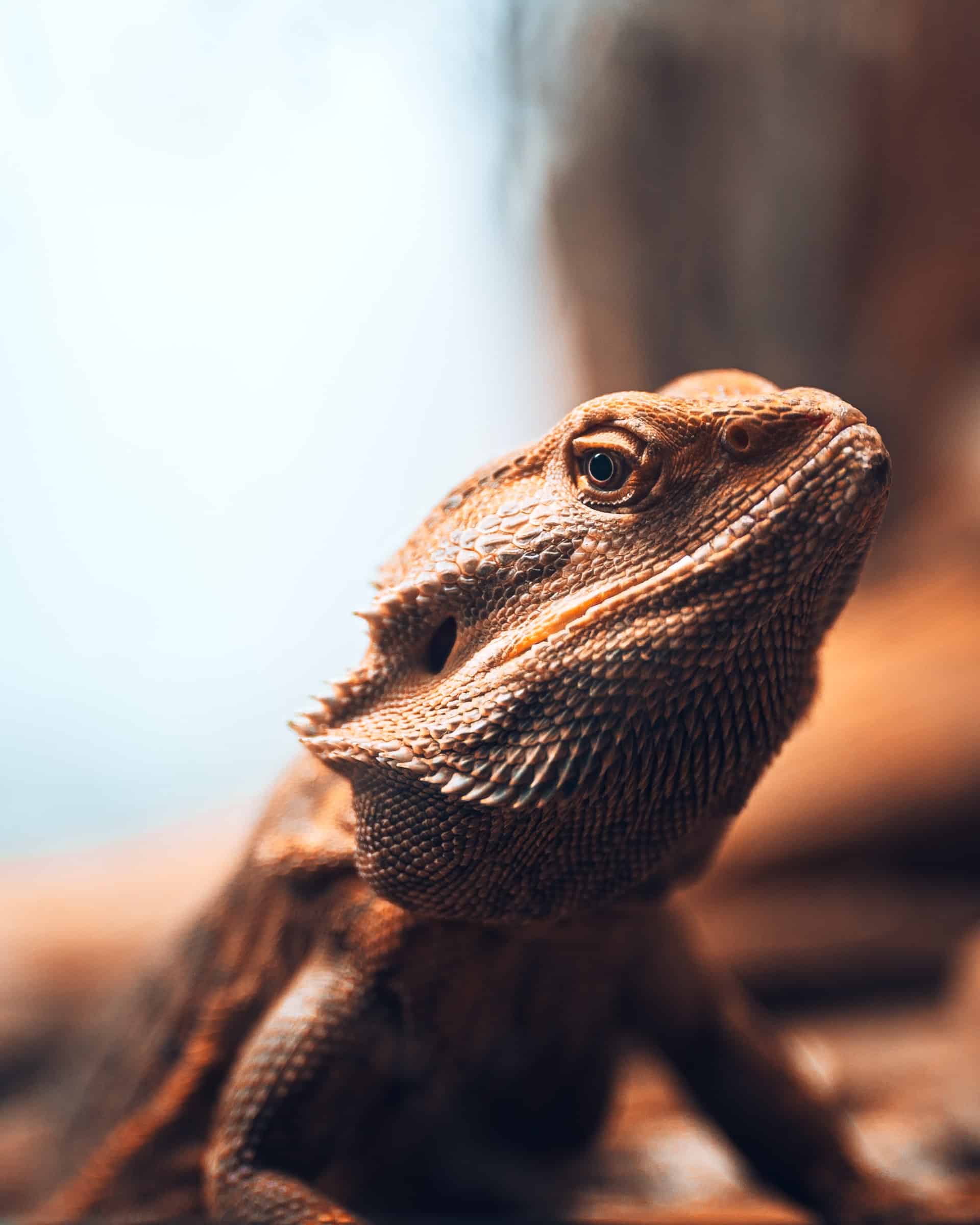
Do Bearded Dragons Bite Hurt?

Beardies are popular as pets around the world. People like these creatures because they are peaceful and look different from other animals. They have a reputation for being kind and rarely hostile. Because of this, realizing that beardies can bite could come as a surprise to some people. Biting is exceptional and does not cause harm to people, but it might be a sign of a more serious issue.

Does it hurt when bearded dragons bite? Yes, Beardies can bite, but they don’t do it very often. When a beardie bites, it is typically for a purposeful and appropriate cause. The bite of a bearded dragon feels like a mild sting. It does not cause as much hurt as when a cat or dog bites you.

Read on to learn if a beardie bite is painful and why they bite.

Can Bearded Dragons Bite?

Beardies are capable of biting when disturbed. They are known for being calm and friendly. They usually grow up with people. Their breeders typically handle bearded dragons from a young age to help them adjust to human contact and establish a sense of safety.

As a consequence of this, the risk of your beardie biting you is rather low at this point. However, this does not imply that bearded dragons are incapable of biting, as they have teeth.

Do Bearded Dragon Bites Hurt?

As beardies are considered to be among the greatest reptiles to produce and own. Some new pet owners are unaware of whether or not this lizard’s bite is unpleasant.

Older beardies, or “adults,” have stronger bites than younger beardies. If you have done something that has provoked a bearded dragon to become angry toward you, there is a chance that it will bite you. These animals are calm and easy to get used to.

When beardies are unhappy or disturbed, they bite with a different pain. Bearded dragons are non-aggressive reptiles unless an internal or external factor provokes them.

Why Does Bearded Dragon bite?

Beardies will often only hurt when they are disturbed. They are, after all, wild animals, and it is only natural for them to protect themselves, which may involve biting if they feel unsafe.

Bearded dragons bite due to feeling threatened, poor handling, food, or a lack of early socialization.

Food

It is one of the most frequent reasons a beardie could bite a person. Be careful if your hands smell like food and your beardie looks like he’s hungry.

If you don’t wash your hands after handling food and reach into a bearded dragon’s enclosure, it may bite you out of instinct due to its special senses. The development of their sense of smell begins with the formation of their taste buds. Therefore, if they smell food on your finger, they may try to take a bite out of what they assume is food on your finger and may even succeed.

Some people have been bitten when feeding bearded dragons because they didn’t move their hands. It will do you well to move quickly through the process since it is your best advantage to do so.

Self Defense

When a bearded dragon feels threatened, it bites most frequently. To protect itself, a bearded dragon may naturally nip or bite at you as a warning if you go too close to them.

In their native habitat, bearded dragons are susceptible to predation by predators and birds. Bearded dragons will attempt to protect themselves if they perceive that they are in danger or are being hunted by another animal. You might notice that when a bearded dragon is about to bite, it puffs up its beard or turns black. This commonly happens if you try to grab the beardies from above as predators would.

Handling

Bearded dragons can bite a lot of people if they are not handled properly. Beardies may easily be harmed if picked up incorrectly or too roughly. Children often bite bearded dragons because they don’t know how to handle them properly. 

If your bearded dragon believes that it is being gripped too tightly, pinched, or held in a position and manner that is uncomfortable for it, then it may bite as a reaction to persuade you to stop doing whatever it is that is making it feel uncomfortable.

Because of this, it is essential that you teach yourself the right techniques for handling a bearded dragon and that you teach anyone who wishes to hold your beardie how to do so in a way that does not damage the animal.

Anti-social Behaviour

If your bearded dragon has not been given the appropriate amount of socialization from the time it was born, there is still another reason why it may be susceptible to biting.

Most pet beardies are reared in captivity and used to being treated by humans, so they’re peaceful and docile. However, some breeders do not handle the newborn and juvenile bearded dragons sufficiently, which might make a beardie not fond of being handled too much.

If a beardie does not get a significant amount of care and handling from a young age, it might be prone to feeling threatened when held, and it may turn aggressive when picked up or touched by people. This is especially true if the bearded dragon was not handled much. This can lead to nipping and biting in some cases.

Stress

If a bearded dragon isn’t feeling well, one of the most common warning indications is the presence of indicators of stress or pain. When the beardie is feeling scared or uncomfortable, there is a much-increased risk that it may bite.

Stress bites can be small nibbles or full bites, depending on how much the person trusts them and how much pain they are in. Stressed reptiles are more aggressive than usual; therefore, these injuries are likely to be severe.

If you observe your bearded dragon being especially agitated, you should be aware that they are more likely to hurt you if they feel unsafe. You should refrain from handling them during this time and instead watch over their tank.

Symptoms of stress include behaving excessively restless or sleepy manner, not having an appetite, hissing, and having a mouth that hangs wide open. Other possible indicators include fatigue, a change in colour, the emission of mucous, or a weight shift.

Do Bearded Dragons Bite Hurt?

Do Beardies Bite if You Pick Them Up?

Bearded dragons are calm and friendly reptiles that get used to being held by people when they are young. However, this doesn’t mean they won’t bite you. If a beardie bites you as you pick it up, it may be in distress, pain from maltreatment, discomfort, or mating season.

Your bearded dragon will most likely show other signs, such as running to a hiding spot, hissing, puffing up their beards, and darkening their chests, that will tell you not to handle it at the moment. 

How Long Do Bearded Dragons Live?

Getting your very first bearded dragon may be a wonderful experience, especially for those who have never had one.  These creatures are amazing to look at and can be great pets. But how long do you think your bearded dragon will live?

Beardies that live in captivity have a better life than bearded dragons that live in the wild. On average, these lizards can live for up to 15 years as pets. The average lifetime is believed to be between 8 and 15 years. You must work hard to ensure the reptile’s health and happiness to make them live long and peaceful life.

How Long Can Beardies Live?

Bearded dragons may live for anywhere between eight and fifteen years on average when kept as pets. This range is based on various factors, including the quality of care provided for them and several inherited characteristics.

Factors That Affect Beardies Lifespan

The average age of a bearded dragon can vary widely depending on various circumstances. These include the environment in which they exist, the quality of care they receive, the type of food they eat, their gender, the genes they inherit, and the quality of medical treatment they receive.

It’s essential to remember that you can never be sure how long a bearded dragon will live. Even if you take all necessary precautions, your pet may become unwell despite your best efforts.

On the other hand, if you take care of your beardie properly, there is a statistically substantial probability that it will live for a very long period.

Diet

A good diet will significantly impact the longevity of your bearded dragons. They are susceptible to illness, just like people and other animals. The food quality you provide them is directly related to their ability to avoid or overcome illness.

Beardies are omnivores, which means that they consume both plant- and animal-based items in their diets. If you wish your beardie to live as long as possible, providing it with well-balanced and healthy food is essential.

How you feed your bearded dragon will depend on how old it is. A high-protein diet is essential for young lizards; thus, a diet of 80% insects and 20% fruits and greens is recommended.

Once they have reached 18 months, bearded dragons are regarded to have matured into their adult forms. Your bearded dragon is no longer developing and, as a result, will require less protein in its diet. It is recommended that adult lizards consume a diet that is composed of 80 percent vegetables and 20 percent insects.

Beardie’s Health

As a beardie owner, you are responsible for ensuring that your pet has a high quality of life and leads a healthy way of life. You need to be aware of the many diseases that can affect your bearded dragon to protect it from those that can be prevented with the proper care.

Buying a bearded dragon from a reputable breeder or seller is more likely to have healthy genes. This is because the lizards come from breeders who operate ethically, directly or indirectly. 

Sex

The average lifespan of a male bearded dragon is significantly greater than a female’s. Even though this isn’t always true, it’s important to know if life expectancy is a big factor. Male beardies are often bigger than their female counterparts. 

Another factor that contributes to these disparities in life expectancy is reproduction. When you breed a female bearded dragon, it requires a significant amount of effort on their part. Even after they have finished producing eggs, it negatively impacts their bodies and does not go away.

Habitat

Bearded dragons are strange animals that live in dry areas, and you need to make an environment like that. In light of this, the perfect habitat for lizards must consist of either a tank with a capacity of forty gallons or, even better, a significantly larger one.

You should also avoid bad things for the beardie, like loose substrate that it could accidentally eat. In order to avoid this kind of incident, you should purchase a strong substrate such as a reptile carpet or ceramic tiles.

One further thing that can shorten the lifespan of your adult bearded dragon is if you choose to have many pets in the same cage. While they may live happily together, they will struggle for resources and food, shortening one’s life.

Regular Vet Checkups

It is essential that all pets, especially bearded dragons, have routine veterinarian examinations. Even though bearded dragons do not require vaccinations, you should still take your beardie to a veterinarian specialising in reptiles at least once a year for a checkup.

In addition, your veterinarian should inspect your pet’s faeces once a year for any signs of parasites. This will not only guarantee that your bearded dragon is healthy, but it will also help them live for a longer period of time.

How Long Do Bearded Dragons Live in the Wild?

In the wild, a bearded dragon can live alone and, on average, lives between five and eight years.

One of the main reasons why wild animals live shorter lives is because of natural predators. Bearded dragons have a number of potential enemies, including bigger lizards and birds of prey. Bearded dragons can avoid being eaten by snakes, birds, and other predators because their colours blend in with their natural environment. Beardies have the same shades of grey, yellow, and brown skin as the sand and pebbles found in their habitat.

In order to survive, bearded dragons need to be kept in warm environments. They don’t have a warm blood supply; therefore, they must constantly rely on other things to maintain their body temperature. This level adjusts according to the temperature of their environment. They keep themselves warm by bathing themselves in the sun and may burrow underground to escape dangerous temperatures and predators.

How Long Do Bearded Dragons Live?

How to Maximize the Bearded Dragon’s Lifespan?

Because of all the things that might shorten or prolong a bearded dragon’s life, it is essential to understand how to keep it healthy and happy. 

Here are some suggestions for maximizing your pet’s longevity.

Provide the Suitable Heating

Heat is essential to a bearded dragon’s life since, in the absence of heat, the animal is more likely to experience various health difficulties, such as digestive troubles. Also, they won’t have the right environment to absorb nutrients, leaving them without calcium.

Always use a digital thermometer to get the most accurate readings possible of these temperatures. In addition, if you go to a local pet store, you should be able to get a thermometer that is specifically designed for use with reptiles.

Check the Pet’s Diet

Although there is a fairly long list of items you can give your bearded dragon, this does not indicate that everything is suitable for consumption by the animal. For instance, if you are not careful, feeding your dragon an inappropriate diet of home-caught insects is simple.

On the other hand, it is strongly suggested that you choose meals that your dragon can consume without any problems. 

Keep an Eye on the Bearded Dragon

As you continue pet ownership, recognize that the beardie depends on you. You must closely check the animal to guarantee it receives all the essentials for its continued existence and a longer lifetime.

Always be sure to check for any potential health and physical problems. In an ideal situation, it is essential to perform a check for bone production, and one of the parts you will undoubtedly observe is the jaw bone.

Get a Suitable Enclosure Setup

Since a bearded dragon’s natural environment is open and allows it to move around freely, try to make an environment as close to this as possible. Keep in mind that bearded dragons may reach a length of up to 45 centimetres; therefore, it is crucial to provide them with a spacious terrarium.

In addition, since it will be confined inside such a small space, your beardie will likely become agitated. If you begin with baby beardies, it can happen because a smaller tank might seem the best place for them.

What Can Bearded Dragons Eat?

Bearded dragons’ popularity has skyrocketed recently, yet they are still regarded as exotic pets due to their unique dietary needs. So, what can a bearded dragon eat?

Bearded dragons eat both plants and animals, which means they are omnivores. When they are very young, bearded dragons consume around 80% insects and 20% plants. However, in some cases, owners have difficulty encouraging their dragons to consume any veggies while they are in this stage. Adult bearded dragons eat 80% vegetation and 20% insects.

This article will give all the information you want concerning the proper diet for your bearded dragon.

What Insects and Bugs Bearded Dragons Eat?

Bearded dragons will consume almost any moving insect, but their owner must ensure they only consume safe bugs. These are the most popular insects that bearded dragon owners may give their pets to eat:

Crickets

Bearded dragons eat a wide variety of feeder insects, but crickets are among the most common and should be a major ingredient in your pet’s diet. Feeder crickets are wonderful for young bearded dragons since they include a lot of protein and a healthy dose of Calcium. It’s also a great idea to increase the crickets’ nutrition by adding powders or gelatin pieces.

Mealworms

Mealworms grown in captivity are a nice food source for the full-grown bearded dragon, just like crickets. You should, however, stay clear of giving them to young bearded dragons because their gullets aren’t nearly big enough to accommodate one of these worms. Because of their significant amount of fat, they are not recommended as a regular part of their diet. Because of the smaller amount of fat they contain, Silkworms provide an option that is more nutritionally sound.

Dubia Roaches

Aside from crickets, dubia roaches are another common source of nutrition for bearded dragons, and they are nearly as simple to discover as crickets. You won’t have to worry about these insects fleeing because they are docile and don’t jump or climb. If you have a dark room in your home where they may be housed, you can breed them there. In addition, their lifespan is far greater than that of crickets, and unlike other insects, they do not carry any parasites with them.

Which Vegetables and Fruits Can Bearded Dragons Eat?

Bearded dragons can consume a wide variety of vegetables and fruits without risking their health. Bearded dragons consume raw and cooked vegetables. But raw vegetables are better than cooked ones because they have more nutrients. Here are the most common veggies you may give your bearded dragon daily:

Carrots

The amount of calcium to phosphorus found in carrots is about average, and they are an excellent source of vitamin A. This is an excellent treat for your bearded dragon and makes a lovely addition to their salads. They also have a lot of water, which will assist in keeping your bearded dragon hydrated. 

Peas

Peas are completely safe for your pet bearded dragon to consume. They provide specific health benefits due to the higher Calcium content, low Phosphorus level, and high Vitamin A concentration. However, compared to the amount of calcium it contains, the amount of phosphorus in it is quite a bit lower; in fact, it is so much lower that it throws off the optimal ratio and makes it a poor alternative for vegetables that are healthier for you. Your pet should only consume this in minimal amounts.

Cauliflower

Cauliflower is one of the foods that may be given to your bearded dragon, but there is very little need for you to do so. When it comes to the proper diet of your bearded dragon, this vegetable only has a trace quantity of the essential vitamins needed to keep them healthy. This vegetable is also saturated, making it much worse because it will just fill your pet’s stomach with waste.

What Kinds of Fruits Can Bearded Dragons Eat?

The Bearded Dragon can consume a broad assortment of fruits in addition to the veggies it may eat. Here are the most common fruits your bearded dragon can eat. 

Apples

Apples are safe for bearded dragons to consume; however, you should carefully chop each piece to ensure that your beardie does not injure itself while eating the fruit. Cut the pieces, so they are no bigger than the distance between their eyes. Apples, like grapes, offer a good balance of calcium to phosphorus in their composition, but they are deficient in the amounts of vitamins A and D that the body needs.

Strawberries

Strawberry is one of the few foods that bearded dragons can eat, but it has almost no nutritional value. First, these fruits are mostly water, so they’re full but lack nutrient value. In the same vein, strawberries have an inadequate ratio of calcium to phosphorus in their composition. If you feed your bearded dragon a strawberry, you probably won’t hurt him, but you also won’t do much good for him!

Bananas

Although the high potassium level of bananas is considered beneficial for human health, bearded dragons do not derive any nutritional value from this property of bananas. Therefore, although there are no known health risks associated with feeding this fruit to your bearded dragon, it does not contribute much to the beardie’s diet and is more appropriate as a supplemental snack.

Supplements

Your Bearded Dragon needs a calcium and vitamin D3 supplement in addition to a varied diet of insects, fruit, and vegetables to help prevent a calcium deficit. Most owners sprinkle the powdered supplement onto the insects before feeding them to their pets; however, the supplement may also be applied to fruits and vegetables. If you want the greatest results, following the directions on the packaging is highly recommended.

What Can Bearded Dragons Eat?

How Much Should My Bearded Dragon Be Fed?

Bearded dragons achieve adulthood and sexual maturity at about 18 months of age. Bearded dragons can live up to 30 years. At this age, they will only eat twice a day.

Provide your dragon with insects and let it feed for 10 minutes to discover how much it needs to eat. After one minute, throw away any bugs that were left unconsumed.

When it comes to fruits as well as vegetables, you should only leave them in your dragon’s cage for about half an hour. This will give your dragon enough time to eat to its satisfaction without causing it to be overfed. This prevents any mold from growing on the food that has been left over.

What Do Baby Bearded Dragons Like to Eat Best?

Calcium is essential for young bearded dragons, especially when growing their bones. Newborn beardies can get metabolic bone disease at a young age if they do not acquire enough of it at a young age. This will have a significant and detrimental impact on their quality of life. They also require a lot of protein at a young age, and the best way to provide it for them is by consuming insects sprinkled with calcium powder.

What Should a Bearded Dragon Not Eat?

It’s just as helpful to know what not to feed the bearded dragon as it is to know what to feed it. Beardies can’t eat some foods since they aren’t good for them, while other foods can be quite harmful to them if they consume them.

These are some examples of foods that should not be given to your bearded dragon:

  • Crocus
  • Buttercup
  • Lettuce
  • Avocados
  • Lightning bugs
  • Horse chestnut
  • Poppies
  • Fish
  • Daffodil
  • Fireflies
  • Ivy
  • Rhubarb
  • Wasps
  • Elder bugs
  • Poppies
  • Bees
  • Scorpions
  • Seafood

How long do cockatiels live? What you need to know.

If you’re thinking about getting a cockatiel, you might be wondering how long they live. Cockatiels are a popular pet bird, and for good reason! They’re social, playful, and relatively easy to care for. But before you bring home your new feathered friend, it’s important to know that they have a lifespan of 10-15 years. That means you’ll need to be prepared for a long-term commitment! In this blog post, we’ll discuss everything you need to know about cockatiel lifespans, including how to care for your cockatiel so that they live a long and happy life.

How long do cockatiels live? 

The typical lifespan of a cockatiel is 10 to 15 years. Some cockatiels kept in captativty have been known to live as 28 years. Key factors that play in to the age of a cockatiel will be a proper diet, access to water, and staying happy.

CharacteristicDescription
Scientific nameNymphicus hollandicus
Size12 inches in length, weighing around 3-4 ounces
PlumageGray, white and pied
Head CrestDistinctive crest of feathers on their head, which can be raised or lowered depending on their mood
MimicryCan mimic sounds, although not as skilled as some other parrot species.
PersonalitySweet, gentle personality
As a petGood pet bird for children and first-time bird owners, social, enjoy interacting with their owners, playing with toys, can be trained to do simple tricks.
CareRelatively easy to care for, but require a healthy diet and regular interaction with their owners. Need to be kept in a temperature-controlled environment.
Lifespan15-20 years
Cockatiel Facts

The lifespan of a cockatiel

The typical lifespan of a cockatiel is 10 to 15 years, but many factors can affect how long your individual bird will live. 

There are several things you can do to help ensure your cockatiel lives a long and healthy life: 

-Provide a healthy diet rich in nutrients and low in fat
-Give your cockatiel plenty of space to move around and exercise
-Make sure your cockatiel has access to clean water at all times
-Provide fresh fruits and vegetables as part of your cockatiel’s diet
-Visit an avian vet regularly to keep your cockatiel up-to-date on vaccinations and health checkups

The life expectancy of a cockatiel

The average cockatiel lifespan is 14 to 15 years, but some have been known to live into their twenties. Cockatiels are not considered fully mature until they are about two years old. 

Life expectancy varies depending on several factors, such as diet, exercise, and whether the bird is kept indoors or outdoors. Birds that are well cared for and have a good diet tend to live longer than those that do not. Additionally, birds that get plenty of exercise and are kept in stimulating environments also tend to have longer lifespans.

Do Male or Female cocktails live longer?

When it comes to cocktails, there is no definitive answer as to which gender lives longer. However, based on anecdotal evidence and observations, it appears that male cocktails tend to live longer than females. This could be due to a number of factors, including the fact that males typically have less stress and fewer health problems. In addition, males are often more active and playful than females, which could lead to a longer lifespan.

How to care for your cockatiel to help them live a long life

Assuming you already have a cockatiel and are wondering how to make sure it has a long and healthy life, here are some tips on care: 

-A diet of pellets, fresh vegetables, and water is essential for your cockatiel. 
-There should be a cuttlebone or other calcium source in the cage at all times. 
-Keep the cage clean and free of debris. 
-Provide your cockatiel with toys and things to keep them occupied and stimulated. 
-Take them out of the cage for regular handling and socialization.

How long does a Pearl Cockatiel Live?

A Pearl cockatiel typically has a lifespan of between 15 and 20 years, though some have been known to live as long as 30 years. The average lifespan of a cockatiel in captivity is generally shorter than that of wild cockatiels, due in part to the stresses of living in an unnatural environment and lack of access to proper nutrition. However, with proper care and attention, your Pearl cockatiel can enjoy a long and healthy life.

How long can a Pied Cockatiel Live?

Pied cockatiels typically have a lifespan of 15 to 20 years, but some have been known to live as long as 30 years. The average lifespan of a cockatiel in captivity is about 10 to 12 years. 

The oldest recorded cockatiel was 28 years and 3 months old. To achieve such a long life, your cockatiel will need proper care and a healthy diet. A good way to start is to provide your pet with a spacious cage that is at least 24” x 24” x 36”. The bar spacing should be no more than ½” to avoid injury. The inside of the cage should be lined with paper or another soft material that can easily be replaced. 

In addition to a comfortable home, your cockatiel will need a healthy diet consisting of fresh vegetables and fruits, pellets, and water. It is important to offer your cockatiel a variety of foods so that they get the nutrients they need for a long and healthy life. Fresh vegetables and fruits should make up about 20% of their diet, pellets should make up about 60%, and water should make up the remaining 20%. 

With proper care and a healthy diet, your pied cockatiel can enjoy a long and happy life!

How long can a white faced pied cockatiel live

The average lifespan of a white-faced pied cockatiel is 15 to 20 years. However, some cockatiels have been known to live up to 30 years in captivity. The longest recorded lifespan for a cockatiel is 29 years and 4 months.

How long can a cinnamon pied cockatiel live?

Cinnamon pied cockatiels are a type of cockatiel that typically has a lifespan of 10 to 15 years. However, there have been cases of cinnamon pied cockatiels living up to 20 years or more. The average lifespan of a cinnamon pied cockatiel can be affected by many factors, such as diet, exercise, and environment.

How long can a latino pearl cockatiel live?

A latino pearl cockatiel, on average, can live to be between 15 and 20 years old. However, there have been reported cases of cockatiels living up to 25 years or more in captivity. The oldest recorded cockatiel was a 28-year-old female named Cookie who resided in the UK.

How long can a cinnamon pearl cockatiel live

The average lifespan of a cinnamon pearl cockatiel is 15 to 20 years, although some have been known to live as long as 30 years. The key to a long and healthy life for your cockatiel is providing proper care and nutrition. A well-balanced diet, plenty of exercise, and regular visits to the vet will help your cockatiel live a long and happy life.

Conclusion

Cockatiels are a popular choice for a pet bird, and one of the things that people love about them is their lifespan. Cockatiels can live anywhere from 10 to 15 years, and sometimes even longer with proper care. If you’re thinking about getting a cockatiel, be prepared for a long-term commitment!

 How long do finches live? Details of common species

How long do finches live? Details of common species

Many factors can affect the lifespan of a finch, such as diet, environment, and genetics. In this article, we will explore the average lifespan of a finch and some of the things that can affect it. We will also provide some tips on how you can help your finch live a long and healthy life. But first, lets explore. How long do finches live?

The average lifespan of a finch is 10 years, but some finches have been known to live for up to 15 years and even 20 years. For a finch to have a long and healthy life, provide them with plenty of fresh food and water, a clean cage, and regular check-ups from a veterinarian.

If you are interested in just a Zebra Finch, Check out our other article

FinchesDetails
Size(approximately 10 centimeters)
Weight15 and 25 grams
Life Expectancy7 to 15 years
Best Suited forarid places, grasslands, natural ecosystems, dry regions, and the interiors of forests.

What factors affect how long finches live?

Many factors can affect how long a finch lives. The main factor is the species of finch. Some species of finches live longer than others. Other factors that can affect a finch’s lifespan include its diet, habitat, and whether or not it is in captivity.

Diet is an important factor in determining how long a finch will live. A finch that eats a nutritious diet will live longer than one that does not. A diet high in fat and sugar can shorten a finch’s lifespan.

Habitat is also an important factor in determining lifespan. Finches that live in clean, safe environments will usually live longer than those that do not. Finches that are exposed to toxins or dangerous predators will have shorter lifespans.

Whether or not a finch is in captivity can also affect its lifespan. Finches that are kept as pets often have shorter lifespans than those that are not. This is because captive birds are usually not given the same level of care and attention as those in the wild.

The lifespan of different types of finches

The lifespan of different types of finches can vary greatly. For example, the common house finch has a lifespan of approximately 15 years in the wild, while the rare Gouldian finch can live for up to 20 years. In captivity, however, these species typically have shorter lifespans due to poor diet and living conditions.

One of the biggest factors determining how long a finch will live is its diet. A healthy diet rich in vitamins and minerals is essential for a long and happy life. Unfortunately, many finches in captivity are not given the proper nutrition and instead are fed a seed-based diet that is lacking in nutrients. This can lead to health problems down the road and shortened lifespans.

Another important factor in determining lifespan is living conditions. Finches that are kept in cramped, dirty cages with little or no access to fresh air and sunlight are much more likely to succumb to disease than those that are kept in clean, spacious cages with plenty of fresh air and sunlight. By providing your finch with a clean and comfortable home, you can help ensure a long and healthy life.

Species of FinchesAverage Life Span
Asian Rosie Finches5-7 years
Bengal finches4-8 years
Gouldian finches5-6 years
Laysan finches5-6 years
Nihoa finches10-11 years old
Purple Finches2-11 years of age
Society finches5-9 years
Age Expectancy for types of Finches

How long do zebra finches live?

The average lifespan of a zebra finch is approximately 5 to 7 years. However, some zebra finches have been known to live up to 10 years or more in captivity. Wild zebra finches typically have a shorter lifespan due to predation and other factors.

How long do Asian Rosie finches live?

Asian Rosie finches typically live between 5 and 10 years in captivity, though their lifespan is shorter in the wild. These beautiful birds are native to the forests of Asia, where they make their nests in trees. In the wild, their diet consists mostly of insects and other small invertebrates.
Rosie finches are not particularly long-lived birds, but they are still lovely creatures that brighten up any home. If you’re thinking of getting an Asian Rosie finch as a pet, be sure to do your research to learn how to best care for them. With proper care and attention, your new feathered friend can bring you years of enjoyment.

How long do Bengal finches live?

The average lifespan of a Bengal finch is about 10 years, but some individuals have been known to live for up to 15 years. Bengal finches are a species of finch that is native to the Indian subcontinent. They are a small songbird with a distinctive black and white plumage. 

Bengal finches are relatively easy to care for and make good pets for both experienced birdkeepers and first-time owners. They are social creatures and do best when kept in pairs or small groups. If you’re considering getting a Bengal Finch as a pet, be prepared to provide them with plenty of space to fly and plenty of toys and perches to keep them entertained.

How long do Nihoa finches live?

Nihoa finches are believed to have a lifespan of around 10 years in the wild. In captivity, they can live much longer – up to 20 years or more. If you’re considering keeping a Nihon finch as a pet, be prepared for a long-term commitment!

How long do purple finches live?

It’s hard to say how long purple finches live since they’re not a common species in captivity. However, in the wild, these birds typically have a lifespan of about 6 to 8 years. Keep in mind, though, that this is just an average and some purple finches may live much longer while others may not make it past a few years.

The best way to ensure your purple finch has a long and healthy life is to provide it with a well-balanced diet, plenty of fresh water, and a clean and comfortable cage. Additionally, regular check-ups with an avian veterinarian can help catch any health problems early on and give your bird the best chance at a long life.

How long do society finches live

Society finches typically have a lifespan of 5-8 years in captivity, though some may live longer with proper care. However, many factors can affect a society’s finch’s lifespan, including diet, housing, and health problems.

For example, finches that are kept in cramped or dirty cages are more likely to develop respiratory infections, which can shorten their life expectancy. Likewise, finches that don’t have access to fresh water or healthy food may also have a shorter lifespan.

If you’re thinking about getting a society finch as a pet, it’s important to do your research and be prepared to provide them with the best possible care. With proper care and attention, your society finch could bring you years of enjoyment!

How to extend your finch’s lifespan

Assuming you’re referring to the common pet Finch, there are a few things you can do to help your finch live a long and healthy life.

First, provide your finch with a clean and spacious cage. A cramped and dirty cage will shorten your finch’s lifespan.

Second, give your finch a varied diet. A diet of only seeds will not provide all the nutrients your finch needs to stay healthy. Include fresh fruits and vegetables in your finch’s diet, as well as a high quality seed mix.

Third, keep an eye on your finch’s health and take it to the vet if you notice any changes or problems. Regular check-ups can help catch potential health problems early on.

By following these simple tips, you can help extend your Finch’s lifespan.