Recent Posts

Can Guinea Pigs Eat Hay? How Much Is Too Much?

Guinea pigs make excellent pets and are very simple to take care of compared to other small animals. Everyone knows that guinea pigs don’t eat meat and only plant-based products. It appears that managing their diet won’t be difficult. 

If you are a guinea pig owner and are curious about whether your little pet eats hay or not, then you are at the right place.

Can guinea pigs eat hay?
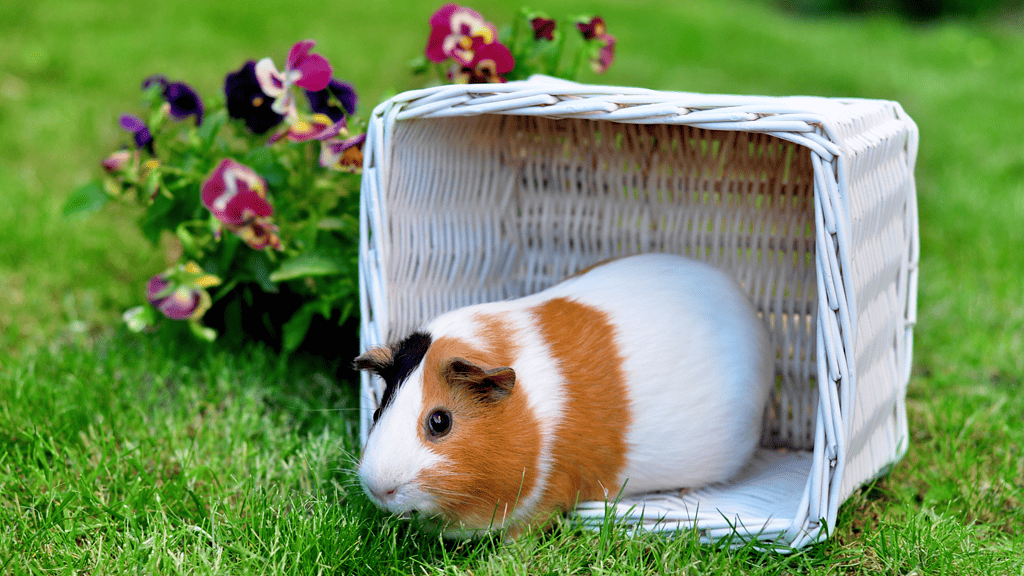
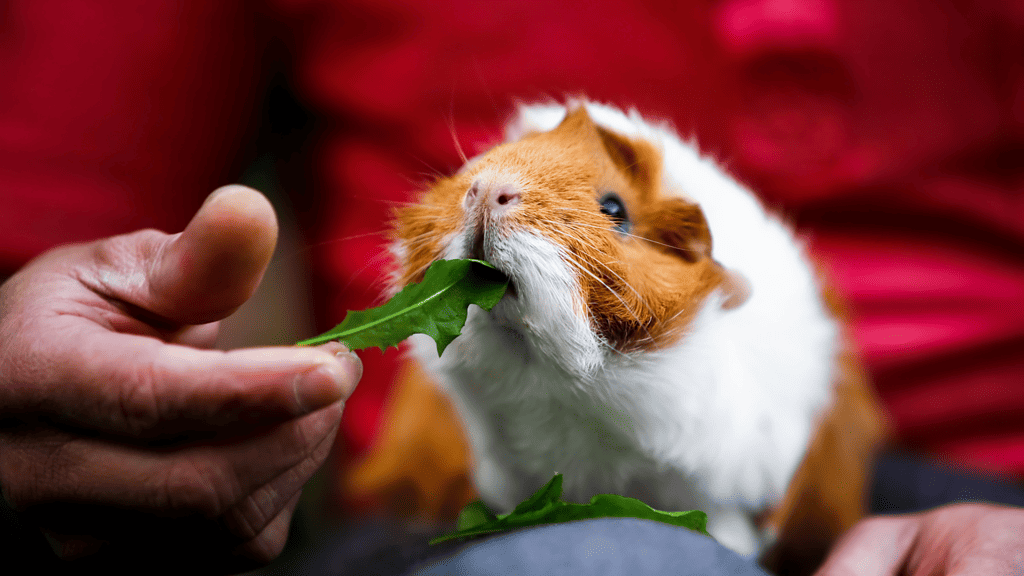
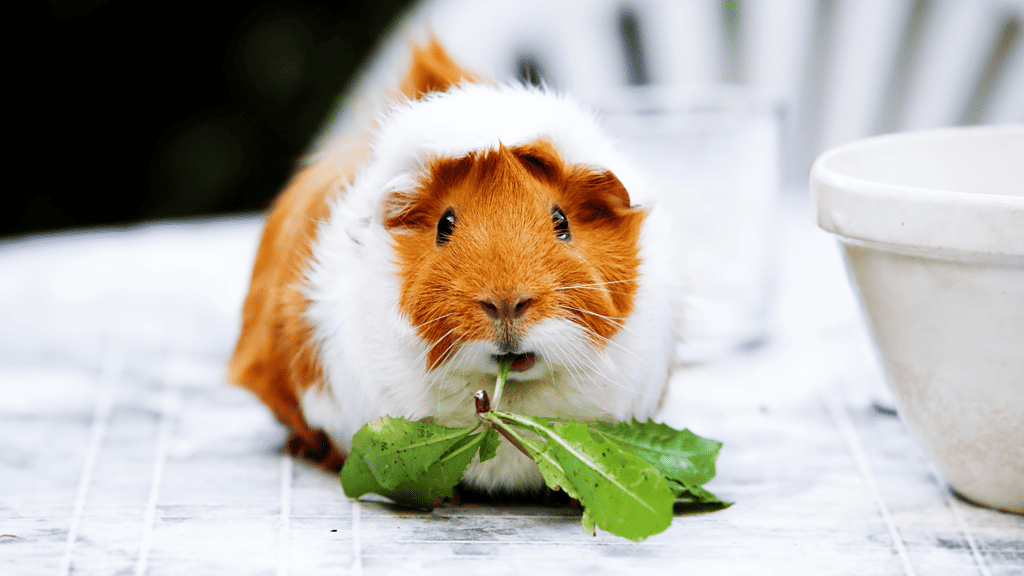
Yes, they can. Hay is an essential component of the diet of guinea pigs. Guinea pigs require plenty of hay at all times, and owners should make sure to give it to their pets. Guinea pigs get the critical fiber and nutrition they need from fresh, high-quality hay, which helps them maintain good oral health and reduces the risk of gastrointestinal issues.

Continue reading to learn everything you need to know about hay, including whether or not you may feed it to your guinea pig and how much hay is too much for them.

What is Hay?

Hay is essential to the nutrition you provide for your guinea pig. Hay should make up around 80 percent of the food your guinea pig consumes regularly. But remember that more than 4 oz of hay is not good for your guinea pigs.

Hay is essential if you want your guinea pig to have a healthy digestive system, avoid GI stasis, and have teeth constantly developing and worn down. On the other hand, there is an astonishing variety of hay kinds from which to select.

Do Guinea Pigs Eat Hay?

Yes, they do. Guinea pigs don’t require much food processing before they consume; therefore, raw hay is easier for them to digest. In addition, they have a digestive system comparable to that of humans, and they like to consume fresh meals rather than processed ones. On the other hand, hay that has been processed offers them a greater variety of nutrients and contributes to their overall improved health.

In order for guinea pigs to maintain their happiness and good health, they need to consume a significant amount of hay daily. These fuzzy creatures are herbivores and must eat plants. Guinea pigs are reported to feed on grasses in the wild; as a result, it is essential to provide them with a comparable diet to this to ensure that they remain healthy throughout the year.

Guinea pigs gain many health benefits from eating hay and other plant-based meals since their teeth and digestive systems are evolved to process plant matter. Any attempt to change their diet to one that is less plant-based can be highly damaging to their health.

What Makes Hay So Important?

Hay is a basic/integral part of your guinea pig’s diet for various reasons.  However, dental and gastrointestinal health are two of the most significant functions of hay to bear in mind when it comes to your pet’s health, and you should feed them hay.

1.     Healthy Dentition

Guinea pig teeth continue to develop throughout their whole lives. Hay causes their teeth to wear down naturally, which keeps their teeth at a healthy level and prevents dental disease.

2.     GI Health

Hay has several critical purposes, but one of the most crucial is that it helps keep the gastrointestinal system running (good quality pee and poop too).

The fiber (especially the insoluble components) keeps the digestive system constantly moving. A happy and healthy guinea pig consumes a significant amount of hay and routinely passes stool with fiber content.

What Kinds Of Hay Can Be Fed To Guinea Pigs?

You must make sure the hay your guinea pig consumes is fresh, has a bright green color, and has a pleasant aroma, regardless of the type of hay you choose to give it. Avoid adding chemicals to hay and keep them dust-free for your guinea pigs.

Avoid the cheapest option when purchasing hay and choose the option that offers the highest quality. Additionally, it is essential to steer clear of hay treated with chemical sprays. There are fundamentally two types of hay that may be fed to guinea pigs. They are known as grass hay and legume hay.

Because grass hays are high in fiber but low in calories, protein, and calcium, they are the type of hay ideal for guinea pigs to consume. Guinea pigs can consume legume hay, but only in minimal amounts at a time. An unhealthy amount of legume hay in the diet might cause the formation of urinary stones in addition to an unhealthy amount of additional weight gain. 

Can Guinea Pigs Consume Timothy hay?

Most guinea pig owners opt to feed their pets timothy hay as their primary source of nutrition. The guinea pigs adore this treat’s sweet aroma and flavour for the same reason. Timothy hay provides the ideal amount of fiber, fat, and protein for our guinea pigs and is also readily available. It’s made of Timothy-grass stem, leaf, and seed head.

What Kind of Hay Do Guinea Pigs Like Best?

Most of your guinea pig’s diet should consist of hay and grass.

The best hay for your Guinea Pig when it is young is alfalfa hay because it has more calcium. On the other hand, as your Guinea Pig becomes bigger, you should start feeding it hay with a reduced calcium concentration. An excessive amount of calcium might result in complications such as bladder stones.

When your Guinea Pig is an adult, it is recommended to feed it Timothy hay. It has a reduced calcium content and a greater fiber content, making it the superior option.

How Much Hay Should I Feed Daily?

The quick answer is that you cannot put too much hay in the habitat of a guinea pig. The more hay they have, the more often they can graze and forage, which is very important for their physical health and keeping their minds active. It’s best to give your pet as much hay as you can.
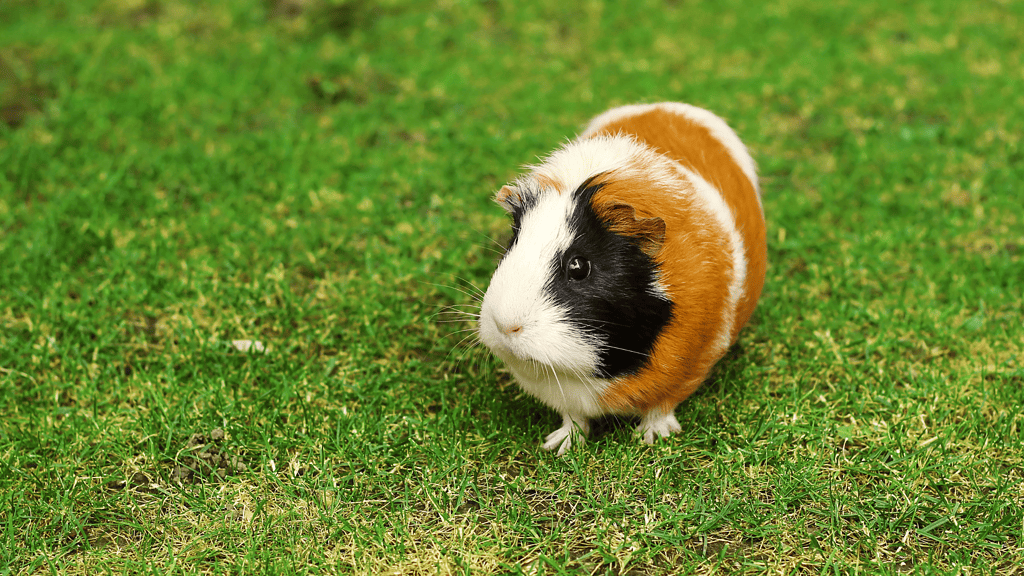
Can Guinea Pigs Eat Hay? How Much Is Too Much

Are Mixed Hay Bales Safe for Guinea Pigs?

The bundles will often be branded as mixed hay bales when you purchase hay by the bale. This indicates that several distinct varieties of hay are included within a single bale. Mixed bales can be fine for guinea pigs (they give finer poop), but it’s essential to find out what kinds of hay are mixed in.

These bales frequently contain a mixture of alfalfa as well. Anything containing alfalfa should be avoided, as guinea pigs are susceptible to developing bladder stones when they consume alfalfa.

What About The Other Parts Of Their Diet?

A nutritious diet for guinea pigs will include grains, vegetables, fruits, and vitamin C. Hay is essential to the food you provide for your guinea pig. In addition, their development must provide them with the appropriate amount of specialized guinea pig food. At all times, there should be water. A bottle with a sipper fastened to the side of the cage is ideal for most guinea pigs. However, you should check it regularly because many guinea pigs find the bottles entertaining to play with and chew on.
Do Guinea Pigs Pee?

Guinea pigs are renowned for having strange toilet habits you’ll usually observe when you look into their box. One of these activities is the amount of waste that they produce; hence, the question is: do guinea pigs pee?

Do Guinea Pigs Pee?

Yes, guinea pigs do pee a lot. They can occasionally pee up to five times an hour, adding up as the day progresses.

Do Guinea Pigs Pee A Lot?

When it comes to guinea pigs, it is a known fact that they pee rather frequently, and they do so throughout most of the 24 hours. They usually can’t contain their pee, so they go to pee when needed.

So, this may seem strange to us as owners, but for them, they typically just go almost as soon as they feel the urge to pee. In the same way, some guinea pigs can urinate in a variety of locations around their box for the same reason.

How Often Can Guinea Pigs Pee?

Guinea pigs need to pee around once every 10-20 minutes. That will not be the same for everyone since it will depend on their age, the weather, and how much water they drink.

Guinea pigs can stop peeing when sick or under a lot of stress. Therefore, the owner is responsible for monitoring the guinea pig to determine whether or not the pet pees regularly. It is easy to look at the color of the urine to see if something is wrong.

What are Different Colours of Pee to Look Out For?

You must closely check the colour and consistency of the guinea pig’s pee since it is an excellent sign of the guinea pig’s health. There are four different kinds of urine, which are as follows:

1.     Yellowish Urine

This is completely natural and good for you. It may occasionally have a milky appearance; however, this is mostly caused by an accumulation of very minute quantities of calcium.

2.     White and Powdery

An excessive calcium intake will show itself as white urine dries into a powdery consistency. If you see this, you should change what your guinea pigs eat, as excessive calcium can cause bladder stones and urinary tract infections.

3.     Orange-Brown When Dried

This does not pose a significant threat to the animal’s health and is really rather typical in young guinea pigs. However, for the sake of safety, you should ensure that your guinea pig is consuming a well-rounded diet.

4.     Pink to Dark Pink

Again, this is usually normal and is often caused by eating too many beets, tomatoes, bananas, or carrots. Check to determine whether your guinea pig is consuming an excessive amount of fruits and vegetables and if so, make adjustments to their diet. After that, observe any changes in the colour of their urine.

5.     Red to Dark Red

This is a dangerous condition, and you should make an appointment with a veterinarian very soon. Red pee that dries dark brown may indicate blood in the urine and a severe illness or stones. 

Guinea Pig Pee Problems

The following activities might be considered problematic:

1.     Pee Contamination Is Concerning

It is possible that guinea pig pee contains a lot of calcium; thus, hazy or white pee is considered acceptable. On the other hand, if the urine is slimy or has granular calcium deposits, this may indicate a problem.

2.     Urine Excess or Deficiency

Your guinea pig has either made much less urine than usual or much more urine than usual, even though it has had the same amount of water. Because guinea pigs consume more water when the temperature is high, it is natural for them to have an increased volume of pee during this time.

3.     Noise During Urination

It sounds like your guinea pig is wailing or screaming out because it has to pee.

4.     Struggling to Urinate

A little pee mark or trickle can sometimes indicate a urinary tract infection.

What Is the Reason for Guinea Pigs Peeing on People?

Several of the following are examples of reasons why the guinea pig pee on people:

  • Dominance
  • Full Bladder
  • Nervousness
  • Displeasure

Dominance

Male guinea pigs often urinate to assert their authority or mark their territory. We can limit its effects but not eliminate them; it’s a natural part of growing up.

Full Bladder

Guinea pigs can only retain their urine for around 15 minutes. Cut the playtime down to between 5 and 10 minutes. Even better, check to see if your guinea pig has urinated recently, and then you may both play or snuggle together on the couch.

Nervousness

Guinea pigs are curious about their owners and try to figure out where they fit in the household. Going from a safe enclosure or personal space to a big home might be scary. Nervousness can make the bladder empty, along with occasional poop.

Displeasure

An irritated guinea pig might pee. It might be inconvenient to be left alone for a lengthy period or to experience prolonged isolation.

Do Guinea Pigs Pee?

Do Guinea Pigs Pee On Each Other?

A guinea pig may urinate on another guinea pig to convey the message that the two animals should maintain their distance from one another. Guinea pigs will sometimes develop hierarchies among themselves or mark their territory. This behavior is typically seen more frequently in male guinea pigs.

A guinea pig may or may not urinate on another guinea pig; there is no certainty. Peeing on a female guinea pig is another way for males to signal to other males and females that they have found their mate.

The behavior of one guinea pig repeatedly peeing on another must be prevented by removing the offending guinea pig from the cage and providing the offender with a much-needed time-out.

Is It Common for Guinea Pigs to Pee So Much?

If your guinea pig pees a lot, you may wonder if that’s normal. When they consume regular or excessive water, guinea pigs pee a lot. Several factors can affect how much urine a guinea pig will produce, but the two most important are their diet and the amount of physical activity they get. For instance, if your guinea pigs consume a diet rich in high-water-content fruits and vegetables, they will likely urinate more frequently.

So it is usual for guinea pigs to have a lot of urination, but one of the things that you need to watch out for is whether or not the guinea pig’s urine is clean. However, if the urine produced by your guinea pig seems to indicate that it is not in good condition, then it is in your best interest to take them to the veterinarian in your area.

How to Improve a Guinea Pig’s Urinary Health?

The following are some suggestions that might help improve the urinary condition of your guinea pigs:

1.     Treat Any Pain

If your guinea pig suffers from arthritis, muscle relaxants may make it easier for them to walk about. This ensures that your guinea pig will maintain a clean and healthy environment.

2.     Cleanliness

Every day, you should disinfect and clean the litter pan, as well as the water dish and enclosure for your guinea pig. Cleaning the litter box and the water bowl regularly is recommended. This will reduce the amount of microorganisms found within the cage. It is far more probable that a guinea pig will empty their bladder if the enclosure in which they live is maintained clean.

3.     Feed Infinite Grass Hay

The hay varieties best suited for guinea pigs are orchard and timothy.

4.     Reduce Stress

Your guinea pig will be able to empty their bladder as a result of this when they urinate.

5.     Hydrate

The importance of staying hydrated cannot be stressed enough. Inflammation and infection of the urinary tract can be brought on by dehydration.

6.     Regular Exercise

If your guinea pig gets regular exercise, this can help to reduce the risk of urinary tract infections (UTIs) as well as other ailments.

Do Guinea Pigs Poop?

Guinea pigs are adorable and cuddly animals. They don’t need much care. However, cleaning up their excrement is never an enjoyable experience. So, if you just got a guinea pig, you might wonder if it poops.

Do Guinea Pigs Poop? YES! These little creatures poop a lot. They never stop eating, and the food goes through their digestive tract extremely rapidly. If you continue to feed your guinea pigs the high-fiber diet they require, you should anticipate that they will defecate anywhere from 120 to 200 times per day. Your guinea pig’s age, nutrition, health status, and amount of activity have significantly impacted the quantity and the quality of the excrement they produce.

After reading this article, you should know more about your guinea pig’s pooping habits.

Do Guinea Pigs Poop?

Do Guinea Pigs Poop?

Numerous factors impact how often a Guinea Pig poops. Some of these are diet, exercise, age, and weight, but there are more. Your Guinea Pig’s poop will vary over time depending on nutrition and lifestyle. Whatever their breed, Guinea pigs have a well-deserved reputation for excessive poo production. 

Is It Normal For Guinea Pig To Poop too Much?

Yes, it is typical for guinea pigs to have a lot of bowel movements; if you notice that your guinea pig is having fewer bowel movements than usual, there may be a problem. As guinea pigs continue to eat throughout the day, and as a result, they produce more waste than other types of animals.

A healthy guinea pig will eat everything you give it, not just a lot of hay and veggies. Because of this, most guinea pigs exhibit the characteristic of passing significant volumes of waste regularly; nonetheless, there are a few things that you must look out for.

Why Do Guinea Pigs Poop More Than Usual?

There are a few distinct reasons why guinea pigs produce an abnormally high amount of poop. The following are some examples:

1.     Too Many Vegetables

As pet owners, we are prone to the common mistake of providing our small companions with excessive vegetables. Most guinea pigs go to the potty everywhere, but the product’s high water content might induce diarrhea or more frequent visits.

2.     Change in Diet

Guinea pigs will have an increased frequency of excrement if their food is supplemented with a greater quantity of vegetables high in fiber. Your four-legged friend’s body will eventually acclimate to the food you feed. When you modify it, guinea pigs poop a lot until their bodies adjust.

3.     Health Problems

Signs of health issues such as gastrointestinal stasis or an infection caused by a virus include massive amounts of feces passed in the form of diarrhoea or guinea pigs passing blood in their feces. If you observe this, don’t delay taking your furry companion to the veterinarian as soon as possible!

What Should Guinea Pig Poop Look Like?

The presence of normal guinea pig feces pellets, which range in color from light to dark brown and have an oval form, demonstrates that your guinea pig is in excellent health. It has a consistency that is in the middle, being neither very dry nor overly moist and is quite small.

When your guinea pig step on its poop, it shouldn’t shift to mush or split into pieces, but it shouldn’t be fully dry either. Dehydration might be indicated by stools that are dry and small.

If the poop looks like tears, it could signify a digestive problem. Hay should be fed to guinea pigs in amounts according to the caloric requirements of the animals. In order to maintain the function of their digestive tract, guinea pigs require a diet that contains a significant amount of fiber, which may be found in hay.

The presence of blood in the poop is another potential cause for worry. An obstruction, inflammation, or a rupture in the intestines of the Guinea pig typically causes the crimson and bloody color of the guinea pig’s droppings. 

Much like people, guinea pigs are susceptible to diarrhea, which causes their waste to become runny and unpleasant. It is quite easy to determine whether or not your pigs have diarrhea if you look at their feet and fur and see that they are covered in loose, stinking waste.

Why Do Guinea Pigs Poop in Their Beds?

Many people who own pets have had the unpleasant experience of returning home to discover that their cherished animal has stained their bedding. This is a habit that guinea pigs are primarily known for and can be hard to break.

A few different reasons might account for why guinea pigs defecate in the same area where they sleep. First, they might not have enough room to set up a separate place to poop. They might not have any other option but to relieve themselves in the bedding if their enclosure is too tiny or if it is too crowded with other animals.

Another option is that guinea pigs like to retain their potty and resting place in the same position, although they may have plenty of space in other areas of their cage. Even though the rest of their cage is open, clean, and ready for use, many guinea pigs will poop in their sleeping area instead.

Some experts agree that guinea pigs love the odour of their own poop and utilize it to identify their territory. Regardless of the reason, it might be challenging to cope with the pooping routines of a guinea pig. However, with a little patience and persistence, most owners are finally successfully solving this issue.

Do Guinea Pigs Poop?

Why Is My Guinea Pig’s Poop Light Brown?

The poop of guinea pigs can potentially include information on their health. The poop of guinea pigs may be divided into two distinct categories. Examples include fibrous pellets and shiny dark cecotropes. Guinea pigs produce solid, odorless droppings that are a dark brown colour, spherical in form, and somewhat hard. 

The poop of one guinea pig might be dark, while another might be light brown. Guinea pig poop must be the same color every time. A healthy guinea pig will always produce pellets of the same colour, regardless of the time of year. If you make significant alterations to a guinea pig’s diet, you may notice a tiny difference in the colour of their waste. They can have different feces colors even if raised in the same household and given the same diet. 

How Can I Stop My Guinea Pigs From Pooping Everywhere?

Well, guinea pigs poop everywhere, so it won’t be easy to stop them from doing it. The first thing you can do is find out if your guinea pigs have a favourite spot to poop. In this manner, you will save some time and have an easier time locating the poop and cleaning them up.

In addition, you may train your guinea pig to defecate in a litter box by making a little effort. It should not be difficult to prevent your guinea pigs from pooping in inappropriate places if you can effectively housetrain them.

Can Guinea Pigs Eat Strawberries? How Much Is Too Much?

Everyone enjoys feeding their guinea pig a variety of savory fruits and veggies. And while strawberries are certainly at the top of the list of many people’s preferred fruits, the question is whether or not you may give them to your cute little guinea pig. So, let’s discuss whether a guinea pig eats strawberries or not and how much strawberries are too much for them.

Can Guinea Pigs Eat Strawberries?

Yes, they can consume/eat strawberries. You should not worry about them becoming sick if you give them small amounts of strawberries. However, before feeding them to your pet guinea pigs, you need to check the quality of the strawberries.

How Many Strawberries Are Too Much For Guinea Pigs?

More than two small strawberries per week are considered too much for guinea pigs.

Now that we have a basic understanding let’s learn more about the benefits of feeding strawberries to guinea pigs.

Can Guinea Pigs Eat Strawberries?

Strawberries are a treat that guinea pigs may enjoy. Guinea pigs require a certain amount of vitamin C and other critical minerals, which may be found in strawberries. However, it contains a rather large amount of sugar, which makes it a tasty treat when consumed in moderation. The risk of developing severe health problems, such as diabetes and obesity, increases when food intake is excessive.

It’s possible that some guinea pigs like the flavour while others don’t. It should not come as any surprise. If you discover that your guinea pig enjoyed them and is begging for more, then you may consider giving them a piece now and then. However, if it doesn’t work, you can later try a few other fruits out on your guinea pigs. Fruits such as pears, apples, bananas, and others are excellent additions to their diet and should be included.

Do Guinea Pigs Love Strawberries?

Guinea pigs can consume strawberries; the question is whether or not they like the fruit is totally dependent on the guinea pig’s personality. Similarly, like us, some animals have a preference for strawberries while others do not.

Strawberries have a natural sweetness that makes them appealing to most Guinea Pigs. It has been observed that around 70 percent of guinea pigs like eating strawberries. 

Health Benefits of Strawberries

Guinea pigs think strawberries are one of the most delightful fruits there and like feeding on them. Guinea pigs can benefit from it in various ways, which is why it’s an excellent thing to give them. The following are a few examples of these benefits:

1.     Blood Sugar Regulation

Although strawberries have naturally high sugar content, feeding them to the guinea pig can benefit their blood levels. Strawberries are an excellent dietary fiber source that can help maintain healthy blood sugar levels.

2.     Weight Loss

Your guinea pig will experience a sense of satisfaction and fullness due to the dietary fiber included in strawberries. Your guinea pig may have some degree of weight loss due to this condition. The weight of a healthy guinea pig should be about average.

3.     Aids In Enhancing Vision And Sight

Strawberries are loaded with vitamin A, which benefits one’s eyesight and vision. Maintaining the health of your guinea pig’s eyes requires a combination of efforts from this component and others, such as carotene.

4.     Improve Digestion

Guinea pigs have weak digestive systems, making it hard for them to absorb nutrients from food. Because of this, they need help from the food they eat. Strawberries can be beneficial to digestion since they contain fiber. Consuming fiber regularly promotes regular bowel movements.

5.     Blood Pressure Regulation

If you would like your guinea pig to be free from infections and other health concerns, the blood pressure should be kept at the ideal range. Your guinea pig’s body can benefit greatly from the potassium in strawberries, which helps maintain healthy blood pressure. Potassium does this by reducing the impact that sodium has on the body.

6.     Improves The Immune System

The diet that guinea pigs consume, which is rich in vitamin C, contributes to the strength of their immune systems. It helps the body fight infections and diseases and makes white blood cells. Guinea pigs may consume this fruit since it is high in vitamin C and is safe for them. You need to be informed that guinea pigs have a poor immune system, which is why they need a significant amount of this vitamin.

7.     Reduce Inflammation

The onset of illness, infection or damage may follow in the wake of swelling or inflammation. It is a natural reaction in the body, but if it continues for an extended period of time, it might be hazardous. Consuming foods that are high in antioxidants can help decrease inflammation. Because of this, your guinea pig will not be susceptible to developing a persistent inflammatory condition.

Risks of Giving Your Guinea Pig Strawberries

1.     High Sugar Content

Like many other fruits, strawberries have a high sugar content, with around 0.6g of sugar per strawberry. When eaten regularly, this quantity is excessive for guinea pigs, and it might lead to a wide range of health issues for your pet.

2.     Contains Calcium

In addition, the calcium found in strawberries might contribute to the formation of bladder stones. Therefore, you will need to keep an eye on how much calcium your guinea pigs consume. You should try to avoid the formation of bladder stones in your guinea pig since they can cause great discomfort.

3.     High Acidic Content

Strawberry acidity isn’t as terrible as apples’, but it can still hurt guinea pigs. Strawberry’s acidity could give guinea pigs stomachaches and damage their teeth over time. It should be a reason for concern if they are given a moderate amount of strawberries and other vegetables as part of their diet.

4.     Ingestion of Pesticides

Guinea pigs consume more fruits and vegetables and are at more risk from pesticide residue. When you can, try to buy organic strawberries. If you can’t get organic strawberries, wash them well before giving them to your guinea pig so they don’t get sick from the pesticides.

How Many Strawberries Can Guinea Pigs Eat?

Strawberries are great for guinea pigs, but you should only feed them once a week. They shouldn’t be used in place of a meal at any point but as a snack between meals. The best thing to feed them is a single strawberry cut into small pieces.

It is essential to avoid overfeeding them because doing so might lead to indigestion and stomach pain. Strawberries are a favorite treat for guinea pigs, but they must avoid getting mouth sores.

Can Guinea Pigs Eat Strawberries? How Much Is Too Much?

Are Strawberry Leaves Safe for Guinea Pigs to Eat?

Guinea pigs can eat strawberry leaves without any adverse effects since they are not toxic. Since guinea pigs enjoy the taste of leafy vegetables, feeding them strawberry greens may provide them with an excellent source of nutrition. The guinea pig may prefer strawberry leaves over berries.

Strawberry leaves are beneficial to the health of guinea pigs since they are high in free radicals and have a relatively low amount of sugar. However, some guinea pigs may be sensitive to strawberry leaves, so watch their reactions when they consume them.

Can Guinea Pigs Eat Strawberry Seeds?

Giving guinea pigs whole strawberries is safe, even if they have their seeds. It just so happens that strawberry is included in the few fruits and vegetables whose seeds are suitable for guinea pigs. Strawberry seeds are delicious.

You may also give your guinea pig the seeds from other fruits like grapes, cucumbers, and cherry tomatoes, and guinea pigs will eat them. The seeds are very small and soft so guinea pigs can eat them.

Are Dried Strawberries Safe for Guinea Pigs to Eat?

No, you should not give your guinea pigs any dried strawberries since it is not a healthy treat and may reduce your pet’s lifespan. Your guinea pigs should avoid dried strawberries since they often contain very high levels of sugar, which can be harmful to their health.

Guinea pigs can consume dried fruits, which might create gastrointestinal issues. Because of this, guinea pigs should not be given dry strawberries or any other type of dried fruit.

Do leopard geckos need water?

Leopard geckos are a popular pet reptile, but many people have questions about their care requirements. One of the most common questions from new owners is: do leopard geckos need water? The answer to this question isn’t as simple as yes or no. It depends on several factors, such as the type of environment you’re creating for your leopard gecko and what kind of diet it is eating. In this blog post, we will explore whether leopard geckos need water and how to provide sufficient hydration for your pet reptile.

Do Leopard Geckos Need water?

Do Leopard Geckos Need Water?

Leopard geckos obtain most of the water they need from their food, such as crickets and mealworms, but they still need access to a clean and fresh source of drinking water. They also need a shallow water dish to drink, soak and hydrate in. Change out the water regularly to keep it fresh and clean.

Leopard geckos are a type of lizard that are commonly kept as pets. These lizards are native to the deserts of Pakistan and India, and as such, they have adapted to living in an environment with very little water. However, this does not mean that leopard geckos do not need water at all. In fact, providing water is an important part of caring for these lizards.

Leopard geckos obtain most of the moisture they need from their food. These lizards eat a variety of insects, such as crickets and mealworms, and they can also be fed small amounts of fruit and vegetables. The moisture content of their food helps to keep them hydrated. However, it is important to provide a water dish for leopard geckos as well. This will not only provide them with a source of drinking water, but it will also give them a place to soak and hydrate if they choose to.

When providing a water dish for leopard geckos, it is important to use a shallow dish that is easy for them to access. The dish should be cleaned and refilled with fresh water regularly to ensure that the water is clean and safe for the lizard to drink. It is also important to keep the water dish away from the heat source, as this can cause the water to evaporate quickly.

Leopard geckos can be susceptible to dehydration, especially if they are not provided with enough water or if the humidity in their enclosure is too low. Signs of dehydration in leopard geckos include wrinkled skin, sunken eyes, and a lack of energy. If you suspect that your leopard gecko is dehydrated, it is important to provide them with a shallow dish of water and to increase the humidity in their enclosure.

In conclusion, while leopard geckos do not need large amounts of water to survive, they do need access to a clean source of water. Providing a shallow dish of water and ensuring that the humidity in the enclosure is at a suitable level will help to keep your leopard gecko healthy and hydrated. Regularly monitoring the lizard’s condition, providing a suitable diet, and keeping the enclosure clean will help to ensure that your pet leopard gecko is happy and healthy.

It is important to change the water in your leopard gecko’s water dish on a regular basis to ensure that it is clean and safe for the lizard to drink. The frequency at which you should change the water will depend on several factors, such as the size of the water dish, the number of lizards in the enclosure, and the overall cleanliness of the enclosure.

As a general rule, it is recommended to change the water in the dish at least once a day. This will help to prevent the build-up of bacteria and other contaminants that can make the water unsafe for the lizard to drink. Additionally, it is important to clean the water dish thoroughly before refilling it with fresh water.

If you notice that the water in the dish is becoming dirty or cloudy more quickly than usual, it may be necessary to change the water more frequently. This can be an indication that the enclosure is not being cleaned often enough, or that the water dish is not being cleaned properly.

It’s also important to note that leopard geckos can also defecate in the water dish, which will make the water dirty and unsanitary. If this happens, it’s important to clean the water dish immediately and refill it with fresh water.

Can you tell if your leopard gecko is dehydrated? 

There are several signs that can indicate if a leopard gecko is dehydrated. Here are a few of the most common signs to look out for:

Wrinkled skin:One of the most obvious signs of dehydration in leopard geckos is wrinkled skin. This is because as the lizard loses water, its skin loses elasticity and appears wrinkled.
Sunken eyesAnother common sign of dehydration is sunken eyes. As the lizard loses water, the skin around its eyes can appear sunken, making the eyes appear more prominent.
Lack of energyDehydration can also cause a leopard gecko to become lethargic and have a lack of energy. If your lizard seems sluggish and unresponsive, it may be dehydrated.
Loss of appetiteA dehydrated leopard gecko may lose its appetite and may refuse to eat.
Dry mouthA leopard gecko’s mouth may appear dry and sticky if they are dehydrated.

It’s important to note that not all of these signs must be present for a leopard gecko to be dehydrated. Even one or two of these signs may indicate that the lizard is dehydrated and in need of water. If you suspect that your leopard gecko is dehydrated, it is important to provide them with a shallow dish of water and to increase the humidity in their enclosure.

It’s also important to note that some of the signs of dehydration could be caused by other issues. For example, lethargy and lack of appetite could be caused by a parasitic infection or other health problems, so it’s always best to consult a veterinarian if you’re not sure about your leopard gecko’s health.

How long can leopard geckos go without water?

Leopard geckos are native to the deserts of Asia and Africa and have adapted to survive in arid environments with little access to water. As a result, they are able to go for an extended period of time without drinking. However, it is important to note that just because a leopard gecko can survive without water for a certain amount of time, it does not mean it is healthy or recommended to do so.

Leopard geckos can survive only two to three days with out water. They are able to do this by conserving moisture in their bodies, as well as by obtaining water through the food they eat. They eat a variety of insects such as crickets, mealworms, and wax worms which contain some water, this helps them stay hydrated.

However, it is important to provide your leopard gecko with a clean, fresh water source at all times. Not providing your leopard gecko with water can lead to serious health issues, such as dehydration and kidney failure. Additionally, not providing your leopard gecko with water can also lead to behavioral issues, such as lethargy and lack of appetite.

To ensure that your leopard gecko stays healthy and hydrated, it is important to provide them with a shallow dish of clean, fresh water at all times. You should also mist your leopard gecko with water occasionally, as this can help increase the humidity in their enclosure and promote drinking. You should also check the water dish regularly to make sure it is clean and filled with fresh water.

Do Bearded Dragons Poop?

Bearded dragons originated in Australia and are popular pets because of their friendly nature and unique appearance. In addition to its beard, which shows how the reptile is feeling, its behavior and excretion can tell you many other things. The question is, do bearded dragons poop?

Do Bearded Dragons Poop?

Bearded dragons do, in fact, poop every day, and sometimes even many times in a single day. Bearded dragons, on the other hand, are known to be capable of going seven days without pooping. If it has been more than a week since your bearded dragon defecates, it could indicate that it is becoming impacted.

This article will provide you with all of the information that you require regarding bearded dragon poop.

What Does Normal Bearded Dragon Poop Look Like?

To determine whether your beardie is healthy, you need to be familiar with the characteristics of healthy poop produced by beardies. The waste produced by a bearded dragon in good health is a mixture of two distinct types.

The first portion is solid, brownish dietary wastes, and the second is pale soft, firm urine. Your bearded dragon’s diet will be evident in the consistency of its waste products. In most cases, it should not be very watery; otherwise, there may be a problem. Bearded dragon poop will darken and become more solid if you feed it insects.

The bodies of bearded dragons are designed to keep as much water as possible, and the bearded dragons, in turn, discharge their urine as solid waste while keeping the fluid in their bodies.

What Does Bearded Dragon Poop Mean?

Bearded dragons may produce several distinct types of poo, and each can tell you something unique about the beardie that produced it. An explanation of what each kind of poop indicates is provided below.

Yellow Poop

If you give your bearded dragon food that is heavy in calcium, you might expect it to have yellow faeces rather frequently. It can also make their poo a lot more yellow than it usually is. Reduce the quantity of calcium in their diet in any way you can to prevent the discolouration from continuing. An excessive amount of calcium can harm their vital organs and create even more issues with their bowels.

Brown Poop

Bearded dragons typically have brown poop, indicating that the bearded dragon is in good health. If you come across this form of poo, there is no need for concern.

Runny Poop

If it happens only sometimes, beardie poop that is runny is not something to be concerned about. The presence of runny poop indicates that there has been a change in the food of your dragon, which will often be handled on its own.

You may observe that your bearded dragon has diarrhoea after eating high-fibre food. To resolve this issue, the fibre level of the meals that you feed your bearded dragon should be progressively decreased.

White Poop

Your bearded dragon may suffer from dehydration if it produces white poop, mainly if the faeces are chalky white. 

You may prevent your bearded dragon from dehydrating by giving it a bath every three days for ten minutes. The bath makes the scales on your dragon’s skin moister, which rehydrates the beardie.

Black Poop

If your bearded dragon’s waste is black, this may be an indication that it is eating primarily insects and very few, if any, plants. This must be balanced by supplying the bearded dragon with the plant essential to its diet. If you do this and you still notice black faeces, you must carry the poop to the doctor so they can examine it. Your bearded dragon is likely experiencing inactivity, which blocks bowel motions and can result in severe constipation, ulcers, and internal bleeding. This condition is referred to as “inaction.” A parasite infection may be present if the faeces have an unpleasant odour. It is also important to note that the poop left behind by a bearded dragon will turn darker as it dries up.

Green Poop

If your dragon has recently consumed green veggies like spinach, its poop will be green in colour. Your beardie will not have any difficulties as a result of this happening. Like the yellow poop, you must watch your dragon’s diet to find out if its poop is affected by the veggies it ate. If you’re not sure, go to the vet.

How Often Should Bearded Dragons Poop?

On average, a Bearded Dragon should poop from once to seven times weekly.  Since it is only natural that a younger beardie would consume more food than an adult, it stands to reason that they will have to go more frequently.

When your bearded dragon gets older, you will probably notice that it does not eat as much, so it does not poop as frequently. You’ll also observe a shift in their eating habits as they tend to move toward a more plant-based diet. Pooping can go down to once a week or less often.

How Often Should Baby Bearded Dragon Poop?

You should predict that your newborn bearded dragon, up to two months old, may poop anywhere from one to three times every day.

Baby beardies’ bodies change quickly because they eat a lot of protein, so don’t worry if your small friend continues to give you a lot of gifts to clean.

Is Bearded Dragon Poop Dangerous?

Although the bearded dragon may be a friendly creature, its poop is not. Salmonella, which may or may not be fatal to the reptile but may be highly hazardous to people, is present in the animal’s faeces. Therefore, even a bearded dragon in excellent health can spread sickness to people. It is very necessary to exercise extreme caution if handling the beardie or cleaning up its waste. It is possible that coming into direct contact with the reptile will not cause an illness, but bringing it too close to vulnerable areas of the body, such as the mouth, can cause an infection. You should wash the excrement with hot water and soap and wash your hands well.

What to Do if The Beardie Poops Too Much?

It might be concerning when a bearded dragon poops excessively. Bearded dragons defecate more often for several reasons. However, an essential step is having your certified veterinarian examine it. When under pressure, bearded dragons tend to poo more regularly.

They are also susceptible to being frightened by unusual persons, unusual noises, or unexpected movements. Therefore, you should analyze their environment to see whether or not these items are causing them stress.

Bearded dragons can also have frequent defecation problems if they eat certain foods, especially insects with tougher shells. Therefore, ensure you only provide your beardies with little bug treats weekly. Bearded dragons need fresh fruits and vegetables, too.

On the other hand, bearded dragons may experience digestive trouble if they eat leafy greens. Therefore, if you feed your beardie greens, you should consider switching to other veggies.

Bearded dragons are not designed to consume large amounts of food. Thus, it is essential to remember that you should give them more food in smaller pieces while feeding them.

Why Does My Bearded Dragon Not Poop?

They will poop less often as they age and produce less waste overall. Therefore, you shouldn’t be worried if you observe an activity decline as they age. But if they just won’t poop, that’s an issue.

This could be because of a health problem or more stress. That’s why, if you see this happening, you need to start keeping a record of their symptoms and actions. If you observe that your bearded dragon has not pooped for an unusually extended time, you should consult your vet and consider their advice.

How Long Can They Go Without Pooping?

Bearded dragons who are not in the brumation state and are otherwise healthy shouldn’t go more than a week without defecating. Some beardies can go for weeks without defecating, but this is highly uncomfortable and typically indicates something wrong with their health.

Bearded dragons typically don’t poo for six basic reasons, which are as follows:

  • A bad diet
  • Parasites
  • Stress
  • Brumation
  • Impaction
  • Lighting