Recent Posts

A Closer Look at Leopard Geckos Morphs and Colors?

Leopard Gecko owners are primarily concerned about their Geckos coloration. When compared to other lizards you may find you self wondering, Do Leopard geckos change color?
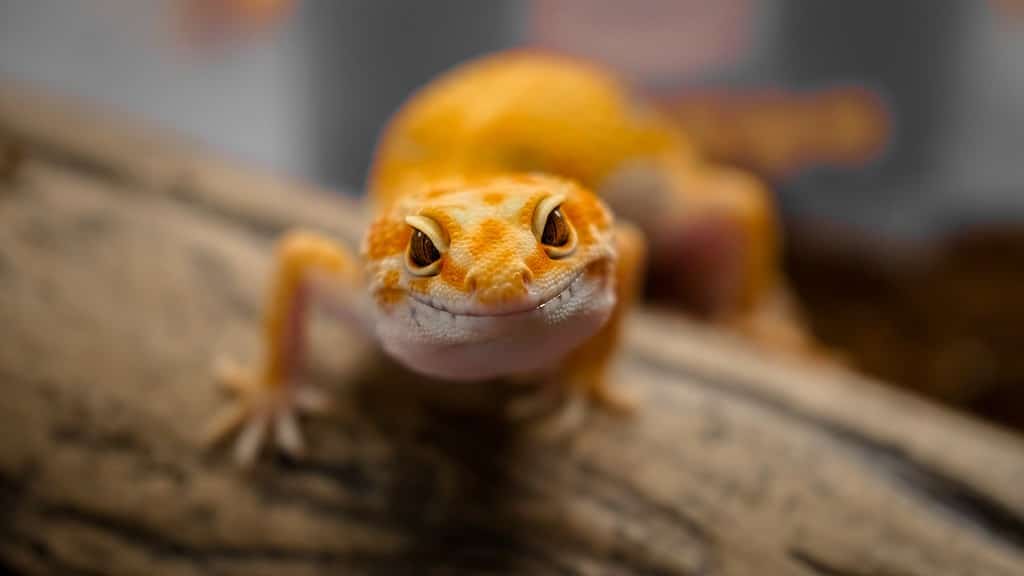
As a whole, Leopard geckos can change color based on factors like age, mood, health, and temperature. Changes can range from slight hue shifts to dramatic transformations, and some may develop brighter colors or patterns as they mature. However, not all geckos exhibit significant color changes.

Other Questions that come up are

Do leopard geckos lose their color?

On average, Leopard geckos don’t typically lose their color entirely, but can experience a loss of vibrancy or changes in hue due to aging, shedding, illness, stress, or environmental factors. Sudden or significant loss of color can indicate an underlying health issue that should be checked by a veterinarian.

It is not common for Leopard Geckos to lose their color entirely, but they can experience a loss of vibrancy or changes in hue over time. This can be due to a variety of factors, such as aging, shedding, illness, stress, or changes in their environment.

For example, as Leopard Geckos age, their colors may become less bright and intense. Additionally, they may lose some coloration during the shedding process, which is a natural process in which they shed their old skin to make way for new growth.

Stress and illness can also affect a Leopard Gecko’s coloration, causing them to become dull or faded. In some cases, changes in diet or environmental factors like lighting or temperature can also impact their coloration.

Reasons why Leopard Gecko change their color

Improper Nutrition

In leopard geckos, a change in color or darkening of the skin may also be caused by a lack of proper nutrition. They require many vitamins, including calcium and vitamin D3. Discoloration of the skin color is one of the potential side effects of calcium insufficiency. If you become aware of this, you need to handle it as soon as possible.

Vitamin D3 may be obtained by leopard geckos either by the UV light that is placed in their enclosure or through the food that they consume. In most cases, getting the necessary nutrients through one’s food rather than via a UV light is advised as the best course of action.

It is suggested that either a heating mat placed underneath the terrarium or a heat lamp placed on the lid be used to provide the necessary warmth. You have to give them gut-loaded feeder insects that have been powdered with supplements if you want them to have enough vitamin D3, vitamin pills, and minerals in their diet.

To lower the possibility of a calcium deficit developing, some calcium powder should be sprinkled into the tank for Leos to lick. Calcium powders are readily available on the market, or you may create your own at home using some common ingredients.

Unbalanced Temperature

It’s possible that your leopard gecko is changing color because it’s too chilly in either the tank or outside of it. The process of browning and eventually turning black improves the absorption of heat. So, in a color environment, Leos may change their color.

Ensure that the vivarium in which your leopard gecko resides maintains temperatures that are just right. During the day, the temperature on the warmer side should be between 82 and 92 degrees Fahrenheit, while the temperature on the cooler side should be between 72 and 78 degrees Fahrenheit.

A temperature difference in the tank, in which one side should be warm, and the other side should be chilly, is another factor that should not be overlooked. Your leopard gecko will be able to go to a warmer location in order to warm up as a result of this.

Be careful you hang two digital thermometers somewhere on the wall of the tank, one on the warm side and one on the cool side. Because your Leo needs to warm its tummy in order to digest food, it is essential to monitor the temperatures near the floor of its enclosure.

If your leopard gecko needs to avoid the light, you should make sure to arrange a warm refuge in close proximity to the basking lights.

Leopard geckos often display their most vibrant color as their body temperature rises. It is also possible for it to darken if the environment in the tank is excessively humid or if your leopard gecko spends a lot of time in its hide.

Shedding

It’s possible that your leopard gecko is going through a color change process before shedding. Geckos of this species lose their skin reasonably often, on average, once every two to four weeks. Before losing their skin, leopard geckos can take on a grayish hue.

This is entirely natural and should go away after the shedding process has been completed. Even if your Leo has never been this black prior to shedding in the past, you shouldn’t be concerned about it now.

Because it is now dark, it may take anywhere from five to seven days for your Leo to finish shedding completely. If your Leo does not return to its usual state during the shedding process, there may be another cause for this.

Stress

When under stress, leos may occasionally appear darker and show color variation. A multitude of factors, including inadequate temperatures, lighting, feeding, substrate, tank sizes, interaction, and so on, may all contribute to an animal’s state of stress. Investigate what could be going wrong in order to correct the situation.

Make certain that there is a temperature difference, that the temperatures are excellent both during the day & night, in both the chilly and the warm places, and that there are optimum temperatures. When night falls, be sure the lights you use won’t wake up your leopard gecko while it’s sleeping. Because leopard geckos are capable of seeing colors, a white, red, or blue light bulb is not the ideal option.

It is not always required to use bulbs since the temperature in the terrarium should drop when the lights are turned off. You may also heat the tank at night with a heating pad placed underneath the tank rather than using lamps.

Place the mat on one side of the tank to create a temperature gradient, ensuring that the mat does not exceed thirty percent of the total size of the tank. Even if the temperature in the cold location is too high, your leopard gecko may still change color and become brown.

If adequate amounts of vitamin D3 are given, leopard geckos often do not require exposure to UVB rays. 

Your Leo is Turning Into an Adult!

True to its name, a young leopard gecko will eventually change its color as it matures. As a result of this, a darkening of the skin to some degree is to be anticipated. If your Leo is around a year old, this might very possibly be the cause of the change in the color of its skin that you have seen.

You shouldn’t be concerned if your Leo has bands and is getting darker overall. It’s a natural part of growing up! In addition, once they have reached their full maturity, several kinds of leos have a darker colour.
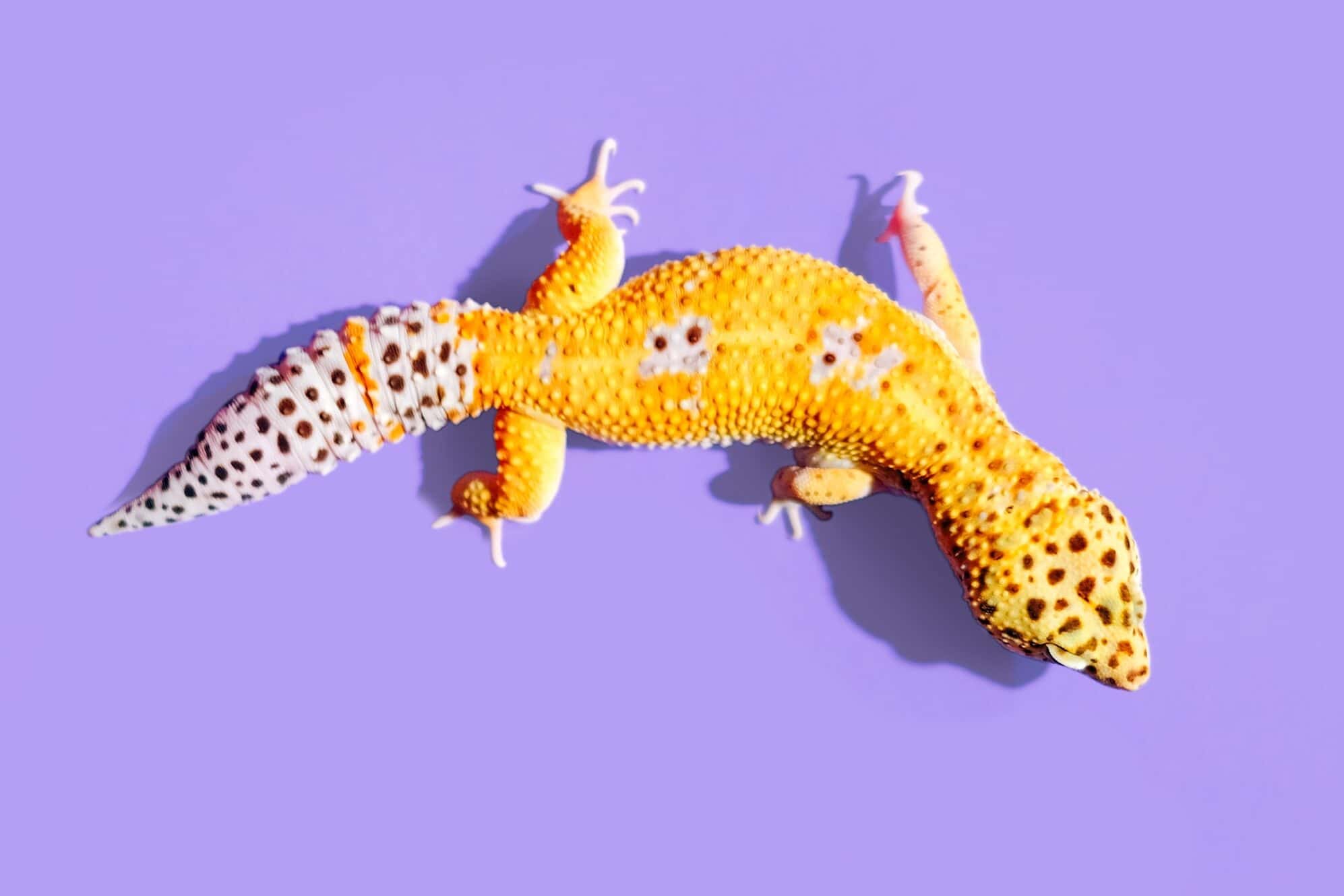
What must you do during your Gecko’s color-changing process?

The best thing to do when you observe that your Gecko’s color is shifting to a whitish-gray hue is to build a separate tank/terrarium for your Gecko. To aid in the process of shedding its skin, your Gecko adores a hiding spot that is both dark and wet. It is highly recommended that the substrate for the hide be made of damp peat moss or pine mulch.

As soon as you offer this, your Gecko will be able to tear their skin away from their body with ease using their teeth and will even be able to consume it. On the other hand, your leopard gecko may experience difficulties in shedding areas of its skin at specific points in its life. When this occurs, you will need to assist your Gecko in removing the shed that has been lodged.

A Guide to Guinea Pig Breeds: Choose Your Perfect Match

Guinea pigs are great pets and are a good choice if you want to help your kids get used to having a pet. There are many different breeds and colors of guinea pigs to choose from. They are also adorable and easy to care for. But a few breeds of guinea pigs are very rare and in high demand. In this article, we will discuss almost all the guinea pig breeds and their salient features.

Let’s continue.

Almost all guinea pig owners know there are so many distinct breeds of guinea pigs and various coat variants selecting the right one might seem impossible. So, here is a list of popular, unpopular, hairless, rare, and unrecognized breeds of guinea pigs to help you decide which suits you best.

Popular Recognized Guinea Pig Breeds

American Short-haired Guinea Pig

American Short-haired Guinea Pig

The American Short-haired guinea pig is the most prevalent type and is often considered the most distinctive type. This piglet has a very short and dense coat that demands very little maintenance in brushing and combing. In general, America Short-haired guinea pigs are excellent pets for young children since they like being handled, have a very peaceful disposition, and get along well with other piggies. In addition, they have shorter coats than other guinea pig breeds.

They range from around eight to twelve inches and may be found in several hues, including white, black, and brown.

White Crested Guinea Pig

White Crested Guinea Pig

The White Crested guinea pig resembles the American guinea pig in every way except for a tuft of hair on its head that is a different color. The crest is often white, and the breed standard requires that no additional white hair be seen on the body.

White Crested guinea pigs are excellent pets since they adjust fast to being handled and rapidly learn how to socialize with their human family.

Silkie Guinea Pig

Silkie Guinea Pig

The Silkie guinea pig is known for having long, soft fur that falls in waves. These guinea pigs have hair that may grow up to 10 inches in length, and to keep their hair in healthy condition, they need to have it groomed regularly. They are available in various colors, including black, white, and brown.

Silkie guinea pigs are noted for having characteristics that are known for being quiet and kind. They take pleasure in being held and petted, and because of this, they make wonderful pets for anyone who is searching for a loving and calm companion.

Abyssinian Guinea Pig

Abyssinian Guinea Pig

The Abyssinian guinea pig is well-known for its distinctive fur pattern covering its body. These guinea pigs have hair that is short and curly, and it creates rosettes over their entire bodies. They are available in various colors, from black and white to tan and brown.

Abyssinian guinea pigs are famous for their unlimited activity and inquisitive natures. They love discovering new places and having fun; you can never catch them sitting still for long. They are fantastic pets for anyone seeking an active and lively companion, but they can be a bit more challenging to handle than other guinea pigs. They are ideal for people who have a lot of energy.

Peruvian Guinea Pig

Peruvian Guinea Pig

It is common knowledge that the Peruvian guinea pig has luxuriously long hair. These pets have hair that may reach a length of up to 20 inches, and to keep their hair in healthy condition, they need to have it groomed on a regular basis. 

A Peruvian guinea pig’s peaceful and kind nature is one of its most recognizable traits. They like to be held and cuddled and are excellent pets for people who want a quiet and loving pet.

Coronet Guinea Pig

Coronet Guinea Pig

The Coronet guinea pig is a hybrid between the Silkie and the Crested. It resembles a Silkie in that its hair is long and straight, but on its head, it has the rosette “crown” of a Crested guinea pig instead. This hybrid was first developed in England, and its members may be recognized by the variety of colors and patterns found on their coats. These charming guinea pigs are known to have pleasant temperaments and are simple to care for. Because of their long, flowing hair, they must get haircuts and groom themselves often. Thus, they are probably ideal for older children and adults due to the need for regular grooming practices.

Texel Guinea Pig

Texel Guinea Pig

Texel guinea pigs have long, curly, soft hair that curls down their backs in ringlets. The look of their skulls is often broader and more rounded overall. Because Texels are beautiful and unique, they are often chosen as “show” pigs. Keeping them looking their best takes a lot of time and effort.

Teddy Guinea Pig

Teddy Guinea Pig

The fur of the Teddy guinea pig is very thick and velvety to the touch. These guinea pigs have hair that sticks up all over their bodies, which gives them the impression of being a “teddy bear.” They are available in a wide range of colors. Teddy guinea pigs are recognized for their calm and amiable personalities. 

Hairless Guinea Pigs

Skinny Guinea Pig

Skinny Guinea Pig

The hairless Skinny guinea pig is a special breed distinct from others. The skin on these guinea pigs is wrinkled, and their noses and feet have a thin layer of hair. 

Skinny guinea pigs’ friendly and adventurous natures are well-known characteristics of this breed. They take pleasure in the company of both people and other guinea pigs. As a result, they make excellent companions for anyone who is searching for an animal that is both interactive and interesting.

Baldwin Guinea Pig

Baldwin Guinea Pig

Baldwins are hairless guinea pigs that were first bred in California. They have an average lifespan of about four years. These hairless guineas should never be allowed outside to avoid sunburn and heatstroke.

It’s interesting to note that Baldwin guinea pigs are born with healthy coats but progressively lose them over a few months. Baldwin guinea pigs are best for experienced owners because they don’t have hair and could have health problems.

Rare Breeds of Guinea Pigs

All kinds of guinea pigs are cute and need care and love from their owners. But not all guinea pig breeds are easy to find in the homes of guinea pig lovers. Even if you’ve had cute buddies for years, some exotic guinea pig breeds may be new. 

Brazilian Guinea Pig

Brazilian Guinea Pig

The Brazilian guinea pig is related to the guinea pigs we keep as pets. Despite their name, they are not only found in Brazil. The brown and black fur of the Brazilian guinea pig is great for hiding.

The primary reason for keeping Brazilian guinea pigs as pets is for their meat. The beautiful piglets have also been successfully mated with their more domesticated relatives, although the female piglets are typically infertile.

The Brazilian guinea pig has a tail that is just 2.4 millimeters long and is so tiny that it is practically undetectable. Since they are rarely maintained as pets, Brazilian guinea pigs are considered one of the rarer kinds of guinea pigs. Nonetheless, there are many of them roaming free in their natural habitat.

Magpie

The magpie guinea pig is not a different breed; it just has a different color coat. White and black spots may be found on their coats, and the black and white hairs can be entangled in some areas.

The coats of magpies can be short, rough, and very thick like that of Teddy guinea pigs, or they can be short, smooth, and silky like those of other species.

Unrecognized Guinea Pig Breeds

Merino Guinea Pig

The Merino guinea pig resembles the Coronet in appearance, especially its long, curling hair. It needs frequent grooming like other long-haired guinea pigs and has a crest on its forehead. Certain Merinos have been known to have hair that is longer and curlier than others, giving them the appearance of being miniature sheep. It’s not entirely known where they came from, but like other guinea pigs, they have cheerful personalities and are curious creatures. If they are not groomed regularly, their wavy coat will get entangled and full of dirt, and they will become unmanageable. Also, cut the hair around their bottoms to keep them clean.

Alpaca Guinea Pig

The Alpaca guinea pig is most accurately compared to a Peruvian guinea pig curled up. Since they have long, curly hair, people sometimes confuse them with Texel guinea pigs. Nevertheless, the hair on an alpaca’s head hangs front, whereas the hair on a Texel guinea pig falls backward from its head.

In addition to having such long hair, an Alpaca guinea pig frequently has a single rosette on the top of its head, and it may have more rosettes down its body. They need regular grooming and should not be kept outside.

Rex Guinea Pig

Rex guinea pigs have short hair no longer than half an inch. Because the coat lacks guard hairs, it has the impression of being wooly and fuzzy instead of smooth and sleek.

Rex guinea pigs are amiable, friendly, and cuddly animals that are simple to care for and make excellent pets for first-time pet owners and professionals. They can survive for up to six years in the right conditions and are quite strong.

Ridgeback Guinea Pig

The Abyssinian guinea pig is the parent breed of the Ridgeback guinea pig. Ridgeback guinea pigs have a single rosette on each side of their back, making their hair stick up. The cute tiny mohawks running up their backs are a perfect example.

Ridgeback guinea pigs don’t always have mohawks when they’re born. Sometimes, they grow them when they’re a few weeks old. These cute creatures are friendly and like to be petted, which makes them great pets.

Guinea Pig Markings

Guinea pigs, in addition to the breed kinds they come in, are also available in a wide range of colors and patterns, which may make them an even more distinctive and exciting choice as pets. The following are some typical markings found in guinea pigs:

  • Solid: Guinea pigs with a single-color coat, like black, white, or brown, are called “solid.”
  • Self: A guinea pig that is self-colored has a solid color coat, but its eyes and ears are a slightly different color. For instance, a guinea pig born with a black coat may have a darker shade of black around its eyes and ears than the rest of its body.
  • Brindle: Brindle guinea pigs have striped coats that mix different colors.
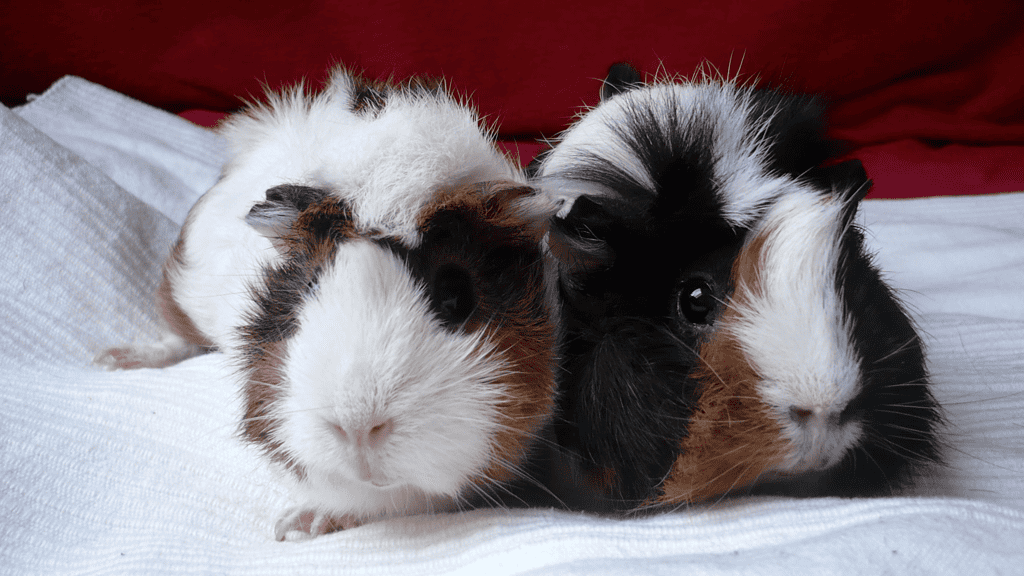
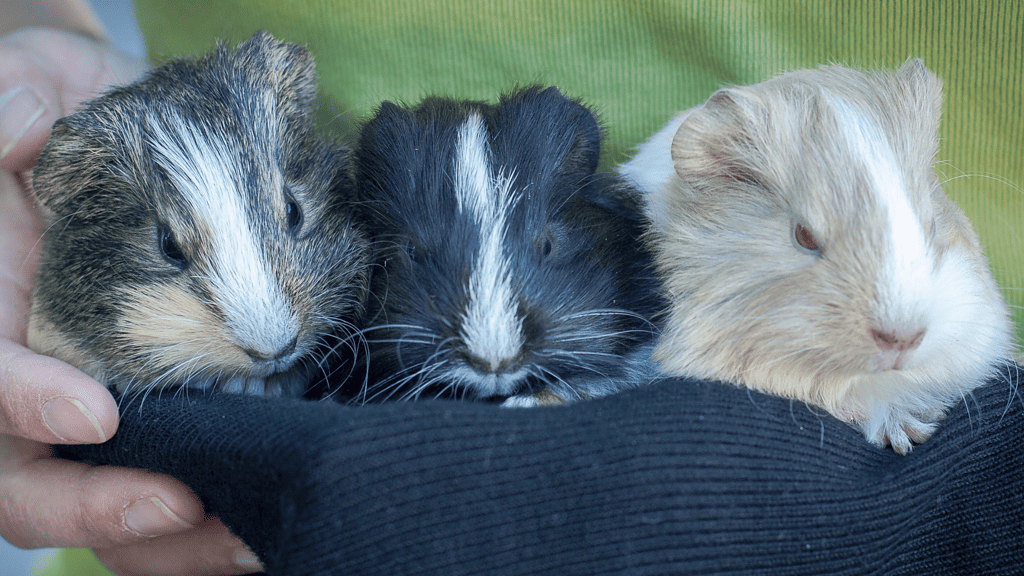
  • Roan: Roan guinea pigs have a coat that is a mixture of white hairs and colored hairs, which gives them the impression of being speckled or mottled. Roan guinea pigs are the most common type of guinea pig.
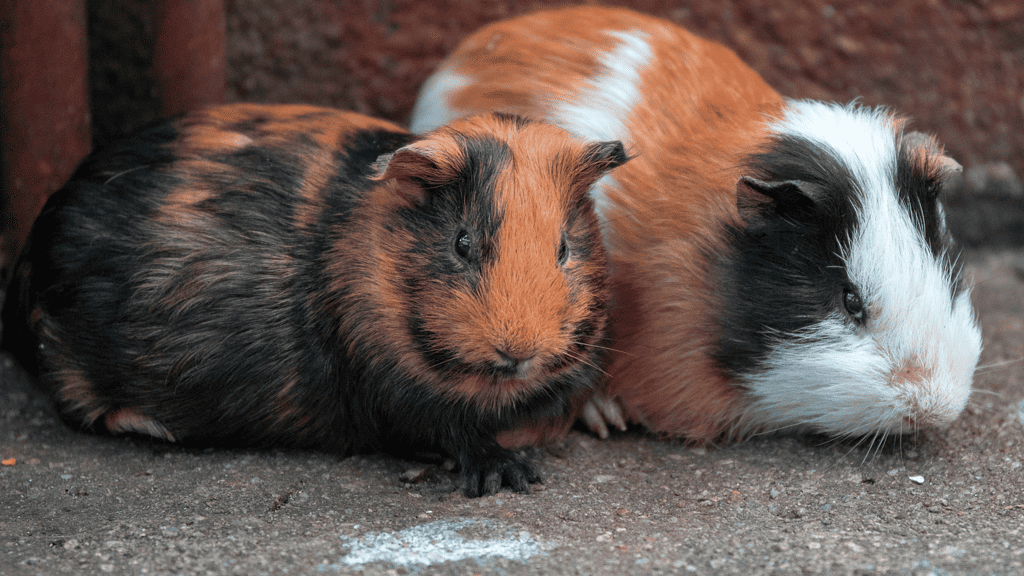
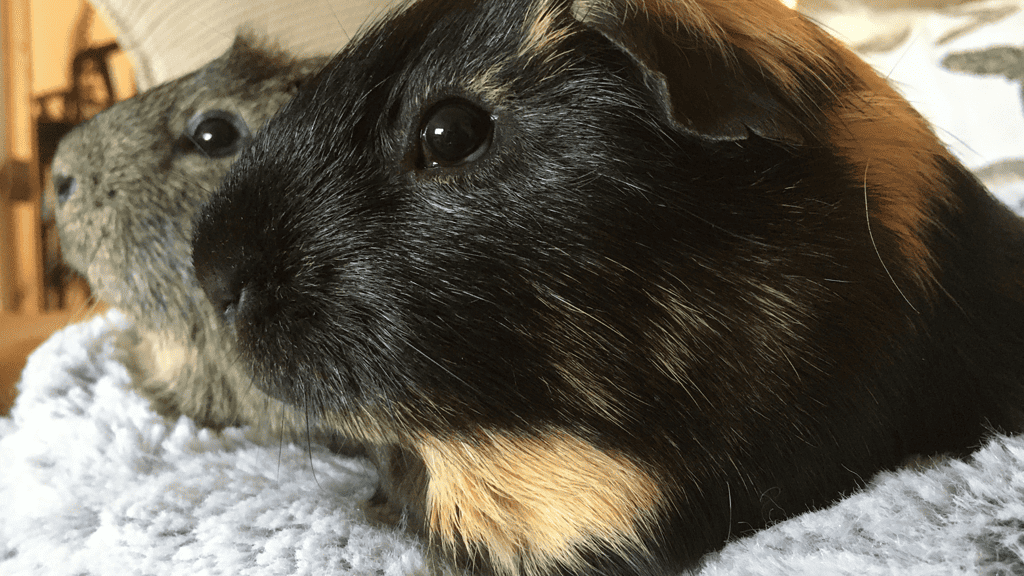
  • Tortoiseshell: The coats of tortoiseshell guinea pigs are a random mix of black, white, and brown hairs.
  • Dalmatian: The coat of a Dalmatian guinea pig is white with black spots, just like the coat of a Dalmatian dog.
  • Himalayan: Himalayan guinea pigs have dark spots on their nose, ears, feet, and tail. Their fur is white.
  • Dutch: Dutch guinea pigs have white fur with a colored stripe down the middle of their backs and colored markings on their face and feet.
  • Crested: Crested guinea pigs have a single curl of hair on their forehead, making them look like they have a tiny mohawk.

These are some of the most common markings on guinea pigs. Because of the wide range of possible colorings and patterns, guinea pigs each have their own distinct appearance, which makes them even more desirable as pets.

Guinea Pig Colours

Guinea pigs come in many colors, though some breeds may have a smaller color range. The following are some of the most popular colors for guinea pigs:

  • White: Guinea pigs with a white coat are quite rare. Yet, many guinea pigs have white fur and various colors on their bodies.
  • Black: Guinea pigs usually have black fur. They may be completely black, or they may have marks of white or other colors on them.
  • Brown: Guinea pigs with brown fur can have various colors, ranging from a very light tan to a dark chocolate brown.
  • Grey: Guinea pigs can have grey fur anywhere from light silver to dark charcoal.
  • Red: Guinea pigs with reddish-brown fur aren’t very common, but they exist.
  • Tan: Guinea pigs with tan fur are a darker version of the cream color.
  • Golden: The color of the fur of guinea pigs with a golden coat can range from a pale yellowish-gold to a dark coppery brown.
  • Cinnamon: Guinea pigs with cinnamon-colored fur have a reddish-brown tone.
  • Chocolate: Guinea pigs with chocolate-colored fur are rich and dark brown.
  • Agouti: Guinea pigs with agouti coloring have bands of different colors on their hair shafts, giving them a “salt and pepper” look.
  • Albino: Guinea pigs that are albino have pink eyes and white fur.

These are only some of the most frequent colors found in guinea pigs; however, many other color combinations and variants exist. The color of a guinea pig’s coat is only one of the numerous characteristics that set them apart from other pets and contribute to their admirable qualities as companion animals.

Guinea Pig Breeds Guide

Which Breed of Guinea Pig is Friendliest?

Guinea pigs are wonderful companion animals for people of any age, including children. Although most varieties of guinea pigs are friendly and like interacting with their owners, Abyssinian guinea pigs are known for being the most friendly of the group.

The Abyssinian guinea pig enjoys being cuddled and can be readily trained to be handled by both adults and children. Remember that Abyssinians might have excessive energy and be too sensitive for youngsters.

Conclusion

We hope you enjoy reading about different guinea pig breeds. All the guinea pig breeds are unique and different with amazing different features. But, regardless of their breed, when it comes to their diet, guinea pigs should be provided with a consistent supply of hay of good quality, guinea pig pellets containing vitamin C, and leafy greens such as parsley, lettuce, or spinach. They will also need an adequate size enclosure and should be cleaned once per week.

Guinea Pig Cage Setup Guide

It is a really exciting time when you are getting ready for your first guinea pigs, but it can also be pretty difficult. When it’s time to welcome your guinea pigs back into your house, you’ll want to ensure everything is in order, but it’s easy to overlook the details. So, here in this article, we will discuss every about Guinea Pig Cage Setup Guide.

Guinea Pig Cage Setup Guide

Let’s move on.

First, we talk about some cage necessities. Bedding, water bottles or bowls, hiding spots, and hay that is safe for guinea pigs are all necessities for setting up a cage for a guinea pig. Dishes for food, hay racks, a litter box, and toys are all things that can be added if required. However, most cages sold in pet stores won’t be big enough for guinea pigs, so it’s up to you to ensure their living spaces are adequate.

The Purposes of Guinea Pig Cages

We must consider our priorities when looking at guinea pig cages. You may better care for your squeaky pet by knowing its requirements. In this regard, four main priorities need to be taken into account:

Security

Guinea pigs are creatures that are known for their quiet nature. They are easily frightened and may act violently when startled or afraid, running around in circles. So, providing this much-required sense of safety should be the first thing you think about while designing the enclosures for your guinea pig.

The best method to do this and make your guinea pigs feel comfortable and safe is to provide “visible barriers” where they can hide. This implies your guinea pig cage should have enclosed corners or hiding places like mounds of hay or wooden cottages.

Enclosure

The next step is ensuring your guinea pigs can’t escape their cage. Although guinea pigs rarely run, keeping your pet enclosed at all times is important. As a result, closed enclosures are preferable to open ones.

Protection

The guinea pig enclosure should also keep your pet safe from disturbance from the outside, particularly dangerous animals such as foxes, if it is kept outside. Again, this indicates that it is in your best interest to house your guinea pigs in a secure cage that will not permit any other animals or people to access them.

Comfort

The environment inside the guinea pig cage needs to be quite comfortable. This ensures that your pet is protected from the most severe weather, that they will be dry, and that they will have plenty of areas to wander about.

Perfect Cage Size

Finding a suitable-sized cage is a crucial first step in raising guinea pigs. Many people are unaware that a young guinea pig has the potential to develop into a considerably larger animal due to its propensity to gain excess weight. Your guinea pig may be little now, but you still need to buy a cage big enough for it when it grows up.

The ideal housing for your guinea pigs will be determined by factors such as your budget and the way you live. Before taking your piggies home, do some research as well as consider a few key elements to get the right cage for them.

When it comes to housing for guinea pigs, the essential things to look for in a cage are its size, how easy it is to get in and out of, and whether it has everything you need.

There are many reasons why it is essential to have a cage that is sufficiently spacious. First of all, it makes your pet’s life better. You would not want to spend your entire life in a space the size of your bathroom, and neither would your guinea pig.

Second, a larger cage won’t become as dirty as quickly as a smaller one. Your pet will benefit from this in terms of its overall health, and it may also reduce the time you need to clean its cage. This helps eliminate any odour that may be coming from a filthy cage.

Lastly, you’ll notice that your pet is becoming much more sociable and will interact significantly more with you. They’ll feel more confident in their cage if they realize they can escape. The guinea pig is a very active animal that enjoys running and jumping. A larger cage will allow you to observe a great deal of cheerful behavior from the pet.

Guinea Pig Cages for Two or More

Naturally, the size of the enclosure ought to be increased according to the number of pigs the owner wants to bring inside the house. It is recommended that a minimum of 10.5 square feet of space be provided for two pets in order to provide multiple opportunities for both pets.

This is very important if you decide to get two male guinea pigs. If there is not enough room for them to move around in, they may constantly fight with one another for territory, which may cause someone to get an injury. You should pay attention to the various noises that guinea pigs make to assess whether they are having fun playing, struggling, or in danger.

If you want to house two females in the same cage, you won’t have to worry as much about the limited room. As a result of their docile character, territorial disputes are less likely to arise between them.

The Bedding

It is very important what you put in the bottom of your guinea pig’s cage. The bedding you select for your guinea pig’s cage is not only safe but also absorbent and pleasant for the animal. The following are some materials that are appropriate for use as bedding in guinea pig cages:

Aspen shavings

The use of aspen shavings as bedding material in guinea pig cages is rather common. These are pleasant, absorbent, and suitable for your pet to use.

Paper-based bedding

Bedding made of paper, such as recycled paper pellets or shredded paper, is another excellent choice for guinea pig cages. This bedding absorbs smells well.

Fleece bedding

Guinea pig cages can be made comfortable and warm with fleece bedding. It may be machine-washed and dried.

Hay

Guinea pigs can also benefit from having access to hay as a bedding material. It gives your pet a place to rest, fulfills their chewing urge, and helps keep their teeth healthy.

You mustn’t use cedar or pine shavings as bedding for your guinea pig since these materials might be hazardous to your pet’s health. Avoid bedding with strong scents or chemicals since this might hurt your guinea pig.

Guinea Pig Cage Supplies

Water Bottles or Bowls

Giving each guinea pig its water bottle or bowl is best. They can be very territorial, so this makes sure they don’t stop each other from drinking.

Most people who keep guinea pigs use water bottles in the cage because they are easier to clean, they cannot be turned over, and the water inside them stays cleaner for longer.

The guinea pigs may throw hay, pellets, or even excrement into the water bowl; therefore, it is important to check the bowls of water often. They will probably need to be refilled more than once a day.

When you bring your guinea pigs home for the first time, it’s a great idea to give them both a water bottle and a bowl unless you know they’ve already been drinking from a bottle. Some guinea pigs will require training on how to use a water bottle, but in the meanwhile, they can drink from a bowl to stay hydrated.

Food Dishes

If you give your guinea pigs bowls to eat out of, make sure, there is one specifically for each pet. Food is another essential thing that we don’t want them to fight over.

Food dishes are a great way to keep your guinea pig’s food contained and make cleanup a little bit easier. For example, you may use these dishes if your guinea pig doesn’t eat all of their pellets. Yet, they are not required in any way.

Many people spread their guinea pigs’ pellets and vegetables around the cage. This is fun for your piggies because it makes them look for food like they would in the wild.

Hay Racks

First, it’s important to note that many hay racks available at pet stores pose serious health risks to guinea pigs. The openings in the hay racks or bags that hold the hay should always be large enough to accommodate the entire pig.

Because of this, they won’t be able to get their heads stuck, which is a potentially fatal situation if it isn’t treated promptly away. Keep in mind that guinea pigs are designed to consume food continuously. If they go more than 12 hours without eating, they risk developing gastrointestinal stasis, a disease that can be fatal.

Hay racks with holes too tiny for a piggy’s head make it hard for them to access the hay. You should never make your guinea pig work for hay. It should always be easy for anyone to get to.

Litter Box

There are often litter boxes in guinea pig cages. But teaching your pig to use the litter box isn’t quite right.

Guinea pigs can hold their pee, but not all of them can. They have almost no control over their feces, and it’s reported that they defecate up to one hundred times daily!

Because of this, you can’t train them to use the litter box. Their digestive systems work too rapidly, and as a result, they have a tendency to go wherever they are.

Hideaway

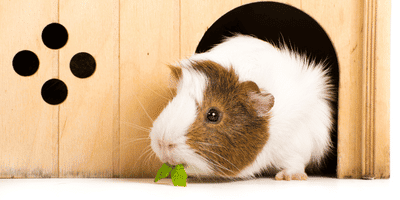
Although it might seem unnecessary, guinea pigs require a hiding spot where they can feel secure and comfortable. They are naturally highly anxious creatures, and as a result, they are prone to become terrified if they do not have a safe place to run to when they are worried.

You may get a hideaway made of plastic, wood, or fleece. Even though the plastic ones are fine, the wooden ones are much better quality and more solid. 

Toys

The ideal toys for pigs are those that can be chewed, as they like eating. Some will also throw or push their toys around the cage to “rearrange” their space.

Make sure toys have no choking risks or harmful materials. Keep your guinea pigs away from salt licks, anything that contains seeds, and anything that might cause them to get their head trapped.

Boredom Breakers

Guinea pigs are curious creatures who thrive on having a little variation in their housing environment. They may become bored if they are surrounded by the same things every day or if nothing is exciting for them to do.

The Haypigs treat ball has proven to be one of the most entertaining ways to prevent our guinea pigs from being bored. You could put pea flakes inside, then show them how to roll it so that the flakes come out of the openings on the side.

Our guinea pigs have a lot of fun chewing and playing with hanging toys like the braid and the hay and twig mobiles since both are constructed from natural materials and hang from the ceiling.

Cage Cleaner

A pet-friendly cleaner is needed for daily guinea pig cage cleaning. Standard cleaners, like the ones you might use to clean other areas of your home, are usually unsafe because they contain chemicals.

The use of white vinegar as a cleaning agent is exceptionally risk-free. This is an excellent choice if the enclosure is simple to maintain. If the enclosure is harder to clean, you might be better off using a pet-safe cleaner instead of vinegar.

Guinea Pig Cage Setup Guide

Types of Guinea Pig Cages

There are many different kinds of cages for guinea pigs that you can buy in pet stores or online.  While looking for a guinea pig cage, it is important to consider the primary factors because each model has its advantages and disadvantages. Doing this lets you know that your guinea pig is in a suitable environment.

Guinea Pig Hutches or Outdoor Guinea Pig Cages

Guinea pigs are often housed in hutches, the most popular housing type. These are big wooden boxes with a part of the front made of mesh. This mesh then enables sunlight and fresh air to enter the cage, creating an atmosphere more similar to the natural world.

Nonetheless, some people have issues with guinea pigs housed in outdoor cages. In the winter, keeping your pet warm and dry in an open-fronted cage can be challenging, so this is a vital consideration. So, for the sake of your pet’s protection, you should make every effort to provide a safe and secure bedding place supplied with clean straw so that it may take shelter from the most severe weather.

In addition, when the weather is really bad, it may be a good idea to lightly cover the mesh with anything that allows air to pass through it, such as a bit of old sacking, to keep the worst of the rain out. If possible, move the guinea pig hutch inside for the winter and set it up again in the garden come spring.

Indoor Guinea Pig Cages

The use of indoor guinea pig cages has been increasingly common during the past few years. They normally have a bottom made of solid plastic and a clip-on cage section attached to the top. The plastic base helps your pet feel safe and keeps mess from wood flakes, extra food, and other things out. 

The open cage top lets in light and fresh air and gives you a great view. If the top of your guinea pig’s cage is completely open, it can be easy to scare it.

It might be a good idea to cover up one end of the cage to give your pet more privacy. This way, your pet will stay warmer, be less frightened by people walking by, and still be easy to see.

Pet Shop Cage

There is only one cage on the market that is big enough to accommodate two guinea pigs, and that is the Midwest Guinea Pig Habitat. You can buy it at any pet store. Because it already satisfies the smallest dimension need out of the box, this is an excellent option for someone buying a cage for the first time.

This cage is simple to assemble and has a configuration comparable to that of a C&C cage. The bottom of the Midwest cage is made of canvas, making it simple to clean. You may extend the cage size by attaching other cages to it, and you can also cover it with another panel if you choose. It’s simple to give your guinea pigs enough room without measuring or building anything.

Guinea Pig Runs

The last type of guinea pig cage is run, which comes in many sizes. Most of the time, these have more space than a typical guinea pig cage, which may be suitable for your pet’s health and give it more exercise.

If you want to give your pet the freedom to run outside, you will need a completely enclosed cage to keep it safe from predators like cats and foxes. Also, guinea pigs who have an outdoor run should have enough shade, so they don’t get too hot in the summer.

Putting your guinea pigs in a run may be a brilliant idea, and it adds lots of environmental concern. If your grass hasn’t been treated with chemicals, it’s also suitable.

Conclusion

We hope you understand how to properly set up a cage for your cute little guinea pigs. Cage requirements and care are also considered essential in guinea pig welfare.

Guinea Pig Care Guide for Beginners

Guinea pigs are cute and fluffy species that make excellent pets because of their friendly nature. These furry animals are easy to take care of and can bring their owners a lot of joy. However, to ensure that your guinea pig has a long and happy life, you must have some knowledge and put some time into caring for it. You should know which breed is best for you and what they should be called when you take care of them. You should also know their cage size, food, and disease treatment.

Guinea Pig Care Guide for Beginners

All aspects of guinea pig care, from nutrition and housing to playtime as well as grooming, will be covered here.

Guinea Pig Housing

The ideal environment for a guinea pig is spacious, warm, and comfortable. If you just have one guinea pig, its cage should be at least 7.5 square feet; for each extra pig, add 1.5 square feet. In order to reduce the risk of injury, the cage must be constructed from a durable material such as plastic or wire and should include a stable base.

Guinea pigs require a large amount of room to go around, which is why their enclosure should have a variety of hiding places, tunnels, and ramps to explore.  Give your guinea pig some chew toys, such as wooden blocks, to maintain their teeth healthy and to keep them from becoming bored.

Choosing the Right Cage

A guinea pig needs a cage that is spacious in size. Guinea pigs have an instinct to explore their environments, so their cages should provide them with adequate space to do so. Your guinea pigs need a lot of fresh air; therefore, the cage you buy for them should have many ventilation vents. When selecting your pet’s habitat, you should consider purchasing a litter pan with a deep rim. This will prevent your animal companion from dumping their bedding out of their enclosure.

Because Guinea pigs cannot withstand temperatures that are too high or too low for long periods, it is essential to locate their cage in an area with proper temperature regulation. You should avoid putting them in areas where they might be exposed to direct sunlight or chilly drafts throughout the winter and the summer, respectively. The ideal temperature range for them is between 68 and 72 degrees Fahrenheit.

As long as plenty of bedding is in their cage, they may remain comfortable at temperatures as low as 60 degrees Fahrenheit. They are also sensitive to high humidity levels; therefore, the space where their cage is located should ideally have access to a dehumidifier at all times. Use a hygrometer to check the relative humidity and keep it below 50 percent.

A grated floor might be simpler to clean, but this does not guarantee that it would be the most suitable environment for your Guinea pig. The excrement from your pet will be able to fall through a wire floor, but your pet’s feet may be injured as a result. Guinea pigs also eat their waste. This indicates that for them to digest their food thoroughly, they will consume part of their waste a second time. For this reason, a solid floor is preferable so that they may have access to these waste products.

In addition to this, the enclosure should be completely sealed. Guinea pigs aren’t climbers, but they enjoy to leap for fun and can escape if their cage has no cover. 

Bedding

The kind of bedding you give your guinea pig is essential since it may affect their health and the level of comfort they experience. To prevent respiratory irritation, guinea pigs should not be housed in cedar or pine shavings. Instead, select bedding made of paper or aspen, which are non-toxic and absorbent options.

Provide your guinea pigs with a mound of hay or some fleece blankets so they can curl up in a warm and comfortable bed. Guinea pigs take pleasure in having a bed that is both soft and comforting. Be careful to clean the bedding at least once a week to maintain a clean smell in the cage and to eliminate any odours that may have developed.

Cage Accessories

Before you bring your new pet into the house, the crate must be furnished with the appropriate accessories. To prevent your pet from contaminating their drinking water, you will need a water bottle with a sipping tube supplied by gravity. Install it to be visible outside the cage, and thread the tube through the bars to protect it from being chewed.

You may prevent your pet from knocking over its food by using an attached food dish, which features a screw that secures the dish to the cage bars. It’s a good idea to put a hayrack near their food bowl. It protects Timothy hay from becoming dirty and may be disassembled to access the blades. You can put a place to hide on the other side of the cage. This will give a calm space for your Guinea pig to sleep

Diet

Guinea pigs need a diet high in hay, fresh veggies, and a small quantity of pellets. Hay is an essential part of a guinea pig’s diet since it is the primary source of fiber for these animals, which is necessary for the digestive system to remain in good condition. It is recommended that the majority of their diet be composed of hay of a high grade, such as timothy, orchard, or oat hay.

A guinea pig’s diet should also include plenty of fresh vegetables, as these foods are a vital source of vitamins and minerals. You should provide your guinea pig with a wide range of veggies, including carrots, bell peppers, cucumbers, and leafy greens. Starchy veggies like potatoes and maize should be avoided since they might irritate your guinea pig’s digestive tract.

Your guinea pig’s food should only consist of a small amount of pellets, somewhere in the range of 1/8 to 1/4 cup of pellets daily. Look for a high-quality pellet designed for guinea pigs, and avoid combinations that include seeds, nuts, or dried fruit.

Vitamins

Your pet will only require vitamin C to meet its nutritional requirements. All the nutrients a guinea pig needs may be obtained through its diet or its ability to manufacture vitamins and minerals. However, guinea pigs cannot produce vitamin C naturally within their body as other animals do. Because of this, it is of the utmost need that you offer sufficient supplies of this vitamin to your cherished animal companion.

Scurvy is a disease that can develop in guinea pigs if they do not receive enough vitamin C in their diet. The amount of vitamin C that your pet needs might, of course, be different from one animal to another. Guinea pigs that are pregnant, sick, or have recently given birth require a greater quantity. 

Clean Environment

It is important to ensure that your guinea pig has a comfortable living space free from direct sunshine and temperatures that are either too hot or too cold. Clean their cage often and get rid of dirty bedding, food that hasn’t been eaten, or feces.

Water

Your guinea pig must always have access to fresh, clean water. The ideal solution is a water bottle with a sipper tube since this will keep the water from coming into contact with dirty dishes or sheets. It is essential that the water bottle is cleaned regularly and that the water is replaced at least once every day.

Exercise

Exercise is essential to maintaining the health and well-being of guinea pigs. Because they like running, playing, and discovering new things, it is essential to provide them lots of opportunity to engage in these activities. Your guinea pig can get more activity in a playpen or exercise pen.

In addition, you may keep your guinea pig busy by giving it various activities and toys to play with. To promote foraging and exploration, let them chew toys like wooden blocks or cardboard tubes and put food in their cage.

Grooming

Grooming is an essential part of taking care of a guinea pig. Your guinea pig, like you, will require occasional grooming of its hair. In order to properly care for your guinea pig, you should visit your local pet store and pick up a strong, soft brush. Remove any extra hair, knots, or other debris that may have become entangled in there, such as twigs and leaves.

Be careful to inspect the skin and nails of your guinea pig whenever you perform the usual grooming on it. When your guinea pig’s nails become too long, you’ll need to take him or her to the vet for a quick manicure.

You will have plenty of time to bond with your guinea pig if you handle and groom it once a day. This will also improve their confidence and make them more comfortable while being handled. The best way to pick up a guinea pig is when it is on its knees. You may easily pick them up by placing one hand over their shoulders and then using the other to reach beneath their body and grab them. Because they are quickly surprised and might run away, you should be sure to grasp onto them with both of your hands. The best way to win over your guinea pig is to interact with it consistently. 

Socialization

Since guinea pigs are social animals, it’s not hard to take care of one or two of them as pets. Males and females can live together, but if you don’t want offspring, you should get them spayed or neutered.

There may be some concerns with one of your guinea pigs chewing on the ears or hair of the other if it is younger or more submissive than the other. This is especially likely if one of your guinea pigs is older or more dominating than the other.

Guinea pigs living in pairs will be somewhat less friendly with you than those living alone since their demand for socializing will have been satisfied.

Health Care

Guinea pigs are prone to a wide range of diseases and conditions. If you give your guinea pig the best possible care and take it to the vet twice a year, it will be less likely to get sick. 

Your guinea pig is susceptible to various health issues, including dermatitis, flea infestation, vitamin C deficiency, and dental issues. Remember that your guinea pig’s teeth will always be growing, as this is one of the essential details regarding your pet. They must have access to a large supply of chew sticks as well as abrasive meals such as celery, broccoli, corn, and corn husks so that they may chew on these things and maintain their teeth in good shape. If their teeth get overgrown, it can result in major health concerns, and you should have your veterinarian look at it as soon as possible.

If your guinea pig exhibits symptoms such as lethargy, irregular bowel movements, a dull coat, itching, or lack of interest in eating, it will need to be seen by a veterinarian as soon as possible. A guinea pig in good health will be cheerful, energetic, and have a shiny coat. 

Mental and Physical Care of Guinea Pigs

Guinea pigs are social creatures who, to maintain their health and happiness, require environmental and physical stimulation in their living space. Taking care of your pig’s mental requirements will not only help them live longer, but it will also make them happier.

If you give your pet food and provide enough cage space, they’ll receive enough exercise. But one or two exercise toys can give the mind and body much-needed exercise and stimulation. Your pet can use up some of its extra energy by running on a big wheel or playing with an exercise ball.

Due to their friendly nature, Guinea pigs benefit from having a companion. Make sure they are both of the same genders, or else you can end up with undesired litter and a population issue. If you can only keep one pet due to space limitations, you should make an effort to spend at least fifteen minutes engaging with that animal at many periods throughout the day.

Veterinary Care for Your Guinea Pig

To keep your guinea pig in good health, you must regularly take it to the veterinarian. The following are some suggestions that might help you provide the necessary veterinarian care for your guinea pig:

Find a Vet

Find a vet with expertise in treating guinea pigs and make an appointment with them. You can start by asking other guinea pig owners for recommendations or looking for a vet who specializes in exotic pets.

Schedule Regular Check-Ups

Even if your guinea pig is not exhibiting any sickness symptoms, taking it in for routine checkups is still essential. You should take your guinea pig to the veterinarian at least once every year to check that it is healthy and has no health concerns.

Watch for Illness

Guinea pigs are known for their ability to cover the signs of disease; therefore, owners must stay alert in their search for indications of a problem. Loss of appetite, lethargy, abnormal behaviour, and respiratory issues are all frequent disease symptoms in guinea pigs.

Vaccinate Regularly

Certain immunizations, such as those for bordetella and influenza, may be necessary for certain guinea pigs. Talk to your pet’s veterinary care provider about the immunizations that could be necessary for your guinea pig.

Dental Care

The teeth of guinea pigs develop regularly and may become a source of difficulty if they get excessively long. A veterinary professional can assist you in determining the state of your guinea pig’s oral health and, if necessary, conduct dental operations.

Parasite Control

Mites and lice are two of the most common types of parasites that can affect guinea pigs. If your guinea pig has a parasite infestation, your veterinarian can give you treatment alternatives.

Emergency Care

In the case of a critical situation, such as an accident or a sudden sickness, you should seek veterinarian assistance without delay. Emergency veterinarian contact information should be provided after hours.

Guinea Pig Care Guide for Beginners

Guinea Pig Care According To Breed

There are many different breeds of guinea pigs, and each has its characteristics and requirements for maintenance. The following are some guidelines to follow when caring for various types of guinea pigs:

American Guinea Pig

With its short, silky coat, the American guinea pig is one of the most popular types. They need to be groomed daily to prevent their coat from matting and keep it in good shape. Give them a well-balanced diet, plenty of opportunities to exercise, and a large cage to live in.

Abyssinian Guinea Pig

The Abyssinian guinea pig’s beautiful rosette-patterned coat needs frequent care to look its best.  Give them a roomy cage filled with various toys and activities to keep them occupied and engaged at all times.

Peruvian Guinea Pig

The Peruvian guinea pig’s long, flowing hair has to be brushed often to avoid tangles and matting. They are lively and social creatures who get along well with others and adore the company of their owners. They also enjoy the company of other animals. You must ensure they have access to a spacious cage, nutritious food, and plenty of opportunity to run and play.

Teddy Guinea Pig

Due to the fact that the Teddy guinea pig has a short coat that is very dense, it has to be groomed once a week to remove any loose hair and avoid mats from growing on its fur. As pets, they typically perform well with children because of their friendly nature and the ease with which they may be cared for. 

Skinny Guinea Pig

The Skinny guinea pig has no fur except a small amount on its nose and paws. To keep them from getting cold, the place they are kept must be warm and free of drafts. In order to make them feel at ease, you should feed them nutritious food, encourage them to engage in vigorous physical activity, and provide them with a secure hiding spot.

Conclusion

You need to have some information and spend some time caring for your guinea pig if you want it to live a long life and be happy with your pet. While caring for these little creatures, you need to know which breed is ideal and how you house them properly. In addition to this, you need to know the size of their enclosure, what they consume, and how they are treated for illnesses.

Can Guine Pigs Eat Basil? A vets Report

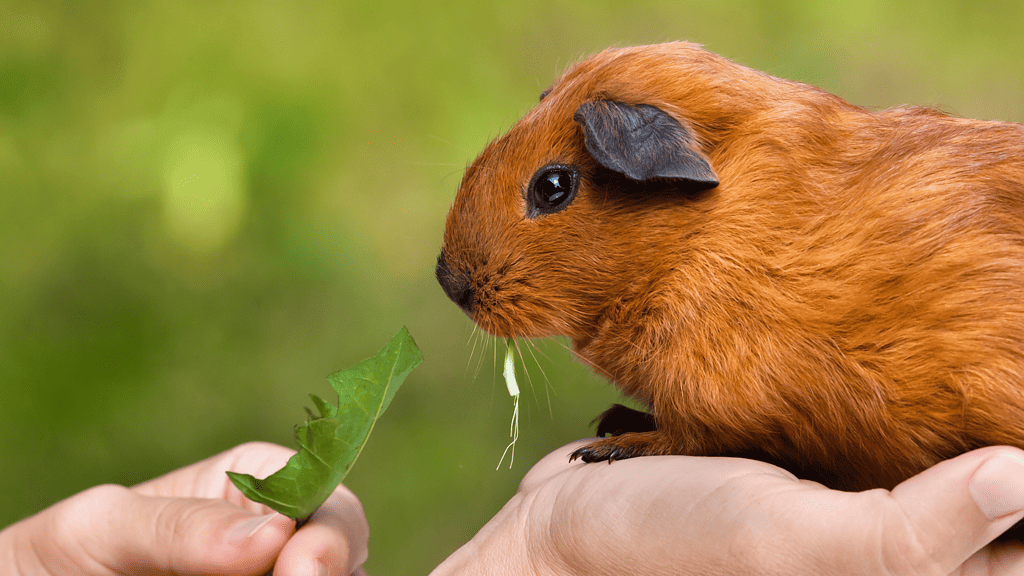
Guinea pigs are adorable and sociable animals that make great pets for people of all ages. As herbivorous animals, guinea pigs have specific dietary needs that must be met to keep them healthy and happy. Before you go pick just about anything out of your garden it is important to know exactly what they can eat. In addition to hay, fresh vegetables, and fruits, some pet owners may wonder if they can feed their furry friends herbs like basil.

As a general rule, guinea pigs can eat basil in moderation. Basil is a good source of vitamin C and antioxidants, but should not replace hay or fresh veggies. Only feed fresh, pesticide-free basil as an occasional treat.

Basil is an herb that is commonly used in cooking and has a distinct and fragrant aroma. While it is primarily used in Italian cuisine, it is also used in other dishes around the world. Basil is known to have many health benefits for humans, but what about guinea pigs?

Fortunately, basil is safe for guinea pigs to eat, and it also has several health benefits. For example, basil is an excellent source of vitamin C, which is essential for the overall health of guinea pigs. Vitamin C helps to prevent scurvy, which is a common health issue in guinea pigs. Scurvy is a condition caused by a deficiency of vitamin C and can cause symptoms such as lethargy, anorexia, and rough hair coat.

In addition to vitamin C, basil also contains antioxidants that can help boost the immune system of guinea pigs. These antioxidants help to protect their cells from damage caused by harmful free radicals, which can lead to inflammation and other health issues. By feeding your guinea pig small amounts of basil, you can help support their overall health and well-being.

However, it is important to note that basil should only be given to guinea pigs in moderation. Too much of any food can cause digestive issues, including diarrhea and bloating, which can be uncomfortable for your pet. In addition, basil should never be used as a substitute for hay, fresh vegetables, or fruits, which are essential for a guinea pig’s diet.

When feeding basil to your guinea pig, it is essential to ensure that it is fresh and free from any chemicals or pesticides. Before feeding it to your pet, be sure to wash it thoroughly to remove any dirt or debris. It is recommended to offer basil as a treat to your guinea pig, rather than as a staple in their diet. A small amount of basil, once or twice a week, can be a tasty and healthy treat for your furry friend.

Health Benefit of Basil for Guinea PigsDescription
Source of Vitamin CBasil is a good source of vitamin C, which is essential for the overall health of guinea pigs. Vitamin C helps to prevent scurvy, which can cause lethargy, anorexia, and a rough hair coat.
Contains AntioxidantsBasil contains antioxidants that can help boost the immune system of guinea pigs. These antioxidants help to protect their cells from damage caused by harmful free radicals, which can lead to inflammation and other health issues.
Aids in DigestionBasil can help aid in digestion by stimulating the digestive system and promoting the secretion of digestive enzymes. It can also help prevent constipation and other digestive issues.
Anti-inflammatoryThe anti-inflammatory properties of basil can help reduce inflammation in guinea pigs, which can be beneficial for those with joint pain or other inflammatory conditions.
Relieves StressThe scent of basil has a calming effect and can help relieve stress and anxiety in guinea pigs. It can also help promote a sense of relaxation and well-being.
Health Benefits of Basil for Guinea Pigs

What herbs are toxic to guinea pigs?

As a general rule tarragon, sage, mint, oregano, and rosemary can be bad for guinea pigs. These can cause digestive issues, liver damage, anemia, seizures, and even death. It’s best to avoid these and consult with a vet or do research before introducing new herbs.

  1. Mint: While small amounts of fresh mint leaves are generally safe for guinea pigs to eat, large quantities or dried mint can be harmful. Mint can cause digestive upset and can also be toxic to the liver and kidneys if ingested in high quantities.
  2. Oregano: Oregano is safe for guinea pigs to eat in small amounts, but it can cause digestive issues if fed in excess. It can also interfere with the absorption of iron, which can lead to anemia over time.
  3. Tarragon: Tarragon is safe for humans but can be harmful to guinea pigs. It can cause digestive issues, liver damage, and even death in severe cases.
  4. Sage: While sage is not toxic to guinea pigs, it can be harmful if fed in excess. It can cause digestive upset and lead to a loss of appetite.
  5. Rosemary: Rosemary is safe for guinea pigs to eat in small amounts, but large quantities can be harmful. It can cause digestive issues, liver damage, and even seizures in severe cases.

It is essential to remember that guinea pigs have sensitive digestive systems and can be susceptible to certain herbs’ toxic effects. If you are unsure about whether a particular herb is safe for your guinea pig, it is best to consult with a veterinarian or do further research before introducing it into their diet.


What about Hay? How much hay should guinea pigs have?

Hay is a crucial component of a guinea pig’s diet. Not only does it provide essential nutrients, but it also helps to keep their teeth healthy and prevent digestive issues. But how much hay should a guinea pig eat, and how often?

As a whole, guinea pigs should have access to fresh hay at all times. Hay should make up the majority of their diet, and they should be given unlimited access to it to ensure that they are eating enough. Timothy hay is the most commonly recommended type of hay for guinea pigs, but other varieties such as orchard grass and meadow hay can also be fed.

The amount of hay a guinea pig eats can vary depending on their age, weight, and activity level. As a general rule, adult guinea pigs should eat about 1/8 to 1/4 cup of hay per day for every 2 pounds of body weight. This means that a 2-pound guinea pig should eat about 1/8 to 1/4 cup of hay per day, while a 6-pound guinea pig should eat around 3/8 to 3/4 cup of hay per day.

Young guinea pigs should be fed unlimited hay, as they are still growing and need more nutrients than adult guinea pigs. Pregnant or nursing guinea pigs should also have unlimited access to hay, as they require more nutrients to support their growing babies.

It is essential to ensure that the hay is fresh, clean, and free from dust, mold, or other contaminants. Moldy or dusty hay can cause respiratory issues and other health problems for guinea pigs. To ensure that the hay stays fresh, store it in a cool, dry place and avoid exposing it to moisture or humidity.

What is the best diet for a guinea pig?

As a general rule A balanced diet for a guinea pig should include unlimited hay, fresh veggies, and clean water. Pellets can supplement but shouldn’t make up the majority. Avoid foods high in sugar, fat, and salt, and those that are toxic to them, such as chocolate, avocado, and onion.

A balanced diet for a guinea pig should consist of the following:

  1. Hay: The majority of a guinea pig’s diet should come from hay. Timothy hay is the most commonly recommended type of hay, and guinea pigs should have unlimited access to it at all times.
  2. Fresh Vegetables: Guinea pigs should also be given fresh vegetables daily, such as bell peppers, kale, and carrots. Dark, leafy greens should be fed in moderation due to their high levels of calcium and oxalic acid.
  3. Fresh Fruits: Fresh fruits can also be given to guinea pigs as a treat, but should be fed in moderation due to their high sugar content.
  4. Pellets: Pellets can be given to guinea pigs in small amounts to supplement their diet, but they should not make up the majority of their diet. Look for high-quality pellets that are made specifically for guinea pigs.
  5. Water: Fresh, clean water should be available to guinea pigs at all times. Water should be changed daily and provided in a water bottle to prevent spillage.

It is important to avoid feeding guinea pigs foods that are high in sugar, fat, or salt, as these can lead to health issues such as obesity and diabetes. Additionally, guinea pigs should not be given foods that are toxic to them, such as chocolate, avocado, and onion.

By providing a balanced diet that includes hay, fresh vegetables, fruits, pellets, and water, you can help ensure that your guinea pig stays healthy and happy. It is also essential to provide fresh, clean food and water daily and to avoid feeding them foods that are harmful to their health.

Do Guinea Pigs Sleep With Their Eyes Open?

Guinea pigs are popular pets all over the world. They are adorable and cuddly and need a minimum amount of care overall. But one thing about them might be confusing: do guinea pigs sleep with their eyes open?

Do Guinea pigs sleep with their eyes open?

As a whole, guinea pigs can sleep with their eyes partially open due to their unique eye structure, which allows them to stay alert to potential dangers in their environment. However, they still need to close their eyes and enter a deeper state of sleep to get the rest they need. If you notice any unusual behavior, consult with a veterinarian.

Read on to learn why and how guinea pigs sleep with their eyes open.

Do Guinea Pigs Sleep?

Yes, guinea pigs do sleep and need several hours of rest each day to stay healthy. They often take short naps and longer sleeps, especially during the day

It may appear that guinea pigs do not sleep, but this is not the case. Small naps that only last a few minutes at a time make up guinea pigs’ daily sleep schedule. Guinea pigs usually doze off while standing on their hind legs with their eyes open.

If you observe your guinea pig and see that he is standing in the same place without moving, he is most likely dozing off while standing on his feet.

Guinea pigs will occasionally take a short nap by lying down or burrowing in their bedding, but only if they are sure that no harm will come to them. In order to keep an eye out for predators, they have developed a habit of sleeping on their feet.

Guinea pigs have a lot of energy while they are awake. Therefore, they must sleep to maintain this activity level throughout the day.

Guinea pigs take short naps both during the day and at night. In between these short naps, they are awake and busy. A guinea pig living with you for an extended period may eventually become used to your routine, becoming calmer and more submissive in the evening and preferring to sleep when you do.

When they fall asleep, guinea pigs sleep either standing up or in a posture that makes it easy for them to get up and move about rapidly. They keep their eyes half or fully open and will notice any nearby movement that might rouse them up and cause them to run.

They won’t be so curled up and fast asleep if they don’t feel comfortable and secure. If guinea pigs are housed in a cage with one another, they may choose to sleep curled together because doing so allows them to draw strength from one another and helps them feel more secure.

Why Your Guinea Pig May Feel Unsafe?

If your guinea pig sleeps with its eyes open often, it doesn’t mean that something is wrong or feels unsafe. It only indicates that they believe it beneficial to be alert in the circumstances in which they find themselves.

You can’t change a lot of things about your environment. For instance, your guinea pig could be upset at the sound of sirens passing across the street, but there’s not much you can do about it.

However, there are many more aspects that are mostly under your control. The following environmental elements can reduce guinea pig stress. If you do that for them, you can give them the impression that they are safe enough to sleep with their eyes closed from time to time.

1.     Maintaining a Warm Environment

The fact that guinea pigs can tolerate a wide variety of temperatures does not indicate that they enjoy such temperatures. The ideal temperature range for cavies is between 65 and 75 degrees Fahrenheit, so aim to maintain that in your house.

2.     Minimize Noise

It is not necessary to soundproof your home, but it is helpful to be aware of noise levels in your environment. You should try to maintain the cage for your guinea pig in the most peaceful portion of your home. Also, remember to keep the door closed to minimize the additional noise that enters.

3.     Healthy Diet

When it comes to happiness, nothing beats a pig with a full belly. If your guinea pig isn’t getting enough food, it can make them more anxious and stressed.

4.     Give Them a Safe Space

The world is a huge and complicated place. Therefore, they need a shelter or some other hiding place within their dwelling where they may go to feel protected and safe.

Can Guinea Pigs Blink?

Yes, guinea pigs can blink, which is an important reflex for protecting and moisturizing their eyes. However, due to their eye placement, they may not blink in the same way as humans.

Your guinea pig blinks occasionally, but you may not notice. When their eyes dry, they blink to restore moisture and wash away the dust.

They blink far less frequently than humans and less frequently than certain other animals do. This is because they have eyelids and eyelashes, both of which serve to keep their eyes moister for a longer period while also protecting them from dust and debris.

Do Guinea Pigs Sleep With Their Eyes Open?

When Do Guinea Pigs Sleep With Their Eyes Closed?

On occasion, you can notice that your four-legged friend is closing his eyes, either entirely or partially. Guinea pigs can close their eyes, and they will do so if they are convinced that they are in an environment that is both secure and pleasant. In other words, if your pet sleeps with his eyes closed, he trusts you.

What’s The Duration of Guinea Pigs Sleep With Open Eyes?

Guinea pigs usually sleep for a few minutes with their open eyes. Their body stops moving, and they take their nap.

Conclusion

It is normal for guinea pigs to have their eyes open. They also sleep with their eyes closed, much like people do (in rare cases). The truth is that they naturally have the capacity to sleep with their eyes open. This phenomenon can help them to avoid any predators.