Recent Posts

Can Guinea Pigs Eat Potatoes?

Guinea pigs are adorable, lovable animals that make excellent pets for many different kinds of people. They are renowned not only for their one-of-a-kind personalities but also for the fact that they are herbivores, which indicates that in order to stay alive, they require the ingestion of plant matter. Guinea pigs have extremely particular dietary requirements; therefore, it is essential to be aware of both the foods that may be consumed without risk to their health and the items that should be avoided. Potatoes are one of the foods that are frequently argued over when it comes to the diets of guinea pigs. Let’s take a closer look by discussing the answer to this common question “Can guinea pigs eat potatoes?
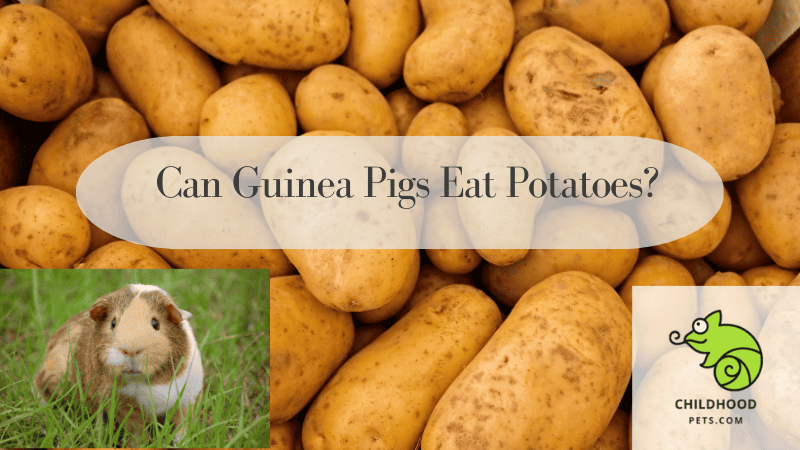
As a whole, potatoes are not a healthy food choice for guinea pigs. They have a high carbohydrate content and may also include toxic compounds like solanine, both of which might be harmful to your pet. Avoid giving your guinea pig potatoes, and offer them multiple leafy greens instead.

Keep in mind that guinea pigs have delicate digestive systems and need a high-fiber, vitamin C-rich diet to thrive. Dental problems, obesity, and urinary system infections are just some of the health issues that may be avoided by maintaining a healthy diet. To ensure the happiness and healthy life of your guinea pig, you must provide it with a wide range of fresh vegetables, pellet food of good quality, and a good amount of fresh hay.

Why are potatoes not a good food choice for guinea pigs?

For several reasons, potatoes are not necessarily the healthiest diet option for guinea pigs. 

To begin, potatoes contain many carbs, which, when ingested in excess, can contribute to weight gain and other adverse effects on one’s health.

One further reason why potatoes might not be the best food option for guinea pigs is that they contain a substance called solanine. The leaves, stem, and sprouts of potatoes all contain trace amounts of this toxic chemical. Although it is not often found in significant quantities in the potato itself, it is nevertheless possible for guinea pigs to suffer adverse effects if they ingest an excessive amount of the substance.

Furthermore, potatoes have a high oxalate content as well. Oxalates are naturally occurring chemicals that have the ability to bond with calcium in the body. This binding process can result in the production of stones in the kidneys or bladder. It is essential to steer clear of items that might exacerbate urinary tract problems in guinea pigs because these animals are more prone to developing the condition.

Alternatives to Potatoes

Many other foods are safe and nutritious that you may give your guinea pig as an alternative to potatoes if you are searching for a healthy snack to give it. Here are a few options to consider:

  • Carrots: Guinea pigs like munching on carrots, packed in fiber and vitamin A and a favorite treat for the animals. Because of the high sugar content, you should only provide them with moderate food.
  • Cucumber: Guinea pigs enjoy a diet of cucumber since it is low in sugar and carbs and provides them with a pleasant and hydrated treat at the same time.
  • Leafy green veggies: Guinea pigs enjoy eating leafy greens, which are high in fiber and vitamin C. Lettuce, kale, and spinach are all excellent choices that you might make.
  • Bell Peppers: Another healthy and delicious guinea pig alternative is bell peppers. They have a high vitamin C content while having a low sugar and carbohydrate content.
  • Hay: Hay is an essential component of a guinea pig’s diet and an excellent choice for a treat or a snack. It has a high fiber content, which assists in maintaining good digestive function.

What to Do If Your Guinea Pig Eats a Potato?

If your guinea pig consumes a minute bit of potato by accident, it is unlikely that this would result in any significant health problems. Nevertheless, you must take them to the veterinarian as soon as possible if they drink a considerable quantity or display any toxicity indications, like throwing up or diarrhea.

Potatoes are one of the foods that should not be given to guinea pigs under any circumstances. They may appreciate the flavor, but the possible negative effects on their health are not worth the benefit. Maintain a diet consisting primarily of hay, fresh vegetables, and guinea pig pellet food of the highest possible quality.

FAQs

Are potato leaves safe for guinea pigs to eat?

The leaves of the potato plant and any other part of the plant, including the stems and sprouts, should never be served to guinea pigs. As mentioned above, guinea pigs are sensitive to a substance called solanine, which is found in potato plants. If high amounts of this substance are taken, it can lead to several major health issues.

In severe circumstances, solanine poisoning in guinea pigs can result in death. Signs of solanine poisoning in guinea pigs might include vomiting, dysentery, lethargy, decreased appetite, and even death. It is essential to keep potato plants and any other potentially hazardous plants out of your guinea pig’s reach at all times.

A wide variety of nutritious leafy greens is available for you to select from to provide for your guinea pig’s diet.

Can Guinea Pigs Eat Cooked Potato?

Regardless of the preparation method—boiling, baking, or mashing—guinea pigs are not advised to consume cooked potatoes. Cooking potatoes can make them less nutritious for guinea pigs, even though it may eliminate some of the potentially toxic chemicals that are contained in raw potatoes.

When potatoes are cooked, part of their vitamin C is lost. Vitamin C is a vital component for guinea pigs. Boiling potatoes might cause this loss. Also, the heating process alters the potato’s consistency, making it more difficult for guinea pigs to digest.

Furthermore, potatoes have a high carbohydrate content, which, if ingested in big numbers, can cause obesity as well as other health problems in guinea pigs.

Bottom Line

Potatoes may be an essential part of the diets of humans, but guinea pigs may not benefit as much from eating them. Guinea pigs have specific nutritional requirements, and it is essential to feed them with balanced and enough food to satisfy those requirements. Maintain a balanced diet for your pet and provide them with healthy alternatives to snacks in order to ensure a long and happy life for both of you.
What Do Guinea Pigs Drink?

Over the years, keeping guinea pigs as pets due to their endearing appearance, small size, and thick fur coats has led to their rising popularity. They are well-known for their cheerful personalities, low care requirements, and the fact that they can be taught to perform basic tricks. But, in order to maintain their health and happiness, guinea pigs, like all other animals, have particular requirements that must be fulfilled. One of these fundamental requirements is water, which is absolutely necessary in order to maintain their general health. In that context, let’s discuss what do guinea pigs drink.

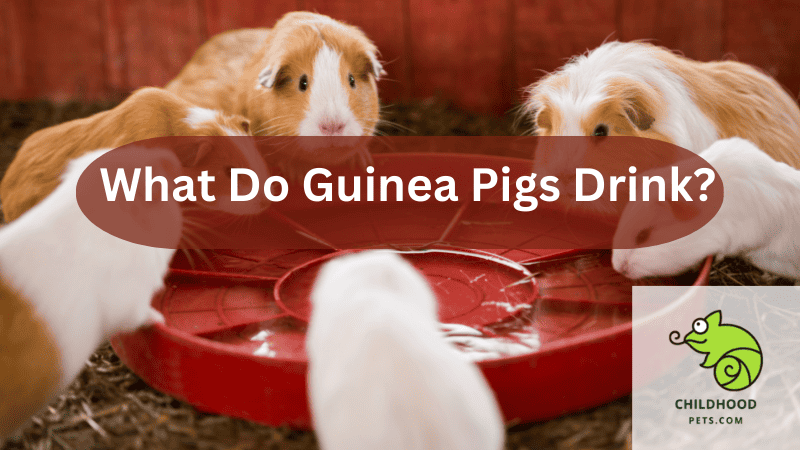
As a general rule, guinea pigs drink water and need a consistent supply of wholesome water at all times. The recommended amount of water a guinea pig should drink daily is around 10% of its body weight; however, individual requirements may vary.

Importance of Water for Guinea Pigs

Water is necessary for the survival of all living organisms, including guinea pigs, and there is no exception to this rule. Water is, in point of fact, essential to the overall health and life of guinea pigs. Guinea pigs are susceptible to developing dehydration if they do not receive enough amount of water, which can result in major health issues such as infections of the urinary system and kidneys and even death.

Additionally, the digestive system of a guinea pig cannot function properly without sufficient amounts of water. 

Also, guinea pigs are herbivores, meaning they need to consume a diet high in fiber to keep their digestive systems healthy. The fiber in their food is more easily broken down with water, which enables their bodies to absorb the essential nutrients more effectively.

Furthermore, a guinea pig’s body temperature must be maintained by drinking sufficient amounts of water. Guinea pigs are sensitive to variations in temperature, and they rely on water to help them maintain a consistent body temperature, especially when the weather is unusually warm.

How to Properly Offer Water to your Pet Guinea Pigs?

Providing guinea pigs with water is a relatively simple process. Your guinea pig will drink from either a water bottle or a water dish/bowl you offer. A water bottle is a more sanitary choice than other containers since it prevents the water from being contaminated with trash, bedding, or excrement. On the other hand, there are guinea pigs who will only drink from a bowl/dish of water. If you decide to use a water bowl/dish, you must ensure that it is sufficiently weighted not to topple over and that it is cleaned regularly.

Make it a habit to replace the water in your guinea pig’s bowl once a day or more frequently if the water gets dirty. Guinea pigs have a bad habit of knocking over their water bottles or dribbling water onto their bedding, both of which can promote the spread of germs. As a result, it is essential to make frequent checks throughout the day to ensure that your guinea pig’s water supply is complete and clean.

What Kind of Water Do Guinea Pigs Prefer to Drink?

Guinea pigs want clean, fresh water. The water from the tap is not dangerous for guinea pigs to drink, but it may include chlorine and other chemicals that are hazardous to the health of your pet guinea pig. If you are concerned about the water quality of your tap, you might want to consider investing in a water filter or buying bottled water instead.

It would help if you didn’t give your guinea pig sugary drinks or fruit juice since these substances might cause diarrhea and other digestive disorders. Moreover, steer clear of giving your guinea pig cow’s milk because these animals are lactose intolerant and unable to digest cow’s milk properly.

What Drinks are not Considered Safe for Guinea Pigs?

There are several drinks that should never be given to guinea pigs since they are not suitable for their digestive systems. The following are some examples:

  1. Alcohol: It is hazardous to give guinea pigs any kind of alcoholic drink. Even a tiny amount is enough to cause damage to the liver, seizures, and other major issues with one’s health.
  2. Carbonated beverages: Carbonated drinks such as soda are unhealthy for guinea pigs since they can cause bloat and irritation and potentially lead to difficulties with the gastrointestinal tract.
  3. Fruit juice: Although fruit juice could appear to be a good choice for your guinea pig’s diet, it really has a significant amount of sugar and is not required. Consuming an excessive amount of sugar can result in obesity as well as other health problems.
  4. Milk: Guinea pigs cannot digest lactose, which is contained in milk and other dairy products. Thus, they should not consume milk. Because of this, offering them milk or any other drink containing dairy might result in intestinal issues.

FAQs

What is the recommended daily amount of water for guinea pigs?

Guinea pigs must constantly have access to water that is free from contamination and of good quality. Each day, a guinea pig should consume an amount of water equal to around 10 percent of its body weight.

Hence, if your guinea pig weighs one kilogram, it should consume around one hundred milliliters of water daily. On the other hand, this is only an estimate, and individual guinea pigs may drink more or less water based on the specific requirements of their bodies.

It is essential to ensure that the water bottle or bowl your guinea pig uses to drink from is frequently cleaned to prevent the growth of germs and that the water in the bottle or bowl is replaced daily. Also, if you find that your guinea pig is drinking much more or less water than normal, you should make an appointment with a veterinarian as soon as possible since this might indicate a more serious underlying health problem.

What Kind of Supplements Could Be Added to the Guinea Pigs’ Water?

It is usually ideal for supplying guinea pigs with unflavored, unprocessed, and unaltered water. There are, however, a few situations in which you might want to consider adding anything to the water that your guinea pig is drinking:

  • Apple cider vinegar: Some guinea pig owners put a drop or two of apple cider vinegar in their pet’s water to aid digestion.
  • Vitamin C supplements: To keep their health, guinea pigs must consume a certain amount daily. You can guarantee that your guinea pigs receive an adequate amount of this vital ingredient by adding a vitamin C supplement to their daily drinking water.
  • Electrolytes: If your guinea pig is recuperating from an illness or is dehydrated, you may restore its fluids and minerals by adding an electrolyte solution to its water. If your guinea pig is sick or dehydrated, see your veterinarian immediately.

It is essential to remember that any additives ought to be utilized moderately and just after acquiring the advice of a licensed veterinarian.

Closing remarks

Generally, guinea pigs will drink water, and they require a constant supply of clean water to be available to them at all times. Also, it is essential to ensure that their water bottle or bowl is cleaned and replaced with fresh water regularly to avoid the spread of bacteria.

It is crucial to speak with a veterinarian to verify that any modifications to their water are safe for guinea pigs. Even in some situations where you could think about adding vitamins or other additives to their water, it is essential to note that doing so is only a consideration.

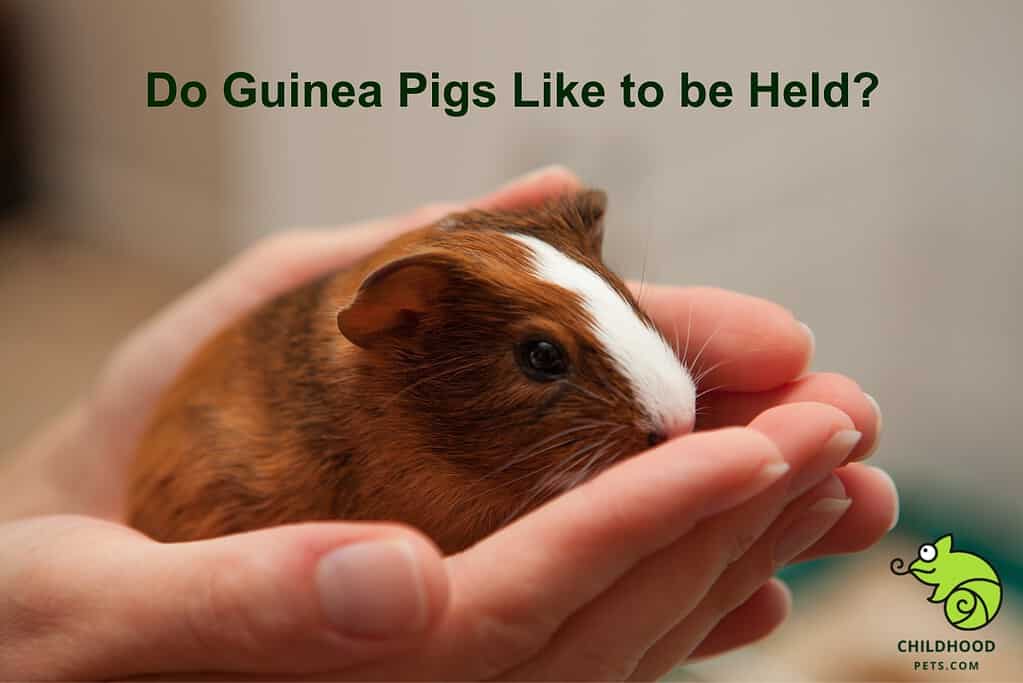
Do Guinea Pigs Like to be Held?

Do-Guinea-Pigs-Like-to-be-Held

Guinea pigs are incredibly sweet, social creatures that make great pets. Not only are they cute and cuddly, but they can also be surprisingly interactive and responsive to their owners. But when it comes to handling, do guinea pigs actually like to be held? 

Yes, most of the time, guinea pigs like to be held by their owners. In fact, most guinea pigs will look forward to being held. However, it is important that you hold your guinea pig properly, so you don’t scare or injure them. Some guinea pigs prefer not to be held even if they have bonded with you.

In this article, we will discuss why guinea pigs like to be held, how to properly hold a guinea pig, and what signs indicate that your guinea pig is uncomfortable with being handled. So, if you’re ready to learn more about guinea pigs and to hold them, keep reading! 

How Do Guinea Pigs Feel About Being Held?

Guinea pigs are delightful creatures with the potential to be great companions. While some may enjoy being held and cuddled, others find handling intimidating and fear-inducing. As prey animals, their natural instinct is to flee and feel safe. 

Guinea pigs living in their natural environment view humans as a potential threat, thus responding by running away or hiding. While domesticated guinea pigs are more comfortable around people compared to those found in the wild, they still possess an ingrained prey-animal instinct that drives them to seek refuge when interacting with humans.

To keep your guinea pig happy and content, it’s essential to respect its boundaries – if it’s not comfortable with being handled, don’t force it. A gentle and calm approach is key – your guinea pig will likely pick up on any negative vibes or tension, so keep the interactions relaxed and pleasant. With a bit of patience and understanding, you can create a peaceful bond that both parties can enjoy.

Do Guinea Pigs Like To Be Held & Petted?

Since guinea pigs like being held, they also love being petted. Guinea pigs are very affectionate, and it makes them happy if humans pet them. It makes them feel loved and attended, and they often show signals that they like what you are doing! Usually, guinea pigs lick you if you reach your hands toward them. 

However, by default, guinea pigs don’t like to be petted. Unless the guinea pig has been hand-raised or patiently tamed and domesticated, it won’t like to be touched or rubbed by a human.

But to avoid any type of harm to your guinea pigs, it is imperative that you learn how to handle them properly. Understandably they may appear nervous in the presence of their owners; however, this doesn’t mean they don’t love spending time together.

Developing a relationship with your guinea pig can be highly rewarding; these little creatures typically enjoy being held and petted. That’s why they make for such great family pets.

How Often Should You Hold a Guinea Pig?

Guinea pigs can typically enjoy being held for 10-15 minutes. However, not every guinea pig is a fan of this activity – some may only tolerate it for a few minutes. It’s important to be mindful of your pet’s preference when interacting with them.

Once your guinea pig is ready to be held, you should hold them every day for at least 15 minutes. This will help your guinea pig get used to you and feel comfortable in your presence. It is also a good opportunity for you to bond with your new guinea pig.

In some cases, it is best to avoid handling your guinea pigs; for instance,

  • Delivered babies of their own.
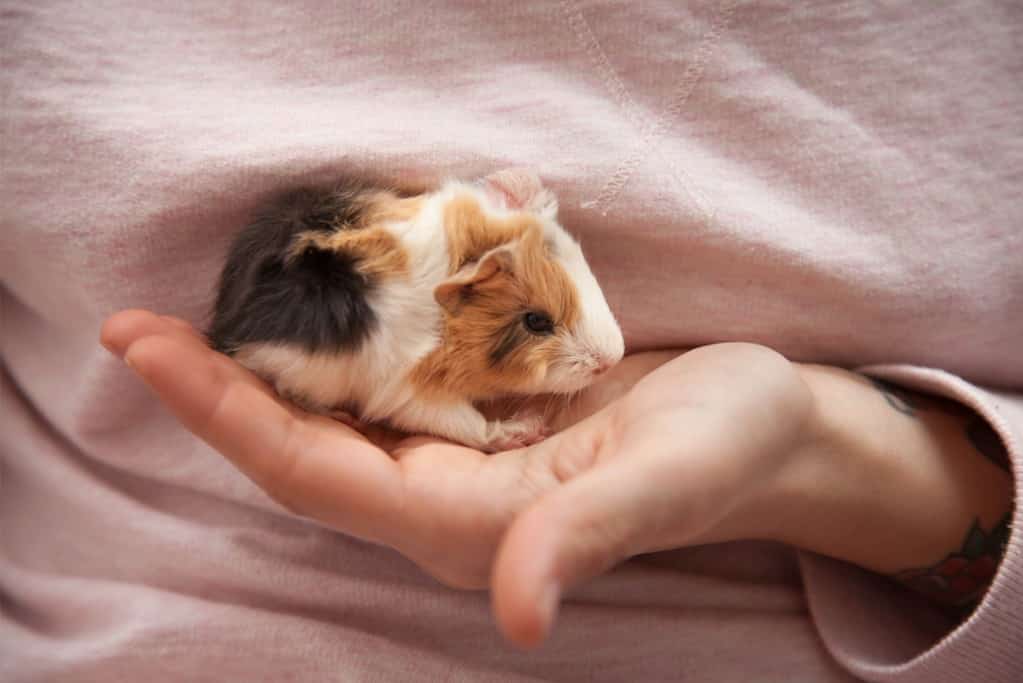
  • If they have recently been born.
  • Returned from the vet’s office or are ill.

It’s especially essential to treat carefully those who aren’t feeling well – give them a few weeks before you hold them, and be sure to consult your vet on when it’s okay to start doing so again.

Tips To Hold Your Guinea Pig Safely

Here are some tips for holding your guinea pig safely:

Don’t try to hold your guinea pig at first: It’s important to take it slow and let your guinea pig get used to you before trying to hold them. Spend some time talking to them and offering them treats so they can get comfortable with your presence.

Introduce yourself: Before picking up your guinea pig, make sure they know you’re there. Talk to them in a calm voice and offer them a treat, so they associate you with positive experiences.

Pick up your guinea pig: When picking up your guinea pig, use two hands and support their body. Place one hand beneath their chest and the other supporting the hind legs.

Hold your guinea pig with two hands: Always use two hands when holding your guinea pig to provide them with enough support and prevent them from jumping out of your hands.

Provide treats: Offering treats while holding your guinea pig can make the experience more enjoyable for them and help them feel more comfortable.

Return the guinea pig safely to their cage: When returning your guinea pig to their cage, hold them firmly with both hands as they may want to jump. Wait until they stop struggling before releasing them from your hand.

Keep the session short: Guinea pigs typically like being held for about 10-15 minutes at a time, so it’s important not to hold them for too long.

Supervise children when they hold a guinea pig: If children are holding a guinea pig, make sure to supervise them closely and teach them how to handle the animal gently and safely.

Remember that every guinea pig is different, and some may not enjoy being held as much as others.

Which Guinea Pig Breed Likes to be Held the Most?

It’s difficult to say which specific breed of guinea pig likes to be held the most as it can vary from individual to individual. 

However, some breeds that are known for being calm and friendly include the Silkie and Teddy guinea pigs. These breeds may be more tolerant of handling and may even enjoy cuddling with their owners. 

Teddy guinea pigs, usually weighing between 1.5 to 3 pounds when grown up, are an ideal choice for children or first-time owners with their gentle and friendly personalities that enjoy cuddling.

Their fur is short and requires minimal grooming while being prone to dryness, so frequent bathing should be avoided as much as possible. If you’re looking for a small companion animal that offers love in return, the Teddy guinea pig may just fit your criteria perfectly.

It’s important to remember that every guinea pig has its own personality and preferences when it comes to being held.

Are Guinea Pigs Safe to Hold?

Yes, guinea pigs are generally safe to hold. However, it’s important to handle them gently and with care to ensure their safety and comfort. 

Guinea pigs are renowned for their sweet temperaments, making them one of the friendliest small mammals to interact with.

But it is important to remember that if handled incorrectly or roughly, they may bite out in self-defense – be sure to pick up your guinea pig by firmly but gently grasping underneath its trunk while supporting its back legs using another hand.

Do Skinny Guinea Pigs Like To Be Held?

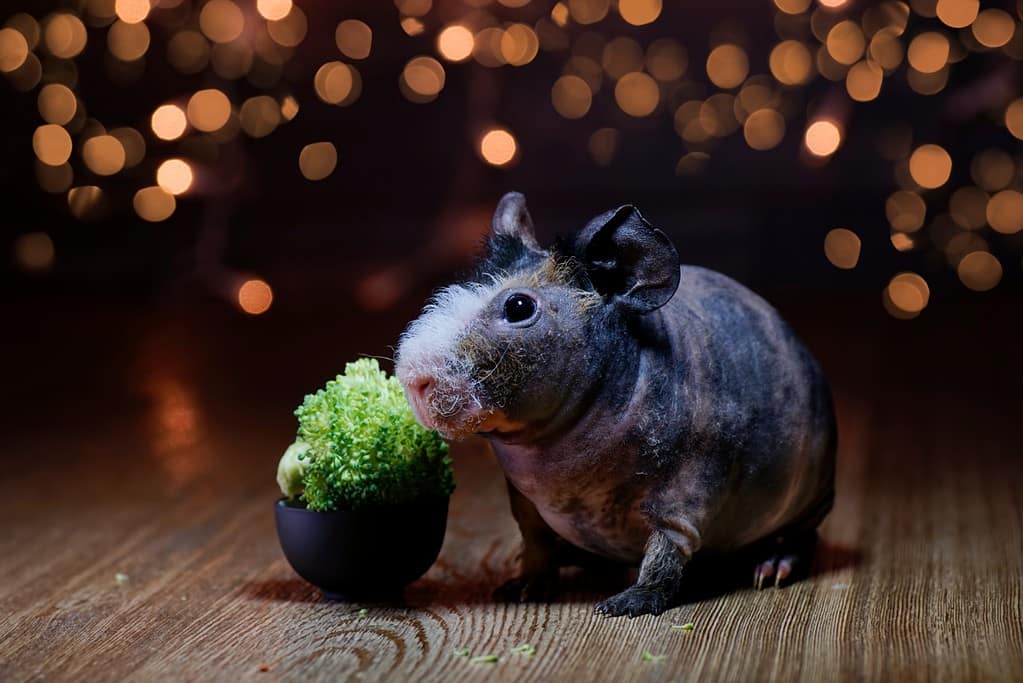
skinny guinea pig

Yes, Skinny guinea pigs can like to be held just like other guinea pig breeds. However, it’s important to handle them with gentle care as they can be more docile but also more skittish.

The Skinny pig, a unique guinea pig strain, is easily recognizable. Its feet, muzzle, and legs are covered in hair – standing out against its bald body.

Skinny guinea pigs can be just as loving, if not more, than those that are a bit heavier. These little ones may appear to be calmer, but they tend to also become easily startled. 

When you introduce them into their environment for the first time, it is important to give them space and allow them the opportunity to get comfortable with all of your surroundings before attempting any type of petting.

As a rule of thumb, start off with their head or chin as they are generally less resistant there than on the underside or feet. See how your skinny pig responds – let them guide you in what kind of physical contact they appreciate most.

For a guinea pig to purr is an indication that you are doing the correct thing. However, when hearing teeth chattering or observing it, this implies a lack of trust and should be addressed with caution- particularly for skinny, hairless related breeds who require higher levels of warmth in their environment.

Precautions When Holding or Petting Your Guinea Pig

One of the greatest gifts that come with owning a pet is having them in your arms and cuddling them. Although some pets enjoy being held more than others, it’s important to always read your guinea pig’s body language before proceeding; after all, not every animal has an affinity for this kind of contact!

  • When handling your guinea pig, make sure to keep them upright with both feet firmly planted on the ground so as not to hurt their backs.
  • If they’re startled, it is important that you don’t hold them too high – for there’s a chance they might jump out of your hands.
  • For the safety of your piggies, always keep them close to the ground and secure in your arms. Piggies have a tendency to jump when frightened, which could cause serious harm if they are placed high off the ground.
  • Due to their joyous nature, “popcorning,” piggies may unintentionally climb too high with excitement and tumble down. So, stay safe and keep them low.
  • Keeping them close to your heart with both hands will make them feel safe and secure while also granting you the ability to quickly grab onto them if they attempt a daring leap.
  • Always treat your guinea pig with gentle care. Remember that their spines are fragile and should only be petted if they appear to enjoy it.
  • If you notice them springing away, chattering, or even baring their teeth, it means that your cavy is not a fan of what you’re doing and won’t benefit from the experience.
  • To ensure their safety, always supervise children when they are around cavies. Young kids may not be aware of their own strength and might unintentionally harm the cavy by petting it too hard or dropping them accidentally.

Wrapping Up

Guinea pigs enjoy being held as long as it’s done right – gently and with respect. Some guinea pigs may enjoy being held and cuddled, while others may not. It’s important to handle them gently and with care to ensure their safety and comfort. Remember that every guinea pig has its own personality and preferences when it comes to being held. It’s always a good idea to observe your guinea pig’s behavior and body language when holding them to determine if they are comfortable or not.

Have you had any experiences with holding or petting your guinea pigs? Do you have any tips that have helped make the experience more enjoyable for both of you? Let us know in the comments!

Can Guinea Pigs Eat Blackberries?

Blackberries are considered a tasty fruit that is widely consumed and rich in various nutrients, including minerals and vitamins. They are loved for the flavor they add to many dishes worldwide.

Blackberries are great both raw and cooked, especially in desserts where they stand out as a fruit. Hence, if they are edible for humans, can guinea pigs also eat them?

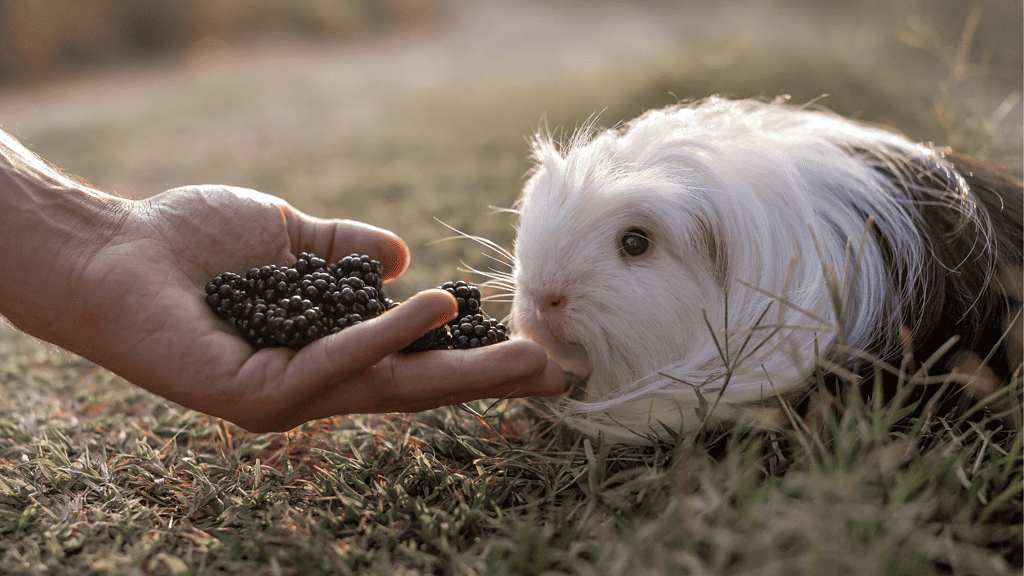
As a whole, guinea pigs can eat blackberries but in moderation. If your pet consumes an excessive amount of this fruit, it could be hazardous to their health. As there is a high concentration of sugar in blackberries, consuming them may result in digestive problems. It is recommended that you provide your guinea pig with two tiny blackberries every week.

Let’s find out in this article if guinea pigs like Blackberry, if they can eat Blackberry, how often they can eat Blackberry, and much more.

More about Blackberries and Guineapigs

As mentioned above, 2-3 tiny blackberries per week seems ok for your little cavies—no more than that, as it can harm your pet. If we talk about the benefits of this fruit to your pup (if given in moderation), then blackberries have several nutrients that are excellent for the health of guinea pigs.

For example, they have vitamin C, which is very important for guinea pigs’ health. Since many of you are likely aware that guinea pigs cannot produce vitamin C on their own, they are required to obtain it from various sources. Because of this, blackberries have the potential to be regarded as one of the most effective sources for providing vitamin C to guinea pigs.

Are Blackberries A Safe Treat for Your Guinea Pigs?

Can Guinea Pigs Eat Blackberries?

Blackberries are considered safe only if you give the very minute amount to your guinea pig. Your guinea pigs should not consume more than 2 blackberries simultaneously. They are highly concentrated with sugar content and are lethal if consumed regularly in huge quantities.

Just a small amount of blackberries, as a side treat, should be given to guinea pigs. It is not appropriate to see it as their primary source of nutrition. When guinea pigs consume a large quantity of berries, it might have a negative impact on the health of your fluffy companion animal.

Are Blackberries Beneficial for Guinea Pigs?

Well, they are beneficial if you give this fruit the permissible amount (2-3 per week) to your guinea pig. They can become harmful if given as a staple diet or given in bulk quantity.
Here are some of the benefits of blackberries when given in permissible amounts to your cute little cavies.

Vitamins A and C

Vitamin A ensures that the eyes remain in good condition, while vitamin C is an excellent source of immunity and energy that can be used to fight off illnesses and infections. Guinea pigs require a sufficient quantity of vitamin C to maintain their health and avoid scurvy as well as other illnesses. In addition to this, vitamin C helps various physiological systems work together.

Fiber

Guinea pigs require a high roughage diet to maintain healthy bowel motions and a robust digestive system. Blackberry fiber can be helpful in reaching the need for fiber in the diet, and blackberries are a good source of this nutrient.

Antioxidants

These substances remove harmful free radicals from the body, strengthening guinea pigs by boosting the immune system and preventing illness. Guinea pigs are healthier and less likely to get sick when their bodies are free of free radicals.

What Are the Dangers of Overeating Blackberries?

The following are some of the primary problems that might arise if your guinea pigs consume an excessive amount of blackberries:

Diabetes

Guinea pigs can get diabetes when their blood sugar levels are too high. Diabetic symptoms include increased frequency of urination, increased hunger, and decreased body weight.

If you find that your pet is exhibiting any of these symptoms, you need to take them to a veterinarian as soon as possible so that they can diagnose and treat diabetes.

Obesity

Guinea pigs gain weight when their food is high in sugar. This will ultimately result in the pet being overweight. Overweight Guinea pigs will have issues with their mobility, ability to self-groom, and overall health.

Dental Issues

Blackberries may cause tooth decay due to their high amount of sugar. Guinea pigs can develop periodontal disease and cavities.

Digestion Issues

The stomach and digestive tract of guinea pigs are extremely sensitive. They will have stomach aches due to the high sugar level, which will disrupt their usual digestive process. Moreover, it can cause diarrhea and loose, watery stools in your furry companion.

How Often Can You Give Blackberries to Your Guinea Pigs?

Your cute little furry guinea pig can only eat 2-3 blackberries per week (once every two days). Never, ever go beyond this limit, no matter what. 

In contrast, giving more amount of this fruit will raise their total sugar consumption for the day, which is unhealthy for them. You could also offer this fruit to your pet after cutting it into small pieces.

Can Guinea Pigs Eat Frozen Blackberries?

No, they should not eat frozen blackberries. Because their nutritional value is lost during the freezing process, fruits, and vegetables should never be fed in their frozen state.

If you still want to give frozen blackberries to your guinea pig in case of an emergency, then there is something you need to do before you give it to your guinea. It would help to defrost it first and then offer it to your pet guinea.

Can Guinea Pigs Eat Blackberry Leaves?

Yes, they can eat fresh leaves but not older, harder ones. Try to offer them leaves from your garden so that you know what pesticides have and have not been applied to them.

How to Feed Blackberries to Guinea Pigs?

Here’s how you can feed blackberries to guinea pigs:

  • First, only fed ripe blackberries. When fully ripe, they have a more succulent and sweet flavor.
  • Then, you need to make sure that they are well-washed. To prevent your pet from choking on them, you can cut them into smaller pieces, but even two will be enough.
  • Because of the fruit’s high sugar content, you should only give it to your pet twice or thrice a week to prevent it from becoming ill. 
  • Do not feed the fruit on the same day as other sweet fruits, as the sugar content of other fruits will already be plenty for the day.
  • Avoid giving your pet blackberry jam, canned juice, or any other product derived from blackberries since these items are very concentrated and contain a large amount of sugar that are toxic to pets.

Conclusion

Guinea Pigs can eat blackberries but in moderation. Consider them a rare treat for them. They are a good source of several nutrients, including vitamins C, A, and K, potassium, manganese, protein, and many other nutrients. But they should still be served a limited amount because they have a lot of sugar, which is bad for guinea pigs. Just serve them blackberries with the appropriate precautions, and they will be delighted!

Can Guinea Pigs Eat Blueberries?

Guinea pigs are herbivores and have a taste for a variety of food items, including veggies and fruits, particularly those that are fresh and delicious. So, as a Guinea owner, you might be thinking if guinea pigs can eat blueberries or not.

Let’s discuss that in detail.

Can Guinea Pigs Eat Blueberries?

Yes, guinea pigs can eat blueberries but only in very little quantities (2-3 blueberries in a week). Blueberries, like other berries, are tasty and provide an excellent source of vitamins and other essential nutrients. But because blueberries are rich in sugar content, you shouldn’t give too many to your guinea pigs. In addition, blueberries have their own naturally occurring acid; therefore, they must be consumed in moderation.

Keep reading this article to learn more about the plus points of blueberries, as well as the potential drawbacks and how often to give the fruit.

More About Blueberries

Blueberries can be given to your little guinea pigs, but only in small amounts. Avoid giving them in bulk and avoid giving them routinely.

In contrast, blueberries have some beneficial nutrients that are good for guinea pigs’ health if given in permissible amounts. These nutrients include fiber, antioxidants, vitamins, and minerals.

Giving your guinea pig an excessive amount of blueberries can lead to diabetes, obesity, and damage to the digestive tract of your guinea pig. So, always try to give berries in moderation.

Can Guinea pigs Eat Blueberry Leaves?

Your guinea pigs can consume blueberry leaves due to their delicious flavor and the minimal quantity of sugar they contain. But try to provide them with fresh blueberry leaves only once or twice a week.

In addition, the leaves have low-calorie content and a higher concentration of antioxidants than the fruit.

Can Guinea pigs Eat Blueberry Stems?

Guinea pigs can consume blueberry stems, which are soft and simple to chew on. In addition, the berries’ stems will keep their mouths active, preventing their teeth from growing continuously.

You know that guinea pigs’ teeth continue to develop throughout their lives and, if not kept in check, can lead to injuries and infections in the animal’s mouth.

In order to prevent your furry friend from choking, you should try to offer them only a little portion of the stem. Blueberry stems are a tasty treat for guinea pigs, and they like chewing on them.

Can Guinea Pigs Eat Dried Blueberries?

No, you shouldn’t give your guinea pigs dried blueberries since, in comparison to fresh blueberries, as they have higher sugar content. And if your little pet consumes an excessive amount of sugar, this can lead to a variety of health problems. In addition, there is always the possibility that the dried blueberries include other components that your guinea pigs shouldn’t consume.

Can Guinea Pigs Eat Processed Blueberries?

Since guinea pigs are herbivores by nature, they can’t consume processed blueberries. The consumption of blueberries that have been processed might lead to stomach issues in your pet. Just like other herbivores, they must only eat fresh fruits and vegetables.

Because of this, you must be aware of the varieties and freshness of blueberries they can consume and those they should avoid.

Are Blueberries Beneficial For Guinea Pigs?

If served in moderation, blueberries can benefit your guinea pigs’ health. These are some of the plus points of blueberries:

Vitamin C

Guinea pigs have a daily requirement for the essential vitamin C, which must be included in their food.

Your guinea pigs can obtain this vitamin more easily if you feed them blueberries (2-3 times a week). The development of body cells is encouraged by vitamin C. It helps maintain healthy bones and teeth in the body.

Antioxidants

Berries, especially blueberries, are one of the foods that contain the greatest levels of antioxidants overall. Anthocyanins are the primary anti-oxidants that may be found in blueberries. This is the component responsible for the color of blueberries.

It protects against aging, cardiovascular disease, and diabetes, which all contribute to the free radical damage that can occur in the body of your guinea pigs.

Vitamin K

Vitamin K is a very important nutrient for your guinea pigs since it ensures that they will have a long and healthy life. Vitamin K is an essential component in the formation of bones as well as the clotting of blood, both of which are necessary for day-to-day maintenance and repair.

Calcium

Blueberries provide just the right concentration of calcium to support strong bones, but not so much it would be harmful in excessive amounts.

Guinea pigs can get bladder stones if they get too much calcium, especially if they get many oxalate-based foods. Moreover, it might prevent the body from absorbing additional calcium.

Manganese

The regular diet of guinea pigs should include trace elements like manganese at appropriate levels. Guinea pigs require at least 40 milligrams of manganese per kilogram of body weight. Manganese contributes to healthy development and speeds up the breakdown of some important nutrients.

Carbs

Berries have two different kinds of carbohydrates: sugars as well as fiber. Excessive sugar in this might be problematic for pets and lead to various health problems. But, in contrast, guinea pigs need fiber to help them digest different foods, which is essential for optimal growth. So, moderated blueberries in the cavies diet is the best option.

What are the Risks of Blueberries For Guinea Pigs?

Several potential risks are involved with giving your guinea pigs blueberries as a treat. The following is a list of possible risks that you must know:

Digestive Upset

There is a lot of sugar in blueberries. The digestive tracts of guinea pigs cannot process a significant amount of sugar. Because of this, you shouldn’t give your guinea pigs an excessive amount of blueberries to eat. Because of this, guinea pigs often experience gastrointestinal distress and diarrhea.

Obesity

As a guinea pig parent, you are responsible for preventing your pets from becoming overweight. So, reducing the quantity of sugar that they consume in their daily diet would help them maintain a healthy body.

If you give your guinea pigs an excessive amount of sugar, this can make them bulky and heavy. A guinea pig that is overweight will have a number of difficulties with its health, including diabetes.

How Many Blueberries Can Guinea Pigs Eat?

About two blueberries should be given to your little guinea pigs twice weekly. In order to stay safe and prevent any consequences, you should not exceed this quantity. Different responses to blueberries might be expected from guinea pigs. Thus, begin with one and see how the rest of your pet’s body reacts to it. If there is any stress or pain, you should completely keep them away from these fruits.

Conclusion

Blueberries are safe for guinea pigs to consume, but only in small amounts. Your guinea pigs can benefit from the blueberries’ high fiber content and their vitamin and mineral content.

On average, one or two blueberries should be given to your guinea pigs once or twice weekly. Additionally, dried blueberries, blueberry juice, and frozen fruits are not considered good food options for guinea pigs.

Can Guinea Pigs Eat Broccoli?

Guinea pigs are cute, furry animals that most people like. They have soft, adorable fur and make great cuddle buddies. Nonetheless, you must use extreme care when providing their food. They can only eat some fruits and vegetables; they can’t have everything. How about broccoli? Can guinea pigs eat broccoli?

Guinea pigs can safely consume a small amount of broccoli, ideally 3-4 times a week. and is a good source of vitamin C, which is beneficial for their health. It is important not to overfeed broccoli, as excessive amounts can lead to bloating. Always serve broccoli raw and is best offered organic.

Let us learn about it in more detail.

More About Broccoli and Guinea Pig Association

Guinea pigs can eat broccoli if it is offered with precautions along with a very restricted amount. If you have never given your pet broccoli before, you must ensure that you introduce it slowly and correctly. This indicates that you should feed your furry pal only a small amount of broccoli at the very start and monitor his reaction.

While some guinea pigs like broccoli, others aren’t fond of this vegetable. Try to give your pet a bite-sized portion to evaluate whether or not they enjoy the treat.

Health Benefits of Broccoli for Guinea PigsDetails
Vitamin CHelps prevent scurvy, supports immune system, and overall health.
FiberAids in digestion, maintains healthy gut bacteria, and prevents constipation.
AntioxidantsProtects cells from damage, supports a healthy immune system.
Low in CaloriesSupports a healthy weight, prevents obesity-related health issues.
Minerals (e.g., calcium, potassium)Supports strong bones and teeth, proper muscle function, and heart health.

Please note that broccoli should be given to guinea pigs in moderation, 3-4 times a week, to avoid potential issues such as bloating. Always serve raw, organic broccoli for optimal benefits.

What Parts of Broccoli Can Guinea Pigs Eat?

Guinea pigs can eat almost all parts of broccoli, from the florets to the flowers to the stems. The serving size should be kept small, which would be one floret.

Broccoli stems are an excellent source of nutrition for guinea pigs. When your guinea pig eats the stems, it helps file their constantly growing teeth and keeps them healthy over time, so you don’t have to worry about trimming their teeth.

Is Broccoli Beneficial for Guinea Pigs?

Yes, broccoli may be considered one of the healthiest foods for guinea pigs if they are given occasionally.

Our guinea pigs benefit tremendously from the vitamin C found in broccoli (as mentioned above). The diet of guinea pigs should always include a sufficient amount of vitamin C.

As cavies cannot produce vitamins in their bodies, they require a vitamin supplement in their diet. So, broccoli in moderation is a must as it contains vitamins A, B-6, C, K, Iron, and other essential minerals.

Is Broccoli Dangerous for Guinea Pigs?

Due to the fact that broccoli is a cruciferous plant, an excessive amount of it in our guinea pigs’ diet may cause them to experience bloating and gas. Because of this, broccoli should only be consumed in small amounts. Additional risks include the following:

Bladder and Kidney Stones

Oxalates (present in broccoli) have a role in producing calcium stones. The symptoms include weight loss, lethargy, inflammation, and blood in the urine.

Digestion Issues

Constipation and coarse hair are two of the symptoms. Your guinea pig will get lethargic as a result of this. Consuming an excessive amount of broccoli will disrupt their digestive system.

How Much Broccoli Should Your Guinea Pigs Eat in a Day?

Broccoli is safe for guinea pigs to eat, but too much of it can be harmful due to the high calcium and oxalate concentrations.

Generally, guinea pigs shouldn’t take more than one to two cups of vegetables daily, and broccoli shouldn’t make up more than a small percentage of that amount—roughly speaking, one to two small florets daily.

It is vital to remember that a guinea pig’s diet should primarily consist of hay and fresh, clean water, with the addition of vegetables and fruits only occasionally as special treats. In addition, it is usually a good idea to introduce new meals gradually, beginning with small quantities and progressively increasing the quantity as long as your guinea pig does not exhibit any indications of having digestive troubles.

If you have any questions or concerns regarding your guinea pig’s food, it is in your best interest to speak with a qualified animal care specialist.

Can Guinea Pigs Eat Broccoli Stems?

The stalks or stems of broccoli are safe for guinea pigs to eat. The broccoli stems may be a healthy addition to a guinea pig’s diet since they include fiber, vitamins, and minerals. To avoid any potential health problems, it is best to feed broccoli stems in moderation, just as with the florets.

Before giving your guinea pig any broccoli, make sure to clean the vegetable and chop it into small pieces carefully. It’s essential to monitor your guinea pig’s health and digestive progress as you introduce new foods, so start with a modest quantity of broccoli and gradually increase the serving size over time.

Stop feeding broccoli and see a vet if your pet develops bloat, gas, or diarrhea after eating it. Nevertheless, if given in moderation and cooked correctly, broccoli stems or stalks can supplement a guinea pig’s diet.

Are Broccoli Leaves Safe for Guinea Pigs to Eat?

Broccoli leaves are safe for guinea pigs to eat but should only be given a very small amount at a time. Due to broccoli leaves’ high vitamin A content, just a little portion should be given.

In addition, broccoli leaves contain a good quantity of calcium and iron, so providing them on and off is suggested.

Your guinea pigs will receive the optimal proportion of vitamins and minerals if you provide their food according to the schedule.

Can Guinea Pigs Eat Cooked Broccoli?

No, Guinea Pigs can’t eat cooked broccoli. They prefer the raw form of vegetables. As vegetables are prepared, many of the critical nutrients that cavies require are sometimes lost.

Moreover, cooked vegetables include additional spices, salt, or other hazardous substances to our cavies and should not be fed to them.

In addition, giving your Guinea Pigs cooked veggies might cause stomach discomfort and other stomach disorders. This is because cooking vegetables alters the guinea pig’s digestive enzymes.

How Should I Feed Broccoli to My Guinea?

It is always recommended to offer broccoli along with some other staple food, such as hay. In that case, there is a possibility that there will be low adverse effects on your pet’s digestive system. Excessive broccoli eating may contribute to gas, bloating, and diarrhea.

Giving your furry companion a tiny quantity at a time is best. Broccoli should be served as half a floret with the stalk. Before providing it to your pet, you may want to remove the stems and stalks by peeling them. 

Be sure the broccoli is not just recently harvested but also well cleaned, as it may have been produced on soil with pesticides or other pollutants.

Conclusion

Broccoli is a delicious vegetable full of vitamins that are somewhat good for guinea pigs if given with precautions. Despite its incredible benefits, guinea pigs should only consume small amounts of broccoli. In general, consuming excessive amounts of anything is detrimental to Guinea pigs’ health.

Be careful not to feed your guinea pigs any broccoli that has gone bad or is wilted. Avoid feeding your pets bad or infected fruits and veggies. In order to avoid any digestive pain or diarrhea, it is essential to remember to introduce new meals in a slow and measured manner.