Recent Posts

Lunkarya guinea pig care guide

The friendly nature of guinea pigs, in addition to their endearing physical characteristics, has made them popular pets worldwide. The Lunkarya guinea pig is a one-of-a-kind and beautiful breed of guinea pig that requires specialized care due to its unique characteristics. In this article, we will provide a guide to the care of Lunkarya guinea pigs to assist you in maintaining the health and happiness of your four-legged companion.
As a whole, Lunkarya guinea pigs require the same level of care as other guinea pigs, with the exception that their long, curly hair demands additional brushing. They require regular grooming to prevent matting, an appropriate hay, pellets, and veggies diet, medical care, and social interaction.

Key Facts Table

FactInformation
Breed NameLunkarya Guinea Pig
OriginSweden
SizeBetween 1.3-1.6 kg
CoatCurly and wiry
PersonalityFriendly, active, and intelligent
Living SpaceMinimum 7.5 square feet for one individual
DietFresh hay, fruits, and veggies
WaterFresh water available at all times
ExerciseToys and daily opportunities to run around and explore
HealthProne to obesity and respiratory infections
Life Span5 to 7 years

Origin

The Lunkarya guinea pig, sometimes known as a lunk, is an extremely rare breed of guinea pig. It’s a subspecies of the Peruvian guinea pig that was first discovered in Sweden. This long, thick, curly, ‘sheep-haired’ guinea pig is not the outcome of crossbreeding; rather, it is the consequence of genetic changes that have occurred through time.

The unique changes in the coat that were discovered on the first Lunkarya were subsequently passed on to his descendants. This wild-haired guinea pig will require frequent maintenance because it can take the expression “bad hair day” to an extreme level! Because of its extremely dense coat, you need to take extra precautions to protect themselves from heatstroke in summer.

Appearance and Characteristics

Lunkarya guinea pigs are easily distinguishable from those of other breeds due to their distinctively curly coats. Their wiry, curly hair is longer than the hair of most other types of guinea pigs. They may reach a maximum weight of 1.6 kg, which is equivalent to 3.3 lbs, and they are often bigger than other varieties of guinea pigs. Lunkarya guinea pigs are engaged, jolly, and intelligent.

Care and grooming

Guinea pigs of the Lunkarya breed are distinguished by their distinctively curly coats, which need frequent cleaning to maintain good health and prevent tangles from forming in the fur. The following are some suggestions for caring for and grooming your Lunkarya guinea pig:

1.   Cut their nails regularly

The nails of Lunkarya guinea pigs grow fast, and it is important to clip them regularly to prevent them from growing excessively long. Special small animal nail clippers can be used, or you can take your pet to a groomer or veterinarian to have their nails trimmed professionally.

2.   Brush their coat

To prevent their naturally curly hair from becoming matted and tangled, Lunkarya guinea pigs should have a little brushing or combing done regularly with a comb or brush with soft bristles. When brushing their hair, be gentle and avoid tugging on their hair in any way.

3.   Provide frequent bathing

Giving Lunkarya guinea pigs a regular bath is necessary to keep their fur clean and free of dirt. On the other hand, you need to be careful not to bathe them too frequently, which might cause their skin to dry. Use a mild shampoo designed for small animals, and be sure to give your guinea pig a good long rinse to get rid of any shampoo that may have remained after washing it.

4.   Clean their living space

Lunkarya guinea pigs should be housed in a spotless environment with bedding that is rotated regularly to prevent the accumulation of germs and unpleasant odors. Their living environment needs to be spacious enough to enable them to engage in activities such as exploring and exercising.

5.   Provide sufficient nutrients

As was said previously, Lunkarya guinea pigs require a diet that is low in sugar and fat while still having a high fiber content. Make it a habit to give them fresh hay, vegetables, and fruits every day, and steer clear of offering them any meals that are either harmful or rich in calcium.

Following these suggestions, you can keep your Lunkarya guinea pig healthy and happy.

Temperament

Lunkarya guinea pigs are sociable creatures who take pleasure in the company of both people and other guinea pigs. Lunkarya guinea pigs are clever creatures with the right kind of training, capable of learning new tricks and orders. They also take pleasure in the companionship of other guinea pigs and, whenever it is practical to do so, should be housed in pairs. Lunkarya guinea pigs have the potential to develop into loving and trustworthy companions if they are properly socialized and treated well consistently. On the other hand, it is essential to remember that, just like in the case of other animals, the temperament of a specific individual can differ depending on factors such as their genetic makeup, how well they have been socialized, and their past experiences.

Diet

To maintain good digestive health, Lunkarya guinea pigs need to consume a diet that is high in fiber. Fresh hay should make up the majority of their diet and should be readily available to them at all times. These guinea pigs can also be given a variety of fresh vegetables, including carrots, red bell peppers, and leafy greens, such as kale and spinach, in addition to their regular diet. You may also offer them a bite-sized portion of fresh fruit, such as apples or berries, as a special reward.

Additionally, Lunkarya guinea pigs should never be fed things known to be harmful to them, such as garlic, chocolate, or caffeine. It is vital to do research on any new food before offering them to your guinea pig. Also, it is best practice to introduce new foods gradually to avoid causing stomach discomfort.

Lunkarya Guinea Pig Health Concerns

Here are some common health concerns to watch for in Lunkarya guinea pigs:

  • Respiratory infections
  • Parasites
  • Vitamin C deficiency
  • Obesity
  • Dental problems

If you observe any of the issues mentioned in your pets, you must contact the vet as soon as possible.

FAQs

How much does it cost to purchase a Lunkarya Guinea Pig?

The pricing of Lunkarya guinea pigs might differ from place to breeder to breeder, but they are generally priced in the same range as other purebred guinea pigs. The price of a Lunkarya guinea pig can range anywhere from $50 to $100, with some breeders asking for even more money for pets that are either rare or of extremely good quality.

How long does a Lunkarya Guinea Pig live?

Lunkarya guinea pigs have an average lifespan of four to six years. However, some Lunkarya guinea pigs have been known to survive for up to 8 years or even longer when given the appropriate care.

Key Takeaways

Lunkarya guinea pigs are a type of guinea pig that is distinctive and absolutely lovable due to their curly coats and playful personalities. They require frequent grooming, a balanced diet, and a clean living place to maintain their health and happiness. Lunkarya guinea pigs may live for many years and make lovely pets if given the care and attention they need, despite being predisposed to certain health problems. If you are considering bringing a Lunkarya guinea pig into your home as a family member, you must conduct adequate research and choose a reputable breeder or adoption facility to guarantee that your new pet is well-cared for and in good health.
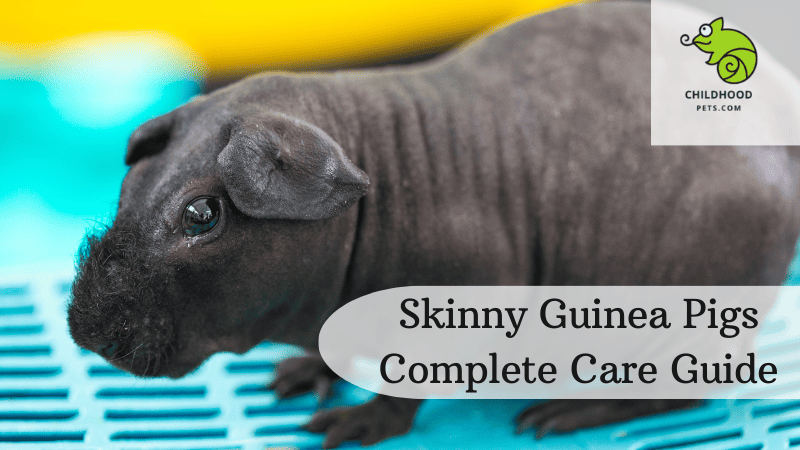
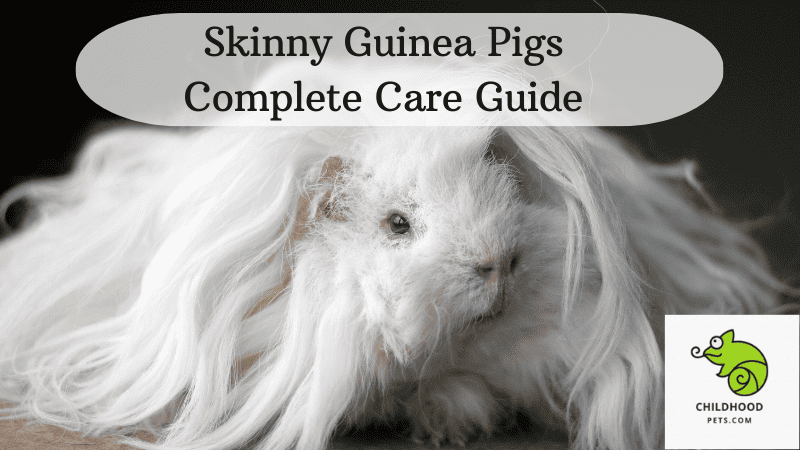
Skinny Guinea Pigs Complete Care Guide

If you’ve done any research on guinea pigs as potential pets, you may have come across the “skinny” guinea pig breed. Skinny guinea pigs, commonly known as hairless guinea pigs, have grown in popularity over the years because of their one-of-a-kind look and cheerful personality. However, before you make the decision to bring one into your house, it is necessary to be aware of how to provide the appropriate care for them. Let’s discuss how you properly care for skinny guinea pigs.

As a whole, skinny guinea pigs require great care, including a clean and spacious cage, a well-balanced diet, regular exercise, and regular appointments with the veterinarian. Additionally, they will likely need to be bathed more frequently due to the absence of fur to avoid developing skin issues.

What Exactly is a Skinny Guinea Pig?

A breed of guinea pig that is nearly or fully hairless is referred to as a skinny guinea pig. This type of guinea pig is also known by the name hairless guinea pig. They have a genetic mutation that makes them completely hairless, except for a few individuals who retain a little bit of hair on their noses or feet. These guinea pigs have skin that is similar in texture and smoothness to human skin.

Types of Skinny Pigs

There are two major types of skinny pigs, including:

1.   Skinny

The Skinny skinny pig does not have any hair anywhere else on its body other than the tip of its snout and the sides of its feet. They have skin that is more refined than the Baldwin and an overall sleeker and slim look.

2.   Baldwin

The Baldwin skinny pig is hairless across its entire body and does not have any fur on its skin. It is common to compare them to miniature hippopotamus due to their wrinkled skin and the fact that they appear to resemble that animal in appearance

Origin

In the 1970s, South American researchers initially discovered the skinny guinea pig. It is believed to be the result of a genetic mutation in the common domestic guinea pig, with the hairless feature resulting from a recessive gene.

Appearance and Characteristics

A hairless or almost hairless look is typical of skinny guinea pigs, which is consistent with the notion conveyed by their name. Their skin is so silky and velvety that it is sometimes compared to the skin of humans. Depending on the kind, their skin can be pink or gray in color, and depending on the type, they may have a little bit of hair on either their nose or their feet.

The only distinguishing feature of thin guinea pigs is their unique look; otherwise, they are very similar to other kinds of guinea pigs. They are friendly and enjoy mingling with their owners and the company of other guinea pigs.

Care Guide

Here is a complete care guide for skinny guinea pigs:

·       Housing

Because skinny guinea pigs are active creatures, they demand a large area to run and play. It is advised that a cage for one or two guinea pigs is at least 7.5 to 10 square feet in size and that it be lined with a bedding material that is soft and comfortable, such as wool or paper-based bedding. Wood shavings can potentially hurt their fragile skin; therefore, you should avoid using them. Your guinea pig should also have access to a hiding place within the cage so they may go there when they feel anxious or worried.

·       Diet

Skinny guinea pigs need a diet that is strong in fiber and vitamin C to be healthy. You should give your guinea pig a daily portion of hay, fresh vegetables, and a little bit of pellets if it is on the slim side. You can offer them fresh fruits as a special treat, but you shouldn’t make them a regular component of their diet. Always offer clean water in a bottle or a bowl for people to drink.

·       Grooming

Since skinny guinea pigs lack the insulation provided by fur, they are more susceptible to the effects of fluctuations in temperature. They should be kept in a warm room and given a comfortable bed to curl up in as much as possible. They also need to be groomed regularly to maintain good skin. A bath is not required unless they become obviously unclean; however, washing them down with a moist cloth will help remove any extra oils that may be present on their skin.

·       Exercise

Skinny guinea pigs require frequent physical activity to maintain their well-being and sense of happiness. To keep them occupied and entertained, provide them with various toys, tunnels, and other things that encourage interaction. You may get them to play by praising them and giving them food. You can also let them out of their cage to engage in supervised playing in a secure and confined environment.

Health Issues

As with any pet, skinny guinea pigs can experience various health issues. Here are some common health issues that you should be aware of:

  • Obesity
  • Eye problems
  • Skin issues
  • Dental problems
  • Respiratory infections

Unique features

These are some of their distinguishing characteristics:

·       Hairless skin

The name “skinny guinea pig” gives the impression that these animals do not have any or very little hair. Their skin is so smooth and silky that it is frequently compared to human skin in texture (as mentioned above). Their skin can have a variety of different colors and textures, although it is often pink or gray.

·       Whiskers

Even though they lack hair all over their bodies, slender guinea pigs still retain whiskers on their faces. Guinea pigs rely heavily on their whiskers as a key sensory organ that enables them to traverse their environment and communicate with one another.

·       Large ears

Skinny guinea pigs have the largest ears compared to the ears of other guinea pig breeds. Their ears are normally positioned in a pointed position and can move independently, enabling them to perceive noises coming from various directions.

·       Personality

Skinny guinea pigs’ kind and devoted habits are well-known in the animal kingdom. They have lively and curious personalities and enjoy interacting with their owners and other guinea pigs.

·       Health Status

The lack of hair on skinny guinea pigs may lead some people to believe that they are not as healthy as other breeds of guinea pigs; nevertheless, they are just as healthy as other types. Because they do not have fur, they may require less grooming and have fewer problems with parasites and mites.

FAQs

How Long Do Skinny Guinea Pigs Live For?

If given the right amount of attention and care throughout their lives, skinny guinea pigs may live for 5-8 years. It is crucial to give these pets a good environment and positive atmosphere because these factors can affect their longevity.

Are Skinny Guinea Pigs Social?

When it comes to their personality, skinny guinea pigs are recognized for being friendly and outgoing with their human companions. They are looking forward to engaging in conversation with their owners and are able to develop significant attachments to them. They also enjoy interacting with other guinea pigs, which is why keeping them in pairs or small groups rather than alone is best. However, just like the characteristics of other pets, they can vary widely from one individual to the next, with some being quieter or timid than others.

Final Remarks

Taking care of a skinny guinea pig demands some additional attention, but the effort is well worth it because of the adorable and one-of-a-kind personalities these animals possess. You can guarantee that pets have a happy and healthy life by ensuring that they have adequate accommodation, nutrition, grooming, medical treatment, and chances for physical activity.

White Crested Guinea Pig Care Guide

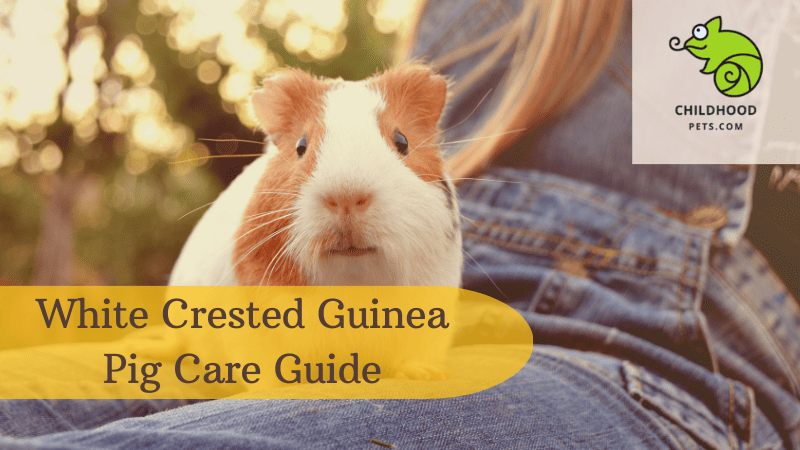
The White Crested Guinea Pig is a breed of guinea pig that is notable for its distinctive look. These guinea pigs get their name from the white crest of hair growing on their heads. They are recognized for having welcoming attitudes, and because of this, they make excellent pets for individuals of all ages. If you’re considering adopting a White Crested Guinea Pig, there are some important things you should know about their care.

White Crested Guinea Pig Care Guide

As a general rule, White Crested Guinea Pigs require a consistent supply of hay, fresh water, pellets, and around one cup of fruits and vegetables. They need all these essentials in their diet to obtain essential nutrients, such as fats, carbs, vitamins, minerals, and protein.

Origins

White Crested Guinea Pigs are thought to have been developed in England sometime in the early 1900s, though this is only speculation. It is believed that the breed was developed through the process of selective breeding in order to emphasize the genetic abnormalities that give them their distinctive white crest on their heads.

Appearance

The White Crested Guinea Pig is a one-of-a-kind breed that its standout appearance may recognize. The following is a list of some of their physical characteristics:

  • Crest: The white crest that develops on the White Crested Guinea Pig’s head due to a genetic mutation is the trait that sets this species apart from others of its kind. In most cases, the crest is completely white and may take the shape of either a single crest or a double crest.
  • Coat: White Crested Guinea Pigs have a silky, short-haired coat that can be a range of colors, notable shades of black, white, cream, and tan, depending on the individual animal. Black and white are the most common colors.
  • Eyes: Their eyes are huge and round, and they are often either black or dark brown in color.
  • Body: The body weight of a White Crested Guinea Pig is normally between one and two and a half pounds. These guinea pigs are rather petite. Their bodies are round, and their tails are short and stubby.
  • Ears: Their ears are small and rounded, and they have excellent hearing despite their size.

Care Guide

Here is a complete care guide for skinny guinea pigs:

Cage requirements

There are a few factors to bear in mind when it comes to the cage needs for White Crested Guinea Pigs, and those are as follows:

·       Size

The minimum cage size required for one guinea pig should be at least 7.5 square feet, and the minimum size required for two guinea pigs should be at least 10 square feet. The guinea pig should be able to stand on its hind legs inside the cage without its head coming into contact with the top of the enclosure.

·       Toys and Hiding Places

To prevent your guinea pig from being bored and to make them feel more secure, you should offer them a variety of toys and places where they may hide. Chew toys made of wood, tunnels, and warm hideouts are also choices worth considering.

·       Bedding

Make sure to use a soft bedding material that can absorb moisture, such as paper bedding or wool.

·       Food and Water

Always offer clean water, hay, new fruits and vegetables, and a regular dose of pellets, and do your best to keep your diet varied. Ensure that the dishes containing food and water are cleaned daily.

·       Cleaning

At least once weekly, clean the cage and bedding, and perform additional spot cleaning daily if necessary. Because guinea pigs are sensitive to ammonia, their living space must always be kept clean and free of odors.

Diet

Since White Crested Guinea Pigs are herbivores, most of their diet must be comprised of hay, a selection of fresh vegetables, and only a smattering of pellets. Daily servings of fresh vegetables should be provided, and you should provide a variety that includes things like carrots, bell peppers, and leafy greens. Pellets shouldn’t make up a significant amount of their food, and they shouldn’t contain any seeds, nuts, or dried fruits of any kind.

Exercise

White Crested Guinea Pigs are active creatures who demand a good deal of physical activity daily. You need to ensure they have access to a secure area where they can run around and play, such as a playpen or a piece of your house that has been cordoned off. In addition to this, you can give them toys to play with and tunnels to investigate, and they will enjoy spending time outside in a safe environment while being supervised.

Grooming

White Crested Guinea Pigs have lengthy hair that must be combed and brushed regularly to avoid tangles and mats from forming. You should bathe your guinea pig once a month using a mild shampoo designed specifically for guinea pigs, and you should brush your guinea pig’s hair every day with a brush that has soft bristles. In addition, their claws should be trimmed regularly to prevent excessive growth, and they should have a yearly examination by a veterinarian to ensure that their teeth are not excessively long.

Healthcare

It is necessary to get your White Crested Guinea Pig examined regularly by a veterinarian who focuses on small animals to guarantee its continued good health. Vaccination against Bordetella, a bacteria that can cause respiratory illnesses in guinea pigs, should also be administered to them every year.

Fun Facts About White Crested Guinea Pigs

  1. These guinea pigs are also known as “English Crested” guinea pigs in Europe.
  2. A genetic mutation gives the White Crested Guinea Pig a distinctive white crest, which sets it apart from other guinea pig breeds.
  3. The weight of these guinea pigs ranges from 1-2.5 lbs pounds; therefore, they are not very large.
  4. They may be found in various colors, including white, gray, black, cream, and brown, and their coats are silky and short-haired yet smooth.
  5. White Crested Guinea Pigs are recognized for their energetic and lively natures, and they appreciate having toys, tunnels, and other interactive elements in their habitat. White Crested Guinea Pigs may be found throughout the United States.
  6. If they are given the correct care, these guinea pigs can live anywhere from 4 to 8 years.
  7. As a result of their remarkable physical characteristics, they often serve as show animals and are highly sought after as pets worldwide.

FAQs

How much are white crested guinea pigs?

The pricing range for White Crested Guinea Pigs can change quite a bit based on several factors, like the breeder, region, and availability of the animals. It is possible to get them for less or more money than that, depending on the circumstances, but generally, they may cost anywhere from $30 to $50. However, it is feasible to find them for any of those prices. In addition, the adoption costs for guinea pigs might vary depending on the rescue or shelter you choose to adopt from. However, adopting a guinea pig is generally a more cost-effective alternative than acquiring one from a breeder.

Should White Crested Guinea Pigs be treated differently?

No, White Crested Guinea Pigs do not need to be treated differently, or they do not require any additional/special care compared to what is normally required for guinea pigs. However, they need a clean living environment and balanced food to keep their health in good condition.

Are White-Crested Guinea Pigs excellent pets for families with young kids?

White Crested Guinea Pigs are recognized for their friendly and social attitude, which makes them excellent pets for youngsters as long as they are handled and cared for correctly.

Ending Notes

People of all ages may benefit from owning excellent pets like the White Crested Guinea Pig since they are such fantastic companions. You can ensure that your guinea pig continues to be healthy and happy for as long as possible by adhering to the care requirements that are provided in this guide. If you make sure to provide them with lots of areas to roam, clean food and water, opportunities for regular exercise, and proper grooming, they will be sure to shower you with their love and devotion for many years to come.

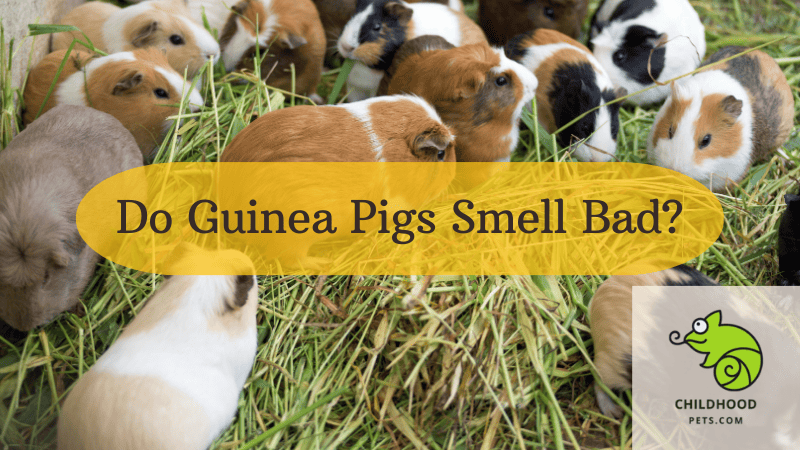
Do Guinea Pigs Smell Bad?

Guinea pigs are popular home pets. They are affectionate and social animals that make wonderful companions for people of all ages, from youngsters to seniors. However, some people may have concerns about their strong odor or bad smell. So, let’s discuss why do guinea pigs smell bad?

As a whole, guinea pigs generally don’t smell bad. They considered having a lovely, mild, pleasant odor. They also groom themselves and are relatively clean animals overall. But, if their living space is not cleaned regularly or they have unclean bedding, they may smell bad.

Maintaining their cages clean is crucial, as giving them new bedding, food, and water reduces unwanted scents. Also, maintaining a healthy grooming routine can help decrease any unpleasant smells emanating from their hair. It is typically not suggested to bathe guinea pigs since doing so can cause their skin to become dry and take away vital oils, both of which can make any smells worse.

Why Guinea Pigs Smell?

Guinea pigs, like other animals, have waste products, and their bodies contain natural oils that can emit scents, much like other animals do. Their smell glands, found on their backs and feet, can emit a potent musty stink, which assists them in communicating with one another. Also, guinea pigs‘ distinct digestive system results in copious amounts of waste discharged in the form of feces and pee.

Another possible explanation for the smell that guinea pigs produce is that their owners do not practice proper hygiene. When their cages are not cleaned regularly, a buildup of waste and fungus can occur, which can result in a smell that is not good. In an identical vein, if their bedding is not changed frequently enough, it has the potential to grow dirty and emit an offensive smell.

What Can You Do To Reduce Guinea Pig Smell?

You are in luck since there are several things you can do to lessen the smells that are often associated with guinea pigs.

1.   Regular Cleaning

Regular cleaning of your guinea pig’s cage is the single most effective measure you can do to cut down on bad smells. This involves removing any filthy bedding from the cage, cleaning the cage with a cleaner suitable for use around pets, and then replacing the bedding with new material. It is advised that a thorough cage cleaning be performed once weekly; however, if your guinea pig is filthy, you may need to perform spot cleaning more frequently.

2.   Good Quality Bedding

The selection of the appropriate kind of bedding is another crucial step. Steer clear of using wood shavings or sawdust as bedding for your guinea pig since these materials might get dusty and aggravate the respiratory system. Consider alternatively purchasing bedding crafted from recycled paper, aspen shavings, or fleece liners. These materials have a higher capacity for absorption and a lower potential for odor production.

3.   Provide Enough Space

Check to see that there is sufficient room in the cage for your guinea pig. Scents can become more pungent if the animals are confined or do not have enough area to roam about. The minimum amount of area that a single guinea pig requires is 7.5 square feet, but providing them with even more space is excellent.

4.   Appropriate Diet

The food of a guinea pig can also affect the smell of the animal. Ensure they are getting enough hay, fresh veggies, and a moderate amount of pellets in their diet. This will ensure that they have a healthy diet. You should avoid offering them items high in sugar or starch since these things might cause diarrhea and an increase in smell.

5.   Grooming

Grooming guinea pigs can also help minimize their bad smell. Regularly brushing the fur of your guinea pig will remove any loose hair as well as dirt, and keeping their nails trimmed will prevent them from growing too long. You might need to give your guinea pig an occasional wash if it has long hair, but you should be careful not to do it too frequently because it can cause its fur to lose its natural oils if you do it too regularly.

How to Stop Indoor Guinea Pigs Smelling?

Smells can be produced by indoor guinea pigs even when they are adequately cared for and cleaned regularly. Here are some extra suggestions that can assist you in preserving the clean and pleasant odor of your house.

1.   Choose the Right Location

The location of the cage in which your guinea pigs reside can also have an effect on the degree to which their stench permeates the rest of your home. Choose a spot that has good air circulation and stays out of the bright sunshine and regions with heavy foot activity. It is best to avoid placing their cage in a moist or humid location because this might cause a musty odor.

2.   Use an Air Purifier

Purchasing an air purifier is one option for getting rid of scents in the air caused by pets. Look for a purifier that includes a HEPA filter since this type of filter can trap even the tiniest particles, such as dust and dander, from your pet. You may also use scented candles or air fresheners; however, you should be careful not to use excessive amounts of either since intense aromas might irritate the respiratory system of your guinea pig.

3.   Use Baking Soda

Baking soda is a natural deodorizer that may be used to help eliminate the smell of pet odors. After sprinkling a little bit of baking soda inside your guinea pig’s cage and on their bedding, you should wait a few hours before cleaning it up with the hoover. You may also use baking soda to clean their cage by creating a paste with the baking soda and water, then washing the cage with the mixture to clean it.

4.   Ventilate Your Residence

Proper ventilation is essential to minimize the impact of pet scents in your house. Keep your doors and windows open to bring in some fresh air, and install exhaust fans in your bathrooms and kitchens to assist with air circulation. You may also make use of a fan to assist in the process of circulating air around your home.

5.   Consider a Litter Box

If your guinea pig has been trained to use the litter box, you should consider using one to store their waste. This can help cut down on smells and simplify cleaning their cage. Be sure to frequently change the trash, preferably produced from recycled paper or wood pellets.

FAQs

Can Guinea Pigs Stink Up the Whole House?

Although while guinea pigs can produce a bad smell (if not cared for properly), it is pretty unlikely that they will make your entire home smell terrible. The potency of their odor is determined by several factors, including their nutrition, the conditions in which they live, and their general state of health. On the other hand, if you take the necessary precautions and practice good cleanliness, you may reduce the odor and stop it from permeating your entire home.

Are Guinea Pigs Messy?

Guinea pigs may indeed be messy pets, but if you give them the proper care and attention, you can limit their mess and maintain a clean and organized living space for them.

Ending Notes

Guinea pigs can produce smells; however, if you care for them properly and practice good hygiene, you can reduce the intensity of the smell. Several significant aspects contribute to odor reduction, including routine cleaning, providing high-quality bedding, adequate space, a balanced diet, and proper grooming. Using an air purifier, selecting the optimal cage location, using baking soda, giving some thought to installing a litter box, and ventilating your house are all different approaches to maintaining a clean and pleasant aroma in your home.

You must seek the advice of a veterinarian if you are concerned about the smell that your guinea pig produces or if they smell noticeably worse all of a sudden. Since a shift in smell might be an indicator of an underlying health condition, it is essential to rule out the possibility of any medical issues.

Ultimately, giving your guinea pig the attention and care it needs may be an excellent addition to your household and won’t produce any objectionable smells. They are affectionate, friendly creatures that provide a lot of families with a lot of joy and happiness.

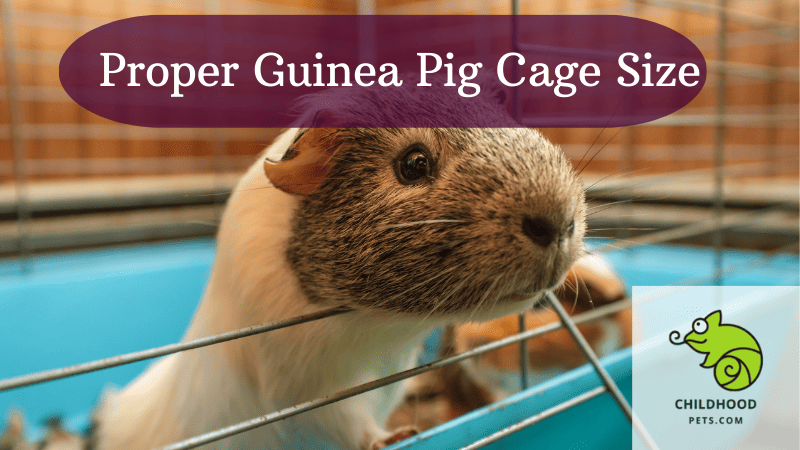
Proper Guinea Pig Cage Size

Guinea pigs are little, cute small, and social creatures that make one of the best friendly pets. If you are a guinea pig parent, it is crucial for you to provide your pet with a living place that is both pleasant and secure. Providing a comfortable environment for your guinea pig includes several aspects, one of the most crucial of which is selecting the appropriate cage size. Let’s discuss the proper guinea pig cage size and the benefits and importance of choosing the right one.

What is the proper guinea pig cage size?

As a general rule, the ideal cage size for a single guinea pig is 7.5 square feet (0.7 square meters), while the minimum recommended cage size for a pair of guinea pigs is 10.5 square feet (1 square meter). Yet, guinea pigs remain healthier in larger cages.

When it comes to the dimensions of the cage, it should be at least 30 inches wide and 36 inches long at the very least. The height of the cage should be at least 18 inches, although higher cages might be suitable since they provide more vertical room for your guinea pigs to climb and play in.

Why Cage Size Matters?

Guinea pigs’ cage size matters as they are energetic pets that need a large area where they can run free. They are also friendly creatures that must be housed with at least one other guinea pig in order to ensure a happy and healthy existence for both of them. Guinea pigs confined to inadequately sized cages are at a greater risk of developing health issues and engaging in undesirable behaviors.

When kept in insufficient accommodations (smaller cages), guinea pigs are at risk of developing several severe health issues, the most prevalent of which is obesity. It is much more difficult for guinea pigs to acquire the necessary amount of physical activity to keep their weight healthy if they do not have adequate space to roam around. Many different health issues may be caused by obesity, such as heart disease, diabetes, and difficulties with the joints.

Guinea pigs confined in small cages are more likely to suffer from respiratory issues than those housed in larger enclosures. It is more likely that guinea pigs will be exposed to high quantities of ammonia and other hazardous compounds that might cause respiratory difficulties if they are housed in too tiny cages. These abnormalities may result in more significant health concerns, such as pneumonia and other respiratory infections.

Besides developing health issues, guinea pigs housed in inadequate spaces are more prone to engage in undesirable behaviors. For example, they might develop aggressive tendencies toward the other pets in their cage, become sluggish or depressed, or engage in self-destructive actions such as ripping out their hair or gnawing on their skin. So, as a whole, a large/optimal-size guinea pig is the best possible option.

How to Choose the Right Size Guinea Pig Cage?

There are several factors to take into account while choosing a cage for your guinea pigs, the most important of which are their size, how active they are, and how many there are. The following is a list of some guidelines that can assist you in selecting the appropriate size cage for your guinea pigs:

  • Minimum Cage Area: The minimum area required for housing one guinea pig is 7.5 square feet of floor space (30″ x 36″). Add two square feet for every additional guinea pig that you have. 
  • Material: The material that the cage is made of is also a significant factor to consider. Avoid providing your guinea pig with a wire bottom cage, as they require a firm floor to walk on. Wire floors aren’t just unpleasant to walk on and can lead to a foot injury. Instead, it would help if you looked for cages that have solid or mesh bottoms.
  • Consider Height: Guinea pigs, like other small animals, require horizontal and vertical room to move around and have fun. Try to choose cages that are high enough to house a ramp or a second level for your guinea pigs so they can climb and investigate their environment. Your animals will have more room to walk around in and will have a living environment that is more intriguing and engaging if you have a tall cage with numerous levels for them to live in.
  • Cleanability: Having a cage that is simple to clean is an additional factor contributing to your pet’s overall health. Because your guinea pig’s living place needs to be kept clean and hygienic to prevent health issues, it is vital to keep the cage it resides in unclean. When shopping for cages, look for ones that have trays that can be removed easily or surfaces that are simple to disinfect.
  • Evaluate Your Money: As the final step in selecting a cage for your guinea pigs, it is essential to consider your budget. The purchase price of a larger cage may be more, but it will likely provide your pets with more excellent space and a higher level of comfort. Look for cages that are of excellent quality, are well-constructed, and are meant to last for a long time. In the long term, investing in a sturdy cage now can save you money by preventing you from having to make expensive repairs or replacements in the future.

FAQs

What size cage do I need for 2 guinea pigs?

The minimum recommended space for housing two guinea pigs is 10.5 square feet (1 square meter). On the other hand, as we mentioned earlier, the health and happiness of your guinea pigs will improve significantly if the cage is a greater size.

Hence, if it is at all feasible, it is advisable to give a cage that is larger than the minimum size that is required. A crate that is 12 to 14 square feet (1.1 to 1.3 square meters) in the area is an excellent choice for housing two guinea pigs.

Can guinea pigs be kept outdoors?

It is possible to keep guinea pigs outside, but you will need to provide them with an enclosure that is large enough to keep them safe from other animals, as well as from high temperatures and intense sunshine. The guinea pigs should be able to walk about freely and engage in their natural habits; thus, the cage should be large enough to accommodate this.

How often should guinea pig cages be cleaned?

At the very least, guinea pig cages should be cleaned once a week, and daily spot cleaning should also be performed. The bedding must be replaced regularly, and the enclosure ought to be meticulously cleaned and disinfected once every few weeks.

Can a guinea pig live in a hamster cage?

No, guinea pigs cannot be housed in hamster cages since their housing needs differ from those of hamsters. Guinea pigs should not be kept in hamster cages since they are often too tiny and do not have sufficient height or area to move about and play.

Final Words

Being energetic and social creatures, Guinea pigs require much area to run, explore, and play. The minimum size for a guinea pig cage is 7.5 square feet (0.7 square meters) for one guinea pig and 10.5 square feet (1 square meter) for two guinea pigs. Also, they need a separate room for sleeping, so ensure that the cage has a dedicated resting area that is warm and comfy for your guinea pigs. Guinea pigs have a requirement for a distinct sleeping area.

Can Guinea Pigs Smell?

Guinea pigs are well-liked pets due to their pleasant attitude and adorable look. But have you ever wondered whether guinea pigs have a strong sense of smell? In this article, we will investigate the topic of whether or not guinea pigs have a sense of smell, as well as how their sense of smell stacks up against that of other relevant species.

Can Guinea Pigs Smell?

As a general rule, guinea pigs do, in fact, have a well-developed sense of smell. While their sense of smell is not as strong as dogs’ and cats’, they can detect pheromones and distinguish between scents. They also use their sense of smell to locate food and explore their surroundings.

The guinea pig, like many other rodents, possesses a vomeronasal organ (VNO), commonly known as Jacobson’s organ. This organ, which may be found in the nasal cavity, is in charge of sensing pheromones, which are chemical messages that animals use to interact with one another.

Guinea pigs, in addition to having a highly developed VNO, also have a well-developed olfactory bulb. The olfactory bulb is the region of the brain that is responsible for processing scents. This demonstrates that guinea pigs have an acute sense of smell and can distinguish between many smells and recognize certain aromas.

What Can Guinea Pigs Smell?

Guinea pigs have the ability to sense a wide variety of odors, such as those of food, threat, and even other guinea pigs. Horses are especially sensitive to the aroma of freshly cut grass and hay, two of the most critical components of their diet.

The smell of a potential threat, like urine or excrement, can also alert guinea pigs to the existence of a potential threat. This is due to the fact that predators frequently mark their territory with urine or feces, and guinea pigs are able to utilize these odors to steer clear of locations where there is a high probability that predators would be present.

Moreover, guinea pigs communicate with one another through their keen sense of smell. For instance, male guinea pigs have glands on their skin that secrete a pungent chemical known as androstenone. They use this chemical to attract females and to mark their territory. The female guinea pigs also secrete pheromones when they are in heat, and the male guinea pigs are able to detect these signals from a considerable distance.

How Does the Sense of Smell in Guinea Pigs Compare to Other Animals?

Although guinea pigs have a good sense of smell, it is not quite as sharp as the sense of smell possessed by other animals. Dogs, for instance, have a sense of smell that is far more developed than that of humans, and they can detect odors at concentrations that are millions of times lower than what people can perceive. Because of this, dogs are often used for activities such as finding narcotics, explosives, and even medical issues like cancer.

Moreover, cats have a highly evolved sense of smell, which they employ both for hunting and communicating. They are susceptible to the scent of pheromones, which cats use to communicate with other cats and to mark their territory.

Although rodents, such as guinea pigs, have a well-developed sense of smell, it is not quite as sharp as the sense of smell that dogs and cats possess.

Comparison Chart

Here is a comparison chart of the sense of smell in guinea pigs compared to other animals:

AnimalSense of Smell
Guinea PigGuinea pigs have a well-developed sense of smell and use it to detect a wide range of scents, communicate, and navigate.
DogDogs have one of the most well-developed sense of smell of any animal, with up to 300 million olfactory receptors.
CatCats have a keen sense of smell, with up to 200 million olfactory receptors. They use their sense of smell to detect prey.
RabbitRabbits have a good sense of smell and use it to detect predators and locate food.
HorseHorses have a good sense of smell and use it to detect predators and locate food.
ElephantElephants have a strong sense of smell and use it to detect water sources and communicate with other elephants.
SharkSharks have a keen sense of smell and can detect blood in the water up to a mile away.
SnakeSnakes have a strong sense of smell and use it to locate prey.
BirdBirds have a good sense of smell, particularly when it comes to detecting odors related to food.
HumanHumans have a comparatively weak sense of smell compared to many other animals, with around 5 million olfactory receptors.

The sense of smell in guinea pigs is rather developed, as can be shown, although it is not quite as strong as the sense of smell seen in other species, such as dogs and elephants. Yet, guinea pigs continue to rely on their keen sense of smell to communicate, traverse their surroundings, and identify possible threats.

FAQs

Can guinea pigs smell better than humans?

Guinea pigs, indeed, have a stronger sense of smell than people. They are able to sense odors from a wide variety of sources due to the well-developed olfactory bulb and vomeronasal organ in their noses.

Can guinea pigs smell their food?

Indeed, guinea pigs have a strong sense of smell, and they can locate the aroma of their meal from a great distance. They are susceptible to the fragrance of new grass and hay they eat.

Do guinea pigs recognize their owners by their scent?

Certainly, guinea pigs are able to identify their owners based on the smell of their clothes and other belongings. They may also become more used to the smells of other people or animals with frequent contact.

Key Takeawys

Guinea pigs have a good sense of smell, enabling them to pick up on a diverse array of odors, communicate with one another, and navigate the area where they live. They can detect pheromones and differentiate between various aromas, even though their sense of smell is not as keen as that of certain other species, like dogs and cats.

© 2026 Copyright Childoodpets