Recent Posts

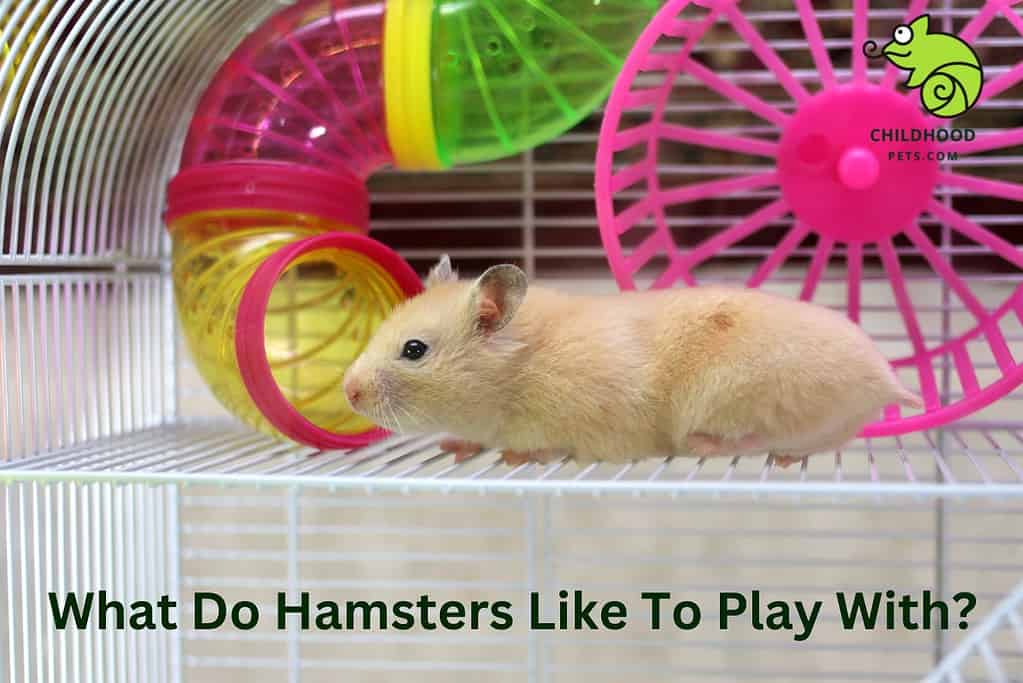
What Do Hamsters Like To Play With?

Hamsters are inquisitive little animals that adore exploring their habitat. They’re incredibly playful and relish engaging in fun activities to keep them entertained. To ensure your hamster’s well-being, offer it a variety of toys, objects, and activities to stimulate its mind and body. What types of items do hamsters love playing with? 

They love to play with exercise wheels, plastic balls, chew toys, cages made explicitly for hamsters, and chewable objects such as wood blocks. They enjoy interactive toys such as ladders and card boxes to keep them active. They also like to explore the space around them by digging in the ground. 

This article will discuss some of the best toys and play items that are safe for hamsters. We will cover the different types of toys and activities that are available to keep your hamster entertained, healthy, and engaged. So, let’s dive in and discover what hamsters like to play with!

9 Toys That Hamsters Love To Play With

Hamsters are active and playful animals that need stimulating activities to stay entertained. To meet their natural curiosity, hamsters enjoy playing with a variety of toys, such as:

1. Exercise Wheel

It provides hamsters with a fun way of getting physical activity and can help keep them strong and healthy. Hamster exercise wheels come in different sizes and shapes; however, the essential feature is that they must be large enough for a hamster to turn comfortably without being cramped or having difficulty navigating it. 

It should also be made from durable materials to withstand a hamster’s weight. This will help ensure a safe and enjoyable experience for your pet. Hamsters love to explore their environment, and running on an exercise wheel is fun and beneficial.

2. Chewable Toys
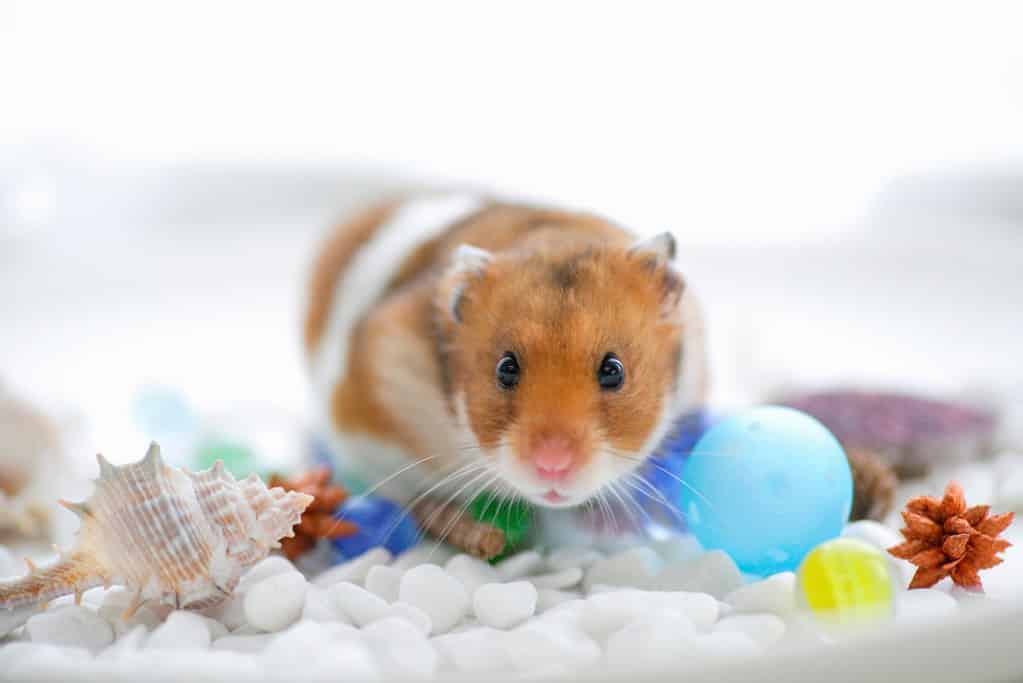
Hamsters love to explore and gnaw on chewable wood, paper, or cardboard toys. These playthings help keep their teeth healthy by exercising gums and scrubbing away plaque. Colorful ladders, bridges, tunnels, wheels, and houses offer a secure hideaway for your pet pal. So provide plenty of chewable toys to give your furry friend the playtime they deserve!

3. Hamster Balls
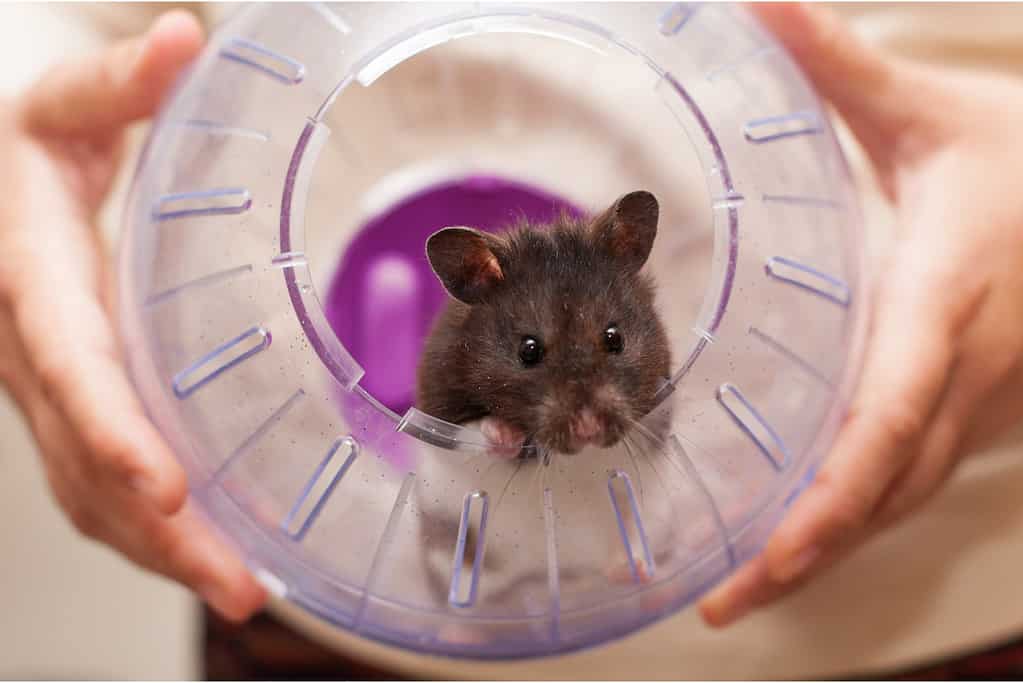
Hamsters love the freedom to explore their environment that hamster balls provide. These transparent plastic spheres have air holes, as well as a handle for easy transport. A perfect fit for your pet to crawl inside and embark on an adventure!

Not only will they get physical exercise, but they will also gain mental stimulation from exploring different sights and smells in their surroundings.

4. Digging
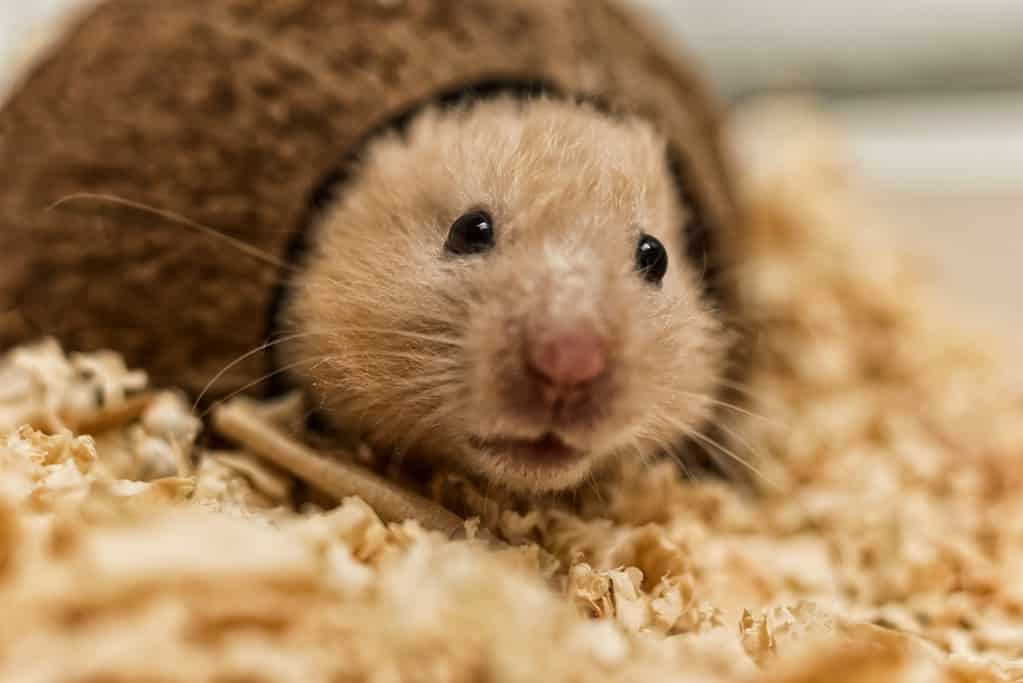
Hamsters like to dig, and it is one of their natural behaviors. Digging provides mental stimulation for hamsters and can help them stay active. Hamsters burrow in their bedding, searching for food and creating cozy nests. Digging also allows them to explore and express their instincts. 

Giving him plenty of opportunities to dig is essential to keep your hamster happy and healthy. Allowing him access to these materials will provide him with something fun and stimulating to do. 

5. Tunnels and Tubes
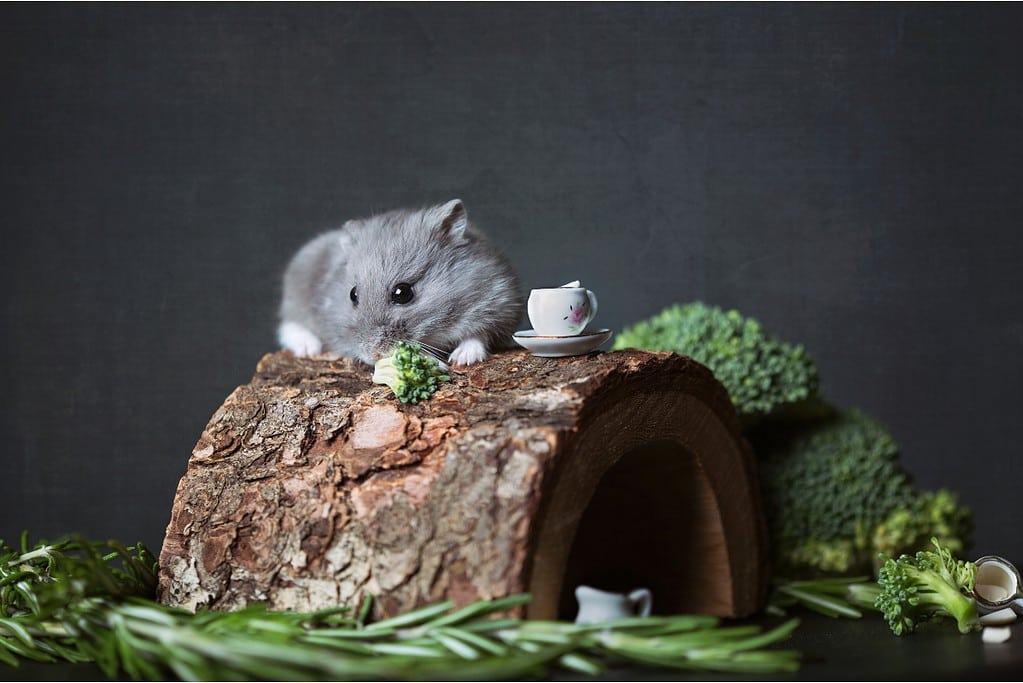
Tunnels and tubes provide a safe place for your hamster to hide away from disturbances or play in isolation. Choosing tunnels and pipes that are the right size for your pet and free of sharp edges is vital to prevent injuries. 

To ensure your hamster is getting the most out of their tunnel and tube playtime, you can rotate them regularly and make sure they remain clean. This will keep your pet entertained and stimulated while in its cage.

6. Cardboard Boxes

Cardboard boxes provide a fun and safe way to entertain your hamster. The different colors and textures they offer create a stimulating environment for them to explore – from tunnels to hideaways. Plus, the cardboard won’t splinter if chewed! 

So give your pet hours of playtime with cardboard boxes for an affordable price. Your furry friend will have fun for hours! 

7. Climbing and Housing

Hamsters enjoy climbing and housing activities, which provide great mental and physical stimulation for your pet. Climbing activities help burn energy and allow your hamster to explore and express their curiosity. Hamsters can climb on ladders, ramps, plastic tunnels, or even homemade structures like towers. When choosing a climbing structure for your pet, ensure it is safe and secure.

Housing activities involve providing your hamster with a safe place to sleep and hide from the turmoil of the outside world. When choosing a home for your pet, make sure that it is large enough for them to move around in and that there are no sharp edges that could injure them.

8. Sand Bath
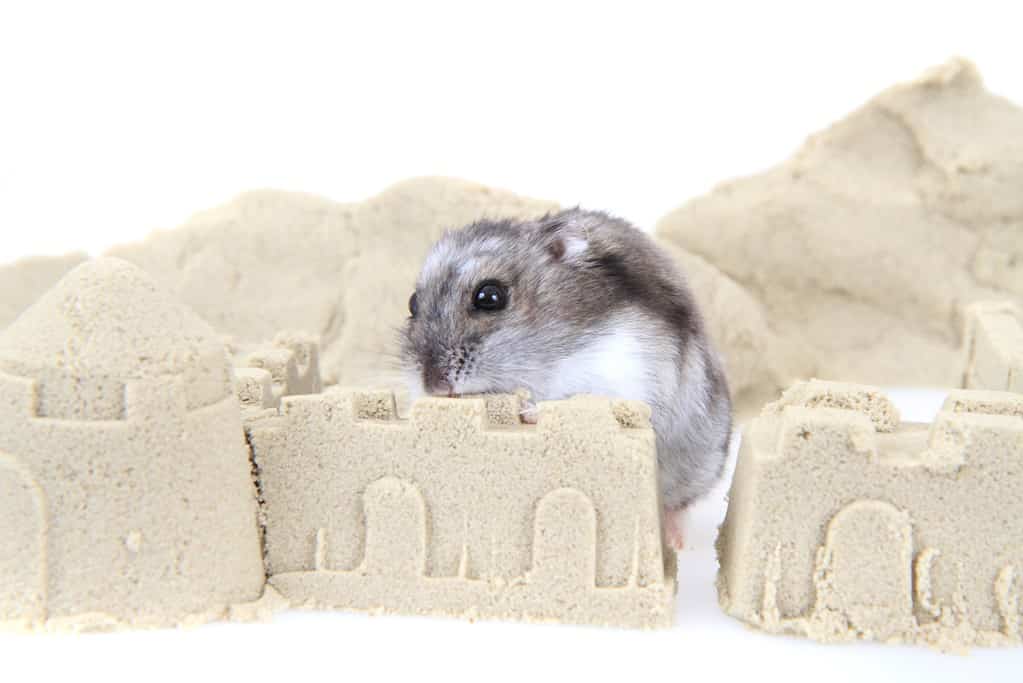
Sand baths allow hamsters to roll around and clean off their fur, aiding in removing oil and dirt. It also allows them to fluff their coats for insulation against cold weather. Place a shallow pan filled with sand or fine dust in its enclosure to give your hamster a sand bath. Your hamster will naturally start rolling around and bury itself in the sand, cleaning its fur as they go along. 

9. Hammocks
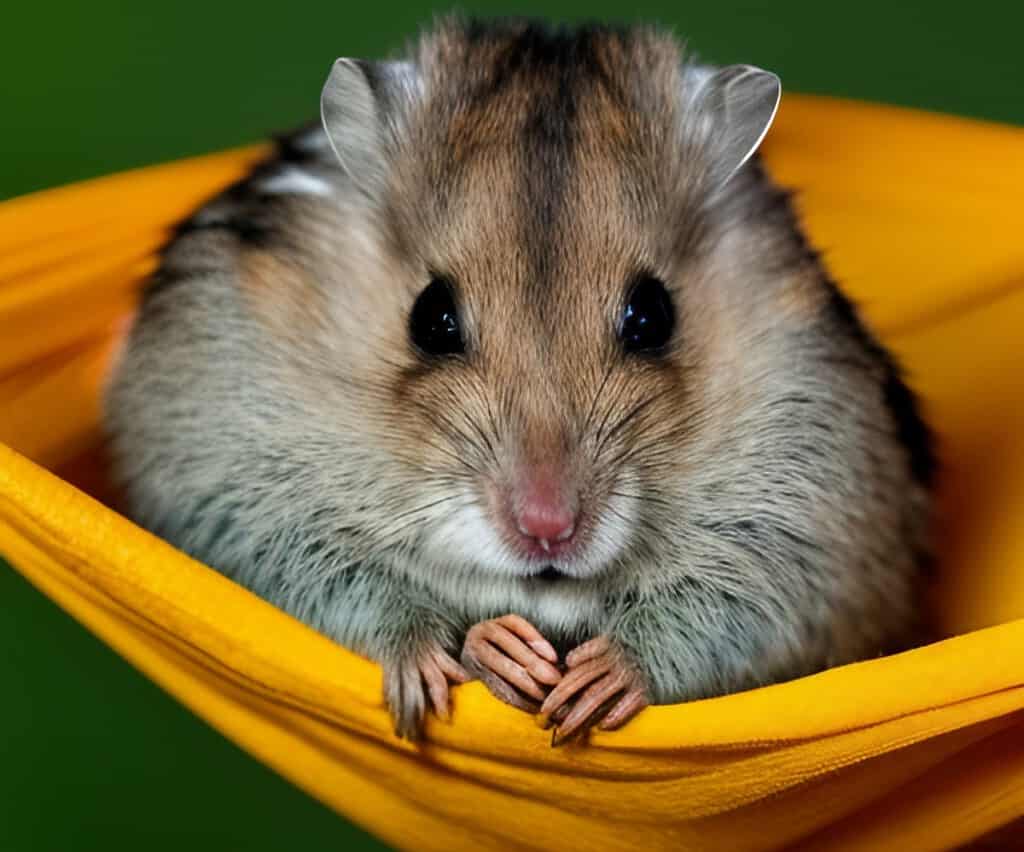
Hamsters love to swing in a hammock. They use them as a fun place to hide, hang and relax. To ensure your hamster is safe and comfortable in the hammock, you should always ensure it fits securely in its cage, using clips or other fastenings that won’t quickly come loose. Keep the hammock low enough to the ground so they can quickly get in and out of it. 

Providing your pet with a cozy hammock will allow them to feel comfortable and safe, away from the fuss of their daily life. A hammock is great for your hamster’s physical health and can also help promote their mental well-being, allowing them to explore, climb, hide, and have fun!

What Kind of Materials Is Safe for Hamsters To Play With?

Hamsters love to play and explore, so providing them with safe materials is essential. Safe materials include cardboard tubes, untreated wood shavings and chews, natural cotton ropes, hard plastic chew toys (not soft rubber), hay cubes and balls, and other small safe items such as paper towel rolls. 

It’s important to avoid things such as treated wood shavings, plastic that isn’t safe to chew, and other small items that could be swallowed. Additionally, avoid using glass or metals in the hamster’s habitat as they can break and injure the animal.

Are There Specific Activities That Hamsters Find Stimulating or Comforting?

Yes, there are certain activities that hamsters find stimulating and comforting. Hamsters enjoy physical activities such as running on their wheel, playing with tubes and tunnels, exploring outside the cage in a safe environment, and chewing on exciting objects. They also like mental stimulation, such as exploring new territories, learning tricks, and solving puzzles. 

Providing a variety of toys and activities can help prevent boredom and keep your hamster entertained. Occasionally, you can add new elements to the cage to keep things interesting.

What Environmental Enrichment Can Owners Add to a Hamster’s Cage To Entertain Them?

There are many items that owners can add to a hamster’s cage to help keep them entertained. Some ideas include:

  • Hideouts: Offering hiding spots for your pet also provides enrichment as it gives them a place to feel safe and secure. A cardboard box or store-bought plastic hideout can work great for this purpose.
  • Food puzzles: Owners can also create puzzles for their hamsters to encourage them to search for food, providing stimulation and exercise.
  • Treats: Hamsters love treats such as seeds, nuts, and fruits. Offering these will give your pet something to look forward to each day.

How Often Should I Change out My Hamster’s Toys To Keep Them Stimulated?

It is recommended to switch out your hamster’s toys every few weeks. Try introducing new, engaging items such as chewable cardboard houses, tunnels, and mazes for them to explore and play with. You could also rotate the same toys to keep them attractive for your pet. 

Be sure you clean the toys with a mild soap solution or pet-safe cleaners each time before introducing them back into their habitat to avoid the spread of bacteria. In addition, try adding plenty of foraging opportunities with various chewable treats and toys your hamster can explore for hours at a time!  

Final Thoughts

Hamsters are inquisitive creatures that love to explore and play. Paper towel rolls, exercise wheels, and other toys can provide them with plenty of fun activities. But ensure your hamsters have only safe items they can chew on – this will keep them healthy and happy. Stimulation through the right items is key to giving your pet a joyful life!  

Do you have any fun or creative ideas for how to enrich your hamster’s environment? We would love to hear about them in the comments below!
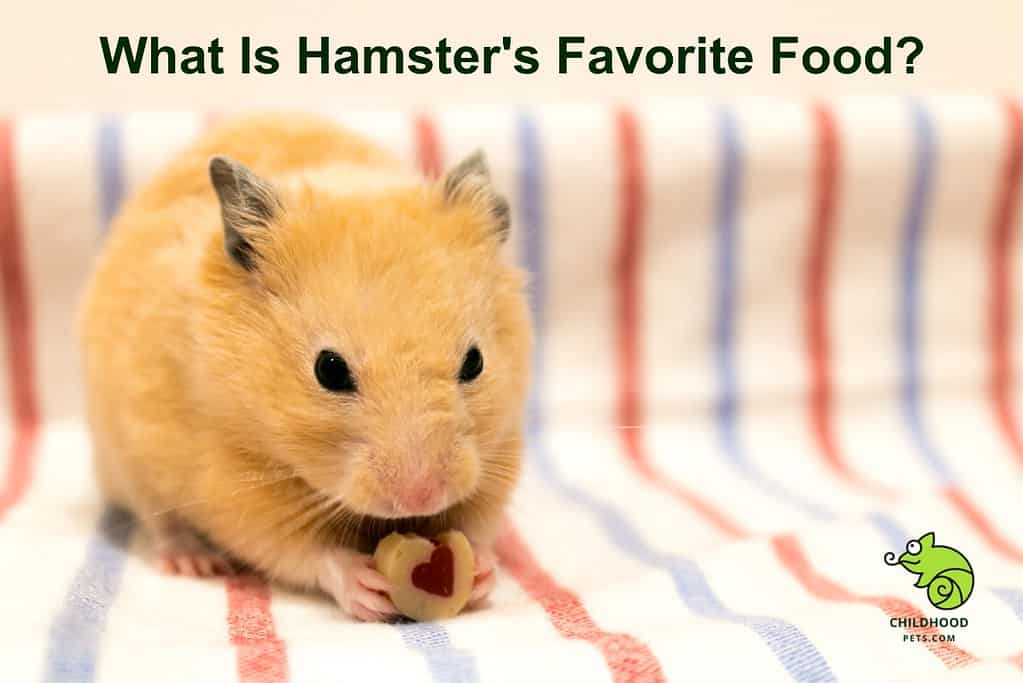
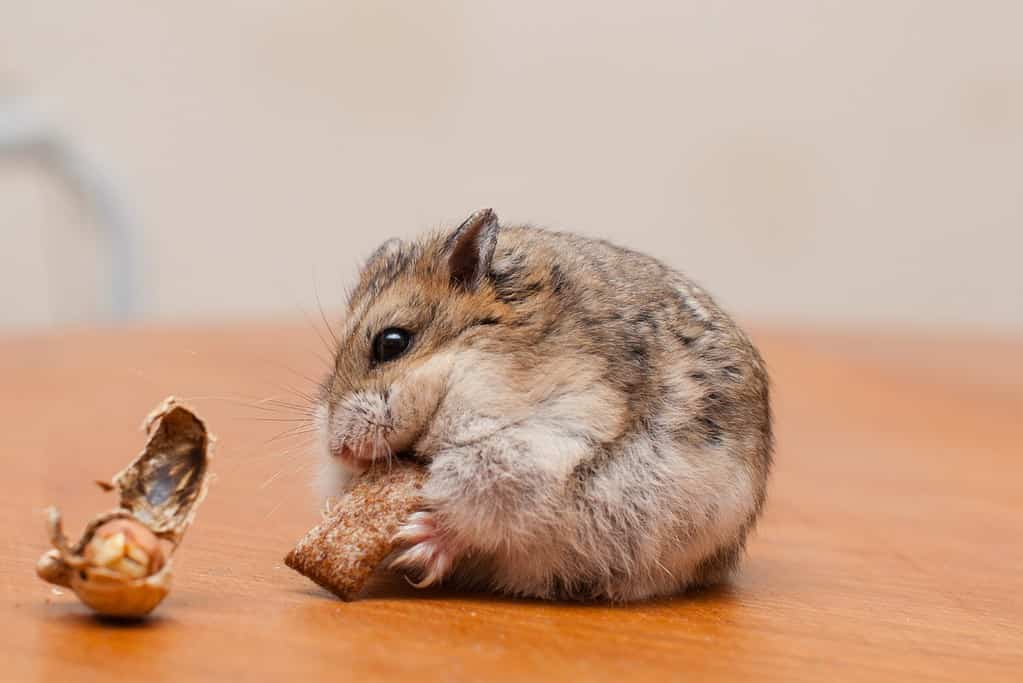
What Is Hamster’s Favorite Food?

Hamsters are one of the most popular small pets and are wonderful companions. They are known for their adorable personalities and charm, but did you know that they also have preferences when it comes to food? So what is your hamster’s favorite food? 

As a whole, hamsters enjoy a variety of foods, including fresh vegetables and fruits, whole grain bread and cereals, and proteins such as plain scrambled or boiled eggs. Giving your hamster a balanced diet with various food options in moderation is essential to help them get all the vital nutrients they need. 

In this article, we’ll look at the popular food options for keeping your little friend happy and healthy. So without further ado, let’s dive into what hamsters prefer to eat! 

Popular Options of Food for Hamsters

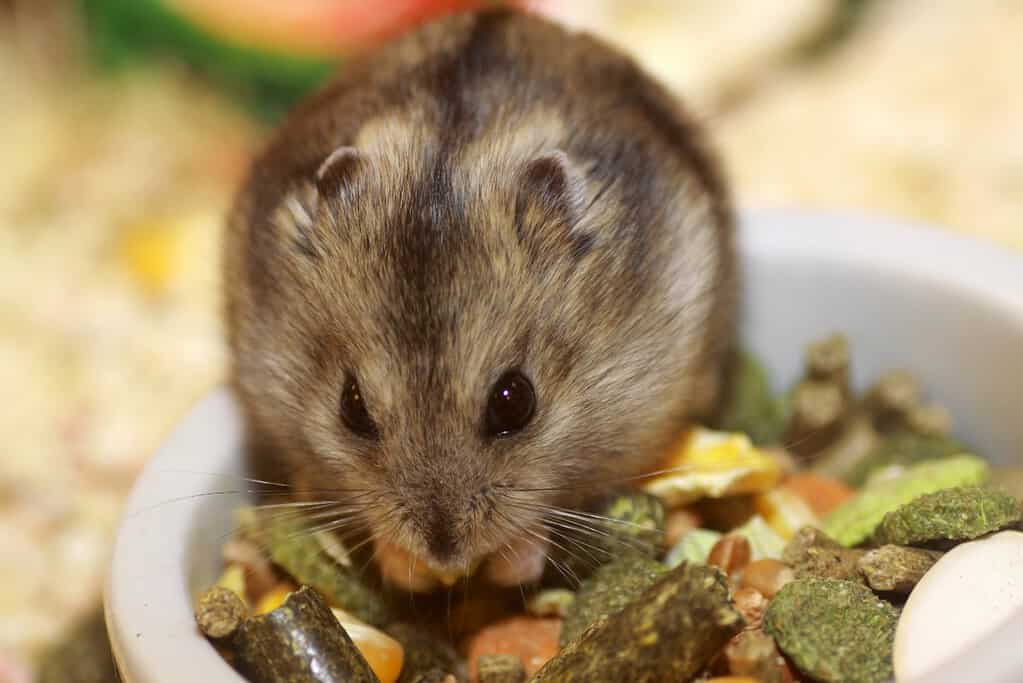
Hamsters are omnivore rodents, they enjoy a variety of fresh foods and treats. The best food for hamsters is a combination of high-protein pellets and fresh foods that provide all the crucial nutrients your pet needs to stay healthy.

Hamsters also enjoy a variety of snacks that can be found in pet stores. These include sunflower seeds, mealworms, peanuts, raisins, and other dried fruits. However, these should only be given occasionally as they are high in fat and sugar. 

Here are a few of the popular options for feeding your furry friend:

1. Fruits And Vegetable

Hamsters love fresh fruits and vegetables as snacks. Fruits and veggies are excellent sources of vitamins, minerals, and antioxidants that help keep your hamster healthy. The best hamster options include apples, bananas, cucumbers, carrots, spinach, kale, and sweet potatoes. When feeding your hamster fruits and vegetables, it’s essential to ensure they are washed first to remove any chemicals or pesticides. Some top favorites are:

Carrot 

Carrot is one of the favorite foods of hamsters. The intricate texture of carrots makes them easy to gnaw, helping keep your hamster’s teeth nice and short. Carrots are high in sugar, so it’s best to serve only half to one teaspoon every day or two days as part of the overall diet. 

Bananas 

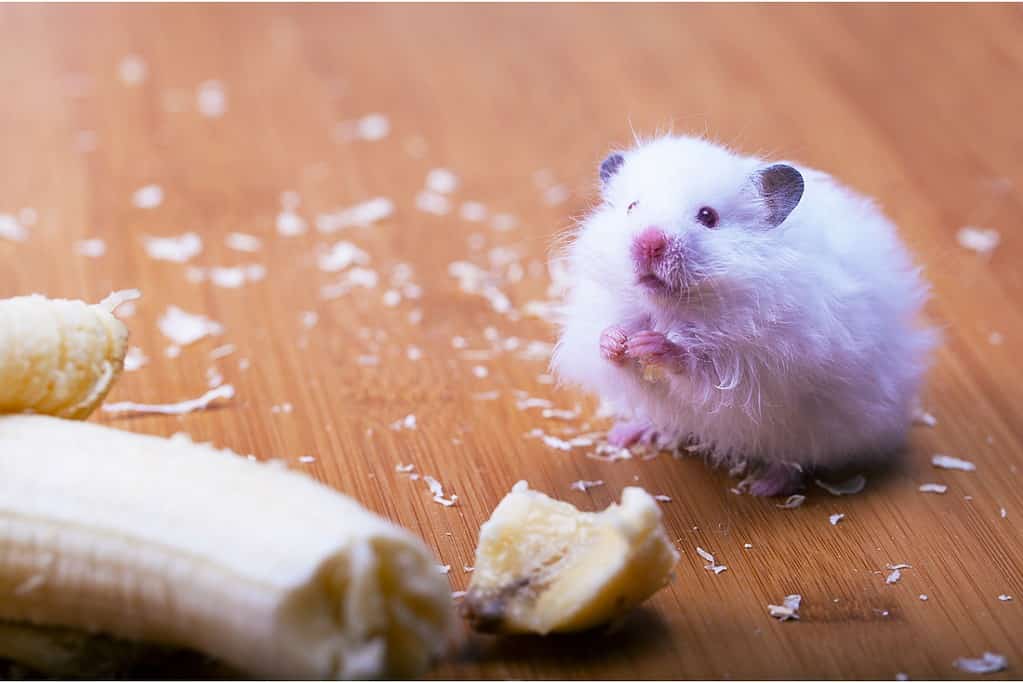
Bananas are a tasty treat for hamsters and an essential part of their diet. Peel them before feeding to prevent choking hazards and toxic chemicals from getting into your pet’s system. 

Bananas are rich in fiber, potassium, and vitamin C – all beneficial minerals that will keep your furry friend healthy and happy. Feed your hamster this delicious fruit as part of a balanced diet for optimal health. 

2. Seeds And Grains

Hamsters love to eat various grains and seeds. They also need all human-like Diet requirements to stay healthy. This can include sunflower seeds, wheat, oats, barley, and many more. These foods provide essential vitamins and minerals necessary for a healthy hamster diet. 

Seeds 

Seeds are one of the most popular snacks for hamsters. You can give your hamster suitable seeds in limited amounts as a snack option. Most hamsters love seeds, including wheat, millet, and sunflower seeds. Seeds are a significant source of nutrition for your hamster.

Be sure to feed your hamster only raw, unsalted seeds. Seeds of pears and apples should be avoided due to cyanogenic acids. 

Sunflower seed

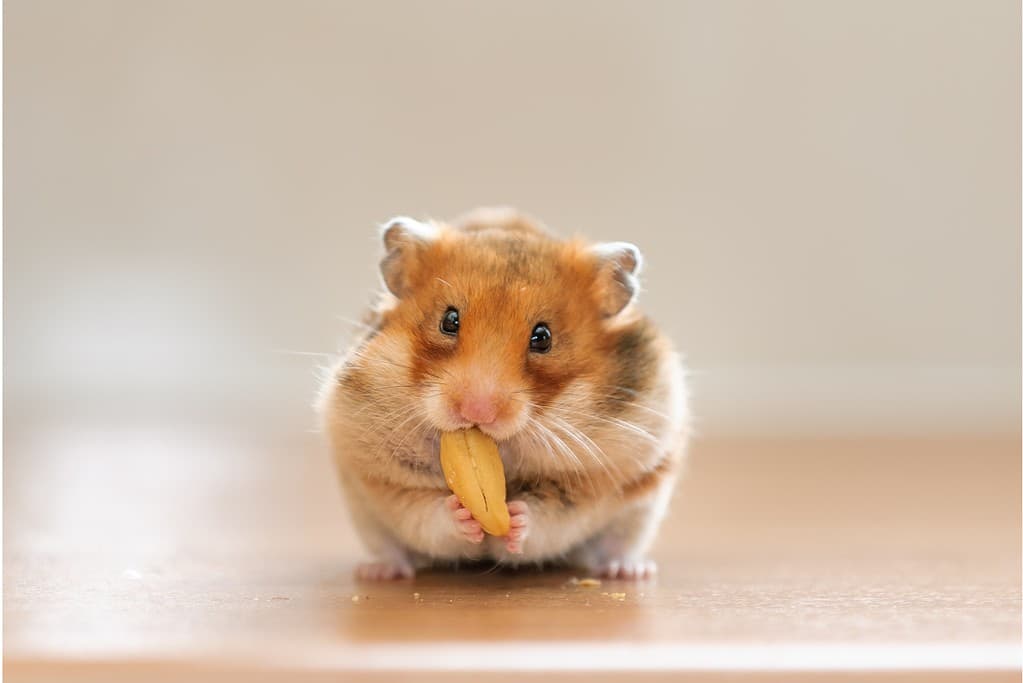
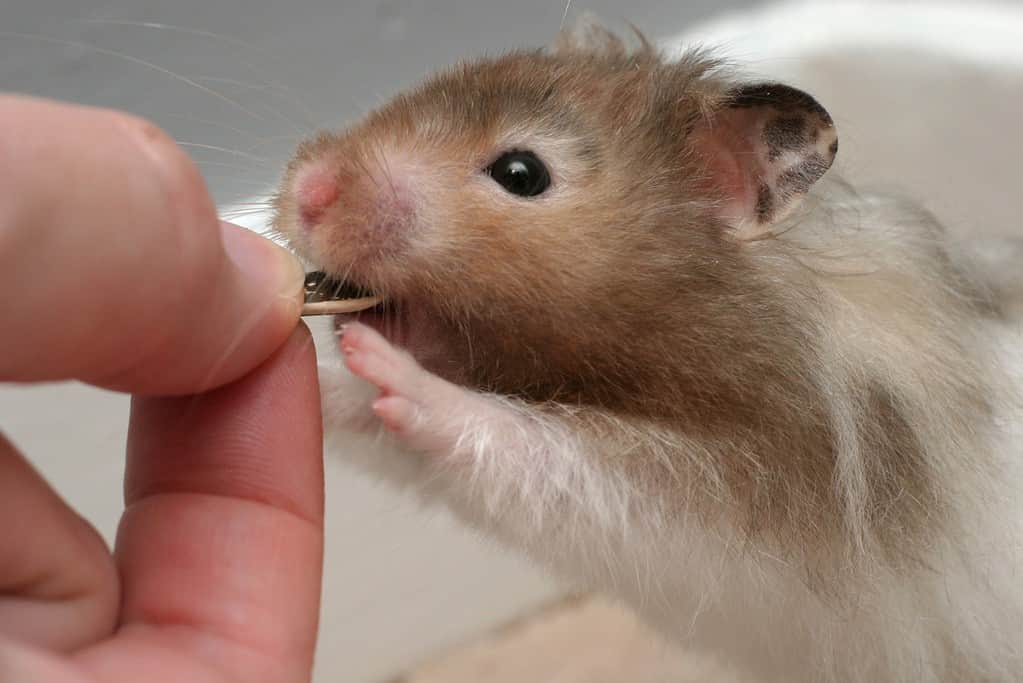
Sunflower seeds are the most beloved treat for hamsters. Sunflower seeds contain healthy fats and vitamins, making them a great addition to your hamster’s diet when given in reasonable quantities. Sunflower seeds also help keep your hamster’s teeth short and healthy, making them an even more attractive treat. 

However, it is essential not to give your pet too many sunflower seeds because it could lead to overweight or diarrhea. 

Nuts For Hamsters 

Hamsters can enjoy most nuts. Some are better than others. Here’s a list of the popular nuts for your hamster to want:

  • Peanuts – Unsalted and unshelled
  • Walnuts – Unsalted and in small pieces
  • Hazelnuts – Small pieces only
  • Pistachios – Unsalted

3. Commercial Foods

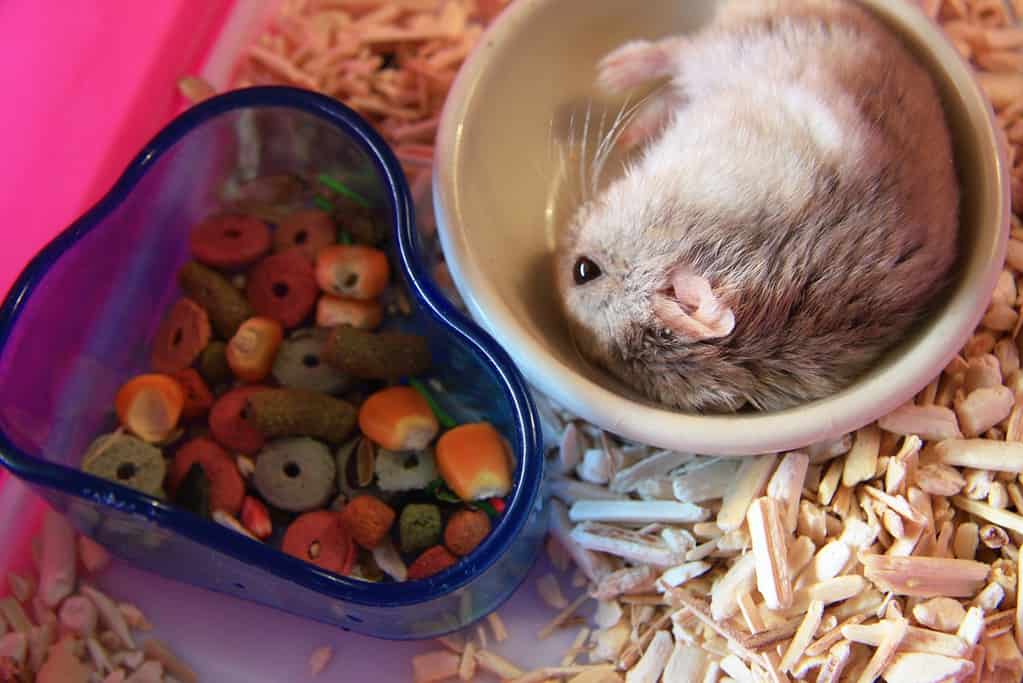
Commercial hamster food is often a mixture of seeds, fruits, and nuts. These commercials are prepared with mixes containing dried fruits, nuts, and vegetables explicitly designed for hamsters. 

These can supplement with fresh fruits, vegetables, nuts, seeds, and even an occasional treat like unsalted popcorn or some cooked egg. Hamsters love to gnaw on hay-based products such as Timothy hay cubes or chew sticks. Offer treats in moderation since snacks are high in sugar and can lead to obesity over time.

MealWorms

Mealworms are also an excellent energy source, making them a great snack or treat for your pet hamster. When it comes to feeding your hamster mealworms, you can either live or dried mealworms. Live mealworms can buy from some pet stores, but they may not always be available. Alternatively, dried mealworms are readily available from pet food manufacturers in most areas.

Excess mealworms can cause your hamster to become obese, as they are high in fat and calories. As a guideline, if you have a Syrian hamster, they should only receive approximately two mealworms every other day; dwarf or smaller breeds should get just one per day maximum. Mealworms also contain calcium which helps develop strong bones and teeth for your pet.

Pellets And Rodent Blocks

The best commercial foods are pellet-style food and rodent blocks for hamsters. According to Dr. Gregory Rich, Pellet-based diets are ideal for hamsters, as they provide all of the essential nutrients that a hamster needs. These pellets should be supplemented with a small portion of grains, seeds, or pieces of nuts to ensure your hamster is getting an adequate variety and balance of nutrition in its diet. 

Pellet-style foods come in various flavors and offer essential vitamins and minerals and proteins, fats, and carbohydrates that help keep your hamster healthy and energetic.

It’s important to avoid purchasing mixes containing seed or high-fat treats, as these can lead to nutritional deficiencies. Avoid giving them sugary fruits or processed treats like candy or chips. 

Let’s take a look at some of the best Pellet food options for your hammy friend:

Oxbow Essentials Hamster Food and Gerbil Food 

Oxbow Essentials are the best choices for feeding your hamster. This pellet-only food is designed to provide complete nutrition for active hamsters while preventing selective eating. The balanced mix of proteins, fats, carbohydrates, added antioxidants, and prebiotics supports a healthy immune system and overall well-being. This food contains no artificial colors or flavors, which can benefit sensitive animals like hamsters with allergies or dietary restrictions. 

With Oxbow Essentials Hamster Food and Gerbil Food, you can rest assured that your little pet will meet all its nutritional needs.

Kaytee Forti-Diet Pro Health

Kaytee Forti-Diet is a great choice for hamsters. Providing all the essential vitamins and minerals, it comes in a larger pellet form (rodent blocks) to promote dental health by stimulating chewing. Plus, this formula includes probiotics and prebiotics to support digestive health. Give your hamster the nutrition they need to thrive with Forti-Diet Pro Health. 

With this balanced diet, you can be confident your hamster will get the nutrition it needs for optimal growth and development. 

Wrapping Up 

Choosing the best food for your hamster is integral to providing the best care you can. Whether it’s commercial mixes, fresh vegetables, fruits, nuts, or pellets, providing a balanced diet that meets your pet’s nutritional needs. Monitor your hamster’s weight regularly so that they maintain their optimal health. Your pet will be happy and healthy for years with proper nutrition and plenty of love and attention.

Have you ever tried feeding your hamster one of the foods mentioned above? Share your experience with us in the comments below. We look forward to hearing from you!

Frequently Asked Questions

Can hamsters eat bread?

The answer is yes. Hamsters can eat bread in moderation. Bread can provide carbohydrates for energy and fiber for digestion. Most hamsters will enjoy a small piece of soft white or whole-wheat bread as an occasional treat. However, they should not have too much because they gain little nutrition from regular white bread. 

What hamsters Cannot eat?

  • Raw beans.
  • Apple seeds.
  • Onions.
  • Raw potatoes.
  • Garlic.
  • Rhubarb leaves or raw rhubarb.
  • Almonds.
  • Citrus fruit.

What is a hamster’s favorite snack?

Hamsters love to eat high-fiber, nutrient-rich foods similar to what they would consume in the wild. Fresh vegetables, such as carrots, squash, broccoli, cauliflower, cucumber, and leafy greens, like romaine lettuce and spinach, are always great options. Hamsters will often enjoy mealworms and other live insects too.

Can I make my hamster food?

Yes, you can make your own hamster food! You should create a balanced diet with a combination of fresh vegetables and fruits, seeds, grains, nuts, and more. Be sure to avoid any foods that are toxic to hamsters, such as chocolate, onions, and avocado.

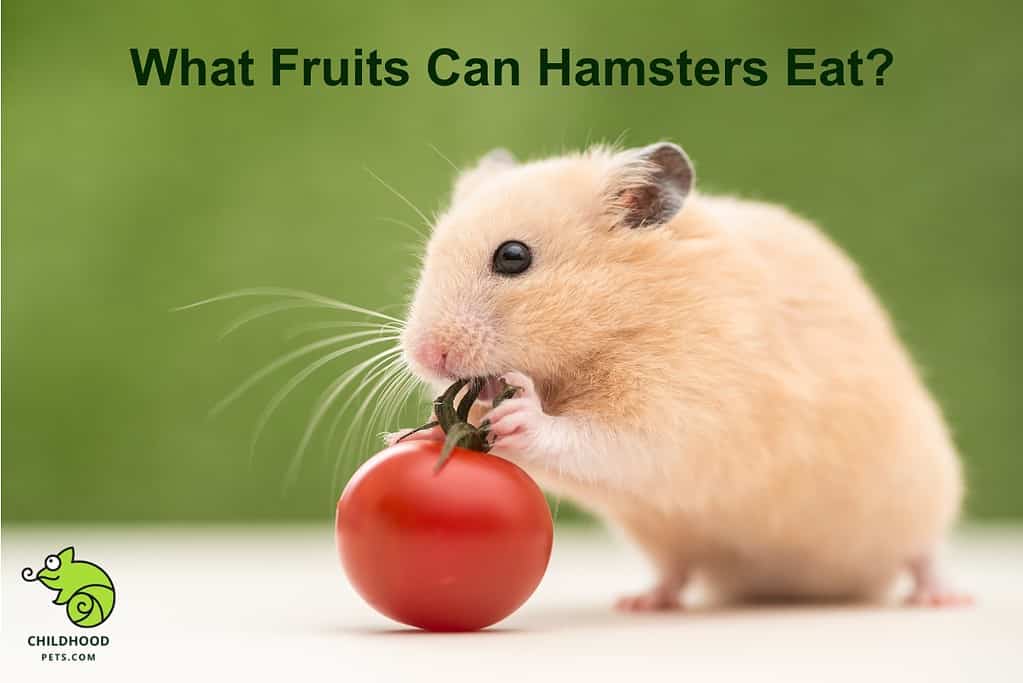
What Fruits Can Hamsters Eat?

Hamsters are small, furry creatures that make great pets. They have unique dietary needs, so when it comes to feeding your hamster. It’s essential to know what types of food provide the best nutrition. Fruits can be a fun, healthy snack for your hamster, but you need to know what types of fruits are safe.

As a general rule, hamsters should only consume fresh fruits in moderation. Apples, bananas, grapes, melon, and some berries are suitable for consumption. However, citrus fruits like oranges, limes, lemons, and grapefruits should be avoided due to their high acid content. 

In this article, we’ll look at the best types of fruit for your hamster and how much you should give them. With this knowledge, you can ensure your little friend gets all the nutrition they need.

Some Best Fruits For Hamsters To Eat

Hamsters are omnivores and can have fruits in their diet but only as treats. Not all types of fruits are suitable for hamsters. Fresh fruit is a delicious treat for hamsters, and only offer your hamster small pieces of fruit as an occasional snack. 

However, it’s important to remember that hamsters should not be given too much fruit as it can cause serious health problems such as diabetes or obesity. Fruits should always be washed before feeding as they may contain pesticides or other contaminants. 

Here are some best fruits for your pet hamster:

Apple

Apples are an excellent source of antioxidants and vitamin C. They are high in fiber, contain no cholesterol, and most hamsters can benefit from apples. 

You should remove the core and seeds before feeding, as the seeds of apples contain cyanide, which is potentially toxic to hamsters. Grated, thinly sliced, or chopped apples can all be offered as treats. 

Apples are high in sugar and can increase the risk of diabetes, mostly in Campbell’s Dwarf Hamsters, if given too often. Giving apples as a treat in moderation is considered a good option.  

Pears 

Pears are soft, crunchy, and delicious, making them an ideal snack for your hummies. They contain dietary antioxidants, Vitamin C, fibers, and Phytonutrients, all of which contribute to the overall health of your pet hamster.

Dietary fibers in pears are essential for maintaining digestive function in your hamster. This particular type of fiber helps relieve constipation and encourages healthy bowel movements. Vitamin C helps promote eye health and contributes to thick, shiny fur on your hamster’s body. 

Antioxidants also help destroy free radicals, damaging cells, and other essential things. Overfeeding pears can cause diabetes, obesity, laziness, bone and joint pains, and other related issues.

Banana

Bananas contain essential nutrients like vitamin B6, vitamin C, copper, potassium, protein, magnesium, manganese, and fiber. All these nutrients are crucial to promoting good health for your hamster. 

Bananas are packed with all essential vitamins and minerals that help fight off free radicals, infections, and diseases; maintain fur, skin, and eyes; prevent scurvy; support the immune system; boost digestion; and even fight cancer or tumor cells. 

The glycemic index in bananas is moderate enough not to cause any drastic changes to your pet’s sugar levels. 

Blueberries 

Blueberries are an excellent snack for hamsters because they contain many essential nutrients. The vitamins C and K, potassium, and manganese found in blueberries can help promote healthy bone growth, digestion, and overall well-being for hamsters, as the Journal of AOAC International has shown that blueberries are more powerful antioxidant effects than most other fruits.

However, it’s important to remember that while blueberries benefit hamsters in moderate amounts, they also carry risks. Blueberries are acidic, which can cause digestive issues if consumed too often. 

Kiwi

Kiwi is a delicious and nutritious snack treat option for hamsters and its sweet, juicy texture appeals to the taste buds of hamsters. The fiber in kiwi helps promote digestive regularity, preventing constipation or impaction in your hamster. 

Kiwi also contains high levels of vitamin C and E (tocopherol), choline, lutein, and zeaxanthin which all help to fight against disease-causing free radicals. 

Because of the high sugar content in kiwi, it’s not recommended for dwarf hamsters as it could lead to weight gain. Dwarf hamsters may have a paw-sized piece of kiwi once weekly as part of a balanced diet.

Grapes

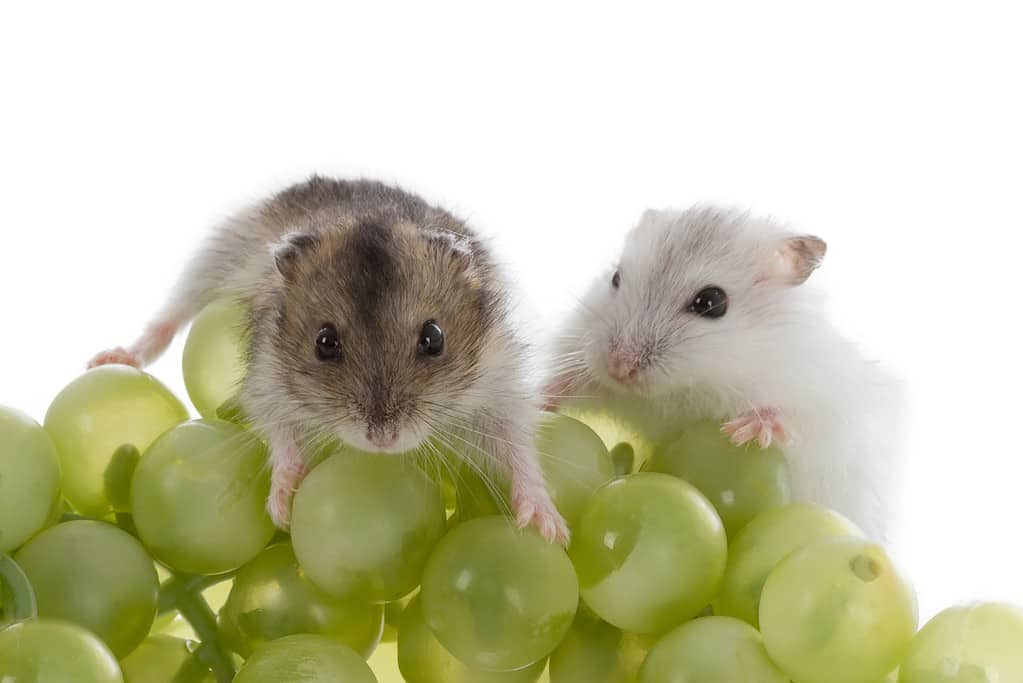
Hamsters can benefit from eating grapes as they are the source of vitamins such as vitamins A, C, E, B1, B2, B6, and potassium, magnesium, calcium, iron, phosphorus, manganese, and zinc. Eating grapes can help hamsters maintain their fur health and energy levels.

When serving grapes to your hamster, giving small amounts and selecting dark grapes such as black grapes is best. Due to their higher levels of resveratrol, these grapes possess antioxidant properties that can reduce oxidative stress in your hamster’s body, slowing down the effects of aging. 

Due to their high sugar content, grapes can cause weight gain, diabetes, and digestive problems in pet hamsters. To avoid these health issues, limiting offering grapes as a treat is important. 

Melon 

Melon is rich in essential vitamins, minerals, and fiber, and it can provide many benefits for improving hamsters’ health. The Vitamin C found in melon helps with collagen production, aiding in maintaining healthy skin and muscles. 

Vitamin B6 helps to boost immunity, nervous system, and brain function, while potassium helps keep good blood pressure levels. Fibre aids digestion, allowing your furry friend to get the most out of their food intake. According to The Journal of Food Chemistry, the wild melon seed oil is very beneficial to modulates gut microbiota and for reducing plasma cholesterol in Hamsters. 

Melons contain 92% water content which can cause diarrhea if overeaten. However, more melon can be consumed if a hamster is dehydrated.

Can Hamsters Eat Dried Fruit?

Hamsters can eat dried fruit as a special treat. However, it should only be given in small amounts, not as part of their regular diet. 

It is higher in calories than fresh fruit because the drying removes the water, concentrating the sugar and calories into less volume. Freeze-dried fruit becomes sticky when exposed to water or liquid and can become stuck in your hamster’s cheek pouches.

Despite this, dried fruits still contain the same amount of vitamins, nutrients, and antioxidants as fresh fruits, but by weight, it has more fiber which helps keep a hamster’s digestive system regular. Therefore, dried fruits can make for a delicious snack with health benefits if given in moderation. 

How Often Can Hamsters Have Fruit?

Fruits feeding depends on Hamster’s health and weight, they can have 1 to 2 servings of fruits. This should be fed besides with protein like plain-choked chicken or eggs and with veggies. Generally, hamsters should only be given a small piece of fruit (1-2 bite-sized chunks) once or twice a week. Please ensure the pieces are small enough that your hamster won’t choke on them. 

Be careful when feeding fruits to young hamsters because their stomachs may not be able to handle the sugar content yet. 

What Kind of Problems Are Caused by Feeding Citrus Fruit to Hamsters?

Feeding Citrus Fruits to hamsters can cause many health problems. Following are some health problems caused by excessive feeding of citrus fruits to hamsters.  

Gastrointestinal Issues

Citrus fruits for hamsters can cause gastrointestinal issues such as diarrhea, stomach pain, and vomiting. Citrus fruits are highly acidic and contain a lot of sugar, which is difficult for hamsters to digest

Vitamin C Deficiency

Citrus fruit is a significant source of vitamin C. However, giving them to hamsters can lead to an imbalance in their diet. Hamsters do not require high levels of vitamin C in their diets due to their natural ability to produce the vitamin themselves internally. Overfeeding them can lead to a deficiency of other essential vitamins and nutrients necessary for their health.

Weight Gain

Feeding your hamster citrus fruits can also lead to unhealthy weight gain if overfed. This is because the sugar content in these fruits can cause a spike in blood sugar levels, leading to excess weight and associated health problems. 

Kidney Damage

High levels of citric acid in citrus fruits can also be toxic and potentially damaging to the kidneys of hamsters over time. Symptoms such as frequent urination or drinking more water than usual may indicate kidney problems.

Tooth Decay

The citric acid in citrus fruits can erode the enamel on a hamster’s teeth, leading to dental problems.  It is important to monitor your hamster’s teeth and ensure they are in good condition. 

Final Thoughts

Hamsters can have fruit as a treat. These fruits provide essential vitamins and minerals that help improve health, energy levels, and digestion. It is necessary to regulate the amount of fruit you give your hamster and ensure a balanced diet. However, citrus fruits such as oranges or lemons should be avoided due to their high levels of citric acid, which can cause gastrointestinal issues, vitamin C deficiency, weight gain, kidney damage, and tooth decay if overfed.

Have you ever fed fruit to your hamster? If so, what kind of experience have you had with it? Let us know in the comments!

What Foods Can Hamsters Eat? A Vets review

Hamsters are small, furry creatures that make great pets due to their friendly nature and entertaining behaviors. They’re adorably cute and surprisingly easy to care for. To keep your hamster healthy, providing them with a balanced diet is essential. But what foods can hamsters eat?

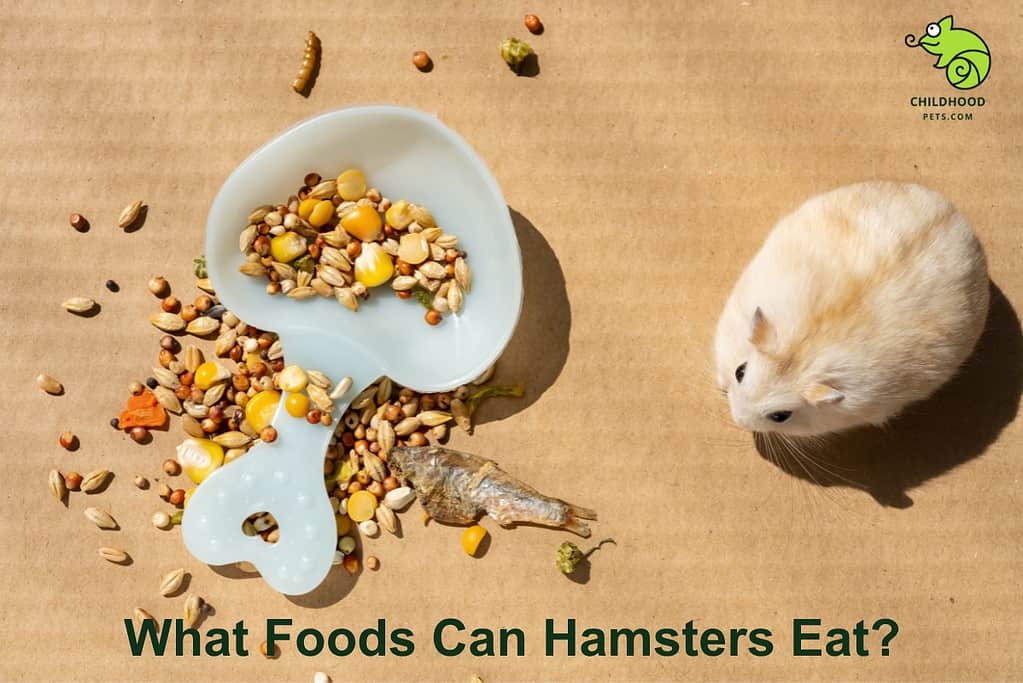
As a whole, hamsters should be fed a balanced diet of fresh fruits, vegetables, and commercial hamster food such as pellets, grains, nuts, and seeds. Occasionally treat them with crickets and small amounts of cooked chicken or fish, eggs, and pasta. 

In this article, we’ll look at the different types of hamster food available and discuss what foods are safe for your pet. So let’s get started!

What Foods Can Hamsters Eat? A Complete Diet

Hamsters are omnivorous creatures that enjoy a varied diet. Knowing what foods hamsters can eat is essential to keep your furry friend healthy. Here are some great food choices for feeding your pet hamster.

Fruits

Hamsters love to eat fruits! Apples, bananas, strawberries, blueberries, raspberries, blackberries, and grapes are all great options to give your pet. Just remember that some fruits contain more sugar than others and should be given in moderation. Give your furry friend a sweet treat every now and then for ultimate happiness!

Vegetable

Hamsters can benefit from a wide variety of vegetables. The best choices are dark, leafy greens such as kale, spinach, and romaine lettuce. These offer the most nutritional benefits for hamsters and help keep them healthy. Other great options include carrots, peas, bell peppers, celery, and cucumber. 

Herbs 

Herbs are a great source of Vitamin C and can also provide other health benefits to your pet. Adding them to their meals can bring extra flavor and nutrition. It’s an easy way to boost the quality of their diet!

Common herbs like parsley, oregano, rosemary, and thyme can be served in small amounts as occasional hamster treats. These herbs are yummy for your furry friend and contain antioxidants that can help support a healthy immune system. Ensure not to overdo it – too much herb can harm your pet. 

You should always wash the herbs before feeding your hamster and ensure they are free from pesticides and other contaminants.

Grass 

Hamsters can eat grass and hay but should only be fed in moderation. In the wild, hamsters forage for these items and enjoy eating them. It is not recommended to be the main component of their diet. Hay provides a good source of fiber for hamsters, which helps improve digestion and prevent constipation. However, too much hay can lead to weight gain and digestive issues.

Mixture of Different Seeds

Seeds provide essential vitamins, proteins, and minerals that are highly beneficial for the hamster’s health. Additionally, offering a mix of different types of food, like seeds, fruits, and vegetables, is vital as this may help stimulate their appetite. Feeding fresh foods and quality manufactured items like pellets is necessary to ensure the best nutrition intake. 

Unseasoned Meat

Unseasoned meat, such as cooked chicken or boiled eggs, can make an excellent treat for your hamster. You can give them small amounts of lean fish, cooked beef or pork, and insects such as mealworms. In addition to providing protein, these foods will help keep your hamster’s teeth healthy. Ensure all meats are unseasoned and do not upset your pet’s delicate stomach.

Commercial Hamster Pellets

High-protein pellets are designed to give your pet hamster the protein they need for a healthy diet. These pellets, like Kaytee Fiesta Pet Hamster And Gerbil Food, can be found in pet stores or online and come in various shapes, sizes, and flavors. The ingredients usually include soybean meal, cornmeal, wheat middling, fish meal, ground oats, and other animal sources.

Not only do these pellets provide your hamster with protein, but they also provide essential vitamins and minerals to keep them healthy. You can feed your pet hamster a diet of high-protein pellets as its primary food source or supplement it with fresh fruits and vegetables for variety. A good rule of thumb is feeding your hamster one teaspoon of high-protein pellets for every 5 grams of body weight daily. 

Whole Grain Bread and Cereals

Bread and cereals can be a great source of nutrition for your hamster. Hamsters love to gnaw on whole grain pieces of bread and cereals, as they provide the fiber hamsters need to stay healthy. Whole grains are high in fiber, B vitamins, iron, and other minerals that help support a healthy digestive system.

Additionally, these foods provide carbohydrates that give energy and help hamsters stay active. When feeding your pet a whole-grain diet, choosing ones with no added sugars or artificial flavors is essential.

Are Pellets Good for Hamsters?

Yes, pellets are an excellent dietary option for hamsters. Pellets provide the essential nutrition that your pet needs, including proteins, carbohydrates, vitamins, and minerals. Pellets come in different shapes, colors, flavors, and sizes, so you can find something that your hamster will enjoy eating. 

They also help promote dental health by encouraging chewing, which helps keep teeth worn down and healthy. When selecting a pellet diet for your hamster, look for a quality product explicitly formulated for hamsters that meets their dietary needs.

What Insects Do Hamsters Eat?

Insects are a natural food source for wild hamsters, and they can make an excellent treat for your pet. You can provide your hamster with mealworms, crickets, earthworms, or wax worms as a healthy snack. When selecting insects for your hamster, be sure to choose ones that have been raised organically or in captivity. Wild-caught insects could contain parasites or pesticides that are harmful to your pet.

How Much Food Should I Give My Hamster?

Hamsters need to be fed small amounts of food regularly throughout the day, with a total daily amount no more significant than what can fit in two tablespoons. The amount will depend on the size of your hamster and its individual activity level. 

A general guideline is one tablespoon per day for dwarf hamsters and two tablespoons for more giant Syrian hamsters. It is best to spread out their meals into two or three feedings per day rather than providing a single large meal. 

You can also supplement your regular diet with occasional treats such as sunflower seeds, unsalted nuts, and fresh vegetables and fruits.

Are There Any Foods That Hamsters Should Avoid Eating?

Yes, there are some foods that Hamsters should avoid eating. Foods that contain a lot of sugar can be dangerous for hamsters, as they are more prone to obesity than other animals. Additionally, citrus fruits such as oranges and lemons should not be fed to hamsters, as they can cause stomach upset.

 Hamsters also cannot digest raw beans, so these should be avoided. Foods such as chocolate, onions, grapes, and garlic can all be toxic to hamsters and should never be fed. 

Is It Safe for a Hamster To Eat Dairy Products?

No, it isn’t safe to give hamsters dairy products as they are usually lactose-intolerant. This can result in digestive issues such as an upset stomach or diarrhea. Dairy also contains high fat levels, which can lead to weight problems and various health issues for your furry friend. To ensure their safety and well-being, it’s best to avoid giving them dairy.

What Foods Make Hamsters Happy?

When making your hamster happy, you should look for foods high in fiber and containing plenty of whole-grain ingredients. Whole-grain pieces of bread and cereals are a great way to give your pet all the nutrition they need without overfeeding them. 

Foods like oats, barley, wheat berries, quinoa, or brown rice provide an excellent energy source for your hamster. You can also give them fresh fruits and vegetables like carrots, apples, or bananas as a delicious treat. Just be sure to avoid sugary foods, which can cause digestive issues in hamsters. 

Final Thoughts 

Hamsters can eat various foods, including vegetables and fruits, grains, high-quality commercial pellets, small amounts of cooked lean meats, and occasional treats. It is essential to provide a balanced diet for your pet by varying the food types offered. It is also necessary to ensure that any food you feed your hamster is fresh, unspoiled, and free from contaminants. It is essential to avoid sugary foods, as too much sugar can harm a hamster’s health.

Frequently Asked Questions 

Can hamsters eat cucumbers?

Yes, cucumbers are a safe and healthy snack for hamsters. Cucumber is an excellent source of hydration for hamsters and vitamins A, B1, and C. However, avoid adding any added sugar or salt to the cucumber. Hamsters should only eat fresh cucumber with no added seasonings or flavors. 

What can I feed my hamster as treats?

Hamsters enjoy crunchy fruits and vegetables as treats. Cooked eggs make an excellent treat for hamsters and provide them with essential protein and fats. Try giving them apples, carrots, broccoli, cucumber, and other crunchy fruits or veggies your hamster enjoys. 

Can hamsters eat rice?

No, hamsters cannot eat rice. Rice is not a natural food source for hamsters and can be challenging to digest. They could choke on it if the grains are too large or not cooked. Sticking with raw foods such as vegetables, fruits, small amounts of boiled eggs, and commercially available hamster food is best.

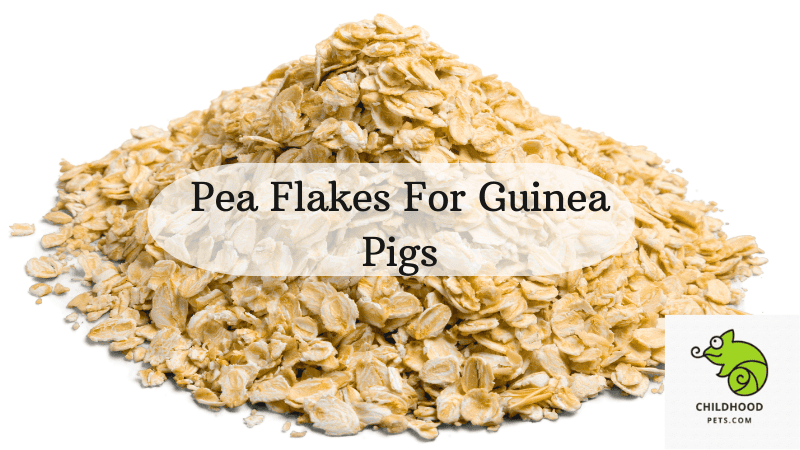
Pea Flakes For Guinea Pigs

Guinea pigs are energetic, friendly, and cute. They really adore spending time playing with their owners. But as pet owners, it’s our responsibility to see that our furry friends get the right food, which is essential for their health and happiness. Hay is an important part of a guinea pig’s diet, but other foods can also be given to them. These foods include commercially made flakes, especially pea flakes.

Generally, guinea pigs can have pea flakes if they are fed them correctly. Guinea pigs benefit greatly from eating pea flakes since they are an excellent source of protein, fiber, and vitamins necessary for their overall health. However, pea flakes should be introduced gradually.

Pea flakes may be a delightful and healthy treat for your guinea pig if they are introduced to them correctly and in moderation.

Let’s discuss more about pea flakes for guinea pigs, including their nutritional value, how to feed them, and their advantages.

Nutritional Value of Pea Flakes for Guinea Pigs

Guinea pigs require a regular diet that is rich in protein, fiber, vitamins, and minerals in order to maintain good health. Pea flakes are a great source of all of these nutrients. They are prepared from dried peas, which are high in protein and include almost all essential amino acids necessary for guinea pigs to have for their health to be at its best.

Pea flakes are an excellent source of fiber, which is necessary for the digestive health of guinea pigs, and is found in high concentrations in pea flakes. Constipation and other digestive issues may be avoided by eating foods high in fiber, which also helps regulate bowel motions.

Additionally, pea flakes are an excellent vitamin C source, an important ingredient that should be included in guinea pigs’ diets. Guinea pigs, unlike humans, need to get their vitamin C from food because they can’t make it themselves. As pea flakes have a satisfactory level of vitamin C, they are an outstanding food choice for guinea pigs and should be included in their diet.

How to Introduce Pea Flakes to Your Guinea Pig?

Pea flakes should initially be offered in a very modest quantity in addition to the pet’s usual meal; this amount should then progressively increase over time. This will assist in the prevention of gastric discomfort and give your guinea pig’s digestive system time to become accustomed to the new meal.

It’s also important to make sure your guinea pig has access to fresh water at all times. Pea flakes can be dry and cause dehydration if not eaten with enough water.

Benefits of Pea Flakes for Guinea Pigs

Pea flakes are an excellent addition to the diet of your guinea pig and provide a number of benefits, including the following:

  • Enrichment: Giving your guinea pig a variety of foods can stimulate and enrich its mind. Pea flakes are a great way to add variety to their diet.
  • Digestive Health: Pea flakes are high in fiber, which helps keep bowel movements regular and prevents digestive problems like constipation.
  • Dental health: Guinea pigs’ teeth keep growing their whole lives, so they need to eat foods that are good for their teeth. Your guinea pig’s teeth may be worn down with pea flakes, which can also help avoid dental disorders.

Factors to Consider While Selecting Commercial Pea Flakes for Guinea Pigs

When selecting a brand of pea flakes to feed your guinea pig, there are a few factors you should keep in mind, including the following:

  • Check to see that the pea flakes do not have any synthetic flavors, colors, or preservation agents. Also, ensure they do not include artificial sweeteners or salt.
  • Select a brand whose pea flakes are packaged in sealed containers to avoid staleness.
  • When looking for guinea pig food, look for companies that contain high-quality peas suitable for human consumption. This will guarantee that your pet receives the most beneficial nutrients.
  • Read reviews written by other guinea pig owners to determine whether or not they suggest the brand and whether or not their guinea pigs like the flavor of the food.
  • Compare the costs of several brands to locate a solution that falls within your financial constraints by doing some shopping around for pricing.

Small Pet Select Pea Flakes, Oxbow Natural Pea Flakes, and Vitakraft Pea Flakes are a few of the most well-known brands of pea flakes designed specifically for guinea pigs.

FAQs

What are pea flakes?

Pea flakes are dried and mashed peas that are widely used as a treat or supplement for guinea pigs. Pea flakes may also be made from fresh peas.

Are pea flakes safe for guinea pigs?

Pea flakes are safe for guinea pigs to consume as long as they are given to them in small amounts and over time.

What are the benefits of feeding pea flakes to guinea pigs?

Guinea pigs benefit greatly from eating pea flakes since they are an excellent source of protein, fiber, and vitamins necessary for their overall health. Also, they can aid in maintaining healthy digestive and dental health, providing cerebral stimulation and enrichment for the mind.

How should I introduce pea flakes to my guinea pig’s diet?

You should begin by providing your guinea pig with a very small quantity of pea flakes in addition to its usual meal and gradually increase the amount over time. You must always provide clean water for your guinea pig since they require it to be healthy.

Can pea flakes replace hay in my guinea pig’s diet?

Pea flakes or any other kind of food should not be used in place of hay in a guinea pig’s diet since hay is an important component of the guinea pig’s diet. Pea flakes should be fed to the animals as a treat or complement to other fresh vegetables and hay.

Final Remarks

Adding pea flakes to your guinea pig’s diet is a good idea. They are an abundant source of protein, fiber, vitamins, and minerals necessary for your guinea pig’s health, and they can assist to promote healthy digestive and dental health as well. When adding pea flakes to your guinea pig’s diet, remember to do so slowly and measuredly, and always ensure that your guinea pig has access to clean water to drink at all times. Pea flakes may be a delightful and healthy treat for your four-legged pet if introduced to them correctly and in moderation.

Baldwin Guinea Pig Care Guide

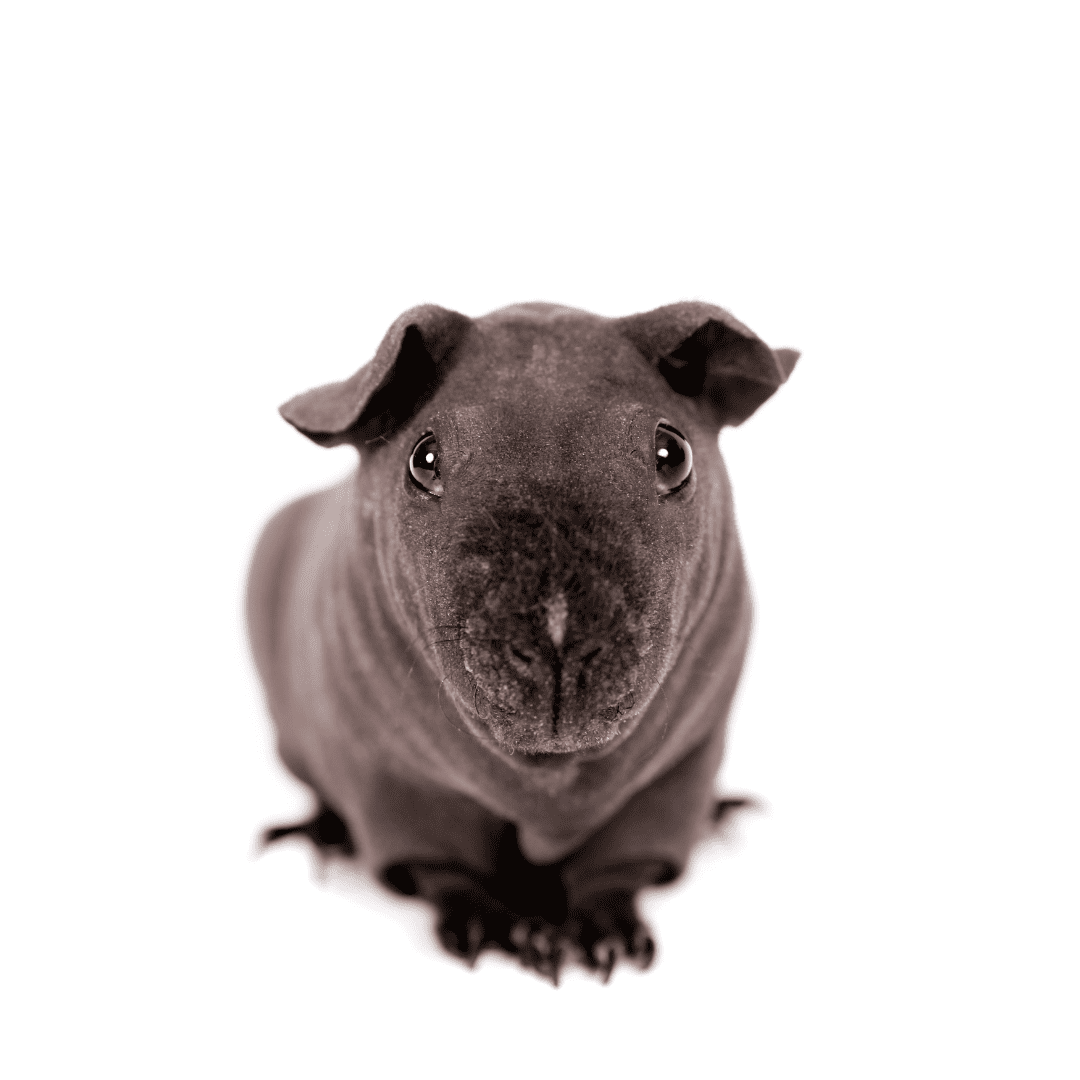
Guinea pigs are wonderful pets and are fun to have around the house. They are cute, affectionate, and an excellent choice for active households. One rare breed of guinea pig,  the Baldwin Guinea Pig, is becoming increasingly popular among guinea pig parents. In this guide, we will cover all you need to know about caring for a Baldwin Guinea Pig, including its history, appearance, dietary requirements, and grooming.

As a whole, Baldwin guinea pigs require special care due to their lack of fur/hair. They should be housed in a warm and dry environment, and their skin should be examined often for itchiness or damage. They also need vitamin C-rich food, clean living conditions, fresh water and hay.

History/Origin

The Baldwin Guinea Pig is a unique breed of guinea pig found for the very first time in the state of California in 1972. They were found by Dennis Kelsey-Wood, who named them after the last name of a friend, Baldwin. The Baldwin Guinea Pig is hairless due to a genetic mutation distinguishing them from other guinea pigs. This mutation occurs whenever two recessive genes are found in both parents, resulting in the kids of those parents being born without hair.

Appearance

As mentioned above, Baldwin Guinea Pigs are hairless, meaning they have no fur on their bodies. They have delicate, wrinkly skin that is comparable to that of humans. Due to the sensitivity of their skin, more precautions must be taken to protect them from acquiring wounds and infections. Their ears are tiny and round, and their eyes are big. They have long, slender tail compared to their small, stumpy legs. A wide range of color options is available for Baldwin Guinea Pigs, including white, black, and brown.

Proper Care for Baldwin Guinea Pigs

Cage Size

Baldwin Guinea Pigs need a spacious enclosure to live in. They require room to play and a place to hide when stressed. The cage should be at least 10 square feet for two guinea pigs and an additional 2–4 square feet for each additional guinea pig. Also, there should be a lot of ventilation in the cage to avoid problems with the animal’s respiratory system.

Proper Bedding

Baldwin Guinea Pigs require specific bedding to maintain their delicate skin’s health. It’s important not to use bedding like cedar or pine shavings that could cause irritation or injury. Instead, choose soft bedding from paper, such as recycled paper or paper pulp. In addition, you may use fleece liners, which can be cleaned and reused, to provide a cosy and secure habitat for your guinea pigs.

Baldwin Guinea Pig Grooming

Baldwin Guinea Pigs need to be groomed often so that their skin stays clean and healthy. They are more prone to skin infections and traumas because of the absence of fur, which makes them more vulnerable overall. To keep their skin clean and free of bacteria, they need to take regular baths with mild, unscented shampoo. They also need to get their nails clipped regularly so they don’t become overly long and cause damage to themselves or others.

Diet

The diet of a Baldwin Guinea Pig is the same as that of any other guinea pig. They need fresh hay, such as timothy hay, in addition to high-quality produce, fruits, and commercial guinea pig food. In order to maintain the health of their digestive system, they need to consume a diet that is high in fiber. Additionally, Baldwin Guinea Pigs require constant access to clean, fresh water.

Temperament and Intelligence

Baldwin Guinea pigs are known for being friendly and affectionate. Because they appreciate being touched and hugged, they are an excellent choice for pets in families with children. They are also very smart; if you are patient and keep trying, you can teach them tricks and commands. They are social animals, which means that they do best when they are with other Guinea pigs. They are happiest when they can play with and cuddle with a friend.

Common health problems in Baldwin Guinea Pigs

Baldwin Guinea Pigs are susceptible to various diseases, the most common of which are skin infections, eye infections, and respiratory infections. To keep these things from happening, it’s important to keep their living area clean and free of bacteria. It’s also important to take your pet to the vet regularly so that any health problems can be caught early.

FAQs

How to handle Baldwin Pig?

Baldwin Guinea Pigs are difficult to handle since their skin is hairless. The following are some tips that can assist you in securely and comfortably handling your Baldwin Guinea Pig:

  • When touching your guinea pig, make sure that your hands are clean. This will assist in preventing the spread of bacteria and other infectious agents.
  • Handle your guinea pig with a clean, plush cloth or blanket. Your guinea pig will be able to relax comfortably on this surface, and it will also assist in preserving their delicate skin.
  • While picking up your guinea pig, make sure you do it carefully. Lift them carefully and in a controlled manner using both hands to support their complete body.
  • Keep your guinea pig near your body so that it may get a sense of security and comfort from being there. You may also make them feel safe and secure by placing them on your lap or in a tiny box or carrier. 
  • Don’t handle your guinea pig for too long or too often. Because Guinea pigs are sensitive pets, over-handling might cause them to become stressed or confused.
  • If your guinea pig looks uncomfortable or is trying to get away, put it back in its cage and try again later.
  • Remember that you should treat your guinea pig with kindness and patience at all times, and you should never compel them to do anything they are not comfortable with.

With these tips, you may safely handle your Baldwin Guinea Pig and create a trusting bond.

What’s the cost of a Baldwin Guinea Pig?

The cost of a Baldwin Guinea Pig can range significantly, depending on the breeder and the rescue organization it comes from. On average, a Baldwin Guinea Pig will cost anywhere from $60 to $140. Remember that buying a guinea pig is just the beginning, as you’ll need to supply regular care and materials.

Where to find your own Baldwin Guinea Pigs?

Baldwin Guinea Pigs are rare, so you may need to look for a reputable breeder or rescue group to find one. It is essential to conduct appropriate research to choose a breeder or rescue organization specializing in guinea pigs with a solid track record of successfully producing and caring for their animals. You can also ask animal shelters and rescue groups in your area if they have any Baldwin Guinea Pigs that you can adopt.

Does the Baldwin Guinea Pig get along with other pets?

Baldwin Guinea Pigs are friendly creatures that may get along well with other guinea pigs, provided they are kept in the same environment. But it’s essential to introduce them slowly and keep an eye on them so they don’t act aggressively toward each other. Baldwin Guinea pigs can also get along with other pets, like cats and dogs, but it’s important to keep an eye on them and make sure they’re safe and happy together.

Final Words

Baldwin Guinea Pigs are a unique and great pet to have in your home. They need special care and attention because their skin is hairless, but they are friendly, affectionate, and intelligent animals that can bring years of companionship and joy. Your Baldwin Guinea Pig has the potential to flourish and develop into a valuable member of your family if you provide it with the right level of attention and affection.