
Recent Posts

Do Hamsters Need Baths?

Hamsters are active animals that need proper care and attention to stay healthy. When it comes to hygiene, one of the most common questions asked is whether or not hamsters need baths. Do they require regular bathing, and if not, what are some other ways to keep them clean?

As a general rule, hamsters typically don’t need a bath with soap and water – they usually groom themselves when awake. But some, like long-haired Teddy Bears, may require help grooming as they get older & less active. A sand bath can also keep them clean! 

In this article, we will discuss whether or not hamsters need baths, what alternatives exist to keep them clean, and how you can make sure they remain healthy and happy. Let’s get started!

What Type of Bath Should a Hamster Have?

Rather than bathing them in water, pet hamsters should be given a dust bath often. Dust baths can help to keep hamsters clean and free of parasites such as mites and fleas.

To give a dust bath, you need to provide your hamster with a shallow container filled with a dry, powdery material such as chinchilla dust or specially prepared hamster bath sand. Place the container in your hamster’s cage and allow it to roll around and groom itself.

After they finish, remove the container and discard any leftover material. Be sure to replace the material regularly so it remains free of contaminants that can harm your pet. 

What Are the Benefits of Sand Bath for the Hamster?

Sand baths can be a great way for hamsters to keep clean and healthy. These simple and fun activities benefit your pet, making them an important part of any hamster’s routine.

Here are the main advantages that sand baths bring to hamsters:

1. Improved Circulation

A sand bath helps stimulate circulation in the hamster’s body. As they roll and dig, their fur is massaged, which increases blood flow and improves oxygen levels throughout their body. This can help to keep your pet healthy and energized.

2. Relief from Stress

Hamsters feel stressed just like any other animal, and sand baths can be a great way to give them some time to relax. The massaging effect of the sand helps to relieve tension from their muscles while also providing an opportunity for your pet to engage in activities that they enjoy. This can help them release pent-up energy and reduce stress levels.

3. Improved Skin Condition

Sand baths can help to keep your hamster’s skin and fur in good condition. As they roll around in the sand, it helps remove old fur and dead skin cells that would otherwise remain trapped in the coat. 

This is especially useful for long-haired breeds of hamsters, as it can help prevent tangles and mats from forming. Additionally, it can also help to reduce itching and improve the overall look and feel of their fur.

4. Lower Risk of Skin Problems and Parasites

It can help to remove parasites and dirt that may be lurking in your hamster’s fur. This is especially important if your pet spends much time outside the cage, as they will likely encounter these potential health risks. The sand helps exfoliate their skin, reducing the risk of skin problems such as dandruff.

5. More Natural Environment for the Hamster

Sand baths provide hamsters with an environment that is more natural for them. This can help to reduce boredom and encourage exploration, as your pet is able to engage in activities similar to what they would do in the wild. 

Furthermore, sand also provides a softer surface than other materials, such as wood or plastic, helping your pet’s feet stay safe and healthy.

What Are the Risks of Giving a Hamster a Water Bath?
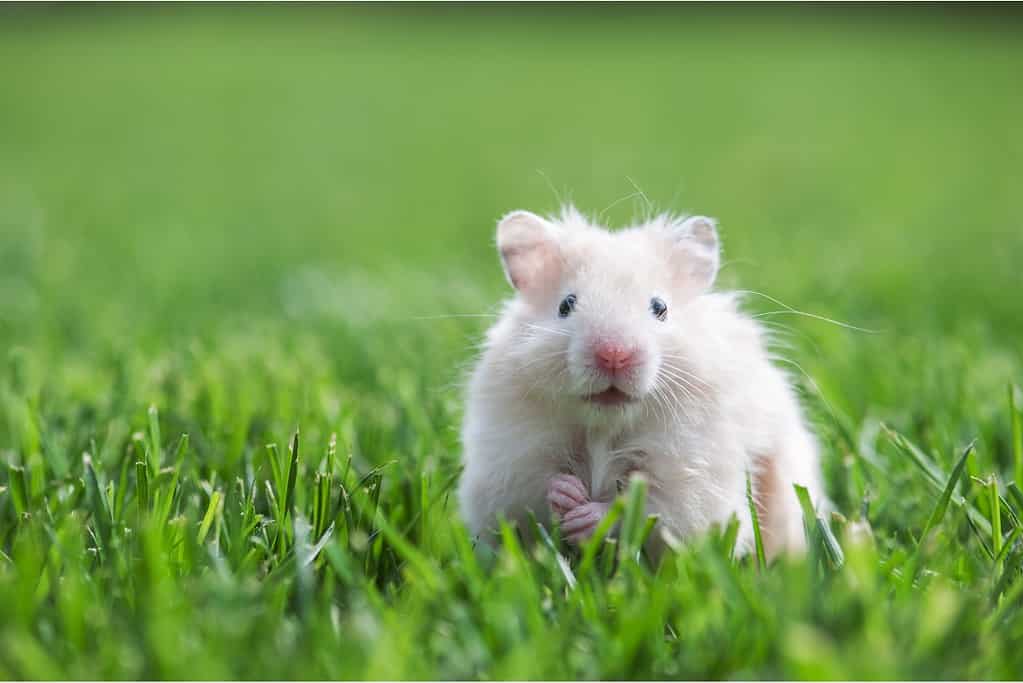
Giving a hamster a water bath can be controversial and risky. There are several potential risks associated with giving your hamster a water bath, and it is important to be aware of them before deciding whether it is the right choice for your pet.

Drowning

The biggest risk of a water bath for hamsters is drowning. Hamsters are small creatures and may struggle to stay afloat in deeper water, so always use shallow, lukewarm water and be sure to supervise your hamster throughout the process. If your hamster finds itself unable to get out of the water, it can quickly become overwhelmed and drown.

Hypothermia

If the water is too cold, your hamster could experience hypothermia. This can cause breathing difficulties and other serious health issues that can ultimately be deadly. It is important to use lukewarm water for a water bath and make sure the temperature is comfortable for your hamster before beginning.

Stress and Anxiety

Hamsters naturally feel stressed out by the water, so it is important to ensure that the bath is a calm and stress-free experience. If a hamster becomes too stressed during the bath, this could lead to further health issues or even death. It is important to make sure your pet is comfortable with water before attempting a bath; never force your hamster if they are not ready.

Skin Irritation and Infection

Giving your hamster a water bath can also leave them vulnerable to skin irritation and infection. It removes the natural oils and protective layers from their fur, leaving them exposed to environmental bacteria and allergens. 

To reduce the risk of skin irritation or infection, use a mild soap specifically formulated for hamsters and rinse thoroughly after washing. Be sure to dry your hamster completely before putting them back in its cage.

Can I Wet My Hamster?

It is not recommended to wet your hamster, as water can cause them a great deal of stress and may lead to biting. However, if it is absolutely necessary for medical reasons or in the event that your hamster has become soiled with feces or urine, then you should be prepared with the proper supplies before attempting a bath.

  • Start by preparing the water. Use lukewarm (not hot) water at a comfortable temperature – your hamster’s skin is very sensitive and can burn easily in hot water. 
  • Once the water is prepared, set up a clean area with towels, and be sure you have all of the supplies needed.  
  • Place your hamster gently in the water, supporting him or her with one hand under the chest and abdomen. 
  • Make sure to keep the head above water at all times. 
  • Clean your hamster, avoiding their eyes and ears, using a damp cloth and mild pet shampoo – avoid getting any soap into your hamster’s ears or around their nose. 
  • Rinse your hamster with a damp cloth or a gentle spray of water, and then dry him or her using a towel. 
  • After bath time, make sure to keep your hamster warm and in a safe place until they are completely dry.  
  • As with any grooming activity, it is important to take care not to traumatize your pet – if you’re ever unsure about the amount of stress your hamster is experiencing, it’s best to consult a veterinarian. 

It is also important to remember that bathing is not necessary for most healthy hamsters – if you do choose to bathe your pet, make sure to take the utmost care and use only lukewarm water. 

How To Clean a Hamster?
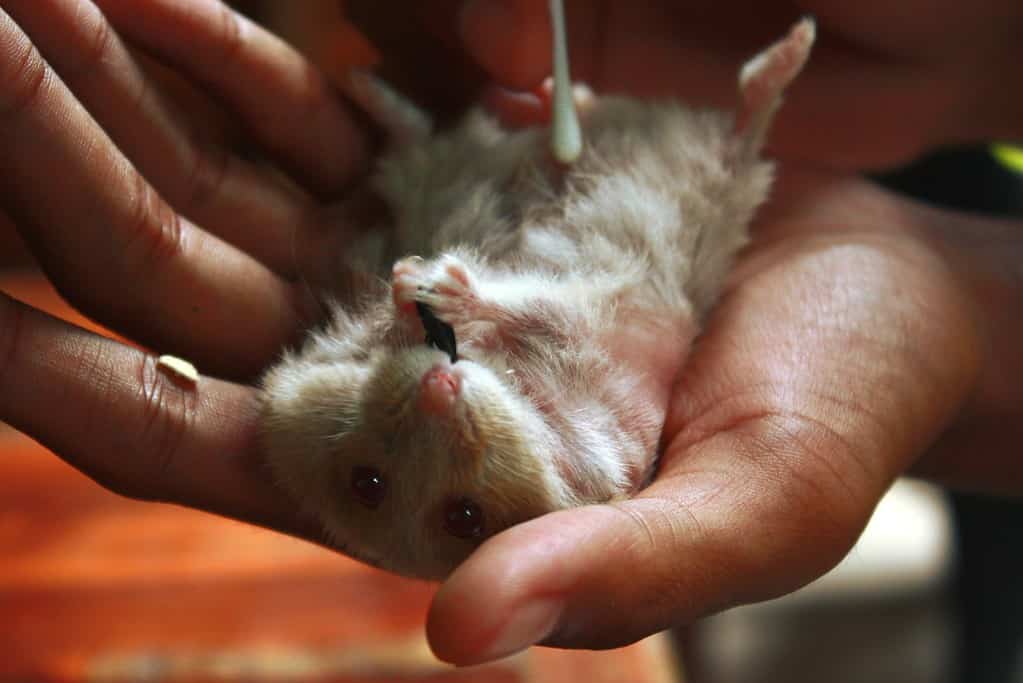
Cleaning your pet hamster is an important part of proper care and hygiene that should not be overlooked. Regular maintenance can help to ensure a healthy environment for your small furry friend and keep them happy and comfortable. 

Here are some tips on how to clean a hamster properly.  ​

  • Start by removing any food and bedding from the cage.
  • Put the hamster in a safe, secure area while you clean the cage so they don’t escape or get injured in the process.
  • Thoroughly wipe down all surfaces with a damp cloth to remove dirt and debris.
  • Spot-clean the cage by removing any soiled bedding and wiping it with a damp cloth.
  • Disinfect the cage with a pet-friendly cleaning solution.
  • Rinse off all surfaces with warm water to remove any cleaning solution residue.
  • Reassemble the cage and add fresh bedding.
  • Place the hamster back in the cage.
  • Clean any toys or accessories in warm water with a mild detergent, then rinse and air dry before returning them to the cage.
  • Provide fresh food and water for your hamster.

Wrapping Up

It is important to make sure your hamster stays clean and healthy. Giving them a water bath should only be done when necessary, as it can be dangerous for smaller animals. Sand baths are the preferred method of cleaning, as they are much safer and more natural for your pet, providing numerous benefits ranging from improved circulation to lower risk of skin problems. Cleaning their cage regularly is also important in order to maintain a healthy environment for them. Following these tips can help you keep your pet hamster clean and happy.

Do you have any queries related to hamster cleaning? Please don’t hesitate to leave them in the comments section below. Wishing you all the best with your pet maintenance routine!
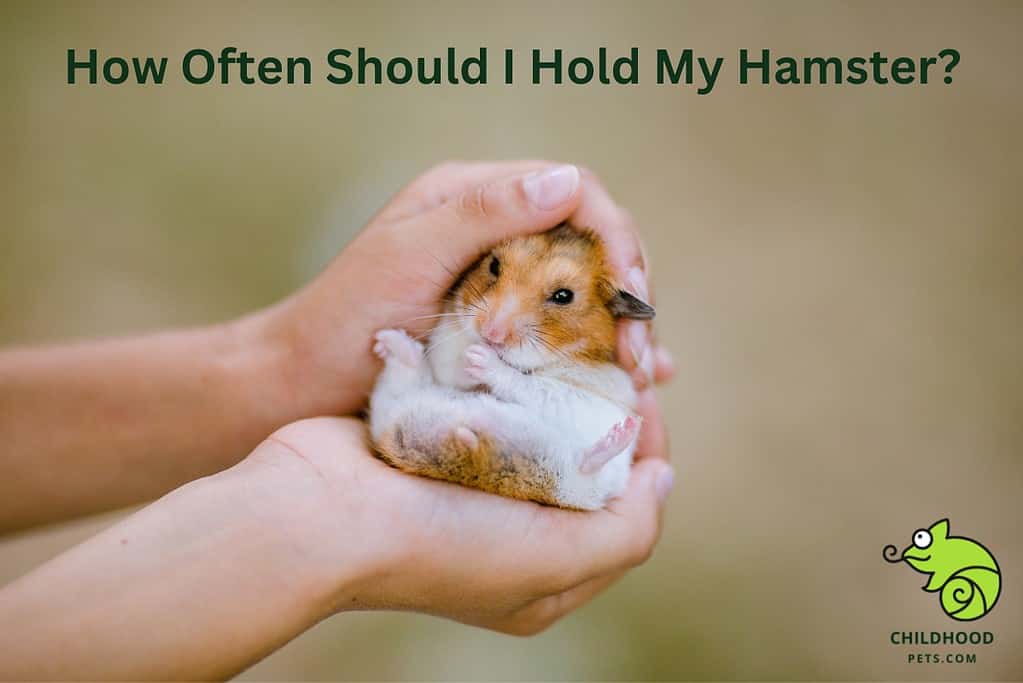

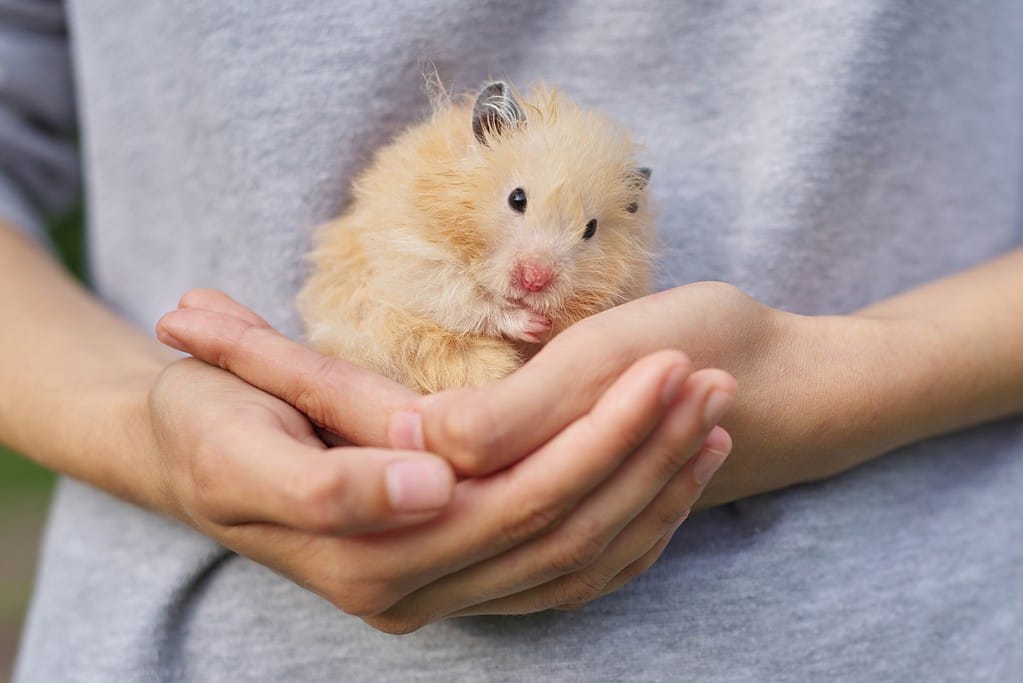
How Often Should I Hold My Hamster?

Holding a pet hamster is essential to building a strong bond with it. It can provide them with an excellent chance to explore their surroundings. But how often should you hold your hamster?

On average, daily handling of your hamster is ideal for developing trust and a strong bond. However, taking your furry friend out multiple times a day offers a great opportunity for exercise and exploration. This enriched environment will help keep them physically and mentally active! 

In this article, we will discuss hamster holding time, why frequent handling is essential, and tips for safe handling so you and your hamster can enjoy each other’s company.

How Long Should I Hold My Hamster?

When it comes to holding a hamster, it depends on the individual animal and its specific needs.

  • Holding your hamster should be kept to a minimum of 5-10 minutes per session, about two or three times a week.
  • Keeping your hamster for long periods is not recommended. Over-handling can cause stress and discomfort to the animal, and it may even become aggressive towards you. 
  • When handling your hamster, always have a firm but gentle grip on the animal’s body so that it feels secure. 
  • If your hamster seems nervous or agitated while being handled, immediately give him some space by placing him back in his cage.

It’s important to remember that each pet has different needs and preferences, so spend some time observing how comfortable they are when being held.

How to Handle a Hamster?

Hamsters are easy to take care of but require special attention. The followings are some tips on how to handle your hamster:

Washing Your Hands Before and After

It is essential to always wash your hands both before and after handling your hamster. This will aid in eliminating the risk of transmitting disease or germs between you and your pet.

Offering Treats

To get your hamster used to handle, you should start by offering it treats from the palm of your hand or with tweezers. Doing this will make the hamster accustomed to human contact and make handling more accessible.

Scooping Up Gently

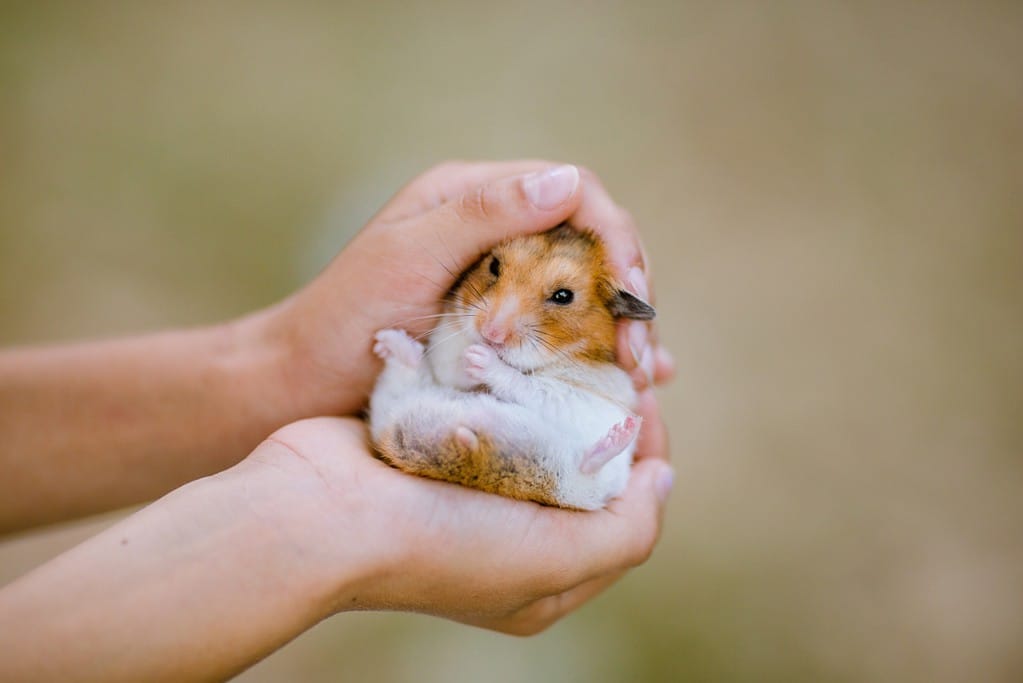
To scoop up a hamster, place one hand on either side of its body and gently cup it. Use two hands when holding your hamster. Place one around their chest and the other supporting their bottom so that you can restrict their movement and keep them calm. Once the hamster is securely in your hands, you can lift it out of its cage. 

Check out this video below to get a better understanding of the proper scooping method:

Supporting Its Body

When handling a hamster, make sure to support its body at all times. This means keeping a hand under the thorax and holding its tail with the other. Doing this will help keep your pet secure and comfortable while being handled.

Keeping Them Calm

You should always talk softly and reassuringly when handling a hamster, as this will help to keep it calm. Avoid loud noises or sudden movements that may startle or scare your pet.

Placing It Down Safely

When you’re ready to put the hamster back in its cage, place your hands on either side of the cell to lower it. Ensure the hamster’s feet are securely positioned before taking your hands away. Pay attention to the hamster not falling out of your hands when placing it down.

Never Wake Hamster Suddenly From Sleep

When hamsters sleep, they enter a profound inactivity known as torpor. In this state, their heart rate and breathing slow down significantly. Waking your hamster suddenly from this deep sleep can cause it to become stressed. 

To avoid these issues, awaken your hamster slowly and gently by speaking softly near its cage or stroking its fur gently with your finger.

Supervising Young Children

It is important to supervise young children when they handle a hamster. This will help ensure the child uses gentle and appropriate handling techniques and protects them from potential harm or bites. 

With careful supervision and guidance, most children can learn how to handle a hamster with ease and safely.

Why Should You Handle Your Hamster?

Regular handling of your hamster will help to build trust and a strong bond between you and your pet. As such, there are several key benefits to regular handling: 

Reduced Stress and Anxiety

Regularly handling your hamster can reduce stress and anxiety levels, as it helps create a bond between you. This connection can be calming and support to help a sense of security and safety for both of you.

Improved Health

Handling your hamster can improve its physical health by helping to strengthen muscles, aiding digestion, improving circulation, and reducing the risk of developing certain diseases or illnesses. Regular maintenance will help maintain your hamster’s overall well-being.

Stimulation

Handling is also beneficial from a mental perspective, as it stimulates their mind and encourages mental growth. Playing with your hamster, providing toys for them to explore, and spending quality time together will help to keep them entertained, active, and healthy.

Bonding Time

Handling your hamsters can also build a strong bond between you, which is emotionally and physically beneficial. Spending quality time with your pet helps to create an emotional connection which can be calming and reassuring for both of you.

Socialization Opportunities

Handling your hamster also provides opportunities for socialization as they become used to being around people outside of their cage or enclosure and can help them adjust to new environments more quickly and efficiently when necessary, such as when traveling or visiting the vet.

Why Do Some Hamsters Dislike Being Held?

Hamsters are naturally nervous and jumpy creatures due to their natural environment. In the wild, they are hunted by other animals and have developed sharp reflexes to defend themselves against predators. As a result, when humans pick up hamsters, it can trigger an automatic fear response. This is why some hamsters may become scared when picked up and try to escape from your hands or bite out of defense.

The best way to make your hamster feel more comfortable with being handled is to give them time to get used to you first. Put treats in your hand so they approach you willingly, then stroke them gently before attempting to pick them up.

Wrapping Up

Handling a hamster can be beneficial for both the animal and its owner. Not only does it reduce stress and anxiety levels, improve physical health, stimulate mental growth, and build a bond between the two of you, but it also helps to create a sense of safety and security. While some hamsters may take longer to get used to being handled due to their instincts, providing treats and taking time during the process can help make them more comfortable. With patience and care from their owners, most hamsters will eventually learn to trust and enjoy handling.

How often do you hold your hamster? Have you noticed a difference in their behavior since starting to handle them? We’d love to hear about your experiences in the comments below!

Frequently Asked Questions

Is it easy to handle a hamster?

Absolutely. With patience, a gentle touch, and regular interaction, you’ll soon be able to hold your hamster confidently. When first introducing yourself to the animal, taking things slow is essential. Start by holding out an open hand for the hamster to explore. Spend time murmuring calmly so the animal can get used to your presence. Ensure that your fingers are soft and never squeeze too tightly. This will help ensure that handling is a positive experience for the pet.

How long should you wait to hold a hamster?

When getting a new hamster, providing them with the space and time they need to settle into its environment before attempting to handle them is essential. It’s best to wait for at least 12 to 24 hours before holding your hamster, as this will allow them to familiarize themselves with their surroundings. Ensure you provide plenty of food, water, and comfortable bedding during this time.

Should I play with my hamster every day?

Yes, it is crucial to play with your hamster every day. Playing with your hamster can help build a strong bond between you and him, so he will excessed to stay healthy. Try providing different toys or activities for your hamster to explore daily, such as tunnels, ramps, climbing ladders, cardboard boxes, and balls. Encouraging your hamster to come out of his cage during the day will also give him plenty of opportunity to run around and get the exercise he needs.

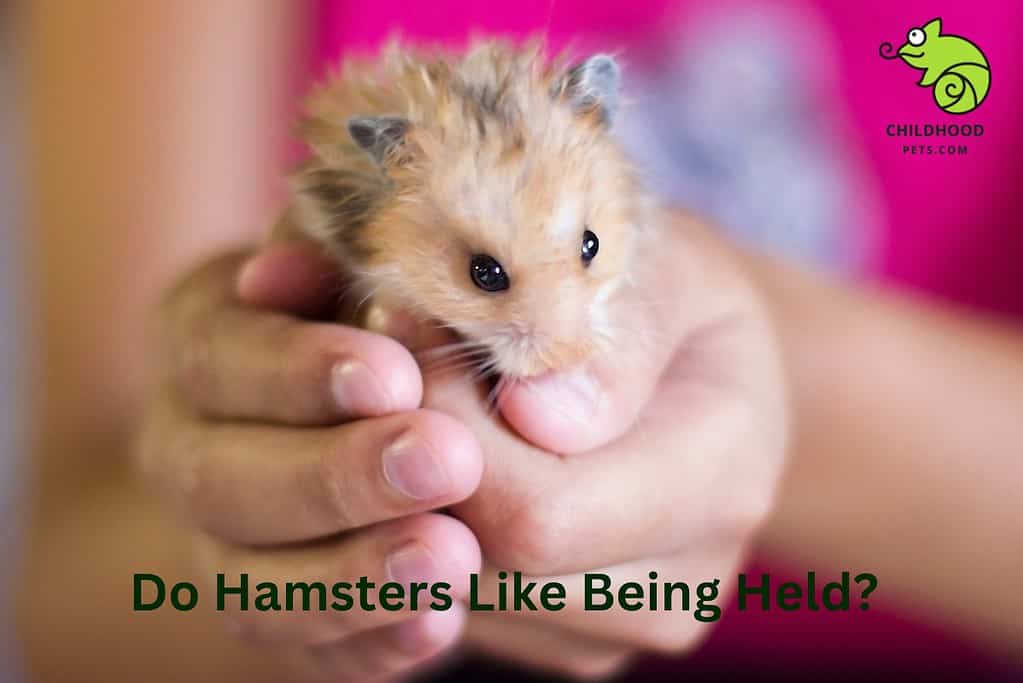
Do Hamsters Like Being Held?

Hamsters are curious, social creatures that can make excellent companions, but they also have their own needs and preferences regarding human interaction. Understanding the signs of your hamster’s contentment or displeasure is crucial in providing the right environment. So, do hamsters like being held? 

As a whole, hamsters do not typically enjoy being held. Instead, they prefer to explore their environment and interact with the people around them. It is essential to build trust with your hamster before attempting to hold them by providing consistent handling and lots of treats!

This article will cover the signs that show the hamster is enjoying being held. We’ll also discuss the benefits, risks, and precautions of holding a hamster. So, without further ado, let’s get started!

Do Hamsters Like Being Held?

Hamsters generally prefer to avoid being held and can become stressed if forced to do so. Let them explore their surroundings in your hands or on a flat surface – but never force interaction. Ensure they feel safe and secure around you. If they resist, respect their wishes and let them move at their own pace.

Keep in mind that hamsters are naturally curious and may take some time to adjust to their surroundings. With patience and understanding, you can help your hamster get used to commands with ease.

Is It Safe To Pick Up a Hamster and Hold It?

Yes, it is safe to pick up a hamster and hold it, but there are a few things you should keep in mind. 

  • First, make sure you have washed your hands before handling the hamster. Unfamiliar smells can easily stress out hamsters, so it’s essential to only smell their scent on your hands. 
  • Another vital thing to remember is that you should never squeeze your hamster too tightly or drop them. Hamsters have delicate bodies, so handling them gently and carefully is essential. 
  • Ensure you are always aware of your hamster’s body language, as they may become agitated if not handled correctly. If your hamster appears uncomfortable or stressed, it’s best to put them back in its cage and give them time to relax. 

You can safely pick up and hold your hamster with the proper care. 

What Signs Indicate That a Hamster Is Enjoying Being Held?

When a hamster enjoys being held, they often display signs such as an increased willingness to explore their surroundings, licking or grooming themselves, chirping and making gentle sounds, and even seeming content to curl up in the palm of your hand for a snooze. 

Additionally, some hamsters may start to make “scrabbling” sounds which indicates that they are content and happy. They will also be more relaxed, display less fear or anxiety, and may even start to nibble at treats offered by their person. 

It is important to remember that all hamsters have individual preferences and are different from one another, so it’s best to pay attention to your hamster’s body language to determine if they enjoy being held by you. 

How Long Can a Hamster Typically Be Safely Held?

Hamsters can typically be safely held for up to 20 minutes. This is because hamsters are easily startled and may become stressed if held for too long. Having your hamster for shorter periods is best to allow them to explore its environment without becoming overwhelmed. 

If you keep your hamster for an extended period, giving them a break every 20 minutes is essential to reduce their stress levels and ensure they remain healthy and happy. If you want to increase your bonding time with your pet, activities such as providing them with exercise toys or hand-feeding treats are better than picking up and holding your pet. 

Furthermore, be aware that hamsters may become stressed or overwhelmed if you handle them too long, so give your pet plenty of time for rest. 

Does the Hamster’s Age Affect Whether They Like To Be Held?

Yes, the hamster’s age can affect whether they like to be held. Younger hamsters are usually more comfortable with being held than older ones, as they haven’t yet developed a fear of humans. However, even young hamsters may not enjoy the experience, which should always be handled gently and carefully. 

Older hamsters are less likely to want to be held due to their natural wariness toward humans. It is also essential to note that some hamsters may never become comfortable with being handled, no matter their age. These hamsters should be respected and given their space.

How Should a Person Hold a Hamster Safely and Comfortably?

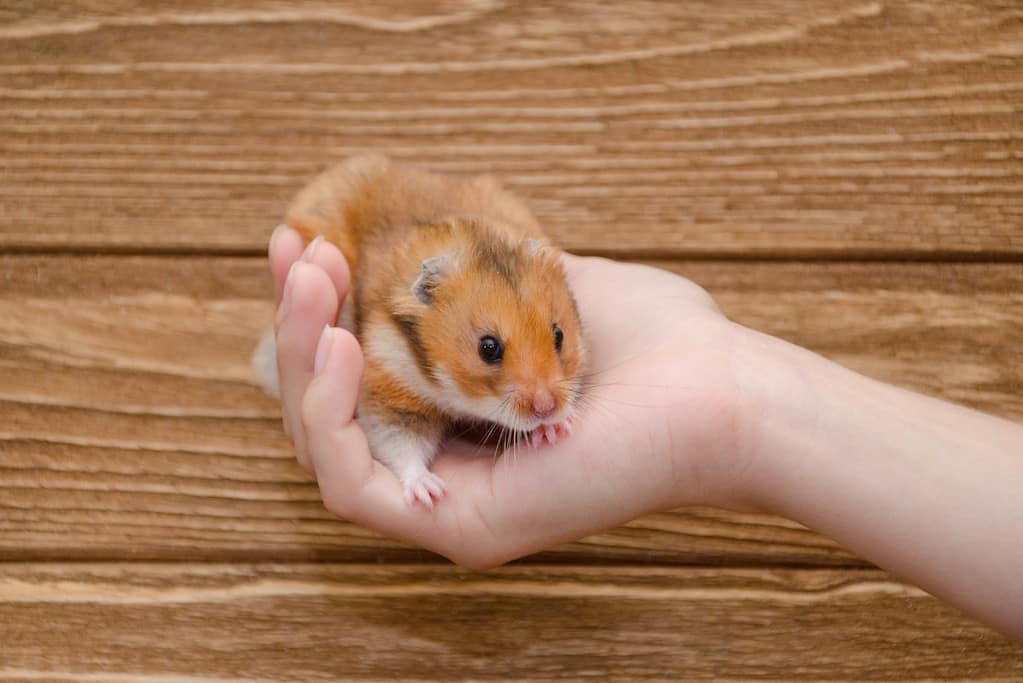
When handling a hamster, it is essential to hold them in the palm of your hand. Make sure that you support their bottom and back with your fingers so that they feel secure. 

If needed, gently place one arm across their chest for extra security. It would help if you always were gentle when transferring a hamster from one location to another, as sudden movements can frighten them and lead to injury. 

Knowing your hamster’s size is vital, as they can quickly become squished if you squeeze too hard. Additionally, ensure that your hands are free of any lotion or perfume which could harm your hamster. 

What Kind of Environment Do Hamsters Need To Feel Comfortable in When Being Held?

Hamsters need to feel secure when being held, so providing a warm, safe, and quiet environment is essential. To create the best experience for your hamster, ensure the area is free from loud noises, bright lights, or sudden movements that may startle them. Additionally, ensure that the room has an adequate temperature – ideally between 65-75 degrees Fahrenheit – for your hamster to feel comfortable. 

You should also ensure the area is secure, so provide them with an enclosed space where they cannot escape. Finally, ensure that you handle your hamster gently and calmly, as sudden movements or rough handling can cause them to become scared or agitated. With the right environment, your hamster will feel safe and secure when being held.

Are There Any Risks Associated With Holding a Hamster Too Much?

Yes, there are risks associated with holding a hamster too much. Hamsters are easily stressed and may become agitated if handled too often or for too long. This can lead to an increase in the hamster’s stress hormones which can cause them to become ill or even die.

Additionally, handling your hamster too much can encourage aggressive behavior, as hamsters can become territorial if they feel like their space is being occupied. It’s essential to limit the amount of time you handle your hamster and ensure it always feels safe and secure. 

You should always wash your hands thoroughly before and after handling your hamster to avoid passing on bacteria or viruses. Give your hamster plenty of space and time to rest and relax to stay healthy and happy.

What Are the Signs That a Hamster Is Feeling Uncomfortable While Being Held?

Signs that a hamster feels uncomfortable while being held include:

  • Excessive squirming.
  • Trying to jump out of your arms.
  • Biting or scratching.
  • Hiding their head in your palm.

These behaviors may indicate the hamster’s insecurity and want to be put down. If you observe any of these signs, it’s best to put the hamster back in its cage or enclosure so that it can feel safer. If your hamster has an illness or injury, you should avoid picking up and holding them as this could further aggravate their condition.

When handling a hamster, being gentle and using two hands to provide extra support is essential. Hamsters can be easily injured if dropped or handled too roughly. 

By following these guidelines, you’ll ensure that your hamster always feels comfortable and secure while being held. 

Are There Any Special Precautions To Be Taken When Holding a Hamster?

When it comes to handling your hamster, be sure to take care. 

  • Wash your hands always before handling.
  • Avoid sudden movements or shocks like squeezing them tightly or dropping them from a height. 
  • When taking your hamster out of its cage, make sure you supervise them closely to ensure they don’t escape or get into trouble. 
  • Extreme temperatures can be dangerous for small animals like hamsters, so make sure any environment they are placed in is comfortable and safe. 
  • Ensure their cage is secure and that they have access to fresh food and water at all times. 

With these simple precautions in mind, you can help ensure your hamster stays happy, healthy, and safe. 

Final Thoughts

Handling a hamster requires gentleness and patience. As delicate creatures, they can become easily startled, so take your time and keep interactions limited to when the hamster is comfortable. Furthermore, ensure your pet has plenty of areas for exploration and exercise for their wellbeing. Respect their boundaries and be considerate in how you interact with them. With these principles in mind, you’ll be ready to begin the exciting journey of bonding with your hamster.  

Do you have any experience with handling your hamster? How did it go? We’d love to hear about your experiences in the comments below! 

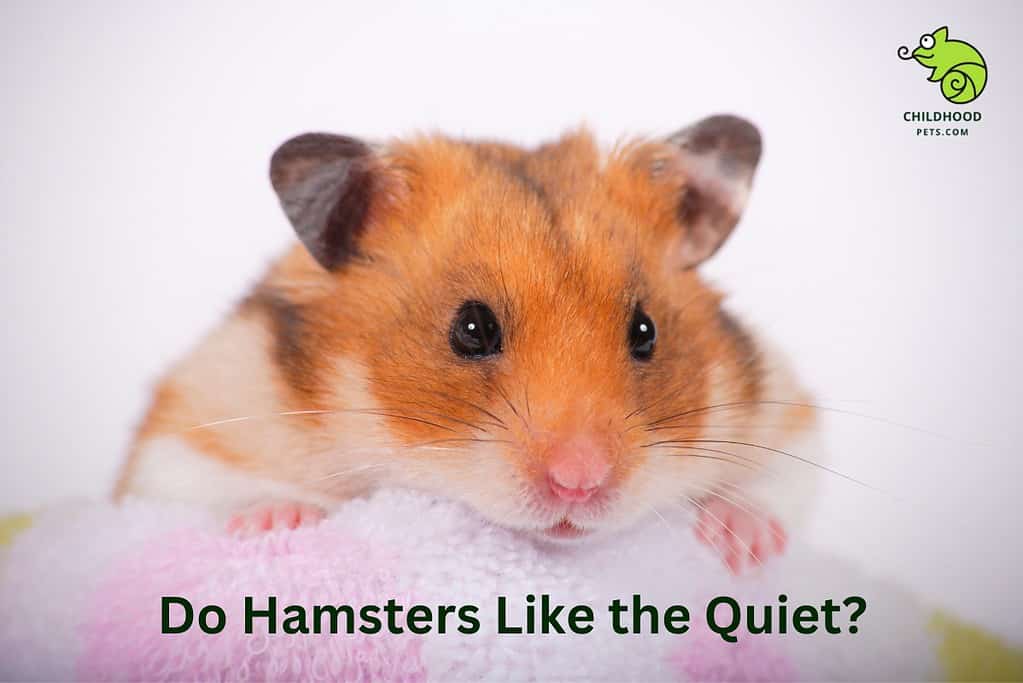
Do Hamsters Like the Quiet?

Hamsters are small and energetic creatures that have become popular pets worldwide due to their curious nature and ease of care. They’re typically low-maintenance and can be a source of joy for their owners. But do hamsters like the quiet?

As a general rule, hamsters prefer quiet and peaceful environments. They do not like being startled or overwhelmed by noise, which can lead to stress and anxiety. Hamsters are most active at night when it is usually quieter than during the day. 

In this article, we will discuss whether hamsters like quiet, signs of hamsters like quiet, and other essential things to remember about keeping your hamster safe and comfortable.

7 Signs That Show Hamsters Like Quiet

Hamsters typically like the quiet. They may not vocalize like cats, dogs, or humans but can be noise-sensitive. Hamsters don’t necessarily prefer complete silence but need a peaceful and quiet house to feel safe and relaxed. As crepuscular animals are most active during twilight hours, hamsters tend to be more relaxed in quieter environments and easily startled by loud noises. 

Here are some signs that your hamster likes the quiet:

1. Hiding in Their Burrow 

Burrowing is an instinct that provides a safe space for the hamsters to hide away from potential threats, and this behavior is most common in areas with too much noise. They burrow into the ground or hide in small spaces between furniture or inside tunnels and tubes. If your hamster spends most of its time buried in its bedding, it may be a sign that they’re seeking quiet to relax. 

2. Lethargy 

Hamsters overstimulated by too much noise may become lethargic and uninterested in activities they usually enjoy, such as running on the wheel or exploring their environment.

They may not actively seek your attention anymore, indicating that they seek a calmer environment with less noise or distraction. Hamsters also become skittish or hyperactive, and they likely need a break from all the noise.

3. Increased Aggression

If your hamster begins exhibiting signs of aggression such as biting or growling as If you’re putting your hand in their cage and grinding it or being aggressive towards you, this could show that they’re feeling overwhelmed by their environment and would benefit from some peace.

4. Lack of Appetite  

Hamsters are usually enthusiastic eaters. Still, when stressed or overwhelmed by too much sound and activity, they may refuse to eat or hide food around their enclosure. This can be a sign that they want some downtime and quietness. Keeping things quiet and calm can help entice them to start eating again.

5. Avoidance

Hamsters who are comfortable with their environment will often respond positively toward it when petting and handling it. If you notice your hamster becoming agitated by your touch or sudden movements, it may not feel safe or secure in its current environment.

A quiet atmosphere for your furry friend can ensure they feel relaxed and secure in their home. Be mindful of any noises around them and limit contact if they appear anxious. 

6. Unusual Behaviors 

If your hamster starts exhibiting unusual behaviors such as tail-biting, running in a circle, bar or fur chewing, and acting nervous, this could be a sign of distress due to overstimulation by too much noise.Try to make the environment quieter and give your hamster time to relax. 

7. Pacing

Pacing down and up and forth along the cage is another sign of stress and anxiety. Loud noises, such as those from other pets or people talking, can cause your little pet to become distressed. If your hamster is pacing more than usual, it may be due to a loud environment.

Keeping the atmosphere around them as peaceful as possible is best. Ensure you have no loud music or televisions playing in the same room, and try to move slowly around the cage when interacting with your pet. Also, ensure you provide plenty of noise-reducing items like blankets and towels for your pet to hide under if needed.   

How to Create a Quiet Environment for Hamsters?

Hamsters are naturally curious and social animals who enjoy exploring the world around them. They also need a calm and peaceful environment to stay healthy and happy. Creating a comfortable and relaxed atmosphere for your hamster is essential for its well-being. 

Here are some tips for providing them with comfortable environments;

  • One of the excellent ways to create a relaxing atmosphere for your hamster is by providing a quiet space away from loud noises such as children, music, or television. 
  • A pleasant cage is significant for staying happy and at ease for hamsters. Make sure that you keep their crate away from drafts and direct sunlight, as these can disrupt their sleep schedule. Hamsters may become stressed if exposed to sudden changes in temperature or humidity, so ensure their environment has consistent conditions.
  • Regarding toys inside the cage, try leaving your hamster with a manageable number of toys. 
  • It is also essential to ensure your hamster has plenty of places to hide or sleep in its cage. Providing bedding such as shredded paper will help create comfortable spots for them to snuggle up when it’s time for a nap. You can place some hiding spaces around their cages for privacy and relaxation.

What Are the Signs a Hamster Enjoying the Quiet?

Although your pet might not be able to tell you exactly how much they love the peaceful atmosphere of their home, some signs can indicate when they are enjoying the quiet. 

Actively Exploring 

If you notice your hamster out of its cage exploring the room more often than usual, this could mean they are enjoying the peace in its environment. So, if hamsters like to explore, this is a good sign that your furry friend is feeling at ease.

Curling Up For Naps

Hamsters love to take little naps throughout the day, but if your hamster is curled up more than usual, it could indicate that they are content with the calm atmosphere.

Eating Peacefully

Hamsters usually eat throughout the day. If you notice your hamster eating more than usual and enjoying their food, it could indicate that they are content and comfortable with its surroundings.

How to Keep Hamsters Quiet at Night?

As hamsters are nocturnal creatures, they primarily do all of their activity at night, which can be disruptive when trying to get a good sleep. If you want to keep your hamster quiet at night, here are a few ways to do that:

  • Try to provide them with plenty of bedding in the cage, which helps muffle sound from the crate. You can place a blanket under the cage for additional soundproofing.
  • Make sure they get plenty of exercise during the day. If your hamster has ample opportunities to run, climb, and explore during the day, it will tire them out so that they are less active and quieter at night.
  • Secure any wheels, toys, or tubes to prevent vibrations from causing excessive sound.
  •  Place the cage on a steady surface in your home, not something that will shake or move around.

Wrapping Up

Hamsters enjoy peaceful environments with plenty of space to roam around without feeling overwhelmed or stressed. Observing their behavior and providing the right environment for their needs is crucial. Your pet will likely appreciate the calm atmosphere of a quiet house necessary for a happy and healthy hamster.

Have you ever owned a hamster? What tips do you have for beginning hamster owners? Let us know in the comments below!

Frequently Asked Questions

Do hamsters need quiet to sleep?

Yes, hamsters need a quiet space to sleep during the day. If their living environment is too loud and crowded, it can lead to stress and sickness for your furry friend. Therefore, provide them with a separate room or area away from noisy activities where they can enjoy peaceful rest. 

Do hamsters like to live alone?

Yes, hamsters like to live alone. These solitary animals feel most comfortable on their own and are usually reluctant to share their space with another animal, even if it’s of the same species.

Does TV bother hamsters?

Hamsters have empathetic hearing and are susceptible to ultrasonic sounds that can emit from household electronics such as TVs or computers. These ultrasonic sounds can cause discomfort for your hamster, leading to stress and disruption of their sleep pattern. It is best to keep its cage in a room without any electronic devices that could emit these high-frequency noises. 

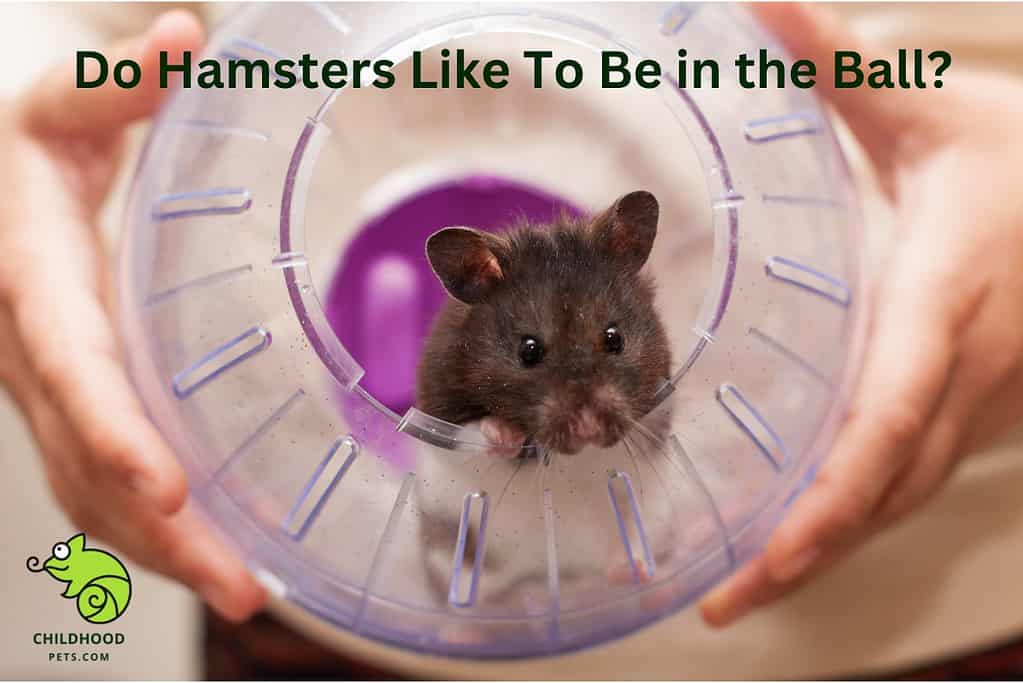
Do Hamsters Like To Be in the Ball?

Hamsters are notoriously active and playful animals that love to explore their surroundings. Despite their size, hamsters are energetic and can be pretty lively! Playing is an essential part of a hamster’s life and helps keep them from being bored or stressed out. But do hamsters like to be in the ball?

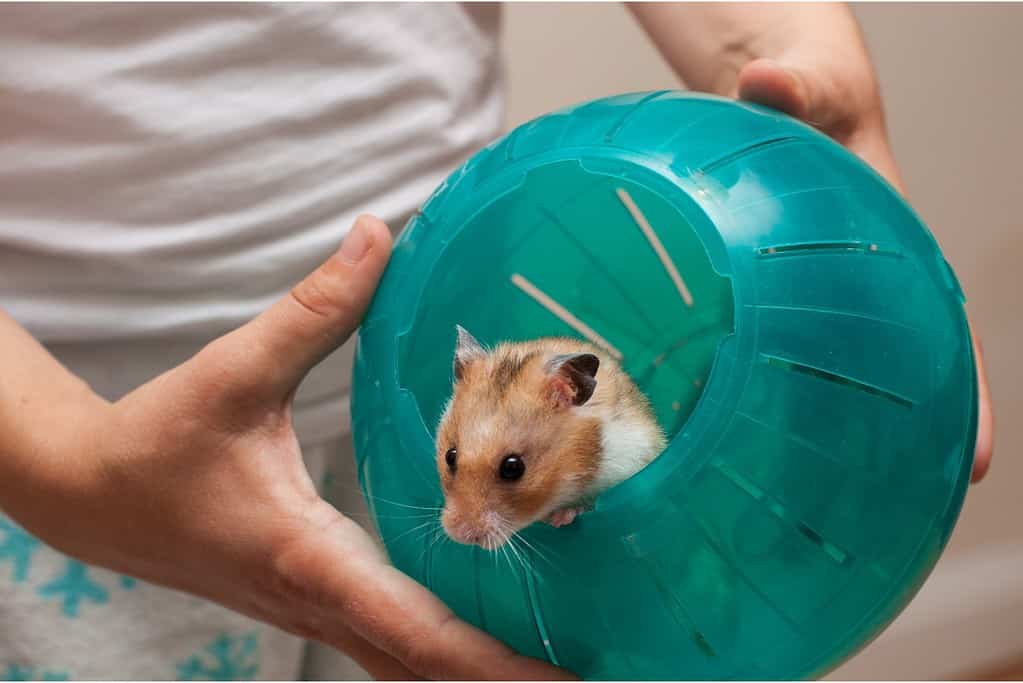
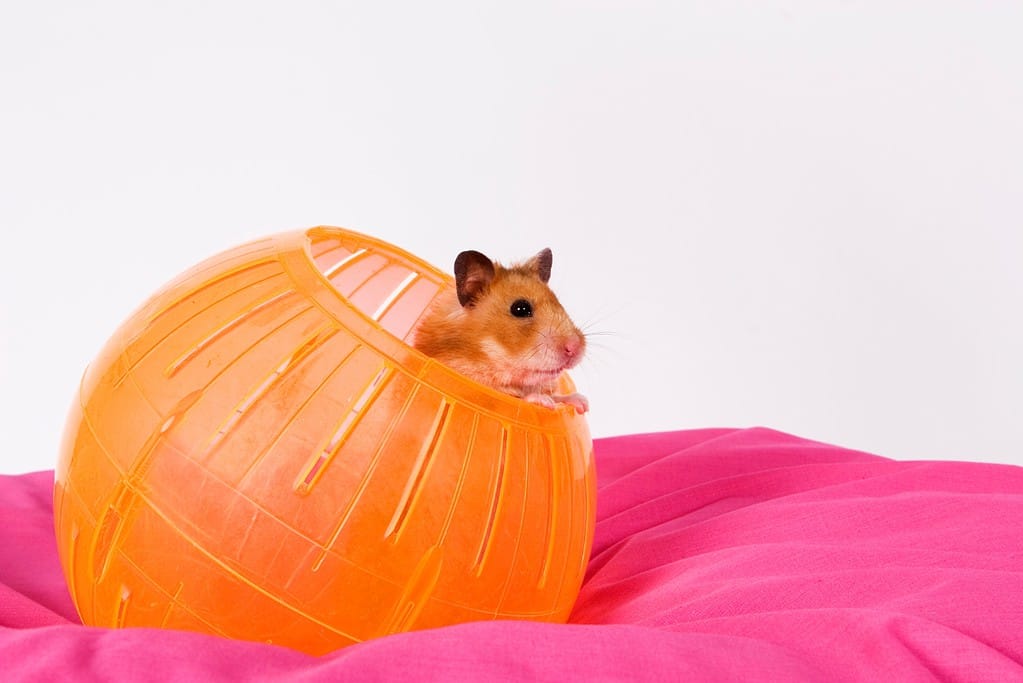
As a whole, hamsters enjoy being in the ball. They enjoy running around in their balls, a plastic balls with air holes that allow them to explore their surroundings without escaping. They get physical exercise and mental stimulation from exploring their surroundings safely and securely. 

This article will cover the pros and cons of using a hamster ball as an exercise and a toy. We will discuss risks and precautions to ensure hamsters’ safety. So let’s get started!

Is It Safe for the Hamster To Be in the Ball?

Yes, it is safe for a hamster to play in an exercise ball if a few safety guidelines are followed. 

  • The ball should be the appropriate size for your hamster. A ball that is too large may allow them to escape or cause the animal discomfort while attempting to move inside. 
  • Providing a safe surface for the hamster to play on is essential. Never use the ball on carpets or rugs, as these surfaces can cause your pet to become stuck and put them at risk of serious injury.  Also, choose a high-quality exercise ball with ample ventilation for your hamster. 
  • It’s essential to supervise your pet while in the ball and watch out for any signs of stress, such as excessive panting or restlessness. If your hamster becomes tired, gently remove them from the ball and provide a safe and comfortable place to relax. 

Following these guidelines will ensure that your pet enjoys their playtime in the safety of an exercise ball.

Do Hamsters Like To Be in the Ball? Pros and Cons of a Hamster Exercise Ball

Hamsters enjoy the freedom of movement that an exercise ball provides. It can be a great way to give them some extra physical and mental stimulation in their environment. However, owners should know some drawbacks along with the benefits of using a hamster exercise ball.

Pros:

  • Exercise balls give your hamster ample space to explore and exercise, even in a small area.
  • It’s an entertaining way for your hamster to stay active.
  • Hamsters love the physical and mental stimulation of exploring their environment.
  • Allows the hamster to explore its environment safely, as it can’t escape.
  • It provides the hamster with physical activity and mental stimulation, which may help reduce boredom and improve overall health.

Cons:

  • If not monitored closely, hamsters can escape from exercise balls or become stuck.
  • Long-term use of an exercise ball can lead to boredom, as hamsters crave variety in their environment.
  • Hamsters can get stuck inside the ball if it doesn’t have adequate ventilation.
  • Your hamster could suffer from exhaustion or heat stroke if used too often.
  • Hamsters can experience fear and stress if exposed to too much noise or movement.

Exercise balls can be a great way to give your hamster extra physical and mental stimulation. However, monitoring your hamster’s health and using the ball in moderation is essential to avoid potential harm.

Are Hamsters Naturally Inclined To Run in a Ball?

No, hamsters are not naturally inclined to run in a ball. This is a behavior that their owners have taught over time. It takes time and patience for them to learn how to navigate the ball and enjoy the activity. Some hamsters may never feel comfortable enough with it to prefer running in a ball, while others may take to it quite quickly. It all depends on the individual hamster and its temperament. 

Hamsters typically prefer exploring their environment on foot rather than inside a ball. It is important to note that although hamsters can run in a ball, it is not recommended as a regular activity because it can place unnecessary stress on their bodies. 

What Kind of Exercise Does a Hamster Get From Being in the Ball?

Hamsters get a great deal of exercise from running in the ball. Because hamsters are naturally curious and adventurous, they enjoy exploring their environment while running in the ball. Running around in the ball also helps to stimulate their mind as they take in all the sights and sounds of their surroundings. 

Additionally, because it is an enclosed space and hamsters cannot jump out, the ball offers an excellent way to explore their environment without risking escaping safely. As they roll around in the ball, hamsters actively work their muscles and get a great cardiovascular workout. This helps to keep your little furry friend healthy and happy!

How Much Time Should a Hamster Spend in Their Ball Each Day?

Hamsters should not spend more than 20-30 minutes daily in their ball. Some may enjoy longer sessions, while others fatigue quickly and need shorter bursts of exercise. Monitor your pet’s energy levels and adjust the time accordingly to ensure it does not get too tired or stressed out. 

Prolonged use of the wheel can be damaging to its feet, so keep an eye on it and limit its running time. Over-exercising can lead to exhaustion, preventing it from exploring its environment or engaging in other activities. Monitor your hamster’s energy levels regularly and adjust their exercise schedule accordingly for a healthy and balanced lifestyle. 

Can the Use of a Hamster Ball Cause Stress to the Hamster?

Yes, a hamster ball can cause stress to your pet. Being confined in the small space of a hamster ball for too long can cause your hamster to become stressed and anxious. Additionally, constantly moving can be tiring for your hamster and may lead to stress-related health problems if they do not get adequate rest. It’s essential to allow your hamster to explore its environment safely rather than relying purely on its hamster ball for exercise. 

If you decide to use a hamster ball as part of your pet’s routine, limiting the amount of time spent in it each day is best to ensure they have access to a comfortable area to rest and relax. Plenty of enrichment and stimulation within the cage will also help keep your hamster happy and reduce stress. 

Are There Any Precautions To Consider When Using a Hamster Ball?

Yes, there are a few precautions to take when using a hamster ball:

  1. Make sure your hamster is the right size for the ball. The ball should be large enough for your hamster to turn around but not so large that it can become lodged in corners or crevices and get stuck.
  2. Ensure the ball is well-ventilated with plenty of holes and openings to ensure your hamster can breathe adequately when inside.
  3. Supervise your hamster at all times while they are in the ball, as there may be dangers lurking around the house that could harm them if left unattended.
  4. Don’t leave the ball on slippery surfaces like hardwood floors, as your hamster may not be able to remain stable while inside and could fall out or tip over.
  5. Clean the ball regularly with warm water and mild soap to prevent the build-up of bacteria or other contaminants.

Following these precautions can help ensure your hamster’s safety and allow them to have fun in the ball!

Final Thoughts

Hamsters love exploring in their balls! Supervised activity is key to providing them with a safe and stimulating environment. Ensure the ball is big enough for your hamster so they don’t feel cramped; this will grant them freedom and encourage exploration. Regular breaks, variety, and supervision make the perfect combination for an active and entertained pet. Enjoy the journey!

Now it’s your turn to share. Have you ever used a hamster ball with your pet? What tips would you add for using a hamster ball safely and responsibly? Let us know in the comments section below! 

Frequently Asked Questions

Do hamster balls have holes?

Yes, hamster balls usually have holes so your pet can breathe while in the ball and not overheat. Make sure these openings are not clogged or blocked to ensure adequate ventilation. 

Do hamsters sleep in a ball?

Hammies sleep curled up and very well hidden in their little nest. Seeing the hamster will take work. But you can sometimes see parts of the nest moving when he twitches or shifts.

Why do hamsters curl in a ball?

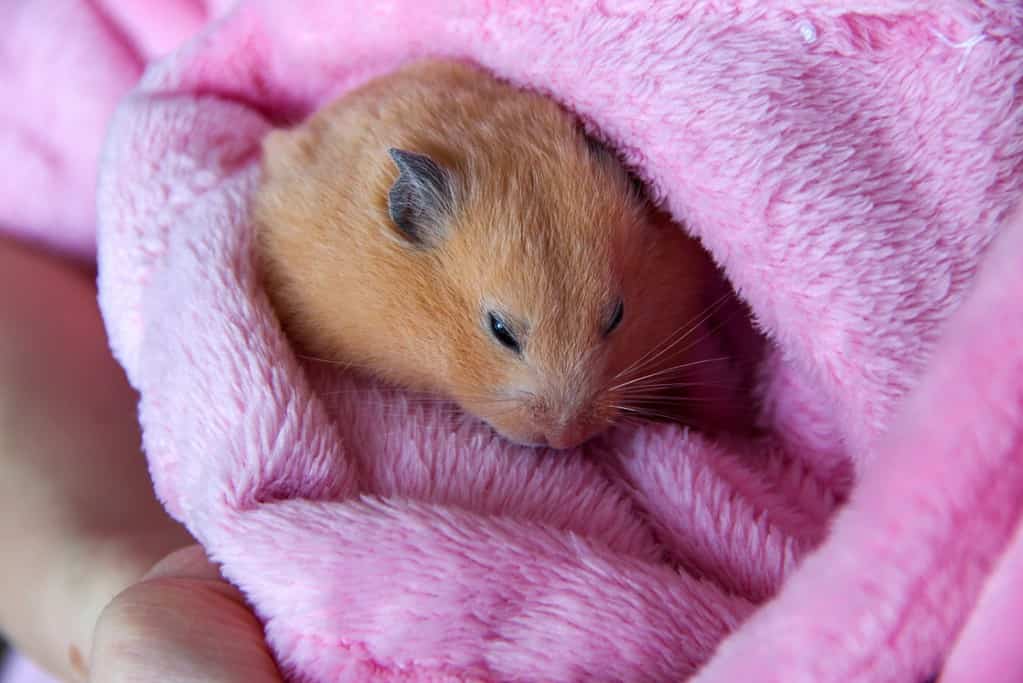
A hamster in a deep state of inactivity will be limp and unresponsive to both touch and sound. You may find them curled up into a ball as they try to keep warm.

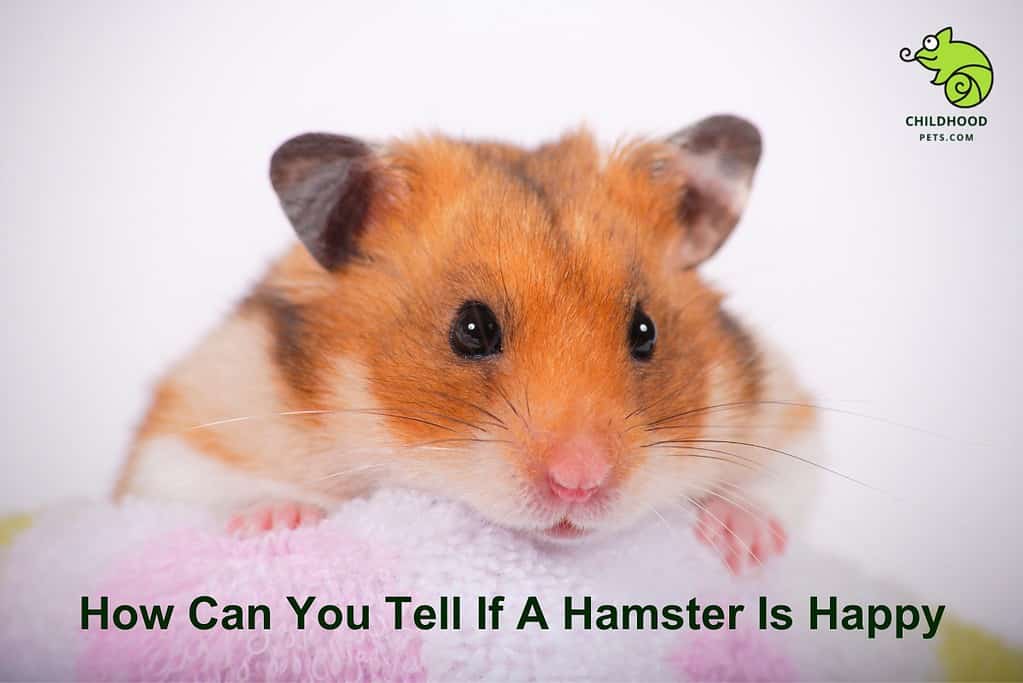
How Can You Tell If A Hamster Is Happy

Hamsters make great pets for their friendly companionship. It’s important to keep our adorable little furballs content and happy, so it’s essential to understand the signs of a satisfied hamster. But how can you tell if your hamster is feeling happy?

As a general rule, a happy hamster will usually appear content with handling and playing, be alert and attentive, have a clean fur coat, maintain a healthy weight, show a good appetite, play with toys, and have normal sleep habits. They also enjoy exploring their environment and engaging in exercise. 

In this article, we will discuss some of the signs that you can look for to tell if your hamster is happy. So without further ado, let’s take a closer look at what these signs could be!

8 Subtle Signs Of A Happy Hamster

Hamsters make great pets, and it is important to look for signs of contentment in order to ensure their well-being. Here are some key indicators that your hamster is content. The more of these signs you spot, the happier your hamster is likely to be.

1. Contentment with Handling and Playing

A happy hamster will be content when being handled, and it will also enjoy playing with its owner. They should not become stressed or scared when they are held but instead should show signs of curiosity and pleasure. It may even make quiet chirping noises as a sign of pleasure.

2. Active and Alert

A healthy, happy hamster will be very active and alert. It should enjoy exploring its environment, playing with toys, and foraging for food. You may also see it digging and rearranging its bedding material which is a sign that it feels content in its home. 

Hamsters are nocturnal creatures, so they may be more active at night but should still be alert and engaged during the day. If your hamster is lethargic or uninterested in its environment, it could be a sign that it is not content.

3. Clean Fur Coat

Hamsters groom themselves often and enjoy keeping their fur clean and tidy. A healthy hamster will have a glossy, clean fur coat. It should be free from matted clumps of fur and dirt, which could indicate poor grooming habits or a lack of interest in its environment. If your hamster is not keeping its coat as clean as it should be, this could indicate that it is unhappy.

4. Healthy Weight

A healthy hamster will maintain a consistent weight and not appear too skinny or overweight. If you notice your hamster looks like it has gained or lost a significant amount of weight, then it could be a sign that something is wrong.

5. Good Appetite

Hamsters with a good mood will usually have a healthy appetite, and they will eat all of the food that has been given to them. Generally, happy hamsters will be quite enthusiastic when it comes to their food, and they will consume it quickly. This is usually a sign that they are feeling content in the environment that they are currently living in.

6. Normal Sleep Habits

Hamsters like to sleep during the day and stay up at night. However, they should not be sleeping excessively in either direction. If you notice your hamster sleeping more than usual, it may be a sign of depression or illness.

7. Playing With Toys

Hamsters love to play with their toys! If they are actively engaging with the toy, like squeaking, nibbling, or pushing it around, then they are likely having a good time. Signs of happiness can also include purring and even running on the wheel. These behaviors indicate that your hamster is feeling happy and relaxed in their home.

8. Enjoyment of Exercise and Exploration

When happy, hamsters will enthusiastically explore their surroundings and engage in regular exercise. They’ll be full of energy and curiosity during playtime, a sure sign that they feel content and secure. If you notice such signs, your hamster is likely very happy.

How Can I Tell If My Hamster Is Not Happy?

Hamsters can be notoriously difficult to read, but there are a few key signs that your hamster may not be feeling its best. Some of these include changes in behavior and physical appearance. Here are some signs to look out for that may indicate your hamster is unhappy.

  • Signs of stress, such as hunching over and not wanting to interact with humans or other animals, can indicate unhappiness in your hamster.
  • If your hamster displays aggressive behavior like biting when handled or trying to escape, this could be a sign that it is unhappy.
  • Lack of energy or enthusiasm in playing, eating, and performing other activities is an indication that your hamster may be feeling down.
  • If your hamster has stopped grooming itself as much, this could also indicate sadness.
  • Reduced appetite, a decrease in water consumption, and increased sleeping hours can all be signs of unhappiness in hamsters.
  • Changes in behavior, such as pacing or hiding more than usual, can also be signs that your hamster is not feeling content and happy.

What Can I Do To Ensure My Hamster Is Happy?

When it comes to hamster care, ensuring your pet is happy and healthy should be a top priority. There are several steps you can take to make sure your hamster is having the best life possible.

1. Provide Adequate Space

Hamsters need plenty of room to run and explore. A large wheel, bedding, toys, tunnels, and other accessories should be provided in the cage. Make sure your hamster’s home is cleaned regularly and that there is enough ventilation and light.

2. Ensure Proper Nutrition

Feeding your hamster a balanced diet is essential for its health. Provide them with plenty of fresh vegetables, fruits, and grains, as well as high-quality lab blocks or seed mix. Avoid giving your hamster too many sugary treats and processed food.

3. Stimulate With Toys And Activities

Hamsters love to run and play, so providing them with plenty of toys and activities is important. Wooden blocks, tunnels, chew sticks, and balls are great ways to keep your furry friend active and engaged. 

To ensure your hamster never gets bored, try changing up the selection of toys every few weeks. This will give them something new and exciting to explore.

4. Offer Regular Handling And Socialization

Handle your hamster regularly, providing it with frequent socialization to build a trusting bond. Be gentle – sudden movements or loud noises can startle them. With patience and care, you two will form a lasting connection.

Wrapping Up

Your hamster’s happiness is essential for its health and longevity. Make sure they have a spacious enclosure, nutritious food, enriching toys, regular handling, and socialization – then you can ensure your pet has a safe and enjoyable home. With the right care and attention, you can keep your hamster content for years to come.

If you have any tips or tricks for keeping your hamster happy and healthy, we’d love to hear about them in the comments! 

Frequently Asked Questions

What is normal hamster behavior?

Normal hamster behavior varies from individual to individual but generally includes running on its wheel, foraging for food in its habitat, and exploring objects in its environment. They should be active during the day and sleep at night. Hamsters also like to groom themselves with their paws and use their teeth to chew on things. 

How do hamsters show you affection?

Hamsters can show affection by running to you when they hear your voice, snuggling up to you when being held, and sniffing or licking your hand. They can also recognize their owners through smell and may become excited when they see them. 

Do hamsters like being in a cage?

Yes, hamsters generally feel safe and secure in their cage. However, it is important to provide them with plenty of space to explore and access to toys and other objects that are enriching for their environment.

Do hamsters like being in a ball? 

Some hamsters may enjoy being in a ball, while others may not. It is important to monitor your hamster when they are in the ball and ensure that it isn’t too big for them to move around easily. If your hamster seems stressed or anxious, it is best to avoid using the ball.