Recent Posts

Are Cockatiels for Beginners? A Vet’s Comprehensive Guide

Cockatiels, with their vibrant crests and playful personalities, have captured the hearts of bird enthusiasts worldwide. Originating from the wilds of Australia, these birds have become one of the most beloved pet choices across the globe. But the question that often arises is, are they suitable for beginners?

As a general rule, cockatiels are considered one of the best birds for first-time bird owners due to their friendly nature and manageable care requirements. Their sociable demeanor, combined with a moderate lifespan, makes them an ideal companion for those new to avian care. 

Ready to dive deeper into the world of cockatiels? Whether you’re considering adopting one or just curious about these chirpy charmers, this guide will provide you with all the insights you need. So, buckle up and let’s embark on this feathery journey together!

Cockatiel Overview

Before we dive into the nitty-gritty of cockatiel care, let’s take a moment to appreciate the unique qualities that make these birds such a popular choice among pet owners.

Characteristics of Cockatiels

Cockatiels are truly one of a kind. Here’s a quick snapshot of what makes them stand out:

  • Intelligent and Social: These birds are quick learners and thrive on social interaction. They’re known to mimic sounds and even pick up a tune or two!
  • Affectionate Nature: With proper care and bonding, cockatiels can become incredibly affectionate, often seeking out your company and even enjoying a gentle head scratch.
  • Bonding with Humans: Given time and patience, cockatiels form strong bonds with their human companions. It’s not uncommon for them to perch on your shoulder or follow you around the house.
  • Challenges with Females: Female cockatiels are known to lay eggs, even without a male partner. This can pose certain health risks, so it’s essential to be informed and prepared.
  • Sensitive Respiratory Systems: Just like us, cockatiels can be sensitive to certain environmental factors. It’s crucial to keep their living space free from potential irritants.

Physical Characteristics

Cockatiels are not just about their charming personalities; they also boast some impressive physical traits:

  • Lifespan: With proper care, these birds can live up to 25 years. That’s a long-term commitment!
  • Size: A fully-grown cockatiel measures between 11 to 14 inches from head to tail.
  • Diet: Primarily grain-eaters, cockatiels thrive on a diet rich in seeds, pellets, and fresh produce.
  • Healthy Weight: 70-120g

Cockatiel Care Essentials

Now that we’ve covered the basics, let’s delve into the essential care tips that will ensure your cockatiel leads a happy, healthy life.

Cockatiel Supply Checklist

When setting up a home for your cockatiel, preparation is key. Here’s a handy list to ensure you’ve got everything covered:

  1. Habitat: Ensure it’s spacious enough for your bird to move around comfortably.
  2. Food: Invest in high-quality cockatiel food that caters to their grainivorous diet.
  3. Water Dishes: Fresh water is a must, changed daily.
  4. Perches: Offer a variety of sizes and materials to keep those tiny feet healthy.
  5. Toys: Cockatiels are playful creatures; keep them entertained with a range of toys.
  6. Bird Bath: Regular baths help keep their feathers in tip-top shape.
  7. Grooming Supplies: From nail clippers to misting bottles, have your grooming essentials on hand.
  8. UV Light: Essential for their overall well-being, especially if they don’t get natural sunlight.

Setting Up the Cockatiel Habitat

Creating the perfect environment for your cockatiel is crucial. Here’s what you need to know:

  • Dimensions: The bigger, the better. Ensure your bird has ample space to stretch and play.
  • UV Light: While natural sunlight is best, a UV light can supplement their need for Vitamin D.
  • Bedding: Opt for easy-to-clean options that help maintain a hygienic living space.
  • Décor and Accessories: From perches to toys, make sure your cockatiel has everything they need to feel at home.

Table: Essential Cockatiel Habitat Items

ItemDescription
Habitat SizeSpacious enough for free movement. Recommended: 24” L x 24” W x 24” H
UV LightAids in Vitamin D production.
BeddingEasy-to-clean options like habitat paper.
PerchesVariety in size and material.
ToysEngage their playful nature.
Food & WaterFresh daily supply.
Bird BathHelps in grooming.

Cockatiel Diet & Nutrition

Feeding your cockatiel the right diet is like giving them the keys to a long, healthy life. It’s not just about filling their food dish; it’s about understanding their nutritional needs.

Recommended Foods for Cockatiels

  • Birdseed and Food Pellets: These should form the core of your cockatiel’s diet. Opt for high-quality brands that cater specifically to cockatiels.
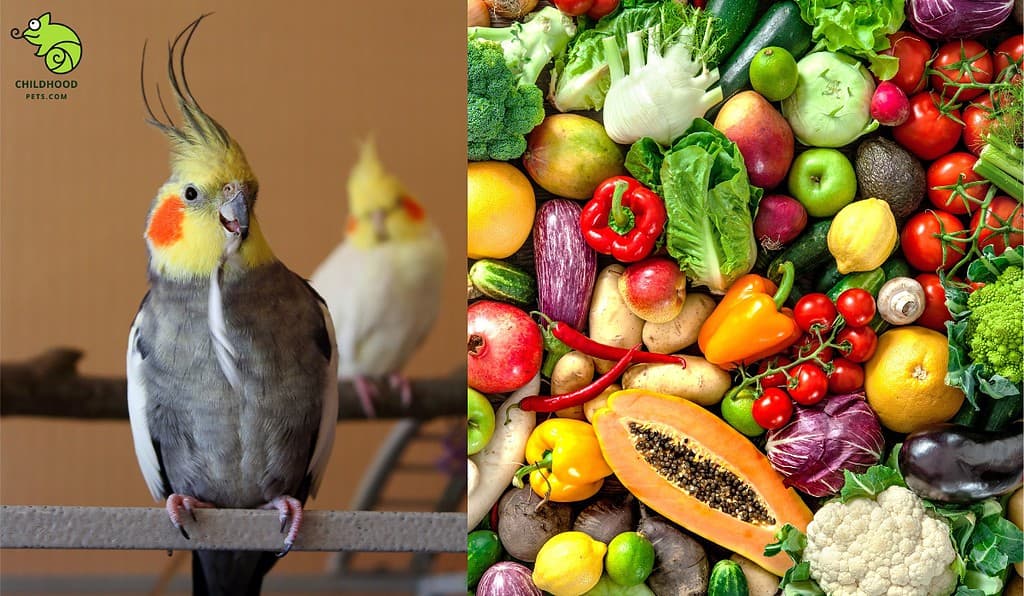
  • Vegetables: Think leafy greens like spinach, kale, and broccoli. They’re packed with essential vitamins and minerals.
  • Fruits: Apples, bananas, and berries are a hit! Just remember to remove any seeds and wash them thoroughly.

Foods to Avoid:

  • Avocado: It might be a superfood for us, but it’s toxic to cockatiels.
  • Chocolate: This is a no-go for most pets, cockatiels included.
  • Caffeine: Keep your coffee and tea away from your feathered friend.
  • Salty or fatty foods: These can lead to health issues in the long run.

Cockatiel Grooming & Care

Grooming isn’t just about keeping your cockatiel looking pretty; it’s about their health and comfort. From their wings to their beaks, each part requires special attention.

Dangers of Nonstick Cookware: You might love that nonstick pan, but the fumes it releases when overheated can be harmful to your cockatiel. Always ensure good ventilation and consider alternatives.

Wing Clipping: It’s a controversial topic. While some believe it’s essential for safety, others feel it takes away the bird’s natural ability. I recommend discussing this with your vet to make an informed decision.

Bathing and Nail Care: Regular baths help keep their feathers clean, and nail trimming ensures they don’t get too long and cause discomfort.

Beak Maintenance: A healthy beak is crucial. Offering cuttlebones can help them naturally maintain their beak’s shape and health.

Table: Cockatiel Grooming Tasks and Recommendations

Grooming TaskFrequency/Recommendation
Wing ClippingDiscuss with vet; typically semi-annually
BathingOnce a week or as needed
Nail TrimmingEvery 4-6 weeks or as needed
Beak MaintenanceOffer cuttlebones regularly

Cockatiel Behavior and Training

Understanding the behavior of cockatiels is essential for a harmonious relationship. These birds are known for their intelligence and can be trained to perform various tricks and commands.

  • Vocalizations: Cockatiels are known for their diverse range of sounds. From whistles to chirps, each sound can indicate a different emotion or need.
  • Biting: Like all birds, cockatiels might bite when threatened or scared. It’s essential to understand the cause and address it appropriately.
  • Training: With patience and consistency, cockatiels can be trained to step up onto your hand, whistle tunes, and even do simple tricks. Positive reinforcement, like treats or praise, works best.
  • Social Needs: Cockatiels are flock animals in the wild, so they thrive on interaction. If you have a single bird, ensure you spend quality time with them daily.

Cockatiel Enrichment and Play

Keeping your cockatiel mentally stimulated is crucial for their well-being. Boredom can lead to behavioral issues like feather plucking.

  • Toys: Rotate toys regularly to keep things fresh and exciting. Opt for toys that challenge their mind, like puzzle toys or foraging toys.
  • Playtime: Allow your cockatiel out of their cage daily for supervised playtime. This helps them stretch their wings and explore.
  • Music and Sounds: Many cockatiels enjoy listening to music or the radio. It can be a source of entertainment when you’re not around.

Common Cockatiel Health Issues

Like all pets, cockatiels can face specific health challenges. Being aware can help you address them promptly.

  • Feather Plucking: This can be due to stress, boredom, or underlying health issues.
  • Respiratory Issues: As mentioned, cockatiels have sensitive respiratory systems. Ensure their environment is free from drafts, smoke, and strong scents.
  • Parasites: Regularly check your cockatiel for signs of mites or lice.
  • Dietary Issues: An imbalanced diet can lead to problems like vitamin deficiencies or obesity.

Understanding Cockatiel Communication

One of the most fascinating aspects of owning a cockatiel is their ability to communicate. While they may not speak our language, cockatiels have a rich vocabulary of their own.

  • Body Language: A cockatiel’s body language can tell you a lot about their mood. A raised crest often indicates excitement or curiosity, while a flattened one might mean they’re scared or agitated. Tail fanning, on the other hand, can be a sign of annoyance or a warning.
  • Vocal Cues: Beyond their ability to mimic sounds, cockatiels use various chirps, whistles, and calls to communicate. A content cockatiel might whistle or sing, while a sharp, repeated chirp could indicate distress or a demand for attention.

Bonding with Other Pets

If you have other pets, it’s essential to introduce them slowly and under supervision.

  • Cats and Dogs: Always supervise interactions. While some dogs or cats might be indifferent or friendly, there’s always a risk due to their predatory nature.
  • Other Birds: If you’re considering getting another bird, quarantine the new arrival first to ensure they’re disease-free. Introduce them slowly and monitor their interactions.

The Importance of Socialization

Cockatiels are inherently social creatures. In the wild, they live in flocks, and this social nature carries over to their life as pets.

  • Early Socialization: For those considering a young cockatiel, early socialization is crucial. Regular handling, gentle petting, and positive interactions can help shape a well-adjusted, friendly bird.
  • Multiple Cockatiels: If you’re considering getting more than one cockatiel, it’s essential to understand their dynamics. While they can enjoy the company, introductions should be gradual and monitored to ensure compatibility.

Safety Precautions for Cockatiels

While cockatiels are hardy birds, they’re also curious, which can sometimes lead them into trouble.

  • Household Dangers: Many common household items can be hazardous to cockatiels. These include certain houseplants, scented candles, and even some cleaning products. It’s essential to bird-proof your home and be aware of potential dangers.
  • Escape Risks: Cockatiels are adept fliers. Ensure windows and doors are closed during out-of-cage time, and consider a safe outdoor enclosure if you want them to experience the outdoors.

Breeding Cockatiels: Is It For Beginners?

Breeding cockatiels can be a rewarding experience, but it’s not necessarily recommended for beginners.

  • Understanding the Process: Breeding requires a deep understanding of cockatiel behavior, genetics, and health. It’s not just about putting a male and female together; it’s about ensuring healthy offspring and caring for the parents.
  • Responsibility: Breeding also means being responsible for the chicks. This includes hand-feeding, regular health checks, and finding suitable homes.

The Emotional Bond: Cockatiels and Their Owners

The bond between a cockatiel and its owner is genuinely special. These birds are not just pets; they become family.

  • Building Trust: Trust is the foundation of your relationship with your cockatiel. It’s built over time with patience, understanding, and consistency.
  • The Joy of Companionship: Many cockatiel owners speak of the joy their birds bring into their lives. From morning greetings to evening cuddles, the bond is evident in the daily interactions.

Cockatiel Veterinary Care

Just like you’d visit a doctor for regular check-ups, your cockatiel needs the same attention from a vet. Regular visits can help catch potential issues early on.

Annual Vet Visits: These are a must. It’s a chance for the vet to do a thorough check-up and ensure your bird is in top shape.

Signs of a Healthy Cockatiel: Bright eyes, clean feathers, and an active demeanor are all good signs. But it’s also essential to be aware of any changes in their behavior or appearance.

When to Call a Vet:

  • Change in droppings
  • Loss of appetite
  • Lethargy or change in behavior
  • Respiratory issues or difficulty breathing
  • Any visible injuries

Conclusion

Having a cockatiel is like having a little ray of sunshine in your home. Their chirps, their antics, and their affection can brighten up the gloomiest of days. But, like all pets, they come with responsibilities. By ensuring the right diet, grooming, and medical care, you’re not just taking care of a bird; you’re nurturing a bond that can last for years. So, to all the cockatiel parents out there, I appreciate you for the love and care you shower on these feathered wonders. And if you ever have a story or tip to share, drop it in the comments below. Sharing is caring, after all!
The Right Cockatiel Cage Size: A Vet’s Guide

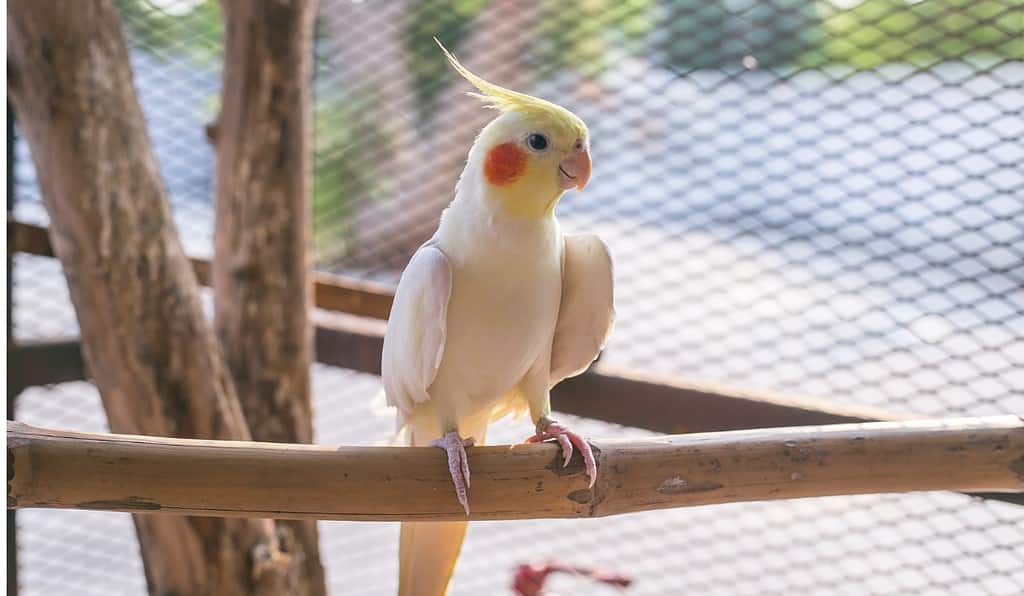
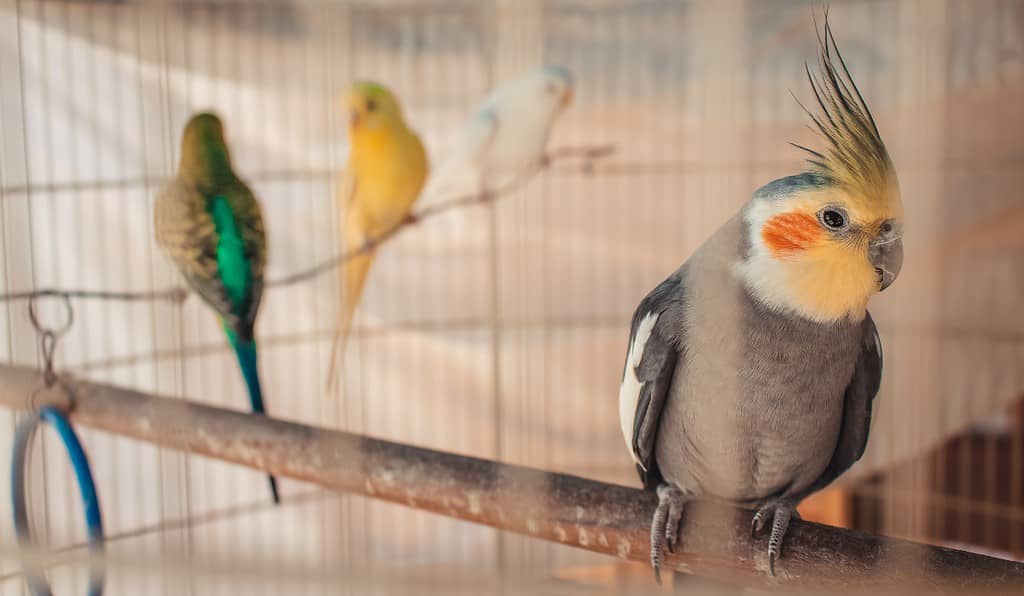
Every cockatiel owner knows that these vibrant and lively birds, with their distinctive crests and playful nature, deserve the best care. Yet, many might be surprised to learn that the size of their cage plays a pivotal role in their overall well-being. A cramped space can lead to stress, obesity, and even behavioral issues, while a spacious environment can make them chirpier and more lively.

As a general rule, the ideal cage size for a single cockatiel should be a minimum of 24x24x24 inches, ensuring they have ample space for movement, toys, and perches. For pairs or special needs like breeding, the dimensions vary, but the underlying principle remains: bigger is usually better.

Ready to dive deeper into the world of cockatiel habitats? Let’s explore the nuances of cage sizes, materials, and other essentials to ensure your feathered friend lives a happy, healthy life.

Understanding the Importance of Cage Size

As we delve deeper into the world of cockatiels and their habitats, it’s essential to grasp the nuances of cage sizes and their implications.

Why Size Matters

Imagine being confined to a small room where you can barely stretch your arms, let alone walk around. That’s how a cockatiel feels in a cramped cage. Providing ample space is essential for their movement and flight, ensuring they remain active and healthy. Moreover, the size of the cage directly correlates with a bird’s well-being. A spacious environment reduces stress, prevents obesity, and promotes natural behaviors, making your feathered friend chirpier and more lively.

Recommended Sizes for Different Needs

NeedDimensions (W x L x H)Special Considerations
Single cockatielMinimum 24x24x24 inchesEnsure enough space for toys and perches. Metal cages that are powder coated with non-toxic material are best.
Pair of cockatielsAt least 24x24x36 inchesAmple space for both birds to move freely. Metal cages are preferable as cockatiels tend to chew on things.
Flight cages48 inches wide, 144 inches long, and 96 inches high. Designed for free flight and exercise. Wider cages are preferable as cockatiels fly side to side.
Travel cages12 inches wide and highTemporary; ensure it’s secure and well-ventilated.
Breeding cages20 x 20 x 50 inchesMust accommodate nesting and chick-rearing. Cockatiels only need nesting material if they are a breeding pair.

Note: The dimensions provided are based on my experience. Always consider your bird’s individual needs and consult with a vet or bird specialist when in doubt.

Cage Setup Essentials

Every bird enthusiast knows that setting up a cage goes beyond just dimensions. It’s about creating a comfortable, stimulating, and safe environment for your feathered friend.

Placement

The location of your cockatiel’s cage plays a pivotal role in their overall well-being. It’s crucial to place the cage in a well-ventilated location, ensuring that it’s away from drafts and direct sunlight. These factors can cause discomfort and even health issues for your bird. Additionally, placing the cage at eye level promotes better socialization. It allows your cockatiel to feel like a part of the family, observing and interacting with the daily happenings of the household.

Perches

Perches aren’t just resting spots for your bird; they play a significant role in their foot health. Offering a variety of perches with different diameters ensures that your cockatiel exercises its feet, preventing potential health issues.

Natural perches: These are often branches or wooden pieces that mimic the bird’s natural environment. They are excellent for foot exercise and come in varying diameters.

Benefits:

  • Mimics natural environment.
  • Provides varying diameters for foot exercise.
  • Often has a rough texture, which is good for nail health.

Artificial perches: Made from materials like plastic or rubber. While they can be easier to clean, they might not offer the same benefits as natural ones.

Benefits:

  • Easy to clean and maintain.
  • Can be more durable than natural perches.
  • Available in various colors and designs to match cage aesthetics.

Food and Water Arrangements

Your cockatiel’s health is directly influenced by its diet. Here’s how to ensure proper food and water arrangement in the cage:

  1. Placement: Position food and water bowls at a height that’s easily accessible to your bird, but away from perches to prevent contamination.
  2. Quality: Always provide fresh water and high-quality bird food. Remember, a balanced diet ensures a happy and healthy cockatiel.
  3. Cleaning: Clean the bowls daily to prevent bacterial growth. Stale food and dirty water can lead to diseases.
  4. Variety: Occasionally introduce fruits and vegetables to provide essential nutrients.
  5. Observation: Monitor your bird’s eating habits. Any sudden change can be an indicator of health issues.

Toys and Entertainment

A stimulated bird is a happy bird. Toys play a crucial role in providing mental stimulation and preventing boredom.

  • Chewable toys: Made of safe materials that birds can nibble on. Helps in beak maintenance.
  • Interactive toys: These toys require the bird to solve a puzzle or perform an action to get a reward, often a treat.
  • Bells and rattles: Birds love sounds. These toys can keep them entertained for hours.
  • Mirrors: While some birds enjoy the company of their reflection, be cautious as some cockatiels might mistake their reflection as another bird and become aggressive.

Cage Maintenance and Cleaning

A clean cage is paramount for your bird’s health. Regular maintenance ensures that your cockatiel is free from diseases and feels comfortable in its environment.

  1. Daily cleaning: Remove any uneaten food, droppings, and replace the cage lining daily.
  2. Weekly deep cleaning: Once a week, take out all the toys, perches, and bowls for a thorough cleaning. Use warm water and a mild detergent.
  3. Monthly disinfection: At least once a month, disinfect the entire cage using a bird-safe disinfectant.
  4. Toys and perches: Clean them regularly and check for any signs of wear and tear. Damaged toys can harm your bird.
  5. Avoid strong chemicals: Always opt for antibacterial bird sprays that are non-toxic for them.

Remember, your bird’s cage is its home. It’s where they retire at night, feeling safe and secure. Regular maintenance ensures that this sanctuary remains pristine, ensuring the happiness and health of your beloved cockatiel.

Other Important Considerations

As we continue our journey into the world of cockatiels, there are a few more essential factors to consider. These elements, while sometimes overlooked, play a crucial role in ensuring the safety, comfort, and longevity of your bird’s habitat.

Bar Spacing

The spacing between the bars of a cage is more than just an aesthetic choice; it’s a safety measure. The right spacing ensures that your cockatiel doesn’t get injured or find an escape route.

AspectHorizontal BarsVertical Bars
SafetyLess chance of head getting trappedHigher risk of injury
ClimbingEasier for cockatiels to climbCan be challenging for climbing
VisibilityBetter visibility for the birdSlightly obstructed view
CleaningEasier to cleanMight require more effort

Material and Durability

The material of the cage is paramount not just for durability but also for the safety of your cockatiel.

  • Stainless Steel: Resistant to rust, easy to clean, and highly durable.
  • Iron: Durable but requires a protective coating to prevent rust.
  • Aluminum: Lightweight and rust-resistant but might be less sturdy than steel.
  • Avoid certain plastics: Some plastics can be harmful if ingested, so always ensure the cage materials are bird-safe.

Safety and Security

Cockatiels are intelligent creatures, and their inquisitive nature can sometimes lead them to explore ways to open their cages. Here’s how to ensure their security:

  • Sturdy Locks: Always opt for cages with reliable locking mechanisms.
  • Double Latches: These provide an added layer of security.
  • Regular Checks: Periodically inspect the cage for any wear or damage that might offer an escape route.
  • Positioning: Place the cage in an area free from potential hazards like other pets or open windows.

Conclusion

Choosing the right cage for your cockatiel is a labor of love. It’s about ensuring their safety, comfort, and happiness. Over the years, I’ve seen the difference the right environment can make in a bird’s demeanor and health. It’s a testament to the bond between a pet and its owner. So, as you embark on this journey, remember that every choice you make is a step towards a happier, chirpier companion. I’d love to hear your thoughts and experiences, so please share them in the comments below and spread the word if you found this guide helpful!

Avoid Mistakes in Choosing a Cockatiel Cage: Vet Tips

Did you know that the size of a cockatiel’s cage can significantly impact its overall well-being? Just like humans need space to stretch and move, these vibrant birds require room to flutter, play, and express their natural behaviors. A cramped cage can lead to a host of issues, from stress to health problems.

As a general rule, choosing the right cage for a cockatiel involves more than just looking at dimensions. It’s about ensuring their safety, comfort, and happiness. Common mistakes include overcrowding with toys, placing the cage near drafts, and using abrasive liners like sandpaper. Avoiding these pitfalls is crucial for your feathered friend’s well-being.

Ready to dive deeper and ensure your cockatiel has the best home possible? Stick around as we explore essential vet tips to avoid common mistakes in setting up a cockatiel cage. Your birdie buddy will thank you with cheerful chirps and joyful jives!

The Ideal Cockatiel Cage Size

Size matters, especially when it comes to your cockatiel’s cage. These birds are active and need space to flutter, play, and stretch those wings. The size of the cage directly impacts their well-being. A cage that’s too small can lead to stress, boredom, and even health issues. Remember, cockatiels have long tail feathers, which means they require both width and height in their living space.

For a single cockatiel, the cage should be at least 24 inches high, wide, and long. This size ensures that the cage is at least 1.5 to 2 times the total wingspan of the bird, considering cockatiels can have a 12-inch wingspan. For two cockatiels, a cage should be at least 24 inches high, 24 inches wide, and 36 inches tall. These birds are social creatures, and if you’re housing a pair, they’ll need that extra space to coexist happily.

Comparison of Cage Sizes for Cockatiels:

Number of CockatielsMinimum Size (HxWxL)Recommended Size (HxWxL)Ideal Size (HxWxL)
Single24x24x24 inches27x27x27 inches30x30x30 inches
Pair24x24x36 inches30x30x40 inches36x36x48 inches

Remember, these are just guidelines. If you can provide a larger space for your cockatiel, by all means, do so. A bigger cage allows them to remain active throughout the day, promoting better mental and physical health.

Consequences of a Poorly Chosen Cage

Choosing the wrong cage can have dire consequences for your cockatiel. I’ve witnessed many cases where birds, confined to inadequate cages, developed behavioral and health issues.

Top 5 consequences of a poorly chosen cage:

  1. Stress and Anxiety: A cramped cage can make your bird feel trapped, leading to increased stress levels.
  2. Feather Plucking: Due to boredom or stress, cockatiels might start plucking their own feathers, a sign of distress.
  3. Behavioral Issues: A lack of space and stimulation can lead to aggressive or depressive behaviors.
  4. Physical Health Problems: Inadequate space can lead to obesity and muscle atrophy due to lack of movement.
  5. Reduced Lifespan: All the above factors can contribute to a reduced lifespan for your beloved pet.

In the end, your cockatiel’s well-being is in your hands. By investing time and effort into choosing the right cage, you’re ensuring a happy, healthy life for your feathered friend. Remember, it’s not just a cage; it’s their home.

Cage Sturdiness and Durability

When it comes to our feathered friends, cutting corners is a no-go. I’ve seen many bird enthusiasts get lured by the appeal of a cheaper cage, only to regret it later. It’s a classic case of “you get what you pay for.” Prioritizing price over quality might save you a few bucks initially, but it can cost you more in the long run. A flimsy cage can lead to accidents, escapes, or even injuries. I remember a case where a client of mine bought a seemingly good deal cage online. Within weeks, the cage bars bent, allowing her cockatiel to escape. It was a traumatic experience for both the bird and the owner.

Investing in a sturdy cage is not just about durability; it’s about the safety and well-being of your cockatiel. A robust cage ensures that your bird has a secure environment, free from potential hazards.

Top 5 signs of a durable cage:

  • Stainless Steel Construction: Unlike other materials, stainless steel doesn’t rust, ensuring longevity.
  • Thick Bars: The thicker the bars, the harder they are to bend or break.
  • Secure Locks: A durable cage will have locks that are both bird-proof and child-proof.
  • Stable Base: A sturdy cage won’t wobble or tip over easily.
  • Quality Craftsmanship: Look for cages with good welds, smooth finishes, and no sharp edges.

Essential Cockatiel Cage Accessories

Now that we’ve covered the importance of a sturdy cage, let’s dive into the accessories that’ll turn that cage into a comfortable home for your cockatiel.

High-Quality Perches

Perches are to birds what sofas are to us – essential! However, not all perches are created equal. Dowel perches, often the default in many cages, are not the best choice. They offer little variation for your bird’s feet, which can lead to discomfort or even health issues over time. Natural wood perches, on the other hand, provide varying diameters that are much better for your cockatiel’s feet. They also give a more natural and comfortable grip.

When placing perches, consider your bird’s comfort and the cleanliness of the cage. You wouldn’t want droppings to fall into their food or water bowls.

Step-by-step process of selecting and placing the right perches:

  1. Choose the Right Material: Opt for natural wood over dowel perches.
  2. Vary the Sizes: Different diameters exercise different parts of your bird’s feet.
  3. Avoid Overcrowding: Ensure there’s enough space for your bird to move between perches.
  4. Strategic Placement: Place perches away from food and water bowls to maintain cleanliness.
  5. Regularly Inspect: Check for wear and tear and replace when necessary.

Stainless Steel Food & Water Bowls

Your cockatiel’s food and water bowls are more than just containers; they’re crucial for their health. Stainless steel bowls are superior to plastic ones. They’re more durable, easier to clean, and don’t harbor bacteria as easily.

Pros and Cons of Stainless Steel vs. Plastic Bowls:

FeatureStainless SteelPlastic
DurabilityHighModerate
Ease of CleaningEasyCan stain
Bacteria ResistanceHighLow
CostSlightly HigherMore Affordable
Aesthetic AppealModern LookVaries

When placing bowls, think about accessibility and cleanliness. You don’t want your bird to struggle to reach their food or water, and you certainly don’t want droppings contaminating their meals.

Enriching Bird Toys

Toys are not just playthings for your cockatiel; they’re essential for their mental stimulation. A bored bird can become a stressed bird, and toys can prevent that. From shredding toys to foraging toys, there’s a wide variety to choose from.

Top 5 most popular bird toys and their benefits:

  • Shredding Toys: Great for beak health and satisfy the bird’s natural urge to chew.
  • Foraging Toys: Stimulate your bird’s mind by making them work for their treats.
  • Swings and Ladders: Provide exercise and fun.
  • Mirrors: Some cockatiels love the company of their own reflection.
  • Bell Toys: Engage your bird’s sense of hearing and curiosity.

Remember, the key is variety. Rotate toys regularly to keep your cockatiel’s environment stimulating and fresh.

Cage Liner

The base of your cockatiel’s cage is more than just a floor; it’s a place that collects droppings, discarded food, and feathers. Keeping this area clean is crucial for your bird’s health. Using the right cage liner can make this task a breeze. While many might be tempted to use sand or other substrates, paper or newspaper is often the best choice. It’s easy to replace, inexpensive, and doesn’t pose a risk if ingested.

Alternative cage liner materials and their pros/cons:

Sandpaper:

  • Pros: Helps keep nails trimmed.
  • Cons: Can be abrasive to bird’s feet; not very absorbent.

Wood Shavings:

  • Pros: Natural look; some types are absorbent.
  • Cons: Some woods (like cedar) can be toxic; potential ingestion risk.

Corn Cob:

  • Pros: Absorbent; natural.
  • Cons: Can mold if wet; potential ingestion risk.

Gravel:

  • Pros: Easy to clean; natural look.
  • Cons: Potential ingestion risk; not very absorbent.

Astroturf:

  • Pros: Reusable; provides grip.
  • Cons: Needs regular cleaning; can harbor bacteria if not cleaned properly.

When choosing a liner, think about ease of cleaning, safety, and what works best for your specific setup.

Cuttlebone

If you’ve ever wandered down the bird aisle in a pet store, you’ve likely seen cuttlebones. These aren’t just for decoration; they’re an essential dietary supplement for your cockatiel. Cuttlebones provide necessary calcium and minerals that help in beak and feather formation. They also serve as a fun thing for your bird to peck at.

Comparison of Different Types of Cuttlebones and Their Benefits:

TypeBenefitsBest For
Natural CuttleboneProvides essential calcium; helps trim beak.Birds of all ages; especially breeding females.
Flavored CuttleboneAll the benefits of natural, with added flavors to entice birds.Picky birds or those new to cuttlebones.
Mineral BlocksProvides calcium and other essential minerals.Birds needing additional mineral intake.
Cuttlebone with HolderEasy to attach to cages; prevents dropping.Those who want a no-mess option.
Colored CuttleboneFun colors can be enticing to some birds.Birds that are attracted to bright colors.

When choosing a cuttlebone, ensure it’s free from additives or contaminants. Position it in a place where your cockatiel can easily access it but away from areas where it might get soiled.

Mistakes to Avoid in Cage Setup

Setting up a cockatiel’s cage might seem straightforward, but there are pitfalls that even seasoned bird owners can fall into. I’ve seen it all in my years as a vet, from cages cluttered with unnecessary items to those placed right under an air conditioning vent.

Common mistakes in cage setup and how to avoid them:

  • Overcrowding with Toys: While toys are essential, too many can restrict movement. Ensure there’s ample space for your bird to fly and play.
  • Inadequate Lighting: Cockatiels need a good balance of light and dark for optimal health. Avoid placing the cage in direct sunlight or overly dark corners.
  • Near Drafts or Vents: A cage placed near windows, doors, or AC vents can expose your bird to drafts. Find a stable temperature spot.
  • Using Sandpaper as Liners: While it might seem like a good idea for keeping nails trimmed, sandpaper can be abrasive to your bird’s feet.
  • Ignoring Vertical Space: Cockatiels, with their long tail feathers, benefit from vertical space. Ensure the cage is tall enough for them to move comfortably.

Travel Cages: Setting Up for Short Trips

Traveling with a cockatiel can be a delightful experience, but it requires some preparation. Whether it’s a short trip to the vet or a longer journey, ensuring your bird’s comfort is paramount.

Step-by-step process of setting up a travel cage:

  1. Choose the Right Size: While it should be smaller than the primary cage, ensure it’s spacious enough for your bird to move comfortably.
  2. Ventilation is Key: Opt for a cage with ample ventilation to ensure fresh air circulation.
  3. Secure Food and Water Bowls: Ensure bowls are firmly attached so they don’t tip over during the journey.
  4. Include Familiar Toys: A familiar toy can provide comfort and reduce stress.
  5. Cover the Cage: Use a light cloth to cover the cage, shielding your bird from sudden visuals and providing a sense of security.

Conclusion

Choosing and setting up the perfect cage for your cockatiel is more than just a task; it’s a testament to the love and care you have for your feathered friend. Over the years, I’ve come to realize that the effort we put into ensuring our birds’ comfort directly reflects in their health, happiness, and the bond we share with them. I hope this guide helps you in making informed decisions for your cockatiel’s home. And if you’ve found this article helpful, why not share your thoughts in the comments? Or better yet, share it with fellow bird enthusiasts. Your cockatiel, with its chirpy tunes, will surely thank you!

Optimal Cockatiel Cage Size: A Vet’s Guide

Cockatiels, with their vibrant personalities and melodic chirps, have become one of the most beloved pets worldwide. But did you know that the size and placement of their cage can significantly impact their health and happiness? It’s not just about giving them a space; it’s about providing them with a home that caters to their unique needs.

As a general rule, the optimal cage size for a cockatiel should be large enough to allow them to spread their wings and move freely. This typically means a cage that’s at least 24 inches wide, 24 inches deep, and 24 inches tall. 

Ready to dive deeper? Whether you’re a seasoned bird owner or just starting your journey, this guide will provide you with all the insights you need to ensure your feathered friend has the perfect abode. Let’s take flight and explore the world of cockatiel cages!

Why Cockatiels Need a Proper Cage

A cage plays a pivotal role in a cockatiel’s life. Think of it as their personal sanctuary—a place where they eat, sleep, play, and feel safe. While we all love the idea of our birds flying freely around the house, it’s essential to provide them with a space they can call their own. This balance between freedom and safety is crucial. Just as we humans need our private space to retreat and rejuvenate, cockatiels too need their own little haven.

How Big Should a Cockatiel Cage Be?

Before diving into the specifics, it’s essential to understand that the size of the cage directly influences your bird’s quality of life. Let’s delve into the details.

Single Cockatiel

For those of you with a single cockatiel, the cage dimensions are crucial. Based on my experience and research:

Minimum dimensions for a single bird:

Cockatiel FeatureMeasurement
Height24 inches
Width24 inches
Length24 inches
WingspanUp to 12 inches

It’s vital to ensure that the cage is at least 1.5 to 2 times the total wingspan of the bird. Given that cockatiels can have a wingspan of up to 12 inches, the dimensions mentioned above are the bare minimum. Remember, a spacious cage allows your bird to remain active, stretch its wings, and engage in natural behaviors.

Cage Size for 2 Cockatiels

If you’re blessed with a pair of these chirpy companions, here’s what you need to know:

Recommended dimensions for housing two cockatiels:

  • Height: 36 inches
  • Width: 24 inches
  • Length: 24 inches

Benefits of housing two cockatiels together:

  • Companionship: Cockatiels are inherently social creatures. Having a companion ensures they have someone to interact with, reducing feelings of loneliness.
  • Mental Stimulation: Two birds will engage in mutual grooming, play, and communication, keeping them mentally stimulated.
  • Shared Warmth: Especially during colder months, two birds can snuggle up and share warmth.
  • Learning from Each Other: Whether it’s a new song or a trick, cockatiels often learn by observing their peers.
  • Potential for Breeding: If you have a male and female pair, there’s always the exciting possibility of baby cockatiels in the future!

Understanding the social nature of cockatiels is essential. They thrive on interaction, whether with their human caregivers or their feathered friends. Having a pair not only provides them with constant companionship but also enriches their lives in numerous ways. So, if you’re considering getting a cockatiel, maybe think about getting two! They’ll keep each other company when you’re not around, and you’ll have double the fun watching their antics.

Specialized Cages

As we delve deeper into the world of cockatiels, it’s essential to understand that not all cages are created equal. Depending on your bird’s needs and your specific circumstances, there are specialized cages designed to cater to various situations. Let’s explore these unique habitats and their purposes.

Flight Cages for Cockatiels

Flight cages, as the name suggests, are designed to give our feathered friends ample space to spread their wings and fly. These cages are particularly beneficial for cockatiels, known for their active nature and love for flying. By providing them with a flight cage, you’re essentially gifting them a slice of the wild, right in the comfort of your home.

For those considering indoor aviaries, a size of 27 inches in width and 24 inches in length is recommended. However, if you’re fortunate enough to have outdoor space and are thinking of setting up an outdoor aviary, aim for a width of 4 feet, a length of 12 feet, and a height of 8 feet. This ensures your cockatiels have ample space to indulge in their natural flying instincts.

Travel Cages

Whether you’re visiting the vet, going on a vacation, or simply taking your cockatiel to a friend’s house, travel cages come in handy. These cages are designed to be compact, lightweight, and secure, ensuring your bird’s safety during transit. A typical travel cage for cockatiels would be around 12 inches in width and height.

Tips for traveling with a cockatiel:

  1. Acclimatize Before the Journey: Before embarking on a long journey, let your cockatiel spend short durations in the travel cage to get accustomed to it.
  2. Keep the Cage Stable: Ensure the cage is securely placed in your vehicle to prevent unnecessary movement.
  3. Stay Calm and Talk to Your Bird: Your voice can be a source of comfort for your cockatiel during travel.
  4. Hydration is Key: Ensure your bird has access to fresh water throughout the journey.
  5. Avoid Direct Sunlight: Place the cage in a spot where it’s shielded from direct sunlight to prevent overheating.

Cockatiel Cage for a Breeding Pair

Breeding is a beautiful phase in a bird’s life, and having the right cage can make a world of difference. For a breeding pair of cockatiels, a cage with a width of 20 inches, a depth of 20 inches, and a height of 50 inches is ideal. This provides enough space for the birds to move around and for the addition of a nesting box.

Horizontal space is of utmost importance in breeding cages. It allows the birds to fly side by side, strengthening their bond. Moreover, it provides ample room for the chicks once they hatch, ensuring they have enough space to grow and thrive.

So, whether you’re a seasoned bird enthusiast or someone just starting on this journey, understanding the nuances of specialized cages can significantly enhance your cockatiel’s quality of life. After all, a happy bird means a happy you!

Essential Features of a Cockatiel Cage

While the size of a cockatiel cage is undeniably crucial, the features within the cage play an equally significant role in ensuring your bird’s happiness and well-being. Let’s dive into the nitty-gritty of what makes a cockatiel cage truly exceptional.

Bar Spacing

The spacing between the bars of a cockatiel cage is more than just an aesthetic choice; it’s a safety concern. Ideally, bar spacing should be up to ½ inches. Any wider, and you run the risk of your cockatiel attempting to squeeze through, potentially causing injury or even escape. On the flip side, bars that are too close together can restrict airflow and visibility, making the cage feel more like a prison than a home.

Material

The material of the cage is paramount for both durability and the safety of your feathered friend. Here are some common cage materials and their pros and cons:

Stainless Steel:

  • Pros: Rust-resistant, durable, non-toxic.
  • Cons: Can be pricier than other materials.

Powder-Coated Metal:

  • Pros: Resistant to rust, available in various colors, more affordable than stainless steel.
  • Cons: Birds with a habit of chewing might chip the coating, potentially ingesting harmful substances.

Galvanized Steel (before welding):

  • Pros: Affordable.
  • Cons: Can rust over time, potential zinc poisoning if the bird chews on it.

Plastic:

  • Pros: Lightweight, easy to clean.
  • Cons: Not as durable, birds can chew and break it.

Wood:

  • Pros: Natural look, can be chewed without harm.
  • Cons: Harder to clean, can harbor mites or bacteria.

When choosing a material, always prioritize your bird’s safety. Remember, what might work for one bird might not be suitable for another, especially if they have a habit of chewing on their cage.

Cleaning and Maintenance

A clean cage is a happy cage! Slide-out trays at the bottom of the cage can be a game-changer, making daily cleaning routines a breeze. By simply sliding out the tray, you can remove waste and uneaten food without disturbing your bird.

Steps for a weekly cleaning routine:

  1. Remove Your Bird: Place your cockatiel in a safe, temporary cage.
  2. Slide Out the Tray: Dispose of the waste and wash the tray with warm soapy water.
  3. Clean the Bars: Using a bird-safe disinfectant, wipe down the bars of the cage.
  4. Wash Food and Water Bowls: Ensure they’re free from any leftover food or debris.
  5. Inspect Toys and Accessories: Check for any signs of wear and tear.
  6. Sweep or Vacuum Around the Cage: This keeps the surrounding area clean.
  7. Return Your Bird: Once everything is dry and clean, place your cockatiel back in its cage.

Food and Water Arrangements

The placement of food and water bowls is more strategic than you might think. Ideally, they should be placed at the height of your bird’s chest. This position encourages movement as your cockatiel will climb to access its food and water. Additionally, placing bowls away from perches reduces the chances of contamination from droppings.

Accessories

Toys aren’t just for fun; they’re essential for your cockatiel’s mental stimulation. Here are some recommended toys and their benefits:

  • Chew Toys: Helps in beak trimming and provides a fun activity.
  • Mirrors: Cockatiels are social birds and often enjoy interacting with their reflection.
  • Swings and Ladders: Encourages physical activity and climbing.
  • Bells and Rattles: Provides auditory stimulation.
  • Foraging Toys: Mimics the act of searching for food, providing both mental and physical stimulation.

In addition to toys, consider adding various perches and climbing materials. Different textures and diameters of perches can help in foot exercise and prevent arthritis in the long run.

In essence, setting up the perfect environment for your cockatiel goes beyond just buying a cage. It’s about creating a space where they feel safe, entertained, and loved. With the right features and regular maintenance, you’re not just giving them a cage; you’re giving them a home.

Cockatiel Cage Placement

Finding the perfect cage is just the beginning. Where you place that cage in your home can make a world of difference to your cockatiel’s happiness and well-being. It’s like choosing between a room with a view or one facing a brick wall. Let’s explore the best spots and what to avoid.

Potential hazards to avoid when placing a cage:

  • Direct Sunlight: While cockatiels love a bit of sun, prolonged exposure can cause overheating.
  • Drafts: Avoid placing the cage near windows or doors where there might be drafts.
  • Kitchen: Fumes from cooking can be harmful. Plus, there’s the risk of hot splatters.
  • Toxic Plants: Some household plants can be harmful if ingested.
  • High Traffic Areas: Constant movement can stress out your bird.

When considering cage placement, always prioritize safety. A spot that allows your cockatiel to socialize with the family, without being in the midst of chaos, is ideal. Remember, a well-placed cage promotes bird well-being, ensuring they feel both secure and engaged with their surroundings.

Cost of Cockatiel Cages

The saying “you get what you pay for” often rings true when it comes to cockatiel cages. But understanding the price range and what features come with it can help you make an informed decision.

Cage TypeFeaturesPrice Range (USD)
Standard CageBasic design, adequate space$50 – $150
Premium CageEnhanced durability, additional features$150 – $500
Flight CageAmple space for flying$100 – $400
Travel CageCompact, lightweight$30 – $100
Breeding CageDesigned for breeding pairs, nesting space$100 – $300

While the table provides a general overview, prices can vary based on brand, material, and additional features. It’s always a good idea to invest in quality, ensuring your bird’s home is both durable and safe.

DIY Cockatiel Cages: Pros and Cons

For the hands-on bird owners out there, building a DIY cage might sound appealing. But before you dive in, let’s consider the essentials.

Materials needed for a DIY cage:

  • Sturdy Frame: Typically made of wood or metal.
  • Safe Wiring: Ensure the wire is non-toxic and has the appropriate bar spacing.
  • Slide-out Tray: For easy cleaning.
  • Lockable Door: Safety first!
  • Perches and Accessories: To make the cage comfortable and engaging.

While going the DIY route can be cost-effective and allows for customization, it also requires a fair bit of expertise. Ensuring the cage is safe, secure, and suitable for your cockatiel is paramount. If you’re not entirely confident, it might be best to stick with a store-bought option.

Conclusion

Choosing and setting up the perfect environment for your cockatiel is a labor of love. It’s about understanding their needs, ensuring their safety, and providing them with a space where they can thrive. As a vet, I’ve seen the difference the right cage can make in a bird’s life. I hope this guide has shed some light on the intricacies of cockatiel cages. I’d love to hear your thoughts, experiences, and any tips you might have. And if you found this article helpful, don’t hesitate to share it with fellow bird enthusiasts!

Fruits and Veggies Your Cockatiel Will Adore: A Vet’s Guide

In the vast world of avian nutrition, cockatiels stand out with their unique dietary needs. These lively birds, native to the semi-arid regions of Australia, have evolved to thrive on a diverse range of foods. Optimal nutrition for cockatiels isn’t just about keeping them alive; it’s about ensuring they flourish, showcasing vibrant feathers, and singing cheerful tunes.

As a general rule, cockatiels require a balanced diet comprising seeds, pellets, and a variety of fruits and vegetables. This mix ensures they receive all essential vitamins and minerals, promoting longevity and a high quality of life.

Ready to embark on a flavorful journey tailored for your feathered friend? Dive in to discover the fruits and veggies that will make your cockatiel chirp with joy!

🍎 Did You Know? Cockatiels have a lifespan of 10-15 years, and a balanced diet can significantly contribute to their longevity.

The Importance of Variety in a Cockatiel’s Diet

In the wild, cockatiels are natural foragers, exploring a diverse range of foods, from seeds to fruits and even insects. This variety isn’t just about satisfying their curious palates; it’s crucial for their overall health. By mimicking this diversity in their domestic diet, you’re not just feeding them; you’re enriching their lives.

🌱 Tip: Introducing a new food? Start with tiny amounts and observe your cockatiel’s reaction. This ensures they don’t have any adverse reactions.

Imagine being served the same meal day in and day out. Sounds boring, right? Now, think about your cockatiel. Offering a mix of fruits and veggies ensures they get a spectrum of vitamins and minerals. Plus, the different textures and flavors can be a source of excitement for them!

Safe Vegetables for Cockatiels

Vegetables are a powerhouse of nutrients. But before you raid your fridge, let’s delve into which ones are best suited for your cockatiel.

Leafy Greens

Ah, the greens! They’re not just for salads. Here’s why your cockatiel will benefit from them:

  • Spinach: Packed with iron and calcium, it’s great for bone health. Just ensure it’s washed thoroughly.
  • Kale: A vitamin K powerhouse, it supports blood clotting.
  • Lettuce: While it’s mostly water, it’s a hydrating treat, especially romaine.
  • Swiss chard: Rich in vitamins A, K, and C, it’s a colorful addition to their diet.

Root Vegetables

These underground treasures are more than just tasty; they’re nutritious too. Here’s a quick comparison:

VegetableKey NutrientsServing Tip
CarrotsBeta-carotene, Vitamin K1Washed and finely chopped
BeetsFiber, Folate, ManganeseOffer in moderation due to sugar content
RadishesVitamin C, PotassiumFresh and raw slices

Cruciferous Vegetables

These might sound fancy, but they’re everyday veggies with a wealth of benefits:

  1. Broccoli: This green veggie is rich in vitamins C and K. Serve it raw or lightly steamed.
  2. Cauliflower: A source of antioxidants, it can be offered raw.
  3. Brussels sprouts: High in fiber, they’re great for digestion. Ensure they’re fresh and clean.

🥦 Fact: Cruciferous vegetables are named for their cross-shaped flower petals. They’re not just nutritious for us but for our feathered friends too!

Legumes

These might be small, but they’re nutritionally mighty:

  • Peas: A good source of vitamins A, C, and K.
  • Green beans: Packed with vitamins C, K, and A, they’re a crunchy treat.

Squash Family

These are not just for autumn decorations; they’re nutritious and delicious:

VegetableKey NutrientsServing Tip
ZucchiniVitamin A, ManganeseFresh slices or steamed
PumpkinVitamins A, C, ERaw or cooked, but always without spices

Safe Fruits for Cockatiels

Fruits, with their sweet flavors and vibrant colors, can be a delightful treat for your cockatiel. But it’s essential to know which ones are safe and how to serve them. Let’s embark on a fruity journey!

🍎 Did You Know? Cockatiels have a natural inclination towards fruits, often mimicking the foraging behavior they exhibit in the wild.

Common Fruits

Fruits are nature’s candy, and here’s why your cockatiel will love these common ones:

  • Apples: A good source of fiber and vitamin C. Just remember to remove the seeds as they can be harmful.
  • Bananas: Packed with potassium, they’re a soft treat. Offer them in small slices without the peel.
  • Grapes: Rich in vitamins C and K. Ensure they’re seedless and given in moderation.
  • Pears: Another fiber-rich fruit. Always serve them without seeds.

Seasonal Fruits

Every season brings its bounty. Here’s a comparison of some seasonal delights:

FruitSeasonBenefitsServing Tip
StrawberriesSpring/SummerHigh in vitamin C, manganeseFresh and washed
NectarinesSummerRich in vitamins A and CSliced without the pit
ApricotsLate SpringGood source of vitamin AFresh slices, no pit
CherriesSummerPacked with vitamins C and KAlways pitted

🍒 Tip: Seasonal fruits often have the highest nutrient content when they’re in season. It’s the best time to introduce them to your cockatiel!

Tropical Fruits

Let’s take a tropical vacation with these fruits:

  • Mangos: A vitamin A powerhouse, they’re a sweet treat.
  • Papayas: Rich in vitamin C and folate, ensure they’re ripe.
  • Kiwis: Packed with vitamins C, K, and E. Serve them without the skin.
  • Pineapples: High in vitamins C and B. Offer them in small pieces without the skin.
  • Guavas: A good source of dietary fiber and vitamin C.

Berries

Berries are tiny nutritional bombs. Here’s how to serve them:

  1. Blueberries: Rich in antioxidants, they can be given fresh.
  2. Raspberries: High in dietary fiber, vitamins C and K.
  3. Blackberries: Packed with vitamins C and K, fiber, and manganese.

🍓 Fact: Berries are not just delicious but also provide a sensory experience for cockatiels due to their unique textures.

Fruits and Veggies to Avoid

While many fruits and veggies are safe, some can be harmful. Here’s a list to be wary of:

  • Avocado: Contains persin, which can be toxic to cockatiels.
  • Chocolate: Absolutely a no-no. It contains theobromine, harmful to birds.
  • Onions and Garlic: These can cause digestive issues.
  • Fruit seeds (like apple seeds): Some can contain cyanide, which is toxic.

How to Introduce New Foods to Your Cockatiel

Introducing new foods can be a fun experience, but it’s essential to be cautious. Here’s a guide:

  1. Start Small: Offer a tiny amount of the new food.
  2. Monitor: Watch for any adverse reactions.
  3. Mix with Familiar Foods: This can make the introduction smoother.
  4. Be Patient: Some cockatiels can be picky. Don’t be discouraged if they don’t take to a new food immediately.
  5. Consult a Vet: If ever in doubt, always consult with a vet.

🥦 Expert Advice: Always introduce one new food at a time. This way, if there’s an adverse reaction, you’ll know the culprit.

Frequently Asked Questions

How much fruit and veggies should I feed my cockatiel daily? 

A small portion makes up about 20-25% of their diet.

Can cockatiels eat fruit seeds? 

It’s best to avoid them, as some can be toxic.

How do I encourage my cockatiel to try new foods? 

Introduce slowly, mix with familiar foods, and be patient.

Final Thoughts

Feeding your cockatiel a varied diet is more than just ensuring they’re well-fed; it’s about enriching their lives. As someone who’s dedicated years to understanding these beautiful creatures, I can’t emphasize enough the joy of seeing a healthy, happy cockatiel. I hope this guide helps you on your journey. Remember, every bird is unique, so always be observant and responsive to their needs. If you found this guide helpful, please share your experiences in the comments and share this article with fellow bird enthusiasts. Happy feeding!

Optimal Nutrition for Cockatiels: A Veterinarian’s Guide

Did you know that the vibrant, chirpy cockatiel sitting on your shoulder has dietary needs as intricate as ours? Yes, these feathery companions thrive when their nutrition is optimal, and as a dedicated bird parent, it’s your job to ensure they get the best.

As a general rule, cockatiels require a mix of seeds, pellets, fruits, vegetables, and certain table foods to maintain optimal health. Ensuring they get the right nutrients can be the difference between a vibrant, long-lived bird and one that faces health challenges.

  • Seeds alone aren’t enough: Diversifying their diet is key.
  • Not all table foods are safe: Some can be toxic!
  • Calcium is crucial: And it’s not just about cuttlefish.
  • Feather health is a direct reflection of diet: What goes in shows on the outside.
  • Treats are fine, but moderation is the mantra.

Curious about what exactly should be on your cockatiel’s plate? Dive in as we explore the ins and outs of cockatiel nutrition, and discover how to keep your feathered friend chirping happily for years to come!

The Basics of Cockatiel Nutrition

Diving deeper into the world of cockatiel nutrition, let’s start by understanding the fundamental role seeds play in their diet.

Seeds in a Cockatiel’s Diet

Seeds are a staple but should be 25% of your cockatiel’s total diet. They’re not just a treat; they play a crucial role in providing essential nutrients. However, it’s vital to ensure that the seeds you offer are of the highest quality.

Benefits of Various Recommended Seeds:

  • Millet: A favorite among cockatiels, millet is rich in carbohydrates and provides quick energy.
  • Canary Seed: High in protein, it supports muscle growth and repair.
  • Wheat: A good source of essential minerals and vitamins.
  • Oats: Packed with fiber, they aid in digestion.
  • Niger Seed: Rich in oils that promote healthy skin and feathers.
  • Cereal and Grasses: Provide essential nutrients and are a natural part of their diet.
  • Rice: Easy to digest and a good energy source.
  • Linseed (Flaxseed): High in omega-3 fatty acids, it supports heart health.

However, not all seeds are created equal. Cheap seed mixes can be contaminated with mold, dust, and even harmful substances. These contaminants can lead to a myriad of health issues for your beloved bird.

Good Quality SeedsCheap Seeds
High nutritional valueLow in essential nutrients
Free from contaminantsRisk of mold and other contaminants
Promotes overall healthCan lead to health issues
Fresh and naturalMay contain artificial additives
Recommended by veterinariansOften not vet-approved

Pellets: A Balanced Choice

Pellets are a fantastic addition to a cockatiel’s diet. It also makes up 25% of the total diet. They’re formulated to be nutritionally balanced, ensuring your bird gets all the essential nutrients.

Steps to Introduce Pellets to Your Cockatiel’s Diet:

  1. Start Slowly: Begin by mixing a small amount of pellets with their regular seed mix.
  2. Increase Gradually: Over a week, gradually increase the pellet-to-seed ratio.
  3. Observe and Adjust: Monitor your bird’s reaction. If they’re hesitant, try a different pellet size or flavor.
  4. Limit Other Foods: As your bird gets used to pellets, reduce the amount of seeds and other treats.
  5. Stay Consistent: Once fully transitioned, ensure pellets make up a significant portion of their diet.

Remember, when choosing pellets, opt for a high-quality brand that’s free from artificial colors and preservatives. Brands like Harrison’s and Roudybush come highly recommended.

Vegetables and Fruits: Vital for Health

Cockatiels, with their vibrant personalities, are not just a joy to have around but also have specific dietary needs that we, as caregivers, must cater to. One of the most essential components of their diet is the 25% inclusion of fresh fruits and vegetables. These not only provide them with essential vitamins and minerals but also add variety to their daily meals.

Recommended Vegetables and Fruits with Their Nutritional Benefits:

  • Apples: A rich source of vitamins A, B6, and C, potassium, magnesium, and fiber. Remember to remove the seeds before offering them to your cockatiel.
  • Grapes: Packed with vitamin K, vitamin B6, and calcium. They can also boost a cockatiel’s immunity. However, moderation is key.
  • Mango: A treasure trove of vitamin C, vitamin A, vitamin K, Vitamin B6, potassium, magnesium, and calcium. A slice every few days can do wonders.
  • Bananas: Loved by cockatiels, they are nutritious but should be given in moderation due to their sugar content.
  • Coconut: A rich source of fiber, protein, and various nutrients. However, it’s best given in moderation.
  • Papaya: Contains Vitamin E, antioxidants, Vitamin A, vitamin C, and several minerals.
  • Oranges: A great source of vitamin C. However, always remove the seeds.
  • Pumpkin: A less acidic fruit, rich in vitamins and minerals.
  • Watermelon: Juicy and hydrating, but always remove the seeds and rind.
  • Spinach: Packed with vitamins A, B, C, and K, calcium, and iron. However, due to its oxalic acid content, it should be given in moderation.
  • Peas: A protein-rich vegetable that can be given both raw and cooked.
  • Sweet Potatoes: Full of vitamins, minerals, and antioxidants. They can be baked, steamed, or mashed.
  • Cabbage: While cockatiels love it, it’s rich in oxalic acid, so it should be given in moderation.
  • Corn: A good source of fiber and vitamins, especially vitamin C.
  • Lettuce: Crunchy and tasty, it’s a good source of fiber, potassium, and vitamins A, C, and K.
  • Carrots: Rich in carbohydrates, vitamin K, vitamin A, calcium, and beta carotene.

Importance of Vitamin A-rich Foods 

Vitamin A plays a pivotal role in a cockatiel’s health. It’s essential for their vision, growth, reproduction, and immune system. Foods rich in Vitamin A include mangoes, carrots, sweet potatoes, and spinach. Always ensure that these foods are a regular part of their diet.

Foods Rich in Vitamin ABenefitsServing Suggestions
MangoesBoosts immunity, essential for visionA slice every few days
CarrotsSupports vision, growth, and reproductionFinely minced or small chunks
Sweet PotatoesEnhances immunity, supports visionBaked, steamed, or mashed
SpinachVital for growth and immune systemGiven in moderation due to oxalic acid

Grains: An Essential Component

Grains are often overlooked but are an integral part (approx. 15%) of a cockatiel’s diet. They provide the necessary carbohydrates that give energy to these lively birds.

Benefits of Including Various Grains in the Diet:

  • Rice: Easy to digest and provides quick energy.
  • Oats: High in fiber, aiding in digestion.
  • Millet: A favorite among cockatiels, it’s a quick source of energy.
  • Wheat: Provides essential minerals and vitamins.
  • Quinoa: A protein-rich grain that’s also packed with essential amino acids.

Remember, while grains are essential, they should be balanced with other components of the diet, like seeds, fruits, and vegetables. This ensures that your cockatiel gets a well-rounded diet, keeping them chirpy and healthy!

Table Food: What’s Safe and What’s Not

When it comes to sharing your dinner with your feathered friend, it’s essential to know what’s safe and what’s not. Cockatiels, like us, enjoy a variety of foods, but not everything on our plate is suitable for them.

Let’s dive into some of the common table foods and see which ones are cockatiel-approved.

Safe Table Foods for Cockatiels:

  • Cooked lean meats: In moderation, a little bit of chicken or turkey can be a treat.
  • Cooked eggs: A rich source of protein, but ensure they’re fully cooked.
  • Cooked pasta or rice: Plain and without any sauces or seasoning.
  • Whole grain bread: A small piece occasionally won’t hurt.
  • Cooked legumes: Beans, lentils, and chickpeas are good in moderation.
  • Nuts: Nuts can be a delightful treat for cockatiels. They can safely consume peanuts (though be wary of aflatoxins), walnuts (preferably soaked), almonds, pistachios, cashews, and more. However, nuts should be given in moderation and should not form a significant portion of their diet.
  • Dried Fruits: Dried fruits like banana chips, apples, mango pieces, coconut chips, orange peel strips, raisins, and cranberries can be included in your cockatiel’s diet. However, be cautious of dried fruits with added artificial coloring or sulfur dioxide.
  • Rice: Cockatiels can enjoy white, brown, or wild rice. It’s preferable to serve it boiled and without any salt or seasoning.
  • Eggs: Cockatiels can eat eggs, both raw and boiled. The shells, rich in calcium, can also be fed to them. However, avoid giving them fried or scrambled eggs with spices or oil.
  • Popcorn: A fun treat, popcorn is a good source of fiber and antioxidants for cockatiels. Ensure it’s free of seasonings and toppings, and always avoid microwave popcorn due to harmful substances in the bag’s coating.
  • Oatmeal and Whole-Grain Pasta: These can be safely given to cockatiels as long as they don’t contain excessive salt or seasonings.
  • Grass: As long as it’s free from pesticides or other chemicals, grass is not only safe but also a good source of carbohydrates, protein, and fiber for birds.
  • Herbs: Cockatiels can enjoy a variety of herbs. Some of the safe ones include Echinacea augustifolia, dandelion leaf, red clover blossoms, papaya leaf, oat straw, peppermint leaf, calendula flowers, red raspberry leaf, alfalfa, fennel seed, thyme leaf, rose hips, rosemary leaf, and basil leaf.

Foods to Avoid

  • French Fries: While tempting, french fries are too salty for cockatiels and offer no significant health benefits.
  • Crackers: These can be quite salty and harmful if consumed in large quantities.
  • Pretzels: Salted pretzels are not recommended, though a bite or two of unsalted ones should be fine.
  • Chocolate: This is toxic to birds and can be fatal.

Note: Always ensure that these foods are free from seasonings, sauces, and other additives that might be harmful to your bird.

Avoiding Lactose-Containing Foods

The importance of avoiding lactose-containing foods cannot be stressed enough. Birds, including cockatiels, are lactose-intolerant. This means that foods like milk, cheese, and other dairy products can upset their stomachs. If you’ve ever thought of sharing a piece of cheese or a sip of milk with your cockatiel, it’s best to refrain. Instead, focus on providing them with a balanced diet that caters to their specific needs, ensuring they remain healthy and vibrant.

From my experience as a veterinarian, I’ve seen many bird owners unintentionally harm their pets by offering them foods that are toxic or hard to digest. It’s always best to err on the side of caution. If you’re unsure about a particular food item, consult with a vet or do thorough research before offering it to your bird. Remember, a well-fed cockatiel is a happy and healthy one!

Special Considerations in Cockatiel Nutrition

While the basics are essential, there are certain nuances and special considerations every cockatiel owner should be aware of. Let’s delve into some of these critical aspects, starting with the unsuspecting dangers lurking in our kitchens.

The Dangers of Avocado

Ah, the creamy allure of avocados! While they might be a superfood for us humans, for our feathered friends, it’s a different story. Avocados contain a substance called persin, which is toxic to cockatiels. Even a small amount can cause severe health issues or even be fatal.

Steps to Take if a Cockatiel Ingests Avocado:

  1. Stay Calm: Panicking won’t help the situation. Keep your cool and act swiftly.
  2. Remove Any Remaining Avocado: Ensure that no more avocado is within the bird’s reach.
  3. Contact Your Veterinarian Immediately: Time is of the essence. Describe the situation and follow their advice.
  4. Monitor Your Bird: Keep a close eye on your cockatiel for any signs of distress or unusual behavior.
  5. Provide Fresh Water: Ensure your bird has access to fresh water, as it might help dilute the toxin.

Symptoms of avocado toxicity in cockatiels include difficulty breathing, lethargy, and a weakened heartbeat. If you ever suspect your bird has ingested avocado, it’s crucial to act immediately and seek professional help.

Calcium: More Than Just Cuttlefish

Calcium plays a pivotal role in a cockatiel’s health. It’s essential for strong bones, proper muscle function, and even for the formation of eggshells in female cockatiels. While cuttlefish bones are a popular calcium source, relying solely on them isn’t ideal.

Foods Rich in CalciumBenefitsServing Suggestions
BroccoliStrengthens bones and supports overall healthSteamed or raw, chopped finely
KaleHigh in calcium and other essential nutrientsFresh, washed, and torn into bite-sized pieces
AlmondsProvides both calcium and healthy fatsCrushed or given as treats in moderation
Chia SeedsA powerhouse of nutrients including calciumSprinkled on their regular food
TofuHigh calcium content and easy to digestCubed or mashed, served plain

While these foods are excellent sources of calcium, it’s essential to provide a varied diet to ensure all nutritional needs are met.

Feather Health and Dietary Needs

Feathers aren’t just for show; they’re a clear indicator of a cockatiel’s overall health. A well-balanced diet plays a significant role in ensuring those feathers stay vibrant and healthy.

Signs of Healthy vs. Unhealthy Feathers:

  • Healthy: Bright, vibrant colors; smooth and well-aligned feathers; regular molting.
  • Unhealthy: Dull or faded colors; frayed or broken feathers; bald spots or irregular molting.

Nutritional deficiencies can have a direct impact on feather health. For instance, a lack of essential fatty acids can lead to dry, brittle feathers. Similarly, a protein deficiency might result in delayed feather growth.

To maintain healthy feathers:

  • Ensure a balanced diet rich in essential nutrients.
  • Provide regular baths or misting to help with feather cleanliness and hydration.
  • Monitor for signs of stress or illness, as these can impact feather health.

Additional Dietary Considerations

While the primary diet is crucial, there are other considerations to keep in mind when it comes to cockatiel nutrition.

Risks and Benefits of Various Dietary Supplements:

  • Vitamin Supplements: Beneficial if the diet is lacking, but excessive supplementation can lead to toxicity.
  • Probiotics: Can aid in digestion and promote a healthy gut.
  • Omega Fatty Acids: Essential for skin and feather health.
  • Mineral Blocks: Provide essential minerals but ensure they’re specifically designed for birds.

It’s essential to be cautious with charcoal. While it can help with certain digestive issues, it’s not something that should be regularly added to a cockatiel’s diet. And as for treats? Cockatiels love them! Consider offering fresh fruits, millet sprays, or even specially designed birdie biscuits. Remember, treats are just that – an occasional delight, not a regular diet staple.

Can Cockatiels Eat Honey? 

While honey isn’t a staple in a cockatiel’s diet, offering them a small amount occasionally won’t hurt. However, it’s crucial to ensure the honey is pure and free from added sugars. High sugar content can be detrimental to their health. Also, be aware that honey can sometimes harbor mold and bacteria, which could be harmful to your pet.

Human Treats for Cockatiels

 Sharing snacks with your pet might be tempting, but it’s essential to discern which human foods are safe for cockatiels. For instance:

  • Popcorn: This can be a healthy snack for cockatiels, offering a good source of fiber and antioxidants. However, it should be free of seasonings and toppings. And steer clear of microwave popcorn; the substances in the bag’s non-stick coating can be lethal for birds.
  • French fries: These should be avoided. While they might be a treat for us, they’re too salty for cockatiels and don’t offer any significant health benefits.
  • Crackers: These can be quite salty, and consuming them in large quantities can be harmful to your cockatiel. A tiny bit occasionally might be okay, but moderation is key.
  • Pretzels: Unsalted pretzels in small amounts are okay, but it’s best to avoid the salted variety.

Remember, while some human foods are safe in moderation, others, like chocolate, are toxic to birds and can be fatal.

Treats for Cockatiels 

Cockatiels, like all pets, enjoy treats. Healthy options include leafy greens, nuts, dried fruits, bananas, and mangoes. However, these should be given occasionally and not become a staple in their diet. Cuttlebones and mineral blocks are also excellent treats, providing added calcium and minerals.

Can Cockatiels Eat Parakeet Or Budgie Food? 

If you have other birds at home, you might wonder if cockatiels can share their food. The good news is, that cockatiels can eat parakeet, budgie, and white parrot food. The primary difference lies in the pellet size, but the nutritional formulation remains consistent. Cockatiel food mixes typically have larger fruit and vegetable chunks, suitable for their stronger beaks.

Are Cockatiels Omnivores? 

While their diet is predominantly plant-based, cockatiels are indeed omnivores. They can consume meat, with mealworms being an excellent protein source. You can also offer them quality chicken, fish, and beef. However, ensure their water bowl is cleaned regularly, especially if meat bits fall into it, to prevent bacterial growth.

Insects for Cockatiels 

Insects can be a protein-rich addition to a cockatiel’s diet. Mealworms are particularly nutritious, and they’re also easy to raise at home. Other suitable insects include crickets and grasshoppers. While cockatiels might also eat flies, ants, and butterflies, some of these can be toxic or have self-defense mechanisms. Moths are a safer option.

Eggs for Cockatiels 

Eggs are a natural part of a cockatiel’s diet in the wild. You can offer your pet raw chicken or quail eggs. These provide a good protein source, and the shells, rich in calcium, can be beneficial too. If you opt for boiled eggs, ensure they’re cut into small, manageable pieces. Avoid fried or scrambled eggs with spices or oil.

Why Do Cockatiels Eat Too Much Sometimes? 

There are days when you might notice your cockatiel munching more than usual. This sudden spike in appetite can be attributed to several reasons:

  • Hormones: During breeding seasons, certain hormones surge, leading to an increased appetite. This is nature’s way of ensuring they get all the essential nutrients during such a crucial period.
  • Boredom: Just like us, cockatiels can resort to eating when they’re bored. Their natural foraging instinct kicks in, and they start nibbling more. To counteract this, ensure they have enough toys and activities to keep them engaged.
  • Imbalanced Diet: If your bird’s diet lacks specific nutrients, they might eat more in an attempt to compensate for the deficiency.

Frequently Asked Questions

What Can I Feed My Cockatiel Besides Seeds? 

While seeds and grains are fundamental, a balanced diet also encompasses fruits, veggies, nuts, and dried fruits. However, some should only be given as occasional treats.

Can Cockatiels Eat Fruit Every Day? 

Yes, but in moderation. Fruits should not make up more than 20-25% of their overall diet. It’s also a good idea to rotate different fruits to ensure they get a range of nutrients.

Can a Cockatiel Drink Milk? 

No, cockatiels are lactose intolerant. Feeding them milk or dairy products can lead to digestive issues and can be harmful.

Can Cockatiels Eat Cheese?

In tiny amounts, cheese can be okay since it’s rich in protein, vitamins, calcium, and fats. However, given their lactose intolerance, it’s essential to be cautious.

Can Cockatiels Eat Cinnamon? 

Absolutely! Cinnamon can be a delightful treat for cockatiels. It not only enhances the flavor of their food but also aids in digestion. However, avoid feeding them Cassia or Chinese cinnamon as it can be harmful.

How often should I feed my cockatiel? 

Typically, two times a day is sufficient, but always ensure they have access to fresh water.

Wrapping Up!

Ensuring optimal nutrition for your cockatiel isn’t just about providing food; it’s about offering the right kind of food that caters to their unique needs. As a veterinarian, I’ve seen the transformative power of a balanced diet on these delightful birds. I hope this guide serves as a valuable resource in your journey to provide the best for your feathered friend. 

I’d love to hear about your experiences and any tips you might have picked up along the way. If you found this guide helpful, please consider sharing it with fellow bird enthusiasts. Here’s to happy, healthy cockatiels!