Recent Posts

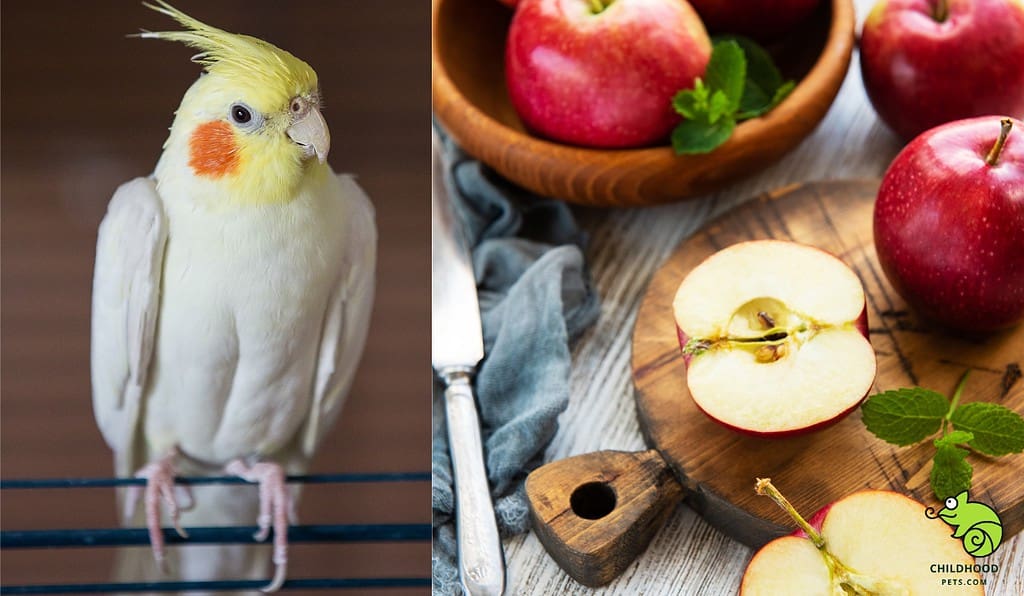
Can Cockatiels Eat Apples? A Vet’s Report

Have you ever caught your cockatiel eyeing your apple with a curious glint? It’s not just their playful nature; these birds are often intrigued by the foods their human companions eat. But the question remains: is it safe for them to nibble on that juicy slice?

As a general rule, cockatiels can eat apples, but it’s essential to ensure they’re seedless and washed to remove any pesticides. Offering them in moderation is key to maintaining their overall health.

Curious about the specifics and how apples can benefit your feathered friend? Dive in as we unravel the mystery behind cockatiels and apples, ensuring you’re equipped with all the knowledge to keep your pet chirpy and healthy!

🍎 Did You Know? Apples are among the top 10 favorite fruits of many birds, not just cockatiels!

The Nutritional Value of Apples for Birds

Apples, as many of us know, are packed with a wealth of nutrients. They’re not just a treat for us humans but can also be a delightful snack for our birds. Apples are rich in calories, carbohydrates, and an array of vitamins that can be beneficial for our winged companions.

NutrientAmount in 100g of Apple
Calories52 kcal
Total Fat0.2g
Saturated Fat0.03g
Cholesterol0mg
Sodium1mg
Total Carbohydrates13.8g
Dietary Fiber2.4g
Sugars10.3g
Protein0.3g
Vitamin D0IU
Calcium6mg
Iron0.12mg
Potassium107mg
Vitamin C4.6mg
Vitamin A54IU

Are Apples Healthy For Cockatiels?

Absolutely! When given in moderation, apples can be a healthy treat for cockatiels. Here’s why:

  • Vitamin C: Boosts their immune system and aids in tissue repair.
  • Vitamin A: Essential for maintaining healthy skin, eyes, and feathers.
  • Vitamin B6: Helps in metabolism and can be especially beneficial during molting.
  • Fiber: Aids in digestion and ensures a healthy gut.
  • Potassium: Regulates blood pressure and ensures proper muscle function.
  • Magnesium: Vital for bone health and energy production.

Moreover, apples are low in calories, making them a guilt-free treat. And with their high water content, they can also help in keeping your cockatiel hydrated, especially during those hot summer days.

🌞 Tip: On hot days, offering fruits with high water content can be a great way to keep your birds hydrated!

Can Cockatiels Eat Apples?

Now, let’s address the main question. Yes, cockatiels can indeed enjoy apples. In fact, I’ve seen many cockatiels who absolutely adore the sweet and juicy taste of this fruit. But, like everything, there’s a right way to introduce apples into their diet.

  1. Start Small: Begin by offering a tiny piece and observe how your cockatiel reacts.
  2. Seedless is the Way: Always ensure you remove all seeds. They contain cyanide, which can be harmful.
  3. Wash Thoroughly: Make sure the apple is clean and free from pesticides.
  4. Moderation is Key: While apples are healthy, they shouldn’t replace a balanced diet. Offer them as an occasional treat.
  5. Monitor Their Reaction: Some birds might have a sensitive stomach. If you notice any adverse reactions, it’s best to consult with a vet.

“Always ensure you remove all seeds from apples before offering them to your cockatiel”

Specific Things to Consider When Feeding Apples

Before you rush off to share an apple with your feathered friend, there are a few more specifics you should be aware of.

Red Apples vs. Green Apples
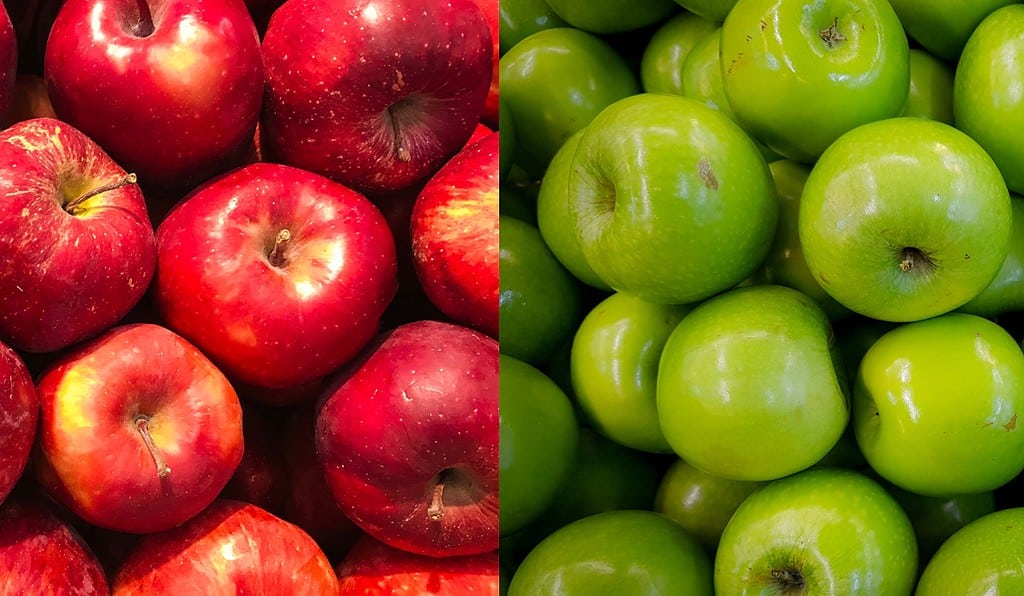
Both red and green apples can be a treat for cockatiels, but there are some differences to consider:

AspectRed ApplesGreen Apples
SweetnessSweeterTart
Sugar ContentHigherLower
TextureSofterCrispier

Apple Juice and Cockatiels

Thinking of offering some apple juice? Here are some things to keep in mind:

  • Natural is Best: If you’re giving apple juice, ensure it’s 100% natural without added sugars.
  • Limit Quantity: A small amount occasionally is okay. Don’t make it a daily habit.
  • Avoid Store-Bought: Many commercial juices have added sugars and preservatives. Always read the label.

Apple Skin and Cockatiels

When it comes to the skin, here’s how you should prepare it:

  1. Wash Thoroughly: Ensure you remove any pesticide residues.
  2. Peel if Necessary: If you’re unsure about the cleanliness, it’s best to peel the apple.
  3. Observe Your Bird: Some cockatiels might not like the skin, while others might enjoy it. It’s all about personal preference.

Apple Seeds: A Danger Zone

Apple seeds are a strict no-no. Here’s why:

  • Cyanide Content: Apple seeds contain a compound that can release cyanide when ingested.
  • Small Quantities are Harmful: Even a few seeds can be harmful to your cockatiel.
  • Other Fruits to Beware of: Just like apples, fruits like cherries, apricots, and peaches have seeds or pits that can be toxic to cockatiels.

Remember, our feathered friends rely on us for their well-being. Let’s ensure we offer them not just love and care, but also a diet that keeps them chirping happily for years to come!

How Much and How Often Should Cockatiels Eat Apples?
Navigating the dietary needs of cockatiels can sometimes feel like walking a tightrope. You want to give them treats, but you also want to ensure they’re getting the right nutrients. So, how often should you treat your cockatiel to an apple slice?

Firstly, it’s essential to understand that while apples are nutritious, they’re also high in sugar. Too much of it can lead to obesity and other health issues in birds. Therefore, moderation is key. I recommend offering apple slices to your cockatiel once or twice a week. This frequency ensures they reap the benefits without overloading on sugar.

FruitRecommended Quantity per ServingFrequency
Apples1-2 small slices (seedless)Once a week
Bananas1-2 small slicesOnce a week
Berries (blueberries, strawberries)2-3 berriesTwice a week
Grapes1-2 grapes (seedless)Once a week
Mango1 small sliceOnce a week

Preparing Apples for Cockatiels

Now that you’re aware of the quantity and frequency, let’s talk about preparation. Serving apples to your cockatiel requires a bit more than just slicing and dicing.

  1. Choose Organic: If possible, opt for organic apples. They’re free from harmful pesticides and chemicals.
  2. Wash Thoroughly: Even if you’re going for organic, always wash the apple under running water to remove any residue or contaminants.
  3. Remove the Seeds: As previously mentioned, apple seeds contain cyanide, which can be harmful to cockatiels. Always ensure you remove them.
  4. Slice into Manageable Pieces: Cockatiels are small birds, so ensure the apple slices are appropriately sized for them to handle and eat.
  5. Monitor Your Bird: The first time you offer an apple, watch your cockatiel. Some might be hesitant, while others might dive right in. It’s also a good way to ensure they’re not having any adverse reactions.

Frequently Asked Questions

What fruits can cockatiels not eat?

Certain fruits like avocados and fruit seeds or pits can be toxic to cockatiels.

What fruits are good for cockatiels?

Cockatiels enjoy a variety of fruits like apples, bananas, berries, and mangoes.

What’s a cockatiel’s favorite food?

Every cockatiel is unique! While many love fruits, they also enjoy seeds, pellets, and veggies.

Can cockatiels eat pineapple?

Yes, in moderation. Just ensure it’s fresh and not canned.

Wrapping Up

Understanding the dietary needs of your cockatiel is a journey, one filled with trial and error. But remember, it’s a journey you’re taking together. As a vet, I’ve seen the joy a well-fed and cared-for cockatiel brings to a household. So, next time you’re munching on an apple, slice up a piece for your feathered friend. And if you found this article helpful, I’d love to hear your experiences in the comments. Don’t forget to share it with fellow bird enthusiasts!
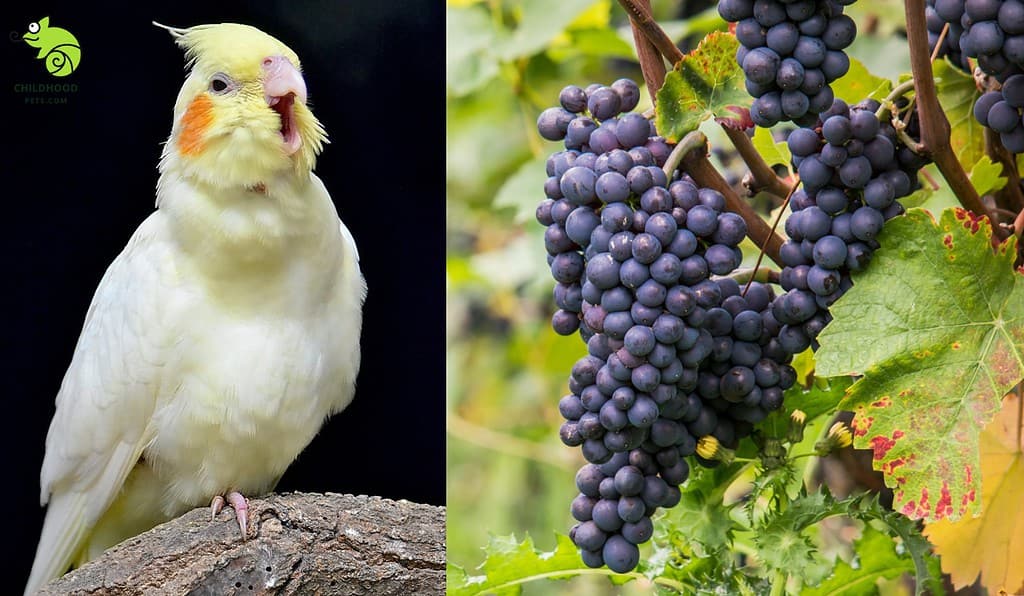
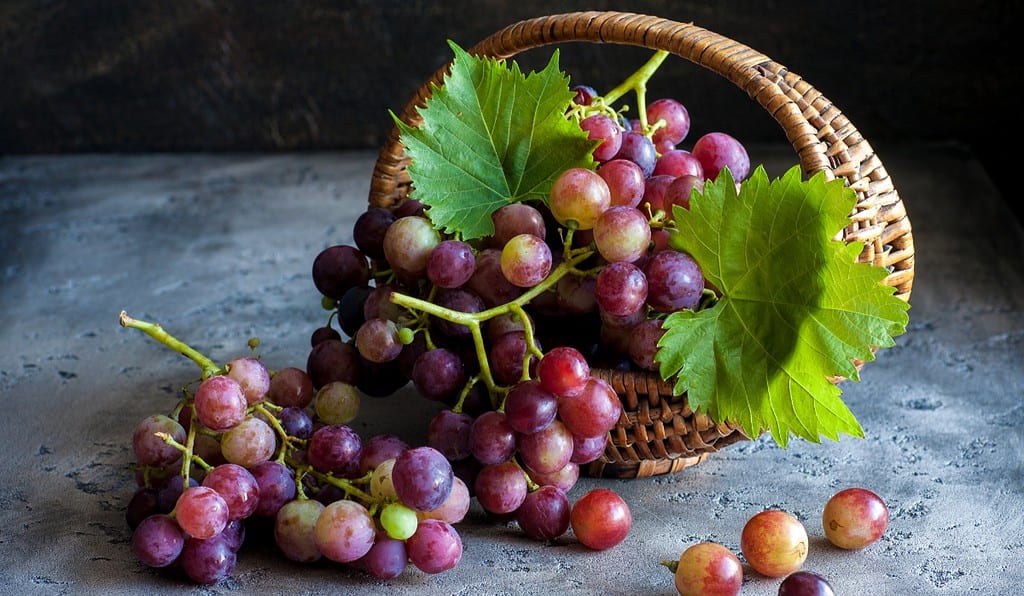
Can Cockatiels Eat Grapes? A Vet’s Report

Ever caught your cockatiel eyeing your snack with that unmistakable glint of curiosity? It’s a sight many bird lovers can relate to, especially when munching on something as juicy and tantalizing as grapes. But the question that often follows is, can our feathered friends safely indulge in this fruity delight?

As a general rule, cockatiels can safely eat grapes. Both seeded and seedless varieties are non-toxic to these birds. In total, offering them a small piece of grape, once or twice a week is ideal. However, it’s crucial to ensure they’re prepared correctly to avoid any potential risks.

Ready to unravel the mysteries of cockatiels and grapes? Stick around as we delve deeper into what’s safe, what’s not, and how to make snack time a treat for both you and your birdie buddy!

The Natural Diet of Cockatiels

Out in the wild, cockatiels have a pretty diverse menu. They’re not just nibbling on seeds all day; they’re foraging for a variety of foods that keep them chirpy and healthy. Understanding their natural diet can help us offer them the best at home. After all, a balanced diet is just as crucial for our winged pals as it is for us.

1. Seeds and Grains: The staple of a cockatiel’s diet. Whether it’s millet, sunflower seeds, or canary seeds, these little guys love them. But remember, while seeds are essential, they shouldn’t be the only thing on the menu.

2. Fruits and Berries: Cockatiels enjoy a sweet treat now and then. Fruits like apples, berries, and yes, even grapes, can be a delightful addition to their diet.

3. Leafy Greens: Think of them as the salad lovers of the bird world. Spinach, kale, and lettuce are some of their favorites. It’s a great way to ensure they get their vitamins and minerals.

4. Insects and Their Larvae: A little protein boost! In the wild, cockatiels occasionally snack on insects. While it might not be everyone’s cup of tea, it’s a natural part of their diet.

5. Flowers and Buds: These add variety and a touch of gourmet to a cockatiel’s diet. Flowers like hibiscus and dandelions are not only safe but also quite loved by these birds.

You see, just like us, cockatiels thrive on a varied diet. So, next time you’re preparing a meal, think about how you can share a bit with your feathery companion. But, let’s get back to the grapey question at hand, shall we?

Can Cockatiels Safely Eat Grapes?

Absolutely! Grapes are a delightful treat for our cockatiel buddies. I’ve treated countless cockatiels in my years as a vet, and I can confidently say that grapes aren’t harmful to them. Whether you’ve got a bunch of seeded or seedless grapes, both are okay. But, as with everything, moderation is key.

Now, you might be wondering, “Why even give my cockatiel grapes?” Well, aside from the sheer joy of watching them nibble on these juicy morsels, grapes pack a nutritional punch.

Essential Nutrients in Grapes

NutrientAmount in 100g of Green GrapesBenefits for Cockatiels
Vitamin A66 IUSupports vision and immune health
Vitamin C3.2 mgBoosts immunity and aids healing
Vitamin K14.6 µgHelps in blood clotting
Vitamin B60.086 mgSupports nervous system health
Potassium191 mgMaintains heart and muscle function
Manganese0.1 mgAids in bone formation and metabolism
Phosphorous20 mgHelps in forming bones and teeth
Iron0.36 mgEssential for blood formation
Calcium10 mgVital for bone health
Fiber0.9 gramAids digestion
Sugar15.5 gramProvides energy
AntioxidantsPresentProtects cells from damage

These nutrients not only keep your cockatiel in tip-top shape but also add a burst of flavor to their diet. Imagine the joy of tasting something new and realizing it’s also good for you! That’s precisely what your cockatiel feels.

However, while grapes are a treat, they’re not without their risks. Before you rush off to share your grape stash, let’s chat about some precautions. After all, as much as we love treating our pets, their safety always comes first.

Risks Associated with Grapes

Now, don’t get me wrong. While grapes are generally safe, there are a few things you should be mindful of. Just like how we need to be cautious with certain foods, our feathered friends do too.

  • High Sugar Content: Grapes, as delicious as they are, come with a natural sugar content. Too many grapes can lead to obesity and other health issues in cockatiels. Remember, moderation is key.
  • Potential Choking Hazards: Especially with larger grapes or those with seeds. Even if the seeds aren’t toxic, they can pose a choking risk. Always be on the safe side and monitor your bird when they’re enjoying their treat.
  • Pesticides and Chemicals: Grapes can sometimes be treated with pesticides. These chemicals are harmful to birds. Always ensure you wash grapes thoroughly before serving them to your cockatiel.

Steps for Properly Washing and Preparing Grapes for Cockatiels:

  • 1. Choose organic grapes if possible. They’re less likely to have harmful chemicals.
  • 2. Rinse the grapes under cold running water. This helps in removing any surface dirt or contaminants.
  • 3. For an extra thorough clean, soak the grapes in a mixture of water and a bit of vinegar for about 5-10 minutes. This can help in removing any lingering pesticides.
  • 4. Rinse again with cold water.
  • 5. Pat them dry with a clean cloth or paper towel.

How to Serve Grapes to Cockatiels

Alright, now that we’ve covered the basics, let’s get to the fun part – serving grapes to your cockatiel!

1. Serving Size and Frequency: A grape or two once in a while is more than enough. Think of it as a treat, not a regular meal.

2. Preparing Grapes: Always ensure they’re washed (as we discussed), cut into manageable pieces, and seedless. This minimizes any choking risk.

3. Introducing Grapes: If it’s the first time your cockatiel is trying grapes, start with a tiny piece. Monitor their reaction. Some birds might be hesitant at first, but with time, they’ll come to love it.

4. Mix it Up: Once you know your cockatiel enjoys grapes, consider mixing them with other safe fruits for a fruity feast.

5. Observe and Adjust: Always keep an eye on your bird after introducing any new food. If you notice any unusual behavior or digestive issues, it might be best to consult with a vet.

Remember, every cockatiel is unique. What works for one might not work for another. It’s all about understanding your bird’s preferences and needs. And trust me, when you see your cockatiel happily nibbling on a grape, all this effort will feel worth it!

How Much (And How Often) Should You Give Grapes To Your Bird?

When it comes to treating our feathered friends, it’s easy to get carried away. I mean, who can resist those eager eyes and chirpy requests? But, as with all treats, there’s a balance to strike.

For cockatiels, grapes should be seen as a treat rather than a regular dietary staple. Think of them as the equivalent of us indulging in a piece of chocolate or a slice of cake. Delicious, yes, but not something we’d have every day.

A good rule of thumb is to offer your cockatiel a small piece of grape, about the size of a pea, once or twice a week. This ensures they get the joy and nutritional benefits of the grape without overdoing it.

Other Fruits and Foods for Cockatiels

Variety is the spice of life, and the same goes for our cockatiels. While grapes are a fantastic treat, there’s a whole world of fruits out there for them to explore.

Safe Fruits for CockatielsBenefitsFruits to AvoidPotential Risks
Apples (seedless)Rich in fiber and vitaminsAvocadoContains persin, toxic to birds
BananasGood source of potassiumFruit pits and seedsChoking hazard or potential toxins
Berries (blueberries, strawberries)AntioxidantsOnionsCan cause digestive issues
MangoesHigh in Vitamin AChocolateToxic and can be fatal
PapayaEnzymes aid digestionAlcoholHarmful and can be fatal

Remember, the key is moderation and variety. By offering different safe fruits, you’re ensuring your cockatiel gets a range of nutrients. Always introduce new fruits slowly and in small amounts, observing your bird for any adverse reactions.

Frequently Asked Questions

Are grape seeds poisonous for cockatoos?

Grape seeds are generally harmless for most birds, including cockatoos.

Can cockatiels eat uncut grapes?

While possible, it’s recommended to cut grapes to avoid potential choking hazards.

Is it safe for Cockatiels to eat grape stems?

Grape stems are safe in insignificant amounts but not a primary food source.

Final Thoughts

Caring for our feathered companions is a journey filled with learning, laughter, and love. Understanding their dietary needs and preferences is a crucial part of this journey. Grapes, when given in moderation, can be a delightful treat for your cockatiel. But always remember to prioritize their safety and well-being.

I hope this guide has shed some light on the grapey question. If you’ve found this helpful, I’d love to hear about your experiences. And hey, if you think this could benefit another bird lover out there, don’t hesitate to share. Here’s to many more chirpy days with your cockatiel! 🍇🐦

Can Cockatiels Eat Vegetables Every Day? A Vets Response

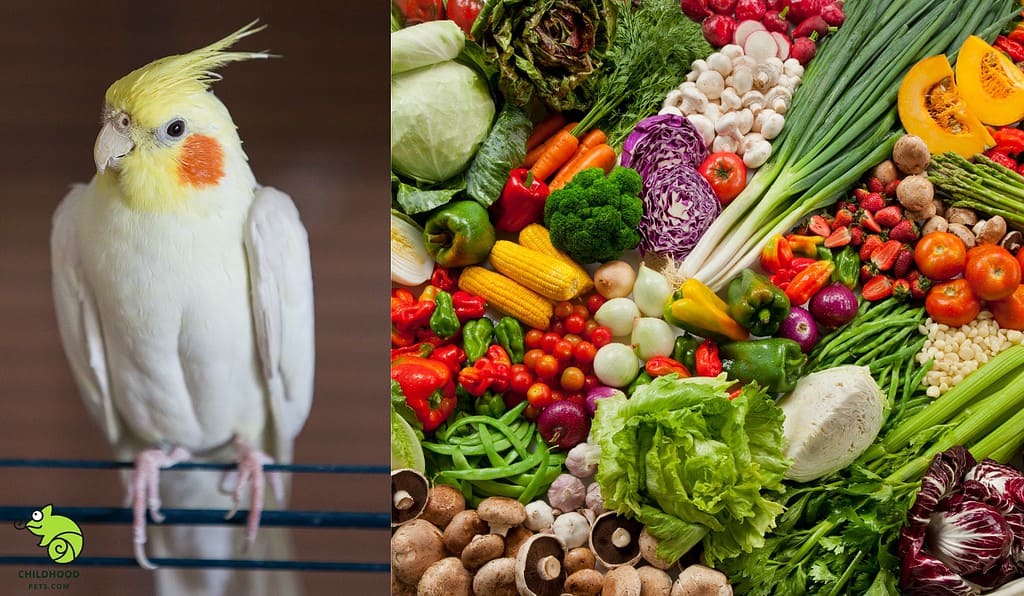
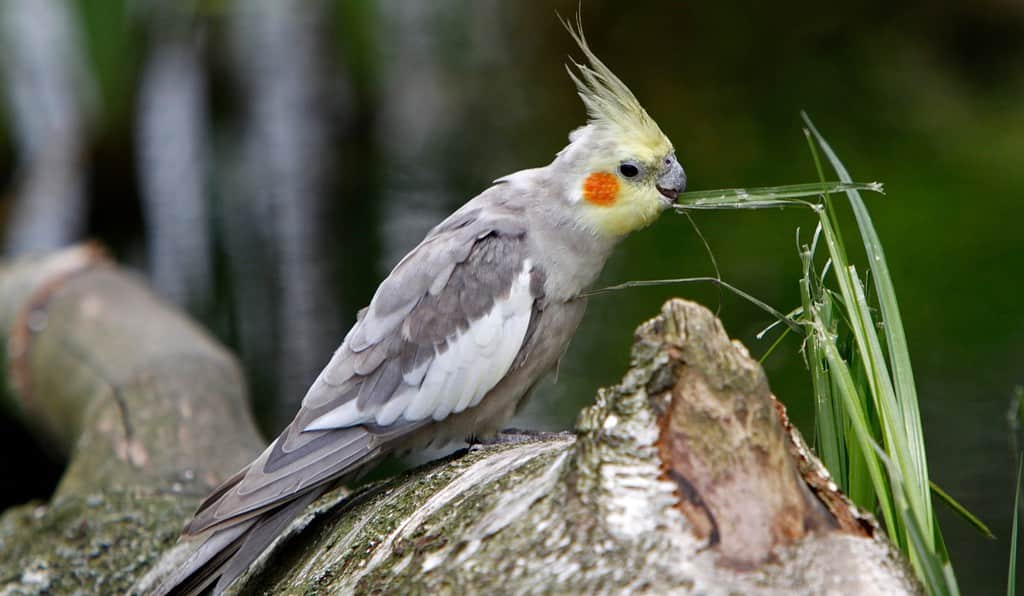
Did you know that in the wild, cockatiels feast on a variety of seeds, fruits, berries, and vegetation, often foraging near the ground? Their natural diet is a testament to their love for veggies, but how does this translate to our domesticated friends?

As a general rule, cockatiels can consume a mix of vegetables daily, but it should only make up about 20-25% of their total diet. Certain veggies offer immense benefits, while others should be limited or avoided to ensure their well-being.

Curious about which veggies get the green light and which ones to steer clear of? Dive in as we unravel the mysteries of a cockatiel’s veggie diet, backed by expert vet insights and comprehensive research. Trust me; you’ll be surprised at what you discover!

🍎 Did You Know? Cockatiels in the wild have a diverse diet, often foraging near the ground for their favorite treats.

The Importance of Vegetables in a Cockatiel’s Diet

Cockatiels, like us, benefit immensely from a varied diet. Vegetables, packed with essential nutrients, play a pivotal role in ensuring our feathered pals are at their healthiest. Not only do they provide a burst of vitamins and minerals, but they also contribute to a balanced diet that keeps cockatiels chirping happily.

🥦 Tip: A varied diet with a mix of seeds, fruits, and vegetables ensures your cockatiel remains healthy and chirpy!

From my extensive research and experience, here are the top 5 nutrients found in vegetables that are a boon for cockatiels:

  • Vitamin A: Crucial for maintaining healthy skin, feathers, and vision.
  • Calcium: Essential for strong bones and beak, and plays a role in nerve function.
  • Fiber: Aids in digestion and ensures a healthy gut.
  • Antioxidants: Helps combat oxidative stress and boosts overall immunity.
  • Phytonutrients: These are beneficial compounds that promote optimal health and ward off diseases.

Now, while veggies are fantastic, the question remains: is it safe for cockatiels to munch on them every day? Let’s explore.

Daily Vegetable Consumption: Is It Safe?

Before we delve into the pros and cons, it’s essential to understand that moderation is key. Just as you wouldn’t eat only broccoli for weeks on end (tempting as it might be), variety is crucial for our avian buddies.

Pros of Daily Vegetable Intake

1. Nutrient Boost: Vegetables are powerhouses of essential vitamins and minerals that ensure your cockatiel is in peak health.

2. Hydration: Some veggies are water-rich, providing an additional hydration source. Speaking of which, here are the top 3 vegetables ranked by their hydration content:

  • Cucumber: Over 95% water content, it’s like a mini oasis for your bird.
  • Lettuce: Apart from being crunchy, it’s also a great way to quench thirst.
  • Zucchini: Not only hydrating but also packed with nutrients.

3. Mental Stimulation and Foraging Behavior: Introducing new veggies can be an exciting adventure for cockatiels, stimulating their natural foraging instincts.

Potential Concerns

  • Over-reliance on a Single Type of Vegetable: Just as we need variety in our diets, so do cockatiels. Feeding them only carrots, for instance, won’t cut it.
  • Risk of Overfeeding and Obesity: Yes, even birds can overeat. It’s essential to monitor portion sizes.
  • Possible Exposure to Pesticides: Always ensure the veggies are thoroughly washed. Organic is best, but if that’s not feasible, a good rinse can remove most surface residues.

Now that we’ve covered the basics, in the next sections, we’ll delve deeper into which vegetables are safe for daily consumption, how to serve them, and those to limit or avoid. Stay tuned, fellow bird enthusiasts!

Safe Vegetables for Daily Consumption

Alright, let’s get to the juicy part – which vegetables are safe for our feathered friends to munch on daily? From my years of experience and research, I’ve found that a variety of veggies can be both nutritious and delightful for cockatiels.

TypeVegetableDescriptionServing Tip
Leafy GreensSpinachA powerhouse of nutrients. Rich in vitamins and minerals. Best consumed in moderation.Lightly steam and chop into small pieces. Ensure it’s cool before serving.
Lettuce (Romaine)Hydrating and low-calorie. Light and crunchy.Wash thoroughly and tear into manageable pieces. Avoid iceberg variety.
KaleA superfood rich in vitamins and antioxidants.Offer raw or lightly steamed. Chop into bite-sized pieces.
Crunchy VeggiesCarrotsGreat source of beta-carotene. Beneficial for vision.Offer raw, finely grated, or in thin slices. If cooked, ensure they’re soft but not mushy.
BroccoliRich in fiber and other essential nutrients. A favorite among many cockatiels.Offer raw or lightly steamed. Ensure it’s washed thoroughly.
Bell PepperColorful, crunchy, and rich in vitamin C.Remove seeds, wash thoroughly, and chop into small pieces. Offer different colors.
OthersCucumberHydrating, especially during summer. Low in calories.Slice thinly or offer in small chunks. Ensure it’s washed well.
Corn on the cobSource of entertainment and nutrition.Offer cooked or raw. If cooked, ensure it’s cooled down and not seasoned.
PeasProtein-packed tiny green gems.Offer fresh and raw or thawed if frozen. Ensure they’re at room temperature.

🌽 Insight: Introducing a variety of vegetables not only ensures a balanced diet but also keeps your cockatiel mentally stimulated and curious about their food.

How to Prepare a Mixed Vegetable Salad for Cockatiels:

  1. Choose Fresh Veggies: Opt for organic if possible. Ensure they’re fresh and free from any blemishes.
  2. Wash Thoroughly: This step is crucial to remove any pesticides or contaminants.
  3. Chop Finely: Cockatiels prefer bite-sized pieces. Ensure they’re small enough to prevent choking but large enough for them to hold and nibble.
  4. Mix and Match: Combine leafy greens, crunchy veggies, and other vegetables for variety.
  5. Serve in a Shallow Dish: This allows your cockatiel to see and choose from the variety.
  6. Monitor Consumption: Remove any uneaten salad after a few hours to prevent spoilage.

Remember, while vegetables are fantastic, always ensure they’re free of pesticides and chemicals. It’s always a good idea to consult with a vet or expert before introducing a new food to your cockatiel’s diet.

Vegetables to Limit or Avoid

While many vegetables are a treat for cockatiels, there are a few that should be given in moderation or avoided altogether. Let’s dive into some of these veggies and understand why they might not be the best choice for our feathered friends.

High Oxalate Vegetables: Spinach and parsley are rich in oxalates. While they offer numerous health benefits, they can cause issues if overfed. Oxalates can bind with calcium and other minerals, leading to potential health concerns. It’s best to feed these in moderation and not as a daily treat.

Potential Toxic Vegetables:

  • Onions and Garlic: Both belong to the allium family and can cause digestive issues in cockatiels. They can lead to anemia in birds, so it’s best to keep these away from your pet.
  • Avocado: This might be a superfood for us, but for cockatiels, it’s a no-go. Avocado contains a substance called persin, which can be toxic to birds. Even a small amount can lead to severe health complications.
Vegetable NameHarmful ComponentSide Effects
SpinachHigh OxalatesCan bind with calcium leading to health concerns
ParsleyHigh OxalatesCan bind with calcium leading to health concerns
OnionsThiosulphateCan cause anemia
GarlicThiosulphateCan cause anemia
AvocadoPersinToxic to birds, can lead to severe health complications

From my personal experience, I’ve observed cockatiels having varied reactions to different vegetables. While some might relish a particular veggie, others might show signs of discomfort. It’s always essential to monitor your bird after introducing a new food item and consult with a vet if you notice any adverse reactions.

Tips for Introducing Vegetables to Cockatiels

Introducing new foods to your cockatiel can be a fun and enriching experience for both of you. Here are some quick tips to ensure a smooth transition:

  • Start Small: Begin with tiny portions to gauge your bird’s reaction.
  • Mix with Familiar Foods: Combining new veggies with their regular diet can make the introduction smoother.
  • Observe: Watch out for any allergic reactions or digestive issues. If you notice any, it’s best to consult with a vet.
  • Fresh is Best: Always ensure the vegetables are fresh and free from pesticides or chemicals.
  • Variety is Key: Rotate between different vegetables to provide a balanced diet.

Remember, every cockatiel is unique. What works for one might not work for another. It’s all about understanding your bird’s preferences and ensuring they get a balanced and nutritious diet.

Expert Opinion: What Vets Say

As a veterinarian with years of experience, I’ve had countless discussions with fellow professionals about the dietary needs of cockatiels. Here’s a distilled version of the collective wisdom:

RecommendationReasoningFrequency
Balanced DietA diet consisting mainly of seeds is nutritionally incomplete. Cockatiels require a mix of pellets, seeds, fruits, and vegetables.Daily
Pelleted FoodPellets have been developed to meet all of a bird’s nutritional needs. They should ideally represent approximately 75-80% of the bird’s diet.Daily
Limit High Oxalate VeggiesVegetables like spinach and parsley are rich in oxalates which can bind with calcium, potentially leading to health concerns.In moderation
Avoid Toxic FoodsAvocado, onions, and garlic can be harmful to cockatiels.Never
Clean WaterFresh clean water must be available at all times. Dishes should be cleaned thoroughly every day.Always available
No Grit NeededCockatiels remove the outer hull of seeds before ingestion, so they don’t require grit for digestion.Not necessary

💧 Fact: While cockatiels get hydration from their food, they still need a constant supply of clean water.

Conclusion

Feeding your cockatiel a balanced and varied diet is crucial for its overall health and well-being. While vegetables offer numerous benefits, it’s essential to provide a mix of foods to ensure all nutritional needs are met. Always be cautious about the veggies you introduce, and monitor your bird for any adverse reactions. And remember, when in doubt, always consult with a vet or expert. Your feathered friend relies on you to make the best choices for its diet, and with the right knowledge, you can ensure it leads a happy and healthy life.

Frequently Asked Questions

How much vegetables should a cockatiel eat daily? 

A mix of vegetables can be offered daily, but they should only constitute about 20-25% of the total diet.

Are there any vegetables toxic to cockatiels?

Yes, onions, garlic, and avocados are potentially harmful.

How to ensure the vegetables are safe for cockatiels? 

Always wash vegetables thoroughly to remove chemicals and pesticides. Opt for organic when possible.

What are the signs of a balanced diet in cockatiels? 

A healthy appearance, active behavior, strong feathers, and regular digestion indicate a balanced diet.

What Veggies Can Cockatiels Eat? A Vet’s guide

Did you know that a cockatiel’s diet can directly influence its vibrant colors, chirpy melodies, and overall health? Just like us, these feathery companions thrive on a balanced and nutritious diet. And while seeds might be their go-to snack, the world of veggies offers a rainbow of benefits that can keep them chirping happily for years.

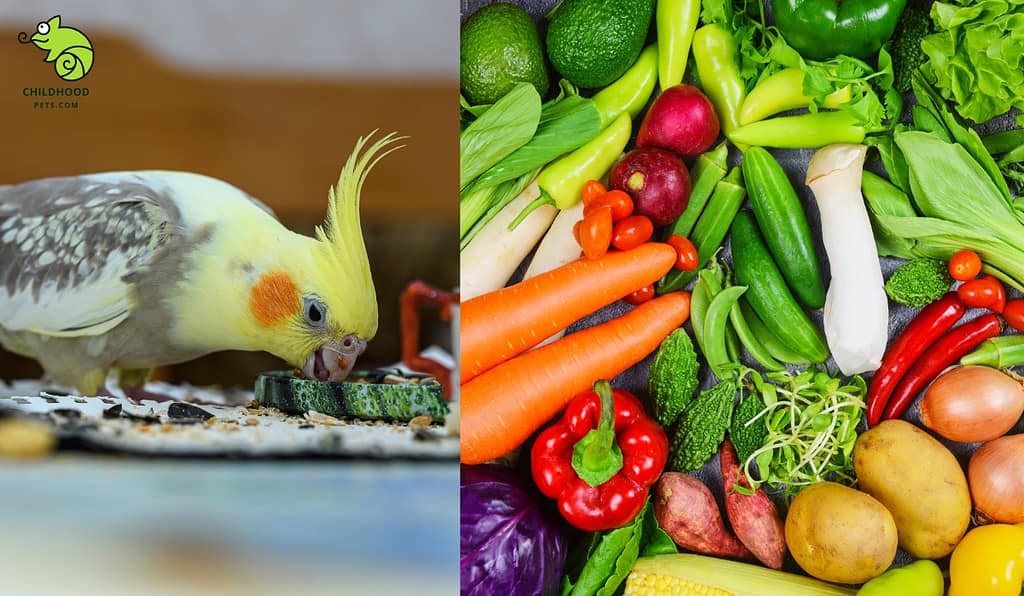
As a general rule, cockatiels benefit immensely from a variety of vegetables, including leafy greens like kale and romaine, root vegetables such as carrots, and even some cruciferous veggies. These not only provide essential vitamins and minerals but also add variety to their daily meals.

Curious about which veggies are a hit and which ones might be a miss for your feathered friend? Dive in as we explore the greens and the not-so-greens for cockatiels, all backed by expert advice and research. Let’s embark on this veggie journey together!

🌈 Did You Know? Cockatiels can see a wider spectrum of colors than humans. This means they can appreciate the vibrant hues of fresh vegetables even more!

Understanding Cockatiel Dietary Needs

Cockatiels, with their gentle demeanor and affectionate nature, are a joy to have around. But just like any other pet, they thrive best when their dietary needs are met. Fresh vegetables play a pivotal role in a cockatiel’s diet. They’re packed with essential nutrients that seeds alone can’t provide. While seeds are delicious and often a favorite, they shouldn’t be the only thing on the menu.

🍎 Expert Advice: Seeds are to birds what candy is to kids. Tasty but not always the healthiest choice.

Balancing seeds, pellets, fruits, and vegetables is crucial. Think of it this way: seeds are like the junk food of the bird world. Tasty? Absolutely! Nutritious? Not so much. On the other hand, pellets are a more balanced food source, specifically formulated to meet the unique nutritional needs of birds. And then there are fruits and vegetables, nature’s multivitamins. They offer a range of nutrients that are essential for your cockatiel’s health.

Food TypeNutritional BenefitsExamples
SeedsHigh in fat, limited nutrientsSunflower, millet
PelletsBalanced nutrition, fortified with essential vitamins and mineralsCockatiel-specific pellets
FruitsVitamins, hydration, and natural sugarsApples, blueberries, papayas
VegetablesVitamins, minerals, and fiberBroccoli, kale, carrots

Remember, while seeds can be a treat, they shouldn’t dominate your cockatiel’s diet. I’ve seen many cockatiels in my practice that are fed primarily seeds, and more often than not, they show signs of malnutrition. It’s like you munching on potato chips all day – not the healthiest choice, right?

So, now that we’ve established the importance of a balanced diet, let’s delve deeper into the world of vegetables. Which ones are safe? Which ones pack the most nutritional punch? And which ones should you approach with caution? Let’s find out!

Safe Vegetables for Cockatiels

Alright, let’s get to the good stuff! Vegetables are a treasure trove of nutrients, and there’s a wide variety to choose from. But, as with everything, it’s essential to know which ones are a hit and which ones might be a miss for our feathered friends.

Leafy Greens

Leafy greens are like the superheroes of the vegetable world. They’re packed with nutrients and are a must-have in your cockatiel’s diet. Here’s a list of some top contenders:

  • Romaine and Leaf Lettuce: These are not just fillers; they’re packed with essential nutrients. Remember, the darker the leaves, the more nutrition they contain.
  • Bok Choy: A favorite among many cockatiels, and for a good reason. It’s nutritious and adds a crunchy texture that birds love.
  • Kale: This superfood is not just for us humans. Kale is a nutrient powerhouse and is especially rich in vitamins.
  • Swiss Chard: Another leafy green that’s high in vitamins and minerals. Plus, its vibrant colors can make it more appealing to your bird.
  • Mustard Greens: These have a slightly peppery taste and are loaded with vitamins and minerals.

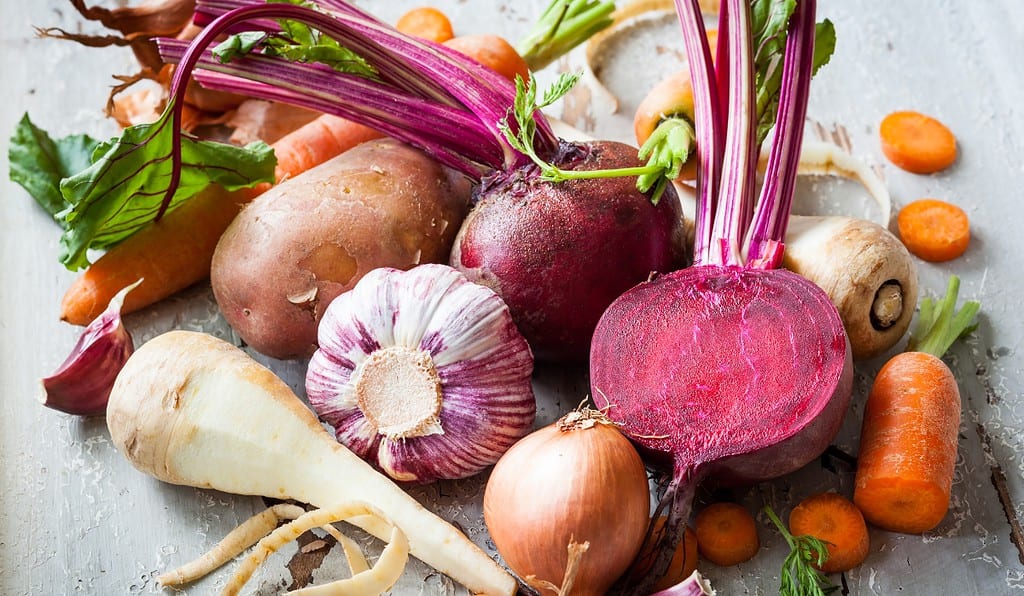
Root Vegetables

Root vegetables are nature’s underground treasures, and they’re packed with essential nutrients that can greatly benefit our feathery companions. Among these, carrots and sweet potatoes stand out as favorites for many cockatiels. Here’s how to best serve them:

  1. Carrots: These vibrant veggies are a hit among cockatiels. They can be offered both raw and cooked. If you’re serving them raw, ensure they’re washed and finely chopped or grated. When cooked, they become softer and might be more palatable for some birds. Just remember to avoid any seasonings.
  2. Sweet Potatoes: These are rich in vitamins and are often preferred cooked by cockatiels. Once cooked, they become soft and easy to consume. Again, it’s essential to keep them plain – no added spices or flavors. After cooking, let them cool down to room temperature before serving.

Here’s how to prepare them for your cockatiel:

  1. Wash Thoroughly: Always ensure that the vegetables are clean and free from any pesticides or chemicals.
  2. Peel (Optional): While many root vegetables can be fed with their skin on, if you’re unsure about the source, it’s better to peel them.
  3. Chop or Grate: Depending on your bird’s preference, you can either chop them into small pieces or grate them.
  4. Cook if Necessary: Some root vegetables, like sweet potatoes, are better when cooked. Boil or steam them without any seasoning.
  5. Serve Cool: If you’ve cooked the vegetable, ensure it’s cooled down to room temperature before serving.

🥕 Did You Know? Carrots are not only nutritious but also help in naturally cleaning a bird’s beak due to their crunchy texture.

Cruciferous Vegetables

Cruciferous veggies are great, but there are a few things to keep in mind:

  • Broccoli: It’s a hit among most cockatiels. You can offer it both raw and cooked. Just ensure there’s no seasoning if you decide to cook it.
  • Brussels Sprouts: These mini cabbages are packed with nutrients. However, like broccoli, they contain substances that can interfere with calcium absorption, so moderation is key.

🥦 Tip: While cruciferous veggies are nutritious, it’s essential to balance them with other vegetables to ensure optimal calcium absorption.

Other Vegetables

There’s a wide world of veggies out there, and many of them are perfect for your cockatiel:

VegetableBenefits
Beet GreensHigh in vitamins and minerals
Dried TomatoesPacked with antioxidants
CornProvides essential carbohydrates
SpinachRich in vitamins, but feed in moderation due to high oxalates
SproutsA powerhouse of nutrients
PumpkinHigh in fiber and essential vitamins
PeasGreat source of protein
Bell PeppersVitamin-rich and adds a crunchy texture

Remember, while bell peppers are safe, always remove the stems as they can be toxic. And here’s a fun fact: cockatiels can’t taste the heat from hot peppers, so feel free to let them have a nibble!

Vegetables to Approach with Caution

Navigating the world of cockatiel-friendly veggies can sometimes feel like walking a tightrope. While many vegetables are beneficial, some come with a few caveats. Let’s explore:

  • Broccoli, Spinach, and Parsley: These greens are nutritious, but they contain substances that can interfere with calcium absorption. So, while they’re not off the menu, it’s best to offer them in moderation. Remember, balance is the key!
  • Potatoes: These starchy delights are safe but only when cooked. Raw potatoes can be harmful, so always ensure they’re well-cooked before serving them to your feathered friend.

🚫 Did You Know? Raw potatoes contain solanine, a toxic substance for many animals, including birds.

Unsafe Vegetables and Foods for Cockatiels

Now, this is the section you’ll want to pay close attention to. Some foods, while seemingly harmless to us, can be downright dangerous for cockatiels:

Unsafe FoodDangersSymptoms if Ingested
AvocadoContains persin, which is toxic to birdsRespiratory distress, weakness
GarlicCan cause digestive upsetLethargy, digestive issues
OnionsCan lead to anemiaWeakness, reduced appetite
RhubarbHigh in oxalates, harmful to birdsKidney failure, lethargy
Fruit Seeds (e.g., apple seeds)Contain cyanideDifficulty breathing, seizures

It’s essential to be vigilant and ensure that these foods are kept well out of reach. If you ever suspect your cockatiel has ingested something harmful, consult a veterinarian immediately.

Frequently Asked Questions

Can cockatiels eat hot peppers? 

Absolutely! Cockatiels lack the receptors to sense the heat, so they can enjoy them without the fiery aftermath.

Is spinach a good choice for cockatiels? 

Spinach is nutritious, but it’s best given in moderation due to its potential to interfere with calcium absorption.

Why is avocado a no-go for cockatiels? 

Avocado contains persin, a substance that’s toxic to many birds, including cockatiels. It’s best to keep guacamole and other avocado products out of their reach.

🌶️ Fun Fact: Birds, including cockatiels, lack the taste receptors for capsaicin, the compound that makes peppers spicy. So, they can enjoy even the hottest of peppers without feeling the burn!

Final Thoughts

There you have it! A comprehensive guide to feeding your cockatiel the best and most nutritious veggies. Remember, variety is the spice of life, and offering a diverse range of foods will not only keep your bird healthy but also engaged and excited about mealtime. Always do your research and, when in doubt, consult with a vet. Your cockatiel’s health and happiness are worth the extra effort!

Can Cockatiels Eat Watermelon? A Vet’s Report

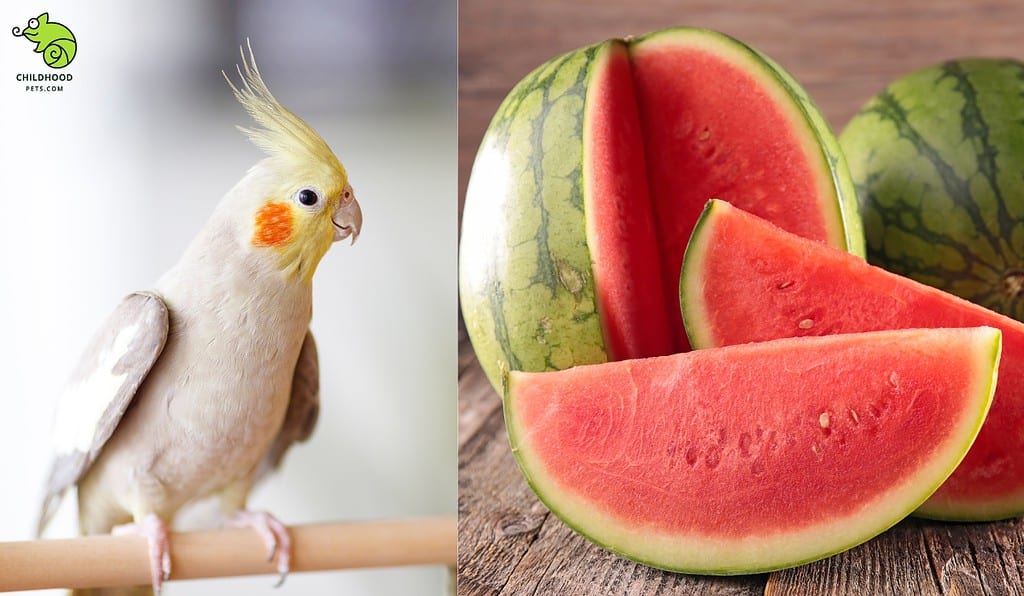
Have you ever found yourself lounging on a sunny day, relishing a juicy slice of watermelon, and wondered if your feathery friend could join in on the fun? Cockatiels, with their vibrant personalities and curious nature, often have us pondering about the variety of treats they can safely enjoy.

As a general rule, cockatiels can indeed savor the refreshing taste of watermelon, making it a delightful treat, especially during those sweltering summer days. This hydrating fruit not only offers a burst of sweetness but also packs in essential nutrients beneficial for our winged companions. 

Curious about the specifics? Dive in as we explore the world of cockatiels and watermelons, ensuring you’re equipped with all the knowledge to treat your bird right!

🍉 Did You Know? Watermelon is made up of about 91% water, making it one of the most hydrating fruits available.

Can Cockatiels Eat Watermelon?

The short and sweet answer is: absolutely! Your pet cockatiel can indeed enjoy the refreshing taste of watermelon. Packed with vital vitamins and minerals, watermelon can be a delightful treat for them, especially during those sweltering summer days. But, as with anything, moderation is key.

🍉 Tip: Always ensure the watermelon is fresh and free from any chemicals or pesticides before offering it to your cockatiel.

Watermelon is primarily made up of water, about 91% to be precise. This high water content can be a blessing for your bird, helping them stay hydrated. But there’s more to this fruit than just water. It also contains around 7.5% carbohydrates, a smidge of sugar, and minimal fat and protein. All of these components can be beneficial for your cockatiel when offered in the right amounts.

Now, let’s get a bit technical and delve into the nitty-gritty of what makes watermelon a nutritious choice for your bird.

The Nutritional Value of Watermelon

Watermelon is a hydrating fruit, with water making up a whopping 91% of its content. But that’s not all. It also contains carbohydrates (around 7.5%), a bit of sugar (6.2 g per 100 grams), and negligible amounts of fat and protein.

Essential Vitamins and Minerals Beneficial for Cockatiels:

Vitamin/MineralBenefit for Cockatiels
Vitamin CBoosts the immune system, producing antibodies and even supporting mental health.
PotassiumVital for maintaining a strong cardiovascular and central nervous system.
CopperEssential for bone health and a robust nervous system.
Vitamin B5Supports the eyes and digestive tract.
Vitamin ACrucial for maintaining healthy feathers and vision.

So, the next time you’re enjoying a slice of watermelon, remember that your cockatiel can join in on the fun too! But, as with all things, there’s a right way to serve this treat. Let’s explore that next.

Preparing Watermelon for Your Cockatiel

When it comes to serving watermelon to your cockatiel, there are a few things to keep in mind. First and foremost, always opt for organic watermelons. These are free from harmful pesticides that could adversely affect your bird. Remember, while the rind of a watermelon isn’t toxic for cockatiels, it can carry parasites and pesticides. So, it’s a good practice to thoroughly wash the rind, even if you’re not feeding it to your bird.

🍉 Fact: Watermelon seeds aren’t toxic to cockatiels, but they can be a choking hazard, especially for smaller birds.

Now, let’s get into the specifics of how to prepare this juicy treat:

  1. Wash the Watermelon: Always start by washing the outer surface of the watermelon to remove any dirt or contaminants.
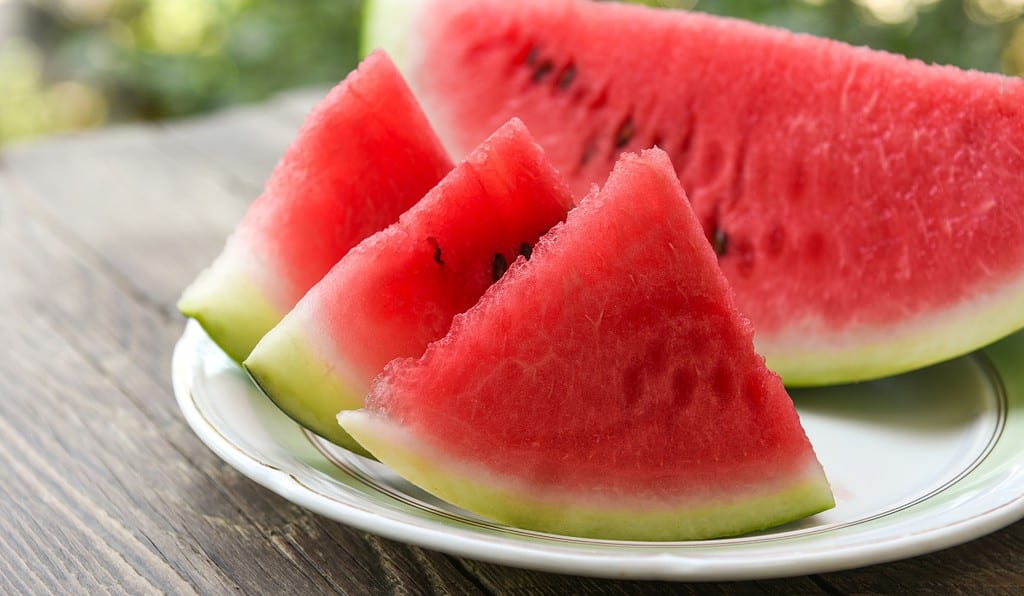
  2. Slice It Up: Using a sharp knife, cut a slice of watermelon.
  3. Remove the Rind: While the rind isn’t toxic, it’s best to remove it to avoid any potential risks associated with pesticides or parasites.
  4. Deseed: Although watermelon seeds aren’t toxic to cockatiels, they can be a choking hazard, especially for smaller birds. So, it’s a good idea to remove them. If you wish, you can soak the seeds in water for a few hours to soften them and then offer them to your bird.
  5. Cut into Small Pieces: Dice the watermelon flesh into small, manageable pieces that your cockatiel can easily consume.
  6. Serve Fresh: Offer the freshly cut watermelon pieces to your bird. If they don’t consume it within a couple of hours, it’s best to remove any leftovers to prevent spoilage.

How Often and How Much?

Variety is the spice of life, and the same goes for your cockatiel’s diet. While watermelon is a nutritious treat, it shouldn’t replace all other fruits in their diet. As a rule of thumb, fruits and veggies should make up about 20-25% of their daily caloric intake. Specifically, for watermelon, it’s best to offer a thin slice once a week. This ensures they get the benefits without overindulging.

🍉 Did You Know? Watermelon is made up of about 91% water, making it one of the most hydrating fruits available.

Dos and Don’ts of Feeding Watermelon to Cockatiels:

  • Do offer watermelon as a treat, not a staple.
  • Do ensure the watermelon is fresh and free from mold or spoilage.
  • Don’t feed your cockatiel too much watermelon; moderation is key.
  • Don’t offer watermelon with the rind unless you’re certain it’s free from pesticides and has been thoroughly washed.
  • Do observe your bird after introducing any new food to ensure there are no adverse reactions.

Remember, every bird is unique. While most cockatiels will relish the sweet taste of watermelon, some might be indifferent. It’s all about understanding your bird’s preferences and ensuring their diet is balanced and nutritious.

Potential Risks and Precautions

While watermelon is a delightful treat for cockatiels, there are certain parts of the fruit that require a bit more caution. Let’s talk about the seeds first. Cockatiels can eat watermelon seeds, but there’s a catch. These seeds, although not toxic, can pose a choking hazard, especially if your bird isn’t accustomed to consuming seeds of this size. Many bird owners opt to remove the seeds as a precautionary measure.

🚫 Caution: Always be careful with seeds and rinds when feeding fruits to your cockatiel.

Now, onto the rind. The green shell that encases the juicy goodness of the watermelon might seem harmless, but it often comes coated in pesticides. These pesticides are used to keep the fruit healthy and bug-free while growing. Even if the rind isn’t toxic per se, these chemicals can be harmful to your bird. Always rinse your watermelon thoroughly before serving, and it’s generally a good idea to avoid feeding the rind to your cockatiel.

Risks and Benefits of Feeding Seeds and Rind to Cockatiels:

ComponentRisksBenefits
SeedsPotential choking hazard; might be hard for some birds to digest.Natural source of nutrients if bird is accustomed to seeds.
RindCoated in pesticides; potential for chemical ingestion.None, best to avoid.

Overconsumption

Watermelon, with its high water content (around 91%), can be a double-edged sword. While it’s fantastic for hydrating your bird, especially during hot days, too much of it can lead to some “watery” problems. If your cockatiel consumes excessive amounts of watermelon, you might notice their stool becoming more liquid. This isn’t a severe issue, but it’s a sign that you might want to cut back on the watermelon servings.

💧 Hydration Tip: While watermelon is great for hydration, ensure it’s given in moderation to avoid digestive issues.

Signs to Watch for in Case of Overconsumption:

  • Watery or unusually soft droppings.
  • Reduced appetite for other foods.
  • Changes in behavior or energy levels.

Remember, watermelon should be a treat, not a staple. It’s all about balance and moderation. If you ever have concerns about your cockatiel’s diet or notice any adverse reactions, it’s always best to consult with a veterinarian.

Cockatiels’ Reaction to Watermelon

Cockatiels, with their curious nature and vibrant personalities, often have varied reactions to different foods. When it comes to watermelon, most cockatiels absolutely adore it. The sweet, crunchy texture combined with the high water content makes it an irresistible treat for many of these feathered companions.

However, just like humans, every cockatiel is an individual with its own set of preferences. While many might relish the juicy delight of watermelon, some might turn their beaks up at it. It’s essential to remember that it’s perfectly okay if your cockatiel doesn’t take to watermelon. There’s a plethora of other fruits and treats they might enjoy.

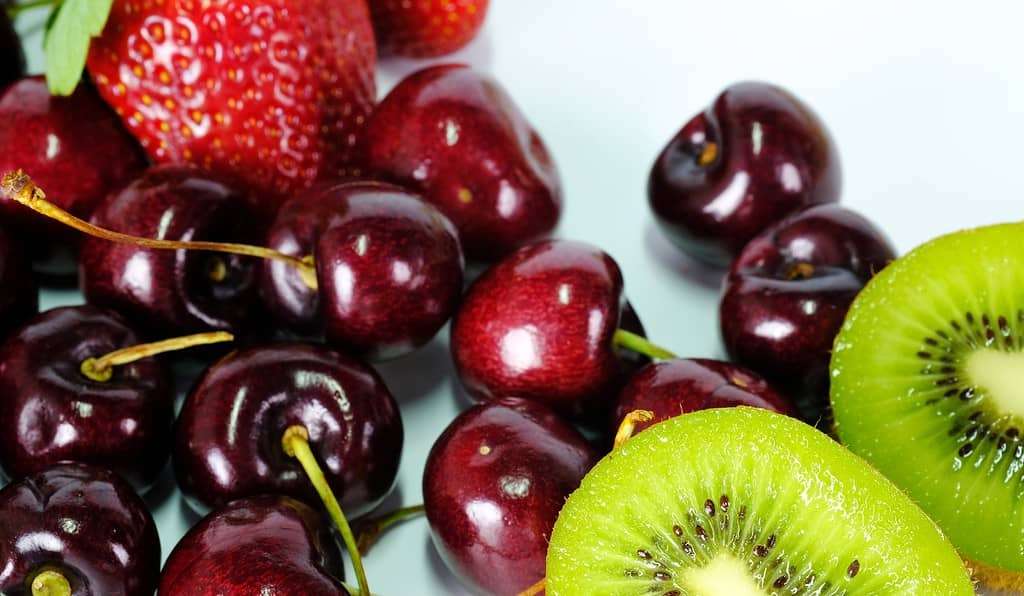
🍓 Fun Fact: Apart from watermelon, cockatiels also enjoy fruits like strawberries, blueberries, and kiwi!

Potential Reactions Cockatiels Might Have to Watermelon:

Positive Reactions:

  • Eagerly nibbling on the offered piece.
  • Vocalizing or chirping more, indicating excitement.
  • Actively seeking more after finishing the initial piece.

Neutral or Indifferent Reactions:

  • Ignoring the offered watermelon.
  • Picking at it but not consuming much.

Negative Reactions:

  • Actively avoiding the watermelon.
  • Throwing the piece out of their cage or dish.

Every cockatiel is unique; what one loves, another might ignore. If your cockatiel is trying watermelon for the first time, it’s a good idea to observe their reaction. This will give you insights into their likes and dislikes, helping you tailor their diet accordingly. And if they don’t seem to like it, don’t be disheartened. There’s a whole world of fruits out there to explore!

🍍 Tip: Introducing new foods slowly and in small amounts can help gauge your bird’s preference and ensure they don’t have any adverse reactions.

Other Fruits Safe for Cockatiels

Variety is the key to a balanced diet, and this holds true for cockatiels as well. While watermelon is a fantastic treat, it’s essential to introduce your feathered friend to a range of fruits. This ensures they receive a mix of different nutrients essential for their overall well-being.

🍓 Did You Know? Cockatiels have a natural curiosity towards new foods, making it relatively easier to introduce them to a variety of fruits.

Fruits Safe for Cockatiels and Their Benefits:

FruitBenefitsPotential Risks
KiwiRich in Vitamin C and antioxidants, it promotes a strong immune system.Ensure it’s ripe to avoid digestive issues.
PapayaContains enzymes beneficial for digestion.None.
GrapesPacked with vitamins and antioxidants.Feed in moderation due to high sugar content.
AppleGood source of dietary fiber and Vitamin C.Always remove seeds as they can be toxic.
BananaHigh in potassium, beneficial for heart health.Feed in moderation due to sugar content.
CherriesRich in antioxidants and Vitamin C.Remove pits before feeding.
OrangesHigh in Vitamin C, boosting the immune system.Avoid feeding too much due to acidity.

It’s worth noting that while most fruits are safe for cockatiels, always ensure they’re fresh and free from mold or spoilage. Also, always introduce new fruits in small amounts and observe your bird’s reaction. This way, you can quickly identify any allergies or intolerances.

🐦 Expert Advice: Always observe your bird after introducing a new food. This helps in identifying any allergies or intolerances early on.

Final Thoughts

As a veterinarian, I’ve seen countless bird owners eager to provide the best for their pets. And I can’t stress enough the importance of a balanced diet. Watermelon, with its hydrating properties and rich nutrient profile, is undoubtedly a great addition to your cockatiel’s diet. However, like all things, moderation is key. Pair it with a variety of other fruits, and you’re on your way to ensuring your cockatiel leads a healthy, happy life.

I’d love to hear about your experiences. Have you tried feeding your cockatiel watermelon? How did they react? Share your stories in the comments below!

Frequently Asked Questions

How much fruit should be in a cockatiel’s diet?

Fruits should make up about 20-25% of a cockatiel’s daily caloric intake.

Are watermelon rinds healthy for cockatiels?

While not toxic, watermelon rinds may contain pesticides; it’s best to avoid or ensure they’re thoroughly cleaned.

Can birds eat watermelon?

Yes, many birds, including cockatiels, can safely enjoy watermelon.

What other fruits can cockatiels eat?

Cockatiels can eat berries, melons, kiwi, and various other fruits, provided they are fresh and free from chemicals.

Can Cockatiels Eat Blueberries? A Vet’s Report

Many bird enthusiasts, like you and me, are always on the lookout to provide a diverse and nutritious diet for our feathered friends. One fruit that often pops up in our minds is the blueberry. Is it a safe treat for our cockatiels?

As a general rule, Cockatiels can indeed safely enjoy blueberries. These tiny berries are not just a treat for the taste buds but are also packed with nutrients that can benefit our winged pals. However, as with everything, moderation is key.

Dive in to discover the nutritional benefits of blueberries for cockatiels and how to safely introduce them to your bird’s diet.

Can Cockatiels Eat Blueberries?

Absolutely! Cockatiels can safely munch on blueberries. In fact, these little blue gems are considered one of the best fruits to incorporate into their diet. However, like all good things, moderation is key. While blueberries are packed with nutrients, they shouldn’t be the only thing on the menu.

Different forms for consumption include dried, frozen, or fresh. Fresh blueberries are the most nutrient-rich compared to dried ones, but dried berries have a longer shelf life.

Pros and Cons of Each Form of Blueberry for Cockatiels:

Fresh Blueberries:

  • Pros: Highest in nutrients, especially Vitamin C. No added sugars or preservatives.
  • Cons: Shorter shelf life, can get mushy if not stored properly.

Dried Blueberries:

  • Pros: Longer shelf life, easy to store, and convenient for travel.
  • Cons: Often contain added sugars, and lose some of their Vitamin C during the drying process.

Frozen Blueberries:

  • Pros: Retain most of their nutrients, and can be a refreshing treat during hot weather.
  • Cons: Need freezer space, can be a bit cold for the bird if not thawed properly.

🐦 Expert Tip: Always ensure that the blueberries are clean and free from any chemicals before serving them to your beloved bird.

Nutritional Benefits of Blueberries for Cockatiels

Blueberries are not just a tasty treat; they’re a powerhouse of nutrients. These tiny berries are packed with vitamins and minerals that can significantly benefit your cockatiel’s health.

Essential Vitamins and Minerals

Blueberries are rich in several essential vitamins and minerals that can boost your cockatiel’s overall health:

  • Vitamin C: Strengthens the immune system and is vital for your cockatiel’s daily diet.
  • Vitamin B6 and Folate: Promotes healthy growth and development.
  • Vitamin A: Enhances the vibrant yellow pigmentation in your cockatiel’s feathers.
  • Potassium and Magnesium: These minerals play a crucial role in ensuring overall healthy development.
  • Dietary Fiber: Aids in digestion and ensures smooth bowel movements.

Now, let’s see how blueberries stack up against other fruits commonly fed to cockatiels:

FruitVitamin CVitamin APotassiumDietary Fiber
BlueberriesHighModerateHighModerate
ApplesModerateLowModerateHigh
BananasLowLowVery HighLow
OrangesVery HighModerateModerateModerate
StrawberriesVery HighLowModerateHigh

Health Benefits

Blueberries offer a plethora of health benefits for your cockatiel:

  1. Antioxidants: Blueberries are rich in antioxidants that protect against free radicals, which can cause damage to your cockatiel’s cells.
  2. Rich in Anthocyanin Compounds: These compounds have been linked to various health benefits, including anti-obesity, anti-inflammatory, antimicrobial, and antidiabetic effects^4^.
  3. Digestive Health: The dietary fiber in blueberries aids in digestion and can help prevent obesity in cockatiels.
  4. Bone Strength and Beak Health: The minerals present in blueberries, such as calcium and magnesium, play a crucial role in ensuring strong bones and a healthy beak.
  5. Blood Sugar and Pressure Regulation: Regular consumption of blueberries can help regulate blood sugar and pressure levels, ensuring a healthy cardiovascular system for your cockatiel.

How to Feed Blueberries to Cockatiels

Feeding your cockatiel can be a delightful experience, especially when you see their eyes light up at the sight of a tasty treat. Blueberries, being one of those treats, need a bit of preparation to ensure they’re safe for your feathery friend.

Firstly, it’s essential to understand the importance of washing blueberries thoroughly. Pesticides and chemicals can often linger on the surface of fruits, and we certainly don’t want our cockatiels ingesting those. Serving methods vary based on your bird’s preference and age. While some cockatiels might enjoy them whole, others might prefer them sliced or even as juice. For baby cockatiels, it’s recommended to mash the berries or chop them into small pieces to ensure they can digest them easily.

Step-by-step Instructions on Preparing Blueberries for Cockatiels:

  1. Select Fresh Blueberries: Always opt for fresh, organic blueberries when possible. These are less likely to have harmful chemicals.
  2. Wash Thoroughly: Rinse the blueberries under cold running water. This step helps remove any pesticides or dirt.
  3. Inspect for Bad Berries: Discard any blueberries that look moldy or overly soft.
  4. Serving Options:
    • Whole: Perfect for adult cockatiels.
    • Sliced: Some birds prefer smaller bites.
    • Juiced: A refreshing treat, especially during warmer months.
  5. Special Consideration for Babies: Mash the berries or chop them finely. This makes it easier for them to eat and digest.
  6. Serve in a Clean Dish: Always use a clean dish to serve the blueberries to avoid any contamination.

Remember, while blueberries are a fantastic addition to your cockatiel’s diet, variety is the spice of life. Mix things up to keep your feathered friend both healthy and entertained!

🍽️ Quick Tip: Rotate between different fruits and treats to provide a varied diet for your cockatiel. This ensures they get a mix of different nutrients.

Quantity and Frequency

While blueberries are a treat, they should remain just that—a treat. It’s recommended to give your cockatiel one blueberry per day 2-3 times a week. This ensures they get the nutritional benefits without overindulging. Remember, variety is the spice of life, and this holds true for your cockatiel’s diet as well. A varied diet ensures they get all the essential nutrients they need.

🍇 Did You Know? Blueberries are among the fruits with the highest antioxidant levels, making them a superfood for both humans and birds!

Other Fruits and Their Recommended Quantities for Cockatiels:

  • Apples: 2-3 small slices, 2-3 times a week. Remember to remove the seeds.
  • Bananas: 1-2 small slices, 2 times a week.
  • Strawberries: 1-2 berries, 2 times a week. Ensure they’re washed thoroughly.
  • Oranges: 1-2 small slices, once a week. High in acidity, so offer in moderation.
  • Pears: 2-3 small slices, 2-3 times a week. Remove the seeds.

Incorporating a variety of fruits in your cockatiel’s diet not only provides them with essential nutrients but also keeps their meals exciting. However, always remember to introduce any new food slowly and monitor for any adverse reactions.

Blueberry Seeds: Are They Safe?

When it comes to feeding our cockatiels, we often find ourselves double-checking everything. After all, we want nothing but the best for our feathered companions. One common concern among bird owners is the safety of fruit seeds. So, let’s address the burning question: Are blueberry seeds safe for cockatiels?

Good news! Blueberry seeds are entirely safe for cockatiels. Unlike some other fruits, where the flesh might be safe but the seeds can be toxic, blueberries are safe through and through. For instance, seeds from fruits like apples contain toxic cyanide compounds, which can be harmful to cockatiels. But with blueberries, you can rest easy knowing that every part of the fruit is safe for your bird.

FruitSeed Safety for Cockatiels
BlueberriesSafe
ApplesUnsafe (contains cyanide)
GrapesSafe
NectarinesUnsafe (contains cyanide)
PearsUnsafe (contains cyanide)

Fresh vs. Dried Blueberries

The debate between fresh and dried blueberries is as old as time. Both forms have their merits, especially when it comes to feeding our cockatiels. But which one takes the crown?

Fresh blueberries are a nutritional powerhouse. They’re high in vitamins and minerals and provide natural hydration for your bird. On the flip side, dried blueberries are more concentrated in sugar and calories. This is because the drying process removes water, making the sugars more concentrated.

Pros and Cons of Feeding Fresh vs. Dried Blueberries to Cockatiels:

Fresh Blueberries:

  • Pros: High in nutrients, natural hydration source, no added sugars.
  • Cons: Shorter shelf life, can be a bit more expensive depending on the season.

Dried Blueberries:

  • Pros: Longer shelf life, easy to store, convenient for travel.
  • Cons: Higher in sugar and calories, can sometimes contain added sugars or preservatives.

Blueberries vs. Other Berries: A Comparison

While blueberries are a favorite among many bird enthusiasts, there are other berries that cockatiels might enjoy. Let’s see how blueberries compare to other popular berries:

Raspberries:

  • Pros: High in dietary fiber, vitamin C, and manganese.
  • Cons: Can be a bit tart, which some cockatiels might not prefer.

Blackberries:

  • Pros: Rich in vitamins C and K, and high in fiber.
  • Cons: Larger in size, might need to be chopped for easier consumption.

Cranberries:

  • Pros: Good source of vitamin C and E.
  • Cons: Very tart, best served in small quantities.

When comparing these berries, blueberries still stand out due to their balanced taste and rich nutrient profile. However, offering a variety of berries can be beneficial for your cockatiel’s health and palate.

Organic vs. Non-Organic Blueberries: What’s the Difference?

When shopping for blueberries, you might come across both organic and non-organic options. But what’s the difference, and which is better for your cockatiel?

Organic Blueberries:

  • Pros: Grown without synthetic pesticides or fertilizers, which means fewer chemicals.
  • Cons: Might be more expensive than non-organic options.

Non-Organic Blueberries:

  • Pros: Generally cheaper and more readily available.
  • Cons: Might contain more pesticide residues.

For the utmost safety of your cockatiel, it’s recommended to opt for organic blueberries when possible. If you choose non-organic, ensure you wash them thoroughly to remove any potential chemicals.

Blueberries and Cockatiel Behavior: Can They Influence Mood?

While it might sound surprising, the foods that cockatiels consume can influence their behavior. Blueberries, with their rich nutrient profile, can have a positive impact:

  • Energy Boost: The natural sugars in blueberries can provide a quick energy boost, making your cockatiel more active and playful.
  • Mood Enhancement: The antioxidants in blueberries can promote brain health, potentially leading to a happier and more content bird.
  • Improved Sleep: The magnesium in blueberries can help relax muscles and nerves, promoting better sleep for your cockatiel.

Blueberry Treat Recipes for Cockatiels

Want to get creative with how you serve blueberries to your cockatiel? Here are a couple of fun recipes:

Blueberry Millet Sticks:

  1. Mash a handful of blueberries to create a paste.
  2. Roll millet sprays in the blueberry paste until they’re coated.
  3. Let them dry for a few hours, and they’re ready to serve!

Blueberry Birdie Biscuits:

  1. Combine mashed blueberries, a bit of finely chopped spinach, and a small amount of cockatiel-friendly pellets in a bowl.
  2. Shape the mixture into small biscuits.
  3. Bake at a low temperature until they’re dry and crunchy.

Remember, these treats should be given in moderation and shouldn’t replace your cockatiel’s primary diet.

Can Cockatiels Choke On Blueberries?

It’s a valid concern, especially for baby cockatiels. Adult cockatiels may not choke on whole berries, but their baby counterparts might. Therefore, it’s always a good idea to chop the blueberries into small pieces before serving them to these birds.

🐦 Expert Advice: Baby birds have a smaller esophagus and are still learning to eat solid foods. Always prioritize their safety by offering soft, easily digestible foods.

Step-by-step guide on how to safely introduce blueberries to baby cockatiels:

  1. Start by washing the blueberries thoroughly to remove any chemicals or pesticides.
  2. Mash the berries or chop them into tiny pieces.
  3. Introduce a small amount to your baby cockatiel and observe their reaction.
  4. If they seem to enjoy it, you can gradually increase the amount over time.
  5. Always monitor your baby cockatiel while they’re eating to ensure they don’t choke.

Why Do Cockatiels’ Poop Change Color After Eating Blueberries?

It’s completely normal for cockatiels’ droppings to resemble the color of the food they’ve consumed. So, when these birds snack on blueberries, their droppings will likely change to a dark color.

Other common foods that can change the color of cockatiel droppings:

  • Beets: Can turn droppings red.
  • Carrots: Might give a slight orange tint.
  • Spinach: Can result in greenish droppings.
  • Berries (other than blueberries): Can cause a range of colors from red to purple.
  • Pellets: Depending on the color of the pellet, droppings might take on that hue.

💩 Did You Know? Birds don’t have a separate urinary and fecal output like mammals. Their droppings consist of both solid and liquid components, which can change color based on their diet.

To Sum it Up!

Blueberries are a delightful and nutritious treat for cockatiels, packed with essential vitamins, minerals, and antioxidants that support their overall health. However, like all good things, moderation is key. It’s essential to ensure a varied diet for your feathered friend, with blueberries being just one of the many delicious options.

Did you enjoy this article? We’d love to hear about your experiences and any tips you might have picked up along your bird-keeping journey. And if you found this article valuable, please share it with fellow bird enthusiasts. Let’s spread the knowledge and ensure our feathered friends live long, healthy lives!