Recent Posts

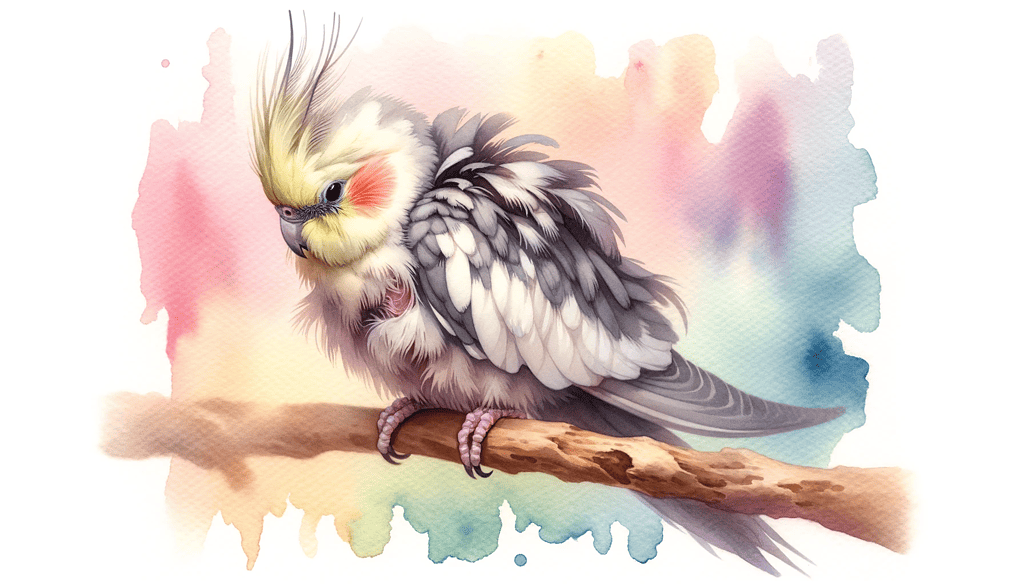
Can Cockatiels Watch TV?

Cockatiels, with their vibrant personalities and curious nature, often surprise us with their unique behaviors. But have you ever wondered if these feathered companions enjoy the same entertainment as we do, like watching TV?

As a general rule, cockatiels can indeed find enjoyment in watching television. The movement, brightness, and sounds from the TV captivate their attention, providing them with both entertainment and a sense of companionship.

But how does this modern pastime affect their well-being? Dive in as we explore the world of cockatiels and their relationship with the television screen.

What Makes TV Enjoyable for Cockatiels?

Before we delve deeper into the specifics, let’s debunk a common myth: Birds, especially cockatiels, can indeed watch and understand TV to a certain extent. It’s not just a blur of moving colors for them. They do enjoy watching TV. But why? What is it about the television that captures their attention?

  • Relief from Boredom: Just like humans, cockatiels can get bored. TV acts as a source of entertainment, breaking the monotony of their day.
  • Keeping Them Occupied and Preventing Loneliness: I’ve noticed that solo cockatiels often feel lonely. TV can act as a companion, keeping them engaged and lessening feelings of isolation.
  • Observing Behavioral Patterns of Their Kind: Nature documentaries or videos featuring birds can be particularly interesting for cockatiels. It’s like them watching their own kind, understanding behaviors, and sometimes even trying to interact.
  • Attraction to Movement and Brightness: Just like us, cockatiels are drawn to the vibrant colors and constant movement on the screen. Their keen eyesight, evolved to spot tiny movements in the wild, finds the ever-changing scenes on TV intriguing.
  • Social Nature of Cockatiels: These birds are inherently social creatures. In the wild, they thrive in flocks, always seeking interaction. The characters and sounds from the TV can sometimes act as a pseudo-flock, giving them a sense of belonging.
  • Sense of Comfort and Security: For some cockatiels, watching TV can be a comforting routine. The familiar sounds and sights can provide a sense of security, especially when they’re alone.

Benefits of Letting Cockatiels Watch TV

  • Provides Mental Stimulation: Just as puzzles and toys stimulate a bird’s mind, the diverse content on TV can challenge and engage their cognitive faculties.
  • Source of Companionship: Especially for cockatiels who spend long hours alone, TV can act as a companion, ensuring they don’t feel isolated.
  • Opportunity for Learning and Mimicking: Cockatiels are known for their ability to mimic sounds. TV, with its plethora of sounds and dialogues, can be an excellent tool for them to pick up new tunes and words.
  • Visual and Auditory Stimulation: TV offers a dynamic visual and auditory experience. The rapid scene changes, varying sound levels, and diverse content can be both stimulating and engaging for cockatiels. 

Potential Risks and Precautions

  • Firstly, the bright lights from the television screen can potentially disturb a bird’s natural sleep cycle. Just as we need our dark and quiet environment for a restful night, cockatiels too require a certain ambiance to get their beauty sleep. The constant flicker and glow from the TV might not be conducive to that.
  • Secondly, there’s a fascinating aspect to consider. If a cockatiel is left alone in front of a TV for extended periods, it might start to perceive the images on the screen as real birds or other entities. This can lead to them becoming stressed or agitated, thinking they’re seeing actual birds, especially if the content is of predatory birds or depicts scenarios that can be perceived as threats.
  • Continuous exposure can overwhelm a cockatiel, leading to stress. Further, loud noises, sudden scene changes, or predatory scenes can scare them.

To ensure a safe TV watching experience for your bird, always monitor their reactions and choose content that’s soothing and appropriate for them.

Setting Up the Perfect TV Time for Your Cockatiel
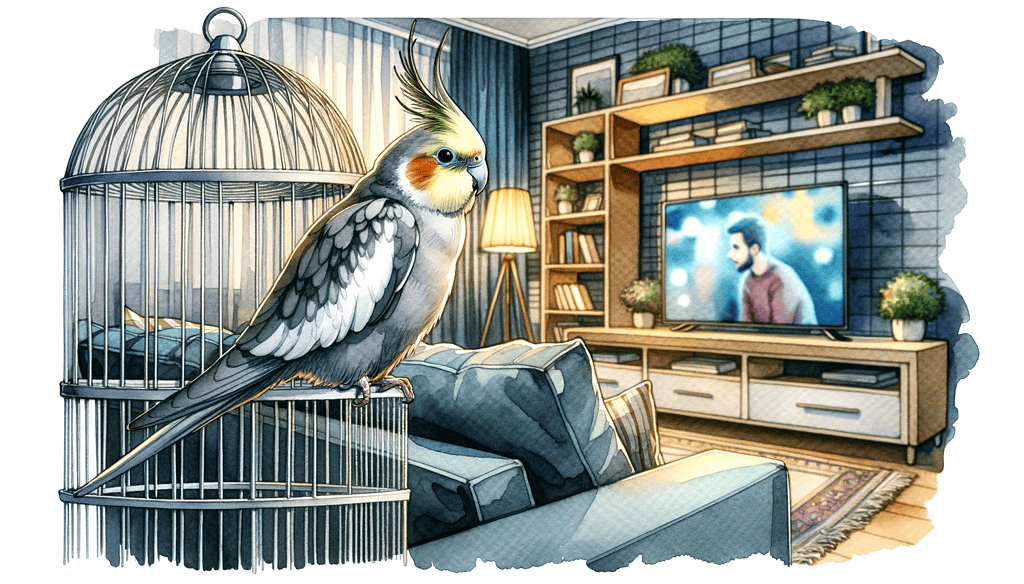
As we delve deeper into the world of cockatiels and their relationship with television, it’s essential to ensure that their TV time is both enjoyable and safe. Let’s explore how you can set up the perfect TV environment for your feathered friend.

1. Choosing the Right Content

Selecting the right content is paramount. Just as we have preferences, cockatiels too have their likes and dislikes when it comes to TV shows.

  • Nature Documentaries and Bird Songs: These can be particularly engaging for cockatiels. The familiar sounds and sights of other birds can be both comforting and stimulating.
  • Avoiding Loud or Frightening Content: It’s crucial to steer clear of content with sudden loud noises or visuals that might startle or stress your bird. Remember, their well-being is paramount.

2. Setting Up the Environment

The environment plays a pivotal role in ensuring your cockatiel’s safety and enjoyment during their TV time.

  • Safe Distance from the Screen: Ensure that the birdcage is placed at a distance where your cockatiel can view the screen without straining its eyes. This also reduces the risk of any radiation exposure.
  • Volume Levels: Cockatiels have sensitive hearing. Always keep the volume at a level that’s comfortable for them. If your bird seems agitated, it might be a good idea to reduce the volume.
  • Monitoring Duration: Just like us, cockatiels need a break from screen time. Regular intervals and ensuring they aren’t watching TV for prolonged periods is essential. From my experience, short sessions spread throughout the day work best.

Positioning the Birdcage: Is Near the TV Safe?

Safety first! While your cockatiel might enjoy its TV time, it’s crucial to ensure that its health isn’t compromised.

  • Potential Harm from Intense Light and Radiation: Televisions emit a certain amount of radiation. While minimal, it’s always best to keep the birdcage at a safe distance to reduce any potential risks.
  • Thinner Skulls and Radiation: Birds, especially cockatiels, have thinner skulls compared to other animals. This makes them more susceptible to radiation. Always ensure that the cage is positioned in a way that minimizes this exposure.

I’ve always advocated for a balanced approach. While TV can be a source of entertainment and stimulation for cockatiels, their safety and well-being should always be the top priority. 

Conclusion

Understanding our feathered friends’ needs is paramount. In the modern world, where technology is omnipresent, it’s essential to strike a balance between natural behavior and the comforts of modern living. While TV can offer entertainment, it’s crucial to ensure it doesn’t negatively impact their well-being. I’ve seen many bird owners successfully integrate TV time into their cockatiels’ routines, but it’s always done with mindfulness and observation. Every bird is unique, and what works for one might not work for another.

I’d love to hear about your experiences. How does your cockatiel react to the TV? Do you have any special shows or routines? Share your stories in the comments below, and if you found this article helpful, please share it with other bird enthusiasts!

Frequently Asked Questions

Do cockatiels get bored easily?

Yes, cockatiels, being intelligent and curious creatures, can get bored if not provided with adequate stimulation.

How can you tell if your cockatiel is stressed?

Signs of stress in a cockatiel include excessive feather plucking, changes in vocalization, aggressive behavior, and a lack of appetite.

Are there specific TV channels or shows for birds?

Yes, there are specific channels and shows designed for birds, often featuring nature documentaries, bird songs, and other bird-friendly content.

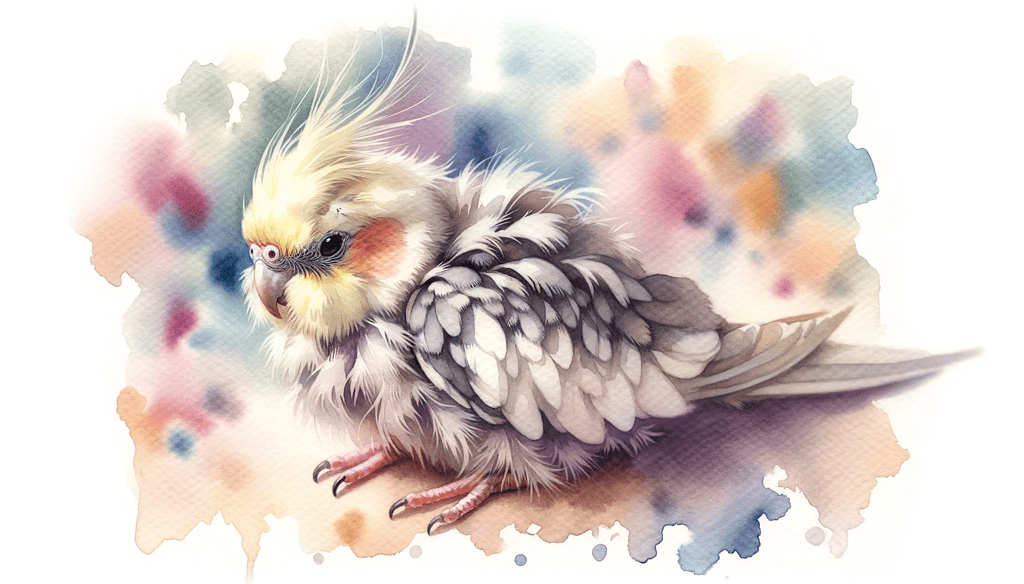
What Can Cockatiels Chew On?

Cockatiels, with their vibrant personalities and playful nature, have a unique need that many bird enthusiasts might overlook: their innate desire to chew. But what exactly can these feathered friends safely chew on without risking their health?

As a general rule, cockatiels can safely chew on a variety of materials such as untreated wood, cuttlebones, and certain paper products. However, it’s essential to be aware of potentially harmful materials and ensure that their chewing needs are met in a safe and stimulating manner.

Dive deeper into this comprehensive guide to discover the best materials for your cockatiel to chew on, the benefits of chewing, and potential hazards to be wary of. Your feathered friend’s well-being is worth every bit of knowledge!

Why Do Cockatiels Need To Chew?

Cockatiels engage in various activities that involve their beaks. One such activity is chewing. This behavior can be traced back to their wild ways, which are deeply programmed in their genes. When cockatiels reach sexual maturity, they naturally break, shred, and chew various materials. This is not just a random act; it’s a way for them to mark nesting territory and build nests. 

Even if your cockatiel is in the comfort of your home, these wild instincts don’t just disappear. So, when you see your bird chewing on her cage bars or other objects, it could be an indication that she has reached sexual maturity and feels the instinctual pull to nest.

Moreover, the environment they come from plays a significant role in this behavior. In their natural habitat, cockatiels would spend a considerable amount of time foraging for food. This involves pecking at branches, leaves, and other objects, which is part of their food-finding process. By allowing them to replicate this behavior in captivity, we help them stay connected to their natural instincts.

Benefits of Chewing for Cockatiels

Delving deeper, we find that the act of chewing offers a plethora of benefits for these charming birds. Let’s explore the multifaceted advantages that chewing brings to our feathered companions.

1. Dental health and the importance of beak maintenance

Just as we humans need to maintain our nails and teeth, cockatiels need to maintain their beaks. Chewing helps them keep their beaks in top shape. Over time, a cockatiel’s beak can continue to grow and flake. By chewing on strong objects, like cage bars, they can shave off these flakes, ensuring their beak remains neat and trim. 

However, excessive chewing on cage bars can damage their beak. Hence, it’s essential to provide them with other items inside their cage, like natural perches and cuttlebones, to help with this grooming upkeep.

2. Mental stimulation and combating bird boredom

Chewing is not just a physical activity for cockatiels; it’s a mental one too. It provides them with the necessary mental stimulation and keeps them engaged. If a cockatiel is left unoccupied, it might resort to chewing on cage bars out of boredom or to get your attention. 

Engaging with them, teaching them tricks, and providing a variety of toys can keep them occupied and reduce the chances of them resorting to undesirable chewing behaviors.

Safe Materials For Cockatiels To Chew On

Now that we understand the reasons behind their chewing habits, it’s time to ensure we provide them with safe materials to satisfy this natural instinct.

1. Wooden Toys

Wooden toys are a great option for cockatiels to chew on. However, it’s crucial to ensure the wood is safe for them. Not all woods are created equal, and some can be harmful to our feathered friends.

  • Different Types Of Safe Wood For Cockatiels

There are several woods that are safe for cockatiels, such as apple, elm, and fir. It’s essential to do thorough research or consult with experts before introducing any wood to your bird’s environment.

  • The Dangers Of Treated Or Painted Wood And How To Identify Them

Treated or painted woods can contain chemicals that are harmful to cockatiels. Always ensure that the wood you provide is untreated and unpainted. If you’re unsure, it’s best to avoid it altogether.

2. Cuttlebones and Mineral Blocks

Cuttlebones and mineral blocks serve a dual purpose for cockatiels. They not only help in beak maintenance but also provide essential minerals. They are also rich in calcium, which is especially vital for female cockatiels during the spring when they lay eggs. It ensures they get the minerals they need without resorting to chewing on potentially harmful objects.

Steps To Properly Install A Cuttlebone In A Cockatiel’s Cage

  • Choose a cuttlebone that is appropriately sized for your bird’s cage.
  • Ensure the cuttlebone is clean and free from any contaminants.
  • Use the provided holder or a suitable attachment to secure the cuttlebone to the cage bars.
  • Position the cuttlebone at a height that is easily accessible to your bird.
  • Monitor the cuttlebone for wear and replace it when it becomes too small or worn out.

3. Paper and Cardboard Items

Paper and cardboard items can be an inexpensive and safe option for cockatiels to chew on. They are soft, easy to shred, and can provide hours of entertainment for your bird.

Household Paper And Cardboard Items Suitable For Cockatiels

  • Plain printer paper
  • Cardboard rolls (from paper towels or toilet paper)
  • Untreated paper plates
  • Brown paper bags (without any print or ink)
  • Cardboard boxes (ensure they are clean and free from any contaminants)

Things to Avoid in Cockatiel Chewing Toys

While it’s essential to provide our feathered friends with safe materials to chew on, it’s equally crucial to be aware of the potential dangers lurking in some toys. Let’s dive into what you should be cautious of.

1. Toxic Woods and Materials

It’s surprising how many woods and materials can be harmful to cockatiels. I remember a time when I almost gave my cockatiel a toy made from a wood type that I later found out could have been harmful. It was a close call, and I’ve been extra cautious ever since.

Toxic Woods vs. Safe Alternatives Table:

Toxic WoodsSafe Alternatives
Pine (treated)Pine (untreated)
CedarBalsa
Red CherryApple
OakBamboo
PlywoodManzanita

2. Small, Easily Swallowed Parts

Choking hazards are a real concern. Small parts that can easily be swallowed or inhaled pose a significant risk to our birds. It’s essential to inspect toys for safety, ensuring there are no small, detachable parts.

Common Choking Hazards

  • Small beads
  • Tiny bells
  • Rubber parts
  • Plastic eyes on toy figures
  • Loose threads or strings

3. Chemicals and Paints

Ensuring that toys are free from harmful substances is paramount. I’ve come across many toys in the market painted with colors that could be harmful if ingested. Here’s a quick DIY test you can do to check if a toy’s paint is safe:

DIY Paint Safety Test

  • Take a white cloth or tissue.
  • Rub it against the painted surface of the toy.
  • If any color transfers to the cloth, it’s a sign that the paint might not be safe.
  • Always opt for toys with non-toxic, bird-safe paints.
  • When in doubt, consult with a trusted pet store or veterinarian.

Conclusion

Now, it becomes evident that the right chewing materials play a pivotal role in their overall health and happiness. From beak maintenance to mental engagement, the advantages of proper chewing materials are numerous. Offering a diverse range of safe items, such as wooden toys, cuttlebones, and paper products, not only ensures their physical well-being but also contributes to their emotional contentment.

Did you find this guide helpful in understanding what your feathered friend can safely chew on? Feel free to share your thoughts in the comments and pass this article along to fellow bird enthusiasts. Your cockatiel’s vibrant life is worth the extra effort, and together, we can create a safe and stimulating environment for them to thrive.

Frequently Asked Questions

Why do cockatiels chew on their cage bars?

Chewing on cage bars can be a sign of boredom, a need for beak maintenance, or a lack of proper toys and stimulation.

How can I prevent my cockatiel from chewing on furniture?

Provide them with appropriate toys and materials to chew on, and ensure they have enough mental and physical stimulation.

How often should I replace my cockatiel’s chewing toys?

Regularly inspect toys for wear and tear. Replace them when they become damaged or pose a potential hazard.

Can I give my cockatiel fresh branches from the garden to chew on?

Yes, but ensure they are from safe, untreated trees and are thoroughly cleaned.

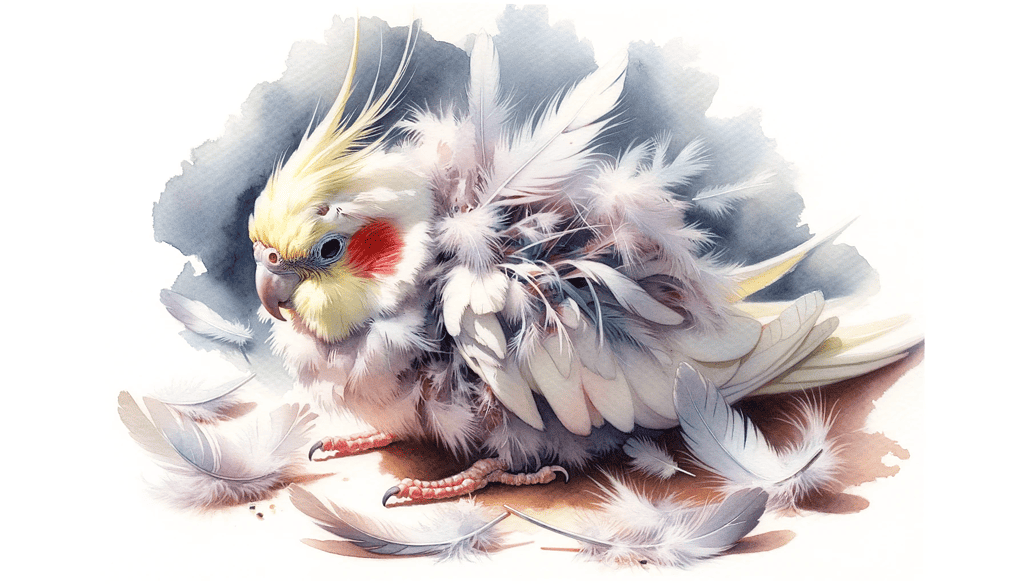
Decoding the Feather Loss in Cockatiels – A Vet’s View

Cockatiels, with their vibrant personalities and striking plumage, are a favorite among bird enthusiasts. However, like all creatures, they have their unique set of challenges. One such challenge that often leaves owners puzzled is the mysterious case of feather loss. Whether it’s a natural molting process or a sign of distress, understanding the reasons behind this phenomenon is crucial for every cockatiel caretaker.

As a general rule, feather loss in cockatiels can be attributed to various factors, including natural molting, environmental changes, diet, and underlying health conditions. Ensuring a balanced diet, regular check-ups, and a stress-free environment can significantly reduce excessive feather loss.

Intrigued about the intricacies of feather loss in cockatiels? Dive in as we decode this phenomenon from a vet’s perspective, offering insights and actionable tips to ensure your feathered friend’s well-being. Stay with me, and let’s embark on this enlightening journey together!

Natural and Healthy Feather Loss

Before diving into the specifics, it’s essential to understand that not all feather loss is a cause for concern. Just like humans shed skin cells, cockatiels also undergo natural processes that result in feather loss.

Molting

Molting is a natural and regular occurrence in the life of a cockatiel. It can be likened to how humans shed old fingernails to make way for new growth. This process is influenced by seasonal changes, which can impact the frequency and intensity of molting. Typically, molting begins when a cockatiel is between six to twelve months old. While it can happen throughout the year, heavy molting usually occurs twice annually. During this period, cockatiels may experience discomfort and expend more energy. If you observe pin feathers replacing the fallen ones, it’s a clear sign of molting. However, continuous feather loss post-molting indicates another underlying issue.

Reasons for Natural Feather Loss:

  • Seasonal changes: As mentioned, the changing seasons can influence the molting process.
  • Replacement of damaged feathers: Just as we shed damaged skin cells, cockatiels shed damaged feathers.
  • Migration, reproductive cycle, and nutritional status in the wild: In the wild, these factors can influence feather loss, although they might be less relevant for domesticated birds.
  • Regulation of body temperature: Sometimes, cockatiels might shed feathers to regulate their body temperature, especially during hotter periods.

Supporting Your Cockatiel During Molting

  • Importance of a stress-free environment: Stress can exacerbate the molting process, making it essential to provide a calm environment.
  • Adjusting the diet: During molting, cockatiels expend more energy. To compensate, it’s advisable to increase their food intake by about 25%. This includes adding cereals, fresh fruits, and vegetables to their diet.
  • Providing privacy: Sometimes, cockatiels need a little privacy. Consider covering a part of their cage to give them some solitude.
  • Importance of humidity: Misting the cockatiel’s feathers or offering birdbaths can help them manage the heat and promote healthy feather growth.

Feather Plucking

Transitioning from natural feather loss, another concerning aspect that many cockatiel owners encounter is feather plucking. This behavior is not only distressing to witness but can also indicate underlying health or environmental issues.

Signs of Feather Plucking

Feather plucking in cockatiels can be distressing for both the bird and its owner. It’s essential to recognize the signs early to address the underlying causes. Most evident signs are:

  • Uneven distribution of feather hairs across the body.
  • Visible signs of skin irritation or redness.
  • Increased itching or scratching behavior.
  • Excessive preening or grooming, especially around the beak area.
  • Potential underlying causes can include skin infections or mineral deficiencies.
AspectNatural Feather LossFeather Plucking
AppearanceEven shedding, pin feathers visibleLarge bald patches, damaged feathers
FrequencySeasonal, usually twice a yearCan be continuous, not limited to molting season
Affected AreasAll over the bodyOften localized, especially chest and 

Causes of Feather Plucking

  • Loneliness and lack of social interaction: Cockatiels are social birds and thrive on interaction. Prolonged isolation can lead to stress and feather plucking.
  • Organ or skin-related issues: Any discomfort or itchiness can cause a bird to pluck its feathers.
  • Overweightness and liver diseases: Health issues can manifest externally through behaviors like feather plucking.
  • Metallic poisoning: Cockatiels can sometimes ingest metals from their cages or toys, leading to toxicity and subsequent feather plucking.
  • Lack of sleep and rest: Just like us, cockatiels need their beauty sleep. Disrupted sleep cycles can stress them out.
  • Absence of a mate or partner: In the wild, cockatiels often have partners. The absence of one can lead to loneliness and stress.
  • Environmental changes: Any change in their environment, be it a new feed, medication, presence of parasites, allergies, or even neglect, can trigger feather plucking.

Illness and Malnourishment

While feather plucking can be distressing, it’s also crucial to understand that certain illnesses and malnourishment can lead to feather loss in cockatiels.

  • Bacterial or viral infections, like the psittacine beak and feather disease, are common causes.
  • Skin infections, such as scabies or eczema, can lead to excessive preening and feather loss.
  • Mineral deficiencies can lead to frayed feathers, causing uneven feather hairs. Such deficiencies can result in itching and skin irritation, prompting feather plucking.

Recommendations for a Healthy Diet

  • Ensure a mix of seeds, pellets, fruits, and vegetables in their diet.
  • Limit sunflower seeds as they can be fatty.
  • Provide fresh water daily and ensure it’s free from contaminants.
  • Avoid foods like chocolate, caffeine, and avocado, which can be toxic for birds.
  • Regularly monitor their droppings. Changes in color or consistency can indicate health issues.

Helping a Cockatiel with Feather Loss

As we delve deeper into the world of cockatiels, it’s essential to understand the various interventions that can assist these beautiful birds during their feather loss episodes. Whether it’s due to natural molting or other underlying issues, there are several ways to support your feathered friend.

  • Dietary Adjustments: During molting, cockatiels undergo a highly energy-intensive process. To compensate for the lost energy, it’s advisable to increase the cockatiel’s diet by 25%.
  • Medical Intervention: If an infection or parasites cause feather loss, it’s crucial to consult a veterinarian. They will prescribe the appropriate medication and check for any parasites on the cockatiel.
  • Environmental Adjustments: Maintaining an ideal room temperature of 70-80°F (21-27°C) and providing adequate lighting can prevent constant molting and ensure your cockatiel’s comfort.
  • Social Interaction: Cockatiels are inherently social creatures. Spending quality time with them can alleviate stress. If you’re often away, consider introducing another cockatiel for companionship.
  • Safe Cages: Opt for aluminum or steel cages to prevent metal poisoning. These cages aren’t painted, ensuring your bird won’t ingest toxins even if it nibbles on the cage.
  • Incorporating Fresh Foods: Fresh fruits and vegetables promote feather growth. They provide essential vitamins like A, D, and E. Vitamin A, in particular, aids in keratin production, crucial for feather formation.

Conclusion

Understanding and addressing feather loss in cockatiels is paramount for every bird enthusiast. Understanding the reasons, whether natural or due to underlying issues, can make a world of difference in the care we provide. It’s heartwarming to witness the bond between a bird and its owner, especially when they work together to overcome such hurdles. 

I hope you found this article enlightening. Did you enjoy reading it? I’d love to hear your thoughts in the comments below. If you found this information valuable, please consider sharing it with fellow bird lovers. Your feathered friend deserves the best!

Frequently Asked Questions

Why is my cockatiel molting more frequently than usual?

The primary distinction between molting and plucking is the number of fallen feathers. A cockatiel will lose a few feathers at a time during molting. Excessive feathers in the cage might indicate plucking.

What can cause my cockatiel to pluck its feathers excessively?

Factors like infections, parasites, stress, environmental changes, and lack of social interaction can lead to excessive feather plucking

How can I support my cockatiel during its molting period?

Increase its diet, provide a comfortable environment, and ensure regular check-ups with a veterinarian.

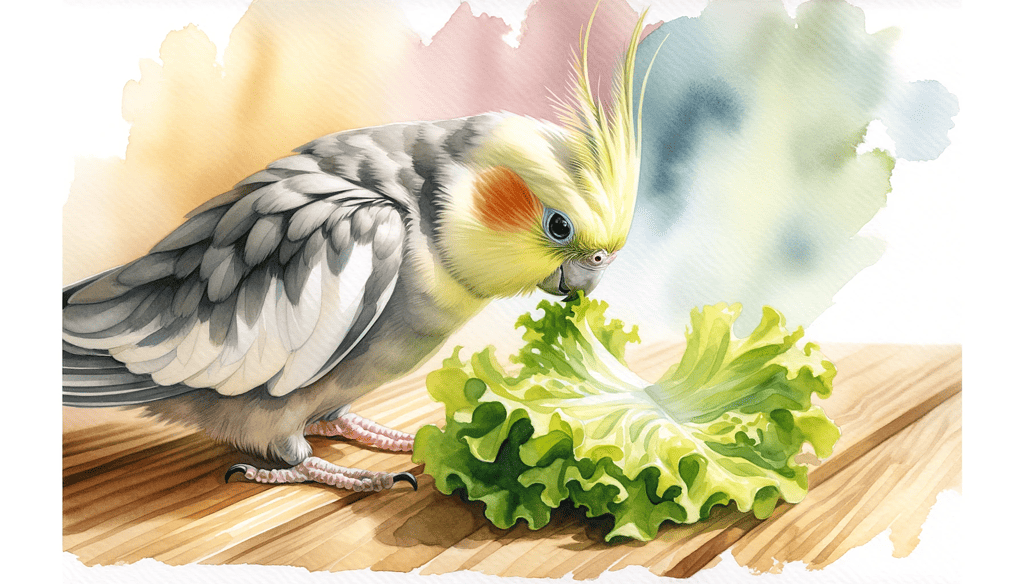
Can Cockatiels Eat Lettuce?

Navigating the dietary needs of your beloved cockatiel can be a daunting task. With so many food options available, how do you determine what’s best for your feathered friend? Can cockatiels safely indulge in lettuce?

As a general rule, cockatiels can consume lettuce. However, the type of lettuce and its nutritional content play a crucial role in determining its suitability for your bird. While some lettuce varieties offer essential vitamins and minerals, others might be less beneficial and should be given in moderation.

Dive deeper with me as we explore the different types of lettuce, their benefits, and potential risks, ensuring your cockatiel enjoys a healthy and balanced diet.

Is Lettuce Safe For Cockatiels?

Absolutely, lettuce can be safe for cockatiels when given in moderation. It’s important to ensure that the lettuce is fresh and free from pesticides or chemicals. Wash it thoroughly before offering it to your bird. While lettuce is not nutritionally dense, it can provide hydration and some fiber. However, it shouldn’t make up a large portion of your cockatiel’s diet. Instead, it should be offered as a treat or supplement to their regular diet. Always monitor your bird for any adverse reactions when introducing new foods.

Which Type Of Lettuce Can I Feed My Cockatiels?

When it comes to feeding your cockatiel, it’s essential to know which types of lettuce are safe and beneficial for them. Let’s delve into the different varieties of lettuce and their impact on your feathered friend’s health:

1. Romaine Lettuce

Unlike other lettuces that grow in round shapes, romaine lettuce stands tall with dark, solid green leaves. Its 100 grams contain about 1.2 g protein and 3.3 g carbohydrate. Rich in vitamin A, this lettuce type also contains folic acids, which are crucial for forming uric acid and can help prevent anemia and reproductive issues. Given its nutrient profile, romaine lettuce is a top choice for cockatiels.

2. Iceberg Lettuce

Commonly used in salads, iceberg lettuce doesn’t pack as much nutritional punch as other varieties. While it’s hydrating, cockatiels would need to consume a lot of it to reap any significant health benefits. Overindulgence can lead to diarrhea and loose stools. If you opt for iceberg lettuce, ensure it’s organic to avoid potential pesticide ingestion.

3. Butterhead Lettuce

This lettuce type is a powerhouse of nutrients, including calcium and vitamins A, C, and K. It’s also low in sodium and cholesterol. However, it’s worth noting that butterhead lettuce is high in iron. While iron is beneficial to some extent, excessive intake can lead to Iron Storage Disease. As always, moderation is key.

4. Celtuce Lettuce

Celtuce is another nutritious option for your cockatiel. Low in fat, it’s rich in vitamins A and C. While it does contain higher sodium levels than other lettuces, the amount isn’t harmful unless consumed in excessive quantities.

Is Lettuce Healthy For Cockatiels?

Lettuce is known for its high water content, which can be both a boon and a bane. While it helps hydrate, excessive consumption, especially of varieties like iceberg lettuce, can lead to diarrhea in cockatiels due to its low fiber and high water content. On the brighter side, certain lettuce varieties are packed with essential vitamins and minerals.

For instance, lettuce contains:

  • Vitamin A: Essential for vision, growth, and immune function.
  • Vitamin C: An antioxidant that aids in wound healing and feather health.
  • Vitamin K: Helps in blood clotting and bone health.
  • Fiber: Aids in digestion and promotes gut health.

How Much Lettuce Should You Feed Your Cockatiel?

Ideally, lettuce should make up less than 30% of your cockatiel’s daily food intake. It’s essential to ensure a balanced diet by complementing lettuce with other nutritious foods. Offering a variety of fresh produce ensures your cockatiel receives all the necessary nutrients for optimal health. Lettuce, being a vegetable, can be a refreshing addition, especially during warmer months. However, moderation is the key.

Here’s a guideline on introducing lettuce to your cockatiel’s diet:

  • Start Small: Begin by offering a small piece of lettuce and observe your bird’s reaction.
  • Frequency: Initially, provide lettuce once a week, gradually increasing to 2-3 times a week.
  • Quantity: A couple of leaves mixed with other vegetables is sufficient for one feeding.
  • Variety: Rotate between different types of lettuce, but lean more towards nutrient-rich varieties like romaine.
  • Monitor: Always observe your cockatiel after introducing any new food. If you notice any digestive issues, reduce the amount or frequency.

How To Feed Lettuce To Your Cockatiel?

Feeding lettuce to your cockatiel isn’t just about tossing a few leaves into their cage. It’s about making the experience enjoyable and natural for them. Here are some tips to ensure your feathered friend gets the most out of their greens:

  • Freshness First: Always offer fresh lettuce. Wilted or old lettuce can be harmful.
  • Wash Thoroughly: Ensure the lettuce is free from pesticides and contaminants by washing it thoroughly.
  • Chop or Tear: Break the lettuce into manageable pieces that your cockatiel can easily nibble on.
  • Mix It Up: Combine lettuce with other greens like spinach or kale to provide a varied nutrient profile.

Best Practices for Feeding Lettuce to Cockatiels:

  • Opt for organic lettuce to avoid harmful pesticides.
  • Remove any uneaten lettuce from the cage after a few hours to prevent spoilage.
  • Always ensure fresh water is available, especially when feeding high water content foods.
  • Occasionally mix lettuce with other veggies or fruits for a delightful salad treat.
  • Avoid feeding lettuce to very young cockatiels as their digestive systems are still developing.

Risks of Overfeeding Lettuce

While lettuce is a hydrating and occasionally nutritious treat, overfeeding can lead to health issues. The primary concern is the potential for diarrhea due to its high water content, especially in varieties like iceberg lettuce.

Table: Symptoms and Remedies of Overfeeding Lettuce

SymptomsPotential Remedies
DiarrheaReduce lettuce intake; offer plain seeds
LethargyConsult a veterinarian; ensure hydration
Reduced appetiteIntroduce a varied diet; monitor bird closely
Change in droppingsReturn to a basic diet; observe changes
Excessive thirstLimit high water content foods; provide fresh water

Conclusion

Understanding your cockatiel’s dietary needs is paramount. While lettuce can be a refreshing treat, it’s essential to choose the right type and serve it in moderation. Remember, variety is the spice of life, and this holds true for your bird’s diet as well. Offering a mix of vegetables ensures your cockatiel gets all the nutrients it needs. So, next time you’re at the grocery store, think of your feathered friend and pick up some nutritious greens for them. 

And if you found this article helpful, please share your thoughts in the comments and spread the word to help other bird enthusiasts!

Frequently Asked Questions

What is the difference between Iceberg Lettuce and Romaine Lettuce?

Iceberg lettuce is more hydrating but has lower nutritional value, while romaine lettuce is rich in protein, amino acids, and vitamin A.

What is the best food for pet cockatiels?

A balanced diet of pellets, seeds, fruits, and vegetables, with occasional treats.

What foods can kill cockatiels?

Foods like chocolate, avocado, and caffeine are toxic to cockatiels.

What are the benefits of lettuce for birds?

Lettuce provides hydration, vitamins, and minerals essential for a bird’s health.

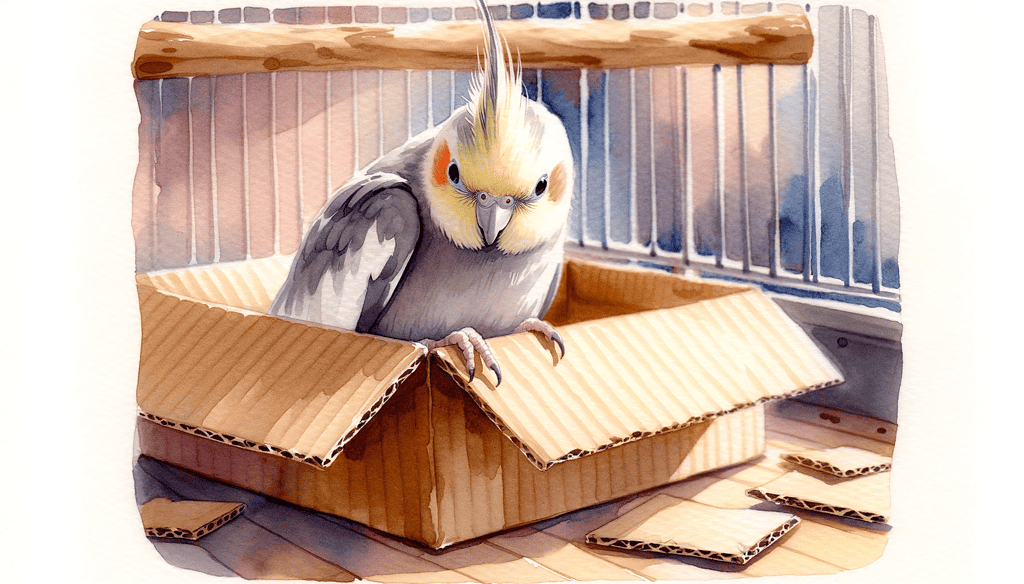
Is It OK for Cockatiels To Eat Cardboard?

Cockatiels, with their vibrant personalities and playful nature, are a joy to have as pets. But as with any pet, ensuring their safety and well-being is paramount. Have you ever wondered if it’s safe for your cockatiel to chew on that cardboard box?

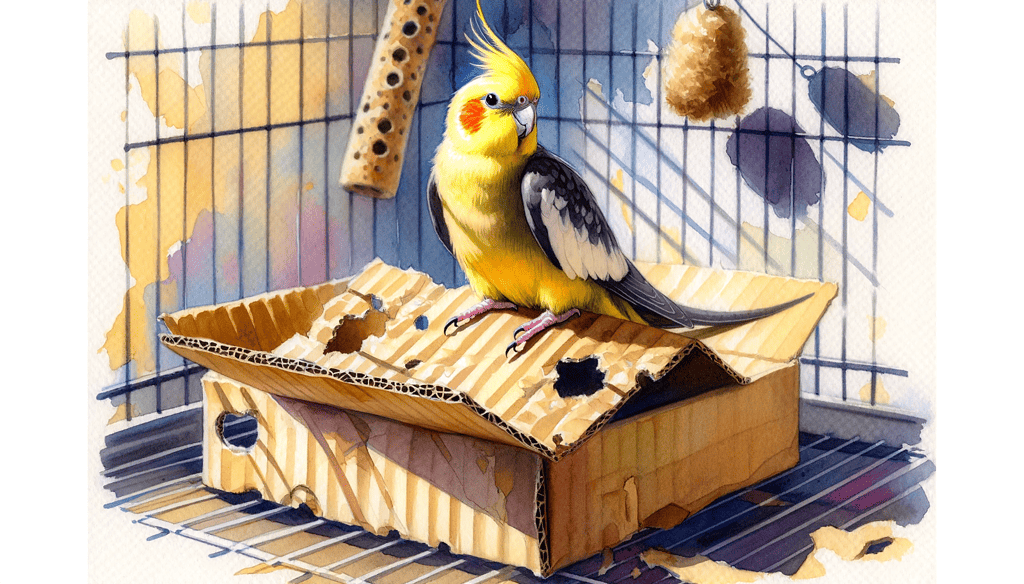
As a general rule, cockatiels can interact with and chew on cardboard, as it provides mental stimulation and mimics their natural foraging behavior. However, ingestion of cardboard should be avoided to prevent potential health issues.

Dive deeper into this article to understand the types of cardboard that are safe for cockatiels, the potential risks, and how to ensure your feathered friend’s safety.

Why Do Cockatiels Chew On Cardboard?

Cockatiels are naturally curious birds that use their beaks to explore their surroundings. This behavior often leads them to chew on various objects, including cardboard. Chewing on cardboard provides cockatiels with mental stimulation and mimics their natural foraging behavior in the wild. 

Here are some main reasons why cockatiels are attracted to cardboard:

  • The fibrous nature of cardboard is satisfying for cockatiels to tear apart, closely resembling the materials they’d interact with in their natural habitat.
  • Cardboard provides an excellent medium for cockatiels to engage in foraging-like activities, keeping them mentally stimulated.
  • Most of the time, cardboard is non-toxic, and nothing in its components can harm the cockatiel. However, it’s essential to ensure that the cardboard doesn’t contain any toxic materials.

Different Types Of Cardboard That Are Safe For Cockatiel

When it comes to our feathered friends, especially cockatiels, it’s essential to ensure that their environment is both stimulating and safe. One common item that many cockatiel owners consider introducing is cardboard. But with various types of cardboard available, which ones are safe for cockatiels?

1. Single-Ply Cardboard

This type of cardboard is predominantly used in food packaging. Its standout feature is the absence of glue within its structure. Only when the boxes are assembled for specific food items is glue introduced. Both the cardboard and the glue used in these boxes are under the watchful eye of the Food and Drug Administration (FDA), ensuring their safety. Given this oversight, it’s generally safe for cockatiels to interact with this type of cardboard. Even if ingested in minute amounts, it shouldn’t pose any harm.

2. Cardboard Containers With Ink Or Wax

Some cardboard containers come with a layer of vegetable oil wax or paraffin sprayed on their exterior. This process gives the cardboard a smooth finish, allowing ink to adhere seamlessly. While the FDA regulates the wax to ensure it’s of food-grade quality, the ink is a different story. Inks can be toxic to cockatiels, and without FDA regulation, it’s uncertain whether the ink on such cardboard is safe for your bird. It’s best to proceed with caution with this type of cardboard.

3. Corrugated Cardboard

Recognizable by its thick, ridged structure, this cardboard is commonly used for shipping containers. It’s made up of multiple paper layers bound together with glue. The glue might contain elements like zinc, which is toxic to birds. Some manufacturers might also use borax in their adhesives, another substance known to be harmful to cockatiels. In the USA, the use of borax in cardboard containers is prohibited, but it’s always wise to be cautious.

To provide a clearer picture, here’s a table comparing the three types of cardboard:

Type of CardboardCharacteristicsSafety Level for Cockatiels
Single-ply cardboardAbsence of glue, FDA regulatedGenerally Safe
Cardboard with ink or waxSmooth surface, potential toxic inkUse with Caution
Corrugated cardboardMultiple layers, potential toxic adhesivesUse with Caution

Benefits of Introducing Cardboard to Cockatiels

Having observed countless cockatiels in both domestic and clinical settings, I’ve seen firsthand the joy and engagement cardboard can bring to these birds. But beyond mere entertainment, what are the benefits of introducing cardboard to cockatiels?

  • Mental Stimulation: Just as we humans enjoy puzzles and games, cockatiels relish the challenge of tearing, shredding, and exploring cardboard. It keeps their minds sharp and engaged.
  • Mimicking Natural Behavior: In the wild, cockatiels are accustomed to foraging, tearing apart materials, and exploring their surroundings. Cardboard offers a similar experience, allowing them to express their natural instincts.
  • Safe Exploration: Under supervision, cardboard provides a safe medium for cockatiels to explore and play without the risk of ingesting harmful substances.
  • Cost-Effective Toy: Instead of spending on expensive toys, cardboard offers a cost-effective alternative that cockatiels love just as much.
  • Bonding Time: Watching your cockatiel play with cardboard can be a delightful experience. It offers an opportunity for bonding, understanding their behavior, and ensuring they’re mentally and physically active.

I’ve seen cockatiels create intricate designs with cardboard, use it as a tool, or simply enjoy the texture under their beaks. It’s a joy to watch and even more fulfilling to know that such a simple item can bring so much happiness to our feathered companions.

Risks and Precautions

Cockatiels, with their inquisitive nature, often explore their surroundings using their beaks. While cardboard can be a source of entertainment for them, it’s crucial to understand the potential risks associated with its ingestion.

Primary Concern – Impaction

If a cockatiel ingests cardboard, the primary concern is impaction. Impaction occurs when materials that cannot be digested accumulate in the digestive tract. 

  • As these materials travel, they can bunch up, and if the mass becomes too large, it can create a blockage. 
  • Symptoms of impaction in cockatiels include difficulty absorbing nutrients, pain and discomfort, an inability to pass other waste, and a loss of appetite.

If you suspect your cockatiel has ingested a significant amount of cardboard, here are the steps you should take:

  • Monitor Your Bird: Observe for any changes in behavior, especially signs of discomfort or distress.
  • Check Droppings: An absence of droppings or changes in their consistency can be indicative of a blockage.
  • Limit Further Access: Remove any cardboard or potential hazards from the bird’s environment.
  • Hydration: Ensure your bird has access to fresh water to help with digestion.
  • Consult a Vet: If symptoms persist or if you’re concerned, seek immediate veterinary care.

Conclusion

Understanding our feathered friends and their behaviors is essential for their well-being. While cardboard can provide hours of entertainment for cockatiels, it’s our responsibility as caregivers to ensure their safety. Balancing entertainment with safety is the key. Their playful antics, combined with their affectionate nature, make them wonderful companions. However, with this joy comes the responsibility of ensuring their well-being. 

I encourage you to share your thoughts and experiences in the comments below. If you found this article helpful, please share it with fellow bird enthusiasts.

Frequently Asked Questions

Can cockatiels play with cardboard?

Yes, cockatiels can play with cardboard. It provides a good engagement activity and closely imitates what cockatiels do in the wild.

Can cockatiels digest cardboard?

No, cockatiels cannot fully digest cardboard; they usually chew and shred it without swallowing.

What types of toys are safe for cockatiels?

Safe toys for cockatiels include natural wood, vegetable-tanned leather, and bird-safe plastic toys.

How can I tell if my cockatiel has ingested too much cardboard?

Signs include changes in droppings, loss of appetite, and signs of discomfort or distress.

Can Cockatiels Eat Peaches? 

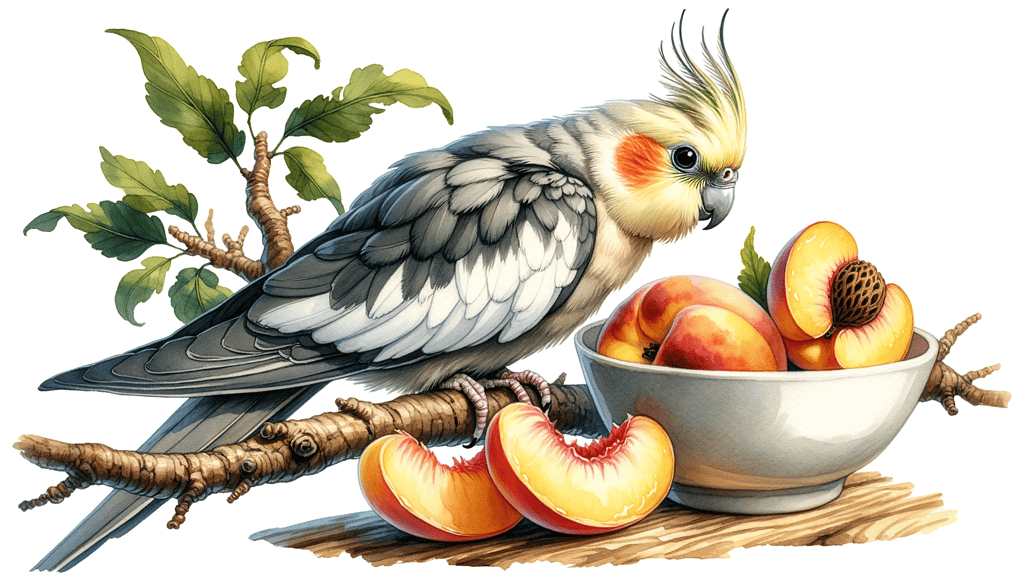
Cockatiels, with their vibrant personalities and curious nature, often show interest in a variety of foods. But as a responsible bird owner, you might wonder: can these feathered friends safely indulge in the juicy delight of peaches? 

As a general rule, cockatiels can consume peaches, which offer them essential vitamins and minerals. However, it’s crucial to ensure the peach pits, which contain harmful cyanide, are removed before feeding. 

Dive deeper into this article to uncover the health benefits of peaches for cockatiels, the potential risks, and how to offer this fruit in the safest way possible.

Are Peaches Safe for Cockatiels?

Absolutely! Cockatiels can enjoy peaches. These delightful birds love to snack on various fruits, and peaches are definitely on their menu. Rich in numerous nutrients, peaches can be a healthy treat for your pet. But, as with many things, moderation is key.

When offering peaches to your cockatiel, it’s essential to remember one crucial thing: always remove the pits. The pits of peaches contain cyanide, which is toxic to cockatiels. While the flesh of the peach is juicy, sweet, and safe, the pit can be harmful, even in small amounts. So, always ensure you’re giving them the flesh only, free from any pits or seeds.

How Many Peaches Can Cockatiels Eat?

Peaches, along with other fruit treats, should constitute no more than 10% of their daily intake. This includes other treats like seeds, peanut butter, and bread slices. The bulk of their diet, about 60%, should be pellets. The remaining 30% can be a mix of various vegetables like carrots and cabbages.

Understanding the dietary needs of cockatiels is paramount. While peaches are nutritious, offering them in excess can be detrimental due to their sugar content. Cockatiels, like other birds, require a balanced diet to maintain their health and vitality. This not only provides them with a balanced diet but also keeps their meals exciting.

Health Benefits of Peaches for Cockatiels

Vitamins and minerals play a crucial role in a cockatiel’s overall health, and peaches can be a delightful way to supplement their diet. These juicy fruits are not just a treat for the taste buds but also pack a punch when it comes to nutrition.

Top 5 Health Benefits of Peaches for Cockatiels:

  1. Rich in Vitamins: Peaches are a good source of essential vitamins like Vitamin C, Vitamin A, and Vitamin E, which are vital for maintaining a cockatiel’s immune system and overall health.
  2. Mineral Boost: They provide essential minerals such as potassium, niacin, copper, and manganese, which aid in various physiological functions.
  3. Dietary Fiber: The fiber content in peaches can help in digestion and ensure that your cockatiel’s gut health is in top shape.
  4. Antioxidant Properties: Peaches contain antioxidants that can help combat oxidative stress and reduce the risk of diseases.
  5. Hydration: The high water content in peaches can help keep your cockatiel hydrated, especially during warmer months.

Nutritional Components of Peaches

Peaches are not just sweet and juicy; they are also nutritionally dense. Here’s a breakdown of what they offer:

NutrientAmount (per 150 grams)
Calories58
Protein1 gram
FatLess than 1 gram
Carbohydrates14 grams
Fiber2 grams
Vitamin CPresent
Vitamin APresent
PotassiumPresent
NiacinPresent
Vitamin EPresent
Vitamin KPresent
CopperPresent
ManganesePresent

Risks of Feeding Your Cockatiel Peaches

While peaches can be a delightful treat for your cockatiel, there are certain risks associated with them that every bird owner should be aware of.

Peach Pits are Toxic

The pits of peaches contain cyanide, a compound that’s toxic not just to birds but to most animals. Even though the flesh of the peach is safe and nutritious for cockatiels, the pit can pose a serious threat. If ingested, it can lead to cyanide poisoning. Therefore, always ensure that you remove the pits before offering peaches to your bird.

Symptoms to watch out for if a cockatiel consumes a peach pit:

  • Difficulty in breathing
  • Increased heart rate
  • Tremors or shaking
  • Weakness or lethargy
  • Collapse or unconsciousness

Peaches are Too Sweet

Peaches, like many fruits, contain natural sugars. While these sugars are not harmful in moderation, overfeeding can lead to health issues. Excessive sugar can disrupt the balance of your cockatiel’s diet and might lead to obesity or other related health problems. It’s essential to ensure that peaches and other fruits are given in moderation and as part of a balanced diet.

What Happens if Your Cockatiel Eats a Peach Pit?

The allure of a juicy peach might be irresistible to us, but for our feathered companions, there’s a hidden danger lurking within: the peach pit. Peach pits contain cyanogenic glycosides, which can release cyanide when ingested. While the amount might be minuscule for larger animals, for a small bird like a cockatiel, it can be potentially lethal.

If you suspect your cockatiel has consumed a peach pit, it’s essential to act swiftly. Here’s what you should do:

Immediate Steps to Take if a Cockatiel Consumes a Peach Pit:

  1. Stay Calm: Panicking won’t help the situation. Stay calm and act quickly.
  2. Remove Any Remaining Fruit or Pit: Ensure there are no other peach pits or harmful items within your bird’s reach.
  3. Monitor for Symptoms: Look out for signs of distress, such as difficulty breathing, increased heart rate, or lethargy.
  4. Contact Your Vet Immediately: Even if your bird seems fine, it’s crucial to get professional advice.
  5. Keep Your Bird Calm: While waiting for veterinary advice or while transporting your bird to the clinic, ensure the environment is calm and stress-free.

Conclusion

Peaches can be a delightful treat for cockatiels when offered with care. These fruits not only tantalize their taste buds but also provide essential nutrients. However, the key lies in ensuring the safety of consumption by removing any potential hazards like the toxic peach pits. Understanding the dietary needs and potential hazards for our pets is paramount. 

I hope this article shed light on your queries and provided clarity. Did you find this information helpful? I’d love to hear your thoughts in the comments below. If you believe this article could benefit other bird enthusiasts, please feel free to share it. Your feathered friend’s well-being is our shared passion.

Frequently Asked Questions

Can cockatiels eat peach skin?

Yes, cockatiels can eat peach skin, but ensure it’s washed thoroughly to remove any pesticides.

How often should I feed fruits to my cockatiel?

Fruits should be given as treats, ideally 2-3 times a week in moderation.

How can I introduce new foods to my cockatiel’s diet?

Start by offering small amounts alongside their regular food and monitor their reaction.

Do cockatiels need supplements if they eat fruits regularly?

While fruits provide nutrients, a balanced diet including pellets and occasional supplements is essential for optimal health.