Recent Posts

An Exploration of Cockatiels’ Hearing Abilities

The world of birds is filled with vibrant colors, melodious songs, and intricate behaviors. Among these avian wonders, cockatiels stand out not just for their charming crests and cheeky personalities, but also for their unique auditory abilities. Have you ever wondered how these feathered creatures perceive the world of sound, especially when they lack visible ears like ours?

As a general rule, cockatiels have a remarkable sense of hearing that allows them to communicate, navigate their environment, and detect potential threats. Their hidden ears, concealed beneath a layer of feathers, play a pivotal role in their daily interactions and survival strategies.

Ready to dive deeper? Join me on this auditory journey as we explore the fascinating world of cockatiels‘ hearing abilities. Let’s tune in!

Do Cockatiels Have Ears?

Yes, cockatiels do have ears. However, they don’t have external ear flaps or pinnae. Instead, their ears are concealed beneath a layer of feathers, making them almost invisible to the naked eye. Located slightly behind and below the eye. 

The absence of protruding ears aids in aerodynamics during flight, while the internal structure allows them to perceive a range of sounds effectively. The hidden nature of their ears provides them with a sleek appearance, and the surrounding feathers offer protection to the ear openings. Their hearing range is designed to pick up frequencies that are vital for their communication and survival. They detect sounds between 250-8,000hz, but can also sense frequencies outside this range. However, they’re sensitive to loud noises, so a quieter home environment is ideal for their well-being.

The Anatomy of Cockatiel Ears

Cockatiels, don’t have external ears that are easily visible. The absence of protruding ears reduces drag, allowing birds to fly more efficiently. The ear of a cockatiel is located slightly behind and below the eye. It’s covered by a patch of specialized feathers known as auriculars. These feathers protect the ear from debris and help funnel sound into the ear canal.

Cockatiel Ear Features:

FeatureCockatiel Ear
AppearanceHidden beneath feathers
Ear CanalShort and direct
EardrumThin and sensitive
Inner EarContains the cochlea for hearing

How Do Cockatiels Hear?

Cockatiels, like other birds, have a remarkable sense of hearing. Their hearing range is adapted to perceive the frequencies that are most relevant to their survival and communication.

  1. Sound Wave Capture: The concealed ear, covered by auricular feathers, captures sound waves from the environment.
  2. Ear Canal Transmission: The sound waves travel through the short and direct ear canal.
  3. Eardrum Vibration: The sound waves cause the thin and sensitive eardrum to vibrate.
  4. Inner Ear Processing: The vibrations are then transmitted to the inner ear, specifically the cochlea. The cochlea contains tiny hair cells that move in response to the vibrations, creating electrical signals.
  5. Brain Interpretation: These electrical signals are sent to the brain, where they are interpreted as sounds.

I’ve observed that cockatiels, like many birds, rely heavily on their sense of hearing. Whether it’s responding to a call from a fellow bird or detecting the subtle sounds of a potential threat, their ears play a crucial role in their daily lives.

The Importance of Sound for Cockatiels
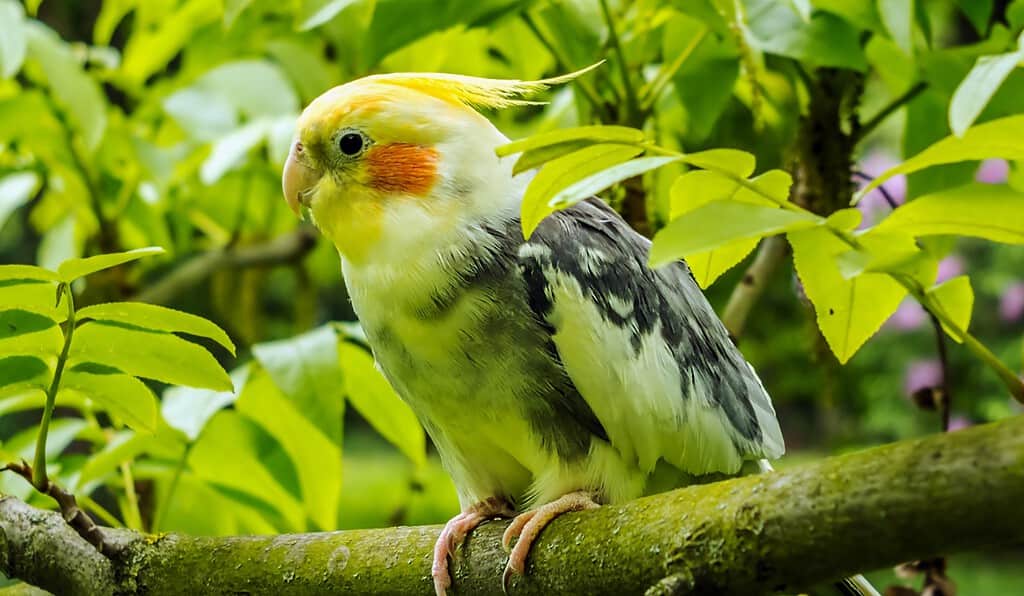
Sound isn’t just a sensory experience for cockatiels; it’s a lifeline. It plays a pivotal role in their daily interactions, survival strategies, and overall well-being. Let’s delve deeper into the significance of sound for these fascinating birds.

Communication Among Cockatiels

Cockatiels are social birds, and they’ve developed a range of calls and songs to communicate with each other. Whether it’s a mating call, a warning signal, or a simple chirp to express contentment, each sound has a specific meaning.

Types of Cockatiel Calls and Their Meanings

Call TypeMeaningPossible Interpretation
WhistleAttraction or seeking attention“Look at me!” or “Where are you?”
ChirpContentment or relaxation“All is well.”
Loud, Repeated CallsDistress or seeking a mate“I need help!” or “I’m available!”
HissingThreat or discomfort“Stay away!”
PurringContentment or relaxation, similar to a cat’s purr“I’m comfortable here.”

Environmental Awareness

Cockatiels, being prey animals, have evolved to be highly attuned to their surroundings. Their acute sense of hearing helps them detect potential threats, navigate their environment, and find food.

Key Sounds in Nature Cockatiels Respond To:

  • Rustling Leaves: Indicates the movement of predators or the presence of food.
  • Distant Calls: Helps them locate their flock or warn of impending danger.
  • Water Flow: Signifies a potential drinking or bathing spot.
  • Wind Patterns: Assists in navigation during flight.
  • Insect Movement: A hint for a potential meal.

How to Ensure a Sound-Friendly Environment for Your Cockatiel

Understanding the intricacies of a cockatiel’s hearing abilities is just the beginning. Now, let’s explore how you can create a sound-friendly environment that caters to your feathered friend’s unique auditory needs.

Safe Noise Levels

Cockatiels, like all birds, have sensitive hearing. While they can tolerate a range of sounds, certain noises can be distressing or even harmful to them.

Common Household Sounds and Their Impact on Cockatiels

Sound SourceDecibel LevelSafe for Cockatiels?
Whisper20-30 dBSafe
Normal conversation60-70 dBSafe
Vacuum cleaner70-85 dBPotentially stressful
Hairdryer85-90 dBPotentially stressful
Loud music or TV90-100 dBHarmful
Blender or food processor85-95 dBPotentially stressful
Doorbell or phone ring80-90 dBSafe, but can be startling

Tips for a Calm Environment

Creating a serene environment for your cockatiel not only ensures their comfort but also promotes their overall well-being. Here are some steps you can take:

  1. Monitor Noise Levels: Be mindful of the volume when watching TV or listening to music. If it’s too loud for you, it’s probably too loud for your bird.
  2. Choose Quiet Appliances: Opt for quieter household appliances, especially if they’ll be used near your cockatiel’s cage.
  3. Provide a Safe Space: Ensure your cockatiel has a quiet spot in your home where they can retreat if the noise becomes overwhelming.
  4. Limit Sudden Noises: Try to minimize unexpected loud noises, such as alarms or doorbells, which can startle your bird.
  5. Soundproofing: Consider adding soft furnishings like curtains or rugs to absorb sound and reduce echoes.

Conclusion

Cockatiels, with their vibrant personalities and keen senses, deserve an environment that caters to their unique needs. By understanding their hearing abilities and ensuring a sound-friendly habitat, you’re not just providing them with comfort but also expressing your love and care. So, the next time your cockatiel chirps or sings, know that it’s their way of saying “thank you.” 

If you found this article helpful, please share it with fellow bird enthusiasts. Your feathered friend will surely appreciate it!

Frequently Asked Questions

How do birds hear without external ears?

Birds have internal ears hidden beneath feathers, which capture and process sound effectively.

Can cockatiels recognize their owner’s voice? 

Absolutely! Cockatiels can recognize and respond to familiar voices.

Are there sounds that cockatiels particularly enjoy or dislike? 

Cockatiels often enjoy soft music and familiar voices but might be distressed by sudden loud noises.

How can I tell if my cockatiel is experiencing hearing problems?

Changes in behavior, lack of response to familiar sounds, or signs of distress can indicate hearing issues.
Cockatiel Illness: Signs & Care – A Vet’s Guide

Cockatiels, with their expressive crests and endearing personalities, are among the most cherished of pet birds. Their playful antics and vibrant whistles are a delight to behold, a testament to their overall well-being. However, like all creatures, they’re susceptible to various illnesses, and recognizing the early signs is crucial for timely intervention.

As a general rule, behavioral changes, respiratory issues, changes in droppings, abnormalities in feathers and skin, signs of weakness, weight fluctuations, and lethargy are vital indicators of a cockatiel’s health. Being aware of these signs can ensure you seek veterinary help in a timely manner.

Ready to become your cockatiel’s health champion? Dive into this vet’s guide and ensure your feathery friend stays chirpy and healthy!

Do Cockatiels Get Sick Easily?

Cockatiels are known to hide their illnesses, which is a self-preservation mechanism inherited from their wild counterparts to avoid attracting predators. However, they are described as hardy birds when well cared for, being less prone to falling ill if kept in a stress-free environment, away from drafts, and provided with a balanced diet. 

10 Most Common Signs of Illness in Cockatiels

Let me walk you through the subtle signs of when a cockatiel isn’t feeling its best. Here’s a rundown of the most common signs of illness in cockatiels, and what they could potentially indicate regarding your cockatiel’s health. 

  1. Behavioral Changes: A deviation from their usual playful and social demeanor could be an early indicator of discomfort or illness. Look for less interaction with humans or other birds, a dip in their playfulness, or a change in their vocalization patterns.
  2. Respiratory Distress: If your cockatiel is gasping for breath, exhibiting a runny nose, or making wheezing sounds, it could be facing respiratory issues. These signs warrant immediate veterinary attention.
  3. Physical Changes: Look out for ruffled feathers, a change in feather color, or a hunched posture. These physical alterations often signal that not everything is alright with your feathery friend.
  4. Changes in Droppings: Monitoring the color, consistency, and frequency of your cockatiel’s droppings can provide insight into its digestive health. Any drastic change calls for a vet’s examination.
  5. Digestive Issues: If your cockatiel is vomiting or has diarrhea, it’s a clear red flag signaling digestive disturbances possibly due to infections or dietary indiscretions.
  6. Feather and Skin Abnormalities: Feather plucking, bald spots, or skin irritations are often signs of dermatological issues or underlying health problems.
  7. Weakness: A cockatiel struggling to perch, fly, or showing an overall lack of energy is displaying weakness which could be due to various health ailments.
  8. Eye and Beak Problems: Discharge from the eyes or beak, or changes in the appearance of these areas can be indicative of various health problems.
  9. Weight Fluctuations: Regular weighing of your cockatiel is advisable. A sudden gain or loss in weight should trigger a visit to the vet.
  10. Lethargy: A lack of energy or enthusiasm in daily activities can be a sign of illness.

Appearance of an Unhealthy Cockatiel

The charm of a cockatiel is unmistakable. Their bright eyes, sleek feathers, and animated demeanor make them a delight to have around. However, when their health takes a back seat, these vibrant features take a dim turn. It’s essential to catch these subtle changes early on, as they could be signaling something amiss. Here’s what you should keep an eye out for:

  • Dull or Ruffled Feathers: A cockatiel in prime health boasts sleek, shiny feathers. When those feathers start to look dull or stay perpetually ruffled, it’s your bird’s way of signaling discomfort or illness.
  • Hunched Posture or Disheveled Appearance: A hunched posture or a generally disheveled appearance is not a good sign. It’s akin to when we feel down and out; our posture slouches and our appearance takes a hit. The same goes for cockatiels; they physically manifest their discomfort.
  • Changes in Social Interaction and Behavior: Cockatiels are social creatures. When their interaction levels dip or their behavior alters, it could very well mean they are not feeling their best.

What Are the Common Health Problems in Cockatiels

Cockatiels, like any other pet, are prone to specific health issues. Over the years, I’ve come across a myriad of health problems in cockatiels, each with its unique set of symptoms and challenges. Here are some common health problems you should be aware of, along with their symptoms and preventive measures:

Health ProblemSymptomsRecommended Preventive Measures
Respiratory InfectionsWheezing, Tail bobbing, Nasal dischargeRegular vet check-ups, Clean habitat
Fungal InfectionsChange in voice, Weight lossProper diet, Avoid damp environments
Bacterial InfectionsLethargy, DiarrheaMaintain cleanliness, Timely vet visits
Nutritional DeficienciesFeather plucking, WeaknessBalanced diet, Vitamin supplements
ParasitesItching, Skin irritationRegular cleaning, Anti-parasitic meds
Respiratory IssuesWheezing, CoughingAvoid drafts, Timely medical check-ups
Feather PluckingBare spots, Damaged feathersEnvironmental enrichment, Stress reduction
Gastrointestinal DisordersVomiting, DiarrheaBalanced diet, Avoiding toxic foods

Each of these health problems carries its own set of challenges, but with the right preventive measures and timely medical intervention, they can be managed or even prevented. 

Preventive Measures for Cockatiel Health Issues

It’s pivotal to highlight the preventive measures that can be the cornerstone of your feathered companion’s well-being. Here, we’ll explore how a balanced diet, a clean habitat, adequate exercise, and regular vet check-ups can fortify your cockatiel against common health issues.

Providing a Balanced Diet

A hearty, nutritious diet is the first line of defense against many health issues. For cockatiels, a diverse diet rich in fresh fruits, vegetables, and high-quality bird food is the ticket to a vibrant, healthy life. Now, let’s unveil some vitamin and mineral-rich foods that can be beneficial for your cockatiel:

  • Carrots and Sweet Potatoes: Packed with Vitamin A, crucial for your cockatiel’s skin, vision, and immune system.
  • Leafy Greens like Spinach and Kale: These are iron-rich foods that can help in maintaining a robust circulatory system.
  • Broccoli: A powerhouse of vitamins and minerals, promoting overall health.
  • Eggs: A source of high-quality protein, aiding in feather and muscle development.
  • Quinoa: A remarkable source of protein and essential amino acids, promoting vitality.

Maintaining a Clean and Safe Environment

A clean, hazard-free environment is akin to a haven for your cockatiel. Below is a checklist to help you create and maintain a conducive living environment for your cockatiel:

  • Regular Cage Cleaning: Aim for daily cleaning of food and water dishes, coupled with weekly deep cleaning of the cage.
  • Hazard Monitoring: Ensure there are no accessible toxic plants, open water bodies, or small objects that could be choked on.
  • Temperature Monitoring: Maintain a comfortable, draft-free environment with a stable temperature.
  • Safe Toys: Provide safe, non-toxic toys for mental stimulation and physical exercise.
  • Secure Boundaries: Ensure the cage is secure, and the play areas are safe from household hazards like electrical cords or toxic fumes.

Adequate Exercise

Exercise is a joyous endeavor for cockatiels, and ensuring they get enough of it is vital for their physical and mental health. Here are some exercises and activities to keep your cockatiel in tip-top shape:

  • Flying: If it’s safe, allow your cockatiel supervised flight time in a secure room.
  • Foraging: Encourage natural foraging behaviors with foraging toys or hiding treats in their enclosure.
  • Climbing: Provide ladders and ropes to promote climbing.
  • Interactive Play: Engage in interactive play sessions with toys to keep them mentally stimulated and physically active.
  • Training Sessions: Short, positive reinforcement training sessions can be both mentally and physically stimulating.

Regular Veterinary Check-ups

A visit to the vet should be a regular affair, not just a sick day outing. Regular check-ups can catch potential health issues early, making a significant difference in the outcome.

Preventive healthcare schedule to keep your cockatiel on the path of good health:

Age/StageCheck-up FrequencyAreas of Focus
Hatchling to JuvenileEvery 6 monthsGrowth monitoring, Diet assessment
AdultAnnuallyFull physical exam, Blood tests
Senior (Over 10 years)Every 6 monthsJoint health, Organ function checks

Through this preventive healthcare schedule, you’re not just monitoring your cockatiel’s health but forging a relationship with a vet who understands your bird’s unique health narrative. 

Treatment Options for Cockatiel Illness

Navigating the maze of cockatiel illnesses might seem daunting, but with the right information and a vet’s guidance, you can provide the best care for your feathery friend.

  • Prompt veterinary care is the cornerstone of effective treatment. It’s prudent to seek professional help at the first sign of illness. A timely diagnosis can significantly impact the treatment plan and your bird’s recovery.
  • Medications are prescribed based on the specific ailment. Common prescriptions include antibiotics for bacterial infections, antifungals for fungal infections, anti-parasiticals for parasitic infestations, and vitamins to address nutritional deficiencies.

Below is a table showcasing common cockatiel illnesses, their corresponding treatments, and vet-recommended medications:

IllnessTreatmentVet-Recommended Medications
Bacterial InfectionsAntibiotic TherapyAmoxicillin, Enrofloxacin
Fungal InfectionsAntifungal TherapyFluconazole, Ketoconazole
Parasitic InfestationsAnti-parasitical TherapyIvermectin, Praziquantel
Nutritional DeficienciesDiet ModificationVitamin and Mineral Supplements
Respiratory IssuesSupportive Care, AntibioticsDoxycycline, Baytril

How to Medicate Cockatiels

Transitioning from identifying the illness to administering the right medication is a delicate phase.

Preparing Medication

Ensuring the medication is prepared correctly is crucial for its efficacy. Here’s are the steps to safely prepare medication for your cockatiel:

  • Verify the Prescription: Double-check the prescription to ensure the medication and dosage are correct.
  • Wash Hands: Thoroughly wash your hands before handling the medication to prevent contamination.
  • Use Sterile Equipment: Utilize clean, sterile equipment when measuring or mixing medications.
  • Follow Instructions: Adhere to the vet’s instructions on preparation, including shaking liquid medications well, or crushing tablets if directed.

Administering Medication

Administering medication to a cockatiel requires a gentle yet firm approach. Here’s a step-by-step guide on how to safely administer medication to your bird:

  1. Secure Your Bird: Gently hold your cockatiel, ensuring they are calm and secure. It might be helpful to wrap them softly in a towel to prevent fluttering.
  2. Prepare the Medication: Have the medication ready in a syringe or other applicator as advised by your vet.
  3. Open the Beak: Gently open your cockatiel’s beak, being careful not to apply too much pressure.
  4. Administer the Medication: Slowly administer the medication, allowing your cockatiel time to swallow. It’s essential to follow your vet’s instructions on whether to administer the medicine to the back of the throat or another area.
  5. Reward and Comfort: Reward your cockatiel with gentle praise or a favorite treat, making the experience as positive as possible.

What Do Cockatiels Do When They Are Sick?

The behavior of cockatiels can significantly change when they are under the weather. Here’s a list of typical behaviors exhibited by sick cockatiels based on the sourced information:

  • Reduced Activity: A sick cockatiel may appear less active or lethargic.
  • Ruffled Feathers: They may sit with their feathers puffed up for extended periods.
  • Change in Appetite: A noticeable increase or decrease in appetite is a common sign.
  • Change in Droppings: Look for changes in the color, consistency, or frequency of droppings.
  • Respiratory Distress: Labored breathing or a change in vocalization can indicate respiratory issues.

Conclusion

Understanding the signs and care involved in cockatiel illnesses is pivotal for every bird lover. Each chirp and flutter is a narrative of their health, echoing the vitality or the cries for care. These feathered companions enrich our lives, and it’s up to us to ensure their well-being. 

Did you find this guide insightful? Let us know your thoughts in the comments below! If you believe this article can help other bird enthusiasts, don’t hesitate to share. So, let’s flock together, share, learn, and create a sky full of happy, healthy cockatiels!

Frequently Asked Questions

What are the primary causes of sickness in cockatiels?

The root causes of sickness in cockatiels can range from bacterial, fungal, or parasitic infections, to inadequate nutrition and exposure to toxins. Often a sudden change in environment or stress can also trigger health issues.

Why is my cockatiel shaking after a bath?

Post-bath shivers in cockatiels might just be their way of drying off, but it could also be a reaction to cold temperatures. It’s essential to ensure the bathing water is warm and the room is free from drafts. If the shaking is prolonged or accompanied by other concerning symptoms, it’s wise to consult with a veterinarian.

Why will my bird not try new food?

Cockatiels can be quite the picky eaters, often sticking to what they know. Introducing new foods gradually, mixing them with their regular feed, or presenting them in fun and engaging ways can pique their curiosity.

Why did my Cockatiel die so suddenly?

The sudden demise of a cockatiel can be heart-wrenching and perplexing. Various factors could be at play here, including hidden illnesses, severe infections, or exposure to toxic substances.

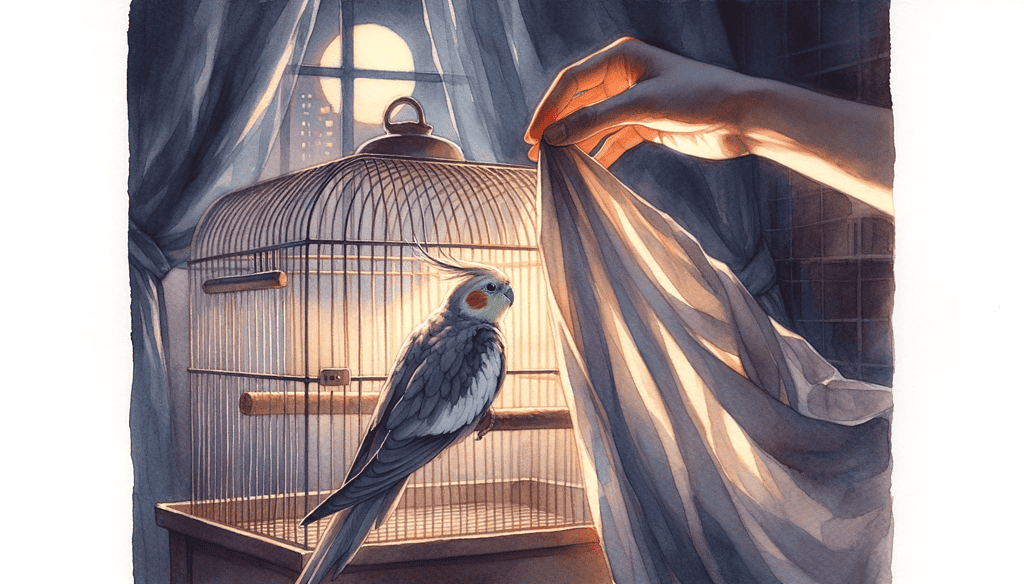
Should I Cover My Cockatiels Cage At Night?

Cockatiels, with their chirpy melodies and endearing personalities, have become a beloved pet for many. But as night approaches, a common question lingers among bird enthusiasts: Should you cover your cockatiel’s cage at night?

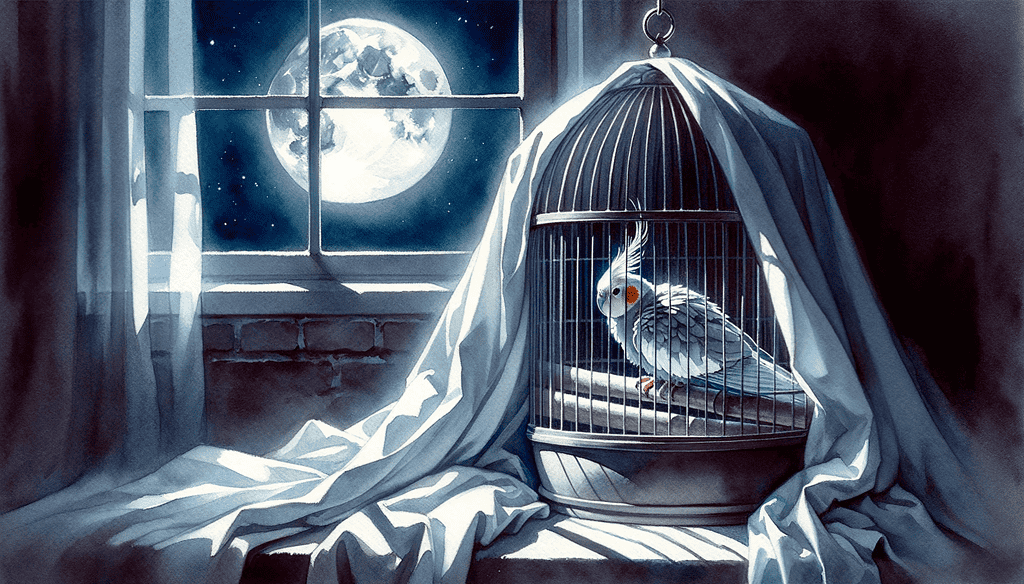
As a whole, Covering a cockatiel’s cage at night can be beneficial for the bird’s health and well-being. In the wild, cockatiels are accustomed to the natural light cycle of day and night. Mimicking this cycle in a domestic environment is important for maintaining their circadian rhythm.

Dive deeper into this article to understand the nuances of nighttime care for cockatiels and make informed decisions for your feathery friend’s well-being.

Why Cockatiels Need Proper Sleep?

Cockatiels, like us, have their own set of needs and sensitivities. These intelligent and highly emotional creatures can get stressed quickly, making it essential for owners to ensure their comfort, especially during the night. A well-rested cockatiel is not only healthier but also more energized and lively.

It’s crucial to understand that in their natural habitat, cockatiels would typically roost for the night with their family group, perched high up in the branches of a tree. However, our pet cockatiels often sleep inside cages, a significant shift from their wild counterparts. This change in environment underscores the importance of ensuring they get the recommended 10-12 hours of uninterrupted sleep every night to maintain their health and well-being.

Sleep is not just about quantity but also quality. A peaceful, dark, and quiet environment can significantly enhance the quality of sleep for these sensitive birds. But the question remains: Does covering their cage at night help achieve this?

Benefits Of Covering Your Cockatiel’s Cage At Night

Before we delve into the advantages of covering your cockatiel’s cage, it’s essential to understand the primary concerns that lead to this practice.

1. Prevent Night Frights

Night frights are a phenomenon where cockatiels wake up suddenly and thrash around inside their cage, often beating their wings against the cage bars. This erratic behavior can result in injuries and, in severe cases, can even be fatal. Covering the cage can provide a sense of security against potential triggers of night frights such as sudden lighting changes, loud noises, shadows, and other disturbances.

2. Promote a Sense of Security

In the wild, cockatiels are cavity nesters, preferring to sleep in covered nests. By covering their cage, we mimic this natural environment, providing them with a sense of security. This simulated nesting environment can make them feel safer, especially during the dark hours of the night.

3. Establish a Sleeping Routine

Consistency is key for these creatures of habit. By covering their cage at the same time every night, you signal to your cockatiel that it’s bedtime, helping establish a consistent sleep schedule. This routine can be particularly beneficial for cockatiels adjusting to new time zones or those affected by seasonal changes.

4. Maintain Optimal Temperature

Cockatiels, despite their feathery coat, can feel cold. Covering their cage can help maintain a warm environment, especially during colder seasons. However, it’s essential to ensure that the cover is breathable and doesn’t restrict airflow.

5. Protection from External Disturbances

A covered cage can shield your cockatiel from external light and noise disturbances, ensuring a peaceful sleep environment. Moreover, it can also protect them from potential threats like insects or other pets, ensuring they sleep soundly without any interruptions.

Factors To Consider Before Covering

Deciding whether to cover your cockatiel’s cage at night is not a one-size-fits-all answer. It’s essential to consider various factors to ensure your feathered friend’s comfort and well-being.

1. Observing Your Cockatiel’s Preferences

  • Every bird is unique. While some cockatiels might feel more secure with a cover, others might find it distressing. It’s crucial to monitor your bird’s reactions when left uncovered. If they seem agitated or show signs of stress, it might indicate a preference for a covered environment.
  • However, if your cockatiel appears calm and sleeps soundly without a cover, it might not be necessary to introduce one.

2. Environmental Factors

  • The environment plays a significant role in determining the need for a cover. If your home has frequent noise disturbances or sudden light changes, a cover can help shield your cockatiel from these disruptions.
  • Room temperature is another vital factor. Cockatiels can be sensitive to cold. If your room gets chilly at night, a cover can help maintain a warm environment for your bird.

How To Properly Cover Your Cockatiel’s Cage?

Ensuring your cockatiel’s comfort goes beyond the decision to cover their cage. If you choose to use a cover, it’s essential to do it right.

1. Choosing the Right Material

The material of the cage cover plays a pivotal role in ensuring your bird’s safety and comfort. It’s recommended to opt for a dark-colored, breathable fabric. This not only blocks out light effectively but also ensures proper ventilation. Avoid materials that are too thick or non-porous, as they can restrict airflow and create an uncomfortable environment for your cockatiel.

2. Cleaning and Maintenance

Hygiene is paramount. Regularly washing the cage cover ensures it remains free from dust and potential allergens. When cleaning, use safe disinfectants that won’t harm your bird. Remember, anything you use on or around the cage can affect your cockatiel’s health.

3. Ensuring Proper Airflow

While the primary purpose of the cover is to create a dark and cozy environment, it’s essential not to compromise on airflow. Ensure the cage isn’t completely sealed off. There should be enough space for air to circulate, preventing the buildup of stale air. This not only ensures your cockatiel gets fresh air throughout the night but also promotes a deep, restful sleep.

Conclusion

Understanding our feathered friends’ nighttime needs is more than just a matter of routine; it’s a testament to the care and love we have for them. Every cockatiel is unique, and as their caregivers, it’s our responsibility to observe and cater to their individual preferences. Whether you choose to cover their cage or let them roost uncovered, the key is to ensure their comfort and well-being.

If you’ve found this article helpful, I’d love to hear your thoughts and experiences in the comments below. And if you believe this information can benefit other bird enthusiasts, please feel free to share the article with them.

Frequently Asked Questions

Can covering the cage cause my cockatiel stress?

Yes, if done improperly. While many cockatiels find comfort in a covered cage, some might feel trapped or suffocated. It’s essential to observe your bird’s behavior and ensure the cover is breathable.

Why do birds need darkness to sleep?

Darkness signals to birds, including cockatiels, that it’s time to rest. It helps regulate their internal clock and ensures they get quality sleep, which is vital for their health.

How many hours of sleep do cockatiels need?

Cockatiels typically require 10-12 hours of uninterrupted sleep each night. This helps them stay energized and maintain good health.

What materials are safe for covering bird cages?

It’s best to use dark-colored, breathable fabrics. These not only block out light effectively but also ensure proper ventilation, making sure your cockatiel doesn’t feel suffocated.

Why Are Cockatiels So Loud? – A Vet’s Guide

Cockatiels, with their vibrant personalities and striking crests, are among the most popular pet birds worldwide. But if you’ve ever been around one, you’ve likely noticed they can be quite vocal. Their range of chirps, whistles, and sometimes outright screams can leave many wondering: Why are cockatiels so loud?

As a general rule, cockatiels are naturally vocal birds that use their calls for communication, attracting mates, and expressing emotions. Their loudness can be influenced by factors such as their environment, health, and social interactions. 

Curious about the nuances behind their vocal nature? Or perhaps you’re seeking ways to manage their volume? Dive into this vet’s guide to uncover the mysteries behind the vocal prowess of cockatiels and learn how to foster a peaceful coexistence with them.

Are Cockatiels Really Loud?

A Cockatiel is often perceived as a moderately loud pet. They utilize sounds to convey their curiosity, apprehension, and playful nature. They have a range of sounds in their repertoire. The contact call, for instance, can be quite loud and shrill. Some cockatiels can reach up to 80 decibels with these calls, which is close to the noise level that can be harmful to human ears. However, unless a cockatiel is feeling lonely or distressed, these contact calls are not frequent. 

How Often Do Cockatiels Make Noise?

Cockatiels, like other parrots, have varying noise levels throughout the day. A solitary cockatiel or a pair will likely enjoy quiet moments, engaging in activities like playing with toys, foraging, or resting. However, there are specific times and triggers that might increase their vocalizations:

  • Morning and Evening: Just like many of us enjoy a good stretch and yawn in the morning, cockatiels often greet the day with a series of chirps and calls. Similarly, as the day winds down, they might get vocal again.
  • Response to Household Noises: Whether it’s the sound of a vacuum, music, or chatter, cockatiels often feel the need to join the chorus.
  • Seeking Attention: If they’re feeling lonely or bored, they might vocalize to get your attention.
  • Hearing Other Birds: If they hear another bird, even from a distance, they might respond with their own set of calls.
  • Mating Calls: During certain times, especially if they’re seeking a mate, their calls might increase in frequency and volume.

Frequency of Cockatiel Noise During Different Times of the Day

Time of DayFrequency of NoiseCommon Triggers
MorningHighGreeting the day, responding to early morning household activities
AfternoonModeratePlaytime, responding to household noises
EveningHighSettling down for the night, reacting to evening household activities

Reasons Behind Their Loudness

Cockatiels, with their vibrant personalities, have various reasons for raising their voices. Here are some of the primary reasons:

  • Seeking Attention and Bonding: Cockatiels crave interaction. If they feel you’ve been ignoring them or they simply want some quality time with you, they’ll vocalize to get your attention. Remember, in the wild, they’re used to being part of a flock, so they naturally seek companionship.
  • Reacting to Environmental Changes: A sudden change in their environment, like a new object in the room or a change in their cage’s location, can make them vocalize more. They’re merely trying to understand and adjust to the change.
  • Potential Health Issues or Discomfort: If a cockatiel is in pain or feeling unwell, they might vocalize more. It’s their way of signaling that something’s not right. Regular check-ups and keen observation can help ensure their well-being.
  • Breeding and Mating Calls: Especially during mating seasons, cockatiels become more vocal. Males sing to attract females, and their calls can be quite persistent during this period.

Factors That Influence Their Loudness

Before we delve deeper into specific factors, it’s essential to understand that each cockatiel is unique. Their volume and frequency of vocalizations can be influenced by a combination of factors:

1. Age and Gender

The age and gender of a cockatiel play a significant role in their vocal behavior. Male cockatiels, especially those in their prime, are known for their singing abilities. They use these songs to attract mates and communicate with their flock. Females, on the other hand, are more reserved but can be equally vocal when communicating with their flock or signaling distress.

As cockatiels age, just like us, they undergo changes. Older cockatiels might not be as vocal as their younger counterparts. However, they still communicate their needs, joys, and discomforts through their calls.

In my years of caring for these birds, I’ve noticed that each morning, like clockwork, my male cockatiel greets the day with a series of chirps and melodies. It’s his way of saying, “I’m here, and I’m ready for the day.” On the other hand, my female cockatiel is more subdued, often responding to his calls with softer chirps.

2. Time of Day

Cockatiels have their own internal clocks. They’re most active during the early morning hours and late afternoon. During these times, you can expect them to be more vocal. The morning calls are often a mix of greeting the day and signaling their readiness for breakfast. As the day winds down, their evening vocalizations are a way of settling in for the night.

3. Loneliness

Cockatiels are inherently social creatures. In the wild, they’re used to being part of large flocks, constantly interacting and communicating with their peers. When they’re kept as pets, especially if they’re the only bird in the household, they can experience feelings of loneliness. A lonely cockatiel might call out more frequently, hoping for a response from a fellow bird or their human companion.

4. Diet

Diet plays a crucial role in a cockatiel’s overall well-being, including their vocal behavior. A well-balanced diet ensures they have the energy and nutrients to be their chirpy selves. However, certain foods can influence their vocalizations:

Diet TypePotential Impact on Vocalizations
Balanced DietRegular vocal patterns, active behavior
High Sugar FoodsIncreased energy, possibly more vocal
Lack of Essential NutrientsDecreased energy, less vocal
Fresh Fruits & VeggiesHealthy vocal patterns, active behavior
Too Many TreatsPossible increased vocalizations due to energy spikes

5. Insecurity

Cockatiels, despite their feisty personalities, can feel insecure at times. Changes in their environment, the introduction of new pets, or even rearranging their cage can trigger feelings of insecurity. They might call out more, trying to assert their presence.

6. Health and Well-being

Illness or discomfort can directly impact their vocal behavior. Regular vet check-ups can help catch potential issues early on. A healthy cockatiel is not just physically active but also vocally active, engaging with its surroundings and its human companions.

How to Manage and Respond to Their Loudness?

Navigating the world of cockatiel vocalizations can be a journey, but with the right approach, you can create a harmonious environment for both you and your pet.

  1. Observe and Understand: Before reacting, take a moment to understand why your cockatiel might be making noise. Are they hungry? Bored? Seeking attention?
  2. Stay Calm: Responding with frustration or anger can exacerbate the situation. Birds can pick up on our emotions.
  3. Distract and Divert: If your cockatiel is being particularly noisy, try diverting their attention with a new toy or activity.
  4. Consistent Training: Set aside regular training sessions using positive reinforcement techniques.
  5. Seek Expert Advice: If you’re struggling, don’t hesitate to seek advice from a vet or bird behaviorist.
  6. Setting Up the Right Environment: The environment plays a significant role in a cockatiel’s behavior. Ensure the cage is positioned in a quiet place away from direct sunlight and drafts. A larger cage can also help reduce stress and noise. 

Conclusion

Understanding the vocal nature of cockatiels is key to a harmonious relationship with your feathered friend. Remember, their vocalizations are a form of communication. By paying attention and responding appropriately, you can ensure a happy, healthy, and relatively quiet life with your cockatiel. 

If you found this guide helpful, please share it with fellow bird enthusiasts. Your experiences and insights are always welcome in the comments below.

Frequently Asked Questions

Why is my cockatiel screaming all of a sudden?

It could be reacting to a change in its environment or might be feeling lonely or bored.

How can I calm my noisy cockatiel?

Ensure its basic needs are met, provide toys for stimulation, and consider training techniques.

Is it normal for cockatiels to be noisy all the time? 

No, constant noise can be a sign of distress or discomfort.

Are male cockatiels louder than females? 

Generally, males are more vocal as they use song to attract mates.

Evaluating Cockatiels’ Vision Quality – A Vet’s Guide

Cockatiels, with their vibrant crests and captivating personalities, have always been a favorite among bird enthusiasts. But have you ever wondered how these feathered wonders perceive the world around them? Their vision, intricate and unique, offers them a perspective of the world that’s vastly different from ours.

As a general rule, cockatiels possess an impressive 180-degree field of vision, allowing them to spot potential threats even from behind. Their eyes, larger in proportion to their head size, not only provide them with sharper eyesight but also enable them to see a broader spectrum of colors, including ultraviolet light. 

Lets Explore the intricacies of their sight, from understanding night frights to the importance of providing optimal vision conditions. Let’s embark on this enlightening journey together!

How Do Cockatiels See the World?

Cockatiels perceive the world through a unique lens. Their eyes are designed to capture a broader spectrum of colors, including ultraviolet light, revealing hidden markings and patterns. With an impressive 180-degree field of vision, they can view their surroundings almost panoramically. This wide vision aids them in spotting potential threats and navigating their environment. Additionally, their larger eyes relative to their head size grant them sharper eyesight, allowing them to discern minute details. In essence, the world through a cockatiel’s eyes is vibrant, detailed, and expansive.

Can Cockatiels See in the Dark?

Cockatiels possess a heightened sensitivity in their eyes, allowing them to see better in low-light conditions. While they don’t have complete night vision like some nocturnal animals, their eyes are designed to capture even the faintest light, aiding them in dim environments. However, they cannot see in complete darkness. This sensitivity is a double-edged sword, as it can sometimes lead to episodes of “night frights” when unexpected shadows or movements startle them during the night. It’s essential to provide them with a soft light source during their resting hours to prevent such occurrences.

Do Cockatiels see colours?

Cockatiels have a remarkable ability to perceive colors, much more vividly than we might imagine. They can distinctly differentiate between primary colors like red, blue, and green. This color perception plays a pivotal role in their daily activities. For instance, discerning specific colors aids them in locating food, especially fruits and seeds. Moreover, vibrant plumage colors can be indicators of a potential mate’s health and vitality, making color recognition crucial during mating rituals. Additionally, the ability to spot certain colors can be a lifesaver, helping them identify and evade predators. To further understand the vastness of their color spectrum, consider the table below which compares the color spectrum visible to cockatiels with that of humans.

How Far Can a Cockatiel See?

Cockatiels, with their keen eyesight, have the ability to see great distances, especially when in flight. Their vision is adapted to spot distant landmarks, potential food sources, and even predators from afar. While it’s challenging to pinpoint an exact distance they can see, their large eyes relative to their head size provide them with a broader and clearer field of view. This enhanced vision ensures they can navigate their surroundings effectively, whether in their natural habitat or a domestic setting. It’s this remarkable visual acuity that aids them in their daily activities and survival instincts.

Cockatiel Eye Anatomy and Physiology

Cockatiels, like us, have a fascinating ocular structure that allows them to perceive the world around them. When I first began my journey as a veterinarian, I was particularly intrigued by the anatomy of bird eyes, especially cockatiels. Their eyes, though similar to ours in some aspects, have unique characteristics that set them apart.

Cockatiels have eyes with a cornea, iris, pupil, lens, and retina. Cockatiels possess much larger eyes relative to their head size. This not only gives them sharper eyesight but also enables them to see a broader spectrum of their surroundings. 

Cockatiel Eyes Features:

FeatureCockatiel
CorneaProtects the eye and refracts light
IrisControls the amount of light entering the eye
PupilAllows light to enter the eye
LensFocuses light onto the retina
RetinaProcesses light and sends signals to the brain
Eye SizeLarger relative to head size

Field of View: A Cockatiel’s Eye Perspective

One of the most remarkable features of a cockatiel’s vision is its expansive field of view. Imagine being able to see almost a full circle around you without even turning your head. Cockatiels boast an impressive 180-degree field of vision, which is particularly advantageous in the wild. This wide field of view means they can spot potential threats, even if they’re approaching from behind.

Advantages of a Wide Field of View for Birds:

  • Predator Detection: With such a broad vision, cockatiels can easily spot predators, ensuring they have ample time to escape.
  • Food Location: A wide field of view aids in efficiently locating food sources in their natural habitat.
  • Social Interaction: Birds can keep an eye on their flock, ensuring they remain close and connected.
  • Navigational Aid: When flying, a broad vision helps in navigating through dense forests and avoiding obstacles.
  • Mating: Spotting potential mates becomes easier, ensuring the continuation of their species.

Depth Perception and Ultraviolet Vision

Depth perception is another fascinating aspect of cockatiel vision. Thanks to their binocular vision, cockatiels can view an object with both eyes simultaneously. This ability is vital as it helps them judge distances, especially when they’re flying or navigating through obstacles.

Moreover, cockatiels have a unique capability that we humans lack: they can see ultraviolet (UV) light. This ability opens up a whole new world for them, revealing patterns, markings, and signals that remain hidden from our eyes.

Ways Ultraviolet Vision Benefits Cockatiels:

  • Enhanced Food Detection: UV light can make certain food sources stand out, making foraging easier.
  • Mating Advantages: Some birds have UV-reflective feathers, which can be attractive during mating rituals.
  • Navigation: UV light can help in navigation, especially during migrations.
  • Social Interactions: UV markings can play a role in bird-to-bird communications.
  • Safety: Detecting UV-reflective trails left by predators can alert them to potential dangers.
  • Territorial Boundaries: UV markings can be used to establish and recognize territories.

Understanding Night Frights in Cockatiel’s

Cockatiels have excellent night vision, which is a testament to their adaptability and survival instincts. However, this doesn’t make them immune to the phenomenon known as “night frights.”

Night frights are sudden episodes of panic that cockatiels can experience during the night. These episodes can be distressing for both the bird and the owner. As someone who has witnessed this firsthand, I can tell you that understanding the triggers can help in preventing these episodes.

Common Causes of Night Frights and Their Solutions

CausesSolutions
Unexpected Loud NoisesMaintain a quiet environment; consider using white noise machines.
Shadows or Moving ObjectsUse blackout curtains; ensure the cage is placed away from busy areas.
Presence of Other PetsKeep other pets away from the cockatiel’s cage during the night.
Changes in EnvironmentIntroduce changes gradually; keep familiar toys or perches in the cage.
Underlying Health IssuesRegular vet check-ups; monitor for any unusual behavior or symptoms.

Factors Affecting Cockatiel Vision

Cockatiels’ vision can be affected by various factors. Age-related vision decline is natural, and as cockatiels age, they might not see as sharply as they once did. Health conditions, like cataracts, can also impact their vision. Furthermore, the lighting in a cockatiel’s cage plays a pivotal role. Optimal lighting conditions can enhance their vision, while poor lighting can lead to issues like “night frights.” The cage environment and its surroundings also play a significant role in a cockatiel’s visual experience.

Tips for Maintaining Optimal Vision Conditions for Cockatiels:

  • Ensure the cage is well-lit during the day.
  • Avoid placing the cage in direct sunlight.
  • Use bird-safe full-spectrum lights.
  • Regularly clean the cage and toys to ensure clarity.
  • Provide toys and perches at varying heights to stimulate their visual senses.

Importance of Providing Optimal Vision Conditions to Cockatiel’s

The environment we provide for our feathered friends plays a crucial role in their overall well-being. From the toys to the perches, every element in a cockatiel’s cage contributes to their visual experience.

Essential Items for a Cockatiel’s Cage to Enhance Their Visual Experience:

  • Full-Spectrum Lights: Mimics natural sunlight, promoting better vision and overall health.
  • Varied Perches: Different textures and sizes stimulate their feet and provide varied viewpoints.
  • Colorful Toys: Engages their vision and keeps them mentally stimulated.
  • Mirrors: Some cockatiels enjoy interacting with their reflection, but use with caution as it can also lead to aggressive behavior in some birds.
  • Natural Elements: Incorporating natural branches or leaves can provide a more authentic environment.

Conclusion

Understanding the intricacies of cockatiel vision has been a journey of discovery for me. From their unique ability to see ultraviolet light to their challenges with night frights, there’s so much to learn and appreciate about these feathered wonders. The more we understand our cockatiels, the better we can cater to their needs. 

I hope this article sheds light on the captivating world of cockatiel vision. If you found this informative, I encourage you to share your thoughts in the comments and share this article with fellow bird enthusiasts.

Frequently Asked Questions

Do cockatiels sleep in complete darkness?

No, cockatiels prefer low light conditions but not complete darkness, which can cause night frights.

Do cockatiels like to be covered at night?

Many cockatiels prefer being covered at night, as it offers a sense of security and reduces disturbances.

Do cockatiels have good eyesight?

Yes, cockatiels have excellent eyesight, featuring an impressive 180-degree field of vision and the ability to see in ultraviolet light.

How well can cockatiels see in the dark?

In the dark, cockatiels rely on their heightened night vision, which allows them to perceive shapes and objects to a certain extent.

What Is The General Feeding Rule For Cockatiels?

Cockatiels, with their vibrant personalities and cheerful chirps, have won the hearts of many bird enthusiasts. But how do you ensure they get the right nutrition for a healthy and long life? What’s the general feeding rule for these feathered friends?

As a general rule, cockatiels require a balanced diet consisting of seeds, pellets, fresh fruits, and vegetables. Regular feeding times, understanding portion sizes, and recognizing the signs of overfeeding or underfeeding are essential for their well-being.

Dive deeper into this guide to understand the nuances of feeding cockatiels, from portion sizes to the role of treats in training. Let’s ensure your bird gets the best care possible!

What Makes A Balanced Cockatiel Diet?

Cockatiels, like all creatures, require a balance of carbohydrates, proteins, fats, vitamins, minerals, and water. The right diet ensures they not only survive but thrive, showcasing vibrant plumage and exuding energy.

Table: Essential Nutrients, Their Sources, and Benefits for Cockatiels

NutrientSourceBenefit for Cockatiels
CarbohydratesSeeds, fruitsProvides energy
ProteinsPelleted diets, certain seedsSupports muscle growth and feather development
FatsSeeds like sunflowerEssential for energy storage
VitaminsFresh fruits, vegetables, pelleted dietsSupports overall health and bodily functions
MineralsCuttlebone, pelleted dietsBone health, enzyme functions
WaterFresh water supplyHydration, digestion

However, there are common misconceptions about feeding cockatiels:

  • Misconception: Seeds alone are sufficient for cockatiels.

Correction: While seeds are a part of their diet, relying solely on them can lead to nutritional imbalances.

  • Misconception: All seeds are equally nutritious.

Correction: Cockatiels often prefer certain seeds like millet and sunflower, which are high in fat and lack essential nutrients like calcium and vitamin A.

  • Misconception: Cockatiels don’t need fresh fruits and vegetables.

Correction: Fruits and vegetables should constitute 20-25% of their diet, providing essential vitamins and minerals.

Correction: Birds can be picky eaters. It’s essential to introduce a variety of foods and be persistent in offering them.

  • Misconception: Tap water is fine for cockatiels.

Correction: Always provide fresh, clean water, ensuring dishes are cleaned daily.

The Ideal Diet Composition

When it comes to seeds vs. pelleted diets, both have their pros and cons.

Table: Seed Mixes vs. Pelleted Diets

AspectSeed MixesPelleted Diets
Nutritional BalanceOften imbalanced, high in fatFormulated to meet all nutritional needs
VarietyBirds might selectively eat only certain seedsConsistent nutrition in every bite
ConvenienceEasily available, stored for longer periodsMight require transition from a seed-based diet
Health RisksCan lead to malnutrition if solely relied uponIdeal for ensuring balanced nutrition

Fresh vegetables and fruits play a pivotal role in a cockatiel’s diet. They provide essential vitamins and minerals not always present in seeds or pellets. Here are some beneficial options:

  • Apple: A favorite among many birds, but always remove the seeds.
  • Broccoli: Rich in vitamins and can be given raw or steamed.
  • Carrots: Can be offered raw or slightly cooked.
  • Spinach: High in calcium, but should be given in moderation.
  • Mango: A tropical treat filled with vitamins.

However, not all foods are safe. Some can be toxic or harmful to cockatiels.

Top 5 Toxic Foods for Cockatiels:

  • Avocado: Contains persin, which can be deadly to birds.
  • Chocolate: Contains theobromine, toxic to many pets, including birds.
  • Onions and Garlic: Can cause digestive issues and other health problems.
  • Caffeine: Found in coffee, tea, and certain sodas, it can be harmful.
  • Alcohol: Even small amounts can be deadly.

Dietary Changes And Age-Specific Needs

As cockatiels journey through different stages of life, their dietary needs evolve. It’s essential to understand these changes to ensure they receive the right nutrients at the right time.

1. Baby and Juvenile Cockatiels

Growing cockatiels have unique nutritional requirements that differ from adults. Their diet must support their rapid growth and development.

Table: Nutritional Needs of Baby Cockatiels at Different Growth Stages

Growth StageNutritional Need
HatchlingHigh protein for rapid growth
2-3 weeksIntroduction of soft foods
4-6 weeksGradual introduction of solid foods
7-8 weeksTransition to regular diet

Transitioning from hand-feeding to self-feeding is a crucial phase for baby cockatiels:

  1. Start Early: Begin the transition when the chick is around 6-7 weeks old.
  2. Introduce Soft Foods: Offer soft foods like cooked rice and mashed vegetables.
  3. Gradual Introduction: Slowly introduce solid foods like seeds and pellets.
  4. Monitor Consumption: Ensure the chick is eating enough and gaining weight.
  5. Provide Fresh Water: Always have fresh water available.

2. Adult and Senior Cockatiels

As your bird matures, its dietary needs will shift. Adult and senior cockatiels may not require as much protein but will benefit from a balanced diet rich in vitamins and minerals.

Monitoring your bird’s health and adjusting its nutrition is vital:

  • Weight Changes: Sudden weight gain or loss can indicate health issues.
  • Feather Quality: Dull or damaged feathers can be a sign of nutritional deficiencies.
  • Behavior Changes: Lethargy or decreased activity might suggest health problems.
  • Digestive Issues: Monitor for changes in droppings or signs of digestive distress.
  • Breeding Females: Require additional calcium during egg-laying periods.

Special Considerations And Supplements

As we delve deeper into the world of cockatiel nutrition, it’s essential to understand when and why to introduce supplements to their diet.

1. When to Introduce Supplements

While a balanced diet is crucial, there are times when your cockatiel might benefit from dietary supplements:

  • Dull Feathers: Indicating possible vitamin deficiencies.
  • Weakness or Lethargy: Suggesting a lack of essential nutrients.
  • Breeding or Molting: Periods when additional nutrients might be needed.
  • Recovery from Illness: Supplements can aid in faster recovery.
  • Dietary Imbalances: If the bird is on a primarily seed-based diet.

Choosing the right supplements is crucial. It’s always best to consult with a veterinarian familiar with birds to ensure you’re providing the right nutrients.

2. Addressing Special Dietary Needs

Certain conditions might necessitate a modified diet:

  • Obesity: Reduce high-fat foods and increase exercise.
  • Molting: Increase protein intake to support new feather growth.
  • Egg-laying: Ensure adequate calcium intake for breeding females.
  • Illness or Recovery: A specialized diet might be needed during recovery.
  • Age-related Changes: Senior birds might require a diet lower in fat and higher in fiber.

Feeding Practices For Cockatiels

Navigating the world of cockatiel nutrition can be a daunting task. But fear not, as we delve into the essentials of feeding these delightful birds, ensuring they not only survive but thrive under your care.

1. Understanding Portion Sizes

Determining the right amount of food for your cockatiel is crucial. Just like us, these birds can face health issues if they’re either overfed or underfed.

Signs of Overfeeding:

  • Obesity
  • Feather picking
  • Egg binding
  • Weakness and paralysis

Signs of Underfeeding:

  • Malnutrition
  • Lethargy
  • Weight loss
  • Dull feathers

It’s essential to strike a balance. Too often, cockatiel owners assume they’re providing the right diet when, in reality, they might be missing the mark. Nutrition is a commonly neglected element, leading to numerous health problems. Always aim for a diet that helps your bird flourish, not just survive.

2. Regular Feeding Times and Routine

How often should you feed your cockatiel?

TimePortion SizeFood Type
Morning (7am)1 tspSeeds/Pellets
Noon (12pm)Fresh fruits(e.g., apple, banana)
Evening (6pm)1 tspSeeds/Pellets

Consistency is key. Regular feeding times not only ensure your bird gets the nutrition it needs but also help in establishing a routine, which is beneficial for its overall well-being. In the wild, cockatiels eat a variety of seeds, fruits, and berries. However, in captivity, their diet needs to be more controlled to prevent issues like obesity and other diet-related problems.

3. Treats and Training

Treats play a significant role in positive reinforcement, especially during training sessions. But what treats are best for cockatiels?

Top Treats for Cockatiels:

  • Apple: A favorite among many birds, just ensure no seeds are included.
  • Cherries: Packed with vitamins, but remember to remove the pit.
  • Pear: A juicy treat that’s also good for hydration.
  • Banana: Easy to digest and loved by many cockatiels.
  • Grapes: A small, juicy treat perfect for training sessions.

Remember, while treats are beneficial for training and bonding, they should be given in moderation. Always ensure that the primary diet consists of a balanced mix of seeds, pellets, fruits, and vegetables.

Conclusion

Feeding your cockatiel might seem like a simple task, but it’s an art and science combined. It’s not just about providing food; it’s about ensuring the right balance of nutrients to keep them healthy and vibrant. As you understand their needs better, they, in turn, grow more attached and responsive to you. It’s a bond that’s forged over shared moments, chirps, songs, and yes, the right diet.

If you’ve found this guide helpful, I urge you to share it with fellow bird enthusiasts. Let’s spread the knowledge and ensure that these beautiful creatures get the care they truly deserve. Remember, it’s not just about feeding; it’s about nourishing. And in that nourishment, you’ll find countless moments of joy and companionship. Safe feeding!

Frequently Asked Questions

How much water should a cockatiel drink daily? 

Cockatiels typically consume about 30 ml of water daily, but this can vary based on diet and environmental factors.

Can cockatiels eat human food? 

Yes, but with caution. While fruits and some veggies are safe, avoid giving them foods high in salt, sugar, or caffeine.

Are there any fruits or vegetables that are toxic to cockatiels? 

Absolutely. Avocado, chocolate, and some fruit seeds (like apple seeds) can be harmful.

How can I tell if my cockatiel is malnourished? 

Signs include lethargy, dull feathers, and weight loss. If you suspect malnutrition, consult a vet immediately.