Recent Posts

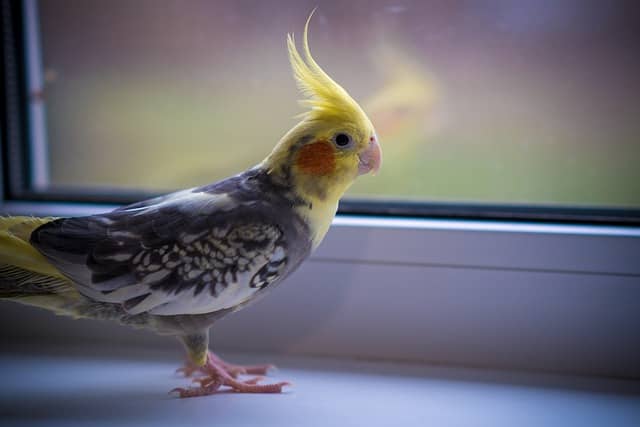
Can cockatiels fly with clipped wings?

Flying is something humans have admired since the first time they looked up and saw a creature spread its wings and soar. We love birds, which is why we keep them as pets, and we want to be sure that they live in the most natural environment possible. We want them to fly high. 

No matter how much we want to believe they’re free, our birds are captives and need to be kept safe from their instincts at times. We keep our dogs on leashes when we walk them because we don’t want a car to injure them. Believe it or not, clipping a cockatiel’s wings is for their good. And we will tell you why. But first, can cockatiels fly with clipped wings? 

Can cockatiels fly with clipped wings? Yes. It depends on how much you clip the wing. We don’t clip our cockatiel’s wings to prevent them from flying altogether. But it does hinder their ability to fly upward or sustain that position. While this might seem cruel, it is to stop them from flying into dangerous places or escaping.

Is it cruel to clip cockatiels’ wings?

 Whether or not this is a harsh process is a moral judgment you need to decide for yourself. Some believe it’s in the bird’s best interest, and others don’t. If you are in doubt, talk with an avian veterinarian, an animal doctor specializing in birds. 

While it may seem cruel, it’s important to remember, birds that are left unclipped will be able to sustain upward flight, which will enable them to get into tight spaces like air vents or fly out the fireplace chimney. There is so much potential for dangerous situations when you don’t clip your bird’s wings; some believe it’s cruel not to have the procedure. 

If your cockatiel gets outside, there are likely larger carnivorous birds that will see his yellow feathers. As animal lovers, we want our pets to have the most natural experience they can. A cockatiel with clipped wings wouldn’t do as well in the wild as one without. It’s important to remember our birds are not living in the wild, and they never will be. Even if they made it out the window, it’s unlikely they would be able to fly to Australia. 

Some believe it’s cruel not to clip the bird’s wings, which inadvertently exposes them to harm. You can compare it to a cat or dog’s nails. In the wild, they need sharp claws for protection and digging. But they don’t need this in our homes. If a dog’s nails get too long, they can split and cause infection. Cat’s can hurt you or others if their nails are not clipped once in a while. Also, your furniture could suffer from felines who have sharp claws. 

When you consider the harm your cockatiel can do to themselves by flying in places that aren’t safe, it doesn’t seem as cruel to clip a few wings for prevention. 

How long does it take for cockatiel’s clipped wings to grow back? 

Typically it takes 3 to 6 months for the feathers to grow back, which is why it’s a procedure you would need to repeat if you decided to have a bird with clipped wings. 

Baby cockatiels may take longer to grow their wings back. Some say it could take as long as 18 months. They would be learning to fly at this stage, so clipping them will stop them from obtaining specific motor skills needed to pass but land. Clipping younger cockatiels before that learning stage will likely crash land, which could cause them to break a feather or worse. 

You may want to wait until your cockatiel learns to fly and land correctly before having the procedure done so they will be able to handle their flight well. 

Should you not clip cockatiel’s wings? 

Clipping your bird’s wings is a personal decision between you and the other members of your home. While a captive bird who is not allowed to fly is safer, it is a big decision and not something you want to jump into blindly. The first thing you want to do is contact an avian veterinarian. Clipping a cockatiel’s wings is something you can do yourself, but you might hurt the bird if you are unsure of what you’re doing,

Avian vets train for this procedure, so it might be a good idea for you to watch a professional do it for the first clipping.

Suppose you are more comfortable with the idea of doing it yourself and want to save the vet bill; that’s fine. The more feathers you cut, the less their ability to fly. Don’t go farther than ten primary feathers. 

Why should you clip cockatiel’s wings? 

The primary reason to clip the wings of your cockatiel is for their overall safety in captivity. If you are building an aviary where your birds will only be flying around in a natural setting created for them, there is serious potential for dangerous situations. 

We’ve mentioned a few but, if you take a moment to look around your home, we’re sure you can find a nook or cranny where your little friend could get lost, stuck, or hurt. Animals are instinctual and don’t understand the things in our life like heating vents or mouse traps. It’s our responsibility to keep our pets from harm. We do this in the same way we child-proof a home. 

Your cockatiel can be compared to a baby because that’s what all pets are in our world. Utterly dependent on our attention and care. Otherwise, they could get into trouble. 

Do cockatiels behave differently after you clip their wings? Birds, like people, are individuals, and each one will act differently to having their wings clipped. You may see a change in their personality but don’t fear. Cockatiels are not known to hold grudges after a clipping. 

As we’ve already stated, clipping is something that you will need to keep up on, so after a few times, you won’t see much of a change in personality because they will be used to the process. 

How much does it cost to have the vet clip a cockatiels wings? 

We’ve researched several avian vets, and it turns out some charge as little as $15 while others charge $60. We haven’t seen any evidence to the contrary, but there is always the possibility of it being more. Your best bet is to call your nearest avian vet and ask for their prices or check out their website. 

Finding an avian vet near you should not be difficult, especially if you live in an urban area. A simple Google search brought me to many in our area, which is metropolitan. Rural areas likely have vets who deal with all types of fowl, so no one reading this should have a problem finding a doctor specializing in birds and clipping wings. 

Of course, if you do it yourself, it will cost you nothing but time. Before you just jump in and try, we suggest that you do as much research as possible and watch some YouTube videos to make sure you know what you are doing. It’s possible to make a mistake and injure your bird or stop them from flying at all. Clipping should not take away their ability to fly. Just hinder it a bit, so they don’t get into any precarious positions. 
Do Cockatiels need baths?

Bathing is a natural act that all birds do in the wild, and should be part of our cage setup for your pet If you are and want to know more about your pets health and care we will get into the ins and outs of your pet Cockatiel and what you need to know to help keep them healthy.

Do Cockatiels need baths?

Cockatiels need baths to keep their feathers and skin healthy. By bathing regularly, you can prevent dry skin, help the shedding process become more manageable, and lessen the amount of feather dust in their cage. 

Dry skin is an issue and can cause your cockatiel to pick at their skin due to itching or pluck their feathers. Have you ever suffered from irritating dry skin? It’s no different for a bird. Even though they have feathers underneath it all is sensitive skin that needs hydrating. There are several ways you can keep your bird’s skin adequately hydrated. 

A bath is the best way to keep a bird’s skin from becoming dry and flaky. There are specifics when it comes to bathing captive birds, which we will get to later. But this is the surest way to provide your pet with the comfort of good skin as well as a natural process to keep their outer layer healthy. 

Another way to assure that your bird’s epidermis remains fully nourished with moisture is by providing the right amount of humidity to their living environment. You can add wetness to the air with mechanical humidifiers or even spraying them with a mist once a day. Unlike other vertebrates, the skin of a bird is delicate and fragile, so it needs more attention. 

How often should I bathe my cockatiel?

A cockatiel should have the opportunity to take a bath every day. Keeping a bird bath in their cage and changing out the water daily will allow the bird to bath on their own just like a bird would do in the wild.

We will follow this up later with bathing techniques, but, for the moment, a daily bath is a beautiful way to keep your bird’s skin and feathers at an average healthy level. 

One thing you cannot overlook is that it’s up to the bird whether or not they want to take a bath every day. Like humans and every other animal on our planet, birds are individuals, and there is no guarantee that your bird will enjoy taking a bath. Some may like to bathe but only feel like doing it once a week. You will know when your bird is unhappy with you because she will hiss or become quite vocal. 

While bathing is essential, it’s equally as important not to stress out your cockatiel. Stress is not suitable for humans or any other creature on Earth. If you see that your friend is becoming aggressive or aggressive when you attempt to bathe him, don’t do it. You can compensate by creating a more humid environment for him to live in or by misting them once or twice a day with room temperature water. You may find the more you mist your bird, the more likely he will be to allow you to bathe him if he once showed fear. 

How to bathe a cockatiel.

For cockatiels, the good news is that like bathing; it shouldn’t be too difficult to get them in the bath. When we say, “get them in the bath,” we don’t mean to fill your tub with water and put your bird in there. Tubs are human-sized and intimidating to a sweet little cockatiel so, you want to purchase a birdbath for their cage. There are several types available. 

Cockatiel bath for the cage.

When it comes to bathing your bird in their cage, you want a tub that is specific for this. You could put a bowl at the bottom of the enclosure, but this could leave you with quite a mess to clean up, especially if your cockatiel enjoys splashing around in the bath

For energetic bathers, there are covered baths that can be attached to an opening of the cage. You can put it there once a day with water and let your bird have a grand old time. There are also baths without covers that attach to cages, but those also propose a messier situation. Whichever you choose, the idea is to create a fun and safe environment for your cockatiel to follow her instincts of bathing. 

All you have to is give your bird access to a bath, and you will find out if they like bathing or not. The water will draw your cockatiel in, or it won’t. Some birds don’t want to bathe, so don’t be surprised if he isn’t interested. It truly is a trial and error process. There are some things you need to keep in mind when getting a bath ready for your cockatiel. 

WATCH THE WATER TEMPERATURE!

While humans love to relax in a lovely hot bath, birds, and many other animals, for that matter, are pretty different. 

Cockatiel bath temperature.

For a cockatiel, the water temperature should be room temperature, which is about 70 degrees. Anything colder or warmer, then you risk harming your bird. Water that is too hot can burn them, shock the system. It’s best to have a tepid bath for them, so their experience is much more pleasing. Remember, a bath a day is healthy for your cockatiel, so making sure it’s an enjoyable experience would make her more likely to bathe again. 

How much water should I put in a cockatiel’s bath?

Specialized birdbaths will indicate water level but, if you are using a sink or small tub, then just put enough in for them to shuffle around in the water. Cockatiels can’t swim, and you don’t want them to drown, so only enough for them to play safely. 

How to dry a cockatiel after a bath.

You don’t. You let your bird dry naturally. If you think about it, a bird in the wild doesn’t towel off after a shower or hurt your cockatiel and traumatize them and possibly kill them. 

Always let your bird find their natural footing, and you’ll be surprised at how well they take care of themselves. The entire bathing process is instinctual for cockatiels, so the less effort you put in, the better off they are. 

What NOT to do when bathing your cockatiel.

Although we’ve gone over this, we think it’s important to reiterate that you should never use a blowdryer on your bird or any of your pets, for that matter. Not only will you risk injuring them it will be highly frightening for your little friend. 

Do NOT use soap when getting a bath ready for your cockatiel. The water should be clean and free of any pollutants or toxins. Filtered tap water is fine, but there is no need for shampoo or dish soap. 

Do NOT use a large tub. If you don’t have a birdbath and want to see how your friend reacts to water before purchasing one that attaches to their cage, then use a small tub or sink. The larger the area, the more room there is for problems. 

Do NOT put your bird in a full tub with you. While it sounds like fun again, there should only be enough water in the bath that they can safely play in. 

You CAN put a perch in your bathroom so, when you shower, your bird can enjoy the humidity. 

Water is one of the most precious resources on our planet, and for a good reason. No living thing on Earth could survive without it, not you or your cockatiel. So get that bath ready and let your feathered friend start enjoying a bath once a day. It will do them good, and you’ll have less feather dust in your home. 

Check out some of our other interesting read Do Cockatiels need a Heat Lamp and Can Cockatiels play with Toilet Paper Rolls? to read more.

Why Do Cockatiels Dance?

Music soothes the savage beast. Your little yellow-feathered may not seem savage, but the fact is birds dig music. It’s not surprising when a tune with a good rhythm comes on that your little buddy will start swaying to the beat. Or maybe, when a song that includes whistling or birds’ sound hits the air your bird might start whistling along. 

There is no denying that cockatiels enjoy music but why?

Why do cockatiels dance? The answer to that question is, no one knows. We can assume that cockatiels dance for the same reasons humans do, which is for many reasons. Humans dance for social causes and fun. There is no reason to believe it is any different for our feathered friends. 

When humans were evolving, they danced to attract a mate and to communicate with one another. Again, there is absolutely no reason to believe it is any different for your bird or birds. Several species dance to impress their potential mates with outrageous moves. The Laysan Albatross, the Magnificent Riflebird, and Western and Clark’s Grebes. 

The males of the species perform a “sexual display” during mating season, but I am not sure it‘s an actual dance. 

What does it mean when they dance? 

 No one is sure what it means when they dance. If you have a good song on and your bird moves to the music, it could simply mean that they are enjoying the tune. But, if your cockatiel is bobbing its head, then he might be hungry. 

For the most part, if your cockatiel is dancing to a song with you, it probably means that she likes the music. 

Does Music affect cockatiels? Yes. When you put music on, it gets your cockatiel’s interest instead of a constant television running. When you choose to play music for your bird, you’ll find that she enjoys it even when she isn’t dancing. My cockatiel likes to whistle along with certain songs, and I try to play tunes with birds in it. 

It turns out that birds dance to music, but they also have specific music that they like, and it’s not the same for everyone. Some like classical more while others like pop. It turns out that birds do not enjoy electronic dance music

Can you tell if your cockatiel is happy? Yes. It may take time to familiarize yourself with sounds and gestures when you first own a bird, but you will surely be able to tell when your cockatiel is happy. 

What other things do cockatiels do to show they are happy? If you hear your bird grinding his beak, then he is feeling happy and content. Another indication that your cockatiel is happy is if her feathers are puffed up. Puffed-up birdies are relaxing and comfortable. If your cockatiel’s crest is high, then it is a sure sign she is happy. If their crest has fallen backward, that means they are tranquil as well. 

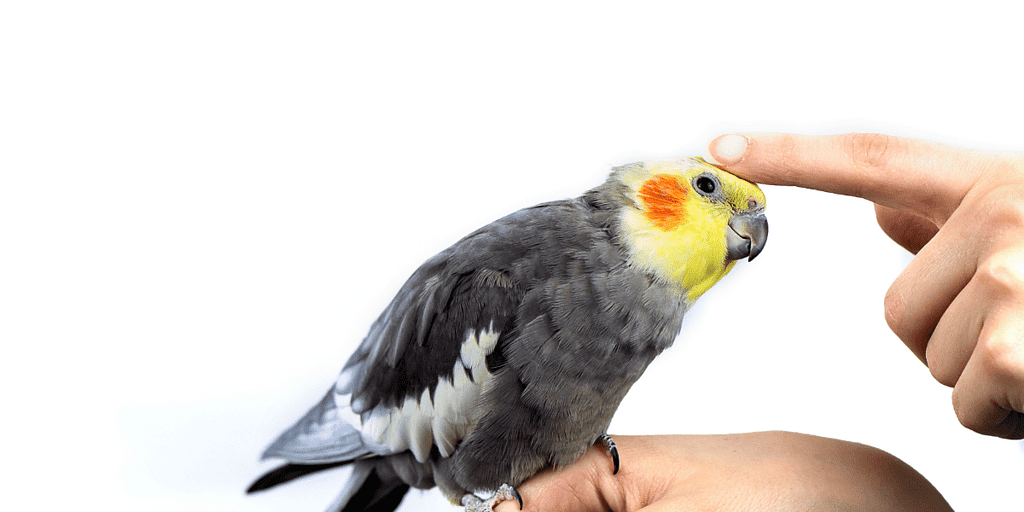
Do cockatiels like to be held?  I can say from personal experience that yes, some cockatiels like to be held, but that doesn’t mean you should reach out and grab your new friend for a snuggle, but you should bond with her first. Not all animals react to affection the same. Dog owners will tell you that they can reach over, for the most part, and pet their best friend, and suddenly the dog is all cuddles all the time. 

Cats like to snuggle, but they want to do it on their own terms. When you consider the time it takes to bond with a bird, it makes sense that it would take time for them to let you hold them in your hand. Our little guy was my partner’s pet until we decided to live together, and now he is ours. But it took three years of dating and a good year of living together before our guy let me hold him. 

I assume he was hesitant because he was in a new home, our cockatiel an old bird, and bonded with a person already. The younger birds may be more willing and not take as long. I suggest that you put your finger out for your cockatiel to step up. If they do that, then they trust you.

Sitting calmly on your finger may be the extent of “holding” a cockatiel, but it’s well earned. If you want to try and hold your bird in your hand, with your fingers wrapped around their body, I want to warn you that they will probably hiss and possibly bite. 

Do cockatiels like to cuddle? Yes, but they have their unique way of cuddling, and it’s best you do it on their terms. If you were planning on wrapping your arms around your cockatiel like you do with your beagle, we are here to tell you DON’T DO THAT! As tempting as it can be to snuggle up with your little friend, they are fragile. 

Our cockatiel will let my boyfriend put his little head to his chin. Then he rubs the back of his neck, and our cockatiel loves it. He closes his eyes and rubs his head on my partner’s chin, and they just have a great little lovefest. 

He doesn’t let me do that, but that’s okay. So, you see, cockatiels are quite cuddly if you let them do it on their terms and when they are ready one step at a time. 

How long should they be out of their cage? There isn’t any steadfast rule when it comes to how long your bird should be out of their cage. No matter what kind of bird you have, the amount of time spent outside of the cage depends on the bird and how comfortable they are with their environment and you. 

While we want our bird to be healthy and feel as free as possible, once your bird is comfortable outside of the cage, you can let her stay out as long as you both can take it. It’s good for her to fly around and stretch those wings, and you might find she likes to perch on framed art or light fixtures. 

Beware, the more time out of the cage, the more poop you might find in your home. But it’s par for the course, and they are worth the little bit of extra work it takes. 

How to make sure they get enough exercise? There are several steps you can take to make sure your cockatiel is getting enough exercise. 

  1. Make sure they get plenty of time out of the cage. We just discussed this, and it’s worth repeating. If your bird were living in the wild, then it would decide where it went and when. Alas, a pet’s life is more controlled, but that’s for their safety. In turn, we need to make sure they have ample exercise. The more time they spend outside of the cage safely, the better it is for them. 
  2. Set up their cage for movement. Our bird’s water bowl is on one side of the cage, and the food dish on the other side. In between, we have ladders and perches so our cockatiel can move around freely. Forcing them to move around their cage is a way to provide exercise. 
  3. Play with them. While it might be tempting to let your cockatiel out and allow your bird to fly around the room for exercise, birds need connection so, spending time with them is one of the best ways to ensure that your bird is healthy. 
  4. Dancing. We are coming back full circle; dancing is a beautiful way to help your friend exercise. So get that music pumping!

Conclusion

Dancing is fun and an easy way to burn some calories, but this isn’t why a cockatiel does it, but does the why truly matter? If your bird is enjoying the music, and so are you, then everyone is happy. And there are few things better than happiness when it comes to maintaining our bird’s health. 

What do Cockatiels Like To Play With – What you need to know?

Cockatiels are quite inquisitive and smart. They like to interact with their humans and enjoy playing like any other furry friend you might have running around your home. Toys and playing, in general, is healthy for your bird, which we will explain later. First, let’s answer the question at hand. 

What do cockatiels like to play with?

Cockatiels like to play with objects they can shred as well as mirrors, bells, natural wood objects and rings. They also like swings and perches to be able to move around in their cage and get to toys from different angles.

They like to play with toys, mirrors, and even people but it all depends on the cockatiel because, like humans, they have individual personalities. All cockatiels are not the same so we put together some tips and toy favorites in this article so you can choose the best options for your feathered companion. 

How Do You Entertain a Cockatiel?

There are a plethora of ways to delight your bird and you’ll learn what she likes the best if you try them all. We’ve broken them down into three categories. 

Also Check out our other article Can Cockatiels Play with Toilet Paper Rolls?

Give Them Things To Do

Living in a cage can get boring so you want to make sure your bird has enough to do when you aren’t there to liven things up for them. But you can’t just throw anything in their cage with hopes that your bird will enjoy playing with it. Some specific toys and devices should be available to your cockatiel at all times.


What Do Cockatiels Like in Their Cage?

Coincidentally, the items that are beneficial for a cockatiel to have in their cage and what they enjoy keeping in their home are on the same list. Food and water are necessities more than entertainment so we’ll just say those are a given. 

Cuttle Bones or Mineral Bones

This is the oval white bone that you see in bird cages or the avian section of the pet store. These bones are from the cuttlefish, which are kin to the octopi. When you put one in the cage you will find your cockatiel rubbing his beak against it, which is its way of grooming that part of its body. 

While the action looks like entertainment, the practice is beneficial to the overall health of your friend. Without this practice, her beak could become overgrown, and she will be denied some important minerals like calcium. If they don’t have this activity, a bird can become malnourished. 

Toys

Everyone loves toys. From babies, kittens, puppies, adults, cats, dogs, horses, dolphins, you name it and odds are they enjoy some kind of plaything. Most species on this planet enjoy fun time and your cockatiel is no different. But what are the best toys to keep them entertained? They are broken down into the following categories. 

Shredding Toys

These toys can look like rolled-up balls of yarn or a messy grouping of strings and twine. You might look at it and think, “What could be fun about that?” Your cockatiel will fall in love with it because they like to shred. The name is perfect because that’s what they do and for good reason. It provides them with an avenue to keep their brains active.  

Wooden Swings

Are you able to refuse an open swing when going to your local park? I’m not and have been more than happy to jump on one as an adult. I don’t jump off for a landing anymore but that’s okay. The overall entertainment value is priceless and the same goes for your bird. A swing provides your cockatiel with an entertainment outlet that’s calming. 

Mirrors

When your cockatiel looks in the mirror he sees another bird. They don’t understand that it’s a reflection of themselves and they are quick to interact with the image. Our guy lives alone and he will spend hours singing and talking to his reflection in his little mirror. It provides endless entertainment for him and I enjoy listening to him while I sit at my computer and write. 

Wooden Toys

Toys made from wood are perfect for your cockatiel. They like to chew and wood is a natural material that they can pick away at without harming themselves. Don’t be surprised if your bird beats the heck out of that wooden toy. They like to play rough sometimes. 

Rings

Our little guy likes to fight his rings. He sits on his perch, grabs them with his beak, and hisses when they swing his way. This is another way he likes to spend a good deal of his time, which is perfect. It gets lonely in the cage and I want him to be happy. 

What Should I Watch Out For With Toys

Like babies, not all toys are suitable for your cockatiel. Thinking of them as a baby is the best approach when you think about it. They don’t know what they are putting into their mouths and, even though they are tiny themselves, we don’t want anything too small that they can choke on. 

Metal toys or any that have been painted are also something you should avoid putting in the cage. Both can be toxic to your bird so it’s always best to be safe rather than sorry. Just like the wooden toys we spoke about above, when choosing toys for your cockatiel we always recommend you get ones made from natural materials. 

What Are Cockatiels Favorite Toys?

All of the toys we mentioned above have a good shot at becoming your bird’s favorite toy. It is difficult to pinpoint one toy as a preferred method of entertainment for all cockatiels. Each bird has its likes and dislikes so this is going to specific to your particular bird. A good way to find out is to pay attention to the toys she likes to play with regularly. 

Our guy likes his rings and his mirror equally. He doesn’t swing anymore because he is old and suffers from arthritis but he is pretty active in other ways. If she shreds a lot then it might be a good idea to invest in some shredding toys. If she goes through a wooden toy a week then you know that’s her preference. 

Do Cockatiels Like Music?

Cockatiels don’t like music. THEY LOVE MUSIC! I have found our guy loves songs that include a lot of whistling or bird sounds. Two of his favorite songs are “Blackbird” by The Beatles and “Mockingbird” by Tom Waits. These songs get him singing and whistling along instantly. Everyone has their taste in music so try your favorite songs out on your bird and see where it goes. 

Rhythm is also something birds seem to like. Cockatiels love to dance too, which is good for them and you. You can put your friend on your finger or shoulder and bounce around the room to the beat. I can almost guarantee your feathered buddy will enjoy the bonding experience. But be careful not to shock them with sudden movements either. 

Perfect Cage

Don’t forget the Perfect Cage. That will allow you to have your cockatiel at the center of attenuation. As well as help keep the area around his cage clean.

Other Activities to Share with Your Cockatiel

One thing I like to do is use my smartphone to video our bird while he is smiling and singing and then I replay it back to him. He becomes instantly enthralled and sings back to himself. This practice is similar to the mirror but a little more interactive for you both.

The most important thing you need to remember is, once you form a bond with your cockatiel, her favorite toy will ultimately be you. They love to snuggle and cuddle with their humans and we all know how beneficial that is to their health and yours. 

Conclusion

Cockatiels are intelligent birds so, as their caretakers, it is important to make sure they have the mental stimulation they need to lead a healthy life. This can be done with a good selection of toys that keep them stimulated, entertained, and living their best life. 

What you need to know to teach your Cockatiel to talk and more.

We want a pet bird to train it to do all the fun tricks we see birds do on those cute animal YouTube videos. We like birds that sing, dance, and repeat funny phrases. While some birds are more trainable than others, cockatiels are common captive birds that are trained to do various things. 

Cockatiels are some of the most trainable pets, and we are here to tell you how to do it. 

How to teach a cockatiel? It doesn’t matter what you want to train your cockatiel to do; the key to getting the lesson through to them is with constant repetition and a lot of patience. If you have both of those, then we have a list of fun tricks to teach your cockatiel with practically the same steps and techniques.

How to teach a cockatiel its name. When you first get your cockatiel, you’ll want to give it a name. If she already has a name, knows it, and you like it, then we suggest not changing the name at all. But you may have a young cockatiel or one that has no name. No matter, to teach the cockatiel to recognize his name is as follows. 

Step 1: Get some treats. Cockatiels learn well with positive reinforcement and reward. They don’t respond well to punishment or any hostile attempts at learning. They’ll likely learn less if you take that approach so get ready to reward them with something healthy. 

Step 2: Say the name you have chosen to the bird. 

Step 3: Reward her with a treat. 

Step 4: Repeat steps two and three for fifteen-minute intervals. 

Step 5: Give it a rest. You don’t want your bird to get fat, so fifteen minutes of treats, limited of course, is enough. 

Step 6: Repeat three or four times daily until they respond to the name you have chosen. 

How to teach a cockatiel to talk. Now that your beautiful bird know’s his name, you can start teaching him to speak. Take note that cockatiels aren’t the easiest birds to get chatting, but they do with the two ingredients we mentioned earlier: patience and repetition. 

Step 1: Choose simple single or double syllable words to start. 

Step 2: When you say the chosen word or phrase to your bird, be sure to say it in a loud and upbeat way. Suppose you listen closely to the sounds, your cockatiel makes, it would behoove you to say the chosen phrase or word in the same manner. It will be easier for them to understand, and you’ll have a better chance at success. 

Step 3: Grab the treats and start saying the phrase to your bird. If they say the word, or something close to it, reward your bird with a treat. If you haven’t guessed by now, this part is similar to the steps in how to teach your cockatiel its name. The only difference is the response you are looking for. 

Step 4: Don’t forget to rest after fifteen minutes and repeat the process several times every day. Another reward, besides treats, is an enthusiastic “good” or “good birdy.” 

What are some other tricks I can teach my cockatiel? With the same type of positive reinforcement and reward that we’ve been discussing you can teach your cockatiel to do a ton of fun tricks. These include “turn around”, to say their name, flex their wings, high five, whistle songs, somersault, fly on command, and shake their head. 

How to train a cockatiel to talk. Repetition, emotion, and reward are the three key ingredients to train a cockatiel to talk. The reason why emotion is mentioned is because birds tend to pick up words that we put feeling behind. That’s why a bird who is around swearing is likely to pick it up. Because, when we cuss, it’s typically an emotional reaction. 

Say the word/phrase you want repeated and say it with feeling. Reward your bird when she repeats what you are trying to teach her. 

How to train a cockatiel to fly to you. It may start to get old or sound repetitive but the key to teaching your cockatiel to do anything is repetition. You will see this trend and we move on to other teachable tricks. 

Rewards are essential as well, which we mentioned earlier. To get your cockatiel to fly to you put a treat in your hand. The best time to do this is right before you feed him so your bird will be hungry.

Show the cockatiel the treat. Then gesture to your shoulder. When you first do this you don’t want to be too far away from your friend but far enough away so they could fly to you. When they do what you want reward them right away. This may take time so don’t leave your patience at the door. 

How to train a cockatiel to step up. This is a basic trick that birds learn. When you approach your cockatiel make sure your eye level is slightly above his so that he knows you are in charge. Also, make sure you have treats in hand. 

At first let the bird get used to your hand in her cage with a treat. When your cockatiel gets used to taking treats from your hand then you can extend a finger for her to step on. When she does it say, “Step up” and reward her with a treat. 

It’s important to remember that no training session with your cockatiel should last longer than fifteen minutes. That’s a long enough time for treats and your bird will need to digest a bit before carrying on. 

How to train a cockatiel not to bite. This is possibly the most important training you can give your cockatiel because the last thing you want is a bird that is comfortable biting you or anyone else. It’s not safe to let your bird bite your hand because he could break the skin and injure you and you might have something toxic on your hand that you don’t want in the birds mouth. 

Biting is a bad habit and here are some tips on how to stop it. The first step is to never reward or give a treat to a cockatiel that has bitten you. Positive reinforcement is strong so don’t give them the wrong idea. 

When your bird bites don’t yell and scream. Remember, they don’t understand words and can be frightened by your emotions. Instead say “NO” sternly. If you are holding a perch that they are on then jostle their balance for a minute as you say “NO.” They should associate the jostling with “NO.”

How long does it take to train a cockatiel? The length of time it takes to train a cockatiel to do anything depends on several factors. How old is the cockatiel? How long have you had this cockatiel? What is the temperament of your cockatiel?

As with any animal, or human for that matter, if your bird is young it will take less time to teach them than if they were older. Our guy is rather old and set in his ways. Luckily he was trained when he was young. 

If your bird is old but new to you then you might find training a bit more challenging. Finally, every cockatiel is different from another. They all have their own temperaments and personalities. If yours is agreeable then your time spent training will not be long, but if your cockatiel is stubborn or possibly a rescue that wasn’t handled well then you will have to put in the time. 

Conclusion Cockatiels are very trainable if you stick with the rules of training. Repetition, rewards, patience, and a positive attitude are all that is required when you want to teach your cockatiel. You may be tempted to make it more fun or less monotonous but that will only confuse your cockatiel. Stick with the plan and you will see results. 

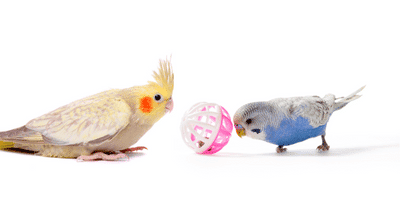
Can cockatiels and parakeets live together?

Birds are fun pets,, but sometimes it’s difficult to choose which one to get. Cockatiels are cute but so are budgies, which is another name for the parakeet or budgerigar. At first, you considered one bird but couldn’t decide between the two. So now, you’re considering getting one of each but have so many questions. We’re here to answer them for you. 

As a whole Cockatiels and parakeets can live together but it depends on their individual personalities and compatibility. Introduce birds gradually and supervise their interactions to ensure they get along. Having separate cages and providing plenty of space and toys can also help prevent conflict.

Can Parakeets and Cockatiels live in the same cage?

As a general rule Parakeets and cockatiels can coexist in the same cage, but cage size should be appropriate for the number of birds and species. Socialization, cage placement, and personality should also be considered to ensure harmonious living.

Both species have similar care requirements, making it tempting to house them together. However, whether or not parakeets and cockatiels can live together depends on a variety of factors, including size, personality, and health.

Cockatiels are larger birds and may bully smaller parakeets, especially if the cage is too small. This can lead to stress, which can affect their overall health and well-being. Additionally, parakeets are social birds that need a lot of interaction, while cockatiels are relatively independent and do not require as much interaction.

On the other hand, if both birds are socialized and get along, they can live together in a large cage. Regular interaction and bonding sessions are also important to help them build a positive relationship.

Can Parakets and Cockatiels eat the same food?

On Average Parakeets and Cockatiels have similar dietary needs and can eat the same basic diet of seed mix, fruits, vegetables, and occasional pellets. However, it is important to offer a balanced diet and variety to meet each bird’s individual nutritional requirements.

Can Cockatiels live with other birds?

Some birds can live together and some cannot. We broke it down for you below. 

Birds that can live with cockatiels (not in the same cage)

  • Turquoise parrots
  • Red-crowned parrots

Can Parakeets live with other birds?

Birds that can live with parakeets 

  • Small parrots
  • Lorikeets
  • Zebra finches

It’s not a good idea to put parakeets with canaries. As it turns out, parakeets can be quite the bullies when they want to be. They may bully canaries to death, which happen to be very fragile little birds. 

When is best to introduce them to each other? Introducing your parakeet and cockatiel to each other is a long process so be patient. Some good friendships happen fast and others are developed over time. The latter will be the case with your two birds. 

How to introduce your birds to each other

Step One: The first thing you do is separate the new bird from the one that has been living in your home for two weeks. If you recently purchased both birds it’s still a good idea that you keep them separated for two weeks. This is to prevent any possible illnesses to pass from one bird to another. 

Step Two: Time for you to bond with your birds. If you haven’t done this already it’s important that you bond with your birds before you even consider introducing them to each other. If a scuffle were to break out it would be more difficult to break up if your birds didn’t even trust you. 

Step Three: Place the two cages near one another. This way they will become familiar with the sights and sounds of each other. Let them sit next to each other in their safe space so neither feels threatened. You should keep up this step for at least a month before moving on to the next. 

Step Four: Let them out of their cages, one at a time. If neither bird is used to being out of the cage they may consider the other bird a threat because they are in unchartered territory. If you give each of them space to move around and get their grounding then an introduction between the two will likely be smoother than, if they first met each other, the first time they were ever out of their cages. 

Step Five: Decide where the neutral area in your home will be. You can build a play area for them or simply clear a table for the first meeting. Positon several perches around the room so each of them has an option to fly to if and when they are feeling nervous. 

Step Six: Don’t leave them alone. In fact, you should be watching everything that happens when you first let them out of their cages at the same time. Be aware if either of them is getting aggressive or stressed, which would prompt them to bite, hiss, lunge at each other, and scream. As we said, parakeets are bullies, and they go after the toes. Cockatiels are more timid so this is a distinct difference in personality. You don’t want this behavior so, if you observe it, get them back into their cages and away from each other. 

Step Seven: Limit these first meetings to an hour at the most. As time progresses and you find your birds are more comfortable around each other then you can lengthen their playtime. 

When will it no work to have them together? If you have taken your time and followed all the steps properly and your birds are still not getting along you will just have to accept that they aren’t going to be friends and will have to be constantly separated. This may mean letting them out of their cages at different times so there are no scuffles and extra attention from you so they both feel loved and bonded. 

Conclusion

If you want two birds then you should consider getting two of the same kind. This would not only be ultimately better for the birds but it would be less costly for you since you won’t have to double up on all the supplies and necessities. But, if you are insistent on getting a parakeet and a cockatiel then we highly recommend you follow our guide so you will create a loving and safe home for both of them. 

It is always recommended to consult with a veterinarian when considering keeping multiple bird species in the same cage, as compatibility and living conditions may vary and affect the health and well-being of the birds.