Recent Posts

What do Cockatiels Like To Play With?

Birds are quite inquisitive and smart. They like to interact with their humans and enjoy playing like any other furry friend you might have running around your home. Toys and playing in general is healthy for your bird, which we will explain later. First, let’s answer the question at hand. 

What do cockatiels like to play with?
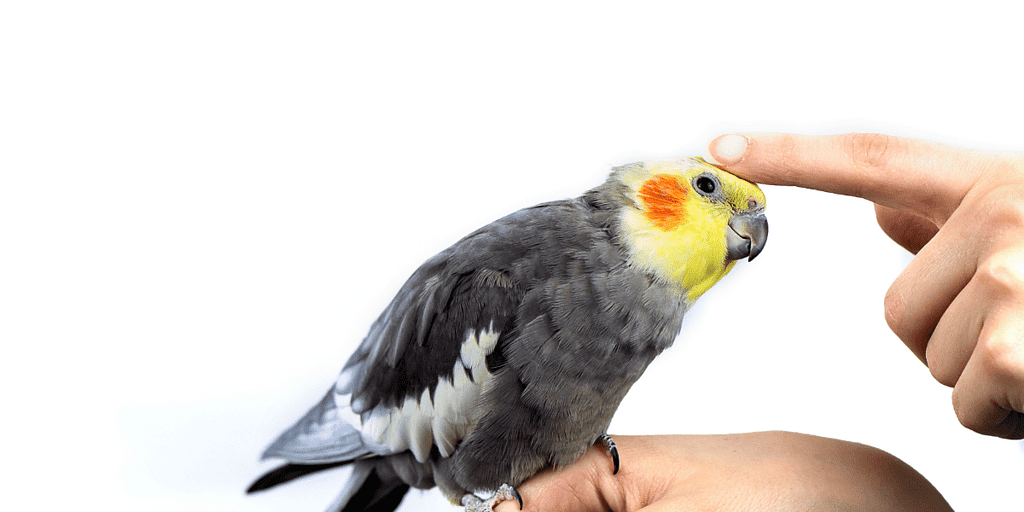
In general, cockatiels enjoy a variety of toys such as wooden chew toys, mirrors, bells, foraging toys, swings, and perches. Rotating toys helps prevent boredom and provides mental/physical stimulation.

They like to play with toys, mirrors, and even people but it all depends on the cockatiel because, like humans, they have individual personalities. All cockatiels are not the same so we put together some tips and toy favorites in this article so you can choose the best options for your feathered companion. 

How Do You Entertain a Cockatiel?

In general, cockatiels can be entertained through toys, playtime outside the cage, social interaction, training, and out-of-cage activities. Offer a variety of toys, spend time interacting with them, teach them tricks, and provide a stimulating environment for their happiness and health.

There are a plethora of ways to delight your bird and you’ll learn what she likes the best if you try them all. We’ve broken them down into three categories. 

There are many ways to entertain a cockatiel and keep them mentally and physically stimulated. Some of the most effective methods include:

  1. Providing toys: Offer a variety of toys such as wooden chew toys, mirrors, bells, foraging toys, swings, and perches of different textures and sizes.
  2. Playtime outside of the cage: Allow your cockatiel to play outside of their cage regularly, but in a safe and secure environment.
  3. Social interaction: Spend time interacting with your cockatiel, such as talking to them, singing, and playing games.
  4. Training: Teach your cockatiel basic commands or tricks to engage their mind and strengthen the bond between you.
  5. Out-of-cage activities: Set up a play area for your cockatiel with toys and perches, or take them for a walk on a harness.

Living in a cage can get boring so you want to make sure your bird has enough to do when you aren’t there to liven things up for them. But you can’t just throw anything in their cage with hopes that your bird will enjoy playing with it. Some specific toys and devices should be available to your cockatiel at all times.

 What Do Cockatiels Like in Their Cage?

In general, cockatiels need a spacious cage with plenty of room to move and play. Provide perches of different sizes and textures, toys for stimulation, a food and water dish, and a nest box if breeding. Offer a balanced diet to keep your cockatiel healthy and happy.

Coincidentally, the items that are beneficial for a cockatiel to have in their cage and what they enjoy keeping in their home are on the same list. Food and water are necessities more than entertainment so we’ll just say those are a given. 

Cuttle Bones or Mineral Bones

This is the oval white bone that you see in bird cages or the avian section of the pet store. These bones are from the cuttlefish, which are kin to the octopi. When you put one in the cage you will find your cockatiel rubbing his beak against it, which is their way of grooming that part of their body. 

While the action looks like entertainment, the practice is beneficial to heir overall health of your friend. Without this practice, her beak could become overgrown and she will be denied some important minerals like calcium. If they don’t have this activity a bird can become malnourished. 

Toys

Everyone loves toys. From babies, kittens, puppies, adults, cats, dogs, horses, dolphins, you name it and odds are they enjoy some kind of plaything. Most species on this planet enjoy fun time and your cockatiel is no different. But what are the best toys to keep them entertained? They are broken down into the following categories. 

Shredding Toys

These toys can look like rolled-up balls of yarn or a messy grouping of strings and twine. You might look at it and think, “What could be fun about that?” Your cockatiel will fall in love with it because they like to shred. The name is perfect because that’s what they do and for good reason. It provides them with an avenue to keep their brains active.  

Wooden Swings

Are you able to refuse an open swing when going to your local park? I’m not and have been more than happy to jump on one as an adult. I don’t jump off for a landing anymore but that’s okay. The overall entertainment value is priceless and the same goes for your bird. A swing provides your cockatiel with an entertainment outlet that’s calming. 

Mirrors

When your cockatiel looks in the mirror he sees another bird. They don’t understand that it’s a reflection of themselves and they are quick to interact with the image. Our guy lives alone and he will spend hours singing and talking to his reflection in his little mirror. It provides endless entertainment for him and I enjoy listening to him while I sit at my computer and write. 

Wooden Toys

Toys made from wood are perfect for your cockatiel. They like to chew and wood is a natural material that they can pick away at without harming themselves. Don’t be surprised if your bird beats the heck out of that wooden toy. They like to play rough sometimes. 

Rings

Our little guy likes to fight his rings. He sits on his perch, grabs them with his beak, and hisses when they swing his way. This is another way he likes to spend a good deal of his time, which is perfect. It gets lonely in the cage and I want him to be happy. 

What Should I Watch Out For With Toys

Like babies, not all toys are suitable for your cockatiel. Thinking of them as a baby is the best approach when you think about it. They don’t know what they are putting into their mouths and, even though they are tiny themselves, we don’t want anything too small that they can choke on. 

Metal toys or any that have been painted are also something you should avoid putting in the cage. Both can be toxic to your bird so it’s always best to be safe rather than sorry. Just like the wooden toys we spoke about above, when choosing toys for your cockatiel we always recommend you get ones made from natural materials. 

What Are Cockatiels Favorite Toys?

All of the toys we mentioned above have a good shot at becoming your bird’s favorite toy. It is difficult to pinpoint one toy as a preferred method of entertainment for all cockatiels. Each bird has its likes and dislikes so this is going to specific to your particular bird. A good way to find out is to pay attention to the toys she likes to play with regularly. 

Our guy likes his rings and his mirror equally. He doesn’t swing anymore because he is old and suffers from arthritis but he is pretty active in other ways. If she shreds a lot then it might be a good idea to invest in some shredding toys. If she goes through a wooden toy a week then you know that’s her preference. 

Do Cockatiels Like Music?

Cockatiels don’t like music. THEY LOVE MUSIC! I have found our guy loves songs that include a lot of whistling or bird sounds. Two of his favorite songs are “Blackbird” by The Beatles and “Mockingbird” by Tom Waits. These songs get him singing and whistling along instantly. Everyone has their taste in music so try your favorite songs out on your bird and see where it goes. 

Rhythm is also something birds seem to like. Cockatiels love to dance too, which is good for them and you. You can put your friend on your finger or shoulder and bounce around the room to the beat. I can almost guarantee your feathered buddy will enjoy the bonding experience. But be careful not to shock them with sudden movements either. 

Perfect Cage

Don’t forget the Perfect Cage. That will allow you to have your cockatiel at the center of attention. As well as help keep the area around his cage clean.

Other Activities to Share with Your Cockatiel

One thing I like to do is use my smartphone to video our bird while he is smiling and singing and then I replay it back to him. He becomes instantly enthralled and sings back to himself. This practice is similar to the mirror but a little more interactive for you both.

The most important thing you need to remember is, once you form a bond with your cockatiel, her favorite toy will ultimately be you. They love to snuggle and cuddle with their humans and we all know how beneficial that is to their health and yours. 

Cockatiels are intelligent birds so, as their caretakers, it is important to make sure they have the mental stimulation they need to lead a healthy life. This can be done with a good selection of toys that keep them stimulated, entertained, and living their best life. 
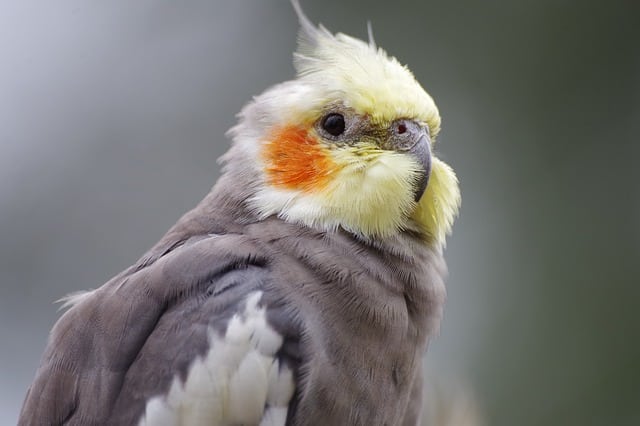
Can Cockatiels Eat Bananas?

One of the most important jobs of owning a cockatiel is making sure they are getting the nutrition they need to be healthy. While in the wild birds are dependent upon their instincts to find and forage for food. Caged birds do not have that issue, but, in turn, if not fed correctly, they could suffer from a lack of needed vitamins and minerals. But what about our pet cockatiels, can they eat bananas?

As a general rule, cockatiels can eat bananas as part of their normal diet, but like everything, it should be consumed in moderation. Fruit should only make up 10% of a cockatiel’s daily food consumption, along with other fruits like apples, mangoes, papayas, blueberries, and grapes.

NutrientAmount per 100 g of Banana
Carbohydrates23 g
Fiber2.6 g
Fat0.3 g
Protein1.3 g
Vitamin C9 mg
Vitamin B60.5 mg
Potassium450 mg
Note: This information is based on a 100 g serving of a banana and may vary depending on the specific variety and ripeness. Bananas should be offered in moderation as part of a balanced diet for cockatiels. It is recommended to consult with a veterinarian to determine the specific nutritional needs of your pet bird.


Check out our other Article What do Cockatiels Like to Play with

Can cockatiels eat a banana skin?

As a general rule, it is not recommended to feed cockatiels banana skins. They can be difficult to digest and may cause digestive issues. Cockatiels should be fed a balanced diet of specially formulated birdseed and fresh fruits & vegetables.

When we eat bananas we peel them and eat the sweet fruit inside. Other species can internally digest the tougher parts of the banana that we aren’t. Cockatiels are one of those species. Some cockatiels love bananas and their peels so, in moderation like anything else, this should pose no threat to your bird. 

But be aware of the fact that pesticides are a normal part of farm life in some places and the outsides of fruits and vegetables can be riddled with toxins. When I unpack my produce I wash it with a mix of water and white vinegar first and then rinse with cold water. I let it dry and then put it away. I don’t want anyone in my home consuming toxins if I can help it. 

We feel that way about our families so the same care should be given to the foods we feed our pets. Wash that peel well before giving it to your little buddy. 

What Foods are Toxic to Cockatiels?

As a general rule, some foods toxic to cockatiels include avocado, chocolate, alcohol, caffeine, and anything sweetened with xylitol. Also, onions and garlic can be harmful in large amounts. It is important to provide a balanced diet of specially formulated birdseed and fresh fruits and vegetables to ensure their health and wellbeing.

While there are foods in our kitchen that are fantastic options for your cockatiel there are human foods that are not good for them to consume at all. Avocados, chocolate, alcohol, broccoli, and spinach are on the list of what Cockatiels should not eat. The two latter mentioned foods are up for debate but certain experts claim that consuming broccoli and/or spinach will inhibit their ability to absorb calcium. So avoid them anyway. 

Other Fruits and Foods Okay to Feed to a Cockatiel

Since we are on the subject, there are plenty of other options grown out of our lovely Earth that is more than fine to feed to your cockatiel. Some fruits you can feed your bird include apples, nectarines, peaches, apricots, and pears. Grapes and strawberries are good but can contain bacteria so be cautious if they are bruised. 

But it doesn’t stop there. They can also eat papayas, mangos, guavas, and kiwi, which are all excellent suggestions. Cockatiels also like cantaloupe and watermelon. But overall, fruit has sugar so try to keep it in moderation as opposed to vegetables. 

Veggies

Vegetables that can be given to your cockatiel regularly include kale, romaine, bok choy, leaf lettuce, Swiss chard, mustard greens, and watercress. When it comes to greens, the deeper the color the more nutrition it holds. 

Squash and sweet potatoes are good but should be cooked. Carrots provide nutrition but should be grated or chopped small. You can also include string beans, peas, zucchini, tomatoes, Brussels sprouts, and corn on the cob. Be sure to cut them in simple to-eat portions. 

What Can Cockatiels Eat List

Fruits 

Here is a list of fruits that can be served in moderation. The ones that can be bruised, like strawberries and grapes, should be given with caution. As you will see, there are so many options on this list it would be okay to skip the questionable ones altogether. 

  • Apples
  • Apricots 
  • Bananas
  • Berries (Not if they are bruised)
  • Cantaloupe
  • Cherries (will possibly turn stool red so be aware of that side effect)
  • Cranberries
  • Grapes (Not if they are bruised)
  • Guavas
  • Honeydew melon
  • Kiwi
  • Mangos
  • Nectarines
  • Papayas
  • Peaches
  • Pears
  • Pineapple
  • Plums
  • Pumpkin
  • Watermelon

Vegetables and Herbs

As I mentioned earlier, vegetables can be served more often than fruits because they are not as high in sugar but some need to be cooked so we separated them between raw and cooked for simplicity. 

Uncooked Vegetables

  • Asparagus
  • Beets
  • Beet greens
  • Bok choy
  • Brussels sprouts
  • Carrots (grated or chopped)
  • Celery
  • Corn
  • Cucumbers
  • Endive
  • Fennel
  • Kale
  • Leaf lettuce
  • Mustard greens
  • Peas and pods
  • Romaine
  • Sprouts (fresh)
  • Sweet peppers, red or green
  • Swiss chard
  • Turnip greens
  • Watercress
  • Wax beans (green and yellow)
  • Zucchini

Vegetables (must be cooked)

  • Sweet potatoes

We included a list of herbs that are safe for your bird but they don’t serve any nutritional purpose that we are aware of and, while cayenne is listed as safe, it can be very spicy so I would avoid it anyway. 

Safe Herbs

  • Basil
  • Cayenne (see above paragraph before giving to your bird)
  • Chamomile
  • Chicory
  • Cilantro (Coriander and Chinese Parsley fall under this category)
  • Dandelion
  • Dill
  • Ginger Root
  • Lemon Balm
  • Marjoram
  • Oregano
  • Parsley
  • Rosemary
  • Thyme

Other Safe Foods

There are several other foods you will find in your pantry that can be fed to your cockatiel. They are listed below. There is a difference in this list between cooked and what we marked as “freshly cooked.” Those listed as the latter should not be given to your bird after they have been cooked, sat in the fridge, and then reheated. 

  • Cooked barely
  • Cooked brown rice
  • Cooked cereals
  • Cooked dried beans
  • Cooked lima beans
  • Cooked oatmeal
  • Cooked pasta
  • Cottage cheese
  • Dried fruit
  • Dry, unsalted nuts
  • Freshly cooked chicken or turkey
  • Freshly cooked eggs, hard-boiled, scrambled
  • Freshly cooked fish
  • Freshly cooked lean meats
  • Whole wheat toast
  • Yogurt

Good Treats

These foods are fine to give as an occasional treat but shouldn’t be served as a meal. 

  • Animal Crackers
  • Cheerios
  • Grape Nuts
  • Rice Krispies
  • Shredded Wheat
  • Unsalted crackers
  • Unsalted popcorn
  • Unsalted pretzels

Foods To Avoid

This list isn’t broken down by fruit, vegetable, etc. We listed every food, herb, and substance you may eat but should never give to your cockatiel. Some of these are toxic, like fruit seeds, chocolate, onions, and garlic. Some of the others are up for debate or just not healthy overall so it’s best to avoid every food on this list.

  • Anything moldy (blue cheese, etc)
  • Artificial sweetener
  • Avocado
  • Bean plant
  • Brazil nuts
  • Broccoli 
  • Caffeine
  • Chocolate
  • Eggs, uncooked
  • Eggplant
  • Fat
  • Fish, uncooked
  • Fresh peanuts
  • Fruit pits or seeds
  • Garlic
  • Meat, uncooked
  • Nutmeg
  • Nuts in shells
  • Onion
  • Rhubarb 
  • Salt
  • Shellfish 
  • Spinach
  • Tomato

Meals For Your Cockatiel

If you would like to make some interesting menu items for your bird feel free because a good menu will have a healthy balance of seeds, pellets, leafy and other vegetables, and a bit of fruit. Including a cooked protein once in a while will add more variety

Houseplants that are Toxic to Cockatiels

We don’t expect you to feed your cockatiel houseplants, but if you let them fly around your home you need to be careful what greenery you are keeping around. Here is a list of houseplants that are toxic to cockatiels. 

  • Autumn crocus
  • Cycad
  • Dumb cane
  • Kalanchoe species
  • Kalmia species
  • Lily of the Valley
  • Oleander
  • Peace lily
  • Pothos
  • Rhubard (plant as well as food)
  • Sago
  • Schefflera
  • Yew Taxus
  • Zamia palms

As you can see, there are ample healthy options when it comes to fresh fruits and vegetables that you can feed to your cockatiel. The basis of any healthy life is a good diet and, if you mix some fun things in with their regular helping of seed you’ll find that your cockatiel is happy for the treats and change in routine. Buon appetite!

How Much Does It Cost to Own a Cockatiel?

Owning a pet cockatiel is one of the greatest pleasures you will ever have. We’ve owned a rescue for a while and he brightens up all our mornings. Since bird ownership is not as common as dogs and cats you may be wondering exactly how much it costs to own one of these Australian beauties. 

How Much does a cockatiel cost? One-time fees can run you anywhere from $650 to $670 and you are looking at an annual cost that ranges from $75 to $520. We realize these numbers vary greatly.

You’ll find out why as you continue to read. 

When it comes to owning a cockatiel I can honestly say, in the long run, it doesn’t cost as much as you think. You may have to spend some time finding a vet that handles birds but when it comes to costs you will be pleasantly surprised. 

Vet Visit Costs

Regular yearly checkups are a must for us and the rest of the family so your new cockatiel should be no different. Birds have the same chances of having a medical issue as any human, cat, or dog. In fact, they are susceptible to some of the same issues like a failure of the kidney, arthritis, and hardening of the arteries. 

These are just a few examples of health issues that can be completely prevented with regular checkups at the vet. You will want to go with an avian veterinarian since they are the most qualified physicians to handle your sweet little cockatiel. Pets can also have emergency situations, which can cost quite a bit but that’s not a recurring cost. 

The one-time cost for a vet can run you anywhere from $25 to $300 depending on where you live and what vet you go to. But this is the area that will cost the most money. The medical upkeep for our cockatiel isn’t much when compared to yearly shots that are typically required with a dog. 

Cost For Food

There are as many types, brands, and styles of birdseed on the market today and it’s difficult to pinpoint how much feeding the newest member of your family will cost. A good place to start is to learn what the best types of food are for your cockatiel and go from there. 

When living in the wild cockatiels tend to enjoy grass seeds, fruits, berries, and other vegetation. But if you are keeping a bird in a cage for the most part it will not be getting the same kind of exercise as its free counterparts. 

Our cockatiel had two broken wings when we adopted him, which makes him especially susceptible to obesity because he can’t fly. Other issues related to their diet that can arise are iodine deficiencies, feather picking, and egg binding. It’s important that they have a mixed diet that is also healthy. 

We buy a 5lb bag of mixed seed, organic, and it will last us at least nine months. It typically costs anywhere from $45-$48 per bag, which breaks it down to less than $6 per month. When you factor in a few treats here and there, your cost of feeding a cockatiel should be only $10 a month. 

Cost For Accessories

If I had to live in a cage I would want some fun things to play with. For cockatiels, that can be any number of things. Of course, you don’t want to put anything in their cage that might bring them harm so it’s good to stick to the basics. In this section, we’ll explain what accessories are best for cockatiels while we cover the cost of each. 

Perches

Our little guy likes to sit on his perch for hours cleaning his feathers and being puffy. We have three perches set up for our bird and they are positioned in a way to give him a different view while allowing him alternate routes to reach his water and food bowls. You should have at least three to four perches for your feathered friend to move around and rest. 

There are perches that are large and others that are small and attach to the side of the cage. What type of habitat you build for your bird, or birds, is up to you. There are simple rope perches for $5 and larger constructions that can run into the hundreds. 

Cuttle or Mineral Bones

Cuttle or mineral bones is the oval white thing attached to the side of a bird’s cage. Those are there for your bird to groom its beak. This habit, and accessory, are essential to the health of your bird. Not only do you not want them to have an overgrown beak it provides calcium and other minerals they don’t get from their food. Without one they could suffer from malnutrition. 

You can pick up a package of two for less than $4 online. And they don’t need to be replaced unless they get too small or break. 

Toys

There are tons of toys available to your bird. Shredding toys, wooden, swings, mirrors, and rings are all examples of what is available to your and your new pet. They can run as low as a few dollars to twenty dollars. These won’t cost too much but some will need to be replaced as time goes by. 

Bowls and Cups

We can’t forget food and water. These also can come in single or multiple packages and have a small range when it comes to price. But you shouldn’t have to spend more than $20 for two, which is all you need for one bird. 

Ladders

Birds like to move around in other ways besides flying. Ladders provide your pet with a way of working out their legs as well as an alternate route of moving around their cage. Ladders are not expensive and can cost anywhere from $2 to $15. 

Liners

You can’t forget the liner for the cage. This can be ordered pre-cut or in rolls. This is an item that will need to be replaced periodically but a package of 150 can cost around $40 to $50. The cost of that will vary depending on how often you change the paper, which also depends on how many birds you have. If you changed the liner every week that still over two years of liners in one package. 

The Cage

This is an important purchase because you will have to put a lot of thought into it. Where will you keep this cage? How much room do you have? The nice thing is it is a one-time purchase for the life of your bird so, if you can splurge for something larger to give your friend some room this would be the time to be generous. 

I’ve seen cages from $30 to about $70. There are huge outdoor birdhouses that cost hundreds but, the average new bird owner wants an indoor cage with one or two birds.

Pet Insurance

Pet insurance is a personal choice. Some avian vets might not accept insurance and you have to be sure of what it covers as far as your pet is concerned. Insurance for your cockatiel can start at around $5 and increase with the more coverage you get. Besides health care, insurance can be purchased to protect your bird from theft, death, and liability if they injure someone. 

What Will It Cost In The End?

ItemOne-Time Cost
Cage$30 – $70
Accessories (except cage liners)$35 – $600
Total One-Time Cost$65 – $670
The Cage
Recurring ItemCostCost Per Year
Medical$25 – $300$25 – $300
Food$15 – $50$30 – $100
Cage Liners$40 – $50$15 – $20
Insurance$5 – $100$5 – $100
Total$85 – $500$75 – $520 
Recurring

Conclusion

Now that you know the overall cost to own a cockatiel I would like to say they are worth every penny. You will be paid back greatly with singing, chats, and love. 

Do Cockatiels Know Their Names?

Ever since humans have been naming their pets they have wondered whether or not those pets recognize the name they were given. We can say with good confidence that dogs and cats know who you are calling when you utter their name but do cockatiels?

Do Cockatiels Know Their Names?

Cockatiels are very intelligent birds, and they are capable of learning a variety of words and phrases. While a cockatiel can learn to say its name doesn’t mean it will always respond to it. As such, they may only sometimes answer when you call their name unless they’re in the mood for a chat.

Can You Change a Cockatiels Name?

Yes, but the difficulty of doing this will rise the more the bird is already used to the name they have, which is why I suggested keeping the original if you like it. You will just have to put in the time. 

The first step is to stop using the old name. Just stop altogether and begin the steps below.

How To Teach a Cockatiel Their Name

1. Give Time For Adjustment

First, you need to make sure your cockatiel is feeling safe in her new home. If you put yourself into the mind of an animal you should be able to deduce that they have a ton of experiences they never chose to have. This bird didn’t choose you. You chose him. So, coming into a new environment is frightening so this needs to be taken into consideration. 

Experts suggest a minimum of two weeks before you start any training sessions at all. This will give your feathered buddy time to adjust to her new surroundings and realize that no harm will come to her. Let her learn that she is in a safe space, which will make the training sessions smoother in the long run. 

2. Get Some Treats and Get Ready For Repetition!

In other pieces I’ve referred to cockatiel as “baby-like” and teaching them to respond to their name isn’t much different. When we have a new baby and we want them to know what it is we say it to them over and over and over again. Repetition works and has been a long-used practice in training since Pavlov’s dog salivated after the first bell ring. 

Unlike babies, who will listen and eventually learn how to communicate with us, a bird is limited so they need a little incentive. The same way Pavlov gave his dog a treat after ringing a bell, which elicited the infamous salivation, pets need something more. 

Get a little fruit or a bowl of healthy treats and start your training. All you need to do is say their name to your cockatiel and then give them a treat. Keep repeating this again and again for the duration of the fifteen minutes and then give it a rest. Repeat this process three to four times a day until you notice your bird perk up when hearing her name. 

3. Give It Time

Be sure not to let the training sessions go longer than fifteen minutes even if they don’t seem to be grasping the new moniker right away. Cockatiels have little bellies and they get full easy. They need time to digest all their earnings. 

Another important thing to remember is to have patience with yourself. Your new friendship is a marathon, not a sprint. The time you put in will be well rewarded with love. 

Can my bird understand me?

There are many stories of people who believe that their cockatiel knows their name. While it is possible that your cockatiel may learn your name over time, there is no scientific evidence to support the claim that they can understand human language. However, there are a few things you can do to try to help your cockatiel learn your name.

First, try saying your name often when you are around your cockatiel. You can also try pointing to yourself and saying your name when you interact with your bird. If you notice that your cockatiel seems to be responding to you when you say your name, it is possible that they are beginning to associate the sound of your voice with their name.

Another way to help your cockatiel learn their name is to teach them a simple trick that involves using their name. For example, you can say their name followed by the command “step up” whenever you want them to get on your finger. With enough repetition, your cockatiel will begin to understand that their name refers to them and not just another word in a sentence.

While there is no guarantee that your cockatiel will ever learn their name, you may have some success if you use these techniques and show patience while working with your bird.

Can Cockatiels Bond with More Than One Person?

They can but it takes work. To be bonded you both need to be active with your cockatiel and spend at least one hour a day outside of the cage with you. But don’t be surprised if your bird tends to favor one person in the household over everyone else. Some feathered friends are “one person birds” and all the coaxing in the world won’t change that. 

Our cockatiel won’t let me snuggle the way he does with my partner. But he had a connection with the bird before I ever came into the picture. He will sit on my finger and likes to play fight with me but when it comes to real cuddles, he waits for his person to do that. I don’t take it personally and am happy they have a special connection. 

Will My Cockatiel Remember Me?

They sure will. Even if it seems that they haven’t bonded with you yet cockatiels are super smart and they know who gives them food whether or not they’re ready to admit it yet. My bond with our bird isn’t as strong but when I come walking up the front steps after being away for a while I can hear him calling even before I hit the first step. 

Trust is the most important aspect when it comes to bonding with your cockatiel. There is no denying that a dog trusts easily but a bird isn’t the same. They have not had to adapt in the same way as other more common housepets. But, like anyone’s trust, once it’s earned the feeling is so rewarding. The time spent in attempts to bond with a cockatiel is well worth it. 

Earning trust with a cockatiel isn’t difficult. All you need to do is spend quality time with them, make them feel safe, loved, and that you are someone who is worthy of their trust. And treats. 

We have pets because we want that connection. One of the greatest connectors is conversation. It’s important to remember that, even if you teach your cockatiel how to talk, he won’t understand what you are saying. But he will know you are communicating and he’ll love those extra treats!

Animals are not possessions that we own. They are members of our family. That’s why we give them names, safe homes, food to eat, and toys to play with. We do this because we love them. When your cockatiel can recognize that you are there to love and take care of them they will bond with you in no time. 

Can Cockatiels Talk?

Birds are wonderful pets for a slew of reasons but many people have their hearts set on a feathered companion that can talk, or at least repeat human languages. Since you are reading this article it’s safe to assume you are curious about these lovely birds. While cockatiels make great first pets, people sometimes have their hearts set on a bird that talks.

As a whole, cockatiels can learn to mimic some words and sounds, but their talking ability is limited compared to larger parrot species. With regular interaction and training, their speech capabilities can be improved.

How Big is a Cockatiels Vocabulary?

Cockatiels have limited talking ability compared to larger parrot species and can learn up to about 20 words with regular training and interactionTheir vocabulary size varies and can be improved with positive reinforcement and patience.

The talking abilities of a cockatiel are not the same as other, more chatty birds like a parrot. When trained correctly they can repeat single words or simple phrases. Try to stick to single-syllable words in the beginning like, “Hi” before moving onto more difficult lines like, “Good birdy.” 

Females are not as willing to have conversations as their male counterparts but there is always an exception to the rule so if you have a girl already, there is no reason why you can’t try. Repetition is the only way to make this happen. When your bird learns one word you can move on to the next. 

Can a Cockatiel Whistle?

As a whole cockatiels are capable of whistling. They have a natural tendency to whistle and can learn to mimic various tunes with proper training and interaction. Cockatiels are known for their musical talent and their ability to whistle adds to their charm as a pet bird.

Cockatiels are known for their ability to mimic sounds and vocalizations. One of the sounds they are capable of making is whistling. Cockatiels have the natural ability to whistle and with proper training, they can learn to whistle a variety of tunes. They can also learn to whistle on cue, as a response to a specific command or sound.

In order to encourage your cockatiel to whistle, it’s important to provide a positive and interactive environment. This can include training sessions, playtime, and lots of positive reinforcement. You can also try making a whistling sound yourself and rewarding your cockatiel when they imitate it.

Cockatiels that are well-socialized and have a lot of interaction with their owners are more likely to develop a larger vocabulary, including the ability to whistle. So, whether you want a companion who can whistle a tune or just want to add some variety to your pet bird’s vocal repertoire, there’s no reason why your cockatiel can’t learn to whistle.

Can a Cockatiel Sing

When cleaning day rolls around I slap on our favorite playlist and my little guy and I sing and dance around all day. He doesn’t help with the windows or the floors but he keeps me smiling as the chores are checked off my list. The range of whistles you will hear when their favorite song comes on I promise you will be delighted. 

Another place your cockatiel will likely sing is in the shower. You can put your bird right in the shower or you can just place them on a perch while the door is closed and the steam fills the room. Our guy can’t stop singing when in the shower. 

Can a Cockatiel Dance

Yes, they can. Cockatiels have a natural rhythm and love to sway back and forth with the music. You can put on a bass-heavy track and get your little guy to sit on your finger while you both bop your heads to the beat. If you like, you can even bounce your hand up and down to get it started. Be sure to go easy at first. You don’t want to startle your pal but just let them feel the rhythm. 

Body Motions and Signs

When your cockatiel isn’t dancing you might notice some other movements, gestures, or behaviors. Here are some of the typical things you might see a cockatiel do. 

Tilt Their Head

This is their attempt to see over their head and under their beak. 

Closes Eyes and Bends Head Down

When you see this it could be an indication that your bird wants a bit of cuddling. Ours likes his head to be brought up to my chin. Then he lets me rub his head and back, which I do gently. This is typically a sign that they want their head scratched as well. 

Stands Tall with Top Feather at Attention

This is a look you will quickly learn to know. Your cockatiel will do this when they are startled or shocked, which will happen often and is quite normal. 

Taps Beak On Surface

One day I wondered whether we had a woodpecker or a cockatiel because our little guy wouldn’t stop banging his beak against his water dish. He does it once in a while and it’s their way of claiming their territory. Our guy lives alone but didn’t always. Males tend to do this more than females. 

Sit and Be Puffy

One moment your bird will be sleek and shiny, you look away and come back and that feathered beauty is puffed up to twice his size. This is normal in some instances and others, it could be a sign of danger. There are five reasons why a cockatiel might puff up.

Preening

Native to Australia, cockatiels like to be warm. When they aren’t they puff up. You will see them do this at night when their blood temperature lowers. 

To Relax

When a cockatiel puffs and then shakes it is their attempt to unwind. 

In Defense

If your little buddy feels threatened it would be normal for her to puff up in an attempt to double her size. 

Illness

If the puffiness you are witnessing comes paired with an exorbitant amount of sleeping, droopiness of the head, tail, or wings, over plucking, weight loss, less eating, and/or runny stools then it’s time to give your avian vet a call. 

Other Cockatiel Sounds You Can Expect

Cockatiels are chatty little friends when they want to be and, once you know what sounds they make and what each utterance means, you’ll have fun conversations with your bird. 

Sounds You Can Expect From a Cockatiel

Hissing

When your cockatiel is upset, feels threatened, or wants to be left alone don’t be surprised if she hisses at you. This is their way of letting you know that they are not happy with your behavior. This is a great place to start because bonding with birds can take some time so it’s a good idea to familiarize yourself with this sound so you know when your little one is upset. 

Beak Grinding

Even if grinding a beak isn’t technically talking, it is an indication of mood, which makes it just as important. When your cockatiel starts to grind his beak it is a clear indication that they are happy and content, which is what we want! It may also be a hint that they are feeling sleepy. 

Simple Chirping

Cockatiels like to say hello and good-bye. I can hear our little guy chirping away when I come walking up the front steps. He knows that I’m coming home and is letting me know that he’s excited to see me. This type of chirping, which could be one or a series of sounds, that are meant to say, “Hello” or “Goodbye.”

Loud Chirp

This chirp is not the sweet little “hello” you might expect. When your cockatiel wants to get your attention she will chirp loud. It may be once, it may be a series of chirps. But they will be sharp to your ear and get your ears up and away from whatever you were doing. 

Your little friend will do this when they want something like food, water, or a little companionship. She also might chirp loudly when they are ready for bed. 

The Scream Whistle

When you hear it you will know exactly what this sound is. It’s meant to get our attention and they do this when they are excited and scared. So it’s up to you to pay special attention to the sounds you hear coming from our bird so that you can get to know what each sound indicates. The easiest way to identify your friend’s emotions is by observing their body language. 

Cockatiels love to talk even though it’s primarily their little language. When you get to know the sounds and movements that are typical you’ll both develop your little language to communicate with each other. 

Are Cockatiels Good for Beginners?

When considering Cockatiels, you are probably wondering if they are a good first bird to have. Considering all the options when having a pet bird is important, and you want to make sure you know what you are getting yourself into.

Are Cockatiels Good For Beginners? Cockatiels are not hard to take care of making them a good option for beginners. They like all other birds, need the basics, a properly sized cage, a well-balanced diet, water, and lots of attention. They are easy to tame and they are relatively quiet compared to other birds. 

The real question is, are you the right owner for a cockatiel? We are going to spend the next few paragraphs breaking that down for you so you can make an educated decision. 

Are Cockatiels Easy to Keep?

When deciding to get a pet of any kind it is always important to know what you are getting yourself into. You don’t want to get the bird and then find out you don’t like animals flying around your home because birds, if they have two good wings, will be healthier when they are given space to fly.

What To Expect When You Get A Cockatiel

In general, keeping birds as pets requires special equipment and supplies like a cage, specific toys, etc. But like any other species of animal, the cockatiel is a unique bird and has its instinctual habits. In this section, we put together a list of broad predictions about your cockatiel’s behavior. 

They Live a Long Time

When comparing to the life span of another household pet cockatiels can live quite some time. In the wild, they can live up to 14 years but a captive cockatiel can live to be 36 years old. This isn’t as much of a commitment as the Macaw, which have been known to live as long as sixty years or more, but it is something to consider. 

Are you getting this cockatiel as a gift for your teenager who will be likely off to college in a few years? 

If so then you need to consider whether or not you want to take care of it for the next 36 years. If you love birds like me then you won’t give it a second thought but, if you plan on traveling a lot when you become an empty nester or making any big lifestyle changes consider that. 

What about older pet owners? Will someone be willing and able to care for your bird if something happens to you? These are questions you have to ask yourself when you get a bird. Unlike a goldfish, cockatiels stick around for a while. 

They Are Loud

Some of us can tune out loud noises while others are not. Owning a cockatiel, at times, can be similar to owning a beagle. Both of these animals are loud when they want to get your attention and can be rather persistent if their needs are not met as quickly as they like.

I have owned both and cockatiels are unique in the way that they like to become a part of the conversation. So, if you are on the phone or an online meeting your bird will hear the discussion and jump in. When he thinks he’s not being noticed his chatter will become loud pitched chirps that will make the person on the other end ask, “Do you have a bird?”

That has happened to me on many occasions and, it wasn’t until it was brought to my attention that I noticed how loud he was being, because I have learned to tune it out. It is important to mention that you should never ignore those loud chirps because sometimes they require more food, not feeling well, or just wants some cuddles. 

They Poop in the House

Indoor cats use a litter box. Some dogs use pee pads when they can’t get outside. Typically birds will poop in their cage and it will land on the liner that you put in there. If you have a bird that can’t fly then that will be the extent of the poop, for the most part. 

If you plan on giving your cockatiel room to fly around your home then you should expect some poop around your home. Our bird was a rescue with two broken wings so the only pooping he does outside of his cage is when we take him out to sit on our knee. But birds that fly to the top of paintings or rafters will likely poop while out of the cage. 

This means you will need to continually check these areas and be aware of where you are walking and putting your food when they are flying around. It’s not an issue if you keep up with it like any other duty like cleaning a litter box or replacing some pee pads, but you need to consider the extra work before purchasing. 

They Are Individuals

While the other expectations might seem like they were put there to scare you out of getting a cockatiel that couldn’t be further from the truth. We are just making sure you know what you are getting involved with, and this also goes for their personalities. 

Just as no two humans are the same, no two cockatiels are identical, neither physically or where their personality is concerned. Our cockatiel can’t fly but he will jump off my shoulder without hesitation if he wants to get down. I don’t know if he is trying to fly instinctually but at times he seems fearless. 

Our niece has two cockatiels who can fly and they have their little personalities too. Be prepared that this bird is going to have wants, needs, feelings, and emotions. Once you are, you’ll make a great bird parent. 

They Take Time To Bond

Bringing a cockatiel home isn’t the same as a new puppy or kitten. It’s not even the same as bringing home a rescue dog or cat of adult age. A dog, unless completely frightened, will take to humans quickly and form a bond. This behavior became instinctual over time as dogs became domesticated and less wild in our society. 

Cat’s might take longer than dogs but they typically cozy up pretty quickly.  Cockatiels are not as easy to trust as their furry counterparts. 

For example, I met my cockatiel when I met my partner. He had already bonded with his bird and, when we lived apart, his cockatiel would not let me hold him. It wasn’t until after a year of living together that our little guy finally let me take him out of his cage. 

You may feel anxious to get close right away, and some birds that don’t already have a strong bond with another person or cockatiel will be open to a new connection. If it takes time though, don’t get disappointed. After time your cockatiel will bond with you and you’ll live happily ever after.  

Is It Better to Have 1 or 2 cockatiels?

Cockatiels like to bond and crave companionship, so it’s always better to have someone to keep your friend company. The upside is you’ll have two new friends. 

Is It Okay to Just Have One Cockatiel?

But, two are twice the work so they can live alone. Just be prepared to keep them company more often since a solitary bird has more opportunity to feel lonely. Mirrors are great alternatives if two is too many. 

Cockatiels require a bit more responsibility than some other pets but they are less expensive in the long run and they teach us a lot that people who favor furry friends will never understand. In the bird world, they are one of the simplest and easiest avian pets you can find.