Recent Posts

How Do Cockatiels Sleep?

Sleep is one of the essential parts of our day. As humans, we need about eight hours every night to feel refreshed in the morning. Sleep is crucial for most living things. When it comes to birds, the time spent sleeping is much longer than ours. But we’ll get to that later.

You are new to the cockatiel world and are wondering, “How do cockatiels nap?” Well, we are going to answer that question for you and many others. Let’s get to it. 

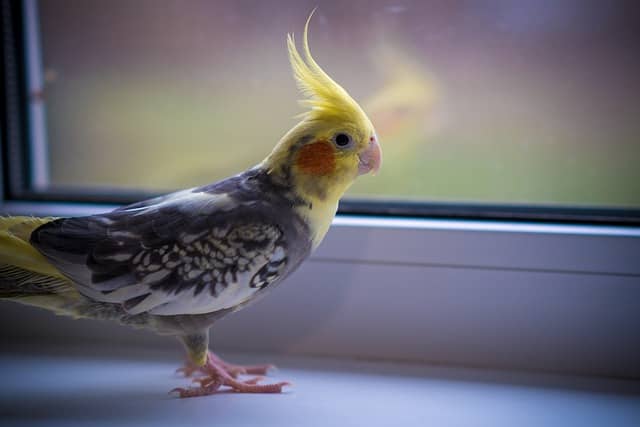
How do cockatiels sleep? Cockatiels like to sleep on one leg perched high. When they live in the wild, they tend to sleep on branches and other natural roosts found in their native land of Australia. Cockatiels living in captivity have perches typically made in a factory, attached to the sides of their cages. 

Baby cockatiels tend to sleep like mammals with both their legs tucked underneath because they haven’t developed the instinct to sleep on one leg. Some adult cockatiels may rest on both legs and refrain from lifting one, which is normal. 

Some other signs that your cockatiel is sleeping are when you see their head tucked under their wing. Also, if they appear puffy, that may mean that they are sleeping as well. 

All about Perches.

A perch is anything that a bird sits or roosts. Perches found in the wild are branches, while captive cockatiels perch on what we provide them. You can find plastic perches and fake branches explicitly made for your bird’s cage. We would like to assume anything made to put inside a pen will be free of toxic paints or other harmful materials. Still, we think it’s a good idea that you check the packaging of any perch you buy so that you can be sure there is nothing dangerous inside your bird’s home. 

Not every bird in the world sleeps on a perch, but they all tuck a foot underneath if they have the opportunity. Cockatiels rest on perches to be constantly alert to possible danger like a predator. They can do this because tendons in their legs grab the nest involuntarily while the bird squats for a nap. 

Do they need a nest to sleep?

No. Contrary to what you might think, birds do not sleep in nests. They are for nesting, which is a lot different than sleeping. Nesting is a term used for having babies, which birds do differently than humans. 

The short version goes like this; the male fertilizes the female internally. She lays eggs in the nest. Then she keeps the eggs warm until they hatch. Once the chicks hatch, the nest is still used as a home for the new babes to grow and get ready to face the world. 

How long do they sleep?

Cockatiels need about 10 to 12 hours of sleep every night. They should be free from interruptions, which is why it’s essential to cover their cages at night. When humans sleep, our minds and bodies refresh, and it’s the same for birds. But, when it comes to sleeping, birds do it a little bit differently. And we don’t mean sleeping on one leg. 

While birds also experience Non-rapid Eye Movement sleep and Rapid Eye Movement sleep, their cycles are shorter than that of a mammal. Also, when birds sleep, one-half of their brain is still awake, known as unihemispheric slow-wave sleep. It helps to keep birds alert for predators in the wild. Since it’s instinctual, a captive bird will sleep like this as well.  

Do cockatiels sleep with their eyes open?

No. Cockatiels sleep with their eyes closed, but they are aware of their surroundings at all times. When we sleep, we are clueless as to what is going on around us. We’ve evolved to be this way, likely due to locking our doors and living in shelters. If you think of a person on the street, odds are they always sleep with one eye open and another closed because they can watch out for danger that way. 

This is the instinct of a bird so, if you see an eye flutter when you walk by their cage, this is them looking to see who’s rustling around. 

Do they sleep standing up?

Yes. Like many other species of birds, cockatiels sleep standing up and, more often than not, while perched on one leg. Sleeping this way is that instinctual protection that we spoke about earlier in this piece. 

Can they sleep with the lights on?

Yes. Our cockatiel sleeps at all hours of the day, and he sits in the front window of our home, which is full of sunlight. So, I would say that yes, cockatiels can sleep with the lights on. You might be surprised to know that some cockatiels suffer from “night frights,” so a bit of nightlight is excellent for your bird because it will ease their nerves. 

Do they need to be covered at night?

It’s not mandatory to cover your bird at night, but it’s an excellent way to get your bird to settle down and know it’s time to go to bed. If you decide to cover your cockatiel, then there are few rules you need to follow. Otherwise, you run the risk of suffocating your bird. 

Ensure the cover is created from a breathable fabric and never cover all the sides of the cage. Keep one side uncovered so they will have oxygen during the night. A cover is another way to help relieve your bird if they suffer from “night frights.” 

Is it normal for a cockatiel to lay down in its food bowl? Yes. For young cockatiels, some believe that the bowl reminds them of the nest. Older cockatiels that sit in the food bowl may be trying to nest. It may be that sleeping near their food gives them a sense of security. Some research found that one owner put some torn paper in another food dish and suspended it next to the natural food bowl and their cockatiel slept on the one with the paper. It’s worth a try. 

How do baby cockatiels sleep?

Baby cockatiels sleep with both of their legs down like mammals. They also puff up a bit to stay warm.

Baby cockatiels are sleeping positions. As mentioned above, a baby will sleep with both legs down instead of an adult cockatiel, who will typically sleep with one leg suspended and one leg perched. 

Cockatiels should never sleep on their side, so if you see your bird doing this, you need to get your cockatiel to an avian vet, a doctor specializing in birds. 

Do baby cockatiels sleep a lot?

Like babies of most animal species, baby cockatiels sleep more than their parents, which is likely because they are developing into strong birds. It is not a good idea to interrupt a baby bird’s sleep or any bird’s for that matter. Sleep is an essential component of life and should be peaceful. 

A few important things to remember are that cockatiels need 10 to 12 hours of constant sleep every night, and you can train them to do this by using a cover. The drape must be breathable and do not cover all sides of the cage, so they have a steady oxygen supply. 

Try to leave a night light on and give them an excellent place to relax. Your cockatiel may always be ready due to its instincts, but you know he trusts you. 
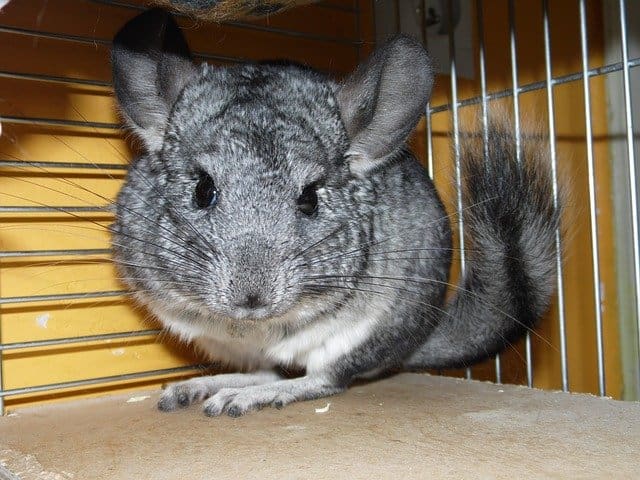
Should I Get My Child A Chinchilla Or A Rabbit?

When thinking of adding a pet to our family we wanted to know which pet we should get. During my research I discovered which was best with children. If you find yourself where I was this will help you in your decision.

Should I get my child a chinchilla?Chinchillas are not considered good pets for children. Chinchillas are actually very delicate and can be seriously injured easily. They are skittish and do not like to be held and petted. Chinchillas do not care for cuddling. 

Children are generally loud, move fast, and scare chinchillas. Chinchillas have very long teeth and do bite, especially when scared, hurt, or stressed. There may be exceptions to this but overall I would steer clear of getting a chinchilla for a child’s pet.

Are chinchillas better than rabbits?

These two animals, although both small and furry are very different:

ChinchillaRabbit
Average Height4-7 inches5-15 Inches
Average Weight1 ½ lbs.- 4 lb. 4 lb.- 16 lb.
Exercise1- 2 hours a day 3 + hours a day
Good with KidsNot good for little children Yes good with most everyone
Good with other petsYes, some small pets Yes, non-aggressive pets
Life Span15 -20+ years8 – 15 years
Trainablerequires a lot of work  Yes, more easily
Groomingyes but very little + dust baths   Yes, more brushing needed
Easily InjuredFrail bodies can easily be injured.        Can be injured but hardier 
TemperamentAre skittish and scare easily. Are generally easygoing.
CarryingDoes not like to be held or cuddledLikes to be held and petted
Nose ToleranceDoesn’t generally mind noisesDoesn’t generally mind noises
Sleeping PatternsSleeps most of the day. Is awake during the day

These two animals, although both small and furry are very different:

Both can bite and their bites can hurt and draw blood. When you have kids in the house the rabbit is clearly the better choice. However, the chinchilla is a great pet but is best when with adults.

Costs Chinchilla Vs Rabbit

Chinchilla (Range $100-$350)Rabbit ($5-$100)
Cage$100-$400$50-200
Dishes$20-$30$50-200
House$0-$40$20-30
Food$10-$15 per month$0-40
Toys and chews$15-$50 per year$15-35 per year
Bedding$25-$150 per year$25-150 per year
Dust Bath$0-$40 $0
Dust$30-$50 per year$0
Hammock$10-25 $0
Wheel$40-100$0
Vet$50-150$30-100

The initial setup cost will be higher for a chinchilla than for the rabbit. The yearly cost is about the same. Vets for the rabbit are a bit cheaper and easier to find. These are only estimated costs and can be higher or lower depending on your habits, location, and what you choose to use.

Cage size Chinchilla vs Rabbit

Chinchilla Cages: should be the largest you can get. However, the minimum size should be 24 inches by 24 inches for the floor size. And if it has a wire floor then you need to cover it for your chinchilla’s feet. 

The height should be at least 3 feet and have several shelves and ladders for your chinchilla to jump and climb on. This is necessary for the well-being of your chinchilla.

Rabbit Cages:  As the size of rabbits vary more than with chinchillas you will want to know how big your rabbit will get. Small rabbits under 8 lbs. Can do with a cage that is at least 24 x 36 inches. For larger rabbits, you will need to go with 30 x 36 inches or larger, like the condo cages with 2 levels that have a ramp from one level to the other. Rabbits should not be left on a wire floor as this can damage their feet.

Chinchilla cages are taller with more levels while rabbits need more floor space. Both need to get out of their cages for playtime and to get exercise.

Now I will get into some of the things that make them similar and different in the day-to-day things like training and care. It can be amazing just how much alike they are and yet how different at the same time.

Training Chinchilla vs Rabbit

Both of them can be trained. However, the rabbit appears to be easier to train and will learn more tricks than the chinchilla. You train both of them in the same manner, using treats as a reward for doing what you are asking of them. The reward method is continued till you are sure that they know what you are expecting.

Then you stop giving the treat every time and cut back on it slowly till you no longer have to give the treat for them to perform the task. You can still give them the treat as a reward sometimes just to reinforce the trick. But they shouldn’t get it every time. 

It will take a lot of patience and time. Never work on more than one trick at a time. Moving on to another task only once the first is completed. Or if you find the pet doesn’t get what you are expecting or just won’t do it, you can quit that one and move on and come back to that one in the future.

Chinchillas and Rabbits can both be potty trained. Both of them will pick a corner of the cage that they will return to repeatedly for urinating. Get a glass or non-rusting metal pan large enough for the chinchilla to be comfortable in. You do not want to use plastic, as they will chew on them.

Place a small amount of soiled bedding in the pan and add some fresh. Place this in the corner your pet has chosen to use. They may decide to use a different corner so you can either change the corner you have the pan in or use multiple pans.

It usually takes just a couple of weeks and the pet will have it down and you can go to using just one pan that they pick, in the area that they prefer it to be. This will make it much easier to keep their cage clean and them from getting urine in their fur.

Care and Maintenance

Both require fresh water, hay, and pellets. They both require a clean cage, the cage should be completely scrubbed down at least once a week. This is including all items in the cage, dishes, toys, ledges, ladders, exercise wheels. Everything must be cleaned and dried. 

The chinchilla will need a few dust baths through the week and the rabbit will need to be brushed a few times a week. You will not have to do much for the chinchilla’s dust bath, just put it in and watch him enjoy it and clean it up. You will have to actively participate to brush the rabbit. 

Both have advantages and disadvantages. The dust baths require you to have the dust, and to clean up the mess, while you do get the enjoyment of watching it play and flip and roll. 

While brushing the rabbit you are actually engaged with it and providing it with your attention. However, some rabbits do not enjoy this and it can become frustrating.

Life Span Of A Chinchilla:  Is 15 – 20+ years 

Life Span for Rabbit:           Is 8- 15  years

Chinchillas are active in the evening at dusk and throughout the night till dawn. 

Rabbits are active mostly during the day

Conclusion

The rabbit is better for households with children.

Chinchillas will cost more to start, and the monthly costs thereafter will be similar, with the chinchilla costing less. 

Basic vet expenses will be higher with the chinchilla it is an exotic pet, and vets may be more difficult to find.

Both can be trained, the rabbit is easier to train and can be trained to do more.

How To Setup A Chinchilla Litter Box

Having to clean up after any pet is a chore that we all have do with with any pet. It’s never fun but we still have to get it done. With some creativity you can figure out ways to make it so the chore is not as bad.

Can a chinchilla be litter trained like a cat? Yes, that can not be a typical litter pan, as it contains plastic that the chinchilla can chew up and make them sick. Using a contain that is glass or ceramic is a better option.

I will go into more details on what works and go into details on how to make this work for your new friend below.

The Litter Box 

You can not use a typical plastic litter pan for a chinchilla, as they will chew it and the ingestion of plastic can be fatal to a chinchilla. You will need to use something that is glass, ceramic, or a non-rusting metal. 

You can buy litter boxes made of these materials and they usually have wire trays that will let the urine fall away so that your chinchilla will not step in it or get it in his fur. They can come in a variety of colors, and in angular shapes to fit well into the corner of the cage.

A Pyrex dish works really well, as do small glass cake pans. However, they do not have the angle cut for the corner, this isn’t a problem they will just take up a bit more room being square. And they do not come with racks to keep your chinchilla above where the pee will be collected.

Step By Step Guide

First, you need to wait till your chinchilla is around the age of six months old before this time they go wherever they get the urge. At around 6 mo. they start to pick an area that they want for their urine. They are proficient poopers and they will not train to do this in the box. 

Once you notice that your chinchilla seems to be urinating in the same area of the cage regularly then it has matured to point that it can be trained to use a littler box. Be sure that the food and water dishes are not close to the litter tray.

Training A Chinchilla To Use A Litter Box

Once your chinchilla is ready, you remove a bit of the bedding where they have been going and put it in the litter tray you have decided to use. Then thoroughly clean the cage. Place some clean critter litter in with the dirty bedding and place it in the corner of the cage that your chinchilla has chosen.

At this point, your chinchilla may already get the message and be on its way. It may also decide it wants to just pick another spot and then you have to begin the task of getting it to go where you want it to. This can be time-consuming and a bit frustrating, just keep your patience.

If your chinchilla has just moved the spot it is using, each time you find a wet spot put that bedding in the litter tray. Don’t leave wet bedding out in the cage for them to find. I know that you may not be there right at the time but move it as soon as you see it. Try wiping the area down with a vinegar rag each time you do this.

If your chinchilla has not caught on within a couple of weeks to what you are wanting, then you may have to get a little more drastic. Remove all the bedding from the cage and only use it in the litter tray. You will want to be cleaning the litter out of the tray as you go but always make sure to leave a little dirty litter in there so the chinchilla will be attracted to it.

Changing out your bedding for a fleece liner can also help with this process. If there is no bedding in the cage for the chinchilla to use they will naturally go to the spot that has some. As your chinchilla catches on to where it is to urinate you will want to start cutting out the bedding and opt just for the critter litter.

How Will A Chinchilla Use A Litter Box?

Your chinchilla will only use the litter box to urinate in. They do not poop in the litter box as they would never leave it if they did. However, getting them to urinate in the box will keep them and the cage cleaner and make cage cleaning much faster and easier.

It also makes it easier to keep the smell down as you can clean just the litter box more often without having to clean the whole cage. It is the urine excreted by the chinchilla that smells, not the chinchilla or the poop. And at this point, a quick 2-minute vacuum job will take care of the poop between cage cleaning.

If your chinchilla is urinating other than in a litter box, they can get urine-stained fur. These stains can cause urinary tract infections and skin irritation. If a urinary infection is not caught fast enough and gets into the bloodstream it can be fatal. You will want to give your chinchilla a dust bath as soon as the stain is spotted.

So it is time to give you some information now that you will also want to consider once deciding to litter train your chinchilla. Do not worry it is just a few tips to make things go smoother.

Moving The Litter Box

Once your chinchilla is trained to urinate in the box you will not want to just move it across the cage to change things around. You will have to slowly move it to where you want it. About an inch at a time, until it is where you wish it to be, this should usually be in a back corner.

If you move it all at once your chinchilla may decide not to use it anymore. They usually pick a spot and it is not as out in the open. It can be moved to where you want it but you will need to take your time doing so.

Cleaning A Chinchilla Litter Box

Once your chinchilla is fully litter trained you will want to dump it and clean it roughly every 3 days. When you dump it wash the tray out with soap and water and dry it, refill the litter and replace it. It is not until it starts drying that the urine will start smelling and left long enough it will really smell even if it is in a litter box.

Can You Use Cat Litter For A Chinchilla Litter Box?

There is some cat litter that you can use. It’s called Yesterday’s News. It is made out of recycled newspaper. It is virtually dust-free. It is also the only cat litter that can be used in a litter tray for your chinchilla. Most cat litters are made out of clay and the dust can cause respiratory problems for a chinchilla.

You do not want to use the clumping litters as they will clump into the fur of your chinchilla. This can cause moisture to build up close to your chinchilla’s private parts causing urinary tract infections, and skin irritation. It can also be very painful to get it out of your chinchilla’s fur.

Conclusion

It is fairly easy to train chinchilla to urinate in a litter tray. They will not train to poop in the litter tray though. It is better for their health to be litter trained. Training them makes cleanup and keeping the smell away easier.  You will have to be careful what you use for litter, a Critter Litter is best. Don’t rush the training or the moving of the tray to a different spot.

Can A Chinchilla Live In A Guinea Pig Cage

You may think that a cage is a cage and it doesn’t matter what animal it has on the ad. That isn’t always the case. Some cages are just not suitable for more than the animal they are designed for, and I will let you know why. It is also not a good idea to put two different species of animals in the same cage.

Chinchillas should never share the same cage. These two animals are have very different needs in regards to diet, space, and ability to climb and run. A short guinea pig cage wouldn’t suit their needs. It would leave them very unhappy and stressed.

Chinchillas need to be able to jump and climb, therefore, they need a cage with multiple layers and shelves that they can jump to and from. With ladders that they can climb up. So a short long guinea pig cage wouldn’t suit their needs. It would leave them very unhappy and stressed.

A Guinea pig needs more room to run, and with ladders, it could do better in a chinchilla cage than the other way around. However, guinea pigs are not the jumpers and will be just as happy with a cage that has the floor space to run without having different levels.

You should never put both in the same cage as they will see each other not as friends but as rivals. They are both food hoarders and will see this as a reason to fight. They both have long sharp teeth and can do fatal damage to each other. They also each have their own needs that make them not suited to the same cage.

Issues With Diet

Both chinchillas and guinea pigs need to have fresh water available, the guinea pig will drink a lot more than the chinchilla will. They both also need to have a continuous supply of hay available. This hay is the main source of food for both of them. 

However, their needs change drastically from here. The chinchilla doesn’t eat much food with a lot of water in it, and the guinea pig does. The chinchilla doesn’t need a vitamin C supplement and the guinea pig does. The chinchilla shouldn’t have a lot of fresh fruits and vegetables and the guinea pig thrives on them. 

There are things that one can eat that are detrimental to the health of the other, it is a good idea to feed each of them the foods they require and so it is not a good idea to house them together where they may end up eating something that can harm them, or not getting something that they need.

Compatability

As these two animals are totally different species they will not recognize the body language or the vocal noises of each other. You can not tell what one is wanting or expecting if you can’t understand them, That is where these two will find themselves. Confused and defensive and can cause a fight to break out.

Although they are similar in size the guinea pig is stouter and heavier, and the chinchilla has a frailer body structure. With fur slip, the chinchilla may be able to get away but it could end up very badly for them both in the end.

Proper Cage Size For A Chinchilla vs Guinea Pig

The cage size for a single chinchilla is 24” X 24” and needs at least 2 stories and the more height you can get the better. There should be multiple shelves that your chinchilla can perch on. And ladders going from one to the other as well. Chinchillas thrive when they can jump and climb from one level to another.

Proper Cage Size for a Guinea pig

One guinea pig will need at least 7 ½ square feet of floor space, typically 30” X 36” is the smallest, and the bigger the better. They need more floor space but less height, as they mostly crawl around and don’t do the jumping like the chinchilla. However, they do like the condo cages with a ramp from 1 level to the other, it gives them 2 x the space without the cage taking up more floor space.

So although they are similar there are many differences between these two species of animals. And to properly care for either one they have to be cared for separately. Now off to more ways they a similar and different. This may help you if you are still trying to decide between them.

Do Chinchillas Need Bedding In Their Cage?

There are a number of bedding options for the chinchilla. A fleece liner seems to be the consensus on what to use for the chinchilla. This is probably because the chinchilla is not a burrowing animal so doesn’t need bedding to dig into or nest in.

Typically the bedding is to help with their feed and to absorb urine. If you litter train your chinchilla they will not need anything on the cage floor for absorbancy. Also, the fleece liner can be washed and reused. With no storage of bedding, you will gain some storage space back. 

The guinea pig is a burrowing animal and will need some kind of shaving in the cage to burrow into. There are houses and things you can put in the cag for them to hide. However, it is still a good idea to give them plenty of bedding, they will put it into their hides, this is what they will want to snuggle into to sleep.

Perches – Climbing Differences 

Chinchillas need to have perches, or shelves actually, that they can climb to or hop and jump to and from. This is due to their wild nature and where they come from. The wild ones live in the Rocky Mountains of Chile. Their hind legs are designed for jumping great distances. They can jump 6 feet straight up from a standstill.

The guinea pig is a runner, not a jumper, and therefore does not need anything for this as the chinchilla does. As mentioned they do like the 2 story condo but is for the added flor space not as a way to jump around, they will need a ramp going from one to the other.

Running Wheel 

Both the chinchilla and the guinea pig will need a running wheel. They will both require a large wheel with a wide running surface. Preferably one made of metal, to prevent chewing. The wheel will also need to be solid without slats to get their toes caught in. 

It is essential that they have the wheel as it is the only way they can run at their to speeds. Even out at playtime, they will usually not have enough space to get up to speed and keep it there. This exercise is crucial to their health and mental well-being.

Sleeping Differences

Both of them are most active at dusk and dawn, and active during the night as well. They can break this habit if they are kept up during the day and become accustomed to it. The guinea pig adjusts to this easier than the chinchilla. The chinchilla will become stressed easier, and stress can cause them other health issues.

Conclusion

While very similar the chinchilla and the guinea pig are very different pets. Each has special needs and should not be forced to live an unnatural way together. Decide which one best suits your home and family. Don’t ever get both and try to make them share the same space. That isn’t fair to either one.

Best Way To Clean A Chinchilla Cage

After spending a lot of time cleaning out cages for animals as a kid, something I really never liked to do. I have a few ideas that may help you with this. As this is a task that no one really wants to think about, I will do my best to make it easier for you to accomplish in the fastest manner possible.

What is the best way to clean a chinchilla cage? Change out the food and water once a day. Remove food dishes and empty them and wipe them clean. Use a small broom and sweep up soiled debris. Clean up and remove the poop to help keep the station clean. 


Really there is a lot to do but breaking it down and getting into a routine is best. I’ll go into the details next. 

There are stages to help you keep the task of cage cleaning under control. 

  1. Daily Cleaning:         Things to do daily to help maintain your cage    
  2. Weekly Cleaning:     Things to do weekly that will help with the cage
  3. Sanitizing:                 This will need to be done at least 1 a month.

With these steps in place regularly you will find that the chore of cage cleaning is more manageable and therefore less overwhelming all at once. They will improve the health and well-being of your chinchilla. They will keep odors at bay, and improve your attitude about having a chinchilla. 

Daily Cleaning

These are very simple tasks that shouldn’t take much of your time but are very essential tasks to keep up with if you want to ease cage cleaning.

  1. Remove food and water dishes, empty them, wipe them, and refill with fresh food and water.
  2. Use a small hand broom and dustpan or a shop-vac, clean all hay chewed debris, and poop off the floor and the shelves of the cage, and around the outside of the cage.
  3. Wipe all urine spots inside and outside of the cage. and replace wet bedding. 

These tasks are very simple and shouldn’t take more than just a couple of minutes time. The first one is mandatory every day, so with very little effort, the others can be done at the same time.

Weekly Cleaning

This shouldn’t be very difficult if you have done the daily cleaning all week. Or at least every other day during the week. 

  1. Again remove all the food and water dishes and dump and clean them, refill with fresh food and water.
  2. Remove all bedding, toys, and hides. 
  3. Wash down all surfaces including the sidebars of the cage inside and out. Clean with a rag and wash all ledges, toys, and wheels. Inspect and replace anything that needs it.
  4. Replace with fresh bedding, put all suitable items back in the cage. This is when the second set of fleece liners will come in handy, as they have to air dry.

This will take a little longer than the daily cleaning but you and your chinchilla will both be happy that you did it.

How Do You Deep Clean A Chinchilla Cage?

Sanitizing 

You will need to do this at least once a month, it is important to keep your chinchilla in good health. You will need a suitable place to keep your chinchilla during this task as it will take you a considerable amount of time. 

  1. You need to remove everything from the cage, including the ledges and ladders. The cage should be completely empty.
  2. Get all items into a solution of either water and vinegar or water and bleach. Let them soak while you’re taking care of the cage.
  3. Using the same solution spray down the entire cage. You will want to get a scrub brush and scrub all areas of the cage. Be sure to rinse well. If using the bleach you will want to rinse at least 3 times. In some areas, this is best done outside with a hose. Leave the cage to air dry completely, in the sun if possible.
  4. Scrub all items that came out of the cage. Inspect the ledges, ladders, toys, and wheel. Replace anything that is not in good condition. Rinsing everything really well and leaving them to dry completely. This is also a good time to scrub the dust bath container.
  5. Once everything is thoroughly dry reset up the cage. This would be a good time to change things around a bit, If your chinchilla is litter box trained you will want to put it back in the same spot. 

This scrubbing isn’t difficult but it is very time-consuming. It is also very necessary to keep all bacteria at bay. This will help your chinchilla live a longer and happier life, it will also be better for your health too.

This is the schedule that I believe is the best for the chinchilla and keeps you on top of any potential problems with your chinchilla. You can see differences in their poop when cleaning it daily. However, there are a few other ways to deal with the cleaning schedule.

How Often Should A Chinchilla Cage Be Cleaned?

If you can’t follow the list above, then you will need to do at the very least a good weekly cleaning and a scrubbing at the very least every 2 months. I recommend the simpler way of keeping on top of it daily, but not everyone can do that.

How To Keep A Chinchilla Cage From Smelling

First, you need to know that it is the drying urine that will cause a chinchilla cage to smell. Now that you know that it is easy to keep the smell down. You will want to find all spots where your chinchilla has peed, remove the bedding and wipe the area.

Chinchillas can be trained to urinate in a litter box, thus eliminating the need to look for it. Keeping all bedding with urine cleaned up and cleaning out the litter box will eliminate the odor from the chinchilla cage. 

If you find that your chinchilla has an odor you will need to take it to the vet to find what the problem is. Chinchillas do not have an odor unless there is an underlying medical problem.

Using A Vacuum To Clean A Chinchilla Cage

Yes, you can use a vacuum to do the daily cleaning in and around the cage. Most handheld vacuums will not work for this, they do not have the power needed. Your household vacuum may or may not be able to work for this as some chinchillas leave larger pieces of hay and chewed-up bits. However, a small shop-vac will do the job nicely. 

Some chinchillas will not mind this being done with them in the cage, with others you may have to use the vac while they are out for playtime. The vacuum is great for getting bits of hay and poop, and it can be used on the ledges as well as the floor around the cage.

Can You Re-Use The Dust From The Chinchilla Bath?

Yes, the dust may be reused, It can be reused until your chinchilla uses the bathroom in it or until it is starting to look dirty and clumpy. The dust will help get things out of the chinchilla’s fur and those things end up in the bath. You can usually get 2-3 bathes out of the dust before having to replace it.

How To Clean Out The Dust Bath

Dump out the used dust, wash the dust bath with soapy water or a vinegar-water mix. Rinse it well. Let it dry completely before adding new dust for your chinchillas’ use.

Conclusion

It is important to keep up with the cleaning of the cage. It not only will improve the health, but you will be able to see if the poop changes and get a better grasp of how your chinchilla is doing. It also gives you a good opportunity to inspect the contents of the cage, If a ledge is cracked you can find it before your chin gets hurt by it breaking. 

Are Puppy Pads Safe For Chinchillas

While it may be ok to use a puppy pad for puppies, this question is a good one to know as if they are not safe and you do not know this you could risk the life of your chinchilla by using them. I will delve into this subject so that you will know for sure if you should use this item or not.

Are Puppy Pads Safe For Chinchillas? No, they are not safe to use in your chinchilla cage. There are a number of beddings out on the market that different people will say not to use for this reason or that, but that others will say are great items to use. However, from what I have found on the puppy pads they should be avoided.

You will not get an entire list of what is in the puppy pads as they are made in China, and China is not required to list everything. If you really want to know you will have to contact the distributor of the specific pad you are looking at to get it, and most will not send it to you, but rather just read it off.

Why They Are Dangerous?

The packaging says they are non-toxic, however, this isn’t true. The attractant that is used is toxic if inhaled and can cause skin irritation too. This came from a list of side ingredients that China provided the distributor and is not listed on the product packaging. 

And as chinchillas are known to be chewers why risk putting something with a plastic backing on it in their cage and risk them ingesting the plastic as well as the other materials. Any approved chinchilla bedding would be better than putting this in your cage.

Is The Gel In Puppy Pads Toxic?

This gel is made up of a polyacrylic polymeric acid hydrogel. If ingested it will cause neurological problems and possible death. Having to be treated with IV, and taking several days to weeks to recover, if they do recover at all.  I know that the medical terms can be difficult to understand so that is the best way I could explain them. How very based on what I found found from the Journal of Veterinary Diagnostic Investigation found to be very helpful in helping determine the answer.

Even if you don’t understand all of the terminologies you will be able to understand the results and know without a doubt that this item should not be used anywhere near your chinchilla. I wouldn’t even use it for a dog.

At this point, I am sure you understand why this was an important topic to cover. And there are a lot of options out there that are much better than risking your chinchillas’ health. I will go over some of them for you.

What To Use In The Cage For Their Bedding

There are many forms of bedding that you can use. I have found some warnings with most of them and someone that will always recommend against one for this reason or that. It mostly comes down to how much your chinchilla chews on the bedding. 

Kiln-dried pine or aspen are good and have a proven track record of working well. There are some bedding made of recycled paper.

Avoid cedar or cedar mix shavings, and anything with scents or dyes added. Also any synthetic, cat litters, or corn cob blends.

Some beddings, such as paper and hay bedding will hold onto heat and possibly facilitate your chinchilla overheating as well. Also if your chinchilla is a chewer you will want to avoid paper beddings as they can create a bowel blockage. 

It may take a while of trial and error for you to find what is right for you and your chinchilla. Always remember to consult with your vet as to what they recommend. They are usually the best source, as they see chinchillas and how they react to different things.

What Do You Line A Chinchilla Cage With?

The best answer I have found is a fleece liner. It is one of the few things a chinchilla (with a few exceptions) will usually not chew on. The chinchilla poop will stick to the liner and you will have less mess on the floor around the cage. It can be washed and reused, just don’t use any fabric softener when washing it, this will make it less absorbent.

The fleece is good for the chinchillas sensitive feet, Some beddings like wood shavings can cut their feet if they hit the edges just right. You can also make fleece liners to cover the ledges. This will help with any slipping and help keep some of the poo from getting kicked off the ledges onto the floor. 

The fleece liners work great but are best if your chinchilla is box trained. Or if you incorporate an absorbent material into or beneath them. Some people make this like a pillowcase and put some absorbent towels paper or other absorbent material inside them. Or use them on top of the wire grid with an absorbent bedding underneath.

What Other Things Should A Chinchilla Not Have Access To?

You will not want to put plastic dishes, toys, exercise wheel, or anything else in your chinchilla cage. Chinchillas chew and the plastic they will ingest can cause fatal blockages in their digestive system. It is best to avoid all plastic items that your chinchilla will have access to.

You will not want to leave a chinchillas dust bath in the cage all the time. To much access to this will cause their skin, especially on their feet and ears to dry out. It can even get so bad that they will crack open and bleed. It is best to give them 10 – 15 minutes time with the bath every day or two depending on the humidity in your area.

Be careful that your chinchilla can not reach through the cage and chew on any electrical cords, or anything else that may be placed close to the cage. They can and usually will chew on anything they can get close enough to do so. 

You will want to monitor them closely when they are out for playtime. They can find the small space that you forgot to block and be away before you know it. This will make everything in your house from that antique grandfather clock to your child’s favorite toy up for grabs to them.

 And this will include tv cords, cell phones, you wouldn’t believe some of the things that are not safe with a loose chinchilla. As chinchillas can jump six feet in the air you can not put something high enough for it to be safe. You really do need to be very careful to watch closely when your chinchilla is out of its cage.

Conclusion

It is not at all acceptable to use a puppy pad in your chinchilla cage. Even if you were to put it in the tray under the grid bottom, your chinchilla may still reach it and chew it. This is not a safe product to use with any pet in my opinion.

There are many acceptable beddings you can use, You may have to use a few before you find what is right for you. Chinchillas are fairly is to litter box train so this will help with keeping the cage cleaner and make less of a need for anything to absorb the urine. Most chinchilla litter trays also come with a form of urine splash guard to help keep the urine from getting outside of the cage on the wall and floor.