Recent Posts

Are leopard geckos good pets for beginners?

Leopard Geckos (Leos) continue to make beautiful pets even though the Bearded Dragon has eclipsed their popularity in recent years. However, what is it about the Leos that makes it the all-time favorite species of reptiles for many individuals? Similarly, Are Leopard Geckos good pets for beginners?
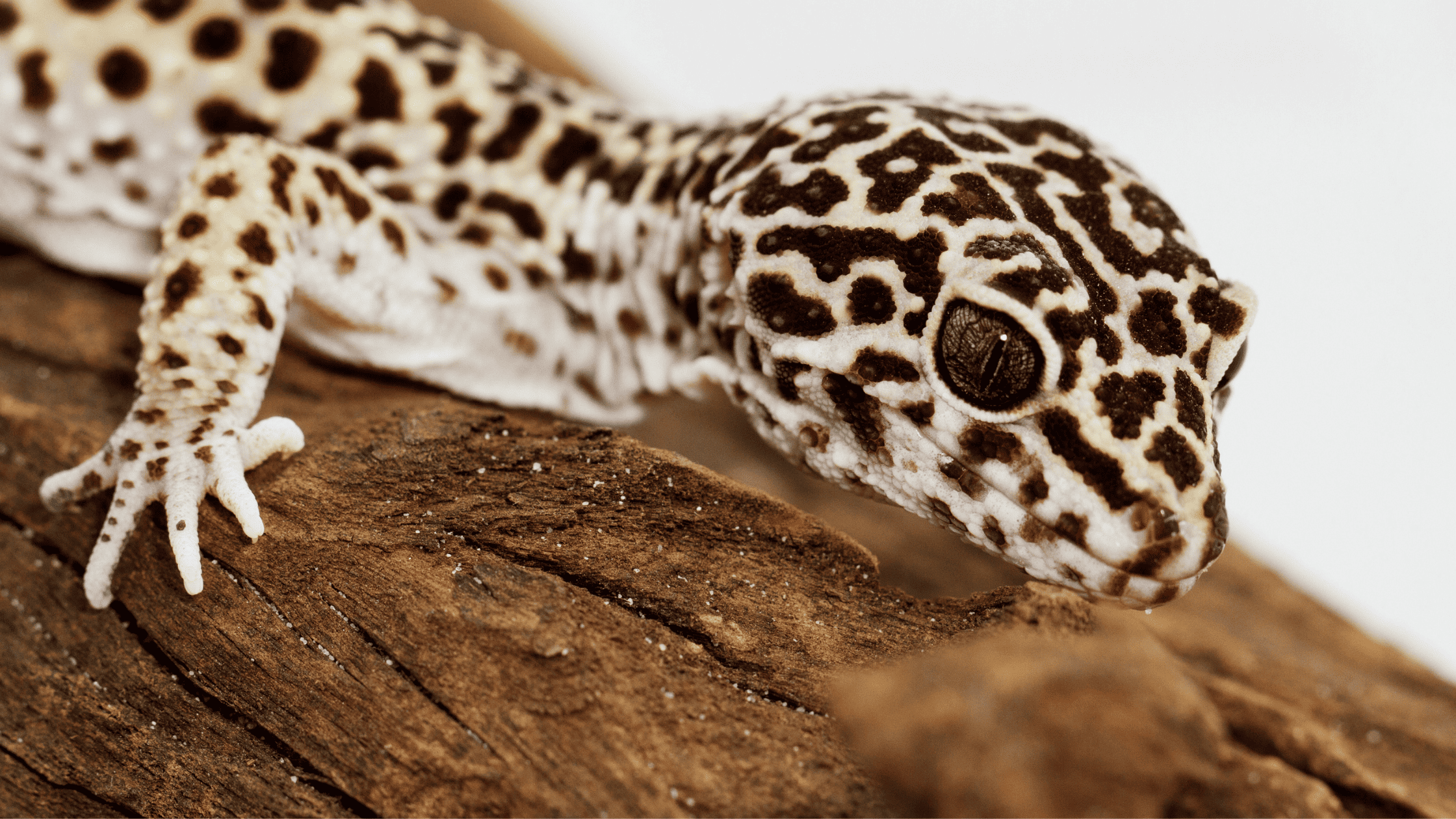
This little, brilliantly colorful lizard is an ideal beginner companion for anybody interested in reptiles. There are several reasons why a Leopard Gecko would make a good pet: easy caring, low maintenance needs, simple cage requirements, long life span, and many more.

Let us discuss all those reasons in detail (which make Leos a good pet for beginners.

Reasons why Leopard Geckoes (Leos) are good pets for beginners?

·       They require very little attention and care

Every reptile species requires specialized care, and we ought to do everything in our power to ensure that ours remain in the best possible condition. However, Leos are not overly picky, and it is not difficult to craft an environment that is suitable for them. During the day, you only need a light bulb to simulate the sun’s heat and to warm the air around the Leos. Similarly, during the night, you only have to use a heat mat that is regulated by a thermostat in order to re-create the heat that is held in the ground.

Leopard Geckos are not picky feeders and will consume a wide range of insects, even those that have been sprinkled with powdered vitamin and mineral supplements. It is not necessary to spray the vivarium since they will sip water directly from their water dish.

·       They only need one size tank for their whole life

Even though leopard geckos may reach a length of over 9 to 10 inches when they reach adulthood, they do not need as much room as many other types of lizards. The very minimum for housing Leos when they are newborns (0-2 months old) is a tank that is 10 gallons in capacity, but as they get bigger, they will want a tank that is 20 gallons in capacity. After that, there is no further requirement for the tank size.

Because leopard geckos mature at such a rapid rate, many people are of the opinion that it is more cost-effective to purchase a 20-gallon tank right from the start rather than purchasing a 10-gallon tank first and then upgrading to a larger one shortly after that.

·       Leos are generally very clean creatures

Leopard geckos, in contrast to many other species of animals, place a great deal of importance on maintaining a clean appearance at all times and take great satisfaction in doing so. You will discover that the majority of them “use the bathroom” in the exact location each time; consequently, this will make it much simpler for you to clean up their waste when you do it. Their bowel motions are relatively seldom, and despite the fact that they are unpleasant, they are incredibly simple to clean up after. In addition to this, after shedding their skin, they consume it as a food source. Now, the reason for this is not only to keep the area in which they live clean but also to make it more difficult for potential predators to locate them.

They may be confined to a tank, but being reptiles, they will never lose the urge that drives them to avoid being another animal’s meal. This instinct instructs them to take whatever precautions are required to protect themselves from being eaten by another animal. And whether they maintain clean in order to be safe, or whether or not they simply appreciate having their space be nice and warm, the fact remains that they do a fairly excellent job of doing whatever it is that they do to keep it clean.

·       They best served as a family pet

Because of their submissive and laid-back demeanor, Leopard Geckos are excellent pets for any and all family members. They like being held by kids of any age and will slowly stroll across the hands of those who are gentle with them. They are not hostile by nature, but it is essential to show respect for them just like you would any other animal.

·       They are really lovely in appearance

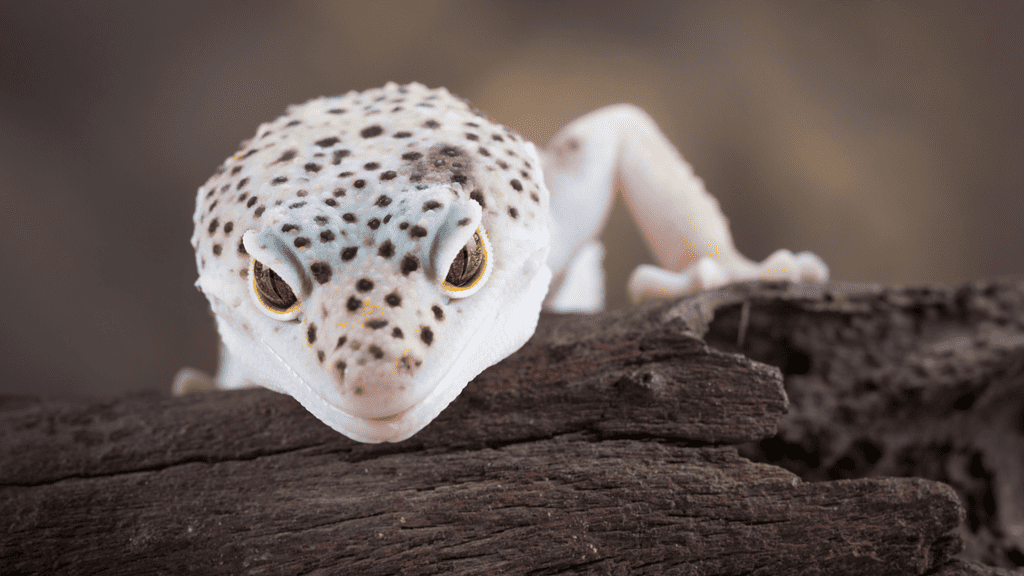
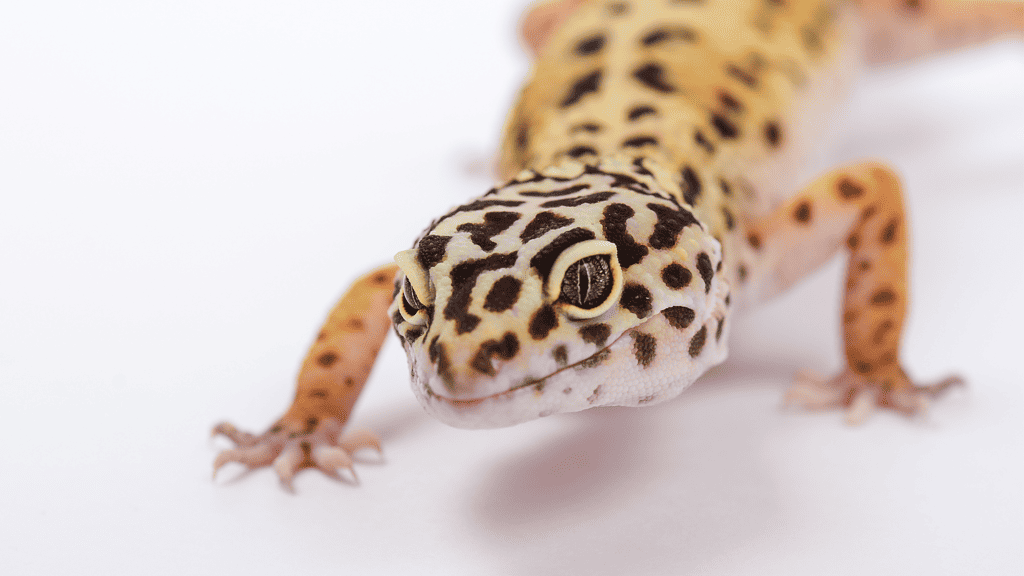
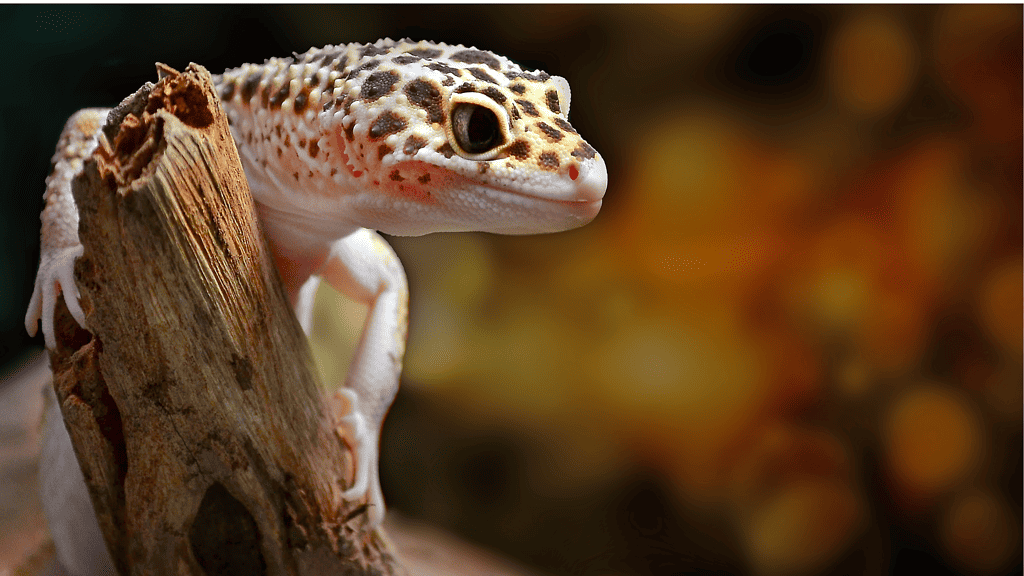
Large, doe-like eyes, markings like a leopard, and a grin that stretched from ear to ear. These guys are beautiful examples of their own species.

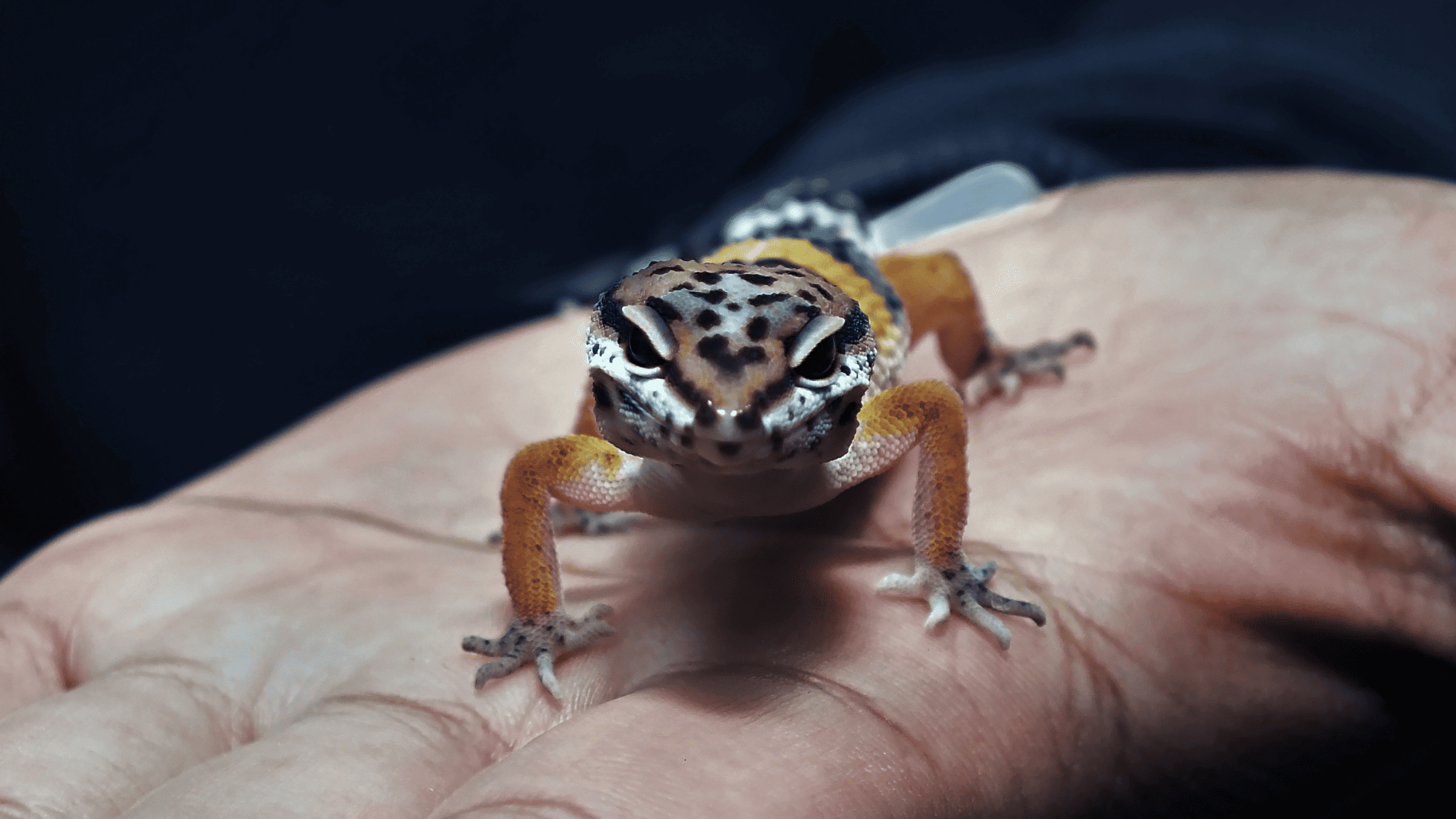
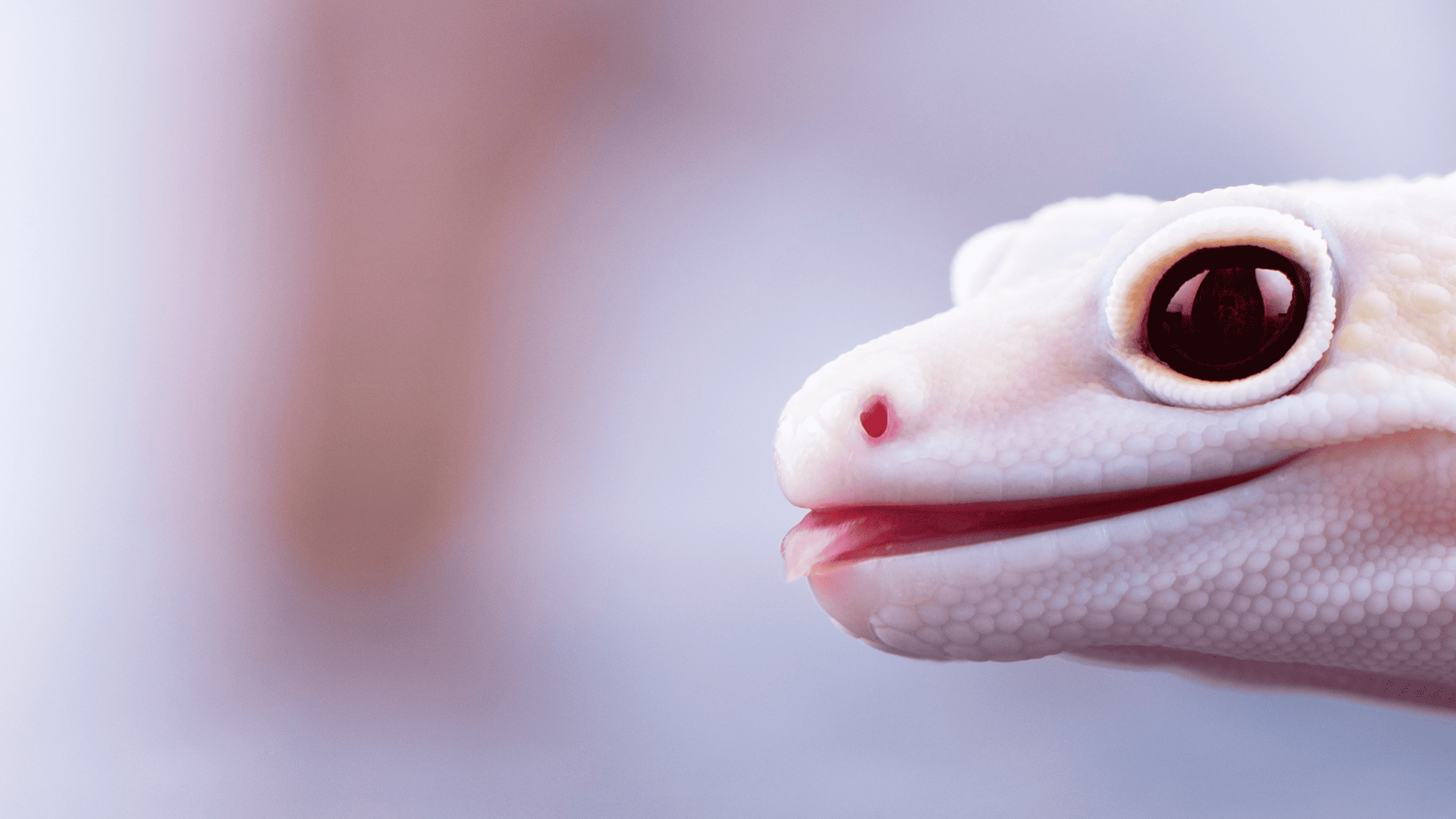
You can also purchase Leos in a number of various color morphs, in addition to the typical “leopard” version. If you want something, a little different, Leo breeders will provide you with options between pure white “blizzards” and brilliant orange “tangerines.” Although they all have the charming demeanor of a Leos, they do offer you some variety.

·       Long lifespan

If it is given the appropriate care, a Leopard Gecko may easily survive for more than 18-20 years. 

·       They are extremely friendly in nature

They are extremely friendly little reptiles that prefer to be held daily when you have built that deep link between the two of you. However, remember that they are incredibly fragile, so you will need to treat them with extreme caution at all times.

They genuinely appreciate the heat of your skin and will even cuddle up in your palm or on your lap to suck up some of that organic heat. This is because they are cold-blooded lizards and cannot produce their own body heat. However, because they are creatures that generally like to be left alone, they do not enjoy being held quite as much as other pets do. However, when they do show love, it is genuine and heartfelt.

·       They are not too costly

There is a wide range of coloration (morph) that may be found in leopard geckos; however, some of these morphs are much rarer than others, meaning their prices can vary relatively a little.  You may anticipate spending no more than around $20–$40, give or take, on those specific leopard geckos if you shop smart.

When compared to the cost of other animals, that is actually rather reasonable. In addition, taking into account the fact that they can live for over 20 years, spending that much money on a Leos is an investment that is more than justified. Certain popular animals, such as hamsters, are kept as pets in homes that can be more expensive yet do not live nearly as long. Therefore, you are unquestionably getting your money’s worth with these adorable little critters that may be found in plenty.
·       They’re very easy to breed/mate

Leos will typically reproduce on their own, without any intervention from you, provided that the appropriate circumstances are there. Most of the time, you won’t even realize your Leo is pregnant until you discover a few eggs in their nesting box that you weren’t expecting to see there. It is impossible to keep adult males together, yet a group of adult females and one adult male may coexist peacefully. Raising your own creatures may be incredibly gratifying; therefore, this is a significant advantage of keeping Leopard Geckos.
Are leopard geckos bites dangerous?

Children and adults of all ages typically appreciate the company and responsibility of caring for their leopard gecko (Leos) pets. They are generally peaceful creatures, but the fact that they have teeth raises the question of whether or not they are capable of biting and whether or not such a bite would be dangerous. So, let us discuss all about Leos bites! Are they dangerous?

Are leopard geckos bites dangerous?

Leopard geckos do not contain any harmful toxins and do not provide any danger to human beings. Even if Leos are capable of biting, the force of their bites is not sufficient to do considerable injury to people.

Gecko bites are not often painful and do not penetrate deeply. Still, they carry the risk of transmitting hazardous germs, including Salmonella, which, if not adequately treated, can lead to an illness. However, if a leopard gecko is given the attention and cares it needs, there is little danger that it would spread disease through its biting.

Why does Leos bite?

For a species of lizard-like the Leopard Gecko (Leo), biting its parent is very rare and infrequent. And in any event, if a Leo does bite, there must be some explanation for why they do it. Biting is a common response of leopard geckos when they sense danger, are anxious, or believe they are in the presence of something precious.

However, in the vast majority of instances of this kind, when it becomes frightened because of anything, it opts to run away rather than engage in combat or launch an assault against the adversary.

If it is frightened by the owner in any manner, such as when the owner tries to hold or touch it with force, for example, it will typically choose to hide or run away rather than attempt to attack the owner’s hand.

Leopard geckos frequently attempt to bite other leopard geckos for a variety of reasons, including the following:

·       Leopard Geckos are known to engage in frequent territorial battles because of their possessive nature.

If your hands aren’t adequately cleaned after that, the odor of a single male Leopard Gecko can remain on them after handling the animal. If you then try to pick/touch another male Leo, it may try to bite you since it will mistake your hand for another male Leopard Gecko. Even female Leopard geckos may be possessive of their territory!

·       Certain Leos are unreasonably belligerent and tenacious, even though this characteristic is quite uncommon.

An ordinary effort by the Leo owner to pick up such lizards might result in the Geckos adopting a protective stance and attempting to bite your fingertips or hand. This is because Leopard Geckos are naturally competitive.

In spite of the fact that you may always try to acclimate your Leopard Gecko to your presence, it is best to avoid geckos who are very hostile to humans and just leave them alone.

·       Your Leopard Gecko may bite you if it’s hungry, but that’s not the only reason it may do so.

When they are ready to eat, leopard geckos have a propensity to get quite intimate. In such an area, if you put your hand within the terrarium/cage to touch or pick up your Gecko, it may consider your hand to be food and attempt to bite you (especially if your Gecko is very active). This may be avoided by not sticking your hand inside the terrarium.

Even though it’s not very often that leopard geckos attack people, it’s still a good idea to feed them before handling them. This will reduce the likelihood that they will bite.

·       When a Leopard Gecko is a youngster or a hatchling, it has a greater propensity to bite or growl at its owner.

When baby geckos mature into adults, they have a more submissive personality. It is essential to keep in mind that Leos are one of the most controllable pet reptiles. Even though they can attack or try to bite, there is no reason to be afraid because their bites are not very painful.

What you must keep in mind if you think your Leopard Gecko might bite you?

·       Reclusive Reptilian Behavior

A leopard gecko may want to attack or bite something whenever it acts like a hermit, which is why you’ll often see them acting that way. Leos are more inclined to withdraw into their caves when they sense that they are in danger. A leopard gecko may choose to conceal itself if it has been hurt or is experiencing illness in certain circumstances.

·       Hostile stance

The tail of an aggressive leopard gecko will often swing in an aggressive way. Geckos that are hostile have a higher propensity to bite on everything they can get their tiny teeth on.

·       Pooping on you

It is unusual for leopard geckos to defecate on their keepers, and when it does happen, it is typically a warning sign that the Gecko is about to bite. Therefore, if a Leo defecate/poops on your palm or clothing, you should put it back in its tank as fast as possible and not throw it.

·       Hissing

It’s possible that a hissing leopard gecko will feel scared by your appearance and resort to biting if it has the chance. If a gecko is continuously hissing, place it back in its cage/terrarium and wait a few minutes before attempting to handle it again.

What can you do to protect yourself from being bitten by a Leopard Gecko?

The essential thing you can do to protect yourself from getting bitten by the leopard gecko you keep as a pet is to ensure that it feels secure at all times. Their natural instinct to bite might be triggered when they feel threatened by your presence. It is possible that your leopard gecko will bite you if they feel threatened in their environment even while you are not there. This is because they will take their anxiety out on you rather than the leopard gecko itself.

You should select a location for your leopard gecko’s habitat in which the ambiance is one of peace and safety. The lighting needs to be strong enough to have seen, but it shouldn’t be so strong that it shines into their natural environment. Your Gecko should not be exposed to loud noises in the same room your family spends most of their time in. When interacting with your pet, you should use voices that are calming and hands that are soft. In addition, other domestic animals, such as felines and canines, should be prevented from entering the habitat.

What kind of teeth does Leopard Gecko have?

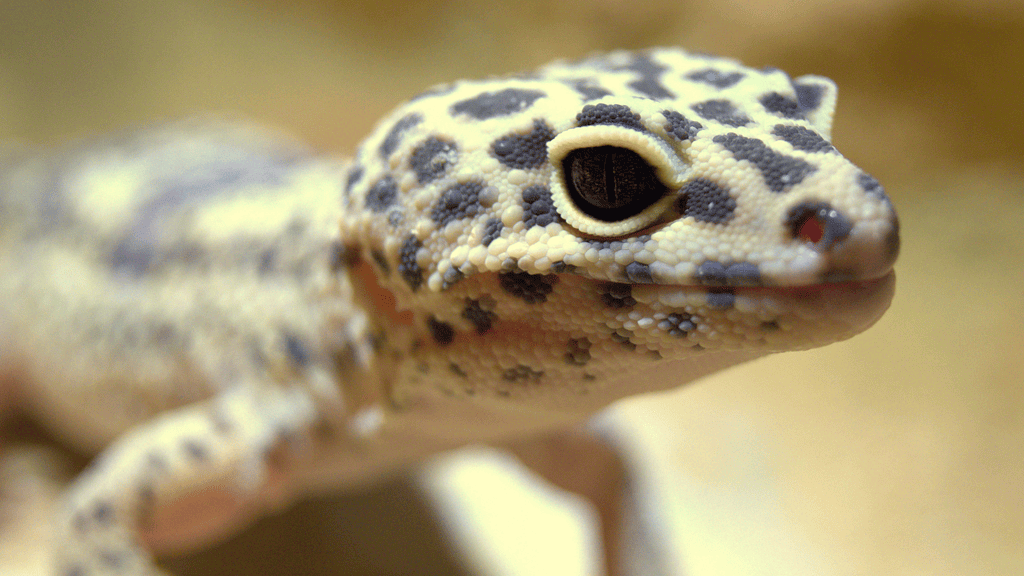
The teeth of Leos are conical in shape and are lined up in a tidy row near the top and lower jaws. The teeth of leopard geckos are not dangerous to humans because of their size and their lack of sharpness.

Geckos with leopard spots have a reputation for biting down forcefully on everything they can get their teeth on, yet they seldom cause any damage.

Can leopard geckos harm you?

Leopard geckos can’t do considerable harm to people. Although leopard geckos do not possess venom and have extremely few teeth, it is possible that some of them may bite if provoked. Even when handled by young children, adult leopard geckos do not provide a substantial risk to human beings.

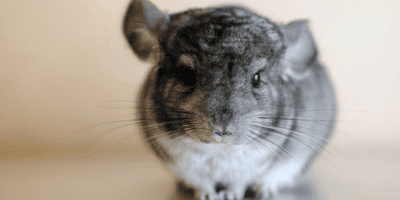
How Fast Are Chinchillas?

One of the many things when researching a new pet is to know if they are fast little guys. I was wondering just how fast this little guy was before making my decision, you may be thinking about this as well. Here is what I found.

Chinchillas can run up to 15 miles per hour. Their speed helps them avoid being caught by prey animals in the wild. This can also make catching them to return them to their cage difficult. Their feet have no fur on them, this helps with speed, jumping, and making fast directional changes.

How Fast Can They Run compared to other animals?

A chinchilla can run up to 15 miles per hour. This is an incredible speed when you compare it to other rodents and animals. Of small pets, the second-fastest is the mouse at 8 mph. The hedgehog is the slowest and comes in at a mere 4 mph. The hampster, gerbil, and guinea pig are all in the 6 mph. Range.

With other non-pet animals, the wild turkey has the same 15 mph. speed as the chinchilla. The squirrel hits 12 mph. The pig and chicken are even slower at 11 and 9 mph. A pet chinchilla may have no need to, nor want to run at that speed, This speed is usually used when fearful or when trying to escape. 

Their speed is what helped ensure their survival in the wild. They are food for many animals and birds. They would have to many times a day dart for the cover of rocks to avoid being dinner. 

Can Chinchillas Jump High?

Chinchillas can jump 6 feet straight up from a standing start. That is amazing since the NBA has the standing jump record at just under 4 feet. This was a needed trait so they could get around on the boulders of the Andes Mountains. It could allow them to jump over the animals wanting to catch them. They can jump in the air and come down spinning to take off in a new direction, it is to bad this didn’t keep them safe from fur hunters.

Do Chinchillas Need A Running Wheel?

Chinchillas are very fast creatures and need a lot of exercise. An Exercise ball or Running wheels allows your pet to keep up with their daily needs of physical fitness.

They need a lot of different exercising to keep healthy. It can also keep them from getting bored and into trouble and destructive. They can also become fat, stressed, and unhappy if they do not get proper exercise, this is not good for their health. A wheel is also the only way that your chinchilla can truly run at top speed in captivity. Even when out of the cage most places do not have the room for them to run all out for long.

However, that being determined, a wheel should not be used in place of them having playtime out of the cage, but instead as a way to ensure that they get as much exercise as they want. They should get at least 1-2 hours out of the cage daily.

You will need to be careful in the wheel that you choose. It should be large enough for an adult chinchilla. At least 14-16 inches in diameter, with a 5-inch running base. It should have a solid running floor so your chinchilla will not get injured by getting its toes caught in the slits.

Be sure to choose a wheel without an axle shaft in the middle. This will cause your chinchilla to run with an arched back to keep his tail from getting caught, which can cause problems. If you choose a wheel that doesn’t attach to the cage, be sure that the base is sturdy enough and stable enough that it will not turn over with your chinchilla inside.

After researching and a lot of reading the Chin Spin seems to be the best choice, this is just my opinion and a tip for you to look at. It comes in multiple colors, is made of metal and wood. The cost will be about $120. On Amazon. There are other wheels worth checking out as well. Steer clear of plastic wheels if possible.

Do not get a wheel for your chinchilla until it is at least 8 months old. Until then they are not able to regulate their temperature. They could very easily get overheated. 

There are things you can do to encourage them to get exercise. Out of the cage, playtime is best, however, you can entice them to use wheels by putting some dust on the wheel to get them started. Or perhaps use a treat to encourage them, or use something else.

What Other Excercise Equipment Do They Need?

There are a few other things available besides the Wheel. There is a giant ball that they can be put in and roll around. These are hard for them to control when wanting to stop. These balls are also prone to letting your chinchilla overheat. Even though they have slits for air they can get hot inside. The slits for air are also a spot for your chinchilla’s toes to get caught in. 

However, if your cage is to small for a proper wheel and you can’t just let them out to run this is better than no exercise at all. You will need to keep a close eye on them even in a ball to make sure they are not overexerted. 

Exotic Nutrition also has a 14-inch treadmill wheel that may be a good option. The flat spinning design is intriguing. This seems like it would be more natural than the upright wheels are. They wouldn’t need to arch their backs at all with this setup.

The construction of this item is all metal, with no risk of them chewing on it. They have replacement bearings that you can get and change yourself. They recommend changing them 1-2 times a year. However, this item is slatted and that could lead to feet getting caught. 

The 14-inch treadmill will cost about $50.

These two items are not needed unless it is the only way for you to provide them with exercise. They are only listed for you to review for yourself. I am not recommending them just informing you that they are out there as options. I know that a chinchilla needs a lot of exercise and some people need options to accomplish this.

Conclusion

They can run extremely fast for such a small animal. At 15 mph they are the fastest of all small animals that we call pets. Their speed was for protection but they still need to be able to run flat out so they can be happy and relaxed. 

They can jump higher than expected. At 6 feet they can jump much higher than a human can. This is why their cage must have some height with platforms for them to jump back and forth between.

For the mental and physical health of your chinchilla, it must have exercise. A wheel is a good way for them to get this. Out of cage is ideal but they still need some sort of way to get exercise when in the cage. 

Without proper exercise, your chinchilla will get stressed These little guys need to be able to run and jump.

If you are interested in learning more about chinchillas please visit one of our other articles What do Chinchillas Eat

Are Leopard Geckos better in pairs?

When we accept the responsibility of caring for a pet, we frequently feel the desire to adopt more pets as well. Even though they don’t constantly engage in conversation with one another, it’s possible for animals to coexist peacefully in some circumstances, such as when they’re rabbits or dogs. But what about when it comes to Leo? Are there any differences in the regulations? Are Leopard Geckos better in pairs?

Are Leopard Geckos better in pairs?

Well, the answer to this question depends on why you kept leopard geckos. If you house Leopard Geckos for breeding purposes, then yes, Leos are better in pairs. However, if you do not want to breed them, leopard geckos typically choose to live alone. This is because they are territorial creatures.

When a male leopard gecko and a female Leos are housed together, their innate desire is to have offspring. On the other hand, if two male Leos are housed together, their natural tendency is to battle against one another.

Is it possible for Leopard Geckos to share the same cage?

When you go to the local pet shop in search of a Leos, you will most likely be greeted with a tank full of other geckos, all of whom look to be getting along fine with one another and the other inhabitants of the tank.

You must, however, please remember that this is meant to be a temporary arrangement and is in no way something that you should attempt to recreate at your own residence.

Because the leopard geckos sold in pet stores are often considerably younger and smaller, this means that even while the aquarium may be crowded, the situation isn’t nearly as stressful as it would be if numerous adults shared the same area.

On the other hand, this does not in any way imply that Leos like being housed in the same enclosure. Leopard geckos in the wild do not coexist with other individuals because of their antisocial nature and the fact that they do not dwell in groups. They are highly lonely animals that only get together to breed in most cases.

Because of this, housing many leopard geckos in a single cage raises the possibility that the environment may not accurately reflect the leopard gecko’s native home. When taking care of animals that are considered “wild,” one of the most essential things to keep in mind is that you should aim to establish an atmosphere as similar to nature as is humanly feasible. 

Some pointers to keep in mind when keeping Leos together

One of the factors that might decide whether or not your Leo can live together is the ratio of males to females. The following is an easy-to-follow protocol that will assist you in determining whether or not you are able to house your Leos together.

·       Two female Leos living together

It is not a problem if a tank houses two female Leos of the same size, as long as they are the same age. This is because they typically like spending time in each other’s company, and they won’t have any issues cohabitating if they do so.

However, in order to prevent one gecko from bullying the other, you should put them in different enclosures if you observe that one of the geckos is developing more quickly than the other.

·       Two male Leos living together

You should try to avoid putting two adult male Leos in the same area together. Although you may keep them together when they are hatchlings, male geckos are quite aggressive and will fight with each other once they reach adulthood if they are not separated. To prevent this from happening, you will need to place them in separate locations/cages.

·       Male and a female Leos coexisting together

It is recommended that a male & female leopard gecko be housed in separate quarters until the animals have reached their maximum size. This is because male leopard gecko babies have a higher risk of becoming aggressive against female leopard gecko babies.

In addition, if you do not want the leopard geckos to mate, you should avoid placing a male & female Leo together in the same enclosure.

Multiple Leos housing options (if they exist peacefully)

You may choose to keep three leopard geckos in a vivarium of three feet in length if they are able to coexist peacefully. Your gecko will be able to explore this tank and walk around freely without bumping against each other because of the ample area provided by this tank.

Are Leopard Geckos better in pairs?

Some other best tank mates for Leos

It is extremely tempting to keep your leopard gecko alongside other creatures even if they are perfectly capable of surviving on their own. This is even though they do just fine on their own. If the conditions are correct, other animals such as turtles & frogs can live peacefully alongside your leopard gecko.

·       Turtles

Turtles are an excellent alternative to consider when deciding what other animals can live in the same tank as a leopard gecko.

Turtles are very sociable creatures. They are perfectly capable of surviving in the exact same environmental circumstances as your leopard gecko does.

It is simple to determine the gender of a turtle, which facilitates more informed decision-making during the purchasing process. Males are distinguished by their lengthy tails, which finish in a rectal aperture. This opening is situated close to the tip of the tail. On the other hand, females’ aperture to the rectal cavity is located near the shell, and their overall length is much reduced.

The good news about female turtles is that they are able to reproduce even in the absence of a male. Their diet needs to consist of a greater proportion of vegetables than proteins. You won’t have any problems taking care of the nutrition of your turtle, even if you just have a small budget.

The one drawback to having a turtle as a pet is that they want a very large environment in which to live. You are going to need a water filter as well because the creatures eat and waste within the habitat.

·       Frogs

Frogs are another excellent alternative to consider if you want your gecko to have a companion in its enclosure. They have a good bond with one another and are going to get along extremely well with one another.

There is a diverse selection of frogs available, each of which possesses unique features. However, certain kinds of frogs are not going to get along with other kinds of lizards or other animals. Before heading to the pet store to get the best frog for your aquarium, it is essential first to do some research on the subject.

Discovering a nocturnal frog, which is active during the day and sleeps during the night, is one of the most enjoyable things that can be done.

Check out our complete article on Leopard Geckos’ nocturnal behavior

In order to successfully combine the leopard geckos with the frogs, one must first select the appropriate frog species. It is imperative that you get a frog from a reliable breeder that is of a smaller size. These frogs won’t become big enough to threaten your leopard geckos with their voracious appetites.

Is it possible for three Leos to coexist together?

If the female leopard geckos are all the same size, then all three of them can live together. On the other hand, you will need to keep a close check on them in case they get into a fight with one another.

Are leopard geckos active at night?

The Leopard Gecko or Leo is a popular choice for a first-time lizard keeper since it is easy to care for. But about their active hours? Are Leopard Geckos active at night?

Well, they are not completely active at night. They are only active during twilight hours, which includes the hours of dawn and dusk. So, sometimes people confuse that they are active at night. However, those Leopard Gecko active hours are included in dusk time. Additionally, they are most active in the dim light after sunset or in the early morning hours. 

It is possible for them to become more active throughout the day in captivity, but in general, they move considerably more slowly than many other types of lizards that are routinely maintained. They have silky skin and vivid colors all over their bodies. They have been deliberately bred for various patterns and colors throughout their history, resulting in the creation of some magnificent geckos.

Leopard geckos spend most of the daytime in their burrows, attempting to maintain a low body temperature. However, they will venture out into the open to bask if they need UVB. They will begin their pursuit of smaller insects when the sun has fallen, and the full strength of the light and heat has been mitigated.

Nighttime is the gecko’s time to shine

Because twilight occurs around 7:30 PM in the night and in the morning, it occurs around 6:30 AM; this might be discouraging for some owners. Those who work or go to school during the day may find it difficult to spend time with their gecko after that time because most lizards do not stay up past that hour.

People who have leopard geckos as pets might be perplexed by the fact that they are only active in the late hours of the night. However, because leopard geckos are native to environments in which it is advantageous for them to be awake at these times, they have carried this behavior into our homes, where they remain awake at these times as well.

The reason for this is that since they are such little lizards, the shelter that the dark gives them with at nighttime helps them tremendously with remaining concealed from possible threats and also with catching other animals and insects that aren’t able to see as well as they do at times when there is little to no light available.

Because these animals spent such a significant portion of their lives in the wild before being kept as pets in captivity, they have adapted to acting in this manner and will continue to do so for as long as they are routinely maintained as pets in private homes. This may seem counterintuitive, given that there are no dangerous creatures in the tank with them and that they also do not have any prey to hunt at night, but the reason for this is because they were forced to do these things for such a long period of time before

Being active during these times helps in hunting and prey, but it also protects them from becoming exposed to the heat and the risk of overheating due to being exposed to the sun.

However, because their brains have evolved to these characteristics due to living in environments where they’ve had to do what they could to live, they continue to behave in this manner even when they’re in the warmth and protection of our tanks at home. Thankfully, Leos that are maintained in captivity do not have to cope with any of these things.

Importance of Gecko sleep cycle

Not only is it important for you as the owner of a leopard gecko to know when they are awake and asleep so that you may feed them and spend time with them, but it is also important so that you can understand when it is appropriate to respect their requirements.

If there is still a source of light coming into their tanks while they are awake, then it may stress them out, and as a consequence, they may not feel quite enough to spend much time with you. Leos do not mind light when they are asleep since they are away in their covers for the majority of the day so that they are not impacted by it.

Having a Leo as a pet can indeed have certain drawbacks, but if you’re prepared for these drawbacks and know how to work around them, they won’t be nearly as problematic for you.

Sexual Dimorphism

There are slight differences between the sexes of geckos. Like the males of many other species of animals, male geckos tend to be stockier and bulkier than their female counterparts. However, because of the inherent fluctuation of this trait, it cannot be relied upon as a foundation for determining the gender of geckos.

Examining the underside of the gecko, more especially the dorsal side of the base of the tail, is the most accurate method for determining whether or not it is a male or female. You will see a line there, which denotes the entrance of the cloaca.

Males will have 2 small bulges that are symmetrical and located on the hole that is closer to the tail. This is the location of their hemipenis, which may be found here.

Are heat lights necessary for leopard geckos?

They must have a heat source in order to produce a hot spot in their vivarium; however, the heat source does not necessarily need to be light. A decent, moderate heat source is a heat mat, but you should stay away from hot rocks.

Are leopard geckos excellent pets?

Yes, without a doubt! They do not require as much of a terrarium as some of the bigger lizards do; they are kind and gentle and easy to care for. They don’t consume a lot of food, but as long as their requirements (for temperature, availability of UVB, and supplements) are satisfied, they are in excellent health.

Why does my leopard gecko (Leo) appear pale?

Leopard geckos prepare to shed their old skin by first pumping a little amount of fluid between their old and new skin layers. This allows the old skin to become more flexible. This causes the old skin to take on an appearance that is somewhere between dusty and gray, and it is a reliable sign that your Leo is getting ready to shed its skin.

Do leopard geckos (Leo) bite?

Any creature that possesses a mouth is capable of biting. The only time leopard geckos will bite is if they are scared, injured, or if you are hand-feeding them a particularly tasty meal. Other than that, these lizards are very docile and laid back.

Are leopard geckos social?

In the wild, leopard geckos live primarily solitary lives like the vast majority of other reptiles. When kept together in captivity, 2 or more females and a male and many females will often accept one another. If a sufficient amount of room, more hiding locations than geckos, and an ample food supply are made available, then a permanent group can be created. On the other hand, a single gecko may live a perfectly healthy and happy life by itself, if all the housing and feeding needs are provided.

Tell us in the comments, how you like our article, “When Are Leopard Geckos Most Active?”

Click here for similar articles

When Are Leopard Geckos Most Active?

Before deciding to obtain a leopard gecko, it is essential to have a solid understanding of what you will be getting yourself into. Only then should you go ahead and make the purchase. Not because they are difficult to care for in any way. There is a possibility that the sleep pattern of a leopard gecko will be a source of frustration for its owners. If you’ve ever wondered when leopard geckos are at their most active, then we are here to assist you. Let us discuss when Leopard Geckos are most active?

When Are Leopard Geckos Most Active?

Leopard Geckos are well-known crepuscular lizards. So, they are mostly active at dawn or dusk; in other words, you may say that they are active at twilight hours.

Leopard Geckos are endemic to the Middle East. Deserts and rocky grasslands covered in the sand are their natural habitats. The majority of the flora in that region consists of shrubs and grasses that can survive in dry conditions. Because of the high temperatures throughout the middle of the day, these geckos are crepuscular, which means they are most active around dusk and dawn. Even though the environment is hot and dry, they have access to moisture in their burrows, which allows them to shed their skin and maintains a high humidity level for egg incubation.

Optimal temperature and lighting

Their optimal temperature and light-bearing capacity also opt for them to be active at dawn & dusk.

Within the enclosure or cage, it is essential to provide an optimal temperature gradient for Leopard geckos, sometimes known as a warm and cold side. This may be accomplished by adhering a mat of the right size to the bottom of the cage/enclosure all the way to one side and ensuring that adequate illumination is present. Ideal temperatures Temperatures for Leopard Geckos fluctuate from 76–80 degrees Fahrenheit on the cool side to 82–85 degrees Fahrenheit on the warm side. On the warm side, provide a basking area that is between 90 and 95 degrees Fahrenheit.

Even though leopard geckos do not require UVB to live, research has shown that exposure to UVA and UVB radiation has a significant positive effect on all reptiles’ immunity, health, and overall wellness, including diurnal and crepuscular species.

Feeding and Diet

In the wild, leopard geckos eat large insects and other invertebrates, becoming insectivorous. When kept in captivity, leopard geckos should be given crickets, caterpillars, super worms, cockroaches, and mealworms to eat. Feeder insects should be provided with any gut load filler that is of excellent grade. Your feeders will have a higher nutritional value due to your feeding them, and your Leopard Geckos will benefit from the increased availability of essential nutrients.

Handling

Even as babies, leopard geckos can often tolerate modest degrees of handling and engagement with their human caretakers. When handling your gecko, make sure to do it carefully and methodically, taking care not to fall or otherwise hurt the animal. Do not grasp your gecko by the tail, as this might cause the tail to fall off if the gecko perceives you as a threat or a potential predator. The vast majority of mature Leopard Geckos will eventually calm down quite a bit, becoming fairly docile and simple to handle.

Here you can check the friendliness of Leopard Geckos.

Training

You can’t “train” a Leopard Gecko in the classic sense, but you may induce a reflex in them so that they will respond in a certain way to certain stimuli. It should be no surprise that eating is your gecko’s primary preoccupation. There aren’t many other things to worry about when you are a lizard. You may “train” Leopard Geckos by taking advantage of their interest in eating, as they have rather healthy appetites.

When Are Leopard Geckos Most Active?

Conditions affecting the Leopard Gecko’s health

Even though some Geckos are generally a resilient species, they are susceptible to some health concerns due to their natural environment. As you shall see, the majority of them are linked to inappropriate methods of growing and managing animals. To our good fortune, this also means that the majority of them are capable of being readily avoided.

Let’s take a look at the health problems that affect leopard geckos the most frequently.

·       External Parasites

In enclosures/tanks, the most frequent type of external parasite that can be found is a mite. These small stick-like creatures will pierce the gecko’s skin and feed on the gecko’s blood. Additionally, they will make their home and raise their young within the gecko’s tank.

·       Incomplete Shedding

The gecko will shed its old skin in one continuous layer if it is healthy. However, if the surrounding air is very dry, there may already be an underlying health condition or a mineral deficiency. Both of these factors can cause fragments of dead skin to become trapped in various regions of the body. It is quite necessary that you get rid of them in order to prevent any more issues. For instance, Leos are prone to developing rigid skin “rings” that might prevent blood from flowing to their fingers.

·       Metabolic Bone Disease (MBD)

The metabolic bone disease, often known as MBD, is a condition that is comparable to rickets in humans. Because leopard geckos do not get enough of certain minerals and vitamin D, their bones become pliable and misshapen. As a result, they are unable to move about or even feed correctly because their jaws are malformed. Treatment for MBD must begin immediately, and sufferers must take calcium & vitamin D3 supplements. The therapy won’t be able to reverse the destruction that has already been done, but it will prevent any more deformations from taking place.

·       Impaction

Impaction in leopard geckos can occur when they unintentionally ingest hard substrates like sand or when they consume insects with very large or tough exoskeletons. The substance that cannot be digested causes obstruction in their intestines. Your pet may die from impaction if they do not receive treatment for the condition.

It is important to be aware of the warning signals, including the inability to pass stools, rejection of meals, sluggishness, discomfort, and variations in the belly color.

If you have reason to assume that your Leopard Gecko may be suffering from impaction, the very first thing you should do is give them a warm bath. If you do not want him to drown in the water, the water level should not be higher than his shoulders. A gecko may experience some anxiety due to spending time in the water, but the swimming movement may actually assist him in defecating.

What sets the Leopard Gecko apart from other types of lizards?

A few features come to mind immediately when attempting to define what differentiates a gecko from a lizard in the first place. To begin with, geckos are able to climb because of the adhesive toe pads on their feet. Second, because they lack eyelids, they have to lick their own eyes in order to keep them clean. Last but not least, they have vocal cords, which give them the ability to bark and create other sounds. Leopard Geckos are distinct from other gecko species because their eyelids and toe pads are not sticky like those of other gecko species. However, they have vocal cords and can squeak and bark to scare away potential predators. Even though they deviate from the standard gecko behavior, they make fantastic first pets for reptiles. They are obedient, simple to handle, and exceptionally tenacious. After thirty years of careful breeding, they are now available in many colors and striped patterns.

Tell us in the comments, how you like our article, “When Are Leopard Geckos Most Active?”

Click here for similar articles