
The Best First Pets for Kids (By Age): A Parent's Holiday Guide
Nine family pets compared on care, lifespan and noise, plus the habitat, crate or cage to buy for each so the big present is ready on day one.

Quick picks
- Best hands-on pet from age 5, with a parent in chargeGuinea pigs
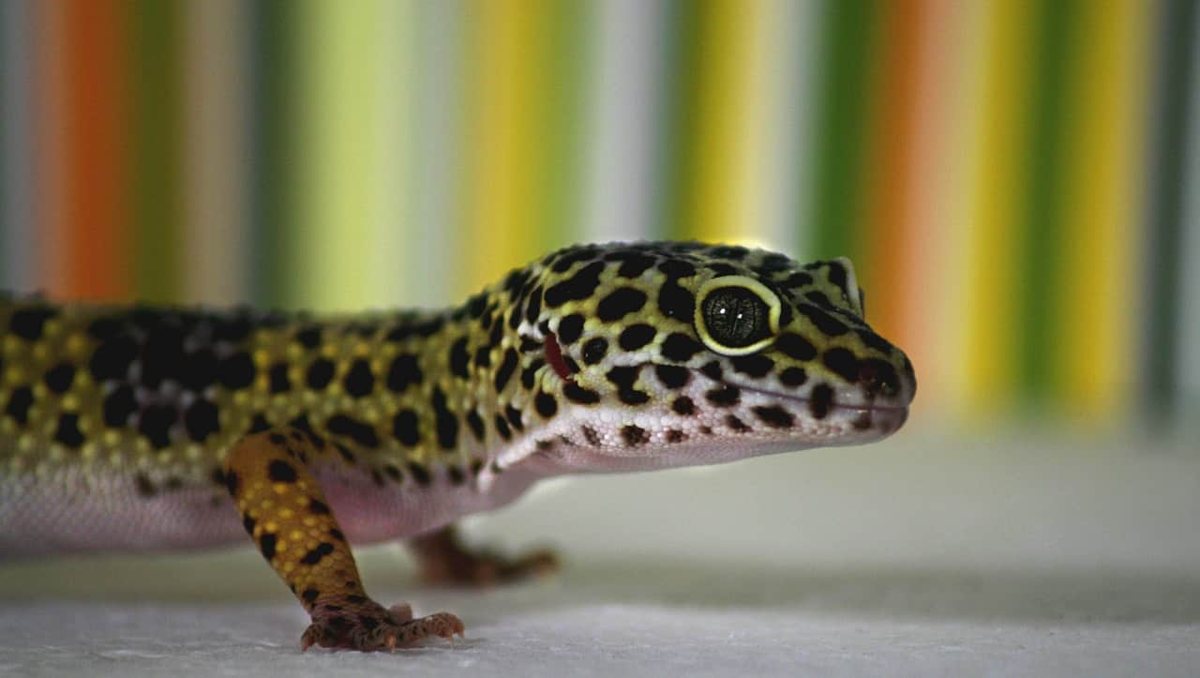
- Quietest pet for a child's bedroomLeopard gecko
- Best for a family ready for daily walksA dog
- Best for an animal-mad 11-year-oldBearded dragon
Before you give a pet as a gift
A pet is a gift for the whole family, and an adult will do much of the care, whatever the promises made in December. Some of the animals below live 15 years or more, so choose one that fits your home, your budget and your schedule, not only your child's wish list.
Many families wrap the setup and bring the animal home a week or two after the holidays, once the house is calm. A tank, crate or cage under the tree still makes a great reveal, and it gives you time to set up the habitat and get the temperature right before anyone moves in.
The best first pet for each age
Under 5
A family dog or cat, with an adult as the main carer. Fish in a properly filtered tank are a good shared project to watch together. Skip reptiles, amphibians and rodents (including hamsters and guinea pigs) for now, as the CDC advises.
Ages 5 to 7
A pair of guinea pigs, a calm adult cat, or a dog the whole family walks. Kids this age can help with feeding, fresh hay and water, with a parent checking.
Ages 8 to 10
Guinea pigs, a leopard gecko, a cockatiel, or a hamster for a gentle child. This is the age when a child can own a real daily routine, with reminders.
Ages 11 and up
Everything above, plus a bearded dragon or a chinchilla. Older kids can handle the setup work: lighting schedules, temperature checks and cage cleaning.
The nine pets at a glance
| Pet | Typical lifespan | Handling | Noise | Main purchase |
|---|---|---|---|---|
| Dog | 10+ yrs, varies by size | Loves contact | Barks | Crate and bed |
| Cat | 10+ yrs, often longer | On its own terms | Quiet | Cat tree and litter box |
| Leopard gecko | 10 to 20+ yrs | Short and gentle | Silent | Terrarium and heat |
| Bearded dragon | 8 to 12 yrs | Tolerates well | Silent | Large tank and UVB |
| Cockatiel | 15 to 25 yrs | Loves contact | Moderate | Flight cage |
| Finches | 5 to 15 yrs | Watch, not hold | Chirpy | Wide flight cage |
| Chinchilla | 10 to 15 yrs | Gentle, older kids | Quiet | Tall cage |
| Guinea pigs | 4 to 8 yrs | Loves contact | Squeaky | Large cage |
| Hamster | 1 to 2 yrs | Older kids | Night wheel | Large cage and wheel |
Lifespans are typical ranges for well-kept pets, based on the Merck Veterinary Manual, PetMD and other vet-reviewed sources. Individual animals vary, and dog lifespans depend a lot on size.
1Leopard gecko
Calm, quiet and active in the evening, which suits kids who are home after school. Leopard geckos don't need daily handling, but they do need steady warmth and a properly sized tank from the start. In captivity they often live 10 to 20 years, so this is a long-term pet.
Good fit if: Your child likes watching more than cuddling, and you want a silent bedroom pet.
Think twice if: Anyone in the house is squeamish about feeding live insects.
REPTI ZOO 36" x 18" x 18" glass terrarium
Why we picked it: Many keepers now recommend a 36-inch tank over the classic 20-gallon starter kit, so a gecko has room for a warm side and a cool side. Buying the bigger tank first saves an upgrade later.
What to look for:
- Front-opening doors, so kids aren't reaching in from above
- A locking screen top
- Room for at least three hides: warm, cool and humid
Read our leopard gecko habitat guide
2Guinea pigs
Social, chatty and happy to be held, guinea pigs are a classic first pet. They do best in pairs, so plan on two, and on a bigger cage than most pet-store kits. They need fresh hay every day and vitamin C in their diet.
Good fit if: Your child wants a pet to hold and talk to, and you have floor space for a big cage.
Think twice if: Someone in the house has hay allergies.
MidWest Guinea Habitat Plus
Why we picked it: A long, single-level cage with a removable, washable liner. It can be extended later, so it grows with a pair of guinea pigs.
What to look for:
- Floor space first: guinea pigs run laps, they don't climb
- A deep base so hay and bedding stay inside
- A side door at kid height
Read our guinea pig cage setup guide
3Dog
A dog is the most involved first pet on this list and, for many families, the most loved. The breed matters less than the individual dog's energy and temperament, so meet the dog with your kids before you commit. A rescue that has lived with children is a great place to start.
Good fit if: An adult is home enough for walks, training and vet visits.
Think twice if: Your days are long and the house is often empty.
MidWest iCrate double-door folding crate
Why we picked it: A crate gives a new dog a quiet den of its own, which helps with house training and gives kids a clear rule: when the dog is in its crate, leave it be.
What to look for:
- Sized for the adult dog, with a divider for a puppy
- Two doors, so it fits more spots in the house
- A leak-proof tray
4Cat
Cats are quieter and more independent than dogs, which makes them a good fit for busy families. An adult cat with a known gentle temperament is often a better choice for young kids than a kitten, whose claws and teeth are sharp and whose energy runs high.
Good fit if: You want a pet that copes with a busy family schedule.
Think twice if: Anyone in the house has cat allergies.
Feandrea tall cat tree
Why we picked it: A tall cat tree gives a cat somewhere high to retreat from busy kids, which keeps everyone happier. It also saves your sofa from scratching.
What to look for:
- A wide, heavy base so it doesn't tip
- At least one perch near a window
- Sisal-wrapped posts for scratching
5Bearded dragon
Bearded dragons are curious, active in the daytime and usually tolerate handling well, which is why older kids love them. They need the most equipment on this list: a big enclosure, a basking spot and UVB lighting that gets replaced on schedule.
Good fit if: Your child is 11 or older and likes a project.
Think twice if: You don't have room for a 4-foot enclosure.
48" x 24" x 24" front-opening terrarium
Why we picked it: Adult bearded dragons need about a 4-foot by 2-foot enclosure, and baby kits are outgrown within months. Buying the adult size now is cheaper than buying twice.
What to look for:
- Front-opening doors
- A screen top that can carry a UVB fixture
- Enough height for a basking platform
Read: Do bearded dragons make good pets?
6Cockatiel
Cockatiels are gentle, whistle tunes and bond closely with their people. They want time out of the cage every day and can live 15 to 25 years, so a cockatiel is a family commitment that may outlast childhood.
Good fit if: Someone is home most days and your child wants a pet that responds to them.
Think twice if: You need a quiet house early in the morning.
Prevue Pet Products F040 flight cage
Why we picked it: A flight cage is wider than it is tall, so a cockatiel can actually fly from perch to perch. It's the single best upgrade over a standard pet-store cage.
What to look for:
- Bar spacing suited to cockatiels
- Width over height
- A pull-out tray for easy cleaning
Read: How much does it cost to own a cockatiel?
7Finches
Finches are a pet to watch, not hold. A pair or small group will chatter and flit around a roomy cage all day, which makes them a lovely living-room pet for families with younger kids who are gentle observers.
Good fit if: You want a lively, low-handling pet that kids can enjoy from the sofa.
Think twice if: Your child's dream is a pet that sits on their hand.
Wide flight cage for finches
Why we picked it: Finches fly rather than climb, so a long cage matters far more than a tall one.
What to look for:
- Narrow bar spacing that small finches can't squeeze through
- Length over height
- Several perches at different heights
Read: How much does a finch cost to own?
8Chinchilla
Soft, quick and funny, chinchillas are best with older, patient kids. They're most active at dusk, prefer a short gentle visit to being held, and overheat easily, so they need a room that stays cool (below about 75°F).
Good fit if: Your child is calm and patient, and your home stays cool year-round.
Think twice if: You want a pet for a toddler to cuddle.
MidWest Critter Nation
Why we picked it: Chinchillas love to jump, so a tall, multi-level cage suits them. Cover any wire shelves and ramps with solid platforms or fleece to protect their feet.
What to look for:
- Height and several levels
- Wide doors for cleaning
- Solid shelves, or a plan to cover wire ones
Read: Should I get my child a chinchilla or a rabbit?
9Hamster
Hamsters are small but not simple. They sleep in the day, may nip if woken, and need far more space than the colorful tube cages suggest. Syrian hamsters must live alone. For a gentle older child who is happy with evening visits, they're a sweet first pet.
Good fit if: Your child is a night owl who is happy to watch more than hold.
Think twice if: You want a daytime pet for a young child.
Niteangel large hamster cage
Why we picked it: A large, single-level cage with deep bedding lets a hamster dig and burrow the way it would in the wild.
What to look for:
- Lots of floor space
- A deep base for 6 inches or more of bedding
- Room for a big wheel
Pets we'd skip as a surprise gift
- Small turtles. They can carry Salmonella, which is why selling turtles under 4 inches long as pets has been banned in the U.S. since 1975. Larger turtles can live for decades.
- Hermit crabs. They need warm, humid tanks and the company of other crabs, and they can live many years with proper care. Boardwalk kits set them up to fail.
- A bunny as a surprise. Rabbits are wonderful but fragile, often dislike being picked up, and live for many years. They're best as a planned family choice.
- Goldfish in a bowl. Goldfish grow big, make a lot of waste and can live for many years. They need a large filtered tank, not a bowl.
Questions parents ask
What's the easiest first pet for a young child?
For a child under 5, the easiest first pet is a family pet that a parent cares for, like a calm adult cat or dog, or a shared fish tank. From about age 5, a pair of guinea pigs is a great hands-on first pet, as long as an adult checks food, water and cleaning.
Should we bring the animal home before the holidays?
Usually not. Visitors, noise and travel make the first days stressful for a new animal. Wrap the habitat or a picture of the pet, set it up together, and bring the animal home once things are calm.
How much should I budget for the first year?
The habitat is usually the biggest one-time cost, and it's worth buying the adult size from the start. After that, plan for food, bedding, replacement bulbs for reptiles, and vet visits. Small mammals, birds and reptiles need a vet who treats exotic animals, so find one nearby before you need them.
Is a pet a good surprise gift?
The animal shouldn't be a surprise to the adults who will care for it. The reveal can be a surprise for your child, though: a wrapped cage, a book about the pet, or a printed photo and a promise date all work well.
Practical pet guides for parents. We research products using makers' details, care guidance and owner reviews; we're not vets, so health questions go to one.
More about us